General Dentistry
September 15, 2026
How Are Restless Legs Syndrome and Oral Health Connected?
 Dr. Rifat Alsaman
Restless Legs Syndrome and Oral Health is a topic getting more attention, even though RLS is a neurological condition, not a dental one. Restless Legs Syndrome is a sensorimotor disorder linked to dopaminergic dysfunction and iron deficiency in the brain. These same iron and dopamine pathways also affect oral tissue health and taste function. Because of this overlap, the two areas may connect through several indirect pathways rather than one direct cause. This article looks at how sleep disruption, medication side effects, and daily routines linked to RLS can influence dental health. It also explains why the topic is worth discussing, and how Vitrin Clinic supports patients facing both concerns at once.
What Is Restless Legs Syndrome?
Before exploring this connection in detail, it helps to understand what RLS is and how it typically presents. Most of its effects on the mouth are indirect rather than direct.
Is There a Direct Link Between Restless Legs Syndrome and Oral Health?
Current evidence does not show that RLS directly damages teeth or gums. The link appears to run through other factors instead. These include medication side effects, iron deficiency, and disrupted sleep. RLS itself is not considered a direct cause of dental disease.
Can Restless Legs Syndrome Affect Your Teeth?
Questions about RLS and oral health often start here: can RLS affect the teeth directly? The answer generally points to indirect, rather than direct, effects.
Restless Legs Syndrome and Teeth
Restless legs syndrome teeth concerns typically stem from indirect factors, not the disorder itself. Sleep disruption, periodic limb movements, and RLS medications can all influence oral care routines. This may raise the risk of dry mouth or inconsistent hygiene, rather than pointing to a direct disease connection.
Restless Legs Syndrome and Dental Health
RLS and dental health can intersect when sleep-related arousals occur. Periodic limb movements during sleep sometimes coincide with increased nocturnal bruxism, according to sleep medicine literature. This shared arousal-related muscle activity may explain occasional links between RLS and nighttime teeth grinding.
Clinical Note
RLS should not automatically be considered the cause of tooth pain, cavities, or gum problems. A proper dental exam is important whenever oral symptoms develop, regardless of an existing RLS diagnosis.
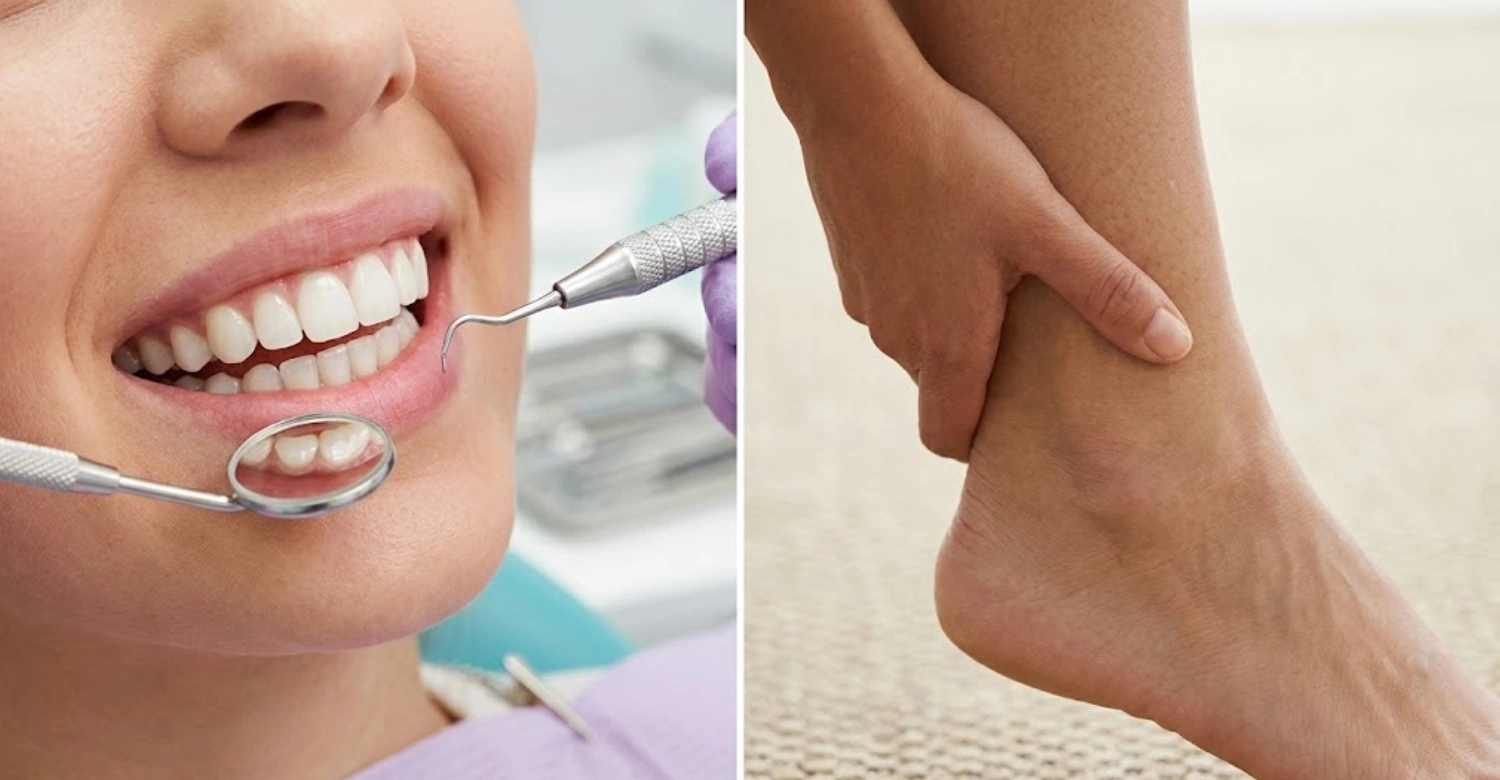
Note : All images used are for editorial and illustrative purposes only and may not originate from the original news provider or associated company.
What Dental Problems Can Be Associated With Restless Legs Syndrome?
Several dental problems have come up in discussions of Restless Legs Syndrome and Oral Health. These links generally run through shared risk factors rather than one disease pathway.
Restless Legs Syndrome Dental Problems
These dental problems most often relate to dry mouth from dopamine agonist medications. Iron deficiency affecting the oral mucosa is another factor, along with inconsistent hygiene linked to fatigue. Iron deficiency is a well-documented contributor to RLS severity. It has also been linked to glossitis, angular cheilitis, and a higher risk of oral candidiasis.
Restless Legs Syndrome Mouth Problems
Patients sometimes report dryness, oral discomfort, and altered taste sensitivity. These symptoms may relate to overlapping iron and dopamine pathways, rather than RLS acting directly on oral tissue. Reviewing medications and iron status can help clarify the cause.
Tips for the Patients
Maintain regular brushing and interdental cleaning. Keep routine dental appointments and stay adequately hydrated. Tell your dentist about any medications used for RLS. Avoid assuming that persistent oral symptoms are caused by RLS alone without a proper evaluation.
Can Restless Legs Syndrome Cause Dry Mouth?
Dry mouth is one of the more consistent themes here. It is mainly linked to medication effects rather than RLS itself.
Restless Legs Syndrome Dry Mouth
Dry mouth in RLS patients is more closely linked to treatment than to the disorder itself. First-line RLS medications, particularly dopamine agonists such as pramipexole and ropinirole, commonly reduce salivary flow. This can lower oral clearance and buffering capacity, raising the risk of tooth decay.
How Does Dry Mouth Affect Teeth?
Saliva helps neutralize acids, wash away food debris, and protect enamel. When saliva flow decreases, several risks tend to rise: tooth decay, plaque buildup, gum irritation, bad breath, and general oral discomfort. Saliva protection is an important consideration for patients on RLS medications.
Clinical Note
Persistent dry mouth deserves dental evaluation. This is especially true when it comes with increased sensitivity, new cavities, or gum problems that do not improve with routine hygiene.
How Does Sleep Disruption From Restless Legs Syndrome Affect Oral Health?
Sleep quality plays a central role in this topic. Fragmented sleep can influence daily habits well beyond the mouth itself.
RLS, Sleep Quality, and Oral Health
Chronic sleep disruption from RLS has been linked to daytime fatigue in some populations. It can also reduce self-care motivation, which may indirectly affect how consistently patients brush and floss. The connection here often runs through behavior and daily routine, not a direct biological mechanism.
Can Poor Sleep Increase Dental Problems?
Poor sleep does not directly cause RLS-related dental disease. But it may contribute indirectly, by lowering energy for hygiene routines and increasing nighttime muscle activity, such as bruxism, in some people. Multiple factors, rather than sleep alone, generally shape this bigger picture.
What Is the Best Restless Legs Syndrome Dental Care?
Effective dental care for RLS patients focuses on prevention and consistency. This supports both areas together, rather than treating RLS itself.
Restless Legs Syndrome Dental Care
This generally includes fluoride toothpaste, regular brushing, interdental cleaning, adequate hydration, and routine dental exams. Early treatment of developing problems is especially useful. This applies to patients managing dry mouth or inconsistent hygiene related to RLS symptoms or medications.
How Can You Protect Your Teeth With RLS?
Addressing dry mouth when present helps, as does reducing frequent sugar exposure. Maintaining consistent oral hygiene despite sleep-related fatigue matters too. Following individualized dental recommendations, rather than a generic routine, is usually the most effective long-term approach for RLS patients.
Tips for the Patients
Keep dental care simple and consistent. Drink water regularly if appropriate. Ask the dental team about fluoride protection if you have a high cavity risk. Report any persistent mouth dryness or dental sensitivity promptly.
When Should You See a Restless Legs Syndrome Dentist?
Knowing when to see a dentist can help address Restless Legs Syndrome and Oral Health concerns before they progress into bigger dental problems.
Restless Legs Syndrome Dentist
A dentist visit is appropriate when symptoms such as persistent dry mouth, tooth sensitivity, toothache, bleeding gums, bad breath, new cavities, or general mouth discomfort develop. Prolonged immobility can worsen the urge to move the legs. Because of this, shorter appointments or scheduled breaks may help patients stay comfortable throughout treatment.
What Can a Dentist Check?
A dentist can examine teeth and enamel, gum health, plaque and tartar buildup, and signs of tooth decay. They may also consider related conditions such as chronic kidney disease, peripheral neuropathy, or pregnancy. These are more common among RLS patients and can influence treatment planning and medication safety.
Clinical Note
A dentist can help determine whether an oral symptom relates to dental disease, dry mouth, medication effects, or another underlying factor. This is more reliable than assuming a single cause without examination.
How Can You Maintain Good Oral Health With Restless Legs Syndrome?
Maintaining Restless Legs Syndrome and Oral Health together mainly comes down to consistent daily habits, rather than one specialized treatment.
Daily Oral Hygiene
Brush twice daily with fluoride toothpaste and clean between the teeth regularly. Maintain adequate hydration and limit frequent sugary snacks and drinks. These simple habits remain the foundation of good dental management, regardless of nighttime disruptions.
Managing Dry Mouth
Patients with dry mouth can benefit from regularly sipping water and using saliva-stimulating aids when appropriate. Consistent dental monitoring also helps. No single remedy suits everyone, so practical measures should be tailored to each patient's situation and medication profile.
Clinical Note
Good preventive care can help reduce the risk of cavities and gum disease. This matters especially when dry mouth or inconsistent oral hygiene is present alongside RLS symptoms or its treatment.
How Can Vitrin Clinic Help With Restless Legs Syndrome and Oral Health?
Vitrin Clinic addresses these concerns through individualized dental assessment, rather than generic recommendations applied to every patient.
Personalized Dental Care at Vitrin Clinic
Vitrin Clinic offers personalized dental care for patients dealing with oral health concerns alongside RLS. Each assessment considers the patient's dental condition, medication history, and daily habits. A standard approach is not applied to every case.
Restless Legs Syndrome Oral Health Assessment at Vitrin Clinic
This assessment evaluates teeth, gums, oral hygiene, dry mouth, and existing dental problems. The findings help the team create a personalized dental care plan. It is suited to each patient's needs, symptoms, and treatment history.
What We Notice Clinically
Dr. Rifat Alsaman, Head of the Medical Team at Vitrin Clinic and a cosmetic dentist, emphasizes that patients with RLS and oral symptoms should receive an individualized dental assessment. This matters especially when dry mouth, tooth sensitivity, or dental decay is present, rather than a standardized response.
Tips for the Patients
Bring a current list of medications to your dental appointment. Tell the Vitrin Clinic dental team about persistent dry mouth or other oral symptoms. Keep regular dental follow-ups and address dental problems early, rather than waiting for symptoms to worsen.
About Vitrin Clinic
Depending on the assessment, Vitrin Clinic's Periodontics team may recommend professional cleaning to remove plaque and tartar, fluoride application to strengthen enamel, saliva-support measures for patients experiencing dry mouth, and restorative treatment for any existing cavities. Appointments can also be scheduled in shorter sessions when prolonged immobility related to RLS makes longer visits uncomfortable for the patient.
Resource:
https://pubmed.ncbi.nlm.nih.gov/41070530/
FAQs
Dr. Rifat Alsaman has more than 5 years of clinical experience in dentistry and currently serves as the Head of the Medical Team at Vitrin Clinic. He is dedicated to providing exceptional patient care, overseeing treatment planning, and ensuring the highest clinical standards across the team. His expertise, attention to detail, and commitment to continuous professional development have helped countless patients achieve healthier, more confident smiles.


