General Dentistry
October 5, 2026
What Is Strawberry Tongue and What Causes It?

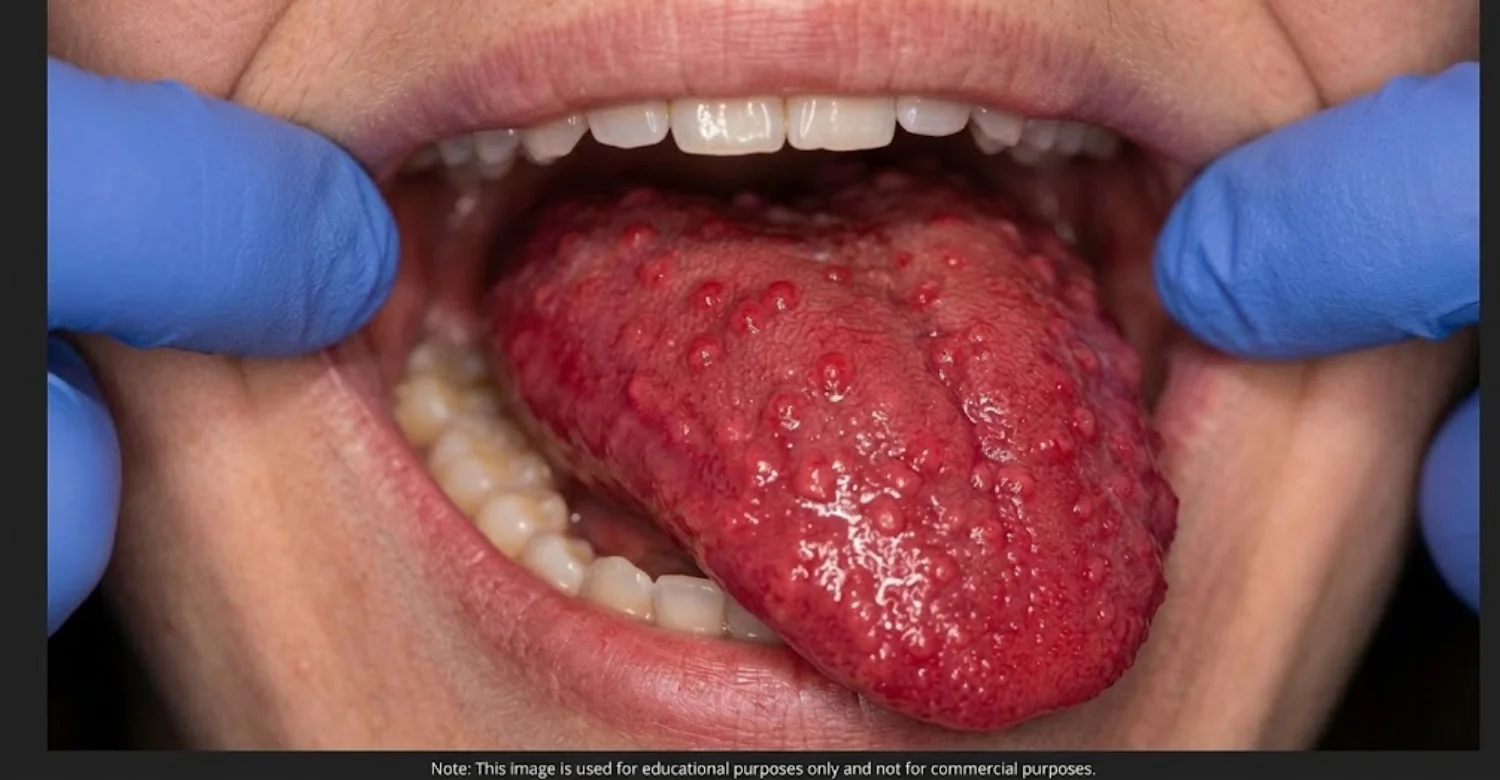
Strawberry tongue is a descriptive term for a tongue that looks unusually red and swollen, with prominent papillae. The surface resembles the fruit it is named after. It is a sign, not a disease, and it can appear with several conditions. These include strep throat, scarlet fever, Kawasaki disease, and other inflammatory or systemic illnesses. Some causes are common infections, while others need prompt medical assessment. Diagnosis depends on age, symptoms, medical history, examination, and sometimes laboratory tests. This professional guide covers causes, symptoms, treatment, and when to seek dental or medical evaluation.
Strawberry Tongue: What Does It Mean?
The term describes a clinical finding, not a diagnosis. The tongue appears bright or unusually red, and the papillae look enlarged and raised. Swelling or tenderness may be present. In the early stages of some infections, a white coating can cover the surface first. Papillae become more noticeable because inflammation makes them swell and stand out. Appearance alone cannot reveal the underlying cause. A naturally red, textured, or irritated tongue is different. Dentists and physicians therefore review the patient's other symptoms before reaching any conclusion.
What Does a Healthy Tongue Normally Look Like?
A healthy tongue is usually pink and moist, with a thin, light coating. Small papillae cover the surface and give it a slightly rough texture. Normal variation is common. Some people have deeper grooves, darker pigmentation, or a paler shade, and these features are harmless. Color can also change briefly after certain foods or drinks. Redness or swelling becomes clinically unusual when it persists, causes discomfort, or appears with other symptoms. A sudden change in color, size, or texture deserves professional attention.
Strawberry Tongue Symptoms to Look For
The main signs are a red, swollen tongue and prominent taste buds or papillae. Many patients also report tenderness or a burning sensation. Eating can become difficult because of the discomfort. Other symptoms often appear at the same time, depending on the cause. These may include a sore throat, fever, and swollen glands in the neck. A rash or other body-wide symptoms can develop when an infection or inflammatory disease is responsible. Noting every symptom helps the clinician identify the cause accurately.
Note: All images used are for editorial and illustrative purposes only and may not originate from the original news provider or associated company.
Learn about the anatomy and health of the dental pulp
Strawberry Tongue Causes: What Causes Strawberry Tongue?
The causes range from infectious conditions to systemic inflammatory disorders. Bacterial infections are among the most frequent explanations, particularly in children. Inflammatory diseases, nutritional deficiencies, and reactions to medications or irritants are also possible. Because the list is broad, the tongue should never be judged by itself. The patient's overall symptoms give the finding its meaning. Fever, rash, throat pain, and age all guide the clinician's thinking. The sections below explain the main associations and why each one requires a different response.
Strawberry Tongue and Strep Throat
The strawberry tongue strep throat connection is well recognized. Group A Streptococcus bacteria infect the throat and trigger inflammation. The infection can also produce body-wide symptoms. As a result, the tongue changes may appear alongside fever, sore throat, swollen tonsils, or tender neck glands. However, not every person with strep throat develops this sign. Many viral infections also cause a sore throat, so symptoms alone are unreliable. A rapid test or throat culture is often needed before the diagnosis is confirmed and treatment begins.
Strawberry Tongue and Scarlet Fever
The strawberry tongue scarlet fever association is a classic one. Scarlet fever develops when Group A Streptococcus bacteria release toxins during infection. The tongue may first show a white coating, then turn bright red. Fever, sore throat, and a characteristic rough, sandpaper-like rash usually accompany it. Timely medical assessment matters because antibiotics treat the infection and reduce the risk of complications. Remember that the tongue change is only a visible sign. The underlying bacterial infection is the condition that actually needs treatment.
Strawberry Tongue and Kawasaki Disease
The strawberry tongue Kawasaki disease link needs careful attention. Kawasaki disease is a systemic inflammatory condition that mainly affects young children. Warning signs include prolonged fever, red eyes, and cracked or red lips. A rash, swollen hands or feet, and enlarged neck lymph nodes may also appear. Suspected cases need urgent medical evaluation, not dental treatment alone. Still, the tongue finding by itself does not mean a child has this disease. Doctors look for the full pattern of symptoms before making that judgment.
Other Possible Causes of a Strawberry-Like Tongue
Several less common conditions can produce a similar appearance. Other infections, including toxic shock syndrome, are one possibility. Nutritional deficiencies, such as low vitamin B12 or folate, may also inflame the tongue. Reactions to medications, foods, or oral irritants can cause redness and swelling too. General oral inflammation and certain rarer systemic conditions complete the list. These uncommon causes should not be assumed without proper evaluation. A clinician needs the history, examination, and sometimes tests to separate them from more frequent explanations.
Tips for Patients
Do not attempt to diagnose the cause from tongue appearance alone.
Keep the mouth clean with gentle brushing and regular oral hygiene.
Stay hydrated, particularly when fever or throat discomfort is present.
Choose soft, non-irritating foods if the tongue is sore.
Avoid very spicy, acidic, or extremely hot foods while inflammation is present.
Do not scrape an inflamed tongue aggressively.
Follow prescribed treatment exactly when an underlying infection has been diagnosed.
Monitor whether the tongue changes improve as the underlying condition resolves.
Seek medical attention for persistent fever, difficulty breathing or swallowing, severe swelling, or other concerning symptoms.
Arrange a dental examination if the tongue remains abnormal after the associated illness has resolved.
Explore types and benefits of dental prosthesis
How Do Dentists and Doctors Diagnose Strawberry Tongue?
Diagnosis generally begins with a detailed history and physical examination. The clinician asks how long the changes have lasted. Fever, sore throat, recent infections, and rash are reviewed. Medication history, diet, and oral-health habits also matter. The tongue, throat, gums, palate, and surrounding tissues are then examined carefully. Throat testing or blood tests may follow, and children may be referred to a pediatrician. Dentists can identify the oral finding. However, they should refer patients promptly whenever a systemic disease is suspected.
When Does Strawberry Tongue Need Medical Attention?
Certain symptoms mean the patient should see a doctor without delay. These include high or persistent fever, significant throat pain, and difficulty swallowing. Breathing difficulty and rapidly worsening tongue swelling are emergencies. A widespread rash, marked lethargy, or weakness also needs prompt review. Symptoms that persist without an obvious cause should not be ignored. Finally, any signs suggestive of Kawasaki disease in a child require urgent assessment. In these situations, medical care comes first, and dental review can follow afterward.
Clinical Note
Clinical note: this finding is a physical sign, not a standalone diagnosis. Its significance depends on associated symptoms, age, medical history, and examination findings. When it appears with fever, sore throat, rash, or other systemic symptoms, medical assessment is needed. Possible Kawasaki disease requires prompt evaluation, particularly in children. A dentist can identify oral changes and decide whether further medical assessment is appropriate. Avoid self-diagnosing strep throat, scarlet fever, or Kawasaki disease based solely on how the tongue looks.
Strawberry Tongue Treatment: How Is It Treated?
Treatment depends entirely on the underlying cause. There is no single therapy aimed at the tongue's appearance. Instead, clinicians identify and treat the condition responsible for the change. Once that condition is controlled, inflammation settles and the tongue usually improves. A bacterial infection needs a different approach from an inflammatory disease or a nutritional deficiency. For this reason, accurate diagnosis must come before any treatment. Supportive care can ease discomfort in the meantime, but it does not replace proper medical management.
Treatment When Strep Throat or Scarlet Fever Is the Cause
Care begins with medical assessment and appropriate testing. Antibiotics are prescribed when a bacterial infection is confirmed or clinically indicated. Supportive measures help with fever, throat discomfort, and hydration. Rest and fluids make recovery more comfortable. Patients should complete the full antibiotic course, even when they feel better early. Stopping too soon may allow the infection to return. It can also raise the risk of complications. A doctor chooses the medication and dose, so self-treatment with leftover antibiotics should be avoided.
Treatment When Kawasaki Disease Is Suspected
This situation requires urgent medical management, usually in a hospital. Treatment is directed at controlling systemic inflammation and reducing the risk of complications. The heart and blood vessels are the main concern, so specialists monitor the child closely. Early treatment gives the best chance of a good outcome. Dental care plays only a supportive role here. A dentist may help with mouth comfort and oral hygiene advice. However, definitive treatment always belongs to the physicians managing the condition.
Supportive Oral Care During Recovery
Gentle oral care supports healing while the underlying condition is treated. Brush softly with a soft-bristled toothbrush and keep up regular hygiene. Drink enough fluids to keep the mouth moist. Avoid foods that aggravate a sore or inflamed tongue, such as spicy or acidic dishes. Use only medications or oral products recommended by your clinician. Do not attempt to scrape, burn, or chemically treat the tongue. These actions can damage delicate tissue. They may also delay recovery and increase discomfort.
Check safety tips on using peroxide to help with tooth pain

How Long Does Strawberry Tongue Last?
Duration varies according to the underlying cause and how quickly treatment begins. As inflammation resolves, the tongue gradually returns toward its normal appearance. With treated bacterial infections, improvement often begins within days of starting treatment. Other conditions may take longer. No fixed recovery period applies to every patient. Persistent redness, swelling, or pain requires reassessment. Recurrent episodes also deserve a fresh evaluation. Realistic expectations matter, so ask your clinician what timeline is reasonable for your specific diagnosis.
What We Notice Clinically
Dr. Rifat Alsaman, Head of the Medical Team at Vitrin Clinic and a cosmetic dentist, emphasizes that the tongue should never be interpreted in isolation. He explains that oral examination involves more than spotting a visible change. Broader symptoms and medical history must be considered. A red, swollen tongue has several explanations, so treatment follows assessment, not assumptions. Dentists should also recognize when a finding points toward a systemic condition. Before elective cosmetic or restorative treatment, unexplained inflammation must be identified. Dr. Rifat Alsaman supports an individualized approach for every patient.
Can Strawberry Tongue Be Prevented?
Prevention depends on the underlying cause. Good oral hygiene and routine dental examinations support general oral health. Prompt assessment of a persistent sore throat and fever helps catch infections early. Confirmed bacterial infections should be managed appropriately. When infectious illness is suspected, avoid sharing cups, utensils, or toothbrushes. Regular handwashing also limits spread. However, conditions such as Kawasaki disease cannot be prevented through oral hygiene. No approach prevents every cause. Early recognition and timely care remain the most realistic goals.
What Are the Possible Complications?
Complications come from the underlying disease, not from the tongue's appearance. Untreated streptococcal infections, including scarlet fever, can lead to further problems. These may affect the heart, kidneys, or joints in some cases. Appropriate antibiotic treatment greatly reduces these risks. Kawasaki disease is especially important to identify early. Without treatment, it can damage the coronary arteries that supply the heart. Still, patients should stay calm. The tongue change itself does not automatically indicate a serious condition, and most causes respond well to care.
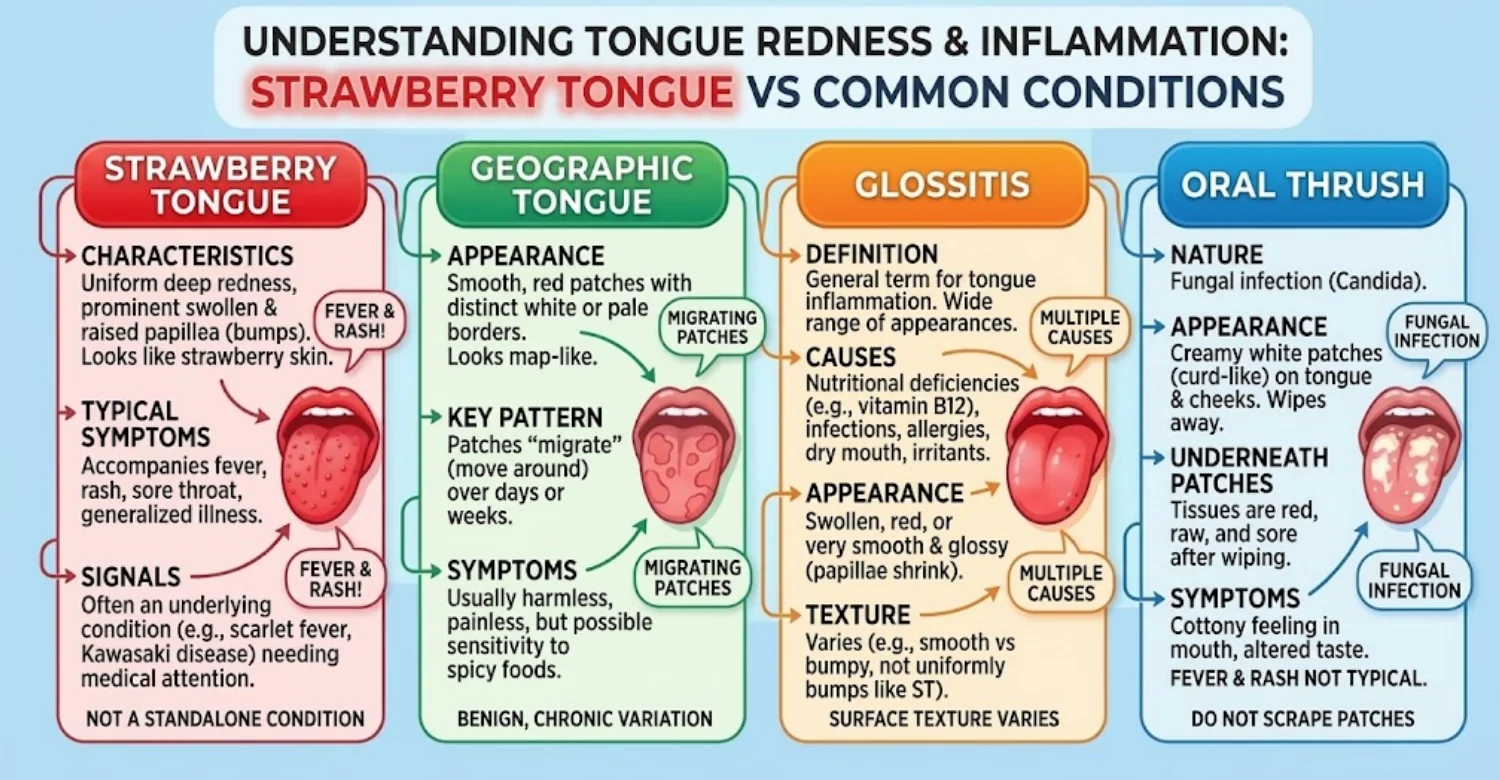
IMPORTANT: TONGUE CONDITIONS CAN LOOK ALIKE. MISTAKING CAUSES LEADS TO WRONG TREATMENT. ALWAYS CONSULT A PROFESSIONAL CLINICIAN FOR AN ACCURATE DIAGNOSIS AND TREATMENT PLAN.
When Should You See a Dentist or Doctor?
A dental appointment is appropriate for persistent tongue changes without signs of general illness. Soreness, texture changes, or lingering redness can be assessed during an oral examination. Medical evaluation is more suitable when fever, sore throat, rash, or fatigue is present. Severe systemic symptoms need urgent medical attention. Dentists and physicians often work together when oral findings suggest an underlying systemic problem. Either professional can direct you to the right care. Unexplained or persistent tongue changes always deserve a professional assessment.
Learn how to care for swollen gum from wisdom tooth
How Vitrin Clinic Approaches Oral Health Assessment
Vitrin Clinic in Istanbul, Turkey, follows a multidisciplinary approach to dental care. Oral health is assessed before cosmetic, restorative, or implant treatment when clinically indicated. Planning is individualized, and visible symptoms are not treated in isolation. Comprehensive examinations use CBCT/3D imaging and intraoral scanning only when needed. Systemic conditions are referred to appropriate medical professionals. Dr. Rifat Alsaman, Head of the Medical Team at Vitrin Clinic and a cosmetic dentist, coordinates this planning. Patients with persistent or unexplained oral changes should seek assessment before elective treatment.
Ready to transform your smile?
Talk to our team and get a FREE treatment plan.


