
Subperiosteal implant complications are a growing concern for patients considering this older style of implant. It sits on top of the jawbone rather than inside it. Research shows peri-implantitis affects 5.6% of cases. Pooled survival rates reach 97.8% at three years but can fall sharply over time. Understanding subperiosteal implant complications, recognizing early warning signs, and knowing how recovery works can help patients make informed decisions. This knowledge also helps them avoid long-term problems with their dental implants.
What Are Subperiosteal Implant Complications?
Subperiosteal implant risks refer to the range of surgical, biological, and mechanical problems that can occur after this custom metal-frame implant is placed. It sits under the gum but above the jawbone. These include infection, soft-tissue exposure, bone loss, and prosthetic fracture. A meta-analysis of 369 implants reported an overall survival rate of 92.4%. This rate dropped as low as 54.1% in studies with the longest follow-up. For the full clinical service page, see Subperiosteal Implants at Vitrin Clinic.
Common Dental Implant Complications
Common dental implant complications linked to subperiosteal frameworks include peri-implantitis, gum dehiscence, chronic infection, and structural loosening. In a 70-patient retrospective study, surgical complications occurred in 5.7% of cases. Biologic complications occurred in 1.4%, and prosthetic complications, such as fracture or chipping, occurred in 8.9%. These subperiosteal implant complications often develop gradually, which is why routine monitoring matters. This specific complication is covered in full in our dedicated guide to peri-implantitis.
Early complications after subperiosteal implant surgery
Early complications after subperiosteal implant surgery typically appear within the first weeks. They include swelling, localized pain, minor bleeding, and temporary numbness. Some patients experience wound-healing delays or mild infection at the surgical site. Most early issues resolve with proper care. However, they can signal the beginning of subperiosteal implant complications if left unmanaged, so prompt reporting to a dental provider is essential.
Long-term complications that may develop over time
Long-term complications that may develop over time include progressive bone loss, frame exposure through the gum, and chronic low-grade infection. Soft-tissue complications, particularly implant exposure and dehiscence, have been identified as the leading cause of late implant failure. A long-term follow-up of mandibular subperiosteal implants found survival dropping from 79% at ten years to 60% at fifteen years.
Tips for the Patients
Patients should attend every scheduled follow-up visit and report unusual pain or swelling immediately. They should also avoid smoking, which significantly raises subperiosteal implant risks. Maintaining meticulous oral hygiene and using recommended cleaning tools around the implant frame reduces bacterial buildup. Early attention to minor symptoms is the most effective way to prevent problems with subperiosteal dental implants from progressing into implant failure.
What Are the Most Common Signs of Dental Implant Failure?
Recognizing the most common signs of dental implant failure early can prevent minor issues from becoming serious subperiosteal implant complications. Persistent discomfort, visible movement of the implant, and changes in the surrounding gum tissue are the clearest indicators. Patients who understand subperiosteal implant failure signs are better positioned to seek timely treatment. This helps them protect their long-term oral health.
Signs of dental implant failure you should never ignore
Signs of dental implant failure you should never ignore include ongoing pain that worsens over days, visible gum recession exposing the metal frame, a foul taste or odor, and noticeable movement when chewing. These symptoms often point to underlying infection or bone loss. They should always prompt an urgent evaluation to rule out developing subperiosteal implant failure signs.
Pain, swelling, and discomfort
Pain, swelling, and discomfort that persist beyond the normal healing window are red flags. Unlike temporary post-surgical soreness, ongoing discomfort combined with redness or warmth around the gum line often indicates infection. This is one of the earliest subperiosteal implant failure signs, and addressing it quickly can prevent more invasive treatment later.
Loose implants and chewing problems
Loose implants and chewing problems occur when the supporting bone or soft tissue weakens around the frame. Patients may notice the implant shifting slightly or difficulty biting down evenly. Some also feel discomfort while eating firmer foods. A loose implant almost always requires prompt dental evaluation, since it is a strong predictor of impending failure. This specific issue is addressed directly in our guide on how to fix a loose dental implant.
Gum recession and bone loss around dental implants
Gum recession and bone loss around dental implants can expose parts of the metal framework. This increases the risk of bacterial contamination. This visible thinning of tissue is often gradual, making regular dental checkups essential for catching it early before it develops into more serious subperiosteal implant complications.
Tips for the Patients
If you notice looseness, swelling, or a bad taste around your implant, contact your dental provider without delay. Avoid chewing hard foods on the affected side until evaluated. Consistent monitoring and early reporting of symptoms remain the best defense against advancing side effects of subperiosteal implants. This helps in preserving the implant long term.
What Causes Dental Implant Failure and Subperiosteal Implant Complications?
Multiple factors contribute to dental implant failure and subperiosteal implant complications. These include infection, insufficient bone support, excessive bite pressure, and underlying medical conditions. Understanding these causes helps patients and clinicians take preventive steps. Poor oral hygiene, smoking, and untreated gum disease remain among the most significant contributors to implant breakdown over time. A broader overview of this topic is available in our guide to dental implant failure.
Dental implant infection
Dental implant infection is one of the leading drivers of implant failure. Bacteria accumulating around the implant frame trigger inflammation that gradually destroys surrounding soft tissue and bone. Left untreated, infection can progress into peri-implantitis. This is a major contributor to subperiosteal implant complications and eventual implant loss if not managed promptly.
Bacterial infections around implants
Bacterial infections around implants typically begin as plaque buildup along the gum line. Without regular cleaning, bacteria colonize the implant surface, causing inflammation and eventually bone breakdown. This process mirrors natural gum disease but progresses faster around implant hardware. This makes daily hygiene critical to avoiding subperiosteal implant complications.
Poor oral hygiene and smoking
Poor oral hygiene and smoking are two of the most preventable causes of implant problems. Smoking restricts blood flow to healing tissue, slowing recovery and raising infection risk. Inadequate brushing and flossing also allow bacterial colonies to thrive. Together, these habits significantly increase subperiosteal implant risks and shorten implant lifespan. Smoking's specific effect on healing is covered in our guide to smoking after dental implants.
Bone loss around dental implants
Bone loss around dental implants weakens the foundation supporting the implant frame, eventually leading to instability. This process can be silent in its early stages, which is why imaging and regular checkups are essential. Progressive bone loss remains one of the most common underlying causes of subperiosteal implant infection symptoms. This risk factor is explored in more depth in our guide to whether you can get dental implants with bone loss.
Insufficient bone support
Insufficient bone support at the time of placement can compromise the entire treatment from the start. Patients with thin or resorbed jawbone are more vulnerable to implant movement and frame exposure. This is one reason careful pre-treatment imaging and planning are essential before proceeding with a subperiosteal implant.
Progressive bone deterioration
Progressive bone deterioration develops gradually as chronic inflammation or excessive pressure erodes the bone beneath the implant frame. Without intervention, this deterioration can compromise the implant's stability entirely. Regular imaging helps track bone levels and catch deterioration before it results in significant subperiosteal implant complications.
Problems with dental implants related to bite pressure
Problems with dental implants related to bite pressure arise when uneven force distribution stresses the implant frame or prosthetic teeth. Teeth grinding, misaligned bite, or poorly fitted restorations can accelerate wear and loosen the structure over time. This contributes directly to mechanical failure and long-term subperiosteal implant risks. This connection is covered in more detail in our guide to night guards for bruxism.
Dental implant side effects and medical factors
Dental implant side effects and medical factors, including diabetes, osteoporosis, and autoimmune conditions, can impair healing and bone integration. Certain medications also affect bone density and blood flow. Patients with underlying health conditions should discuss their medical history thoroughly, as these factors directly influence the likelihood of subperiosteal implant complications. Patients managing diabetes specifically should also review our guide to whether diabetics can get dental implants.
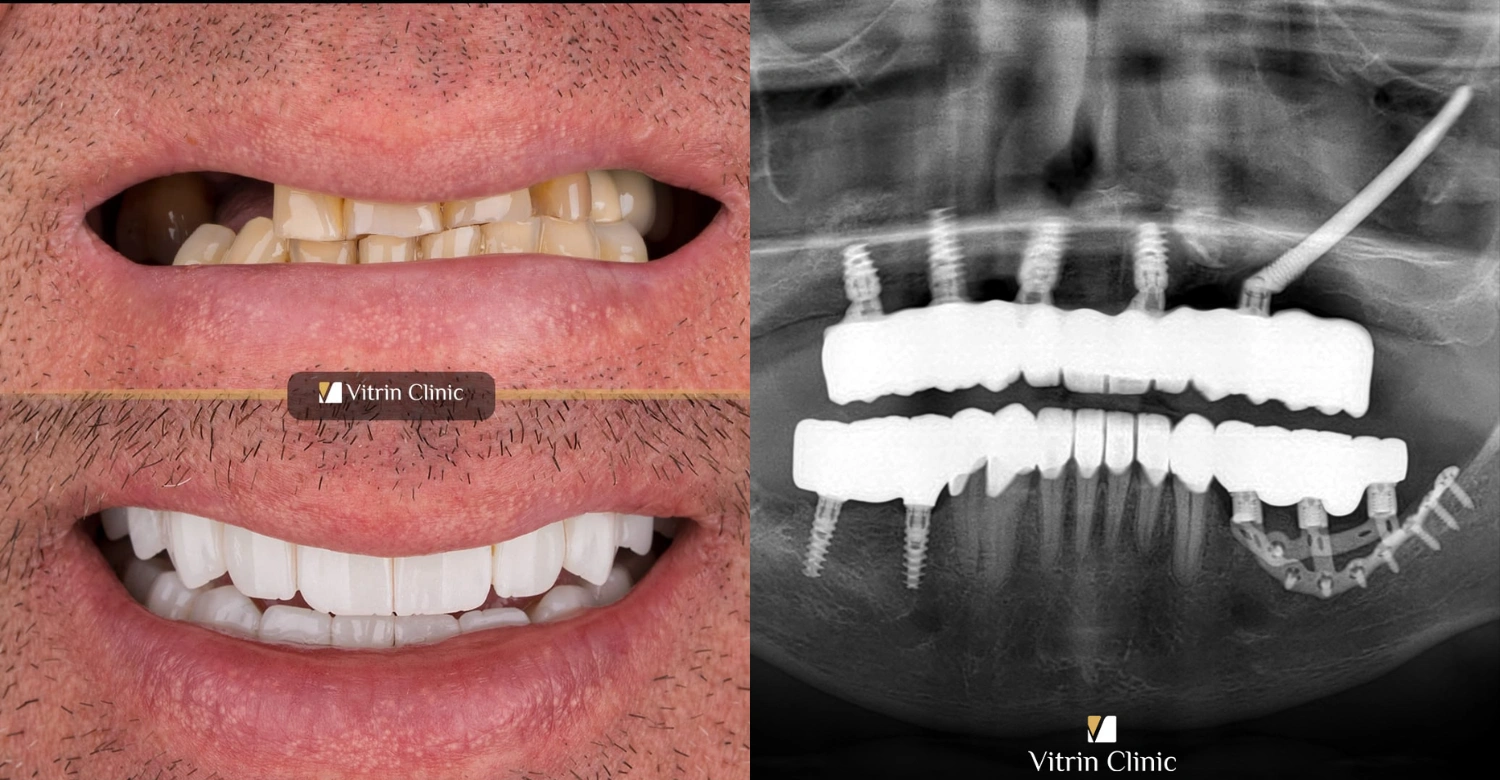
What Are the Symptoms of a Failed Dental Implant?
Recognizing the symptoms of a failed dental implant early allows for faster intervention and a better chance of saving the implant. Persistent pain, difficulty chewing, and visible gum changes are among the clearest warning signs. Ignoring these symptoms can allow problems with subperiosteal dental implants to progress into irreversible bone loss or implant loss.
Failed dental implant symptoms to watch for
Failed dental implant symptoms to watch for include throbbing pain, bleeding gums, an unpleasant taste, and visible looseness of the prosthetic. These symptoms often overlap with early infection or bone loss. Any combination of these signs warrants an immediate dental visit to prevent worsening subperiosteal implant complications.
Persistent pain and bleeding
Persistent pain and bleeding that continue beyond the normal healing period are strong indicators of an underlying problem. Unlike mild post-surgical sensitivity, ongoing pain paired with bleeding gums often signals infection or tissue breakdown around the implant frame. This requires prompt professional assessment and treatment.
Difficulty chewing and speaking
Difficulty chewing and speaking can develop when the implant shifts or the surrounding tissue becomes inflamed. Patients may notice altered bite alignment or discomfort while forming certain sounds. These functional changes often accompany more advanced subperiosteal implant failure signs and should not be dismissed as minor inconveniences.
Swollen gums and bad breath
Swollen gums and bad breath frequently indicate bacterial buildup around the implant site. Persistent halitosis, despite good hygiene efforts, can point to hidden infection beneath the gumline. Addressing this symptom early helps prevent it from developing into more serious, harder-to-treat complications.
Tips for the Patients
Track any new symptoms and note when they began, as this information helps your dental provider diagnose the issue faster. Avoid self-medicating with over-the-counter treatments for persistent pain or swelling. Seeking professional evaluation promptly gives you the best chance of resolving subperiosteal implant complications before they worsen.
How Is Dental Implant Infection Treated?
Dental implant infection is treated using a combination of non-surgical and surgical approaches, depending on severity. Mild cases often respond to professional cleaning and antibiotics. Advanced infections may require surgical intervention. Early treatment significantly improves outcomes and reduces the likelihood of infection progressing into serious side effects of subperiosteal implants.
Non-surgical treatments
Non-surgical treatments are typically the first line of defense against mild to moderate infection. These include deep cleaning around the implant, antimicrobial rinses, and close monitoring. When started early, non-surgical care can often resolve inflammation before it develops into more advanced subperiosteal implant complications requiring surgery.
Professional cleaning and medication
Professional cleaning and medication involve mechanically removing plaque and bacteria from around the implant surface. This is followed by targeted antimicrobial treatment. This approach reduces inflammation and halts early-stage infection, making it an effective first step for patients experiencing mild subperiosteal implant infection symptoms.
Antibiotic therapy
Antibiotic therapy is used when infection has progressed beyond what cleaning alone can resolve. A course of targeted antibiotics helps control bacterial spread and reduce inflammation around the implant. This treatment is often paired with improved hygiene routines to prevent recurrence of infection. A general overview of implant-related infection is covered in our guide to whether dental implants get infected.
Surgical treatment options
Surgical treatment options become necessary when infection has caused significant tissue or bone damage. These procedures aim to remove infected material and restore healthy tissue. They also aim to stabilize the implant where possible. Surgical intervention is generally reserved for more advanced complications after dental implant surgery that have not responded to conservative care.
Bone grafting procedures
Bone grafting procedures help rebuild lost bone structure around the implant, restoring stability and support. This is often necessary when infection or long-term pressure has caused significant bone deterioration. Successful grafting can extend implant longevity and reduce the risk of further complications. This procedure is explained fully in our guide to bone grafting for a tooth implant.
Implant removal and replacement
Implant removal and replacement becomes the recommended path when the framework is too compromised to save. In these cases, the implant is removed, and the site is allowed to heal. A new treatment plan is then developed, following a careful subperiosteal implant removal procedure to protect surrounding tissue. This process ties into our guide on whether you regret getting dental implants, which covers patient experiences with complications and re-treatment.
Tips for the Patients
Never delay treatment once infection is suspected, as early intervention offers the best chance of saving the implant. Follow all prescribed antibiotic courses completely and attend follow-up appointments. Consistent aftercare after any treatment for subperiosteal implant complications significantly improves long-term success rates.
How Does Bone Loss Around Dental Implants Affect Long-Term Success?
Bone loss around dental implants directly affects long-term success by weakening the foundation that holds the implant in place. Even gradual bone loss can eventually lead to instability, exposure, or failure. Understanding why this happens helps patients take preventive steps. It also reduces the risk of subperiosteal implant infection symptoms over time.
Why bone loss happens
Why bone loss happens usually comes down to chronic inflammation, infection, or mechanical overload on the implant site. Bacteria trigger the body's immune response, which can inadvertently break down bone tissue over time. Left unaddressed, this ongoing process becomes one of the primary drivers of subperiosteal implant complications.
How dentists diagnose bone loss
How dentists diagnose bone loss typically involves a combination of clinical examination and imaging technology. Providers assess gum health, implant stability, and visible changes. They then confirm findings with detailed scans. Early diagnosis allows for timely intervention before minor bone loss develops into significant complications.
Digital imaging and scans
Digital imaging and scans, including X-rays and 3D imaging, allow dentists to measure bone density and detect changes that aren't visible during a standard exam. Regular imaging is one of the most reliable ways to catch bone loss after subperiosteal implants before symptoms even appear. This diagnostic technology is explained in full in our guide to CBCT and 3D imaging.
Tips for the Patients
Schedule imaging as recommended by your dental provider, even if you feel no symptoms. Bone loss after subperiosteal implants can progress silently, so consistent monitoring is key. Report any changes in bite or comfort immediately to help catch subperiosteal implant risks at their earliest, most treatable stage.
What Is the Recovery Process After a Subperiosteal Implant Procedure?
The recovery process after a subperiosteal implant procedure involves several healing stages, from initial swelling reduction to long-term bone and tissue stabilization. Following proper aftercare during recovery after subperiosteal implant surgery significantly lowers the risk of complications. It also supports a smoother, more predictable healing journey overall.
Dental implant recovery timeline
The dental implant recovery timeline generally spans several months, beginning with acute healing in the first weeks. It then progresses through gradual tissue integration. Patients who follow their provider's aftercare instructions closely tend to experience fewer subperiosteal implant complications and a more comfortable overall recovery process. General recovery guidance is available in our dedicated page on implant aftercare.
The first week after surgery
The first week after surgery typically involves swelling, mild discomfort, and dietary restrictions. Patients are usually advised to eat soft foods, avoid strenuous activity, and take prescribed medication as directed. This period is critical for setting the foundation for successful long-term healing.
The first three months of healing
The first three months of healing focus on tissue stabilization and monitoring for any early warning signs. Regular follow-up visits during this window allow providers to catch potential issues early. This significantly reduces the likelihood of problems with subperiosteal dental implants developing later in the healing process.
Long-term maintenance
Long-term maintenance continues well beyond the initial healing period and includes routine checkups, imaging, and diligent home care. Consistent maintenance is one of the most effective ways to extend implant lifespan. It also helps minimize the risk of complications appearing years after the original procedure.
Foods and habits to avoid during recovery
Foods and habits to avoid during recovery include hard, crunchy, or sticky foods, smoking, and vigorous rinsing that can disturb healing tissue. Avoiding these factors during the sensitive healing window helps prevent irritation. It also supports a smoother, complication-free recovery after subperiosteal implant surgery.
Tips for the Patients
Stick closely to your provider's dietary and hygiene instructions during recovery. Avoid rushing back to normal habits too quickly. Patience during healing significantly lowers the chance of developing subperiosteal implant complications and supports better long-term stability for the implant.
How Long Do Dental Implants Last?
How long do dental implants last depends heavily on individual factors like oral hygiene, bone health, and lifestyle habits. Research shows survival rates around 79% at ten years for mandibular subperiosteal implants. This rate drops to 60% at fifteen years. Understanding how long subperiosteal implants last helps set realistic expectations for long-term care.
Factors that influence implant longevity
Factors that influence implant longevity include hygiene consistency, underlying health conditions, bite pressure, and how closely patients follow professional guidance. Each of these elements plays a role in either preventing or accelerating subperiosteal implant failure signs. This makes patient involvement essential to long-term implant success.
Oral hygiene habits
Oral hygiene habits remain one of the most controllable factors affecting implant longevity. Consistent brushing, flossing, and use of recommended cleaning tools around the implant frame significantly reduce bacterial buildup. This lowers the risk of infection-related subperiosteal implant complications over the years.
Bone quality and general health
Bone quality and general health directly influence how well an implant integrates and stays stable over time. Conditions like osteoporosis or diabetes can weaken supporting bone, increasing vulnerability to complications. Managing overall health is an important part of protecting implant longevity.
Regular dental checkups
Regular dental checkups allow providers to monitor implant stability, bone levels, and tissue health before small issues escalate. Consistent professional monitoring remains one of the most effective tools for catching early signs of side effects of subperiosteal implants before they become serious.
Can subperiosteal implants last a lifetime?
Can subperiosteal implants last a lifetime is a common question. While some patients enjoy decades of stable function, long-term data shows survival rates decline over time. With diligent care and regular monitoring, many patients successfully minimize subperiosteal implant complications and extend their implant's functional lifespan considerably. For a broader comparison of implant types and their expected lifespan, see our guide to whether dental implants are permanent.
How Can You Prevent Problems with Dental Implants?
Preventing problems with dental implants starts with consistent daily care, healthy lifestyle choices, and regular professional monitoring. Patients who stay proactive about hygiene and checkups significantly lower their risk of developing complications after dental implant surgery. They also enjoy better long-term outcomes from their treatment.
Daily habits that protect implants
Daily habits that protect implants include thorough cleaning around the implant frame and avoiding excessive force while chewing. Patients should also stay alert to any changes in comfort or function. These simple, consistent habits go a long way toward preventing subperiosteal implant complications before they start.
Proper brushing and flossing
Proper brushing and flossing techniques, including the use of interdental brushes or water flossers, help remove plaque from hard-to-reach areas around the implant. Consistent daily cleaning is one of the simplest yet most effective ways to prevent infection-related complications.
Avoiding smoking and teeth grinding
Avoiding smoking and teeth grinding protects both soft tissue and the mechanical stability of the implant. Smoking impairs healing and blood flow, while grinding places excessive stress on the frame. Addressing both habits significantly reduces subperiosteal implant risks over time.
Regular professional checkups
Regular professional checkups allow dentists to catch subtle changes in bone or tissue health before they progress. Routine visits, paired with imaging when needed, remain one of the most reliable ways to prevent minor issues from developing into serious complications.
Tips for the Patients
Build a simple daily routine around cleaning your implant thoroughly. Don't skip scheduled checkups even when everything feels normal. Prevention is far easier and less costly than treating advanced subperiosteal implant infection symptoms, so consistency truly makes the difference.
Why Choose Vitrin Clinic for Subperiosteal Implant Treatment?
Choosing the right provider plays a major role in preventing subperiosteal implant complications from the start. Vitrin Clinic combines detailed diagnostics, personalized treatment planning, and structured aftercare. This supports predictable outcomes and long-term implant stability for every patient who walks through the door.
Advanced technology and personalized treatment
Advanced technology and personalized treatment at Vitrin Clinic allow the medical team to design implant frameworks tailored to each patient's unique bone structure. This individualized approach helps reduce the likelihood of mechanical or biological complications developing after placement. This individualized planning approach is the same one covered in our comparison guide to subperiosteal vs. bone graft implants.
Comprehensive follow-up and aftercare
Comprehensive follow-up and aftercare at Vitrin Clinic ensures patients are monitored closely through every healing stage. Scheduled reviews and open communication allow the team to catch early warning signs quickly. This significantly reduces the risk of long-term subperiosteal implant risks.
Expertise of the medical team at Vitrin Clinic
The expertise of the medical team at Vitrin Clinic centers on thorough diagnostics, precise surgical technique, and ongoing patient education. This combined approach supports safer procedures and more predictable healing. It also helps patients avoid many of the common subperiosteal implant complications reported in clinical studies.
Treatment planning and diagnostics
Treatment planning and diagnostics at Vitrin Clinic rely on detailed imaging and bone assessment before any procedure begins. This careful preparation helps identify potential risk factors early. It allows the team to adjust the treatment approach and minimize complications before they arise.
Long-term monitoring and maintenance
Long-term monitoring and maintenance programs at Vitrin Clinic include scheduled imaging, hygiene reviews, and structural checks. This ongoing oversight helps catch subtle changes in bone or tissue health early. It supports lasting implant stability well beyond the initial recovery period.
What We Notice Clinically
The medical team at Vitrin Clinic emphasizes the importance of customized treatment plans built around each patient's specific bone structure and health history. Detailed examinations before surgery are highlighted as a key factor in reducing the risk of problems with subperiosteal dental implants. The team also stresses that patient education plays an essential role in achieving long-term implant success.
Clinical Note
Vitrin Clinic's approach reflects a broader clinical understanding that most subperiosteal implant complications are preventable with careful planning, precise technique, and consistent aftercare. Patients who engage actively in their recovery and follow-up schedule tend to experience fewer complications. They also achieve greater long-term implant stability.
Tips for the Patients
Choose a provider that offers thorough diagnostics, transparent communication, and structured aftercare, as these factors directly influence your risk of complications. Vitrin Clinic's comprehensive approach is designed to support patients through every stage, from planning to long-term maintenance. This helps reduce subperiosteal implant failure signs along the way.
Resource:
Although subperiosteal implant complications—such as soft tissue inflammation, infection, and prosthetic issues can occur, modern digital planning and customized implant designs have significantly improved clinical outcomes. The study highlighted that most complications are manageable when proper patient selection and precise surgical techniques are applied. This makes subperiosteal implants a promising option for patients with severe jawbone loss.
https://pmc.ncbi.nlm.nih.gov/articles/PMC12384704/
FAQs

Dr. Rifat Alsaman has more than 5 years of clinical experience in dentistry and currently serves as the Head of the Medical Team at Vitrin Clinic. He is dedicated to providing exceptional patient care, overseeing treatment planning, and ensuring the highest clinical standards across the team. His expertise, attention to detail, and commitment to continuous professional development have helped countless patients achieve healthier, more confident smiles.


