Dental Care Guide
August 17, 2026
How Long Does Subperiosteal Implant Recovery and Aftercare Take?
 Dr. Rifat Alsaman
.webp&w=3840&q=75)
Subperiosteal Implant Recovery and Aftercare depends on surgical complexity, tissue condition, implant design, and individual healing response. Recovery does not follow one universal schedule because every patient presents different anatomical and biological conditions. Modern customized implants use digital planning, which can improve adaptation and surgical precision. However, precise fabrication does not eliminate postoperative complications or the need for careful monitoring. A 2024 systematic review evaluated 227 modern implants in 227 patients. After an average follow-up of 21.4 months, 97.8% remained functional. However, partial framework exposure occurred in 25.6% of implants, while persistent infection affected 5.3% of patients. These statistics demonstrate why recovery should involve structured professional follow-up rather than relying only on symptom improvement.
What to Expect After Subperiosteal Implant Surgery
Subperiosteal Implant Recovery and Aftercare begins immediately after surgery, when protecting tissues becomes the primary priority. The first stage usually focuses on controlling discomfort, minimizing unnecessary trauma, protecting the wound, and maintaining appropriate oral cleanliness. Your dentist may provide medication instructions, dietary restrictions, hygiene recommendations, and activity limitations. Patients should understand that temporary swelling or discomfort does not automatically indicate a complication. Symptoms should generally become more manageable as healing progresses. Worsening symptoms after initial improvement require professional assessment.
What Is a Subperiosteal Implant?
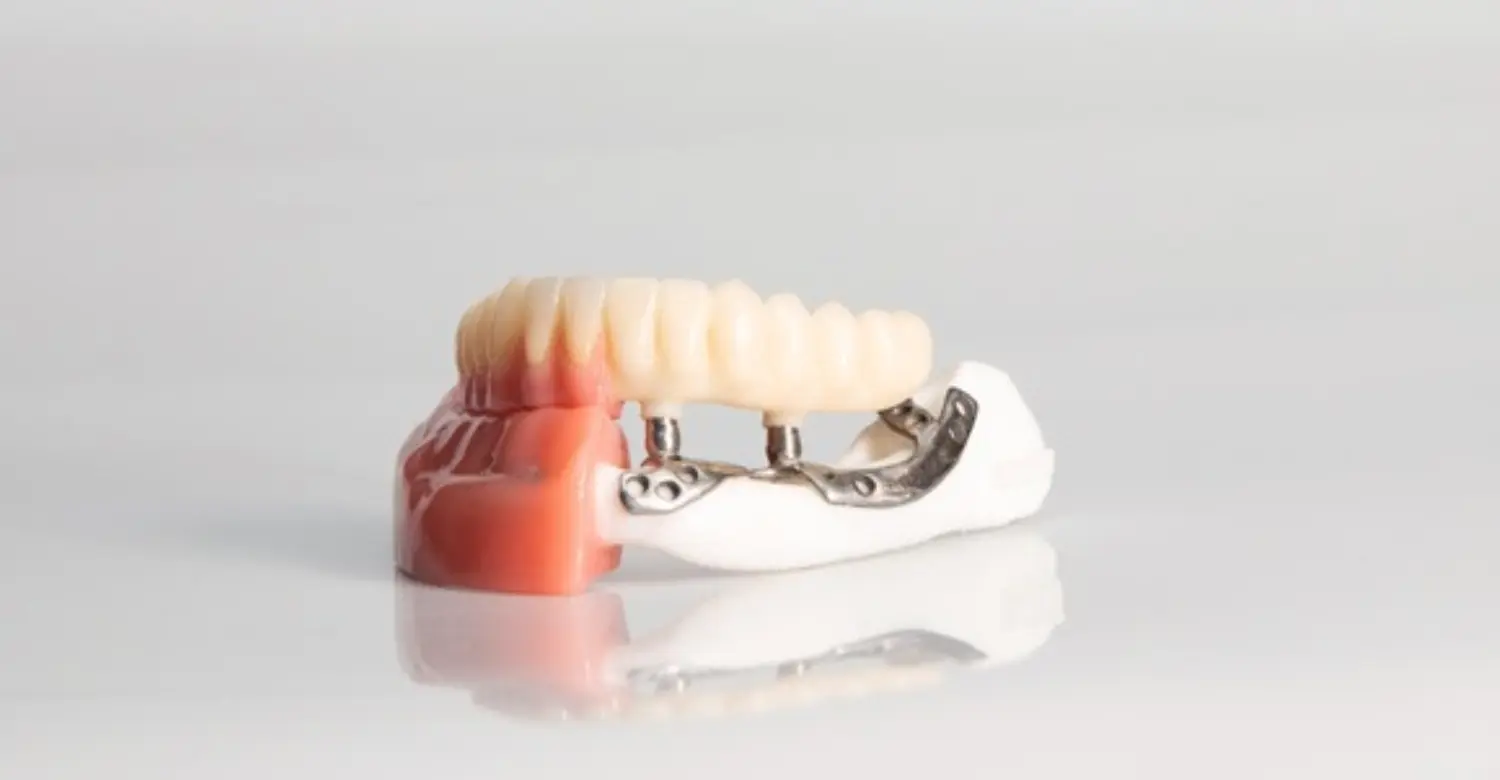
A subperiosteal implant is a customized framework positioned beneath the gum tissue and above the underlying jawbone. Unlike conventional endosteal implants, the framework does not depend on placement inside the jawbone. Modern versions can be designed using three-dimensional imaging and computer-aided manufacturing. These implants may be considered for patients with severe jawbone atrophy when conventional implant approaches present significant limitations. However, patient selection requires careful clinical and radiographic assessment. Curious whether bone loss always means a bone graft first? See are bone grafts always necessary for dental implants.
What Happens Immediately After Surgery?
Immediately after surgery, the tissues around the surgical area may feel tender, swollen, or sensitive. Mild bleeding can sometimes occur during the early postoperative period. Your dental team may provide specific instructions for controlling bleeding and protecting the surgical site. Patients should avoid touching the surgical area unnecessarily. They should also follow medication, diet, sleeping, and activity instructions provided by their clinician. Wondering how much discomfort to expect right after the procedure? See is dental implant surgery painful.
What Is Normal During the First Few Days?
The initial healing stage during the first few days focuses on protecting tissues while normal inflammatory healing begins. Tenderness, swelling, mild bruising, and temporary difficulty chewing can occur after surgery. Speech may also feel different when swelling affects oral movement or when temporary prosthetic components are present. Symptoms should gradually stabilize and improve. Increasing pain, progressive swelling, pus, fever, or persistent bleeding should prompt communication with your dental team.
Mild Pain and Discomfort
Mild pain can occur because oral surgery temporarily irritates soft tissues and surrounding anatomical structures. Pain medication prescribed by your dentist can help manage expected discomfort. Always follow the recommended dosage and timing. Pain becomes more concerning when it becomes progressively stronger after initially improving. Severe pain should never be dismissed as normal recovery without professional assessment. Need practical ways to ease it? Read how to relieve pain from a dental implant.
Swelling and Bruising
Swelling commonly develops after oral surgery because tissues respond to surgical manipulation and inflammation. Bruising may appear around the mouth or facial tissues depending on the extent of surgical intervention. Swelling can temporarily affect eating, speech, and facial comfort. Cold therapy may sometimes be recommended during the early period. Follow your clinician's instructions rather than applying excessive cold directly against tissues.
Temporary Changes in Eating and Speaking
Eating may temporarily become difficult because chewing places pressure on healing tissues and surrounding prosthetic structures. Soft foods can reduce unnecessary mechanical stress during early recovery. Speech may also feel unusual because swelling changes tongue and oral movement. These effects often improve as tissues stabilize. Persistent functional difficulties should be discussed during follow-up appointments. Not sure what to put on your plate this week? Browse our full list of 50 soft foods to eat after dental implant surgery.
Subperiosteal Implant Recovery Time
Healing involves several stages, and the exact duration varies considerably between individual patients. Early discomfort often improves during the first week. Soft-tissue healing continues during subsequent weeks, while longer-term tissue maturation may continue beyond the initial recovery period. The surgical approach, implant location, tissue condition, prosthetic design, hygiene, and general health can influence recovery.
Subperiosteal Implant Healing Process
Healing involves inflammatory, proliferative, and remodeling phases that gradually restore tissue stability. Because the framework sits beneath soft tissue rather than inside the bone, traditional osseointegration timelines should not automatically be applied. Modern evidence emphasizes soft-tissue management as an important factor in treatment success. A 2025 systematic review identified pain and swelling among common early complications. Want the general implant healing timeline for comparison? Check how long it takes for dental implants to heal.
Subperiosteal Implant Recovery Timeline
Postoperative healing should be understood as a progression rather than a single recovery date. Patients commonly experience the greatest discomfort during the earliest postoperative period. Symptoms generally become easier to manage as inflammation decreases. However, the clinical team must determine when tissues have sufficiently stabilized for dietary, hygiene, and prosthetic progression.
First 24 Hours
The first twenty-four hours focus primarily on protecting the surgical area and controlling postoperative symptoms. Rest, medication compliance, appropriate hydration, and dietary modifications can support comfort during this stage. Avoid unnecessary touching, vigorous rinsing, smoking, and activities that could disturb the healing tissues.
Days 2–7
The second through seventh days commonly involve continued swelling and gradual improvement in discomfort. Patients should continue following dietary and hygiene instructions during this period. Hard or crunchy foods may place unnecessary pressure on vulnerable tissues. Follow-up instructions should be followed closely because early tissue changes can influence later healing.
Weeks 2–4
During weeks two through four, many patients notice improved comfort and easier daily function. Soft tissues continue adapting around the customized framework during this stage. However, apparent symptom improvement does not mean maintenance can stop. Professional assessment remains important because some complications can develop without severe early symptoms.
Long-Term Healing
Long-term healing involves continued soft-tissue maturation, prosthetic adaptation, and maintenance of oral hygiene. Research remains limited regarding long-term outcomes for modern customized subperiosteal implants. Recent reviews repeatedly emphasize the need for longer follow-up studies.
Factors That Affect Recovery Time
Several factors can influence how quickly a patient recovers after treatment. Surgical complexity, implant location, tissue quality, oral hygiene, smoking, medical conditions, medications, and nutritional status can all influence healing. Prosthetic pressure and soft-tissue thickness may also affect tissue adaptation. Patients should therefore avoid comparing their recovery directly with another person's experience. Curious what actually causes an implant to fail long-term? See dental implant failure.
Clinical Note: Why Recovery Varies Between Patients
Recovery patterns can vary because biological healing differs between patients, even when similar surgical procedures are performed. Recent research demonstrates substantial differences between reported outcomes because studies use different designs, follow-up periods, implant systems, and patient populations. A 2026 systematic review analyzed 368 implants and reported 28.6% soft-tissue dehiscence with 87.8% overall implant survival. These figures should inform clinical expectations rather than predict individual outcomes.
Subperiosteal Implant Pain and Swelling
Pain and swelling are common concerns during early recovery, although their intensity differs between patients.
Is Pain Normal After Subperiosteal Implant Surgery?
Early healing may include temporary pain because surgical manipulation causes localized tissue inflammation. Mild or moderate discomfort can occur during the initial stage. Prescribed medication can usually help control expected symptoms. Pain deserves professional assessment when it becomes severe, progressively worsens, or returns after a period of improvement.
How Long Does Swelling Last?
Swelling generally appears during the early postoperative period and gradually decreases as inflammation resolves. The exact duration varies according to surgical trauma, tissue response, and individual healing characteristics. Persistent swelling should be assessed rather than automatically considered normal. A 2025 systematic review reported early swelling in approximately 24% of analyzed digitally manufactured subperiosteal implants.
How to Reduce Swelling After Subperiosteal Implant Surgery
Postoperative management includes practical measures that can support comfort while tissues heal naturally. Your clinician may recommend cold therapy during the initial period. Rest and appropriate head elevation can also be recommended depending on your circumstances. Avoid strenuous activity when instructed. Follow medication directions carefully and never apply unapproved substances directly to the surgical area.
When Pain and Swelling May Be a Warning Sign
Pain or swelling requires attention when symptoms progressively worsen rather than gradually improve. Warning signs may include fever, pus, foul discharge, persistent bleeding, severe tenderness, or new facial swelling. Patients should contact their dental team promptly when these symptoms appear. Early assessment can distinguish normal inflammation from infection or another complication. Worried your symptoms could mean infection? Read the full warning signs in can dental implants get infected.
What We Notice Clinically
Clinicians assess symptom progression rather than evaluating pain or swelling as isolated findings. They examine tissue appearance, wound closure, discharge, tenderness, implant stability, and prosthetic relationships. Soft-tissue complications deserve particular attention. Recent evidence identifies tissue dehiscence and framework exposure as important complications of customized subperiosteal treatment.
Dr. Rifat Alsaman’s Opinion on Post-Operative Pain and Swelling
Dr. Rifat Alsaman emphasizes that postoperative symptoms should be evaluated according to their progression and clinical context. Mild symptoms can accompany normal healing, while worsening symptoms may require examination. Patients should communicate unexpected changes rather than waiting until their next routine appointment.
Subperiosteal Implant Post-Operative Care
Subperiosteal Implant Recovery and Aftercare requires consistent postoperative habits that protect soft tissues and support comfortable rehabilitation.
Subperiosteal Implant Recovery Do’s and Don’ts
Patients should follow postoperative instructions exactly because unnecessary trauma can interfere with healing. Good recovery habits include appropriate nutrition, careful hygiene, medication compliance, adequate rest, and scheduled follow-up appointments. Avoid smoking, hard foods, unnecessary pressure, and manipulation of the surgical area.
What You Should Do
Take prescribed medication according to your dentist's instructions. Maintain appropriate hydration unless another medical condition requires fluid restriction. Choose foods that minimize chewing pressure. Follow hygiene instructions carefully and attend every scheduled clinical review.
What You Should Avoid
Avoid smoking because tobacco exposure can negatively affect oral wound healing and tissue health. Do not chew hard foods near the healing area. Avoid vigorous manipulation, unnecessary touching, and unapproved oral products. Still smoking during recovery? See exactly why that's risky in can you smoke after dental implants.
How to Protect the Surgical Area
Subperiosteal Implant Recovery and Aftercare depends partly on protecting tissues from mechanical irritation during early healing. Choose soft foods and avoid biting directly against vulnerable areas. Follow your dentist's instructions regarding brushing and rinsing. Do not use fingers or objects to test implant stability. Any perceived movement should be assessed professionally.
Subperiosteal Implant Healing Tips
Rest adequately during the earliest recovery period. Maintain a balanced diet containing sufficient protein and essential nutrients. Keep the surgical area clean according to professional instructions. Avoid smoking and activities that could create unnecessary mechanical stress.
When to Contact Your Dentist
Contact your dentist when pain becomes severe or progressively stronger. You should also seek advice when swelling increases, bleeding persists, pus develops, or an implant feels mobile. Prompt evaluation can help identify infection, tissue irritation, or mechanical complications before they become more difficult to manage.
Subperiosteal Implant Recovery Diet
Nutrition plays an important supporting role during normal tissue repair and recovery.
What Can You Eat After Subperiosteal Implant Surgery?
Subperiosteal Implant Recovery and Aftercare is easier when meals provide adequate nutrition without creating excessive chewing pressure. Soft foods such as yogurt, eggs, oatmeal, mashed vegetables, soups, soft fish, and tender foods can be practical options. Food temperature may also affect comfort. Very hot foods can irritate sensitive tissues during the early postoperative period.
Best Foods for Subperiosteal Implant Recovery
Balanced nutrition provides protein, energy, vitamins, minerals, and fluids needed for normal tissue repair. Patients should prioritize nutrient-dense foods while adapting textures to their comfort level.
Soft Foods
Soft foods reduce the amount of chewing required during early healing. Examples include scrambled eggs, yogurt, oatmeal, mashed potatoes, soft pasta, blended soups, and tender fish. Avoid foods containing sharp, hard, or crunchy particles that could irritate healing tissues.
Protein-Rich Foods
Protein supports tissue maintenance and normal repair processes throughout recovery. Eggs, yogurt, fish, poultry, tofu, legumes, and suitable protein beverages can provide useful protein. Choose textures that remain comfortable and avoid excessive chewing near the surgical area.
Nutrient-Dense Foods
Subperiosteal Implant Recovery and Aftercare benefits from balanced nutrition containing essential micronutrients and adequate energy. Soft fruits, cooked vegetables, dairy products, legumes, fish, and whole-food meals can provide valuable nutrients. Patients with dietary restrictions should discuss nutritional requirements with an appropriate healthcare professional.
Foods and Drinks to Avoid During Recovery
Avoid hard, crunchy, sticky, or highly irritating foods during early healing. Very hot foods may increase discomfort around sensitive tissues. Alcohol may also conflict with medications or postoperative restrictions. Smoking should be avoided because tobacco exposure can compromise oral tissue health.
When Can You Return to Your Normal Diet?
Diet progression depends on tissue healing, discomfort, prosthetic stability, and professional assessment. Patients can generally introduce firmer foods gradually when chewing becomes comfortable and their clinician approves progression. Do not rush dietary changes simply because swelling has decreased.
Tips for Patients
Prepare several soft meals before surgery so nutritious food remains convenient during recovery. Keep adequate fluids available and prioritize protein-rich foods. Follow dietary instructions from your treating clinician.
Subperiosteal Dental Implant Aftercare and Oral Hygiene
Oral hygiene remains important throughout healing, although cleaning techniques may require temporary modification.
Subperiosteal Implant Maintenance and Oral Hygiene
Subperiosteal Implant Recovery and Aftercare includes careful hygiene because plaque accumulation can contribute to inflammation around oral tissues. Patients should clean accessible teeth and prosthetic areas according to professional instructions. Your dentist may recommend specific brushes, interdental tools, or antimicrobial rinses. Do not introduce specialized tools around healing tissues without professional guidance.
When Can You Brush Your Teeth After Subperiosteal Implants?
Brushing schedules depend on surgical location and wound condition. Your dentist will determine when direct brushing can safely resume around the surgical site. A soft toothbrush is generally preferable when brushing becomes appropriate. Avoid aggressive pressure around healing tissues. Follow all postoperative hygiene instructions carefully.
How to Clean Around a Subperiosteal Implant
Subperiosteal Implant Recovery and Aftercare requires individualized cleaning because implant designs and prosthetic access differ. Your dental team may demonstrate specialized brushing and interdental cleaning techniques. Never insert instruments beneath healing tissues unless your clinician specifically recommends them. Improper cleaning can cause mechanical trauma. Not sure how to floss around a healing implant safely? Learn the technique in how to floss dental implants.
When Should You Resume Normal Oral Hygiene?
Normal hygiene usually returns gradually as tissues stabilize and your clinician confirms adequate healing. Patients should continue cleaning accessible surfaces throughout recovery. Professional maintenance can help manage areas that remain difficult to clean.
Clinical Note: Protecting the Surgical Site During Healing
Soft-tissue protection remains one of the most important considerations during recovery. A 2024 systematic review found partial framework exposure in 25.6% of 227 analyzed modern implants. Persistent soft-tissue infection affected 5.3% of patients. These findings highlight why hygiene and professional monitoring remain important after surgery.
Subperiosteal Implant Infection Prevention
Infection prevention combines surgical care, oral hygiene, medication compliance, and appropriate follow-up.
How to Prevent Infection After Subperiosteal Implant Surgery
Subperiosteal Implant Recovery and Aftercare should include careful hygiene without traumatizing healing tissues. Follow medication instructions precisely. Avoid smoking and unnecessary manipulation of the surgical area. Attend scheduled appointments because clinicians can identify tissue changes before patients recognize significant symptoms.
Signs of Infection After Subperiosteal Implant Surgery
Possible warning signs include increasing pain, progressive swelling, pus, unusual discharge, fever, and persistent bleeding. A persistent unpleasant taste can also accompany oral infection. However, symptoms should always be interpreted through professional examination. Want the full picture of what can go wrong and why? See our complete guide to dental implant complications.
Increasing Pain or Swelling
Increasing pain after initial improvement should receive professional attention. Progressively increasing swelling may also indicate inflammation or infection. Contact your dentist rather than waiting for symptoms to become severe.
Pus or Unusual Discharge
Pus or unusual discharge can indicate infection and requires professional assessment. Do not attempt to drain or squeeze the area yourself. Your dentist should determine the appropriate treatment.
Persistent Bleeding
Minor bleeding may occur after surgery, particularly during the earliest recovery period. Persistent or heavy bleeding requires professional advice. Follow your clinic's bleeding-control instructions carefully.
Fever or Feeling Unwell
Fever can indicate systemic involvement and should not be ignored after oral surgery. Feeling increasingly unwell alongside swelling or pain requires prompt communication with your dental team.
What to Do If You Suspect an Infection
Contact your dentist as soon as possible when infection symptoms appear. Do not self-prescribe antibiotics because treatment depends on clinical findings, infection severity, and individual medical factors. Your dentist may examine the tissues, prosthetic area, and implant stability before selecting appropriate treatment.
What We Notice Clinically
Subperiosteal Implant Recovery and Aftercare requires clinicians to monitor tissue color, swelling, tenderness, discharge, wound closure, and implant stability. Recent evidence identifies soft-tissue complications as particularly relevant for modern customized frameworks. A 2025 review found early pain in 25% and swelling in 24% of analyzed implants. Partial exposure occurred in 37% of implants.
Dr. Rifat Alsaman’s Opinion on Early Infection Detection
Dr. Rifat Alsaman recommends contacting the clinical team whenever symptoms become progressively worse. Early communication allows clinicians to distinguish expected inflammation from infection or mechanical complications. Patients should not wait for severe symptoms before requesting professional assessment.
Subperiosteal Implant Complications During Recovery
Complications can involve soft tissues, infection, prosthetic components, or mechanical stability.
Common Recovery Complications
Reported complications include pain, swelling, infection, framework exposure, soft-tissue inflammation, prosthetic fracture, and implant mobility. A 2024 systematic review reported five implant failures among 227 modern implants. It also reported partial exposure in 25.6% and persistent infection in 5.3%. These findings show why postoperative monitoring remains essential.
Implant Movement or Instability
Subperiosteal Implant Recovery and Aftercare requires patients to report any unexpected movement or looseness. Implant mobility can indicate a mechanical or biological concern requiring professional evaluation. Never attempt to reposition, tighten, or manipulate an implant yourself. Feeling movement that shouldn't be there? Don't wait — see how to fix a loose dental implant.
Persistent Soft-Tissue Irritation
Persistent irritation may result from tissue pressure, prosthetic contours, hygiene problems, or inflammation. Your clinician can inspect the affected area and determine whether adjustment or treatment is necessary. Persistent irritation should not be ignored simply because pain remains mild.
Delayed Healing
Delayed healing may occur because of local or systemic factors. Smoking, infection, inadequate hygiene, tissue problems, and certain medical factors can influence wound healing. Persistent wound separation or inflammation requires clinical evaluation.
When a Complication Requires Urgent Dental Care
Urgent assessment may be required for uncontrolled bleeding, severe swelling, fever, breathing difficulties, severe pain, or implant instability. Patients should follow their clinic's emergency instructions. Severe symptoms should never be managed solely through online advice.
How to Care for Subperiosteal Implants Long Term
Long-term maintenance remains essential after the initial healing period.
Long-Term Care After Subperiosteal Implants
Subperiosteal Implant Recovery and Aftercare continues after early symptoms disappear because implant health depends on ongoing maintenance. Patients should maintain excellent oral hygiene and attend professional examinations. Report bleeding, tissue changes, discomfort, unusual discharge, or prosthetic movement promptly.
Subperiosteal Implant Long-Term Aftercare
Long-term aftercare involves professional examinations, hygiene management, prosthetic monitoring, and patient education. Recent literature emphasizes structured maintenance because soft-tissue problems can influence longer-term outcomes. A 2026 systematic review found soft-tissue dehiscence in 28.6% of analyzed customized titanium implants. Long-term tissue health matters just as much as the surgery itself — see our full guide to peri-implantitis and how to prevent it.
Daily Oral Hygiene for Implant Maintenance
Brush regularly using the technique recommended by your dental team. Clean accessible areas around teeth and prosthetic components carefully. Specialized cleaning tools may be useful when professionally recommended. Avoid aggressive brushing that could traumatize delicate tissues.
Regular Dental Checkups and Professional Cleaning
Subperiosteal Implant Recovery and Aftercare should transition into a structured maintenance program after initial healing. Dental examinations allow clinicians to assess soft tissues, hygiene, prosthetic components, and implant stability. Professional cleaning can address areas that are difficult to maintain effectively at home. Curious what ongoing professional maintenance actually involves? Read periodontal maintenance.
Lifestyle Habits That Support Long-Term Implant Health
Avoid smoking because tobacco can negatively affect oral tissue health. Maintain a balanced diet and consistent hygiene routine. Avoid unnecessary mechanical forces against the restoration. Follow your dentist's maintenance schedule even when the implant feels completely comfortable.
Subperiosteal Implant Recovery Do’s and Don’ts
Recovery habits can influence comfort and protect vulnerable tissues during healing.
Do’s for a Smoother Recovery
Subperiosteal Implant Recovery and Aftercare should include medication compliance, appropriate nutrition, careful hygiene, adequate rest, and professional follow-up. Choose foods that minimize chewing pressure. Follow every postoperative instruction provided by your dental team.
Don’ts That Can Interfere With Healing
Do not smoke during recovery. Avoid hard foods and unnecessary pressure around the surgical area. Do not manipulate the implant or surgical tissues. Never ignore progressively worsening symptoms.
Tips for Patients During the Healing Period
Prepare soft meals before surgery and organize prescribed medications beforehand. Keep postoperative instructions accessible. Ask your dental team whenever an instruction seems unclear. Good communication can reduce uncertainty and help identify potential complications earlier.
What We Notice Clinically
Clinical assessment focuses on healing trends rather than individual symptoms.
Monitoring Soft-Tissue Healing
Subperiosteal Implant Recovery and Aftercare requires careful observation of tissue color, contour, swelling, tenderness, wound closure, and exposure. Clinicians also evaluate prosthetic pressure and oral hygiene. Soft-tissue exposure remains a major reported complication in contemporary literature.
Identifying Delayed Healing Early
Delayed healing can present as persistent redness, wound separation, discharge, tenderness, or continued swelling. Patients should report these changes rather than waiting until their next scheduled appointment. Early assessment may allow clinicians to intervene before complications become more advanced.
Why Follow-Up Appointments Matter
Follow-up appointments allow clinicians to examine tissues, assess stability, and modify hygiene or prosthetic instructions. Published evidence remains heterogeneous because studies use different populations, implant designs, and follow-up periods. Therefore, individual clinical monitoring remains more useful than relying on one universal recovery statistic. Want the full checklist for staying on track after surgery? See our complete implant aftercare guide.
Dr. Rifat Alsaman’s Clinical Perspective
Dr. Rifat Alsaman considers postoperative follow-up an essential component of implant treatment rather than an optional final step. Clinical examinations can identify tissue irritation, hygiene challenges, prosthetic concerns, or instability. Patients should consider scheduled follow-up appointments part of the treatment itself.
Why Choose Vitrin Clinic for Subperiosteal Implant Treatment?
Subperiosteal Implant Recovery and Aftercare should be supported by coordinated diagnosis, treatment planning, surgery, prosthetic care, and postoperative monitoring.
Personalized Treatment Planning
Vitrin Clinic approaches complex implant rehabilitation through individualized treatment planning based on clinical and anatomical findings. Three-dimensional imaging can help evaluate available anatomy and support customized implant design. Patient selection remains essential because these implants are not appropriate for every patient with bone loss.
Advanced Digital Dentistry
Modern customized subperiosteal implants can use digital imaging, virtual planning, and computer-aided manufacturing. Research supports digital workflows as an important development in contemporary subperiosteal treatment. Vitrin Clinic can integrate digital dentistry into appropriate treatment planning and restorative workflows. Curious how 3D planning actually shapes your treatment? Read how dental implants are planned using 3D CT scans.
Experienced Dental Team
Complex implant rehabilitation requires coordinated surgical and prosthetic planning. Clinical experience can help teams identify anatomical challenges and manage postoperative concerns. Current literature still recommends careful patient selection, precise planning, rigid fixation, and appropriate soft-tissue management.
Comprehensive Post-Operative Follow-Up
Vitrin Clinic can provide postoperative instructions covering hygiene, nutrition, medication, symptoms, and maintenance. Regular monitoring allows the dental team to identify concerns and adjust recommendations when necessary.
Subperiosteal Implant Aftercare at Vitrin Clinic
Subperiosteal Implant Recovery and Aftercare should continue beyond the surgical appointment because healing and maintenance involve multiple stages.
Personalized Recovery Instructions
Vitrin Clinic can provide individualized recovery instructions based on the surgical procedure and patient's clinical requirements. Instructions may cover diet, hygiene, medications, activity, and warning signs. Personalized guidance is preferable to generic recovery schedules because patients heal differently.
Post-Operative Monitoring
Postoperative monitoring allows the clinical team to assess soft-tissue healing and prosthetic function. It also creates opportunities to identify pain, swelling, exposure, infection, or mechanical concerns.
Long-Term Implant Maintenance
Long-term maintenance can include hygiene reviews, professional cleaning, tissue examinations, and prosthetic monitoring. Patients should continue scheduled appointments even when the implant feels comfortable.
Patient-Centered Dental Care
Clear communication helps patients understand expected symptoms and warning signs. Vitrin Clinic can combine treatment planning with continued postoperative support throughout the patient's rehabilitation journey.
Final Thoughts on Subperiosteal Implant Recovery and Aftercare
Subperiosteal Implant Recovery and Aftercare is a gradual process that requires appropriate hygiene, nutrition, symptom monitoring, and professional follow-up. Modern evidence shows promising short-term outcomes, but soft-tissue complications remain clinically important. A 2026 systematic review reported 87.8% overall survival and 28.6% soft-tissue dehiscence across 368 customized implants. These findings reinforce the importance of careful long-term monitoring.
Follow Your Personalized Aftercare Plan
Follow the specific instructions provided by your treating dental team. Do not substitute generic online advice for instructions based on your surgery, anatomy, and medical circumstances.
Maintain Excellent Oral Hygiene
Good oral hygiene helps control plaque accumulation and supports healthier surrounding tissues. Use the cleaning techniques demonstrated by your dentist and avoid aggressive brushing around vulnerable tissues.
Attend Your Follow-Up Appointments
Follow-up appointments allow clinicians to evaluate healing and identify potential problems. Do not cancel appointments simply because symptoms have improved.
Protect Your Long-Term Implant Health
Subperiosteal Implant Recovery and Aftercare extends into long-term maintenance because implant health depends on continued professional and personal care. Avoid smoking, maintain oral hygiene, follow professional recommendations, and report unexpected symptoms promptly. Wondering how long a well-maintained implant can actually last? See how long dental implants last.
Reference
FAQs
Dr. Rifat Alsaman has more than 5 years of clinical experience in dentistry and currently serves as the Head of the Medical Team at Vitrin Clinic. He is dedicated to providing exceptional patient care, overseeing treatment planning, and ensuring the highest clinical standards across the team. His expertise, attention to detail, and commitment to continuous professional development have helped countless patients achieve healthier, more confident smiles.


