General Dentistry
September 14, 2026
Tinnitus and Teeth: Can Dental Problems Affect Ringing in the Ears?
 Dr. Rifat Alsaman
Tinnitus and teeth may seem like an unlikely pair. But many patients ask whether tooth problems, jaw tension, grinding, or dental treatment can contribute to ringing or other sounds in the ears. Tinnitus has many possible causes. A dental problem is not automatically the reason. Still, the teeth, jaw muscles, temporomandibular joint (TMJ), and structures around the ear sit close together anatomically. A dentist's role is to identify possible dental or jaw-related contributors. It's also important to recognize when medical or ENT evaluation is appropriate. Watch for jaw pain, clenching, tooth wear, ear pressure, or tinnitus that shifts when you move your jaw.
Tinnitus and Teeth: Can Dental Problems Really Be Connected?
Tinnitus and teeth are linked through oral health and jaw function, not through a single proven cause. The TMJ sits directly beside the ear canal. So jaw-related symptoms can feel like ear symptoms, even when the ear itself is unaffected. An association does not prove that a dental problem directly causes tinnitus. Several dental factors are worth assessing: bruxism, jaw clenching, TMJ dysfunction, tooth infection and inflammation, dental trauma, and changes following certain dental procedures. Each requires its own evaluation before any connection to tinnitus and teeth can be considered.
Can Teeth Problems Cause Tinnitus?
Some dental problems may plausibly contribute to ear-related symptoms. But the mechanism matters. Direct tooth issues, like infection or trauma, differ from jaw-muscle or TMJ-related mechanisms. Those mechanisms create referred sensations near the ear. A routine cavity should not automatically be considered the cause of tinnitus. When patients ask can teeth problems cause tinnitus, the honest answer depends on the specific finding, not the mere presence of a dental issue. Proper examination is needed before drawing any conclusion.
Tinnitus and Dental Problems: What Is the Possible Connection?
Tinnitus and dental problems may connect through altered bite, muscle tension, inflammation, or jaw movement. This relationship differs from patient to patient. One person's grinding habit may create jaw strain that feels linked to tinnitus. Another's tinnitus has nothing to do with the mouth at all. Proper diagnosis matters more than assumption. Dentists look at the full picture, including habits, tooth wear, and joint function. They don't decide the teeth are responsible simply because both symptoms exist together.
Dental Problems Linked to Tinnitus: What Should Patients Look For?
Patients exploring dental problems linked to tinnitus should watch for:
Jaw discomfort or fatigue
Clicking or popping around the TMJ
Headaches or facial muscle tension
Tooth sensitivity or fractured teeth
Visible tooth wear from grinding
Symptoms that change when opening, closing, or moving the jaw
Noticing these signs alongside tinnitus is a reasonable reason to schedule a dental assessment, rather than assume the connection on your own.
Note: All images used are for editorial and illustrative purposes only and may not originate from the original news provider or associated company.
TMJ and Tinnitus: Why Can the Jaw Affect Ear Symptoms?
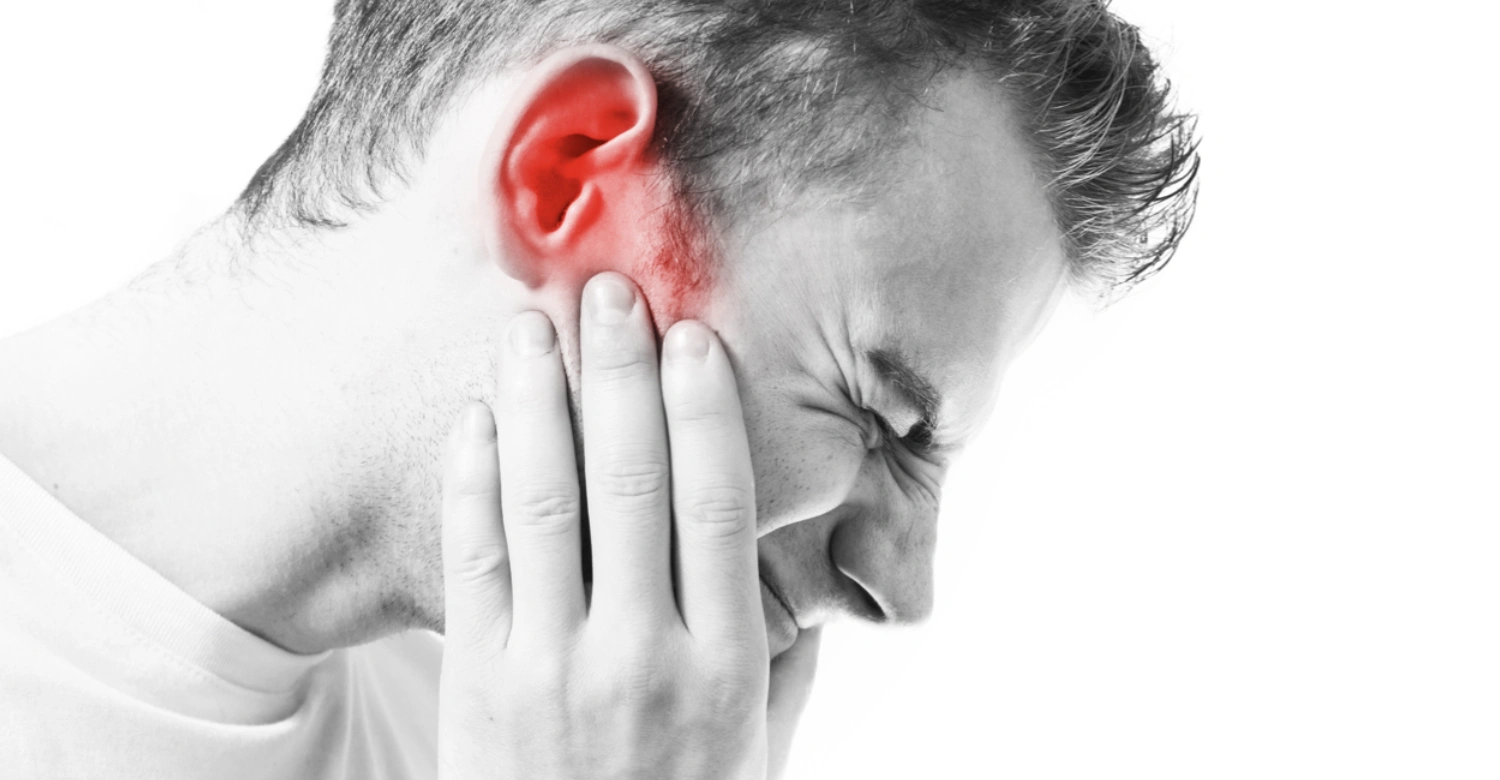
TMJ and tinnitus are often mentioned together because the temporomandibular joint sits just in front of the ear canal. Dysfunction in this joint and its surrounding muscles can produce symptoms that patients perceive around the ear. These include pressure, fullness, or ringing. Some people report tinnitus alongside jaw discomfort or restricted jaw movement. This raises the question of a shared source. The proximity explains why jaw problems are worth examining. It does not confirm that the TMJ is the actual cause of any specific tinnitus case.
Can TMJ Cause Ringing in the Ears?
The question can TMJ cause ringing in the ears does not have a universal yes. Tinnitus associated with jaw dysfunction tends to fluctuate with jaw movement. Tinnitus from other conditions typically does not. Identifying whether your ringing changes when you open, close, or shift your jaw helps separate a possible TMJ connection from unrelated causes. This distinction guides whether a dental evaluation is a sensible next step, or whether the symptom points elsewhere entirely.
Jaw Pain and Tinnitus: When Do They Appear Together?
Jaw pain and tinnitus often appear alongside facial tension, headaches, and a sense of ear fullness. When these symptoms cluster together, a dental examination may help identify contributing jaw or muscle factors. That said, some situations call for an ENT or medical assessment to take priority. This is especially true when hearing changes, dizziness, or neurological symptoms are also present. Recognizing which symptoms belong to the jaw, and which suggest a broader medical concern, is an important first step.
How Dentists Assess Possible TMJ-Related Tinnitus
A dental evaluation for possible TMJ-related tinnitus typically includes:
Medical and dental history
Jaw movement and muscle examination
Assessment of tooth wear and bite
Evaluation of tenderness and joint sounds
Review of previous dental treatment
Referral when findings suggest a non-dental cause
This structured approach keeps the assessment focused on what dentistry can actually evaluate.
Tinnitus Caused by Teeth Grinding and Bruxism
Tinnitus caused by teeth grinding is a common patient concern. Bruxism involves repetitive clenching or grinding that can overload the teeth, muscles, and TMJ. Prolonged muscle tension from this habit may contribute to jaw-related symptoms that occur alongside tinnitus in some individuals. The relationship is not universal or guaranteed. But the physical strain bruxism places on the jaw system makes it a reasonable factor to check when tinnitus and jaw symptoms appear together.
Bruxism and Tinnitus: What Is the Relationship?
Bruxism and tinnitus may be connected through nighttime grinding, muscle fatigue, and TMJ irritation. All of these place ongoing strain on the same structures near the ear. This does not mean treating bruxism guarantees that tinnitus will disappear. Some patients notice improvement in jaw symptoms without any change in their ringing. This reinforces that tinnitus can have sources outside the mouth entirely, even when bruxism is clearly present.
Signs Your Tinnitus May Be Associated With Teeth Grinding
Consider a dental check if you notice:
Morning jaw soreness
Worn or flattened tooth surfaces
Cracked or chipped teeth
Tooth sensitivity
Facial muscle fatigue
Headaches after waking
Jaw stiffness
These signs point toward bruxism as a contributing habit worth discussing at your next dental visit.
How a Dentist Checks for Evidence of Bruxism
Dentists look for physical evidence rather than relying on patient description alone:
Tooth-wear patterns
Fractures and restorations
Muscle tenderness
Bite assessment
Patient-reported nighttime symptoms
Combining these findings gives a clearer picture of whether grinding is active, and how significant its impact has become.
Tips for Patients
Practical steps to track a possible connection between tinnitus and teeth:
Note whether symptoms change when chewing, clenching, yawning, or moving the jaw
Record whether symptoms are worse after waking or during stressful periods
Watch for tooth sensitivity, fractured restorations, jaw soreness, or morning headaches
Ask a dentist to assess unusual tooth wear
Remember tinnitus has numerous potential causes
Don't assume a filling, crown, or other dental issue is responsible without examination
Become aware of daytime jaw tension and avoid clenching
Follow individualized advice from your dentist
Seek prompt medical assessment for sudden hearing loss, dizziness, or neurological symptoms
Tooth Infection and Tinnitus: Is There a Direct Link?
Tooth infection and tinnitus are sometimes mentioned in the same sentence, but the link is not automatic. A dental infection can cause pain, swelling, pressure, or referred discomfort in nearby areas. This differs from TMJ-related symptoms, which stem from joint and muscle strain rather than infection. Tinnitus should not be attributed to an infected tooth without a proper clinical evaluation. The two conditions can exist independently of one another, even when they happen at the same time.
When Tooth Pain and Ear Symptoms Occur Together
Referred pain from teeth and the jaw region can make upper tooth problems feel like discomfort near the ear or face. This overlap explains why some patients connect tooth infection and tinnitus when they experience both. Still, persistent ringing requires appropriate evaluation, rather than an assumption that an infection is the source. A dental exam can confirm or rule out infection, while ongoing tinnitus may need separate investigation.
What Happens If a Dental Infection Is Confirmed?
If an infection is confirmed, treatment typically includes:
Clinical examination and appropriate imaging
Removal of the source of infection
Root canal treatment when indicated
Extraction when a tooth cannot be predictably restored
Follow-up to confirm resolution of the dental infection
Addressing the infection resolves the dental issue itself, regardless of whether tinnitus improves afterward.
Tinnitus After Dental Treatment: Should You Be Concerned?
Tinnitus after dental treatment understandably worries patients who notice it following fillings, crowns, root canal treatment, extractions, or implants. Possible temporary factors include jaw muscle fatigue, prolonged mouth opening during the procedure, stress, or altered bite sensation. Timing alone does not prove that the procedure caused the tinnitus. The two events can simply coincide. A short follow-up conversation with your dentist can help clarify whether anything dental is genuinely contributing to the symptom.
Tinnitus After Dental Treatment: What Should Your Dentist Check?
After treatment, a dentist should review:
Occlusion and bite
Jaw muscle tenderness
TMJ symptoms
Post-treatment pain or inflammation
Signs of infection
Changes in clenching or grinding
This checklist helps separate ordinary post-treatment sensitivity from something that needs closer attention.
When Post-Treatment Tinnitus Needs Medical Assessment
Seek medical evaluation if you notice:
Persistent or worsening symptoms
Sudden hearing changes
Dizziness or neurological symptoms
One-sided or unusual tinnitus
Symptoms that cannot be explained by dental findings
These signs suggest the cause may sit outside the dental scope entirely.
How Are Dental Causes of Tinnitus Evaluated and Treated?
Treatment for tinnitus and teeth concerns depends entirely on the underlying dental diagnosis. There is no single "tinnitus dental treatment" that applies across all patients. A dentist first identifies whether bruxism, TMJ dysfunction, infection, or another dental factor is present, then addresses that specific condition. This targeted approach avoids unnecessary procedures and keeps expectations realistic. Dental treatment addresses dental findings, not tinnitus as a standalone symptom.
Treating Bruxism and Excessive Jaw Muscle Tension
Management options include:
Customized occlusal appliances when clinically appropriate
Behavioral strategies for reducing daytime clenching
Stress and sleep-related habit management
Monitoring tooth wear and jaw symptoms
These measures reduce strain on the jaw system, which may ease associated discomfort over time.
Managing TMJ-Related Problems
Typical approaches include:
Conservative care as the initial approach when appropriate
Jaw-rest strategies
Physiotherapy or specialist referral where indicated
Management of contributing dental factors
Avoiding unnecessary irreversible bite changes without a clear diagnosis
Conservative, reversible steps are generally favored before considering more involved interventions.
Treating Tooth-Related Problems
Specific dental issues are treated according to diagnosis:
Fillings for appropriate cavities
Root canal treatment for infected or irreversibly inflamed teeth
Restorative treatment for damaged teeth
Extraction when clinically necessary
Each treatment targets the confirmed dental problem, not tinnitus symptoms directly.
Can Dental Treatment Stop Tinnitus?
Whether dental treatment reduces tinnitus depends on whether a dental or jaw disorder is genuinely contributing to the symptom. No dentist should promise tinnitus resolution as a treatment outcome. In some cases, a multidisciplinary approach involving both dental and medical input offers a more complete picture. Tinnitus and teeth may only be part of a larger picture involving other systems.
What Can Patients Expect Before and After Dental Treatment?
Realistic expectations matter more than a promised tinnitus outcome. Before treatment, expect diagnosis, clinical examination, imaging when necessary, and identification of contributing factors. During treatment, the dentist addresses the confirmed dental condition, not tinnitus without evidence. After treatment, monitoring covers tooth pain, jaw symptoms, muscle tension, bite comfort, and any changes in tinnitus. It's worth noting that tinnitus may remain even after successful dental treatment, if another, non-dental cause is present.
Clinical Note
Tinnitus is a symptom, not a diagnosis. It can stem from dental, auditory, neurological, medication-related, or other causes. Unnecessary dental procedures should never be pursued simply because tinnitus is present without a clear dental finding. Dental evaluation is reasonable when tinnitus occurs alongside clear oral or jaw symptoms. However, sudden hearing loss, significant dizziness, neurological symptoms, or sudden-onset tinnitus should receive prompt medical assessment. These signs often point beyond the dental scope entirely.
What We Notice Clinically: Dr. Rifat Alsaman's Opinion
Dr. Rifat Alsaman, Head of the Medical Team at Vitrin Clinic and a cosmetic dentist, is involved in evaluating patients' dental conditions and treatment planning. His view: patients reporting tinnitus alongside dental symptoms should first be assessed for identifiable dental and jaw-related factors, rather than assuming the teeth are the sole cause. He emphasizes examining bruxism, tooth wear, jaw-muscle tension, TMJ symptoms, bite changes, and damaged or infected teeth, before considering any restorative or cosmetic procedure. Dr. Rifat Alsaman stresses diagnosis before treatment. Dental care should address an established problem, and should never be presented as a guaranteed fix for tinnitus and teeth concerns. Patients with symptoms outside the dental scope may benefit from medical or ENT evaluation.
Why Vitrin Clinic
Specialized dental treatments help relieve tinnitus caused by jaw and tooth issues; Invisalign aligns the bite to reduce joint pressure, Endodontics stops referred nerve pain from deep infections, and Implants & Bridges restore missing bite balance. Vitrin Clinic delivers these advanced treatments with the highest standards of quality and expertise, providing precise, personalized care tailored to your specific symptoms and cause to effectively restore your comfort and well-being.
Book Your FREE Treatment Plan for a personalized dental assessment and to discuss your oral health concerns with the clinical team.
References:
FAQs
Dr. Rifat Alsaman has more than 5 years of clinical experience in dentistry and currently serves as the Head of the Medical Team at Vitrin Clinic. He is dedicated to providing exceptional patient care, overseeing treatment planning, and ensuring the highest clinical standards across the team. His expertise, attention to detail, and commitment to continuous professional development have helped countless patients achieve healthier, more confident smiles.


