Dental Veneers in Turkey
November 2, 2026
How Much Do Turkey Veneers Cost? Types, Results & Complete Treatment Guide
 Dr. Rifat Alsaman

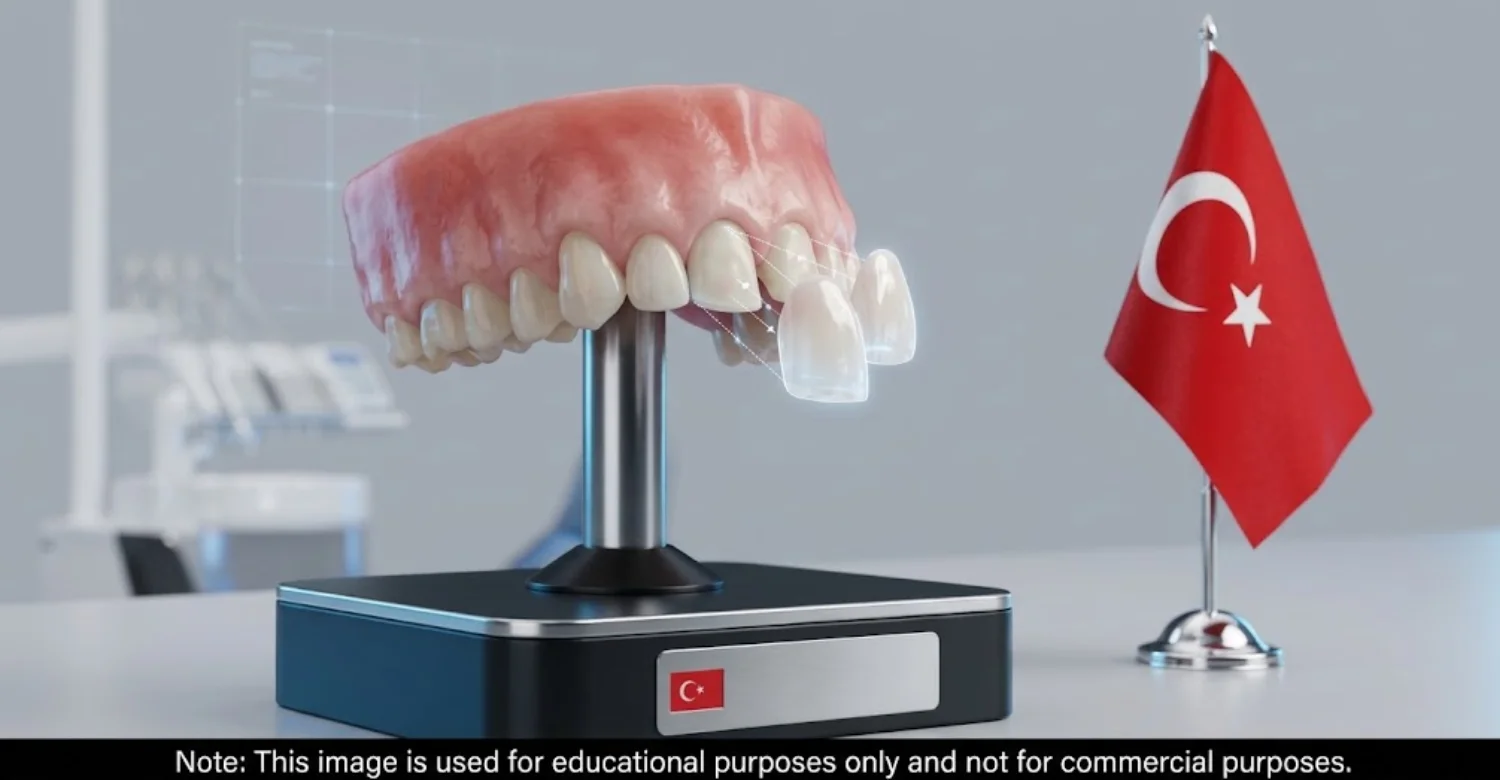
Turkey Veneers are increasingly researched by international patients comparing cosmetic dental treatments, materials, and prices. However, choosing veneers requires more than comparing treatment costs. Material selection, enamel preservation, bite assessment, and dental health all influence suitability. This guide explains available veneer types, treatment stages, estimated prices, potential complications, and long-term maintenance. It also explains what international patients should check before arranging treatment in Istanbul.
Key Takeaways
Compare veneer types: Porcelain, E.max and composite offer different benefits, costs and maintenance requirements.
Understand the costs: Turkey ceramic veneers typically range from 200–400 per tooth.
Prioritise natural results: Shade, shape, translucency and tooth proportions influence the final appearance.
Protect natural teeth: Choose conservative preparation and preserve healthy enamel whenever possible.
Check clinic credentials: Verify dentist qualifications, clinic authorization and treatment materials.
Understand the risks: Sensitivity, chipping, gum irritation and debonding are possible complications.
Plan for aftercare: Maintain good oral hygiene and arrange regular dental check-ups.
Ready to transform your smile?
Talk to our team and get a personal FREE treatment plan.
What Problems Can Dental Veneers Correct?
Dental veneers are thin restorations bonded to the front surfaces of teeth. They can improve:
Persistent tooth discolouration.
Small chips and worn edges.
Minor shape irregularities.
Small spaces between suitable teeth.
Uneven tooth proportions.
They do not automatically correct significant misalignment or underlying bite problems. A dentist must assess the remaining enamel and tooth structure.
Why Do International Patients Choose Turkey for Veneers?
Turkey attracts international patients seeking cosmetic dental treatment through competitive prices, international transport connections and established healthcare services. In 2025, approximately 1.4 million international visitors travelled to Turkey for healthcare, generating around $3.02 billion in health tourism revenue. These figures cover all medical specialties, not veneers or dental treatments alone.
Istanbul is a popular choice because patients can access private dental clinics alongside hotels, transport and international travel services. Some clinics also coordinate consultations, accommodation, airport transfers and appointments.
However, convenience and package prices should not replace careful clinical evaluation. Before booking, patients should:
Verify the dentist’s qualifications and relevant experience.
Check the clinic’s International Health Tourism Authorization Certificate.
Compare treatment materials, plans and itemised quotations.
Confirm what consultations, diagnostics and aftercare include.
Ensure the proposed treatment suits their dental health and expectations.
What Makes Veneers Look Natural?
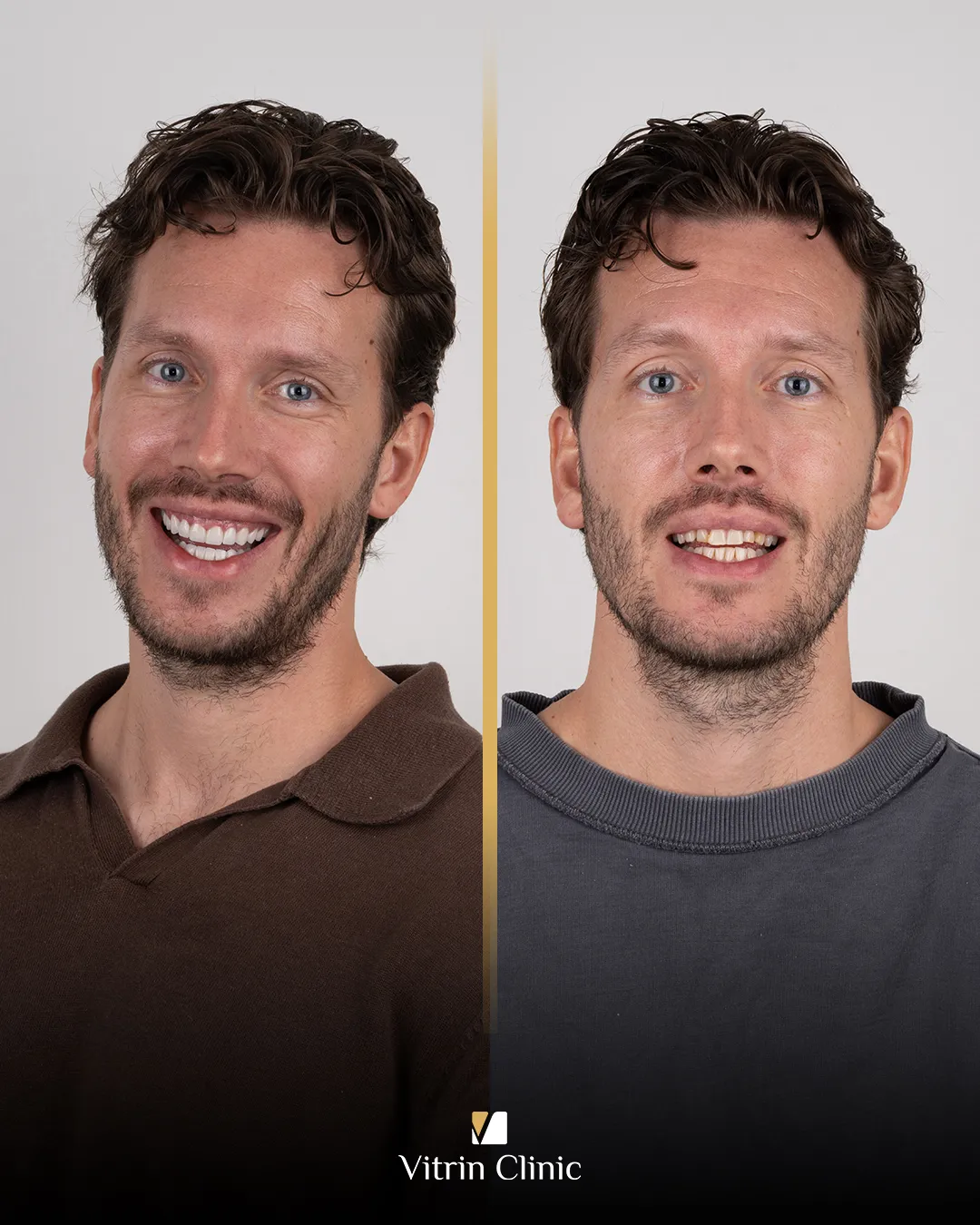
Natural veneers blend with your face, lips and gums so people notice that you look well, not that you've had your teeth done. No single detail does this. Shade, colour depth, shape, thickness, surface texture and smile width all work together.
What shade looks most natural?
The right shade suits your skin tone, the whites of your eyes and your age. A useful guide is that your teeth should not look brighter than the whites of your eyes. Natural shades such as A1 or B1, or a soft bleach shade, often look the most believable.
Why do natural teeth never look like one solid colour?
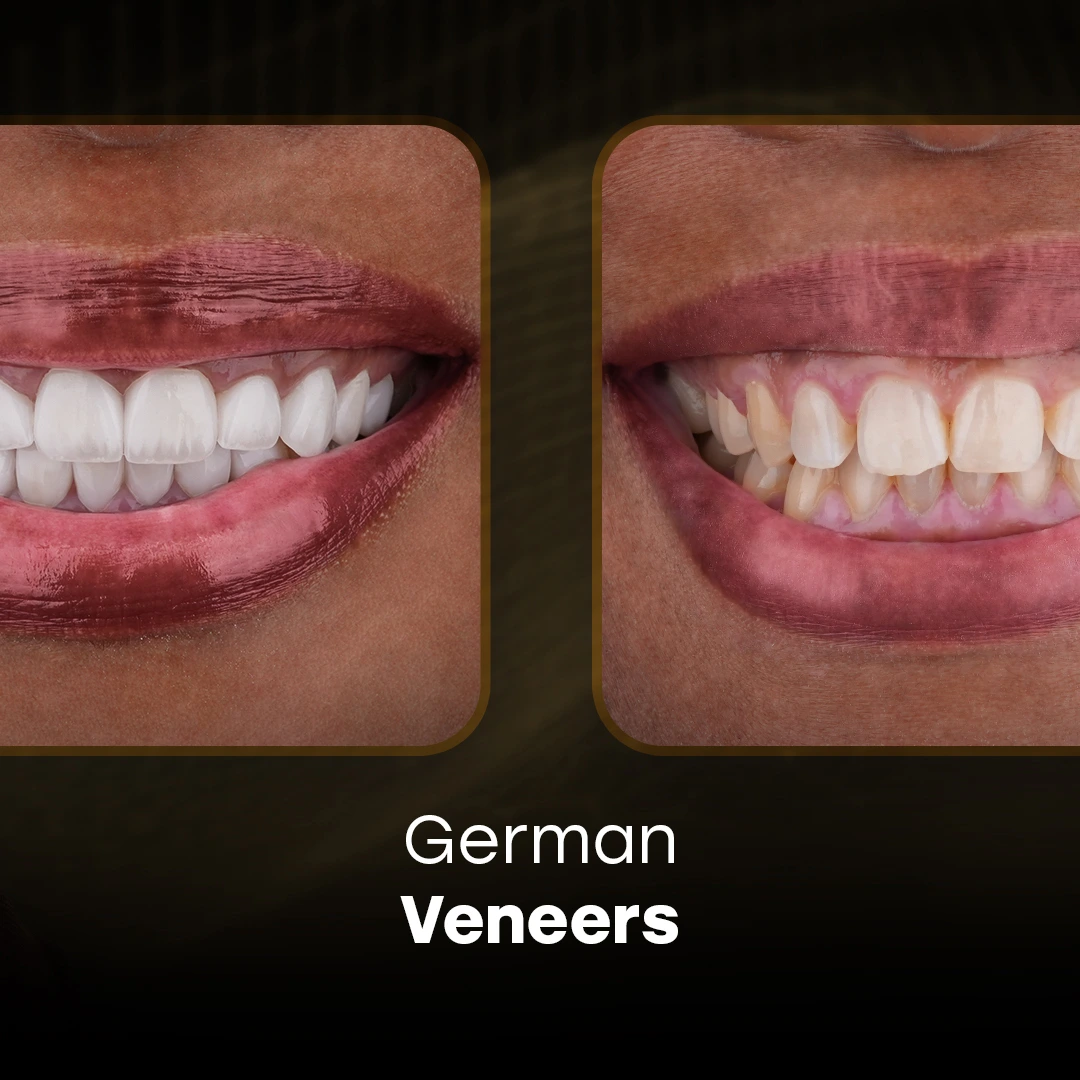
Real teeth are slightly warmer near the gum and slightly translucent at the biting edge. Veneers that copy this gradient catch light the way enamel does. A flat, opaque colour from gum to edge is one of the first signs of artificial work.
What shape and size look natural?
In a natural smile, the two front teeth lead and the side teeth are a little smaller. Shapes follow your face and lip line. When every tooth has the same width and length, the smile starts to look like a keyboard.
Natural vs. Artificial Veneers: Key Differences
Feature | Natural-looking veneers | Artificial-looking veneers |
|---|---|---|
Shade | Suits your skin and age | Brightest bleach shade for everyone |
Colour depth | Warmer near the gum, translucent edge | One flat colour |
Shape | Front teeth lead, side teeth smaller | Every tooth identical |
Thickness | Thin; lips sit as before | Bulky; lips pushed forward |
Surface | Fine texture like enamel | Mirror-flat gloss |
Smile width | No dark teeth at the corners | Bright front, dark side teeth |
.jpg)
.jpg)
What Types of Veneers Are Available in Turkey?
Turkey Veneers are available in several materials with different clinical characteristics. The appropriate choice depends on tooth condition, bite forces, appearance, and preparation requirements.
Porcelain Veneers Turkey: Benefits and Limitations
Porcelain veneers are laboratory-made ceramic restorations. They can reproduce natural-looking translucency and resist surface staining.
Advantages | Disadvantages |
Customised shape and colour. | Usually it requires some enamel preparation. |
Good resistance to staining. | Repairs can be more complicated. |
Supported by established clinical evidence. | Replacement may eventually become necessary. |
Suitable for selected cosmetic concerns. | Generally cost more than composite. |
E.max Veneers Turkey: Features and Advantages
E.max veneers use lithium disilicate glass-ceramic, combining natural-looking optical properties with useful mechanical strength.
Features | Clinical considerations |
Natural-looking translucency. | Suitability depends on tooth condition. |
Good aesthetic properties. | Appropriate thickness is important. |
Useful mechanical strength. | Bonding conditions and bite forces must be assessed. |
Composite Veneers Turkey: Benefits and Limitations
Composite veneers use tooth-coloured resin applied directly or indirectly. Direct composite treatment can sometimes be completed in one appointment.
Advantages | Disadvantages |
Often lower initial costs. | More susceptible to staining. |
Usually easier to repair. | May require regular polishing and maintenance. |
May require less enamel removal. | Can wear or chip over time. |
Suitable for selected minor imperfections. | Appearance may change with ageing. |
E.max vs Porcelain vs Composite: Which Is Better?
There is no universally superior veneer material. E.max is a specific type of glass-ceramic, while porcelain refers to a broader category of ceramic materials.
Comparison | E.max | Other Porcelain Ceramics | Composite |
Material | Lithium disilicate glass-ceramic. | Different types of dental ceramics. | Tooth-coloured resin. |
Appearance | Natural-looking translucency. | Can provide natural-looking aesthetics. | Can achieve a natural appearance when carefully placed. |
Stain resistance | Generally good. | Generally good. | More prone to staining. |
Repair | May require specialised repair or replacement. | Repairs can be more complicated. | Usually easier to repair. |
Initial cost | Generally higher than composite. | Generally higher than composite. | Often lower. |
Maintenance | Requires good oral hygiene and regular reviews. | Requires good oral hygiene and regular reviews. | May need more frequent polishing or maintenance. |
Which should you choose?
Composite may suit selected minor corrections and patients seeking lower initial costs. Ceramic options may offer better stain resistance and appearance stability. The final choice depends on clinical findings, tooth structure, bite forces and aesthetic goals.
Which Veneers Offer the Most Natural-Looking Results?
Natural-looking results depend on more than material selection. Shade, translucency, surface texture, proportions, and gum relationships all matter.
A suitable design should complement facial features and neighbouring teeth. Excessively bright or bulky restorations may appear artificial. A dentist should review the proposed design before preparation.
Turkey Veneers Cost: US vs UK vs Turkey
Turkey Veneers prices vary according to ceramic material, laboratory work, tooth preparation and the number of treated teeth. The following figures are indicative 2026 market ranges, not guaranteed quotations.
How Much Do Ceramic Veneers Cost Per Tooth in the US, UK and Turkey?
United Kingdom
Estimated Cost: $650 – $969 / tooth
Veneer Type: Porcelain veneers
Veneer type: Porcelain veneers
Cost per tooth: $650 – $969
Private UK cosmetic clinic rate
Turkey
Estimated Cost: $200 – $400 / tooth
Veneer Type: Ceramic veneers, including E.max
Veneer type: Ceramic & E.max
Cost per tooth: $200 – $400
Save up to ~75–80% vs. US/UK
United States
Estimated Cost: $1,020 – $2,506 / tooth
Veneer Type: Porcelain veneers
Veneer type: Porcelain veneers
Cost per tooth: $1,020 – $2,506
US cosmetic clinic standard rate
How Much Does a Full Set of Ceramic Veneers Cost in Turkey?
A full set has no universal definition. Some treatment plans involve six or eight teeth, while others include more teeth across both arches.
Partial Smile Line
From $1,200
Upper arch front teeth coverage
6 veneers: $1,200 – $2,400
8 veneers: $1,600 – $3,200
Ideal for prominent upper front teeth
Full Smile Makeover
From $3,200
Dual arch complete aesthetic design
16 veneers: $3,200 – $6,400
20 veneers: $4,000 – $8,000
Complete upper and lower smile harmony
All Package Tiers
Price Range: $1,200 – $8,000
Indicative total cost overview
6 veneers: $1,200 – $2,400
8 veneers: $1,600 – $3,200
16 veneers: $3,200 – $6,400
20 veneers: $4,000 – $8,000
What Factors Affect Veneer Prices in Turkey?
Several factors can influence the total cost of veneer treatment:
Material: Composite and ceramic veneers have different production costs and properties.
Number of teeth: Treating more teeth generally increases the overall price.
Laboratory fabrication: Custom design, fabrication and technical work can affect the fee.
Existing dental problems: Decay, damaged fillings or gum conditions may require treatment before veneers.
Additional procedures: Gum treatment or bite adjustments may add to the total cost.
Follow-up appointments: Check whether reviews, adjustments and aftercare are included in the quotation.
What Is Included in Veneer Treatment Packages?
Veneer packages may include different clinical and travel services. Before booking, confirm exactly what the quoted price covers:
Consultation: Check whether the initial examination is included.
Digital scanning: Confirm whether digital scans and dental records are covered.
Temporary restorations: Ask whether temporary veneers are provided when needed.
Laboratory fabrication: Confirm the veneer material and laboratory specifications.
Final placement: Check whether fitting and necessary adjustments are included.
Imaging: Ask whether X-rays or other clinically appropriate diagnostics cost extra.
Travel arrangements: Confirm whether accommodation or transport is included.
Aftercare: Check whether follow-up visits and adjustment appointments are covered.
Ready to transform your smile?
Talk to our team and get a personal FREE treatment plan.
How Does Veneer Treatment in Istanbul Work?
Turkey Veneers treatment generally involves assessment, design, preparation, fabrication, and final bonding. The exact sequence depends on material and clinical complexity.
Initial Consultation and Dental Examination
The dentist reviews medical and dental history. Teeth, gums, bite, and existing restorations require examination. Photographs and digital imaging may support assessment. Existing decay or gum disease should be addressed first.
Digital Smile Design and Personalised Treatment Planning
Digital Smile Design helps communicate proposed changes in tooth proportions and appearance. Photographs and scans support planning. A preview is not a guarantee of the final result. The patient and dentist should discuss realistic expectations.
Tooth Preparation and Digital Scanning
Preparation depends on the selected material and existing tooth shape. Some ceramic veneers require limited enamel removal. Digital scanning records tooth surfaces for laboratory fabrication. Preparation should preserve healthy enamel whenever clinically possible.
Temporary Veneers and Laboratory Fabrication
Temporary restorations may protect prepared teeth during laboratory production. The laboratory fabricates restorations according to the approved design. Fit, shade, and proportions should be checked before final bonding.
Final Veneer Placement and Bite Assessment
The dentist checks each restoration before bonding. Fit, colour, contact points, and bite require assessment. The patient should report discomfort or an uneven bite. Necessary adjustments should happen before treatment completion.
How Many Days Does Veneer Treatment Take in Turkey?
Treatment commonly requires several days. Laboratory schedules and clinical requirements influence the timeline. Some cases need additional appointments or preparatory treatment. Patients should receive a confirmed schedule before booking return flights.
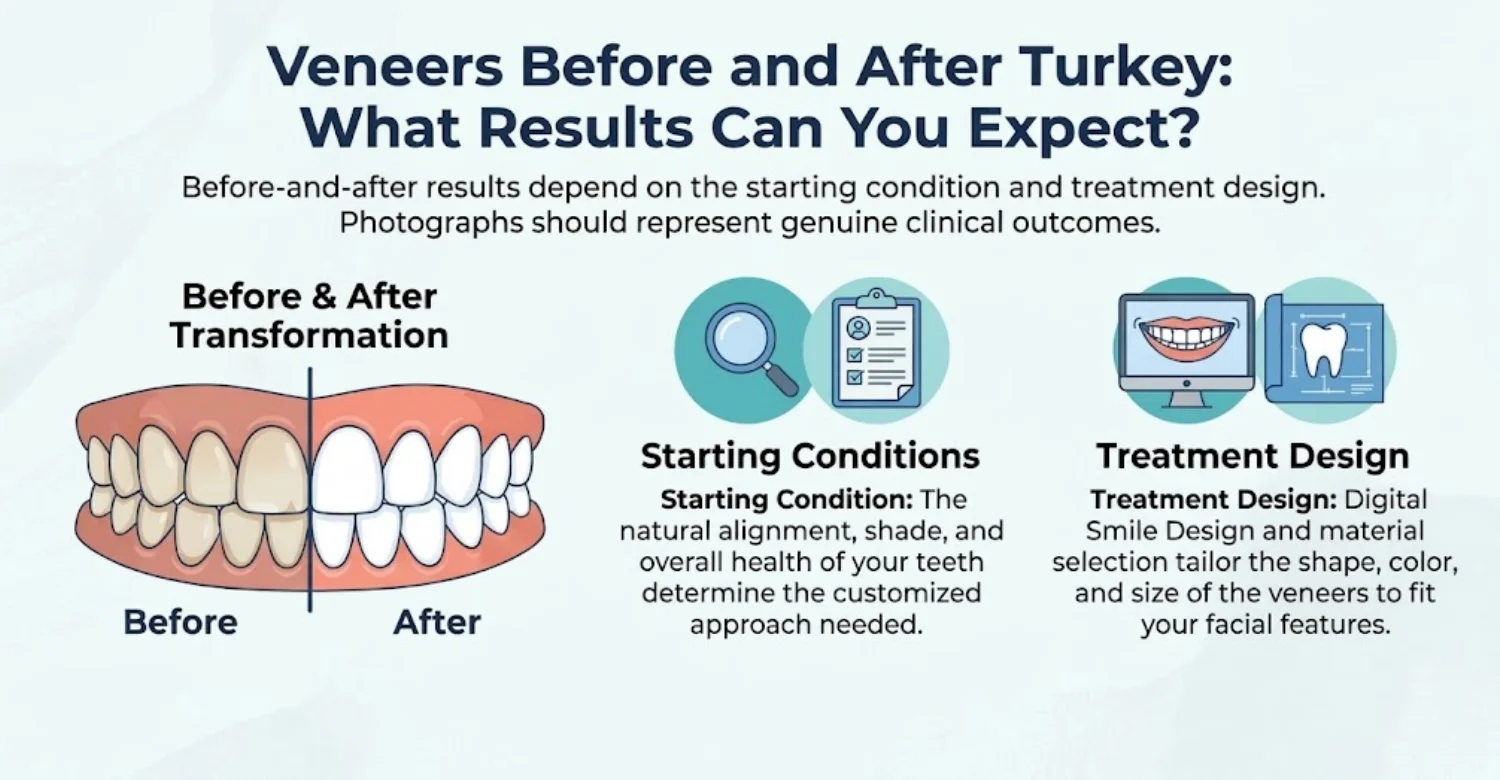
Veneers Before and After Turkey: What Results Can You Expect?
Before-and-after results depend on the starting condition and treatment design.
How Can Veneers Change Tooth Shape, Colour and Proportions?
Veneers can modify visible tooth length, width, colour, and contour. They may also improve the appearance of selected gaps. The dentist must preserve appropriate tooth proportions and functional contacts.
What Makes Veneer Results Look Natural?
Natural results require suitable shade selection and careful contouring. Translucency, surface texture, and tooth alignment also matter. Gum symmetry and neighbouring teeth influence the overall appearance.
Why Do Before-and-After Results Differ Between Patients?
Patients have different enamel thicknesses, tooth positions, and bite relationships. Existing restorations and gum conditions also affect treatment. Identical materials cannot produce identical outcomes in every mouth.
What Should You Check for Genuine Veneer Results?
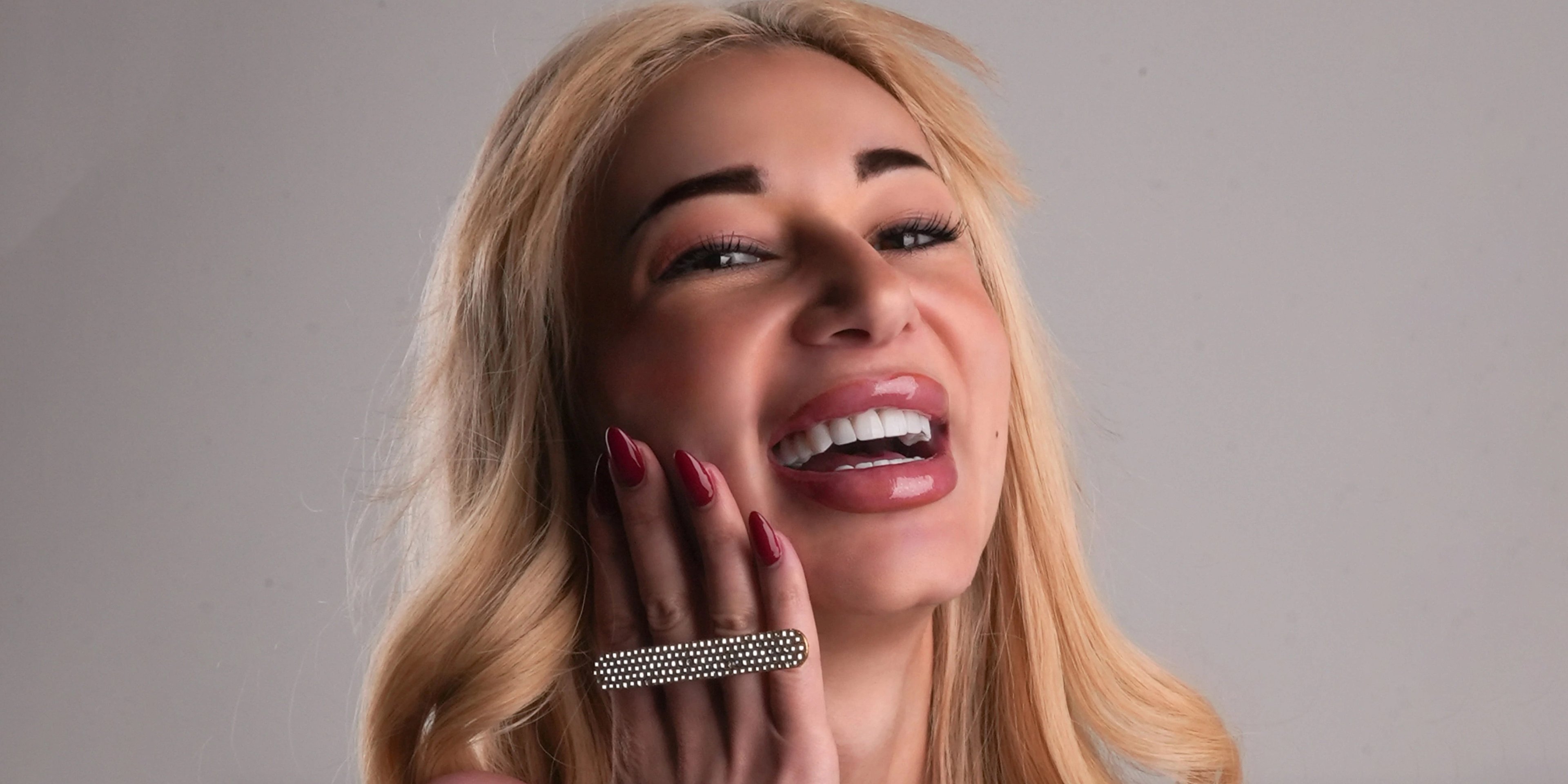
Check whether photographs show the same patient before and after treatment. Look for consistent lighting, angles, and image quality. Ask whether the displayed case involved veneers or crowns. Written patient consent is essential for clinical photographs.
.jpg)
.webp)
What We Notice Clinically When Planning Veneers
Turkey Veneers planning should protect healthy tooth structure while considering function, gum health and appearance.
Why Healthy Enamel and Conservative Preparation Matter
Enamel provides an important bonding surface for ceramic veneers. Extensive dentine exposure may reduce bonding predictability. We assess remaining enamel, existing restorations and tooth condition before preparation.
No-preparation veneers are not suitable for everyone. Some teeth need space for proper thickness and contour. Excessive bulk can affect appearance and gum health. Preparation should therefore be individualised, avoiding unnecessary removal of healthy enamel.
When Veneers May Not Be the Best Option
Not every cosmetic concern requires veneers. Minor chips or small gaps may suit more conservative restorative options. Whitening may address suitable discolouration, while orthodontic treatment may be better for alignment problems.
Dr. Rifat Alsaman’s Clinical Perspective
Dr. Rifat Alsaman, Head of the Medical Team, emphasises individual assessment before cosmetic treatment. His approach prioritises preserving healthy enamel, respecting bite function and maintaining gum health. Patients should understand any permanent changes before consenting. The final design must suit their clinical needs, not just their aesthetic preferences.
Are Veneers in Turkey Safe? Side Effects and Complications
Turkey Veneers treatment carries potential risks. Outcomes depend on diagnosis, tooth preparation, bonding quality and ongoing care.
Common Side Effects and Possible Complications
Temporary sensitivity: Teeth may become sensitive after enamel preparation.
Gum irritation: Mild irritation can occur after temporary or final placement.
Chipping or cracking: Excessive bite forces, grinding or biting hard objects may damage veneers.
Debonding: A veneer may become loose and require professional rebonding or replacement.
Bite discomfort: An uneven bite may cause discomfort when chewing.
Marginal leakage and decay: Poorly fitting margins or plaque accumulation may contribute to problems around the restoration.
Veneers do not protect the entire tooth against cavities. Persistent pain, sensitivity, swelling or bleeding requires dental assessment.
What Warning Signs Require Dental Attention?
Contact a dentist if you experience:
Persistent pain or increasing sensitivity.
Gum swelling, irritation or bleeding.
A loose, chipped or fractured veneer.
Discomfort when biting or chewing.
Avoid attempting to repair or rebond a veneer yourself.
When Is Urgent Dental Care Necessary?
Rapidly spreading facial swelling requires urgent assessment.
Fever with significant swelling may indicate infection.
Breathing or swallowing difficulties require emergency medical attention.
Do not delay emergency care while travelling.
Ready to transform your smile?
Talk to our team and get a personal FREE treatment plan.
Pain Relief, Recovery and Medical Tips After Veneers
Recovery after veneer placement depends on tooth preparation and individual sensitivity. Temporary discomfort should gradually improve.
Pain and Temporary Sensitivity
Local anaesthesia may be used during preparation when needed.
Mild sensitivity can occur after treatment.
Avoid very hot or cold foods if they trigger discomfort.
Follow personalized aftercare instructions.
Seek dental review if sensitivity persists or worsens.
Foods to Avoid During Recovery
Avoid biting very hard foods directly with veneered teeth.
Limit sticky foods while temporary veneers are fitted.
Follow dietary instructions until final bonding is complete.
How to Care for Your Veneers
Brush twice daily using gentle brushing techniques.
Clean between your teeth every day.
Avoid biting fingernails or hard objects.
Never use your teeth to open packaging.
Consider a protective mouthguard if you grind your teeth.
How Long Do Veneers Last and How Can You Maintain Them?
The lifespan of Turkey Veneers depends on material, bonding, bite forces, and maintenance. No restoration has a guaranteed lifespan.
How Long Do Porcelain, E.max and Composite Veneers Last?
Ceramic veneers can remain functional for many years. A 2025 systematic review reported favourable long-term ceramic survival. Composite restorations generally require more maintenance. Individual outcomes vary considerably.
What Factors Affect Veneer Longevity?
Important factors include:
Remaining enamel and bonding quality.
Bite alignment and grinding habits.
Material and restoration thickness.
Oral hygiene and gum health.
Regular professional monitoring.
Can Veneers Be Whitened or Repaired?
Ceramic veneers do not respond to conventional tooth whitening. Composite restorations may sometimes be polished or repaired. Replacement may be necessary when damage is extensive. Shade planning should happen before final placement.
Why Are Regular Dental Check-Ups Important?
Routine examinations help identify marginal problems and gum inflammation. Dentists can monitor bite changes and restoration conditions. Professional cleaning supports surrounding oral health. Follow-up remains important after returning home.
Tips for Patients Travelling to Turkey for Veneers
Planning Turkey Veneers treatment involves clinical and travel preparation. Use these points to prepare:
How to Choose a Reputable Clinic in Istanbul
Check the treating dentist’s qualifications and experience.
Verify the clinic’s health tourism authorization.
Ask who performs each treatment stage.
Review consent procedures and complication-management arrangements.
What to Confirm Before Treatment
Ask which veneer material is recommended and why.
Confirm the number of veneers and preparation requirements.
Request a written treatment plan and itemised estimate.
Discuss repair, replacement and follow-up arrangements.
What Dental Records to Share Before Travelling
Recent dental X-rays, if available.
Your medical history and previous treatment records.
Clear photographs of your teeth and smile.
Remember that remote reviews cannot replace an in-person examination.
How Long to Stay in Turkey
Confirm the expected treatment schedule with the clinic.
Allow time for laboratory work and necessary appointments.
Avoid booking an inflexible return flight.
What to Arrange for Aftercare
Request copies of scans, X-rays and treatment records.
Obtain details of the veneer materials used.
Ask for written aftercare instructions.
Arrange access to dental assessment at home if complications develop.
At Vitrin Clinic: Personalised Veneer Treatment in Istanbul
Vitrin Clinic approaches Turkey Veneers through individual assessment and treatment planning. The aim is to match cosmetic goals with dental health and function.
How Does Vitrin Clinic Assess Veneer Suitability?
Vitrin Clinic considers tooth structure, enamel, gum health, and bite relationships. Clinical examinations help identify existing dental problems. Digital dental X-rays may support diagnosis when appropriate. Treatment selection follows the findings rather than a standard package.
How Are Veneer Materials and Shades Selected?
Material selection considers tooth condition and aesthetic requirements. Shade selection considers neighbouring teeth and facial appearance. The team discusses preparation requirements and material limitations. Patients should understand the proposed treatment before consenting.
How Does Digital Smile Design Support Treatment Planning?
Digital Smile Design helps communicate proposed tooth shapes and proportions. Digital scans can support restoration planning. A visual preview is a planning aid, not a guaranteed outcome. Final decisions require clinical approval.
How Can International Patients Request a FREE Treatment Plan?
International patients can contact Vitrin Clinic with photographs and available dental records. The team can review preliminary information and discuss possible treatment options. Final suitability requires clinical examination and necessary imaging. Patients can request an itemised estimate before arranging travel.

How Vitrin Clinic Supports Your Treatment Journey
Vitrin Clinic considers Turkey Veneers treatment as a clinical journey extending beyond final placement. International coordination should support informed decisions and practical follow-up.
Personalised Treatment Planning and Digital Diagnostics
The treatment plan reflects tooth condition and restoration requirements. Digital scanning supports accurate records and laboratory communication. Patients receive explanations of proposed materials and preparation. Estimates should distinguish confirmed treatment from possible additional procedures.
International Patient Coordination and Treatment Scheduling
International coordination helps organise appointments and travel arrangements. Patients should receive a realistic treatment schedule. Accommodation and transport arrangements should be confirmed separately. Additional clinical appointments may change the original itinerary.
Aftercare Instructions and Follow-Up Support
Patients receive guidance on hygiene and restoration care. Follow-up arrangements should be discussed before departure. Treatment records support continuity after returning home. Any new pain or restoration damage requires professional assessment.
Ready to transform your smile?
Talk to our team and get a personal FREE treatment plan.
Conclusion: Make an Informed Decision About Veneers in Turkey
Choosing Turkey Veneers should involve more than comparing prices or materials. The right treatment begins with a thorough dental assessment, healthy teeth and gums, and a plan that preserves natural tooth structure wherever possible.
Before travelling, verify the dentist’s qualifications, understand the proposed treatment, and request an itemised estimate. Discuss potential risks, recovery, maintenance and follow-up arrangements.
At Vitrin Clinic, we prioritise individual assessment and personalised treatment planning. Contact our team for a FREE Treatment Plan and take the first step towards making an informed decision about your smile.
Reference
FAQs
Turkey Veneers may have lower published prices than private treatment in the UK and US. Indicative ceramic prices are 200–400 per tooth in Turkey. UK prices commonly range from $650–$969. US prices may reach $2,506 per tooth. Final costs depend on material, tooth count, and clinical requirements.
Dr. Rifat Alsaman has more than 5 years of clinical experience in dentistry and currently serves as the Head of the Medical Team at Vitrin Clinic. He is dedicated to providing exceptional patient care, overseeing treatment planning, and ensuring the highest clinical standards across the team. His expertise, attention to detail, and commitment to continuous professional development have helped countless patients achieve healthier, more confident smiles.


