General Dentistry
September 23, 2026
TMJ and Sleep Apnea Symptoms: What Is the Connection?
 Dr. Rifat Alsaman
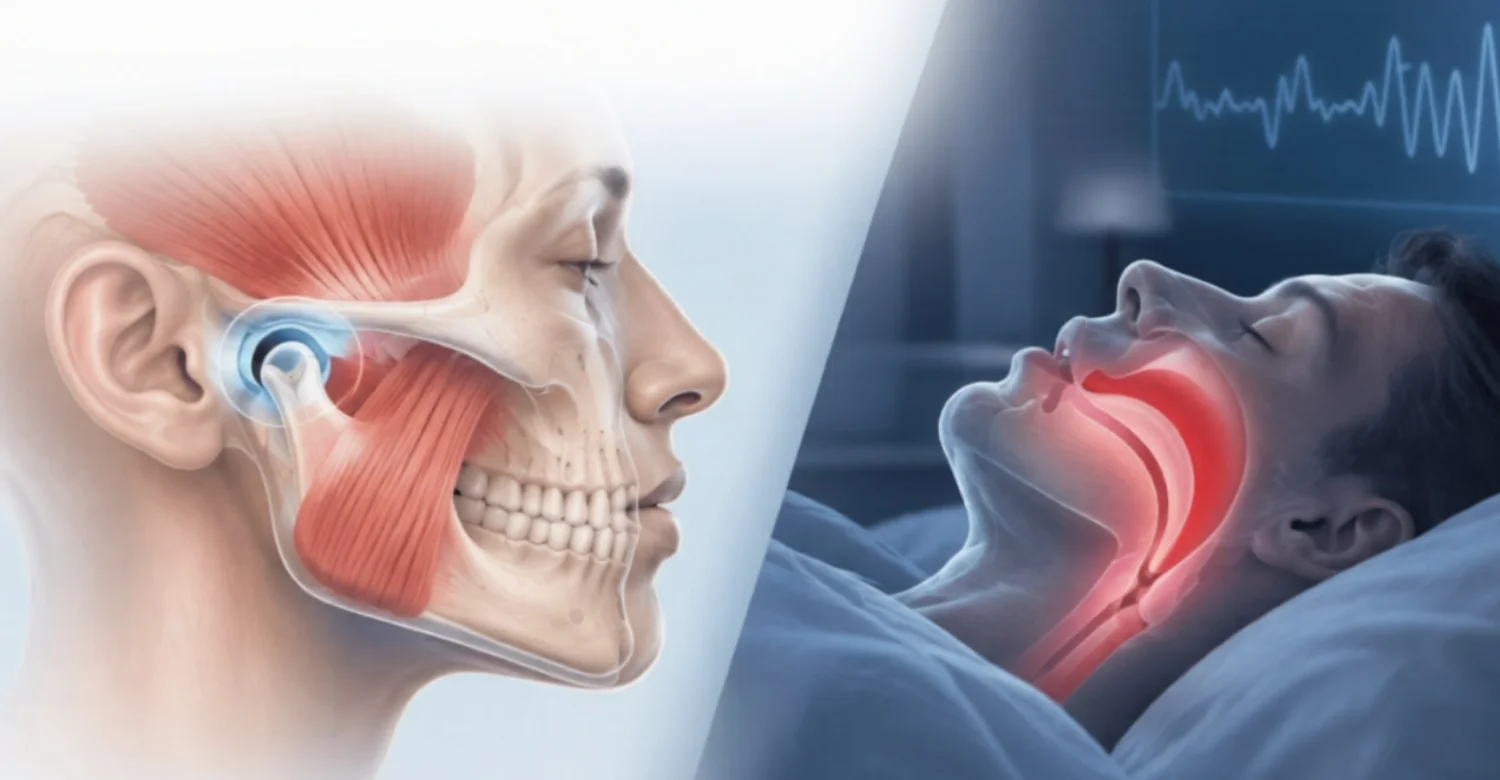
TMJ and Sleep Apnea Symptoms can sometimes appear together, especially with jaw pain, grinding, snoring, or poor sleep. Temporomandibular disorders, often called TMD, affect the jaw joints and the chewing muscles. Sleep apnea involves repeated breathing interruptions that disturb normal rest throughout the night. Research suggests an association between obstructive sleep apnea and painful TMD. However, current evidence does not prove that one condition directly causes the other. TMD affects about 5% of U.S. adults, although estimates vary by population and diagnostic method. Sleep apnea commonly involves loud snoring, breathing pauses, gasping, daytime sleepiness, headaches, or dry mouth. Understanding TMJ and Sleep Apnea Symptoms helps patients describe their concerns more clearly during appointments. At Vitrin Clinic, jaw symptoms can be evaluated through clinical examination and appropriate dental diagnostics.
What Is the Connection Between TMJ and Sleep Apnea?
The relationship may involve overlapping sleep, muscle, breathing, and pain factors. People with painful TMD often report sleep problems as well. A systematic review found higher OSA prevalence among patients with TMD in several observational studies. However, researchers have not established a definite two-way causal relationship between the conditions. Sleep fragmentation and reduced oxygen levels may influence how the body processes pain. Jaw muscle activity during sleep may also contribute to morning discomfort. Other factors, such as stress or anatomy, can independently affect both conditions. Therefore, jaw pain should not automatically be considered evidence of sleep apnea. Likewise, breathing problems at night should not automatically be blamed on the jaw. A careful review of TMJ and Sleep Apnea Symptoms helps identify the true underlying causes.
TMJ Disorder and Sleep Apnea
TMJ disorder and sleep apnea may coexist, particularly when sleep disruption and jaw symptoms occur together. TMD includes several conditions affecting the jaw joints, chewing muscles, and surrounding tissues. Sleep apnea involves repeated breathing interruptions during sleep, often without the person noticing. Common signs include snoring, gasping, daytime tiredness, morning headaches, and dry mouth. Research suggests that OSA may be associated with painful TMD. However, the available evidence remains limited and does not establish causation. Patients experiencing both problems may benefit from discussing them with dental and medical professionals. Describing each symptom separately helps clinicians decide which evaluation is needed first. At Vitrin Clinic, jaw-related symptoms can be assessed alongside other dental findings.
TMJ and Sleep Apnea Connection
The TMJ and sleep apnea connection may involve several overlapping factors rather than one mechanism. Poor sleep can influence pain sensitivity and increase daytime fatigue. Jaw clenching or grinding may contribute to muscle soreness and joint discomfort. A systematic review found higher OSA prevalence among people with painful TMD across observational studies. However, the evidence remains insufficient to confirm a direct causal pathway. For this reason, TMJ and Sleep Apnea Symptoms should be evaluated as related but distinct concerns. Snoring, witnessed breathing pauses, and excessive daytime sleepiness may indicate the need for sleep assessment. Dental examination can identify TMD signs, including tenderness, limited movement, and painful joint sounds.
Relationship Between TMJ and Sleep Apnea
The relationship between these conditions appears complex rather than strictly one-directional. Both may involve disturbed sleep, muscle activity, pain, and other contributing factors. TMD symptoms can include jaw pain, stiffness, limited movement, and painful clicking. Sleep apnea commonly causes snoring, breathing interruptions, gasping, dry mouth, headaches, and daytime sleepiness. Research has identified an association between OSA and painful TMD. However, researchers have not confirmed whether OSA directly causes TMD. Some people may develop jaw problems first, while others notice sleep problems first. Patients with overlapping complaints may require both dental and sleep-related assessment. At Vitrin Clinic, dental findings can help determine whether jaw symptoms need further evaluation.
How Sleep Apnea Affects the Jaw
Sleep apnea may affect jaw symptoms indirectly through fragmented sleep, breathing effort, and muscle changes. Research suggests that sleep disruption and intermittent oxygen reduction may influence pain sensitivity. Some patients also grind or clench their teeth during sleep. Bruxism can produce jaw muscle soreness, tightness, fatigue, headaches, and facial pain. However, not everyone with sleep apnea develops jaw problems. Other factors can contribute to TMD, including stress, injury, muscle habits, and individual anatomy. When TMJ and Sleep Apnea Symptoms appear together, each should be reviewed on its own merits. A dental examination can assess jaw movement, joint sounds, muscle tenderness, and tooth wear. Sleep symptoms may require separate medical evaluation.
Why Jaw Symptoms May Occur During Sleep
Jaw symptoms can become noticeable during sleep because chewing muscles may remain active. Clenching or grinding can increase muscle workload and cause morning soreness. Sleep disruption may also influence how the nervous system processes pain signals. Researchers have proposed links between sleep fragmentation, oxygen changes, and pain sensitivity. However, nighttime jaw pain does not automatically indicate sleep apnea. TMD, bruxism, dental problems, and other conditions can cause similar complaints. Tracking nighttime patterns can provide useful information for clinicians. Patients can note jaw tension, grinding, headaches, snoring, and morning stiffness. These details can help dentists and sleep specialists decide on appropriate next steps.
Learn why jaw pain when waking up can occur
Can Sleep Apnea Cause TMJ Pain?
Sleep apnea may be associated with painful TMD, but evidence does not prove direct causation. A systematic review found higher OSA prevalence among patients with TMD. One cohort study also suggested that OSA could be a risk factor for TMD. Possible explanations include sleep fragmentation, altered pain sensitivity, and nighttime muscle activity. Bruxism may also contribute to jaw muscle soreness in some patients. Because jaw pain has many possible causes, professional assessment is important. A dentist can evaluate the TMJ and chewing muscles for signs of disorder. Sleep complaints may require a sleep study or medical evaluation. Viewing TMJ and Sleep Apnea Symptoms together, but assessing them separately, supports accurate conclusions.
Sleep Apnea and Jaw Pain
Sleep apnea and jaw pain may occur together, but their relationship is not fully understood. Sleep apnea can repeatedly interrupt normal sleep and may increase daytime fatigue. TMD can cause pain around the jaw joint, chewing muscles, face, or neck. Some research suggests OSA may contribute to painful TMD through sleep fragmentation and pain sensitivity. Nighttime clenching provides another possible connection between the two problems. Bruxism commonly causes jaw soreness, muscle tightness, headaches, and facial pain. Patients should avoid assuming that one condition explains every complaint. Dental examination and sleep assessment may both be appropriate, depending on the overall pattern.
Jaw Pain and Obstructive Sleep Apnea
Jaw pain and obstructive sleep apnea can overlap through several possible mechanisms. OSA causes repeated breathing interruptions when the upper airway narrows or closes during sleep. Common signs include snoring, gasping, dry mouth, and daytime sleepiness. TMD can cause jaw pain, stiffness, limited movement, and painful joint sounds. Research has identified an association between painful TMD and OSA. However, the available evidence remains limited, and uncertainty about causation continues. Patients with jaw pain should receive an appropriate dental evaluation. Those with loud snoring or witnessed breathing pauses should discuss sleep assessment with a healthcare professional. Recording TMJ and Sleep Apnea Symptoms in a diary can make these conversations easier.
TMJ Symptoms Caused by Sleep Apnea
Sleep apnea should not automatically be described as the cause of TMJ symptoms. Current evidence suggests an association rather than a confirmed direct cause. Jaw complaints may include pain, stiffness, limited movement, painful clicking, and chewing-muscle tenderness. Sleep apnea signs may include snoring, gasping, breathing pauses, headaches, and daytime sleepiness. When these complaints appear together, several contributing factors may exist. Nighttime bruxism, poor sleep, stress, and individual jaw characteristics can all influence symptoms. A dental examination can assess the jaw, teeth, and chewing muscles. A sleep evaluation can determine whether breathing interruptions occur during sleep. Using both assessments avoids attributing everything to a single cause.
Sleep Apnea Symptoms and Jaw Tension
Sleep apnea symptoms and jaw tension may occur together in some patients. Sleep apnea can cause repeated awakenings, gasping, snoring, dry mouth, and daytime fatigue. Jaw tension may result from clenching, grinding, muscle overuse, or TMD. Bruxism commonly produces jaw muscle soreness and tightness, especially after waking. Research suggests a possible association between OSA and painful TMD. However, the precise mechanism behind this association remains uncertain. Patients should consider both nighttime breathing complaints and jaw complaints when discussing their concerns. Mentioning TMJ and Sleep Apnea Symptoms together gives clinicians a fuller picture. At Vitrin Clinic, dental examination can assess jaw movement and muscle tenderness.
Clinical Note: Understanding the Difference Between TMJ Pain and Sleep-Related Jaw Symptoms
TMJ pain may arise from joint disorders, chewing-muscle problems, or other TMD conditions. Typical complaints include jaw stiffness, pain, limited movement, and painful joint sounds. Sleep-related jaw symptoms may involve morning soreness, muscle tightness, headaches, or tooth wear. Bruxism often contributes to these morning findings. Sleep apnea adds different signs, including loud snoring, breathing pauses, gasping, and daytime sleepiness. These complaints can overlap, making professional evaluation especially useful. Distinguishing joint pain from muscle fatigue helps guide appropriate management. At Vitrin Clinic, Dr. Rifat Alsaman considers clinical findings carefully before recommending any dental treatment.
Explore lymphoma tongue symptoms and oral signs
What Are the Symptoms of TMJ and Sleep Apnea?
TMJ and Sleep Apnea Symptoms can overlap, especially when nighttime jaw tension affects morning comfort. TMD commonly causes jaw pain, stiffness, limited movement, and painful clicking. Sleep apnea commonly causes loud snoring, breathing pauses, gasping, dry mouth, headaches, and daytime sleepiness. Some patients may experience both conditions at the same time. Morning jaw pain may suggest nighttime muscle activity. Snoring or witnessed breathing pauses may suggest sleep-disordered breathing. TMD affects approximately 5% of U.S. adults, according to NIDCR estimates. Because these signs have different possible causes, patients should avoid self-diagnosis. A dental evaluation can assess the jaw, teeth, muscles, and bite. Sleep complaints may require separate medical testing.
Common TMJ Symptoms
Common TMD symptoms include pain around the jaw joint or chewing muscles. Pain may extend toward the face, neck, ear area, or head. Other signs include jaw stiffness, limited opening, locking, and painful clicking or popping. Some people notice changes in how their upper and lower teeth meet. NIDCR estimates that TMD affects about 5% of U.S. adults. The condition is reported more frequently among women. Jaw sounds without pain are common and do not necessarily indicate a disorder. Patients with persistent pain or restricted movement should seek professional assessment. At Vitrin Clinic, jaw complaints can be reviewed during a comprehensive dental examination.
Common Sleep Apnea Symptoms
Common sleep apnea symptoms include loud snoring, breathing pauses, gasping, and repeated nighttime awakenings. Daytime signs can include sleepiness, fatigue, difficulty concentrating, and headaches. Dry mouth can also occur after sleeping, particularly with mouth breathing. Some people do not realize their breathing stops during sleep. A partner or family member may notice pauses or gasping first. These complaints should be discussed with a healthcare professional. A sleep study may be recommended to confirm the diagnosis. Although TMJ and Sleep Apnea Symptoms differ, both conditions can occur in the same patient. Recognizing each group of signs supports timely and appropriate referral.
Sleep Apnea Jaw Pain Symptoms
Jaw pain is not considered a defining symptom of sleep apnea. However, patients with sleep apnea may also experience jaw discomfort. Research suggests an association between OSA and painful TMD. Possible jaw-related complaints include morning soreness, muscle tightness, facial discomfort, or headaches. Nighttime clenching can also contribute to jaw muscle fatigue. Patients should consider whether jaw pain appears alongside snoring, gasping, or witnessed breathing pauses. These details help healthcare professionals understand the overall pattern. A dentist can assess the TMJ and chewing muscles. A sleep specialist can investigate possible breathing-related problems during the night.
TMJ Symptoms at Night
TMD symptoms can become noticeable at night or immediately after waking. Patients may experience jaw stiffness, muscle soreness, or difficulty opening the mouth. Nighttime clenching and grinding can increase muscle activity and contribute to morning discomfort. Bruxism is associated with jaw soreness, tightness, headaches, and facial pain. However, nighttime jaw complaints do not automatically indicate sleep apnea. Dental problems and other TMD conditions can produce similar effects. Keeping a symptom diary may help identify meaningful patterns over several weeks. Patients can record TMJ and Sleep Apnea Symptoms, including jaw pain, grinding, snoring, and sleep interruptions.
Morning Jaw Pain and Sleep Apnea
Morning jaw pain may occur alongside sleep apnea, but it does not confirm the condition. Sleep apnea commonly causes fragmented sleep, snoring, gasping, dry mouth, and daytime sleepiness. Morning jaw soreness may instead reflect nighttime bruxism or another TMD condition. Bruxism can cause jaw muscle tightness and fatigue that eases during the day. Research suggests an association between OSA and painful TMD, but causation remains uncertain. Patients should notice whether soreness appears every morning or only after stressful periods. Those experiencing both complaints should discuss the complete pattern with their dentist and healthcare provider.
Understand the basics of mastication
How Does Sleep Apnea Affect the Jaw and Temporomandibular Joint?
Sleep apnea may influence jaw symptoms through sleep fragmentation, pain sensitivity, and nighttime muscle activity. Researchers have proposed that intermittent oxygen changes and disrupted sleep may increase pain sensitivity. TMD involves more than the TMJ itself. It can affect chewing muscles, surrounding tissues, and overall jaw function. Nighttime bruxism may add muscular strain and contribute to morning discomfort. However, the exact relationship between OSA, bruxism, and TMD remains under investigation. A complete evaluation of TMJ and Sleep Apnea Symptoms can clarify the likely source. It may show TMD, bruxism, dental problems, or another condition entirely.
Sleep Apnea and Temporomandibular Joint Disorder
Sleep apnea and temporomandibular joint disorder may coexist in some patients. A systematic review found higher OSA prevalence among patients with TMD across observational studies. However, the review concluded that evidence remains insufficient to establish clear causal relationships. TMD itself includes multiple conditions involving the jaw joint and chewing muscles. Symptoms may include pain, stiffness, limited movement, and painful joint sounds. Patients with both conditions may benefit from coordinated evaluation. Dental findings should be assessed separately from sleep-breathing complaints. This separation helps each professional focus on the problem within their expertise.
Jaw Tension During Sleep
Jaw tension during sleep can result from clenching, grinding, muscle activity, or TMD. Bruxism commonly produces jaw muscle soreness, tightness, and fatigue. Sleep disruption may also influence pain sensitivity. Researchers have proposed that fragmented sleep can increase sensitivity to pain the following day. Jaw tension alone does not establish sleep apnea. Patients should also consider signs such as snoring, gasping, and witnessing breathing pauses. Reviewing TMJ and Sleep Apnea Symptoms as a group helps avoid missed diagnoses. A dentist can examine the jaw muscles and TMJ. A healthcare professional can assess whether sleep testing is appropriate.
Changes in Jaw Muscle Activity During Sleep
Jaw muscles remain active during sleep, and some people experience involuntary clenching or grinding. Bruxism can produce muscle soreness, tightness, headaches, and tooth wear. Sleep-related breathing disturbances may coexist with increased jaw muscle activity. Research continues to investigate this relationship in more detail. A 2026 umbrella review examined evidence connecting obstructive sleep apnea and sleep bruxism. Its findings highlight both possible links and continuing uncertainty. The presence of bruxism does not automatically mean a patient has sleep apnea. Both conditions require appropriate clinical assessment before any treatment decisions are made.
Dr. Rifat Alsaman’s Clinical Perspective on Sleep Apnea and Jaw Health
Dr. Rifat Alsaman, Head of the Medical Team at Vitrin Clinic, is also a cosmetic dentist. He emphasizes evaluating the complete jaw and dental picture. Jaw pain can involve the joint, chewing muscles, teeth, or surrounding tissues. Sleep-related complaints may indicate a separate breathing or sleep problem. A dental examination can assess jaw movement, muscle tenderness, tooth wear, and painful joint sounds. When TMJ and Sleep Apnea Symptoms overlap, sleep complaints should reach an appropriate medical professional. Treatment should follow the identified cause rather than the symptom alone. This approach helps avoid unnecessary dental procedures and supports individualized care.
Discover the link between metabolic syndrome and periodontal disease
Can Jaw Clenching and Teeth Grinding Be Linked to Sleep Apnea?
Jaw clenching and teeth grinding can occur during sleep and may contribute to jaw discomfort. Bruxism is associated with jaw muscle soreness, tightness, headaches, and tooth wear. Research has investigated a possible association between sleep bruxism and obstructive sleep apnea. A recent umbrella review assessed existing systematic reviews but highlighted ongoing uncertainty. Therefore, bruxism should not automatically be considered proof of sleep apnea. Similarly, sleep apnea should not be assumed to cause every episode of grinding. Dental examination can identify tooth wear and muscle tenderness. Sleep evaluation may be appropriate when grinding occurs with snoring or breathing pauses.
Jaw Clenching and Sleep Apnea
Jaw clenching can increase pressure on the chewing muscles and jaw joints. Repeated clenching may contribute to soreness, tightness, and morning discomfort. Sleep apnea involves repeated breathing interruptions and fragmented sleep. Research suggests possible relationships between OSA and sleep-related jaw activity. However, the evidence does not establish a simple cause-and-effect relationship. Patients who clench at night should discuss this habit with a dentist. Snoring, gasping, and witnessing breathing pauses should also be reported to a healthcare professional. Sharing TMJ and Sleep Apnea Symptoms with both teams encourages consistent, coordinated care.
Sleep Apnea and Teeth Grinding
Sleep apnea and teeth grinding may coexist, but their relationship remains under investigation. Bruxism can cause tooth wear, sensitivity, jaw soreness, and headaches. Some research has examined whether sleep-disordered breathing is associated with sleep bruxism. Recent evidence reviews continue to evaluate the strength of this possible relationship. Grinding alone does not diagnose sleep apnea. Patients should also consider breathing-related signs, such as snoring or gasping. A dentist can assess tooth wear and jaw muscle tenderness. A sleep specialist can determine whether a sleep study is appropriate for the patient.
Bruxism, Jaw Muscle Tension, and TMJ Symptoms
Bruxism can place repeated loading on the teeth and chewing muscles. NIDCR lists jaw soreness, tightness, fatigue, headaches, and facial pain among common bruxism symptoms. These complaints can overlap with TMD. TMD may also produce joint pain, stiffness, limited movement, and painful clicking. Because the signs overlap, identifying the underlying cause matters. A dentist can evaluate tooth wear, muscle tenderness, and jaw function. Patients should mention nighttime grinding, morning pain, and sleep complaints during evaluation. Clear descriptions of TMJ and Sleep Apnea Symptoms make the examination more focused and efficient.
How Nighttime Clenching May Contribute to Jaw Pain
Nighttime clenching can repeatedly activate the chewing muscles for extended periods. This may produce muscle fatigue, tightness, or soreness after waking. Repeated loading may also aggravate existing TMD symptoms. However, not everyone who clenches develops chronic jaw pain. Patients should avoid excessive daytime clenching when possible. Reducing gum chewing and other repetitive jaw habits may also help some TMD patients. A dentist can assess whether tooth wear or muscle tenderness suggests significant bruxism. Treatment should be based on clinical findings rather than assumptions.
Learn about methotrexate and dental implants
TMJ Pain and Sleep Problems
TMJ pain and sleep problems may influence each other without one necessarily causing the other. TMD can cause persistent pain and difficulty moving the jaw. Sleep disruption can influence pain perception and daytime fatigue. Research has identified a possible association between painful TMD and obstructive sleep apnea. Jaw pain can make comfortable sleeping positions difficult to find. Poor sleep may then make pain feel harder to manage. This cycle can make TMJ and Sleep Apnea Symptoms feel more intense over time. Patients with both complaints should consider dental evaluation and sleep assessment. At Vitrin Clinic, dental examination can identify jaw-related findings requiring further care.
TMJ Pain While Sleeping
TMJ pain while sleeping can result from muscle activity, joint inflammation, clenching, or other TMD conditions. TMD may cause jaw pain, stiffness, and limited movement. Nighttime clenching can increase muscle workload and contribute to morning soreness. Bruxism is associated with jaw muscle tightness and facial pain. Sleep apnea may coexist with these complaints, but it should not be assumed to be the cause. Patients should note whether pain occurs before sleep, during the night, or after waking. Sleeping position may also affect discomfort on one side of the face. This timing information can be useful during dental evaluation.
TMJ Dysfunction and Poor Sleep
TMJ dysfunction and poor sleep can occur together. Chronic jaw pain may make it harder to find a comfortable sleeping position. TMD is also associated with sleep problems in some patients. Sleep apnea can independently cause repeated nighttime awakenings and daytime fatigue. Research suggests an association between painful TMD and OSA. However, current evidence does not establish a clear causal pathway. Patients should discuss both pain and sleep quality during assessment. Treating only one of the TMJ and Sleep Apnea Symptoms may leave other factors unaddressed. A balanced approach considers the jaw, sleep, and general health together.
TMJ Pain and Sleep Problems
Jaw pain can interfere with sleep comfort and contribute to nighttime awakenings. Sleep problems can also influence how pain is experienced during the day. TMD signs include jaw pain, stiffness, limited movement, and painful joint sounds. Sleep apnea signs include snoring, breathing pauses, gasping, and daytime sleepiness. These conditions may overlap but require different diagnostic approaches. A dental assessment can evaluate the jaw and oral structures. Breathing-related complaints may require medical assessment or sleep testing. Understanding this two-way cycle helps patients see why both issues deserve attention.
How Jaw Pain Can Affect Sleep Quality
Jaw pain can make sleeping positions uncomfortable and may contribute to nighttime awakenings. Persistent discomfort can also affect daytime function and overall quality of life. TMD can interfere with chewing, speaking, and other daily activities. Poor sleep may increase sensitivity to pain and fatigue. Researchers have proposed this mechanism when examining OSA and painful TMD. Patients should identify whether sleep disruption comes from pain, breathing problems, or both. Noting which of the TMJ and Sleep Apnea Symptoms wakes them helps guide evaluation. This simple observation can shorten the path to an accurate assessment.
Why TMJ Symptoms May Feel Worse at Night
TMJ symptoms may feel worse at night because jaw muscles can remain active during sleep. Clenching or grinding can increase muscle workload over several hours. Sleep disruption may also affect pain sensitivity. Researchers have proposed links between fragmented sleep and heightened pain perception. Lying still can also make people more aware of existing discomfort. Nighttime complaints can therefore have several possible explanations. Patients should record morning pain, grinding, snoring, and sleep interruptions. These notes help clinicians separate muscle, joint, and breathing-related causes.
Explore the muscles used for chewing
What Are the Signs of TMJ and Sleep Apnea at Night?
Nighttime signs may provide useful clues when jaw and sleep concerns overlap. Jaw-related signs can include clenching, grinding, muscle tension, and morning stiffness. Bruxism may also produce tooth wear or facial pain. Sleep apnea signs include loud snoring, breathing pauses, gasping, and repeated awakenings. Morning headaches and dry mouth can also occur with sleep apnea. Nighttime TMJ and Sleep Apnea Symptoms do not establish a diagnosis individually. A dental assessment can investigate jaw-related findings. Sleep testing can evaluate breathing during sleep when apnea is suspected.
Nighttime Jaw Pain and Tension
Nighttime jaw pain and tension may reflect TMD, bruxism, or other dental conditions. TMD can produce pain in the jaw joint and chewing muscles. Bruxism can cause muscle soreness, tightness, and fatigue. Sleep apnea may coexist with these complaints, but the relationship is not fully established. Research suggests an association between OSA and painful TMD. Morning pain can be particularly useful information during clinical assessment. Patients should mention whether complaints occur every night or only occasionally. They should also note any recent stress, dental work, or jaw injury.
Teeth Grinding During Sleep
Teeth grinding during sleep is a form of sleep-related bruxism. It can contribute to tooth wear, sensitivity, jaw soreness, headaches, and facial pain. Research has explored relationships between sleep bruxism and obstructive sleep apnea. Recent evidence reviews continue to assess this association. Grinding does not automatically mean a person has sleep apnea. A dental examination can identify tooth wear and muscle tenderness. Patients should mention grinding when discussing TMJ and Sleep Apnea Symptoms with healthcare professionals. A partner’s observations about grinding sounds can also be helpful.
Snoring and Breathing Interruptions
Loud snoring and breathing interruptions are important sleep apnea signs. People may also gasp or choke for air during sleep. Many patients do not recognize these signs themselves. A sleeping partner may notice repeated pauses or gasping first. These observations should be discussed with a healthcare professional. A sleep study may be recommended when sleep apnea is suspected. Snoring alone does not confirm obstructive sleep apnea. Other conditions, such as nasal congestion, can also cause loud snoring. Professional evaluation helps separate simple snoring from sleep-disordered breathing.
Waking With a Dry Mouth or Headache
Dry mouth and morning headaches can occur with sleep apnea. Dry mouth may also result from medications, dehydration, or mouth breathing. Therefore, it is not specific to sleep apnea. Morning headaches can have several possible causes, including poor sleep and bruxism. Persistent headaches should be discussed with a healthcare professional. When these signs occur with snoring or witnessed breathing pauses, sleep evaluation may be appropriate. Dry mouth can also affect dental health by reducing protective saliva. A dentist may notice related changes during routine examinations.
Morning Jaw Stiffness or Facial Discomfort
Morning jaw stiffness may indicate nighttime muscle activity or an underlying TMD. TMD commonly causes jaw stiffness and pain involving chewing muscles or the jaw joint. Facial discomfort may also occur with bruxism. NIDCR lists facial pain and headaches among bruxism symptoms. Stiffness that improves as the day progresses may reflect muscle fatigue from clenching. When morning stiffness occurs alongside snoring or breathing pauses, both dental and sleep factors deserve consideration. Reviewing TMJ and Sleep Apnea Symptoms together gives a clearer overall picture.
Note : All images used are for editorial and illustrative purposes only and may not originate from the original news provider or associated company.
Find out why back teeth keep biting the cheek
What We Notice Clinically
Clinical evaluation shows that jaw and sleep complaints can overlap significantly. Jaw pain, headaches, muscle tension, and morning discomfort may have several possible causes. TMD affects the jaw joint and chewing muscles. Sleep apnea produces breathing-related sleep disturbances. Research suggests an association between OSA and painful TMD, but causal relationships remain uncertain. This makes a careful history particularly important. Dentists should ask about nighttime grinding, snoring, headaches, and morning complaints. Patients often mention only the most bothersome issue at first. Gentle questioning can reveal related TMJ and Sleep Apnea Symptoms that were initially overlooked.
Why TMJ Symptoms and Sleep Symptoms Can Overlap
Both conditions can involve nighttime discomfort, headaches, muscle tension, and disrupted sleep. This overlap can make self-diagnosis difficult. TMD commonly causes jaw pain and stiffness. Sleep apnea can cause headaches, fatigue, dry mouth, and repeated awakenings. Bruxism may add another source of jaw muscle tension. Because several conditions can produce similar complaints, clinical assessment is important. Online symptom checklists cannot replace hands-on examination. At Vitrin Clinic, dental findings can help determine whether further jaw evaluation is appropriate.
Why Identifying the Underlying Cause Matters
Identifying the underlying cause prevents treatment from focusing only on surface complaints. Jaw pain can originate from TMD, bruxism, dental disease, or other conditions. Sleep complaints can indicate obstructive sleep apnea or other sleep disorders. Research suggests an association between OSA and painful TMD. However, it does not establish that one condition always causes the other. Correct identification of TMJ and Sleep Apnea Symptoms guides the right next step. It helps determine whether dental care, sleep evaluation, or both are appropriate. It also reduces the risk of unnecessary or irreversible treatment.
Clinical Note: Evaluating Jaw Pain Alongside Sleep-Related Symptoms
When patients report jaw pain and poor sleep, clinicians should review both patterns. Important questions include pain timing, nighttime grinding, snoring, breathing pauses, and morning complaints. A TMD examination can assess jaw movement, joint sounds, and muscle tenderness. Sleep assessment can investigate snoring, gasping, daytime sleepiness, and breathing interruptions. Validated questionnaires may help screen for excessive daytime sleepiness. This combined history can show whether complaints have separate or overlapping causes. Clear documentation also supports communication between dental and medical teams.
When a Dental and Sleep Evaluation May Both Be Appropriate
Both evaluations may be appropriate when jaw complaints occur alongside significant sleep complaints. Dental assessment can investigate TMD, bruxism, tooth wear, and other oral causes. Sleep assessment can investigate suspected breathing disturbances. A sleep study may be recommended when apnea is suspected. The need for both evaluations depends on the patient’s history and examination findings. Patients should not delay one evaluation while waiting for the other. Addressing TMJ and Sleep Apnea Symptoms in parallel can save time and reduce frustration.
Discover possible causes of neck and jaw pain
How Are TMJ and Sleep Apnea Symptoms Evaluated?
Evaluation begins with a detailed history and clinical examination. For TMD, clinicians may assess jaw movement, tenderness, joint sounds, and pain patterns. Sleep assessment focuses on snoring, gasping, witnessed breathing pauses, and daytime sleepiness. Imaging may be recommended when specific dental or joint findings require more information. Sleep testing may be appropriate when apnea is suspected. Because these conditions can overlap, patients should describe both daytime and nighttime complaints. Bringing notes, medication lists, and previous test results can make evaluation more thorough. Honest answers about habits like gum chewing also help.
Dental and TMJ Examination
A dental and TMJ examination may assess the jaw joints, chewing muscles, teeth, bite, and oral structures. Clinicians may look for tenderness, limited movement, locking, and painful clicking. Tooth wear may also suggest bruxism. NIDCR identifies flattened, chipped, cracked, or sensitive teeth among possible bruxism findings. The dentist may also check the gums, existing restorations, and signs of dry mouth. Imaging may be recommended when clinical findings require additional evaluation. At Vitrin Clinic, assessment can be supported by appropriate digital diagnostic technology.
Assessing Jaw Movement and Muscle Tenderness
Jaw movement provides important information when evaluating TMD. Clinicians may assess opening, closing, side-to-side movement, and possible restriction. They may measure how wide the mouth opens comfortably. They may also examine the chewing muscles for tenderness or tightness. TMD commonly affects these muscles and the jaw joints. Painful clicking or popping can also be documented. However, painless joint sounds are common and do not necessarily require treatment. Findings should be interpreted alongside the patient’s history and reported TMJ and Sleep Apnea Symptoms.
Reviewing Sleep and Breathing Symptoms
Sleep history should include snoring, gasping, witnessed breathing pauses, nighttime awakenings, and daytime sleepiness. Morning headaches and dry mouth can provide additional information. Patients should also mention nighttime grinding or jaw clenching. These details may reveal overlapping dental concerns. Information from a bed partner is often especially valuable. Weight changes, nasal problems, and alcohol use before bed may also be relevant. A healthcare professional can then decide whether further sleep evaluation is necessary.
When Sleep Testing May Be Recommended
Sleep testing may be recommended when complaints suggest obstructive sleep apnea. Common warning signs include loud snoring, witnessed breathing pauses, gasping, and excessive daytime sleepiness. Testing can show whether abnormal breathing occurs during sleep. The appropriate test depends on the patient’s history and clinical assessment. Some patients may complete testing at home, while others need a sleep laboratory. Jaw pain alone does not establish sleep apnea. Similarly, TMD findings do not replace a sleep evaluation. Patients should discuss persistent sleep complaints with their healthcare provider.
Why a Complete Medical and Dental History Matters
A complete history helps clinicians distinguish overlapping complaints. The dentist should know about medications, existing dental problems, sleep issues, and previous jaw treatment. NIDCR notes that TMD diagnosis can be difficult because symptoms overlap with other conditions. Sleep apnea assessment also depends on recognizing characteristic nighttime and daytime signs. Past injuries, headaches, and stress levels can also influence jaw health. A full record of TMJ and Sleep Apnea Symptoms supports safer decisions. At Vitrin Clinic, relevant dental history supports individualized treatment planning.
Learn more about neurological disease and oral health
How Are TMJ and Sleep Apnea Treated?
Treatment depends on the diagnosed condition and its severity. TMD management often begins with conservative approaches. NIDCR recommends avoiding unnecessary irreversible procedures and considering simple measures first. Sleep apnea treatment depends on the type and severity of the disorder. Medical professionals recommend appropriate sleep-related interventions after evaluation. Bruxism may require dental monitoring and management of contributing factors. When both conditions coexist, coordination helps avoid treating one complaint without understanding the broader picture. Regular review allows the plan to change as findings evolve.
Treatment Options for TMJ Disorders
TMD treatment often begins conservatively. Options may include soft foods, heat or cold, gentle jaw exercises, and reducing clenching or gum chewing. Stress management may help patients who clench during tense periods. Pain medication may be recommended by a healthcare professional when appropriate. More complex treatment depends on the specific TMD diagnosis. NIDCR advises caution with irreversible treatments that permanently change the teeth, bite, or jaw joints. Many people improve with simple measures over time. At Vitrin Clinic, treatment planning follows clinical assessment rather than complaints alone.
Treatment Options for Obstructive Sleep Apnea
Treatment for obstructive sleep apnea depends on the diagnosis and its severity. Medical professionals determine appropriate management after sleep evaluation. Possible approaches include positive airway pressure therapy, oral appliance therapy, and positional strategies. Lifestyle changes, such as weight management, may also be advised for some patients. The appropriate option varies between individuals. A sleep study usually helps confirm the condition before treatment begins. Patients with jaw problems should discuss any oral appliance with both dental and sleep professionals. This matters because some appliances reposition the lower jaw during sleep.
Managing Teeth Grinding and Jaw Clenching
Management of bruxism focuses on symptoms, contributing factors, and dental protection. Bruxism can cause tooth wear, sensitivity, jaw soreness, and headaches. Reducing excessive jaw habits can help some patients. NIDCR recommends reducing habits such as jaw clenching and gum chewing for TMD symptoms. Daytime awareness, such as noticing clenched teeth, can support habit change. A dentist can evaluate tooth wear and jaw muscle tenderness. Any protective appliance should be professionally assessed and appropriately fitted. Poorly fitted devices may aggravate discomfort rather than relieve it.
Coordinating Dental and Sleep Care
Dental and sleep care may need coordination when jaw complaints and breathing complaints coexist. Dentists can assess TMD, tooth wear, and oral structures. Sleep professionals can evaluate suspected breathing disorders. Sleep apnea may require sleep testing before treatment decisions. Coordination is particularly useful when oral appliances or other dental interventions are considered. Shared information about TMJ and Sleep Apnea Symptoms keeps both teams aligned. The treatment plan should address the diagnosed condition rather than assume one condition causes another.
Dr. Rifat Alsaman’s Opinion on Individualized TMJ and Sleep Care
Dr. Rifat Alsaman emphasizes individualized evaluation when patients report jaw pain and sleep-related complaints. The examination should consider jaw movement, muscle tenderness, joint sounds, tooth wear, and dental findings. Sleep complaints should also be clearly documented. Not every patient with jaw pain needs sleep testing. Not every patient with sleep apnea has TMD. At Vitrin Clinic, recommendations are based on clinical findings and appropriate diagnostics. When complaints suggest another medical concern, patients should receive appropriate referral. This balanced approach respects both dental and medical expertise.
Explore the different types of oral bacteria
Tips for Patients With TMJ and Sleep Apnea Symptoms
Patients can improve tracking by recording jaw pain, morning stiffness, grinding, snoring, and sleep interruptions. These details help healthcare professionals understand patterns. Avoiding excessive gum chewing and jaw clenching may reduce strain for some TMD patients. Patients should pay attention to morning complaints and report persistent problems. Loud snoring, gasping, or witnessed breathing pauses should also be discussed with a healthcare provider. Small daily changes can support professional treatment. At Vitrin Clinic, dental assessment can help evaluate jaw-related complaints and determine appropriate next steps.
Track Your Jaw and Sleep Symptoms
Keep a simple record of jaw pain, stiffness, headaches, grinding, snoring, and nighttime awakenings. Note whether complaints occur before sleep, during the night, or after waking. This timing can help clinicians understand possible patterns. Also record whether someone notices breathing pauses or gasping. These are important sleep apnea signs. Rating pain from one to ten each morning can show changes over time. A diary of TMJ and Sleep Apnea Symptoms makes dental and medical consultations more productive.
Avoid Excessive Jaw Strain
Reducing excessive jaw strain may help some TMD patients. NIDCR recommends reducing habits such as gum chewing and jaw clenching. Avoid repeatedly opening the mouth very wide when the jaw is painful. Soft foods may temporarily reduce chewing demands. Cutting food into smaller pieces can also ease the workload on sore muscles. Avoid chewing on pens, nails, or ice. Patients should not permanently change their bite without professional guidance. Irreversible treatments require careful consideration and a clear diagnosis.
Pay Attention to Morning Jaw Pain
Morning jaw pain can provide useful information about nighttime muscle activity. Bruxism may cause jaw soreness, tightness, and fatigue after sleep. Patients should note whether pain occurs alongside headaches, tooth sensitivity, grinding, or jaw stiffness. Morning pain does not prove sleep apnea. However, it becomes more relevant when combined with loud snoring or witnessed breathing pauses. Noticing how long the pain lasts can also be helpful. Pain that persists all day may need prompt dental assessment.
Discuss Teeth Grinding With Your Dentist
Patients who grind their teeth should tell their dentist. Bruxism can cause tooth wear, sensitivity, jaw soreness, headaches, and facial pain. A dentist can examine tooth surfaces and chewing muscles. They can also decide whether further evaluation is appropriate. Patients should mention any simultaneous snoring or breathing interruptions. This information may support referral for sleep assessment. Early discussion can help protect teeth from ongoing wear. It also allows the dentist to monitor changes during future visits.
Seek Evaluation for Persistent Snoring or Breathing Problems
Persistent loud snoring should not automatically be considered harmless. Breathing pauses, gasping, and excessive daytime sleepiness are recognized sleep apnea signs. Patients experiencing these signs should discuss them with a healthcare professional. A sleep study may be recommended when clinically appropriate. Drowsiness while driving deserves particularly prompt attention. Jaw pain should also be assessed separately when present. Addressing breathing concerns early can support better sleep and daytime alertness.
Follow Your Recommended Dental or Sleep Treatment Plan
Patients should follow the treatment plan recommended by their dental and medical professionals. TMD treatment often begins with conservative measures. Sleep apnea requires management based on its confirmed diagnosis and severity. Patients using dental appliances should attend recommended follow-up appointments. Any worsening jaw pain or new complaints should be reported promptly. Changes in TMJ and Sleep Apnea Symptoms may mean the plan needs adjustment. Consistent follow-up helps clinicians confirm that treatment remains safe and effective.
Dive deeper into the oral microbiome
TMJ and Sleep Apnea at Vitrin Clinic
At Vitrin Clinic, patients can receive dental assessment for jaw pain, tooth wear, bite concerns, and other oral findings. The examination can include assessment of jaw movement and chewing-muscle tenderness. Digital diagnostics may be used when clinically indicated. The clinic’s digital workflow can support personalized dental planning. Relevant findings can be documented before treatment recommendations are made. Sleep apnea itself requires appropriate medical evaluation. Dental assessment should not replace sleep testing when breathing complaints are present.
Comprehensive Dental and TMJ Assessment
A comprehensive dental and TMJ assessment can evaluate the jaw joints, chewing muscles, teeth, bite, and oral structures. Clinicians may assess pain, tenderness, restricted movement, locking, and painful joint sounds. Tooth wear can also provide clues about possible bruxism. Existing fillings, crowns, and gum health may be reviewed at the same visit. Patients are encouraged to describe when their discomfort started and what makes it worse. At Vitrin Clinic, examination findings support personalized treatment planning.
Digital Diagnostics and Personalized Treatment Planning
Digital diagnostics can provide additional information when clinical examination indicates a need. Depending on the case, assessment may include digital X-rays, CBCT, or 3D intraoral scanning. Each technology serves a different diagnostic purpose. CBCT can show bone structures in three dimensions, while intraoral scans record tooth surfaces. Imaging should be selected according to clinical indications rather than performed automatically. At Vitrin Clinic, digital information can support structured treatment planning and documentation.
Evaluating Teeth, Bite, Jaw Function, and Oral Structures
Assessment should consider the teeth, bite, jaw movement, chewing muscles, and oral structures. TMD can involve the jaw joints and muscles controlling chewing. Tooth wear may indicate bruxism or repeated mechanical loading. Cracks or sensitivity can also reveal excessive force on certain teeth. The soft tissues of the mouth may show additional clues, such as cheek or tongue indentations. A complete examination helps identify whether complaints appear dental, muscular, joint-related, or unrelated to the mouth.
Dr. Rifat Alsaman’s Clinical Perspective on TMJ Symptoms
Dr. Rifat Alsaman, Head of the Medical Team at Vitrin Clinic, emphasizes clinical assessment before treatment. Jaw complaints can have several causes, including TMD, bruxism, dental problems, and muscle tension. The presence of sleep-related signs should also be documented. Patients with suspected sleep apnea may require medical sleep evaluation. Treatment recommendations should address the identified cause rather than rely on complaints alone. This careful approach helps patients avoid procedures they do not need.
Dental Care for Patients With TMJ and Sleep-Related Symptoms at Vitrin Clinic
Patients with overlapping jaw and sleep complaints may benefit from individualized dental assessment. The dental team can examine jaw movement, muscles, teeth, bite, and oral structures. Digital diagnostics can be used when clinically indicated. Treatment planning should reflect the patient’s actual findings. Sleep-related breathing concerns should be evaluated through appropriate medical channels. Vitrin Clinic supports international patients through dental planning, digital workflow, and aftercare coordination. Clear communication keeps patients informed at every stage of care.
Personalized Evaluation Based on Individual Symptoms
Each patient can experience different combinations of jaw and sleep complaints. Some mainly have muscle soreness, while others have joint pain or tooth wear. Sleep-related signs can include snoring, gasping, breathing pauses, or daytime sleepiness. The intensity and timing of TMJ and Sleep Apnea Symptoms also vary widely. Individual assessment helps determine which findings require dental attention. It also shows which concerns may need medical referral. No single template fits every patient.
Digital Workflow and Advanced Diagnostic Technology
Digital workflow can support detailed dental documentation and treatment planning. Depending on clinical needs, CBCT, digital X-rays, and 3D intraoral scanning may provide additional information. These technologies should be used when clinically appropriate. They complement physical examination rather than replace it. Digital records also make it easier to compare findings across follow-up visits. At Vitrin Clinic, digital diagnostics contribute to personalized dental planning.
Treatment Planning for Jaw, Bite, and Dental Concerns
Treatment planning should reflect the patient’s complaints and examination findings. TMD management commonly begins with conservative approaches. Dental treatment may address tooth wear, dental disease, or other identified problems. Bite changes should not be performed automatically for TMD. NIDCR notes that evidence does not support the idea that a bad bite causes TMD. Reversible options are generally preferred before permanent changes are considered. Each step should be explained so patients can make informed decisions.
International Patient Support and Aftercare
International patients can receive assistance with dental appointments and treatment planning at Vitrin Clinic. Relevant dental findings can be documented through the clinic’s digital workflow. Patients should share information about existing sleep evaluations or medical treatments. Bringing previous reports and imaging can help avoid repeated tests. Aftercare depends on the dental treatment performed. Patients should continue recommended dental follow-up after returning home. Sleep-related complaints should continue to be managed with the appropriate medical team.
When Should You See a Dentist or Sleep Specialist?
Persistent jaw pain, frequent morning soreness, tooth grinding, loud snoring, and witnessed breathing pauses deserve professional attention. Dentists can assess TMD, bruxism, tooth wear, and other oral causes. Sleep professionals can investigate suspected sleep apnea. NIDCR recommends professional assessment for persistent TMD symptoms. NHLBI recommends discussing sleep apnea signs with a healthcare provider. Patients with overlapping complaints may need both evaluations. Seeking help early can prevent problems from becoming harder to manage.
Persistent Jaw Pain or Stiffness
Persistent jaw pain or stiffness may indicate TMD or another dental condition. TMD commonly causes pain and restricted jaw movement. Patients should seek dental assessment when discomfort continues for more than a few weeks. Prompt evaluation is also advised if pain interferes with eating, speaking, or sleeping. A jaw that locks open or closed needs timely attention. Early assessment can identify simple, reversible ways to reduce discomfort.
Frequent Morning Jaw Pain
Frequent morning jaw pain may indicate nighttime clenching or grinding. Bruxism can cause jaw soreness, tightness, and fatigue on waking. A dentist can evaluate tooth wear and muscle tenderness. Patients should mention how often the pain appears and how long it lasts. They should also report any accompanying headaches or tooth sensitivity. When morning pain occurs with snoring, a sleep evaluation may also be worth discussing.
Regular Teeth Grinding or Jaw Clenching
Regular grinding can cause tooth wear and jaw muscle complaints. Over time, it may lead to chipped teeth, sensitivity, or damaged restorations. Patients should discuss persistent grinding with their dentist. A partner may notice grinding sounds before the patient does. Snoring or breathing pauses should also be reported to a healthcare professional. Addressing grinding early can help protect both the teeth and jaw muscles.
Loud Snoring or Witnessed Breathing Pauses
Loud snoring and witnessed breathing pauses are important signs of possible sleep apnea. Gasping or choking during sleep adds further concern. Patients should discuss these signs with a healthcare provider. Sleep testing may be recommended to confirm or rule out the condition. Partners should share what they observe, as patients often remain unaware. Jaw complaints, if present, should be mentioned during the same discussion.
Excessive Daytime Sleepiness With Nighttime Symptoms
Daytime sleepiness can occur when nighttime breathing repeatedly interrupts sleep. People may struggle to stay alert at work, while reading, or when driving. When sleepiness occurs alongside snoring or breathing pauses, professional sleep evaluation may be appropriate. Morning headaches and poor concentration can add to this picture. Patients should not simply accept constant tiredness as normal. Reporting these complaints helps clinicians decide on suitable testing.
Conclusion About TMJ and Sleep Apnea Symptoms
Jaw and sleep complaints can overlap through jaw tension, bruxism, headaches, disrupted sleep, and morning discomfort. Research suggests an association between painful TMD and obstructive sleep apnea. However, current evidence does not establish a clear causal relationship. TMD can cause jaw pain, stiffness, limited movement, and painful joint sounds. Sleep apnea can cause snoring, breathing pauses, gasping, dry mouth, headaches, and daytime sleepiness. Patients experiencing both groups of complaints should consider appropriate dental and medical evaluation. Careful assessment helps ensure that each problem receives the right care. At Vitrin Clinic, dental assessment can examine jaw function, teeth, muscles, bite, and oral structures.
At Vitrin Clinic
At Vitrin Clinic, patients can explore a variety of dental treatments designed around their individual oral health needs and treatment goals. Our dental team conducts a detailed clinical assessment before recommending suitable treatment options. Where appropriate, digital diagnostic tools can help support treatment planning and provide a clearer understanding of the proposed care. International patients can also receive coordinated appointments and ongoing aftercare support during their dental journey. To see the treatments available at Vitrin Clinic, visit our Treatments page and explore the options that may be suitable for you. Contact our team for a FREE treatment plan tailored to your needs.
Reference
FAQs
Dr. Rifat Alsaman has more than 5 years of clinical experience in dentistry and currently serves as the Head of the Medical Team at Vitrin Clinic. He is dedicated to providing exceptional patient care, overseeing treatment planning, and ensuring the highest clinical standards across the team. His expertise, attention to detail, and commitment to continuous professional development have helped countless patients achieve healthier, more confident smiles.


.webp&w=3840&q=75)


