General Dentistry
September 23, 2026
What Is Erythromelalgia and Premature Tooth Loss?
 Dr. Rifat Alsaman
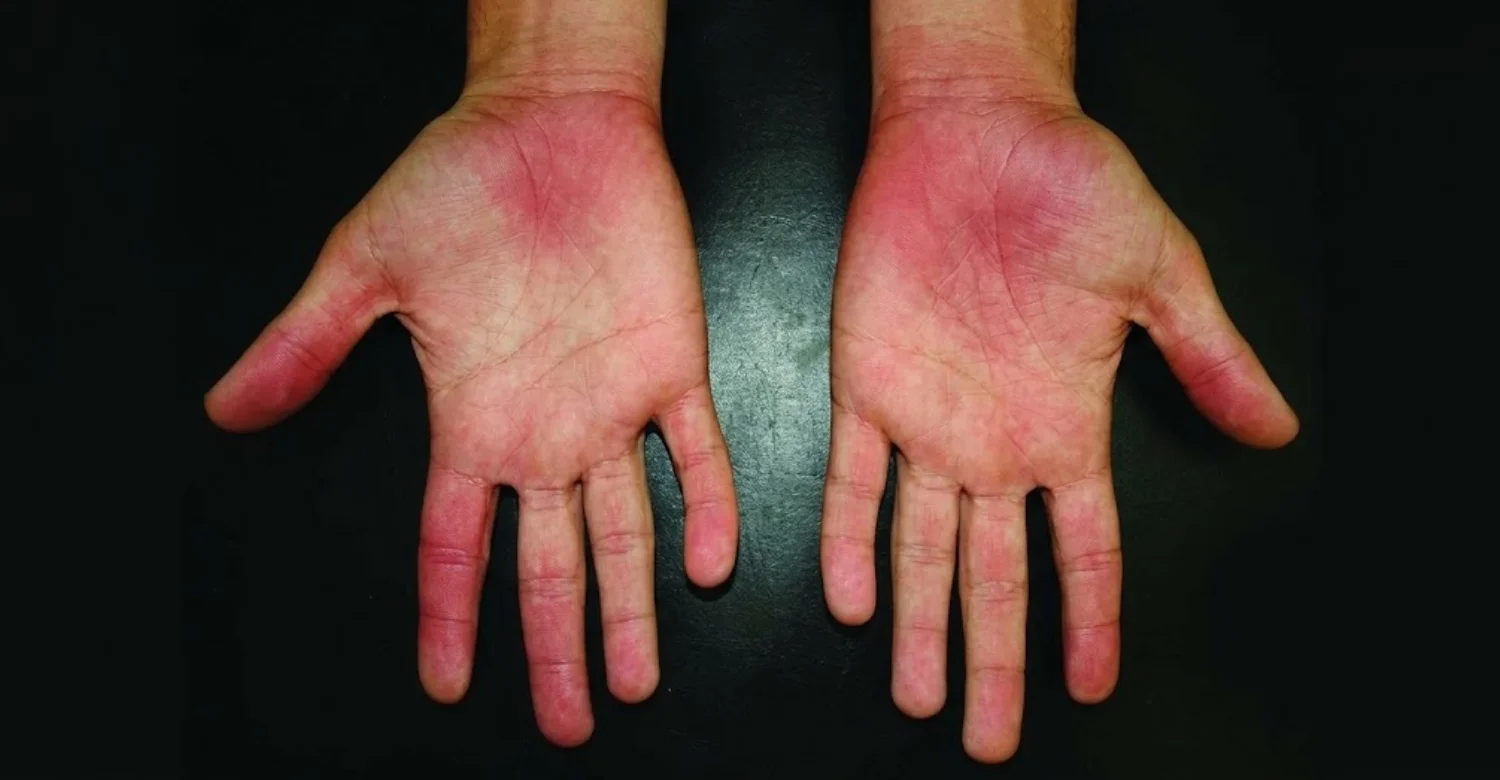
Erythromelalgia and Premature Tooth Loss are rarely explained together, even though they sometimes come up in the same conversation. Erythromelalgia is a clinical diagnosis defined by intermittent attacks of painful, hot, swollen, and red skin, mostly in the hands and feet. Heat usually worsens symptoms, and cooling brings relief. Premature tooth loss means teeth fall out earlier than expected, often because of dental disease, trauma, or an underlying medical condition. Current evidence does not recognize erythromelalgia and premature tooth loss as one syndrome, but some overlaps are real and worth understanding. This guide explains what is known about erythromelalgia oral health, the conditions that can mimic or overlap with it, and how Vitrin Clinic approaches careful dental assessment.
What Is Erythromelalgia and How Can It Affect Oral Health?
It helps to understand the condition itself before looking at the mouth. People who search for Erythromelalgia and Premature Tooth Loss usually want to know whether a disorder of the hands and feet can reach the teeth. The answer depends on the type of erythromelalgia and on the other health factors present.
Understanding Erythromelalgia
Erythromelalgia has a primary (genetic) form and a secondary form. Hereditary erythromelalgia is an autosomal dominant disorder. It is caused by gain-of-function mutations in the SCN9A gene, which encodes the Nav1.7 sodium channel. These variants lower the firing threshold of pain neurons. The neurons become hyperexcitable, and pain perception is amplified during attacks.
Erythromelalgia and Oral Health
Erythromelalgia oral health has not been studied much. The condition mainly affects blood vessels and nerves in the extremities, and the mouth is not a typical site of attacks. Chronic pain, medications, and related illnesses can still influence dental habits. For that reason, any link between these two problems should be evaluated case by case.
Erythromelalgia Oral Manifestations
There are no confirmed erythromelalgia oral manifestations that directly destroy teeth. A related condition does show how the two problems can meet. Chronic mercury poisoning, known as acrodynia, causes painful, red, swollen hands and feet that can be mistaken for erythromelalgia. It also causes gum inflammation and erosion, followed by tooth loss.
Clinical Note
Erythromelalgia primarily affects blood vessels and causes episodes of burning pain, warmth, and redness. Dental findings vary with associated factors such as gum health, hygiene, medications, and other diagnoses. When Erythromelalgia and Premature Tooth Loss appear together, clinicians should look for a shared underlying cause rather than assume one condition causes the other.
Explore more about bacteria in the mouth
Is Erythromelalgia Linked to Premature Tooth Loss?
This is the central question behind Erythromelalgia and Premature Tooth Loss. Research shows no direct, recognized cause-and-effect relationship between them. Some specific conditions can produce both features, and ordinary dental problems can also occur alongside erythromelalgia by coincidence. Knowing these pathways helps patients avoid confusion and get the right care.
Erythromelalgia and Tooth Loss
Erythromelalgia and tooth loss are connected in an unexpected way through the SCN9A gene. Gain-of-function changes in this gene cause erythromelalgia. Other mutations stop Nav1.7 channels from forming, and these cause congenital insensitivity to pain. Children with this opposite disorder may destructively chew their tongue, lips, and fingers. Early tooth loss has been reported in their dental histories.
Erythromelalgia and Premature Tooth Loss
In congenital insensitivity to pain, teeth are lost through trauma the child cannot feel, and the teeth themselves are not diseased. The strongest bridge between erythromelalgia and premature tooth loss is acrodynia. In acrodynia, mercury exposure causes both red, painful extremities and gum destruction with tooth loss in the same child.
Possible Factors Behind Tooth Loss
When a person with erythromelalgia loses teeth, the cause is usually in the gums, in daily habits, or in another medical condition. Finding the true cause matters. Treatment for Erythromelalgia and Premature Tooth Loss depends entirely on what is actually damaging the teeth and the bone that supports them.
Gum and Periodontal Problems
Gum disease is the leading cause of tooth loss in adults. Plaque bacteria inflame the gums, and over time the infection can destroy the ligament and bone that hold teeth in place. This can happen to anyone, including patients with erythromelalgia, and it needs attention early.
Oral Hygiene Challenges
During attacks, painful hands can make it harder to grip a toothbrush or handle floss. Missed cleaning lets plaque build up along the gumline. Over weeks and months, inconsistent hygiene raises the risk of cavities and gum inflammation. Both can eventually weaken or loosen teeth.
Pain and Difficulty With Oral Care
Chronic pain affects sleep, mood, and energy, which makes daily routines harder to keep up. Some patients put off dental visits because they already have many medical appointments. Some medicines used for chronic nerve pain can also reduce saliva, and a dry mouth leaves teeth more vulnerable to decay.
Other Systemic or Dental Conditions
Secondary erythromelalgia is often linked to myeloproliferative disorders with high platelet counts, most commonly polycythemia vera or essential thrombocythemia. One large clinical series linked only 9% of cases to these disorders, and a Norwegian series linked 19%. Other systemic conditions that affect bone, immunity, or gums can contribute to tooth loss on their own.
Tips for the Patients
Maintain consistent oral hygiene. On days when hand pain makes brushing difficult, use an adapted or electric toothbrush.
Schedule regular dental examinations so gum or tooth problems are found early, before they lead to tooth loss.
Report unusual gum changes, tooth mobility, or persistent oral discomfort. These signs matter when the cause of your dental problems is being evaluated.
 Note : All images used are for editorial and illustrative purposes only and may not originate from the original news provider or associated company.
Discover how bacteria on teeth can affect oral health
What Are the Dental Complications of Erythromelalgia?
Patients often ask which erythromelalgia dental complications they should watch for. Erythromelalgia does not directly attack the teeth, so most problems are indirect. When assessing Erythromelalgia and Premature Tooth Loss, it is essential to separate these indirect effects from dental diseases that develop independently.
Erythromelalgia Dental Complications
The most common erythromelalgia dental complications come from reduced hygiene during flares, dry mouth caused by medications, and delayed dental visits. These factors raise the risk of cavities and gum inflammation. Some patients sip sweetened cold drinks often for comfort, and this habit can also increase the risk of decay.
Erythromelalgia Teeth Problems
Erythromelalgia teeth problems are usually the same problems anyone can develop: decay, worn enamel, cracked teeth, and gum disease. The difference is that pain, medications, and low energy can make prevention harder. Understanding this helps patients focus on practical solutions instead of assuming erythromelalgia is making their teeth fail.
Erythromelalgia Dental Symptoms
Patients may report erythromelalgia dental symptoms such as sore gums, sensitivity, or loose teeth, but these are not confirmed features of the condition itself. A dentist should examine any of these symptoms. The signs below are the most important ones to watch for in patients living with erythromelalgia.
Gum Irritation and Inflammation
Red, tender, or swollen gums usually point to plaque-related gingivitis. Rarely, inflamed and ulcerated gums with excessive salivation suggest acrodynia, the mercury-related condition that mimics erythromelalgia. Persistent gum inflammation should never be ignored, because untreated gingivitis can progress to periodontitis and eventually tooth loss.
Tooth Sensitivity
Sensitivity to hot, cold, or sweet foods often comes from exposed root surfaces, worn enamel, or early decay. Patients who use cooling to manage flares may notice cold sensitivity more. A dentist can find the cause and recommend desensitizing toothpaste, fluoride treatment, or restorative care when needed.
Tooth Mobility
A loose permanent tooth is never normal. It usually signals bone loss from gum disease, trauma, or grinding. In children, a tooth that loosens before the expected age may point to conditions such as hypophosphatasia or acrodynia. Early evaluation gives the best chance of saving the tooth and treating the underlying cause.
Difficulty Maintaining Oral Hygiene
During flares, holding a toothbrush, turning a tap, or using floss may be uncomfortable. Electric toothbrushes, wide-handled brushes, floss holders, and water flossers reduce the effort needed. Doing oral care at times of day when symptoms are calmer helps patients keep a steady routine despite unpredictable attacks.
Clinical Note
The symptoms of erythromelalgia are different from dental conditions that damage or remove teeth on their own. Burning, redness, and heat in the hands and feet belong to the disorder. Decay, gum disease, and bone loss are separate problems. Keeping this distinction clear prevents misdiagnosis when both problems appear in the same patient.
Learn about bacteriophage therapy for gum disease
Can Erythromelalgia Increase the Risk of Periodontal Disease?
Gum health is central to any discussion of Erythromelalgia and Premature Tooth Loss, because periodontal disease is a major reason teeth loosen and fall out. Knowing how the two conditions may interact helps patients protect the structures that hold their teeth firmly in place.
Erythromelalgia and Periodontal Disease
There is no strong evidence that erythromelalgia and periodontal disease share a direct biological cause. Indirect factors, including difficult hygiene, dry mouth, and associated blood disorders, may still make the gums more vulnerable. Patients with erythromelalgia should therefore get the same careful periodontal screening recommended for anyone at higher risk of gum problems.
How Gum Disease Can Affect Tooth Stability
Periodontal disease starts as gum inflammation. It can progress until it destroys the ligament and alveolar bone that support each tooth. As that support is lost, pockets form, gums recede, and teeth gradually loosen. Without treatment, affected teeth may shift, drift, or fall out, which is how gum disease leads to early tooth loss.
Signs of Periodontal Problems
Periodontal disease is often painless at first, so it is important to recognize the warning signs. The changes below need prompt dental attention, especially in patients who already manage a chronic condition such as erythromelalgia.
Red or Swollen Gums
Healthy gums are pink and firm. Redness, puffiness, or tenderness along the gumline suggests inflammation caused by plaque. Because erythromelalgia is known for red skin, some patients overlook red gums. Gum redness has a different cause and needs its own dental evaluation.
Bleeding During Brushing
Bleeding when brushing or flossing is one of the earliest signs of gingivitis and should not be treated as normal. In contrast, parents of children with hypophosphatasia reported no bleeding when their children's teeth fell out. Dentists use this detail to tell metabolic causes apart from gum infection.
Gum Recession
When gums pull back, more of the tooth becomes visible, and eventually the root does too. Recession can cause sensitivity, make teeth look longer, and expose surfaces to decay. It often reflects past or ongoing bone loss, so any noticeable change should be measured and monitored at dental visits.
Loose Teeth
Loose adult teeth usually mean that much of the supporting bone has been lost. Acrodynia also causes loss of alveolar bone and premature shedding of teeth. Whatever the cause, loose teeth need urgent professional assessment, because prompt treatment can sometimes stabilize them and prevent further loss.
Tips for the Patients
Focus on plaque control at home, and have regular professional cleanings to remove hardened deposits that brushing cannot reach.
Seek evaluation as soon as bleeding, swelling, or tooth mobility develops, because early care gives you the best chance of keeping your teeth.
Find out more about bile acid malabsorption and dental health
What Is Premature Tooth Loss in Children?
Children are central to the topic of Erythromelalgia and Premature Tooth Loss. Hereditary erythromelalgia and several tooth-loss disorders often appear early in life. Knowing what is normal and what is not helps parents recognize when a loose baby tooth needs medical and dental investigation.
Premature Tooth Loss in Children
Premature tooth loss in children means losing a tooth well before its natural time. One retrospective study looked at patients in genetic clinics. It found that 57 of 2,044 patients had premature loss of teeth, spread across 19 different disorders. These included hypophosphatasia, osteogenesis imperfecta, and congenital insensitivity to pain with anhidrosis.
Premature Loss of Primary Teeth
Premature loss of primary teeth can affect speech, chewing, and the spacing of permanent teeth. In hypophosphatasia, early loss of baby teeth is one of the first signs. A series of 16 children found premature primary tooth loss in 43.8% of cases, and the teeth that were shed had incompletely formed roots.
Common Causes of Early Primary Tooth Loss
Most early tooth loss in children has a common dental explanation. A smaller number of cases point to rare medical conditions. When a child has both erythromelalgia symptoms and early tooth loss, a careful history, an examination, and sometimes laboratory tests help separate these causes.
Dental Caries
Tooth decay is still the most frequent reason children lose primary teeth early. Frequent sugary snacks, bedtime bottles, and inconsistent brushing allow bacteria to destroy enamel and reach the nerve. Badly decayed teeth may need extraction. The gap can then close up unless a dentist places a space maintainer.
Dental Trauma
Falls, sports injuries, and accidents can knock out or loosen baby teeth. Children with congenital insensitivity to pain may repeatedly bite their tongue, lips, and fingers and injure their teeth without feeling it. This unfelt trauma explains the early tooth loss and infections reported in these children.
Gum and Periodontal Conditions
Gum disease is less common in children, but it can occur, particularly with certain immune or genetic disorders. In teething-age children with acrodynia, inflamed and ulcerated gums, excessive salivation, and alveolar bone loss can lead to early loss of primary teeth. Acrodynia can even cause loss of developing permanent tooth germs.
Other Medical Conditions
Hypophosphatasia is the classic tooth-loss disease, and its mildest form, odontohypophosphatasia, affects only the teeth. In the past, acrodynia appeared in children given calomel teething powders. Mercury-containing pediatric products were later banned, and the disease has virtually disappeared. Some traditional ayurvedic medicines that contain mercury have been linked to modern cases.
Clinical Note
Premature tooth loss in children should not automatically be considered a direct manifestation of erythromelalgia without a proper dental assessment. If a child has both burning, red extremities and early tooth loss, mercury exposure should be ruled out first. Hypophosphatasia and other genetic causes linked to Erythromelalgia and Premature Tooth Loss should be checked next.
Understand bite strength and what affects it
How Is Erythromelalgia Diagnosed When Dental Problems Are Present?
Diagnosing Erythromelalgia and Premature Tooth Loss together requires medical and dental providers to work as a team. Erythromelalgia is a clinical diagnosis based on symptoms, while tooth loss needs its own investigation. Combining both evaluations shows whether a single underlying condition explains everything.
Medical and Dental Evaluation
Doctors confirm erythromelalgia from the pattern of attacks and then look for secondary causes. Genetic testing has limits. In one cohort, only 4 of 34 unrelated patients (11.7%) had SCN9A variants likely causing the condition. Across studies, 65–85% of diagnosed patients have no pathogenic SCN9A variants, so a normal genetic result does not rule out the diagnosis.
Assessing Erythromelalgia Oral Health
Assessing erythromelalgia oral health means checking the gums, teeth, saliva, and soft tissues, then relating the findings to the medical history. Doctors may order blood tests, because an associated blood disorder may appear a median of about 2.5 years after symptoms begin. A rapid response to aspirin can also be a diagnostic clue.
Dental Examination and Medical History
A complete history covers when the teeth were lost, family history, medications, and possible exposures such as traditional remedies containing mercury. The dental examination then looks for patterns that point toward gum disease, trauma, or a metabolic condition as the true cause of the tooth loss.
Gum Examination
The dentist checks gum color, swelling, bleeding, and pocket depth around each tooth. Ulcerated gums with heavy salivation may raise suspicion of mercury exposure. Healthy-looking gums around a lost tooth may suggest a metabolic cause. These observations help decide which medical tests will be most useful.
Tooth Mobility Assessment
Each tooth is gently tested for movement and compared with its expected stage of development. Mobility with deep gum pockets suggests periodontal disease. Mobility with little inflammation may point to another cause. Recording mobility over time shows whether a problem is stable, improving, or getting worse.
Evaluation of Tooth Loss
If possible, keep a lost tooth and bring it to the dentist, because the shape of its root gives valuable clues. In hypophosphatasia, shed teeth had incompletely formed roots, and parents noticed no bleeding. Trauma, decay, or gum disease usually leave different signs that a dentist can recognize.
Oral Imaging When Needed
Dental X-rays show bone levels, root development, hidden decay, and the position of developing permanent teeth. In children, imaging shows whether the permanent tooth germs are present and healthy. Imaging is used only when necessary and with appropriate protection, to support an accurate diagnosis and treatment plan.
Tips for the Patients
Keep your dental and medical providers informed about your diagnoses, medications, and symptoms so each one sees the full picture.
Keep records, photos, or a simple diary of changes in your oral symptoms and tooth problems. These help your dentist and doctor spot patterns over time.
Read more about biting your cheek while eating
How Can Patients Protect Their Oral Health With Erythromelalgia?
Prevention is the most powerful tool against Erythromelalgia and Premature Tooth Loss. Even when erythromelalgia does not harm the teeth, a steady routine protects against decay and gum disease. These two problems are the most likely causes of tooth loss in any patient.
Daily Oral Hygiene
Brush twice a day for two minutes with fluoride toothpaste and a soft brush. Electric toothbrushes need less hand movement, which helps during flares. Clean between your teeth once a day with floss, interdental brushes, or a water flosser, whichever is most comfortable for you.
Preventing Tooth and Gum Problems
Limit sugary snacks and drinks, especially between meals. Drink water regularly to support saliva, and ask about saliva substitutes if your medications cause a dry mouth. Avoid tobacco, which harms gum health. These steps protect erythromelalgia oral health and reduce the risk factors that most often lead to tooth loss.
Regular Dental Checkups
Routine visits catch decay, gum disease, and loose teeth before they become serious, and professional cleanings remove hardened plaque. For patients living with erythromelalgia, checkups also build a record of changes over time. That record makes any unusual pattern easier to spot.
Managing Existing Dental Problems
Treat existing cavities, gum disease, or loose teeth promptly. The right treatment depends on the cause and may be a filling, deep cleaning, splinting, or extraction followed by replacement. If acrodynia is confirmed, succimer (DMSA) is the mainstay of medical treatment. Most cases improve with chelation therapy, alongside supportive dental care.
Tips for the Patients
Brush twice daily with fluoride toothpaste. Use an electric brush if hand pain makes manual brushing hard.
Clean between your teeth regularly with whichever tool is easiest for you to handle.
Limit frequent sugary foods and drinks to lower your risk of decay.
Attend routine dental examinations, even when your mouth feels healthy.
Seek prompt care for loose teeth, bleeding gums, or unexplained tooth loss. These are the key warning signs that need professional attention.
Discover why biting your tongue while eating can happen
How Can Vitrin Clinic Help Patients With Erythromelalgia and Tooth Loss?
Vitrin Clinic provides careful, individualized dental care for patients living with chronic medical conditions. For anyone concerned about Erythromelalgia and Premature Tooth Loss, the clinic focuses on finding the real cause of dental problems. It then builds a comfortable, practical plan to protect and restore oral health.
Comprehensive Dental Assessment at Vitrin Clinic
At Vitrin Clinic, the assessment covers the teeth, gums, supporting bone, and overall oral health. The team reviews the patient's medical history, medications, and symptoms, uses imaging when needed, and records the findings in detail. Treatment is then planned around each patient's specific dental needs and health background.
Personalized Treatment Planning
Vitrin Clinic builds each treatment plan around the condition of the patient's teeth and gums. Plans begin with preventive care, such as professional cleaning, fluoride, and hygiene coaching. When needed, the team selects restorative or replacement options to restore function and appearance, including fillings, crowns, bridges, dentures, or implants.
What We Notice Clinically
Dr. Rifat Alsaman, Head of the Medical Team at Vitrin Clinic and a cosmetic dentist, notes that many patients assume their medical condition is to blame for their dental problems. In his experience, identifying the specific cause of tooth loss before choosing treatment changes outcomes. In Erythromelalgia and Premature Tooth Loss, treating the true cause prevents further loss.
Clinical Note
Patients with systemic conditions may benefit from a coordinated review of their medical history and an individualized dental assessment. Vitrin Clinic encourages patients to share their medical reports, and the team communicates with treating physicians when appropriate. This keeps dental care safe alongside ongoing medical treatment and supports long-term oral health.
Learn more about chewing gum and teeth
Resource:
https://pubmed.ncbi.nlm.nih.gov/10724194/
https://pmc.ncbi.nlm.nih.gov/articles/PMC8953685/
https://pubmed.ncbi.nlm.nih.gov/23211921/
FAQs
Dr. Rifat Alsaman has more than 5 years of clinical experience in dentistry and currently serves as the Head of the Medical Team at Vitrin Clinic. He is dedicated to providing exceptional patient care, overseeing treatment planning, and ensuring the highest clinical standards across the team. His expertise, attention to detail, and commitment to continuous professional development have helped countless patients achieve healthier, more confident smiles.


.webp&w=3840&q=75)


