
Modern restorative dentistry increasingly focuses on strength, appearance, tissue compatibility, and predictable long-term performance. Dentists can use zirconia for crowns, bridges, and other restorations. Material selection still depends on tooth position, remaining tooth structure, bite forces, aesthetics, and periodontal health. Research has reported strong medium-term survival rates for these restorations. A systematic review reported five-year survival rates of approximately 91% to 96% for tooth-supported zirconia single crowns. Vitrin Clinic evaluates these factors before recommending a restorative material. This approach helps balance durability, function, aesthetics, and long-term oral health.
What Are Zirconia Dental Restorations?
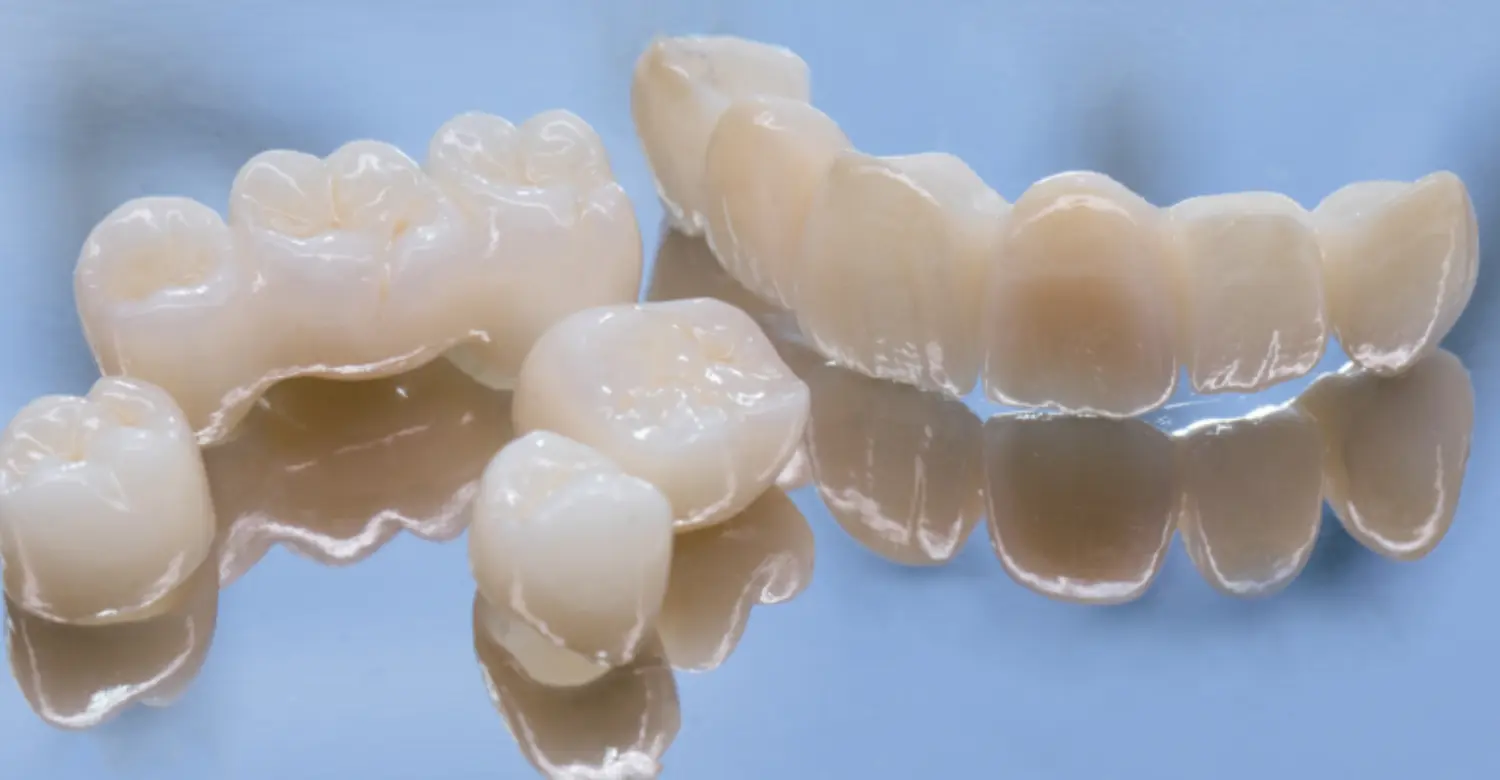
Zirconia is a ceramic material used to manufacture durable dental restorations through advanced digital and laboratory processes, and it has become one of the most widely discussed materials in contemporary prosthodontics. Zirconia Dental Restorations can replace or protect teeth affected by substantial structural damage. They can also restore teeth requiring crowns or bridges after extensive treatment. Zirconia is different from conventional porcelain because its strength comes largely from its polycrystalline structure. Modern zirconia formulations can also provide improved translucency compared with earlier generations. However, greater translucency may involve different mechanical characteristics. Dentists therefore select zirconia according to the restoration's location and functional demands. Clinical research supports zirconia as a reliable material for many fixed restorative applications.
How Zirconia Is Used in Modern Dentistry
Digital dentistry has significantly changed how dentists plan and manufacture ceramic restorations. Zirconia Dental Restorations can be designed using digital scans and computer-aided manufacturing. The dentist first evaluates the tooth and surrounding tissues, checking for decay, cracks, periodontal inflammation. An intraoral scanner can then capture detailed digital information about the prepared tooth, recording margins, contacts. Specialized software helps determine restoration contours and contacts. Milling equipment subsequently shapes the restoration from a zirconia block. Some restorations undergo sintering to achieve their final physical properties. Characterization and polishing can then improve the restoration's appearance and surface quality. Digital workflows can improve communication between dentists and dental laboratories.
Why Zirconia Is Popular for Dental Restorations
Zirconia has become popular because it combines high strength with a tooth-colored appearance. Zirconia Dental Restorations can provide an alternative to metal-supported restorations in suitable cases. Their strength makes zirconia particularly useful when restorations experience substantial chewing forces. This includes many posterior applications where mechanical demands can be considerable. Newer zirconia materials can also provide improved optical properties. Their appearance can therefore be more natural than earlier opaque zirconia products. Zirconia is also free from conventional dental metal frameworks. Patients seeking metal-free restorative options may therefore consider it attractive.
Zirconia Compared With Traditional Restorative Materials
Traditional restorative materials include metal alloys, porcelain-fused-to-metal, lithium disilicate, and different resin-based materials. Zirconia differs because it combines ceramic aesthetics with substantial mechanical strength. Porcelain-fused-to-metal restorations have a long clinical history and remain useful in selected situations. Lithium disilicate can provide excellent translucency and strong aesthetic performance. Zirconia often becomes attractive when strength receives greater clinical priority. However, material selection should never rely on strength alone. Tooth location, available space, preparation design, shade requirements, and bite forces all matter.
Types of Zirconia Dental Restorations
Different zirconia formulations and manufacturing approaches produce restorations with different optical and mechanical characteristics. Zirconia Dental Restorations therefore represent a broad category rather than one identical product. Some restorations prioritize maximum strength, sacrificing a degree of translucency in exchange for exceptional fracture resistance in demanding posterior situations. Others emphasize translucency and aesthetic integration with natural teeth. Full-contour designs use zirconia throughout the restoration. Layered approaches may combine a zirconia framework with veneering ceramic. Modern CAD/CAM systems allow laboratories to customize restoration anatomy with considerable precision, adjusting contours, contact points. The appropriate design depends on tooth position, functional demands, available space, and aesthetic expectations.
Zirconia Dental Crowns and Bridges
Zirconia crowns cover individual teeth requiring extensive structural protection or replacement. Zirconia Dental Restorations may therefore address both individual tooth damage and selected tooth-loss situations. Zirconia bridges can replace one or more missing teeth using supporting abutment teeth. Crowns can restore teeth after extensive decay, fractures, large restorations, or root canal treatment. Bridges can provide fixed replacement when implant treatment is unsuitable or unnecessary. The dentist must assess the supporting teeth before recommending a bridge. Periodontal stability and adequate tooth structure remain important considerations. Occlusion also requires careful evaluation because bridges distribute forces across multiple teeth.
Full Contour Zirconia Restorations
Full-contour zirconia restorations are manufactured entirely from zirconia rather than using a separate veneering porcelain layer. Restorations using this design can reduce complications associated with veneering ceramic fractures. Full-contour zirconia is frequently considered for posterior teeth because these areas experience substantial chewing forces. Modern high-translucency materials can also improve the appearance of full-contour restorations. Their final result depends heavily on shade selection, thickness, surface characterization, and polishing. The dentist must ensure adequate clearance during tooth preparation. Insufficient space can compromise restorative design and aesthetics.
Monolithic Zirconia Dental Restorations
Monolithic zirconia restorations consist of zirconia throughout their functional structure. Zirconia Dental Restorations made this way avoid a separate veneering porcelain layer over the zirconia core. This design can reduce the risk of porcelain chipping associated with layered restorations. Monolithic zirconia is particularly useful when functional forces are high. It can also provide efficient manufacturing through digital CAD/CAM workflows. Modern formulations offer varying levels of translucency. Higher-translucency materials can improve anterior aesthetics but may have different strength characteristics. Dentists should therefore match the zirconia type with the clinical requirement.
High Strength Zirconia Crowns
High-strength zirconia is designed for situations requiring substantial mechanical resistance. Zirconia Dental Restorations manufactured from high-strength formulations can be useful for posterior crowns and demanding functional conditions. Traditional high-strength zirconia can be relatively opaque compared with newer translucent formulations. This optical difference may make it less suitable for highly visible anterior cases. However, modern material development has created zirconia products with improved balances between strength and translucency. Dentists must still consider the manufacturer's indications and material specifications. Restoration thickness also influences mechanical performance, and thinner designs may require a stronger underlying material to compensate. Correct preparation and laboratory processing remain essential for predictable outcomes.
Clinical Note
A clinically successful restoration requires more than selecting a strong ceramic material. Zirconia Dental Restorations depend on diagnosis, preparation, design, fabrication, cementation, and maintenance. Research involving large numbers of zirconia restorations has demonstrated favorable five-year survival rates across a variety of clinical settings and patient populations. One systematic review reported approximately 95.9% five-year survival for tooth-supported zirconia crowns. Another review found five-year survival ranges of roughly 91.2% to 95.9%. These statistics describe populations rather than guarantees for individual patients.
What Are Zirconia Restorations Used For?
Restorative dentistry uses ceramic crowns and bridges for several different clinical problems. Zirconia Dental Restorations can protect compromised teeth and restore their shape and function. They may also replace missing tooth structures through fixed bridgework. Dentists commonly consider zirconia when substantial strength is required. Posterior teeth often receive particular attention because chewing forces can be considerable. Anterior applications require additional attention to translucency, shade, and visual integration. Treatment planning begins with diagnosis rather than material selection.
Zirconia Restorations for Damaged Teeth
Severely damaged teeth may require cuspal protection to prevent further structural breakdown. Zirconia Dental Restorations can provide full-coverage protection when sufficient tooth structure remains for a crown. Damage may result from extensive decay, large fillings, fractures, erosion, or previous restorative procedures. Root canal treatment can also leave certain teeth requiring additional structural protection. The dentist first determines whether the tooth can be predictably restored. Remaining enamel and dentin influence preparation and retention. The periodontal tissues must also remain healthy enough to support restoration.
Zirconia Crowns for Front Teeth
Front teeth require particularly careful attention to aesthetics because they are highly visible during speaking and smiling, and even small discrepancies in shade or contour can be noticeable to the patient and those around them. Zirconia can be used anteriorly when the selected formulation provides suitable optical properties. Translucent zirconia formulations can create improved light transmission compared with older zirconia materials. Shade selection must account for neighboring teeth, underlying tooth color, and restoration thickness. The laboratory may also characterize the surface to reproduce natural optical details. Tooth preparation should preserve healthy structure whenever clinically possible. The dentist must also evaluate the patient's smile line and gingival display. For patients comparing restorative options, porcelain veneers and crowns may have different clinical indications and aesthetic characteristics.
Zirconia Restorations for Back Teeth
Posterior teeth experience repeated chewing forces and can face significant functional stress. Zirconia is commonly considered for posterior crowns because it provides high fracture resistance. Full-contour designs can be particularly useful when avoiding a separate veneering ceramic is desirable. The dentist evaluates occlusal contacts before finalizing the restoration. Excessive contacts may increase mechanical stress during function. Bruxism can further increase forces placed on posterior restorations. Proper polishing becomes important after occlusal adjustments.
Restoring Cracked, Worn, or Weakened Teeth
Cracked and worn teeth require careful diagnosis before restorative treatment begins. Zirconia may restore teeth with substantial structural compromise when adequate tooth structure remains. Cracks can vary from superficial enamel lines to deeper structural fractures. Some cracks extend toward the pulp or periodontal tissues. The prognosis therefore depends heavily on crack location and depth. Severe tooth wear can also change the patient's bite and available restorative space. Dentists may need to evaluate occlusal relationships before designing new restorations.
Benefits of Zirconia Dental Restorations
Zirconia offers several properties that make it useful in modern restorative dentistry. Zirconia Dental Restorations can combine mechanical strength with a tooth-colored ceramic appearance. Their benefits depend on the specific zirconia formulation and clinical application. High-strength formulations can tolerate demanding functional conditions. Translucent formulations can provide improved aesthetic integration. Zirconia also eliminates the visible metal framework associated with traditional metal-based restorations. Surface finishing can further influence the interaction between zirconia and opposing teeth. Properly polished surfaces are particularly important after occlusal adjustment.
High Strength and Fracture Resistance
Mechanical strength is one of zirconia's most recognized restorative advantages. Zirconia can tolerate substantial functional forces when correctly designed and fabricated. This property makes zirconia particularly attractive for posterior crowns and selected bridges. Zirconia's transformation-toughening mechanism contributes to its resistance against crack propagation. However, strength varies among different zirconia generations and formulations. Highly translucent zirconia generally differs mechanically from traditional high-strength zirconia. Dentists must therefore select the material according to clinical requirements. Adequate restoration thickness remains essential for mechanical reliability.
Natural Looking Zirconia Restorations
Modern zirconia can provide significantly improved aesthetics compared with early opaque formulations. Zirconia Dental Restorations can now be produced with varying degrees of translucency. Shade, thickness, surface texture, and characterization influence the final appearance. Anterior restorations require especially careful evaluation of light transmission. The laboratory can modify external characterization to reproduce natural tooth features, adding subtle color gradients. However, zirconia's optical behavior differs from natural enamel and dentin. Therefore, realistic results require careful material selection and professional shade planning. High-translucency zirconia may be appropriate when aesthetic demands are greater.
Metal-Free and Tooth-Colored Appearance
Patients increasingly seek restorative materials that avoid conventional visible metal components. Zirconia provides a ceramic alternative with a tooth-colored appearance. This can be especially appealing when restorations are visible during smiling. Zirconia also avoids the potential dark margin associated with some metal-based restorations. However, gum appearance depends on periodontal health and restoration contours. Poorly designed margins can compromise soft-tissue health regardless of material choice. The restoration should therefore have an appropriate emergence profile and marginal adaptation. Good oral hygiene remains essential around every fixed restoration, and no material, however advanced.
Resistance to Wear and Chewing Forces
Posterior restorations must withstand repeated loading during chewing and parafunctional activity. Zirconia can provide strong resistance to functional forces when properly designed. However, resistance to fracture does not mean the material is immune to wear or surface damage. Occlusal adjustment should be followed by appropriate polishing. Surface roughness can influence interactions with opposing enamel. Research has shown that polished zirconia generally produces favorable opposing-enamel wear characteristics. The patient's bite also affects long-term mechanical behavior.
Biocompatibility and Gum Health Considerations
Zirconia is widely used as a ceramic restorative material because of its favorable tissue compatibility. Zirconia Dental Restorations can support healthy soft-tissue outcomes when properly designed and maintained. Marginal fit remains important because plaque retention can affect gingival health. Overcontoured restorations can also make daily cleaning more difficult. The material itself cannot compensate for poor contours or inadequate hygiene. Dentists should therefore assess periodontal tissues before and after restorative treatment. Patients with active periodontal disease may require stabilization before definitive restoration. Daily brushing and interdental cleaning remain essential. Patients who require periodontal or laser-related care may also benefit from reading about laser gum reshaping and other minimally invasive approaches.
What We Notice Clinically
Clinical assessment often reveals that restoration success depends on several factors working together. Zirconia Dental Restorations can perform well when diagnosis and execution are carefully controlled. Dentists frequently pay close attention to occlusal contacts and restoration contours. They also evaluate the condition of the supporting tooth and surrounding periodontal tissues. Patients with bruxism require additional consideration because repetitive forces can increase mechanical stress. Surface polishing is another important clinical detail after occlusal adjustment. Evidence suggests polished zirconia has favorable wear behavior against opposing enamel. Dr.
Zirconia Restorations vs Porcelain: Which Is Better?
Choosing between zirconia and porcelain requires an individualized clinical assessment. Zirconia often provides greater mechanical strength than conventional veneering porcelain. Porcelain, however, can provide excellent translucency and highly refined aesthetic characteristics. Modern zirconia has narrowed the aesthetic gap through improved translucency and characterization. The best choice depends on tooth position and functional requirements. Posterior teeth may benefit from zirconia's mechanical advantages. Highly aesthetic anterior cases may require careful comparison between translucent zirconia and other ceramics. The dentist should also evaluate available restorative space and occlusal conditions. Patients considering cosmetic alternatives can also review porcelain veneers when comparing ceramic options.
Zirconia vs Porcelain for Strength
Strength represents one of the clearest differences between zirconia and traditional porcelain. Zirconia generally provides greater fracture resistance than conventional veneering ceramics. This property can be advantageous for posterior teeth exposed to high chewing forces. Porcelain can fracture or chip when subjected to unfavorable loading conditions. Layered zirconia restorations may still experience chipping of their veneering ceramic. Monolithic zirconia reduces this specific veneering-layer complication. However, zirconia strength varies considerably between material generations, and newer highly translucent products should not automatically be assumed to match traditional high-strength zirconia.
Zirconia vs Porcelain for Aesthetics
Aesthetic performance depends on translucency, shade, surface texture, thickness, and characterization. Zirconia can now provide natural-looking results with modern translucent formulations. Traditional porcelain remains highly valued for its optical behavior and lifelike appearance. However, zirconia technology has improved considerably over recent years. The visual difference can be less noticeable when zirconia is carefully selected and characterized. Anterior restorations require particularly precise shade matching. The laboratory must consider the underlying tooth color and restoration thickness.
Zirconia vs Porcelain for Front Teeth
Front teeth place greater emphasis on optical integration than posterior teeth. Zirconia can work well anteriorly when the appropriate translucent formulation is selected. However, highly aesthetic cases may require comparison with lithium disilicate or layered ceramic alternatives. Tooth color and remaining enamel influence the final visual outcome. The restoration's thickness also affects translucency and shade. The dentist should evaluate the smile from different viewing distances and lighting conditions. Gingival symmetry can further influence perceived aesthetic quality. The laboratory can add characterization to create subtle natural details.
Zirconia vs Porcelain for Back Teeth
Posterior teeth experience greater functional loading than many anterior teeth. Zirconia can therefore offer useful mechanical advantages for posterior crowns. Full-contour zirconia eliminates the separate porcelain veneer that can chip under heavy forces. Porcelain remains suitable for selected posterior applications when aesthetic and functional factors support its use. The patient's bite must be assessed before either material is selected. Bruxism can increase mechanical demands on both natural teeth and restorations. Proper occlusal adjustment remains essential after placement.
How Dentists Choose Between Zirconia and Porcelain
Dentists consider multiple factors before selecting a restorative ceramic, weighing clinical evidence, patient preference. Zirconia may be favored when strength and fracture resistance receive greater priority. Porcelain may be preferred when specific aesthetic characteristics are more important. Tooth position, remaining structure, bite forces, space, and shade requirements influence the decision. The patient's expectations also matter during treatment planning. Bruxism can shift the decision toward stronger restorative designs. Anterior cases may require greater emphasis on translucency and optical integration. Posterior cases may place greater emphasis on mechanical durability.
Zirconia Restoration Durability and Longevity
Long-term restorative success depends on material properties and clinical execution. Zirconia can demonstrate strong survival rates when appropriately selected and maintained. A systematic review reported approximately 95.9% five-year survival for tooth-supported zirconia crowns. Another systematic review reported five-year survival ranging from 91.2% to 95.9%. These figures should not be interpreted as guarantees for every patient. Restoration type, tooth location, preparation quality, occlusion, hygiene, and maintenance influence outcomes. Bruxism can increase mechanical stress and potentially affect longevity. Patients interested in the broader topic of crown longevity can review additional clinical guidance.
How Long Do Zirconia Restorations Last?
No fixed lifespan applies to every dental restoration. Zirconia can remain functional for many years when clinical conditions are favorable. Research commonly evaluates survival over five-year and longer periods. One systematic review reported approximately 95.9% five-year survival for tooth-supported zirconia crowns. Another large review reported five-year survival ranges of approximately 91.2% to 95.9%. Individual longevity can differ substantially from these population estimates. Bruxism, poor oral hygiene, recurrent decay, periodontal disease, and cementation issues can reduce service life.
Factors That Affect Zirconia Restoration Longevity
Several biological and mechanical factors influence restorative longevity. Zirconia restorations require adequate preparation, appropriate thickness, accurate fit, and proper cementation. The condition of the supporting tooth also matters significantly. Recurrent decay can undermine an otherwise intact crown. Periodontal inflammation can affect tissues surrounding restoration margins. Bruxism may increase functional loads beyond normal chewing forces. Poor polishing after occlusal adjustment can affect interactions with opposing teeth. Laboratory processing errors may also influence material performance.
The Role of Bite Forces and Occlusion
Occlusion plays a major role in how dental restorations function over time. Zirconia can tolerate substantial forces, but excessive loading may still create complications. Dentists evaluate how opposing teeth contact the restoration during normal function. They may also assess movements during lateral and protrusive jaw movements. Bruxism can produce repeated forces that exceed ordinary chewing loads. Uneven contacts may increase stress concentration on specific areas. Occlusal adjustment should therefore be conservative and followed by appropriate polishing. Patients with significant grinding may benefit from protective appliances.
Can Zirconia Crowns Chip or Fracture?
Zirconia has strong fracture resistance, but no restorative material is completely fracture-proof. These restorations can experience complications under unfavorable mechanical or biological conditions. Monolithic zirconia reduces the risk of chipping associated with separate veneering porcelain. However, the zirconia itself can still fracture under extreme circumstances. Inadequate thickness, sharp internal geometry, excessive loading, or manufacturing defects may contribute. Bruxism can also increase the mechanical demands placed on restorations. Surface adjustments require appropriate polishing to maintain a smooth surface. Patients with questions about damaged restorations can also review broken crown repair options.
Clinical Note
Long-term outcomes should be interpreted using clinical evidence rather than promotional claims. Zirconia Dental Restorations have demonstrated favorable survival in multiple clinical studies and systematic reviews. A large systematic review reported five-year survival between approximately 91.2% and 95.9%. Another review reported approximately 95.9% survival for tooth-supported zirconia crowns after five years. These statistics represent study populations with different materials and clinical protocols. Individual results can therefore vary significantly. Proper diagnosis and maintenance remain essential for predictable performance.
Are Zirconia Crowns Good for Front Teeth?
Anterior restorative treatment requires careful balancing of strength and optical properties. Zirconia can be appropriate for front teeth when the selected material provides suitable translucency. Modern zirconia has improved considerably compared with earlier opaque formulations. However, not every zirconia product has identical aesthetic characteristics. Dentists evaluate translucency, shade, thickness, surface texture, and neighboring teeth. The patient's expectations also influence material selection, since some patients prioritize the subtle. Some cases may benefit from alternative ceramics with different optical properties. The decision should therefore follow an individualized aesthetic assessment. A comparison with porcelain veneer options can help patients understand the differences between restorative approaches.
Aesthetics and Translucency
Translucency determines how light passes through a ceramic restoration. Zirconia can offer varying translucency depending on its formulation, ranging from highly opaque. Earlier zirconia products were highly opaque because maximum strength was prioritized. Newer materials can transmit more light and provide improved aesthetic integration. However, greater translucency can involve different mechanical characteristics. Dentists therefore balance optical requirements against functional demands. Front teeth usually require greater attention to translucency than posterior teeth. The laboratory also considers restoration thickness during shade and material selection. Surface characterization can further improve visual integration.
Shade Matching and Natural Appearance
Shade matching requires more than choosing a single color from a dental shade guide. Zirconia restorations must account for the surrounding teeth and underlying substrate. Lighting conditions can influence how a restoration appears during shade selection. Tooth dehydration can also temporarily alter natural tooth color. Dentists may therefore evaluate shades before extensive preparation. Digital photography can assist communication between the clinic and dental laboratory. The restoration's thickness can also change the final optical result. Characterization can reproduce subtle surface features found in neighboring teeth, including fine cracks, white spots.
Full Contour vs Layered Zirconia
Full-contour zirconia uses zirconia throughout the restoration's functional structure, providing a single. Zirconia restorations can also use layered designs with veneering ceramic for enhanced characterization. Monolithic designs reduce complications associated with veneering porcelain fractures. Layered designs may provide additional aesthetic flexibility for selected anterior cases. The choice depends on tooth location and the patient's functional demands. Posterior teeth often favor monolithic designs because of their mechanical requirements. Anterior teeth may sometimes benefit from layered ceramic characterization. Modern translucent monolithic zirconia can also produce highly aesthetic outcomes.
When Zirconia May Be Recommended for Front Teeth
Anterior zirconia may be considered when strength and metal-free aesthetics are both important. Zirconia can be useful when the tooth requires full coverage and suitable optical properties are available. They may also be considered when patients prefer ceramic restorations. The dentist evaluates the amount of remaining tooth structure before preparation. Existing discoloration can influence the choice of ceramic opacity. Bite forces and parafunctional habits also affect material selection. The clinician should assess whether zirconia can achieve the desired aesthetic result.
Dr. Rifat Alsaman's Clinical Opinion
Dr. Rifat Alsaman emphasizes that material selection should begin with diagnosis rather than preference. Zirconia can be excellent when its properties match the patient's clinical needs. He considers tooth structure, occlusion, gum health, aesthetics, and long-term maintenance during treatment planning. Strength alone does not determine whether zirconia is appropriate. Anterior cases require careful consideration of translucency and shade integration. Posterior cases often require greater emphasis on mechanical performance. Patients with grinding habits may need additional protective strategies, whether through appliance therapy, material selection. Restoration contours should also support effective daily hygiene.
What Is the Zirconia Dental Restoration Procedure?
Treatment involves several stages from diagnosis through long-term maintenance. Zirconia restorations require careful coordination between the dentist, digital workflow, and dental laboratory. The process begins with a clinical examination and treatment assessment. The tooth is then prepared according to restorative requirements. Digital scanning can capture the prepared tooth and surrounding structures. CAD software helps design the restoration's anatomy and contacts. The laboratory mills the restoration from an appropriate zirconia material. Sintering and finishing follow the manufacturer's requirements, transforming the milled restoration into its final, functional state. Patients who also require tooth replacement may need a different pathway, such as dental implant treatment.
Initial Dental Examination
The first appointment determines whether a zirconia restoration is clinically appropriate. Zirconia restorations should only be planned after evaluating the tooth and surrounding structures. The dentist examines decay, fractures, existing restorations, periodontal tissues, and tooth structure. Radiographs may be needed when deeper pathology is suspected, allowing the dentist to assess the root. The pulp and root condition can also influence treatment planning. Occlusion is evaluated because bite forces affect restoration design. The dentist may assess signs of grinding or clenching, looking for wear facets, muscle tenderness. Aesthetic expectations are discussed for visible teeth.
Tooth Preparation
Tooth preparation creates the physical space required for the restoration. Zirconia restorations require adequate reduction for appropriate material thickness and contour. The dentist aims to preserve healthy tooth structure whenever possible. Preparation geometry should provide smooth transitions and avoid unnecessary sharp internal angles. The exact preparation design depends on the restoration type and zirconia material. Posterior and anterior preparations may differ because their functional and aesthetic demands differ. The dentist also considers the location of the restoration margin. Margins should support accurate adaptation while respecting periodontal tissues.
Digital Scanning and Impressions
Digital scanning can capture detailed information about the prepared tooth and surrounding dentition. Zirconia restorations can then be designed from this digital information. Intraoral scanning eliminates some conventional impression materials from the workflow. The scanner records tooth surfaces, margins, neighboring teeth, and occlusal relationships. The digital file can be transmitted directly to a dental laboratory. The laboratory uses this information to design the restoration using CAD software. Digital workflows can improve communication and simplify laboratory collaboration. However, scanning accuracy depends on proper tissue management and scanner technique.
Zirconia Restoration Design and Fabrication
After scanning, the laboratory designs the restoration using specialized CAD software. Zirconia restorations can be digitally shaped to reproduce anatomy, contacts, and occlusion. The design is then transferred to a milling system. The restoration is milled from a zirconia blank before final processing. Sintering changes the milled material into its intended final state. The laboratory then performs finishing, characterization, and polishing as appropriate. Manufacturer-specific protocols must be followed throughout processing. Different zirconia formulations have different recommended parameters.
Try-In and Shade Evaluation
The try-in stage allows the dentist to assess fit, contacts, aesthetics, and occlusion. Zirconia restorations should be evaluated clinically before definitive cementation. The dentist checks the marginal adaptation and proximal contacts. Occlusion is assessed in normal biting and functional movements. For anterior restorations, shade and translucency receive additional attention. The restoration should harmonize with neighboring teeth and surrounding soft tissues. Minor adjustments may be required before final placement. Occlusal adjustments should be followed by appropriate polishing.
Final Placement and Bite Adjustment
Definitive placement begins after the restoration passes clinical evaluation. Zirconia restorations require appropriate cementation according to the restoration and clinical circumstances. The dentist prepares the tooth and restoration according to the selected cementation protocol. The restoration is seated carefully to ensure proper marginal adaptation. Excess cement must be removed thoroughly around the restoration. Occlusion is checked after cementation because contacts can change during seating. Any necessary adjustment should be conservative, removing only the minimal amount of material needed to achieve a balanced and comfortable bite. Adjusted zirconia surfaces should receive appropriate polishing.
Follow-Up and Maintenance
Follow-up appointments help evaluate the restoration and surrounding tissues. Zirconia restorations should be monitored for occlusal changes, marginal issues, and periodontal health. The dentist can assess whether the restoration remains comfortable during normal function. Professional cleaning can help control plaque around restoration margins. Patients should maintain brushing and interdental cleaning every day. Signs of grinding should also be monitored during routine examinations. Small chips, rough areas, or discomfort should receive professional assessment. Delaying evaluation can allow minor problems to progress.
Who Is a Good Candidate for Zirconia Dental Restorations?
Candidate selection depends on clinical need rather than cosmetic preference alone. Zirconia may suit patients requiring strong, tooth-colored fixed restorations. Suitable candidates can include patients with heavily restored or structurally weakened teeth. Patients needing crowns or selected bridges may also be considered. High bite forces can make zirconia attractive when material indications support its use. Patients seeking metal-free restorations may appreciate zirconia's ceramic composition. However, active decay or uncontrolled periodontal disease should generally receive attention first. Insufficient tooth structure can also affect whether a crown is predictable.
Patients With Damaged or Weakened Teeth
Teeth with substantial structural loss may require full-coverage protection. Zirconia can provide coverage when sufficient tooth structure remains for predictable restoration. Large fillings can reduce remaining tooth structure and increase fracture concerns. Cracked teeth may also require careful evaluation before restorative treatment. Root canal treatment can change the restorative needs of certain teeth. The dentist determines whether the tooth has enough remaining structure for a crown. Ferrule and preparation considerations can influence prognosis. The supporting periodontal tissues must also be healthy enough for restoration.
Patients Who Need Crowns or Bridges
Patients requiring fixed crowns or selected bridges may be candidates for zirconia. Zirconia can provide a tooth-colored alternative to some traditional fixed restorative materials. Crowns may protect individual damaged teeth, restoring both structural integrity and appearance for a tooth. Bridges can replace missing teeth using appropriately selected supporting teeth. The dentist evaluates the abutment teeth before recommending bridge treatment. Periodontal support, root condition, and remaining tooth structure are important considerations. The span length can also influence bridge design and material selection. Occlusal forces must be assessed before treatment.
Patients With High Bite Forces
High bite forces can place substantial stress on restorative materials. Zirconia may be considered when strong ceramic performance is clinically desirable. Patients with bruxism require particularly careful assessment. Grinding can produce repeated loading that exceeds ordinary chewing forces. The dentist may evaluate tooth wear, muscle tenderness, fractures, and existing restoration damage. A protective occlusal appliance may be recommended when clinically appropriate. Restoration design should also account for available space and functional contacts. High-strength zirconia may be preferred over more translucent formulations in selected cases.
Patients Seeking Metal-Free Restorations
Patients who prefer ceramic restorations may consider zirconia as a metal-free option. Zirconia provides a tooth-colored alternative to conventional metal-containing frameworks. This can be particularly appealing for visible anterior restorations. Patients should understand that metal-free does not automatically mean suitable for every situation. Tooth structure, bite forces, aesthetics, and periodontal health remain important. Some highly aesthetic cases may benefit from alternative ceramics. The dentist should explain the advantages and limitations of each option.
When Zirconia May Not Be the Best Option
Zirconia has many advantages, but it is not appropriate for every restorative situation. It may not provide the ideal aesthetic result for every highly demanding anterior case. Certain translucent ceramics can sometimes offer different optical characteristics. Insufficient tooth structure can also make conventional crown treatment unsuitable. Active periodontal disease should be controlled before definitive restorative treatment. Severe untreated decay can compromise the foundation beneath a crown. Uncontrolled bruxism may require risk management before restorative treatment. Limited restorative space can also affect material selection.
Tips for Patients With Zirconia Dental Restorations
Good home care helps protect both the restoration and the natural teeth surrounding it. Zirconia Dental Restorations still require daily cleaning and professional monitoring. Patients should brush twice daily using appropriate technique and fluoride toothpaste. Interdental cleaning helps remove plaque from areas a toothbrush cannot reach. Regular dental examinations allow early detection of decay and periodontal problems. Patients who grind their teeth should discuss protective options with their dentist. Hard objects should not be deliberately bitten with restored teeth. Nail biting and opening packages with teeth can create unnecessary forces.
Maintain Daily Oral Hygiene
Daily plaque control remains essential after receiving a fixed restoration. Zirconia Dental Restorations do not eliminate the risk of gum inflammation or tooth decay. Patients should brush all tooth surfaces carefully twice each day. The gumline requires particular attention because plaque can accumulate around restoration margins. Fluoride toothpaste can help protect exposed natural tooth structure. An electric toothbrush may assist some patients with effective plaque removal. Technique remains more important than the specific toothbrush type, and is thorough. Patients should avoid aggressive brushing that could irritate gingival tissues.
Clean Between Teeth Regularly
Toothbrushes cannot completely clean the spaces between neighboring teeth. Zirconia Dental Restorations therefore require appropriate interdental cleaning as part of routine care. Dental floss can work well for many patients with individual crowns. Interdental brushes may be useful when spaces are larger. Bridges require special cleaning techniques beneath the artificial tooth. Water flossers can provide another option for some patients. The appropriate method depends on anatomy and restoration design. Patients should ask their dentist or hygienist for individualized instructions.
Schedule Routine Dental Checkups
Professional examinations help identify problems before they become advanced. Zirconia Dental Restorations should be checked periodically for fit, function, and surrounding tissue health. Dentists can examine margins for plaque accumulation or recurrent decay. They can also assess the restoration's occlusion and surface condition, checking for wear, roughness. Periodontal tissues around the restoration should receive routine evaluation. Professional cleaning may be recommended according to individual risk. Patients with high caries or periodontal risk may need more frequent appointments. Bruxism patients may also require closer monitoring.
Avoid Excessive Biting Forces
Restorative materials can tolerate normal function but should not be deliberately subjected to excessive forces. Zirconia Dental Restorations should not be used to open packages or crack hard objects. Chewing ice can create unnecessary stress on teeth and restorations. Biting pens or other hard objects can also contribute to damage. Patients with strong chewing habits should discuss them with their dentist. The risk becomes more important when multiple restorations are present. Bruxism can create repeated forces during sleep without conscious awareness.
Manage Teeth Grinding and Clenching
Bruxism can place substantial repetitive forces on natural teeth and restorations. Zirconia Dental Restorations can tolerate significant forces, but they are not immune to excessive loading. Patients may grind during sleep without realizing it. Signs can include flattened tooth surfaces, fractures, jaw fatigue, or morning discomfort. The dentist can evaluate these signs during routine examinations. A night guard may be recommended for suitable patients. The appliance should be professionally designed rather than purchased without assessment.
Follow Your Dentist's Aftercare Instructions
Individual aftercare instructions depend on the restoration and the patient's oral health. Zirconia Dental Restorations require care that protects both ceramic and natural tooth structures. Patients should follow instructions regarding brushing, interdental cleaning, and eating after placement. Any temporary restoration should receive special care until definitive cementation. Patients should report persistent discomfort or bite changes promptly. A restoration that feels excessively high should not be ignored. Early adjustment can prevent unnecessary stress during function. Follow-up appointments should also be attended as recommended.
Zirconia Dental Restorations at Vitrin Clinic
Vitrin Clinic approaches restorative dentistry through individualized clinical planning and modern digital workflows. Zirconia restorations can be planned according to the patient's functional and aesthetic requirements. The treatment process begins with an assessment of tooth structure and oral health. Digital technology can support accurate planning and communication with dental laboratories. Material selection considers tooth location, bite forces, aesthetics, and restorative requirements. The clinical team also evaluates surrounding gum tissues and neighboring teeth. Patients receive explanations about the available treatment options before proceeding. For patients considering implant-supported restoration after tooth loss, related information about All-on-4 dental implants may also be useful.
Personalized Zirconia Treatment Planning
Every restorative case has different biological and functional requirements. Zirconia Dental Restorations are therefore planned according to individual clinical findings. Vitrin Clinic evaluates the tooth, surrounding tissues, occlusion, and aesthetic expectations. The team determines whether zirconia is appropriate before recommending a specific formulation. Anterior and posterior teeth can require different material characteristics. Patients with bruxism may require additional protective planning. Existing restorations can also influence the treatment strategy. Digital records can help communicate anatomical and aesthetic information to the laboratory.
Digital Dentistry and Customized Restorations
Digital dentistry supports accurate communication between clinicians and dental laboratories. Zirconia restorations can be designed using digital scans and CAD/CAM technology, allowing for precision. Intraoral scanning captures detailed information about prepared teeth and surrounding anatomy. CAD software then allows customized restoration design. The laboratory can control anatomy, contacts, emergence profiles, and occlusion digitally. Milling equipment produces the restoration from the selected zirconia material. The restoration is then processed and finished according to manufacturer requirements. Digital workflows can improve efficiency and simplify communication. Similar digital workflows are also used in modern dental implant planning.
Combining Function, Aesthetics, and Durability
Successful restorative treatment requires balance between multiple competing priorities. Zirconia can provide a useful combination of strength and tooth-colored aesthetics. However, the exact balance depends on zirconia formulation and restoration design. Posterior cases may prioritize mechanical performance and fracture resistance. Anterior cases may prioritize translucency and shade integration. The dentist must also consider periodontal health and available tooth structure. Occlusion can influence restoration design and material selection. Digital planning helps coordinate functional and aesthetic requirements.
Dr. Rifat Alsaman's Approach to Zirconia Restorations
Dr. Rifat Alsaman emphasizes diagnosis and individualized planning when evaluating restorative materials. Zirconia should match the patient's anatomy, functional demands, and aesthetic goals. He considers remaining tooth structure before deciding whether full coverage is appropriate. Occlusion receives particular attention when patients show signs of grinding or heavy functional loading. Anterior restorations require careful assessment of translucency and shade. Posterior restorations often require greater emphasis on strength and surface finishing. Periodontal tissues must also remain healthy around restoration margins.
Why Choose Vitrin Clinic for Zirconia Dental Restorations?
Choosing a restorative clinic involves more than selecting a particular ceramic material. Zirconia Dental Restorations require diagnosis, preparation, digital design, laboratory collaboration, and follow-up. Vitrin Clinic focuses on coordinating these stages within an individualized treatment pathway. The clinical team evaluates oral health before beginning definitive restorative treatment. Digital technology can support customized restoration planning and fabrication. Aesthetic goals are considered alongside functional and biological requirements. Patients also receive guidance regarding restoration maintenance after treatment. Regular follow-up helps monitor the restoration and surrounding tissues.
Comprehensive Dental Evaluation
A comprehensive evaluation establishes whether restorative treatment is appropriate. Zirconia should be considered only after assessing the tooth and supporting structures. Vitrin Clinic evaluates tooth damage, existing restorations, periodontal health, and occlusion. Radiographic examination may be required when deeper problems are suspected. The team also considers aesthetic requirements for visible teeth. Signs of grinding or clenching can influence material and restoration design. Patients receive an explanation of suitable treatment alternatives.
Customized Treatment Plans
No two restorative cases have identical clinical requirements. Zirconia can be customized according to tooth location, structure, aesthetics, and function. Vitrin Clinic develops treatment plans based on individual clinical findings. The team considers whether monolithic or other zirconia designs are appropriate. Anterior cases may require additional aesthetic planning. Posterior cases may require stronger material considerations. Patients with bruxism may need protective strategies before or after restoration. The plan can also include periodontal stabilization or other preliminary treatment. When a tooth cannot be predictably restored, dental implant treatment planning may be considered as an alternative.
Focus on Natural-Looking Results
A successful restoration should complement the patient's natural smile. Zirconia can provide attractive results when material, shade, contour, and translucency are appropriately selected. Vitrin Clinic evaluates neighboring teeth before finalizing aesthetic parameters. The restoration's shape should follow natural tooth proportions. Surface texture can also influence how light reflects from the restoration. Shade selection should account for the surrounding dentition and clinical lighting. Anterior restorations may require additional characterization, incorporating fine details. Gingival health also contributes significantly to the final appearance. Patients exploring cosmetic alternatives can also learn more about temporary veneers during treatment.
Professional Aftercare and Follow-Up
Aftercare remains important even when a restoration has been successfully placed. Zirconia Dental Restorations should be monitored for function, hygiene, occlusion, and tissue health. Vitrin Clinic provides guidance regarding brushing and interdental cleaning. Patients are encouraged to attend recommended follow-up appointments. The clinical team can evaluate restoration margins and surrounding gums. Occlusal changes can also be identified during routine examinations. Patients with bruxism may require additional monitoring and protective appliances. Any discomfort, looseness, roughness, or bite change should be reported. Patients receiving cosmetic restorations can also review veneer maintenance tips when multiple restorative treatments are combined.
Final Thoughts on Zirconia Dental Restorations
Choosing a restorative material should always follow a thorough clinical evaluation. Zirconia offers important advantages in strength, fracture resistance, aesthetics, and metal-free design. Their suitability depends on the patient's tooth structure, bite, aesthetic needs, and oral health. Modern zirconia provides more optical options than earlier generations. Full-contour zirconia can reduce complications associated with veneering porcelain. However, no material eliminates the need for accurate preparation and maintenance. Clinical evidence shows favorable survival rates for many zirconia restorations.
Choosing the Right Zirconia Restoration for Your Smile
The right restoration depends on the specific tooth and the patient's overall oral condition. Zirconia can be an excellent option when its properties match the clinical requirements, offering strength, aesthetics. Posterior teeth may benefit from high-strength or monolithic zirconia. Anterior teeth may require more translucent formulations for improved optical integration. Patients with heavy bite forces require additional occlusal assessment. Gum health should also be stable before definitive restorative treatment. The dentist should explain alternative materials when they may provide advantages. Patients should consider long-term maintenance alongside immediate appearance. For patients missing teeth rather than simply needing tooth protection, dental implant options may address a different restorative need.
Additional Expert Section: What Determines the Success of Zirconia Restorations?
Material selection is only one part of successful restorative treatment. Zirconia Dental Restorations perform best when biological, mechanical, and aesthetic factors are addressed together. The supporting tooth must have a reasonable restorative prognosis. Periodontal tissues should remain healthy around the restoration. Preparation must provide sufficient space without excessive removal of healthy structure. Digital design should reproduce appropriate anatomy and occlusal contacts. Laboratory processing must follow the manufacturer's material requirements. Cementation should be appropriate for the restoration and clinical circumstances.
About Zirconia Dental Restorations
Published evidence provides useful context for discussing restorative durability. Zirconia has demonstrated favorable medium-term survival in systematic reviews. One review reported approximately 95.9% five-year survival for tooth-supported zirconia crowns. Another review found five-year survival ranging from approximately 91.2% to 95.9%. A prospective five-year study of 50 monolithic zirconia crowns reported 98% survival. These results show strong clinical potential but should not be interpreted as guarantees.
Why Surface Polishing Matters
Surface quality is an important consideration after occlusal adjustment. Zirconia may require adjustment to establish comfortable functional contacts. Grinding or adjusting zirconia can alter its surface characteristics. The restoration should therefore receive appropriate polishing according to professional protocols. Research has found that polished zirconia can demonstrate favorable wear behavior against opposing enamel. Rough surfaces may increase concerns about interactions with opposing teeth. This is why dentists should avoid leaving adjusted ceramic surfaces inadequately finished. The specific polishing system should follow professional and manufacturer recommendations.
The Importance of Personalized Material Selection
Zirconia is not a single material with identical properties across every product. Zirconia Dental Restorations can differ in strength, translucency, processing requirements, and clinical indications. High-strength zirconia may be preferred for demanding posterior situations. More translucent zirconia may be selected when anterior aesthetics receive greater priority. The dentist must understand these differences before selecting a material. The laboratory also needs accurate information about the clinical requirements. Patients should ask which zirconia type is being recommended and why. A personalized explanation can make treatment decisions easier to understand. For patients considering less invasive cosmetic alternatives, resin veneers provide another restorative topic to discuss with a dentist.
Reference
FAQs

Dr. Rifat Alsaman has more than 5 years of clinical experience in dentistry and currently serves as the Head of the Medical Team at Vitrin Clinic. He is dedicated to providing exceptional patient care, overseeing treatment planning, and ensuring the highest clinical standards across the team. His expertise, attention to detail, and commitment to continuous professional development have helped countless patients achieve healthier, more confident smiles.


