Periodontics
September 16, 2026
Bacteriophage Therapy for Gum Disease: Can Phage Therapy Treat Periodontitis?
 Dr. Rifat Alsaman
Bacteriophage Therapy for Gum Disease explores using targeted viruses to destroy periodontitis-causing bacteria. Periodontitis involves complex interactions between bacteria, biofilms, inflammation, immune responses, and supporting tissues. Selective bacterial targeting offers a precise antimicrobial strategy, but phage therapy remains strictly investigational. Current research includes laboratory experiments, microbiome studies, and early translational work. Laboratory findings do not ensure human effectiveness, making proper diagnosis essential. Vitrin Clinic emphasizes diagnostic assessment before selecting treatment, keeping established care central while emerging technologies evolve.
What Is Bacteriophage Therapy for Gum Disease?
Bacteriophage Therapy for Gum Disease refers to using bacteriophages against periodontal infections. Bacteriophages (phages) infect bacterial cells rather than human cells. Their high specificity sets them apart from conventional antimicrobials. Because the oral microbiome contains hundreds of interacting species, treatment must control biofilms while preserving healthier communities. Current evidence cannot yet establish this as routine care. Scientists need stronger human evidence on dosage, delivery, safety, and long-term outcomes before patients choose it over proven dental care.
What Are Bacteriophages?
Bacteriophages are viruses that naturally infect bacteria and use bacterial cells to reproduce. They exist widely in water, soil, food, and the human microbiome. Unlike antibiotics, phages recognize particular bacterial species or strains through specific receptor interactions. Lytic phages replicate and destroy their host cell. Other phages integrate into bacterial chromosomes without immediately killing them. Therapeutic research focuses mainly on lytic phages due to their predictable destructive cycle.
How Bacteriophages Target Specific Bacteria
Phages recognize bacteria through molecular interactions involving receptors on the bacterial surface. These surface structures can include proteins, carbohydrates, or lipopolysaccharides. A single phage cannot infect every member of a species. Small genetic differences alter receptor structure and host susceptibility. Researchers screen phages against bacterial isolates to build targeted preparations. In periodontal research, scientists target organisms tied to destructive biofilms.
How Bacteriophages Differ From Antibiotics
Antibiotics act through chemical mechanisms interfering with bacterial protein synthesis or cell-wall construction. Depending on the drug, antibiotics can affect many species simultaneously. Phages depend on biological recognition between virus and host. Their narrow range reduces collateral damage to unrelated bacteria, but it also limits coverage when multiple strains drive infection. Both options face resistance through distinct biological mechanisms. Researchers now explore combined phage-antibiotic approaches to offset these individual limitations.
Why Are Bacteriophages Being Studied for Gum Disease?
Periodontal disease involves structured bacterial biofilms that resist standard chemical elimination. Phages offer a selective alternative to broad antimicrobial exposure. Antimicrobial resistance is a major global health threat identified by the World Health Organization. This growing risk has increased interest in alternative target strategies across medicine.
The Role of Bacteria in Periodontal Disease
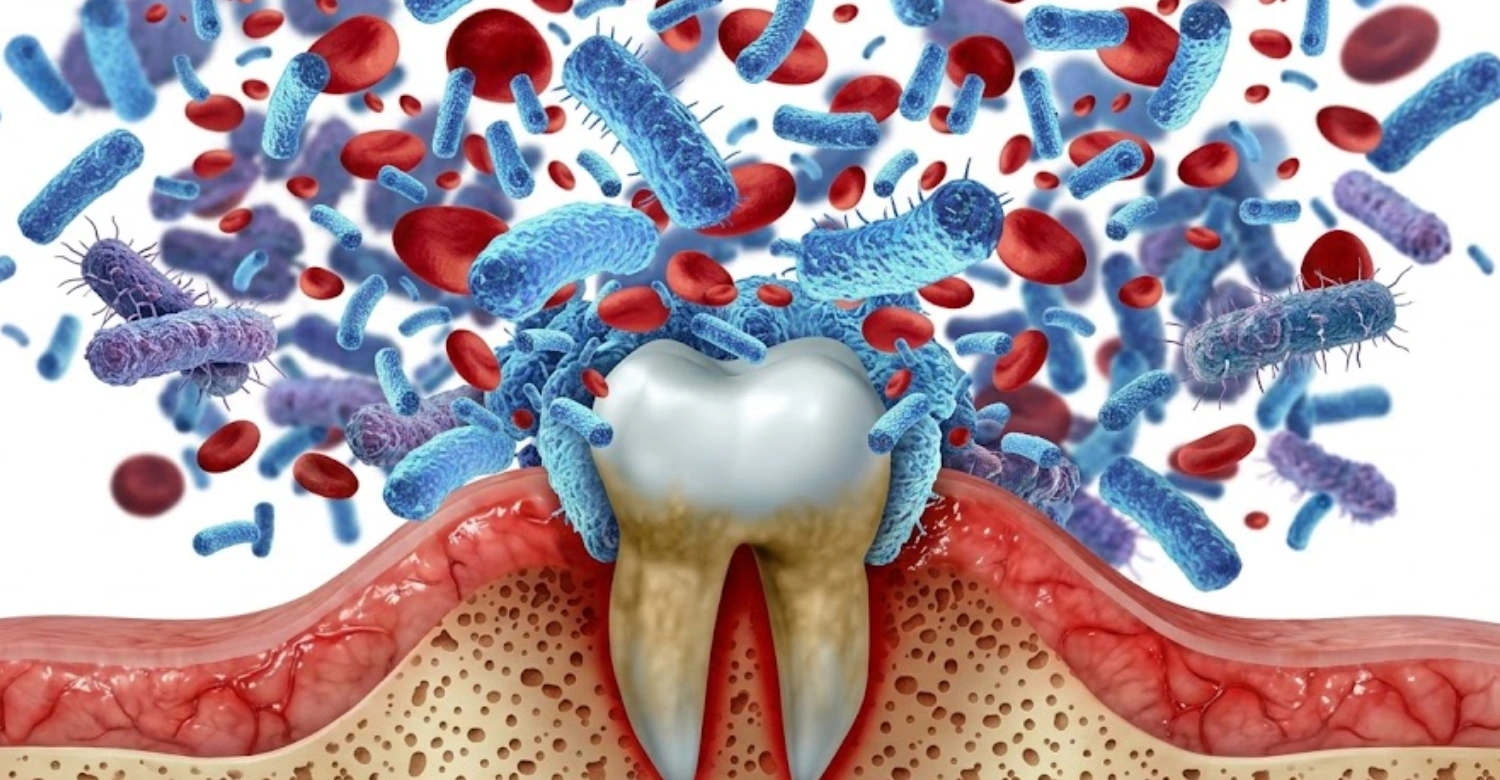
Bacteria drive periodontal disease, but periodontitis involves far more than microbial presence alone. Dysbiosis, an unhealthy shift in the microbial community, triggers harmful inflammatory responses. Key organisms include Porphyromonas gingivalis, Tannerella forsythia, Treponema denticola, and Fusobacterium nucleatum. Continued inflammation damages the periodontal ligament and supporting bone. Eliminating a single organism rarely resolves the disease. Effective management must address microbial deposits, inflammation, tissue condition, home hygiene, and systemic factors.
Why Targeted Antibacterial Treatments Are Being Investigated
Broad antimicrobial exposure affects microorganisms far beyond intended periodontal targets. Preserving overall microbial diversity is a key research priority. Phages offer a selective mechanism based on host recognition. They reduce pathogenic populations without disturbing unrelated resident bacteria. However, periodontal disease often involves multiple organisms at once. A phage targeting one strain leaves others untouched. Researchers are currently studying phage cocktails to broaden bacterial coverage. Everything you need to know about my back teeth keep biting my cheek
How Does Phage Therapy Work for Periodontitis?
A phage attaches to a compatible receptor on a bacterial cell within the periodontal environment. It then transfers its genetic material inside. For lytic phages, replication destroys the host cell and releases new infectious particles. Scientists are testing if this cycle works inside complex periodontal pockets. Saliva, enzymes, shifting pH, microbial competition, and biofilm architecture present major obstacles. Laboratory activity does not guarantee success in human tissue. Appropriate formulations, doses, and schedules require further research.
How Bacteriophages Infect and Destroy Bacterial Cells
Infection proceeds through recognition, attachment, genetic transfer, replication, and bacterial destruction. After attachment, the phage redirects host machinery to build viral components. During a lytic cycle, phage-associated lysin proteins break down the cell wall. This causes cell lysis and releases new particles to infect nearby bacteria. This self-amplifying property separates phages from conventional chemical antimicrobials.
Bacterial Recognition and Attachment
Recognition is critical for successful phage activity. A phage must find a compatible receptor before it can attach. Bacterial surface structures vary across species and individual strains. Genetic changes directly alter host susceptibility. Researchers test candidate phages against isolated strains to find compatible combinations. This screening process takes considerable laboratory time. Because bacterial populations shift during disease, a phage selected against one strain may lose relevance over time. This challenge prompts interest in broader phage cocktails.
Phage Replication and Bacterial Cell Lysis
A lytic phage hijacks host machinery to assemble new viral particles once inside. It ruptures the bacterial cell, releasing new phages into the immediate environment. This process allows phage numbers to multiply wherever susceptible bacteria persist.
Targeted Phage Therapy for Periodontal Disease
Bacteriophage Therapy for Gum Disease uses selected phages against periodontal pathogens. This approach limits disruption to beneficial oral organisms. Because periodontitis involves diverse bacterial communities, effective care may require multi-phage cocktails combined with mechanical therapy.
Phage Specificity for Periodontal Bacteria
Specificity is a central advantage of phage research. It allows treatment to target pathogens while sparing healthy flora. However, this narrow focus is also a main limitation. Periodontal infections involve diverse communities that a single phage cannot fully address. Scientists must identify phages with suitable host ranges and confirm activity against clinical isolates. They must then verify that multi-phage mixtures provide broad coverage without manufacturing issues. Individual oral microbiome variations make universal formulations difficult to design.
Potential Effects on the Oral Microbiome
Broad antimicrobials affect bacteria far beyond intended targets. Researchers are evaluating if phages provide more selective microbial control. Selective treatment does not guarantee ecological balance. Removing one organism shifts relationships within complex biofilms. Phage-resistant bacteria can also emerge and alter community balance. Advanced sequencing techniques track these shifts before and after treatment. Long-term human studies remain essential to evaluate safety.
Clinical Note
Phage-based approaches are an emerging research strategy, not routine periodontal care. Patients must not replace professional treatment with unapproved phage products. Never stop prescribed medications independently. Periodontal care requires clinical evaluation of inflammation, pocketing, plaque, calculus, attachment loss, and bone health. Established treatments address these factors directly. A diagnostic-first protocol helps clinicians choose interventions based on actual clinical findings. Read more about neck and jaw pain
Can Bacteriophages Treat Gum Disease?
Bacteriophage Therapy for Gum Disease is under active study, but current evidence does not support routine clinical use. Laboratory trials confirm phages infect specific oral bacteria in controlled settings. However, in vitro success does not ensure efficacy inside human periodontal pockets. Biofilms, inflammation, and multi-species interactions complicate treatment in living tissue. Human trials must establish safe dosage, effective delivery systems, and overall clinical benefit. Patients should seek professional evaluation rather than relying on early laboratory findings.
What Current Research Says About Phage Therapy
Research expanded as scientists tested phages against oral biofilm pathogens. Evidence spans laboratory studies, biofilm models, animal models, and early translational work. These findings provide biological rationale but do not prove clinical efficacy. Translating stable laboratory conditions into the dynamic human mouth presents major hurdles. Therapeutic phages must reach deep periodontal pockets to work. Rigorous randomized human trials are required to prove actual clinical benefit.
Evidence From Laboratory Studies
Laboratory experiments provide most current data. Scientists expose isolated bacterial strains to target phages under controlled conditions to measure lysis. Biofilm models add value because oral bacteria live in complex matrix-bound communities. However, laboratory models cannot replicate host immune responses, saliva flow, or individual microbiome variations. These findings require validation through advanced translational and clinical research.
Evidence From Animal Studies
Animal models supply valuable data on phage behavior in living tissue and early safety signals. However, animal periodontitis models do not perfectly match human disease. Anatomical structure, immune responses, and microbiome composition differ significantly. Positive animal findings cannot confirm human efficacy on their own. Animal research helps establish initial dosing, evaluate delivery methods, and monitor tissue distribution for future human trial design.
Evidence From Human Clinical Research
Human clinical trials provide the gold standard for evaluating emerging therapies. Periodontal phage research lacks robust human clinical data compared to established treatments. Researchers need controlled trials measuring pocket depth, attachment loss, bleeding, inflammation, and microbiome shifts over extended periods. Varying phage activity across individuals makes trial design complex. Until sufficient clinical evidence accumulates, Bacteriophage Therapy for Gum Disease remains investigational. Patients should rely on qualified dental professionals for care.
Bacteriophages for Periodontal Disease
This evolving field targets localized antibacterial action within periodontal pockets. Biological barriers present significant challenges. Thick biofilms shield bacteria, while saliva dilutes topical preparations. Phage specificity poses another hurdle, as individual patients harbor distinct bacterial strains. A phage formulation that works for one patient may fail in another. Phage cocktails offer broader coverage, but they require complex formulation development.
Potential Applications in Periodontal Infections
Phages could reduce target pathogens within periodontal biofilms after mechanical debridement. Researchers are exploring phage-antibiotic combinations to attack bacteria through multiple distinct mechanisms. Adapting phage formulations to a patient's unique microbial profile represents another future possibility.
Challenges of Delivering Phages Into Periodontal Pockets
Periodontal pockets harbor dense biofilms, inflammatory exudate, and complex microbial ecosystems. Saliva flow and oral movement rapidly wash away topical agents. Successful delivery requires carriers like hydrogels, rinses, or slow-release inserts that maintain effective local phage concentrations. Penetrating the protective biofilm matrix remains a primary technical obstacle. Learn more about neurological disease and oral health
Are Bacteriophages Effective Against Periodontal Bacteria?
Bacteriophage Therapy for Gum Disease shows antibacterial potential against specific target organisms. However, efficacy varies by bacterial strain and requires exact receptor matching. Researchers have successfully targeted select oral species, while others remain resistant. Biofilm architecture further impedes phage access. Bacterial resistance presents an ongoing challenge, encouraging multi-phage formulations. Clinical utility must be demonstrated through controlled human trials rather than isolated laboratory success.
Which Oral Bacteria Can Phages Potentially Target?
Scientists have identified phages that infect select oral bacteria in laboratory settings. Fusobacterium nucleatum is a key target because it bridges early and late biofilm colonizers. Porphyromonas gingivalis is another primary target due to its role in driving periodontal dysbiosis. Suitable phages are not yet available for every periodontal pathogen. Researchers continue isolating oral phages from saliva and plaque samples to expand target availability.
Targeting Specific Periodontal Pathogens
Bacteriophage Therapy for Gum Disease relies on identifying a patient's specific periodontal pathogens and selecting matching phages. Finding a bacterial target does not guarantee an effective therapeutic phage exists. Scientists must isolate candidates and confirm activity within complex biofilm environments. Microbial profiles vary between individuals and even between different sites in the same mouth. Phage cocktails or customized preparations require rigorous safety and manufacturing validation.
Why Bacterial Specificity Matters
The oral microbiome contains a complex community of pathogens and beneficial commensals. Bacteriophage Therapy for Gum Disease could target harmful bacteria without disrupting healthy microflora. This specificity distinguishes phages from broad-spectrum antibiotics. However, narrow specificity is a drawback in polymicrobial infections. Eliminating one strain leaves other un targeted pathogens active. Researchers must evaluate the entire microbial ecosystem during treatment.
Bacteriophage Therapy for Oral Bacteria
This broader field investigates phages for managing periodontitis, dental caries, and other oral infections. Some strategies use purified phage enzymes called endolysins instead of whole viral particles. Oral bacteria exist in structured biofilms that behave differently than isolated liquid cultures.
Potential Advantages of Targeted Treatment
Targeted therapy reduces pathogens while preserving beneficial oral microflora. Localized delivery focuses treatment directly inside infected pockets. Because phages replicate within host bacteria, small initial doses can yield significant local antibacterial effects. Optimal environmental conditions and host availability remain critical for success. Targeted biologics will complement, rather than replace, physical biofilm debridement.
Limitations of Bacteria-Specific Therapy
Periodontitis involves complex multi-species communities. A single phage strain leaves non-target bacteria within the biofilm unharmed. Phage combinations introduce manufacturing, stability, and regulatory challenges. Bacteria can also develop resistance by altering surface receptors. Furthermore, eliminating bacteria does not repair existing structural tissue damage. Explore more on oral bacteria types
Can Phage Therapy Replace Antibiotics for Gum Disease?
Bacteriophage Therapy for Gum Disease cannot currently replace antibiotics in clinical practice. The two approaches rely on distinct mechanisms and possess vastly different levels of evidence. Antibiotics have established clinical guidelines, precise dosing protocols, and proven efficacy. Phage therapies lack standardized formulations, broad coverage guarantees, and regulatory approval for dental use. Phages may eventually reduce antibiotic reliance, but patients must never substitute experimental products for prescribed medications.
Phage Therapy vs. Antibiotics
Antibiotics are chemical agents that inhibit bacterial growth or cell synthesis. Phages are biological entities that infect specific hosts through receptor binding. Antibiotics target broad bacterial groups, while phages act only on compatible strains. Broad antibiotics risk disrupting healthy microflora, whereas narrow phages may miss co-infecting strains. Both modalities face bacterial resistance mechanisms.
How Phage Therapy Works Differently From Antibiotics
Phages rely on a biological infection cycle dependent on matching host receptors. Antibiotics exert direct chemical disruption on bacterial structures regardless of viral receptor matching. This biological dependence allows precise targeting, but environmental factors heavily influence phage performance. Both treatment strategies can select for resistant bacterial strains over time.
Antibiotic Resistance and Periodontal Treatment
Antibiotic resistance is a critical global public health concern. Periodontal antibiotics must be used judiciously following clear clinical indications. Researchers view phage therapy as a potential alternative for antibiotic-resistant infections. However, bacteria can also develop resistance to phages. Mechanical debridement remains the cornerstone of periodontal therapy regardless of antimicrobial choice.
Phage Therapy for Periodontal Infections
Bacteriophage Therapy for Gum Disease is being investigated as an adjunct to mechanical debridement. It aims to eliminate residual pathogens lingering after scaling and root planing. No clinical protocols currently exist for routine phage use. Researchers must establish proper treatment sequencing, dosage, and delivery protocols. Clinical trials must prove measurable improvements in patient outcomes beyond theoretical benefits.
Potential Role as an Adjunctive Treatment
Adjunctive therapies support primary interventions rather than replacing them. Bacteriophage Therapy for Gum Disease could serve as an adjunct if clinical trials prove efficacy. Mechanical treatment remains mandatory to physically disrupt biofilms and remove calculus. Phages would then target residual pathogens within treated pockets.
Why Phage Therapy Is Not Yet a Universal Replacement for Antibiotics
Clinical success depends on exact bacterial matching and reliable delivery systems. Biofilm penetration, bacterial resistance, manufacturing purity, and regulatory approval remain major hurdles. Antibiotics offer predictable spectrums and standardized dosing. Phage therapy requires extensive validation before achieving similar clinical utility. Complex patient-specific formulations also complicate treatment logistics.
Clinical Note
Bacteriophage Therapy for Gum Disease does not replace professional diagnosis or established treatment. Untreated periodontitis causes irreversible loss of attachment and supporting bone. Management must address both microbial burden and host inflammatory destruction. Mechanical therapy is essential because antimicrobials cannot remove mineralized calculus. Emerging technologies may expand future options, but patients should rely on proven care. Vitrin Clinic uses a diagnostic-first strategy to guide all treatment decisions. Discover more about oral microbiome
Is Bacteriophage Therapy Safe for Oral Health?
Bacteriophage Therapy for Gum Disease remains investigational, requiring extensive clinical safety evaluation. Phages naturally exist within the human microbiome, but therapeutic use presents distinct considerations. Researchers are evaluating immune responses, local tissue reactions, microbiome shifts, and product purity. Saliva interactions alter phage stability in ways that require further study. Human trials must monitor long-term safety and potential resistance development before clinical deployment.
Potential Safety Considerations
Key safety evaluations include host immune responses, formulation purity, dosage, and microbiome shifts. Therapeutic administration differs significantly from natural phage exposure. Formulations must be free of bacterial endotoxins and unneeded viral contaminants. Researchers must confirm phages remain localized to target pockets. Rapid bacterial lysis can also release inflammatory components into surrounding tissues.
Phage Specificity and the Oral Microbiome
Phage specificity helps protect non-target oral microflora, minimizing broad ecological disruption. However, overall microbiome impacts remain complex to predict. Oral bacteria exist in interdependent networks where removing one species alters the rest. Resistant bacterial populations may also emerge, shifting community structure over time. Genomic sequencing detects subtle microflora changes that standard exams miss. Long-term human studies are required to assess the clinical impact of these shifts.
Possible Immune Responses
The human immune system recognizes viral proteins, potentially triggering local or systemic immune responses. Prior exposure to environmental phages may alter individual patient reactions to therapeutic doses. Circulating antibodies could neutralize phages before they reach target bacteria.
What Researchers Are Still Studying About Phage Safety
Key research areas include standardized dosing, application frequency, formulation stability, and intra-pocket behavior. Manufacturing quality control is vital to ensure product purity and biological activity. Long-term safety trials are essential to identify delayed side effects that short studies miss.
Dose and Delivery Methods
Phages must reach target bacteria in sufficient concentrations via hydrogels, local carriers, or irrigation. Dosing must balance effective bacterial reduction against excessive biological exposure. Researchers must determine optimal application schedules. Controlled-release carriers help maintain active concentrations within pockets. These formulations require extensive testing before clinical deployment.
Phage Stability in the Oral Environment
Saliva, temperature variations, enzymes, and shifting pH can deactivate phages. Formulations must protect phages to ensure therapeutic efficacy. Protective gels and polymers are being evaluated to extend local retention time. Dense biofilm structures present an additional physical barrier to phage penetration. Commercial products must also maintain shelf-life stability during distribution and storage.
Long-Term Safety Questions
Long-term safety assessments focus on repeated exposure, microbiome disruption, immune reactions, and resistant strain emergence. Researchers are studying whether repeated applications permanently alter normal microflora. Investigating post-treatment phage persistence in oral tissues is also necessary. These evaluations are essential for chronic conditions requiring repeated care. Comprehensive clinical trials require extended follow-up periods. Dive deeper into osteogenesis imperfecta dental treatment
What Are the Potential Benefits of Bacteriophage-Based Treatment for Periodontitis?
Potential benefits rest mainly on phage specificity and targeted antibacterial activity, including the possibility of reducing reliance on broad antimicrobial exposure and concentrating treatment locally near periodontal pockets. Researchers are also studying possible effects on oral microbial communities more broadly. These remain potential rather than established outcomes, however.
Targeted Action Against Specific Bacteria
Targeted action allows phages to destroy specific pathogens without harming beneficial flora. However, periodontitis is polymicrobial, meaning single targets rarely resolve the full disease process. Eliminating one pathogen yields limited progress if other disease-driving bacteria remain. Researchers must evaluate how the entire microbial ecosystem responds to targeted treatment.
Potential Role in Antibiotic-Resistance Management
Growing antibiotic resistance has driven interest in alternative therapies like bacteriophages. Phages use distinct mechanisms from antibiotics, offering potential value in comprehensive care. However, bacteria can develop phage resistance through receptor modifications. Researchers are studying multi-phage cocktails and sequential treatments within antibiotic stewardship frameworks. Future trials will clarify if phages can reduce antibiotic reliance in periodontitis care.
Potential Impact on the Oral Microbiome
The primary microflora benefit of phages stems from their narrow host range. They target specific pathogens while sparing beneficial commensals. However, selective removal changes nutrient availability and competitive dynamics among remaining species. High-throughput sequencing monitors these ecological shifts after therapy. Clinical trials must correlate these microbial changes with reduced inflammation and clinical healing.
Potential for Localized Periodontal Delivery
Localized delivery targets phages directly into periodontal pockets, minimizing systemic exposure. Experimental hydrogels and slow-release inserts are under investigation to enhance pocket retention. Delivery systems must successfully penetrate the dense extracellular biofilm matrix. Because pocket depth and anatomy vary, customized delivery systems may be needed. Clinical trials must demonstrate sustained bacterial reduction and true clinical attachment gains. Read the full article on plaque and gum disease treatment
What Are the Limitations of Phage Therapy for Gum Infections?
Bacteriophage Therapy for Gum Disease faces key limitations that restrict clinical application. Narrow host ranges leave non-target pathogenic strains active, while biofilms impede phage penetration. Robust human clinical evidence remains lacking. Standardized protocols for phage selection, production, dosing, and delivery are still needed. Bacterial resistance presents an ongoing challenge that requires continuous research.
Phage Host Specificity
Narrow host specificity means a phage targeting one bacterial strain may fail against another strain of the same species. This genetic variability complicates the creation of universal formulations. Scientists are developing multi-phage cocktails and personalized strain-matching approaches. These strategies require fast, reliable diagnostic testing in clinical practice. Researchers must confirm that manufactured cocktails remain stable and effective.
Why One Phage May Not Target Every Bacterium
Phage infection depends on exact surface receptor matching. Bacterial mutations alter these receptors, conferring resistance to specific phages. Multi-phage cocktails offer broader coverage, but adding components increases manufacturing and regulatory complexity. Bacterial diversity between patients makes single universal products difficult to commercialize.
Biofilms and Periodontal Pockets
Biofilms produce protective extracellular matrices that limit antimicrobial penetration. Phages struggle to reach bacteria buried deep within mature biofilm layers. Periodontal pockets also contain inflammatory fluid and cellular debris that wash away therapeutics. Researchers are testing matrix-degrading enzymes alongside phages to improve access. Physical debridement remains necessary to disrupt these protective structures.
Why Oral Biofilms Can Make Treatment Difficult
Biofilm-bound bacteria exhibit different metabolic activity than free-floating laboratory cells. Many phages require actively dividing host cells to replicate successfully. Periodontal biofilms harbor diverse species with varying metabolic states. Mechanical scaling and root planing remain vital because physical removal destroys these complex communities. Combining debridement with adjunctive phage therapy is a major research focus.
Limited Clinical Evidence
Lack of extensive human clinical data remains a major limitation for phage therapy. In vitro experiments cannot replace randomized trials measuring pocket depths, bleeding, attachment levels, and bone stability. Safety monitoring must extend through long-term follow-up periods. Varying host susceptibility complicates trial design. Established periodontal treatments must guide current clinical care.
Laboratory Findings vs. Human Clinical Outcomes
In vitro success does not ensure positive clinical outcomes in complex biological systems. The human mouth introduces saliva flow, immune responses, dynamic biofilms, and patient compliance factors. Decreasing bacterial counts does not automatically halt tissue destruction or resolve inflammation. Clinical parameter improvements remain the true measure of therapeutic success.
Treatment Standardization and Regulation
Clinical adoption requires standardized protocols for phage selection, purification, dosing, and storage. Diagnostic susceptibility tests must be validated across laboratories to yield consistent results. Regulatory agencies must establish frameworks for evaluating product safety, purity, and batch consistency. Customized phage cocktails add regulatory complexity because formulations vary by patient. Find out more about preventive dental care
What We Notice Clinically Gum Disease Involves More Than Bacteria
Bacteriophage Therapy for Gum Disease targets bacteria, but periodontitis involves complex host-tissue dynamics. Tissue destruction is largely driven by the patient's own hyper-inflammatory immune response. Risk factors like smoking, diabetes, genetics, and poor hygiene heavily influence disease progression. Reducing bacterial loads alone does not repair lost attachment or supporting bone. Clinicians must treat both microbial factors and host inflammatory responses through comprehensive care.
Why Diagnosis Should Come Before Treatment Selection
Periodontitis displays varying severity, patterns, and progression rates across individual patients. Comprehensive exams evaluating inflammation, bleeding, pocket depths, recession, and mobility must precede treatment decisions. Radiographs provide essential data on supporting bone levels. Antimicrobials should never be selected solely because bacteria are detected. Diagnostic findings dictate appropriate care plans.
Periodontal Examination
A periodontal examination evaluates gum color, swelling, bleeding, recession, tooth mobility, and other clinical signs, alongside plaque and calculus accumulation and bite relationships. Medical history and lifestyle factors also inform treatment planning. This examination helps determine whether findings are consistent with gingivitis, periodontitis, or another condition, guiding decisions about cleaning, debridement, maintenance, or referral. Diagnostic findings establish baseline measurements for monitoring future outcomes, whatever treatment follows.
Pocket Depth Measurements
Pocket depth measurements assess the space between gum tissue and the tooth surface, since deeper pockets provide environments where bacterial biofilms persist below the gumline. Clinicians typically measure multiple sites around each tooth and repeat measurements over time to monitor change during treatment and maintenance. Pocket depth alone is not a complete diagnosis.
Note : All images used are for editorial and illustrative purposes only and may not originate from the original news provider or associated company.
Assessment of Gum Inflammation
Gum inflammation is assessed through redness, swelling, bleeding, and changes in tissue appearance, with bleeding during probing often recorded at multiple sites to establish a baseline. Because inflammation can fluctuate with hygiene, smoking, and systemic conditions, researchers need standardized clinical methods to evaluate any experimental treatment fairly. A reduction in bacterial counts without reduced inflammation has limited clinical significance.
Evaluation of Bone Loss
Bone loss evaluation determines whether periodontal disease has affected the structures supporting the teeth, and no experimental treatment can directly restore bone that has already been lost. Dental imaging, including three-dimensional imaging when justified, helps clinicians evaluate the level and pattern of remaining bone and establish a baseline for future comparison. Bone loss patterns influence both severity assessment and treatment planning. Any future antimicrobial approach would still need to demonstrate periodontal outcomes beyond bacterial reduction.
Clinical Note
Clinical assessment remains essential even when discussing advanced antimicrobial technologies, since a patient may have calculus, deep pockets, recession, bone loss, or other dental problems that phage susceptibility testing alone cannot evaluate. Professional periodontal examination provides the foundation for selecting appropriate treatment, and emerging therapies should complement rather than replace that comprehensive assessment. Maintaining oral hygiene and attending periodontal maintenance appointments remain important no matter which antimicrobial technologies eventually become available.
Dr. Rifat Alsaman's Clinical Perspective
From a clinical perspective, Bacteriophage Therapy for Gum Disease should be considered within the broader context of periodontal diagnosis and treatment. Dr. Rifat Alsaman, Head of the Medical Team at Vitrin Clinic and cosmetic dentist, emphasizes understanding a patient's complete oral condition before selecting any treatment. Get the details on process of swallowing
How Is Gum Disease Usually Treated Today?
Current periodontal treatment focuses on controlling biofilms, removing calculus, reducing inflammation, and preventing further tissue destruction, with the specific plan depending on disease severity, periodontal measurements, and the patient's overall condition. Professional cleaning and scaling and root planing address deposits ordinary brushing cannot reach, while antibiotics or surgery may be considered for selected situations. Long-term maintenance matters because disease can recur once biofilm control declines, and no in-office treatment fully substitutes for consistent daily hygiene at home. Regular reassessment lets clinicians track inflammation and periodontal change over time.
Professional Plaque and Tartar Removal
Professional plaque and tartar removal remains a fundamental part of periodontal care, since hardened calculus cannot be physically removed through ordinary brushing alone. Dental professionals use specialized instruments to eliminate deposits that create rough surfaces supporting continued bacterial accumulation, and the extent of cleaning required depends on how much plaque and calculus has built up. This appointment also gives clinicians a chance to assess gum inflammation directly. Regular maintenance considerably reduces the risk of recurrent periodontal inflammation, and it remains separate from any future emerging antimicrobial therapy.
Scaling and Root Planing
Scaling and root planing is a non-surgical procedure that removes bacterial deposits and calculus from above and below the gumline, then smooths root surfaces to support healing. Bacteriophage Therapy for Gum Disease remains experimental, whereas this periodontal debridement already has established clinical use and a long track record. The number of visits needed depends on disease severity, and local anesthesia may be used for deeper treatment. Clinicians reassess tissues after healing to determine whether further treatment is necessary, and good home care afterward remains essential since new plaque can begin forming almost immediately.
Removing Subgingival Deposits
Subgingival deposits are bacterial plaque and calculus located below the gumline, and because calculus is mineralized, no antimicrobial medication can substitute for its physical removal. Professional periodontal instruments access affected root surfaces to reduce the physical environment that supports persistent bacterial accumulation.
Reducing Periodontal Inflammation
Reducing inflammation is central to preventing further tissue destruction, and removing plaque and calculus reduces the ongoing bacterial stimulation that drives it. Improved daily hygiene, smoking cessation, and management of systemic risk factors all support this goal alongside professional treatment. Persistent inflammation despite treatment can indicate inadequate plaque control, residual deposits, or other contributing factors, requiring reassessment rather than a single fixed intervention. Any future antimicrobial technology should be judged by whether it improves these same clinical outcomes.
Antibiotics and Antimicrobial Treatments
Antibiotics may have a role in selected periodontal situations, but they are not appropriate for every patient, and their use should follow professional assessment rather than routine prescribing. Unnecessary antibiotic exposure contributes to resistance and other medication risks, and because antibiotics do not physically remove calculus, mechanical treatment remains essential regardless. Bacteriophage Therapy for Gum Disease is being studied partly because researchers seek more targeted alternatives to these conventional approaches.
When Antibiotics May Be Used
Antibiotics may be considered when disease severity, infection characteristics, medical factors, or previous treatment response justify systemic or local antimicrobial therapy, always as a complement to mechanical periodontal treatment rather than a replacement for it. Clinicians must weigh allergies, interactions, resistance patterns, and potential side effects before prescribing. Patients should never start leftover antibiotics or seek them without appropriate evaluation. Future phage-based therapies may eventually offer additional options for specific bacterial targets.
Why Antibiotics Are Not Appropriate for Every Case
Many periodontal patients can be managed effectively through mechanical plaque and calculus control alone, so unnecessary antibiotic use exposes patients to medication risk without proportional benefit and contributes to selection for resistant bacteria. Clinicians evaluate whether antibiotics add real value for a specific patient, considering disease severity, response to mechanical therapy, and systemic health. Bacterial presence alone does not justify antimicrobial prescribing, whether the drug in question is a conventional antibiotic or, eventually, a phage-based product. Evidence-based prescribing protects individual patients while supporting responsible antimicrobial stewardship overall.
Periodontal Surgery for Advanced Gum Disease
Advanced periodontal disease may require surgical treatment, such as flap procedures or regenerative approaches, when deep defects remain after non-surgical therapy. The right procedure depends on periodontal anatomy, disease severity, and treatment goals, and surgery does not eliminate the ongoing need for hygiene and maintenance. Bacteriophage Therapy for Gum Disease does not currently replace periodontal surgery when structural defects require direct surgical management.
Long-Term Periodontal Maintenance
Long-term maintenance helps preserve treatment results and catch recurrent inflammation early, since periodontal disease can return once bacterial biofilms reaccumulate. Maintenance visits let clinicians reassess pockets, bleeding, and plaque control, and the appropriate interval depends on disease severity and individual risk factors rather than one fixed schedule for everyone. Patients should keep up consistent brushing and interdental cleaning between visits. Future emerging treatments may eventually become part of maintenance strategies if evidence supports them, but established periodontal maintenance remains central to long-term oral health today. Everything you need to know about restless legs syndrome and oral health
Tips for Patients Considering Emerging Gum Disease Treatments
Bacteriophage Therapy for Gum Disease remains an emerging research area rather than an established routine treatment, so patients considering it should first confirm their periodontal diagnosis and ask whether the proposed treatment has actually been evaluated in human clinical trials. Understanding potential benefits, risks, alternatives, and uncertainties matters before proceeding, and patients should never stop prescribed periodontal medication simply because an experimental therapy sounds promising. Daily hygiene and recommended maintenance appointments remain important regardless. A careful conversation with a dental professional helps distinguish established treatments from those still under investigation.
Ask Whether the Treatment Has Human Clinical Evidence
Human evidence is essential when evaluating any emerging periodontal treatment, since promising laboratory activity cannot establish clinical effectiveness on its own. Patients should ask whether published studies involved actual human participants, what the study design and sample size were, and which outcomes were measured.
Confirm Your Periodontal Diagnosis
Confirming the diagnosis should be the first step before considering any emerging treatment, since a professional examination identifying inflammation, pockets, recession, and mobility must precede treatment decisions of any kind. Imaging may add information about bone levels or complex anatomy when appropriate, and a correct diagnosis helps distinguish periodontitis from other causes of gum discomfort. Patients should feel comfortable asking what their diagnosis means and which options are actually supported by evidence, in plain language rather than technical jargon, before evaluating any experimental technology.
Ask About Benefits, Risks, and Alternatives
Patients should understand potential benefits, risks, uncertainties, and alternatives before considering an emerging periodontal treatment, since Bacteriophage Therapy for Gum Disease remains under active investigation and uncertainty should be part of that conversation. Useful questions include whether the approach has human safety data, what established alternatives exist, and who will monitor outcomes if something goes wrong. Understanding alternatives helps patients evaluate claims without relying on promotional framing. Emerging technologies should be judged on evidence rather than novelty.
Do Not Stop Prescribed Treatment Without Dental Advice
Patients should never stop prescribed periodontal treatment because an emerging therapy appears promising, since stopping prematurely can allow inflammation or bacterial deposits to persist and periodontal tissue damage to progress. Patients taking prescribed antibiotics should follow instructions closely and raise concerns with their dentist rather than adjusting treatment independently. Anyone interested in experimental therapies can ask about participating in an appropriately regulated clinical trial, generally the only responsible way to access an unapproved investigational treatment. Evidence-based care should remain the foundation while new therapies are evaluated.
Continue Daily Oral Hygiene
Daily oral hygiene remains essential regardless of research developments, since brushing removes plaque from accessible surfaces while interdental cleaning reaches areas bristles cannot. Patients with periodontal disease may need individualized techniques based on pocket depth and tooth anatomy, which a dentist or hygienist can demonstrate directly. Consistent home care supports professional treatment and reduces bacterial accumulation, and persistent bleeding, swelling, or bad breath should never be dismissed as minor. Long-term periodontal stability depends on continued patient participation more than any single technology.
Brush Twice Daily
Brushing twice daily disrupts bacterial plaque before it matures into more complex biofilm, using a suitable toothbrush and fluoride toothpaste with gentle technique to avoid gum irritation or recession. Electric toothbrushes may help some patients depending on preference and technique, and dentists can recommend appropriate brush designs for periodontal concerns. Because brushing alone does not clean every interdental area effectively, it should be combined with dedicated interdental cleaning. Consistency matters more than occasional intensive cleaning.
Clean Between Your Teeth
Interdental cleaning removes plaque from spaces toothbrush bristles cannot reach, using floss, interdental brushes, or other devices matched to individual anatomy, with larger spaces often benefiting more from interdental brushes than traditional floss. Patients with periodontal pockets may need specialized techniques for areas below the gumline, and cleaning should be gentle enough to avoid unnecessary trauma. Bleeding during cleaning should not automatically stop the habit, but persistent bleeding lasting more than a week or two deserves a professional conversation. Individualized instruction improves the effectiveness of home care considerably.
Attend Regular Dental Checkups
Regular checkups let clinicians monitor periodontal health and catch changes early, evaluating plaque, calculus, bleeding, and pockets while reinforcing home-care technique. Patients with a history of periodontal disease typically need more frequent monitoring than those without it, and the appropriate schedule depends on severity and individual risk factors rather than a single standard interval. Reporting swelling, persistent bleeding, mobility, or discomfort between visits matters just as much as attending the scheduled appointment itself. Regular monitoring stays important even as future antimicrobial technologies emerge.
What Could the Future of Bacteriophage Therapy in Dentistry Look Like?
The future of this field will depend on stronger clinical evidence and improved delivery technology, with possible applications extending to peri-implant infections and other bacterial conditions beyond periodontitis. Personalized phage selection may become realistic if bacterial testing becomes faster and more accessible, and combination approaches could eventually integrate phages with mechanical treatment or other antimicrobials. Regulatory frameworks will shape how any such products are developed, and advances in sequencing could shorten the time needed to match a phage to a specific patient. Clinical evidence.
Potential Applications Beyond Periodontitis
Because bacteriophages can target many bacterial species, potential dental applications could extend to dental caries and peri-implant infections, where biofilms attach to artificial surfaces and create additional treatment challenges distinct from those around natural teeth. Each condition involves different bacteria and anatomical environments, so researchers need condition-specific evidence rather than assuming results transfer automatically from periodontal research. Future applications could involve topical preparations, localized delivery, or combination treatments.
Bacteriophage Treatment for Gum Infection
Bacteriophage Therapy for Gum Disease could involve applying selected phages directly to areas containing susceptible bacteria, using gels or controlled-release carriers designed to maintain activity inside periodontal pockets despite biofilm barriers. Researchers must determine whether bacterial reduction produces measurable improvement in inflammation and tissue health.
Other Oral Bacterial Infections
Phage research may eventually extend to other oral bacterial infections, though dental caries involve complex microbial communities rather than one universally responsible organism, and implant-related infections involve biofilms on artificial surfaces that behave differently from those around natural teeth. This means successful research in one condition cannot automatically establish effectiveness elsewhere, so future studies will need condition-specific laboratory models and human trials of their own. Regulatory and manufacturing requirements will also apply separately to any eventual therapeutic products in each area.
Combining Phage Therapy With Conventional Periodontal Care
Combining phages with conventional care is one potential future strategy, targeting bacteria that remain after scaling and root planing have physically removed plaque and calculus. Researchers may also investigate combinations with other antimicrobial agents that work through different mechanisms simultaneously.
Personalized Phage Therapy
Personalized phage therapy would select phages based on an individual patient's bacterial characteristics, requiring rapid testing, reliable phage libraries, and standardized manufacturing that do not yet exist for periodontal applications. Bacteriophage Therapy for Gum Disease could address strain differences between patients but adds meaningful complexity compared with prescribing conventional medications, and added complexity is only worthwhile if it produces a genuinely better outcome. Advances in genomic sequencing and microbial diagnostics could support future development, but at present this remains an early-stage research concept rather than a practical option.
Matching Phages to Specific Bacterial Profiles
Matching phages to bacterial profiles requires identifying which microorganisms are present and testing candidate phages against relevant isolates in laboratory assays, sometimes supported by genomic methods that add information about bacterial identity and resistance. Detecting a bacterium does not necessarily mean it drives active tissue destruction, so clinical interpretation remains essential throughout. A successful laboratory match represents only one step.
What Future Clinical Trials Need to Establish
Future trials must answer whether treatment meaningfully reduces periodontal inflammation and improves measurable outcomes, establish safe and practical dosage schedules, and evaluate delivery methods that actually reach bacteria within periodontal pockets. Long-term follow-up is necessary to assess recurrence, resistance, microbiome change, and delayed adverse effects, using appropriate control groups so treatment effects can be distinguished from normal periodontal variation. These requirements would produce evidence clinicians can interpret reliably.
Effectiveness
Effectiveness is the primary question trials must answer, evaluating pocket depth, bleeding, attachment levels, and inflammation rather than relying on bacterial reduction as a substitute for patient-centered outcomes. Trials need enough participants to detect meaningful differences between groups and should examine whether results remain stable after treatment ends. Because bacterial susceptibility varies, subgroup analysis could help identify which patients are most likely to benefit, an approach that mirrors how other fields of medicine have moved toward more individualized treatment selection over time.
Safety
Safety trials must evaluate local and systemic adverse events, tissue reactions, immune responses, and microbiome changes, alongside product purity and manufacturing quality that must meet appropriate standards. Repeated treatment requires additional safety assessment since exposure may continue over time, and participants need adequate follow-up to catch delayed effects. Safety should be evaluated alongside effectiveness rather than separately.
Dosage
Dosage studies must determine how much phage is needed to reach susceptible bacteria effectively, since too little exposure risks inadequate targeting while unnecessary exposure adds complexity without improving outcomes. Researchers must also determine administration frequency, and because phage concentration can change during storage and after exposure to oral conditions, standardized methods for reporting quantities and biological activity are essential. Inconsistent reporting across studies otherwise makes it difficult to compare results or replicate findings, so appropriate dosing remains a prerequisite for any reliable clinical protocol.
Delivery Methods
Delivery methods determine whether phages can actually reach bacterial targets within periodontal pockets, and researchers are investigating gels, controlled-release materials, and irrigation approaches, each with different tradeoffs around retention, stability, and patient comfort. Biofilm penetration remains a major challenge regardless of the delivery method chosen. Practical considerations such as appointment time and patient adherence matter too.
Long-Term Outcomes
Long-term outcomes matter because periodontal disease requires sustained control rather than short-term bacterial reduction, so durability of clinical improvement must be tracked through pocket depth, bleeding, attachment levels, and recurrence over extended periods. Researchers should also determine whether phage treatment reduces the need for other periodontal interventions, documenting patient adherence and maintenance care alongside outcomes so results are not reported without that context. These findings will ultimately determine whether phage therapy offers meaningful long-term value.
Bacteriophage Therapy for Gum Disease at Vitrin Clinic
Vitrin Clinic approaches periodontal care through diagnosis, clinical assessment, and individualized treatment planning, and Bacteriophage Therapy for Gum Disease remains an emerging research concept rather than a routine offering within established periodontal care. Patients interested in advanced antimicrobial research should first understand their periodontal condition and the available evidence.
A Diagnostic-First Approach to Periodontal Health
Understanding a patient's periodontal condition must come before selecting any specific treatment, since this treatment concept cannot be evaluated appropriately without first identifying the severity and distribution of disease. Clinicians examine gums, periodontal pockets, and supporting structures, evaluating plaque, calculus, bleeding, recession, and mobility, with imaging added when bone loss or complex anatomy requires it. This information distinguishes routine preventive needs from more advanced periodontal treatment. Vitrin Clinic emphasizes individualized assessment and encourages patients to ask questions until a recommended plan feels genuinely clear.
Digital Dental Diagnostics and Treatment Planning
Digital diagnostics support individualized treatment planning through tools such as digital X-rays, CBCT imaging, and intraoral scanning, chosen according to clinical indication rather than used routinely. These technologies help clinicians evaluate tooth structures and supporting bone while supporting clearer communication with patients through visual information. Digital records also establish baseline findings for future comparison. Bacteriophage Therapy for Gum Disease remains investigational, but accurate diagnosis stays important regardless, since diagnostic clarity.
Digital X-Rays
Digital X-rays help clinicians evaluate bone levels, dental infections, calculus deposits, and other structural findings that cannot be assessed through visual examination alone. Different radiographic views may be selected depending on the clinical question, and digital systems support efficient storage and comparison during follow-up visits. Radiographs should always be prescribed according to clinical need, complementing rather than replacing periodontal examination and probing. Vitrin Clinic incorporates digital X-rays into individualized planning when indicated, comparing new images against earlier records to track whether bone levels have changed over time.
CBCT Imaging When Clinically Indicated
CBCT provides three-dimensional imaging that can reveal bone anatomy and complex regions more clearly than conventional two-dimensional radiographs, particularly useful when a standard image leaves an important anatomical question unanswered. It should not automatically replace conventional imaging, however, since clinicians select the appropriate method based on the specific diagnostic question and expected clinical value. Vitrin Clinic uses CBCT when clinically indicated.
Individualized Treatment Planning
Individualized treatment planning considers a patient's diagnosis, oral health, clinical findings, and goals, starting with whether periodontal disease exists and how advanced it may be before addressing plaque control, calculus, inflammation, and bone loss specifically. Bacteriophage Therapy for Gum Disease should never be selected simply because a patient wants an emerging antimicrobial approach. Vitrin Clinic uses digital diagnostic information and clinical assessment to support planning, discussing expected benefits, limitations, risks, and alternatives in whatever detail helps a patient feel confident about the decision being made.
Dr. Rifat Alsaman's Clinical Perspective
From the clinical perspective, emerging antimicrobial technologies should always be evaluated alongside a patient's actual periodontal condition. Dr. Rifat Alsaman, Head of the Medical Team at Vitrin Clinic and cosmetic dentist, emphasizes diagnostic assessment before treatment selection, since this research area remains scientifically interesting but requires careful interpretation of current evidence. Periodontal disease involves biofilms, inflammation, tissue changes, and individual risk factors together, so treating bacteria alone rarely addresses every component. At Vitrin Clinic, treatment planning is based on documented clinical findings rather than emerging technology alone.
Periodontal Care at Vitrin Clinic
Periodontal care involves evaluating gums, teeth, supporting bone, and the factors contributing to inflammation, beginning with comprehensive assessment before an individualized treatment plan is developed. Clinical examination identifies plaque, calculus, gum inflammation, pockets, recession, and mobility, with digital imaging added when it provides useful clinical information. Bacteriophage Therapy for Gum Disease remains investigational, while established periodontal treatment continues to guide routine care, whether for long-term local patients or those visiting for a defined course of treatment coordinated by the clinic team.
Comprehensive Gum and Dental Assessment
A comprehensive assessment examines both periodontal tissues and the broader dental condition, including decay, existing restorations, missing teeth, and bite relationships alongside gum inflammation and pocket measurements. Imaging adds information about bone and tooth structures when indicated. This helps identify which problems require immediate treatment versus ongoing monitoring, while establishing baseline information for future comparison. Bacteriophage Therapy for Gum Disease should only be considered within this broader diagnostic context, with findings explained clearly rather than left as unexplained technical jargon.
Personalized Treatment Planning
Personalized treatment planning adapts periodontal care to a patient's specific findings, determining whether professional cleaning, scaling and root planing, maintenance, or additional procedures are appropriate. Bacteriophage Therapy for Gum Disease remains experimental, so established periodontal options stay central to current planning. Vitrin Clinic uses clinical examination and digital diagnostic information to support this process, sharing information about proposed procedures, treatment stages, and aftercare requirements, with extra coordination available for international patients managing appointments and follow-up from a distance.
Evaluating Gum and Bone Health
Evaluating gum and bone health determines the severity and distribution of periodontal disease, since bacterial testing alone cannot describe the complete condition of periodontal tissues. Dentists evaluate inflammation, pocket depth, bleeding, recession, and mobility, adding imaging when clinically indicated to assess supporting bone. Bacteriophage Therapy for Gum Disease does not directly assess tissue destruction, so clinical measurements remain essential regardless of any future antimicrobial development. Establishing baseline findings allows clinicians to monitor change accurately after any treatment, conventional or experimental.
Identifying Existing Dental Problems
Patients may have several dental conditions alongside periodontal disease, including cavities, damaged teeth, missing teeth, or defective restorations that a comprehensive examination can identify. These conditions influence the timing and sequence of periodontal treatment, letting clinicians prioritize urgent problems before elective procedures. Bacteriophage Therapy for Gum Disease would address only specific bacterial targets and cannot resolve unrelated dental problems. Understanding the complete oral situation helps create a coordinated plan based on urgency, comfort, and the patient's own priorities.
Planning Appropriate Periodontal Treatment
Planning periodontal treatment combines clinical examination, periodontal measurements, imaging, and patient-specific considerations, with clinicians recommending professional cleaning, scaling and root planning, maintenance, or specialist procedures depending on findings. This research area remains experimental and should not replace established treatment planning. Follow-up measurements help determine whether inflammation and pocket depth have improved, and a structured plan aligns clinical needs with realistic goals while accounting for each patient's schedule and circumstances wherever possible.
International Patient Care and Aftercare
International patients often need coordinated care spanning treatment planning, scheduling, and follow-up arrangements, and this research area remains an emerging topic while established periodontal care is coordinated around individual clinical needs regardless of where a patient lives. Vitrin Clinic supports international patients with organized planning and aftercare coordination, providing clear instructions for maintaining hygiene after returning home and guidance on which symptoms warrant contacting a local dentist rather than waiting for a return visit. Good communication shapes the entire treatment journey.
Conclusion About Bacteriophage Therapy for Gum Disease
Bacteriophage Therapy for Gum Disease represents an emerging research approach focused on selectively targeting bacteria associated with periodontal disease, supported by laboratory evidence that certain phages can infect selected oral bacteria. However, laboratory findings do not establish effectiveness in human periodontitis, and researchers still need stronger evidence on dosage, delivery, safety, resistance, microbiome effects, and long-term outcomes. Because periodontal disease also involves inflammation and tissue destruction, bacterial targeting alone may not address every aspect. Established care remains centered on plaque and calculus removal, debridement, appropriate antimicrobial use, hygiene, and maintenance, while future research may eventually clarify how phage-based approaches fit alongside these existing tools.
At Vitrin Clinic
Periodontics focuses on diagnosing, treating, and maintaining the health of gums and supporting tissues, beginning with detailed assessment of gum health, pockets, inflammation, plaque, and supporting bone. Digital X-rays or CBCT imaging may be used when clinically indicated, and based on findings, the dental team develops an individualized plan that may include professional cleaning, scaling and root planning, periodontal maintenance, or other appropriate procedures, alongside guidance on daily hygiene. For international patients, Vitrin Clinic coordinates treatment planning and aftercare around their specific dental needs and travel circumstances.
Reference
FAQs
Dr. Rifat Alsaman has more than 5 years of clinical experience in dentistry and currently serves as the Head of the Medical Team at Vitrin Clinic. He is dedicated to providing exceptional patient care, overseeing treatment planning, and ensuring the highest clinical standards across the team. His expertise, attention to detail, and commitment to continuous professional development have helped countless patients achieve healthier, more confident smiles.
.webp&w=3840&q=75)


