General Dentistry
August 4, 2026
Breastfeeding and Teeth: Understanding the Impact on Baby's Oral Health
 Dr. Rifat Alsaman
Breastfeeding and Teeth is a topic parents ask about constantly, often after hearing conflicting advice from family, friends, or online forums. Some worry breastfeeding and baby teeth are automatically linked to decay, while others assume breast milk is completely risk-free. Neither extreme is accurate. This guide walks through what breastfeeding and dental health research actually shows, clears up myths, and gives practical steps for protecting your baby's smile from the very first tooth. By the end, you'll understand exactly how breastfeeding and teeth interact.
The Relationship Between Breastfeeding and Teeth
Breastfeeding and teeth are connected in ways that go beyond nutrition. The physical act of nursing shapes oral muscles, jaw position, and even bacterial balance in a baby's mouth. Understanding how breastfeeding affects teeth means looking at development, composition, and comparison with formula feeding together, not in isolation. This section breaks down the mechanics behind breastfeeding and dental health before moving into decay risk, so the full picture is clear from the start.
How Breastfeeding Shapes Jaw and Palate Development
Breastfeeding and teeth development are linked through the physical demands of nursing. The sucking action required at the breast encourages proper jaw positioning and palate formation. Breastfeeding and baby teeth benefit from this natural muscle engagement, which differs significantly from bottle feeding. Over time, this consistent action supports a wider dental arch and better spacing for emerging teeth, reducing crowding risk later. This is one reason breastfeeding and dental health are often discussed together in pediatric literature.
Why the Sucking Mechanics Matter for Oral Growth
The mechanics of breastfeeding require active tongue and jaw movement, unlike the passive flow common with bottles. This effort strengthens orofacial muscles, which supports how breastfeeding affects teeth alignment over time. Breastfeeding and teeth positioning both depend on this muscular development during infancy. Babies who nurse tend to build stronger tongue posture, which later supports proper swallowing patterns and speech development, tying oral function directly back to breastfeeding and baby teeth outcomes.
Breast Milk's Natural Composition and Oral Bacteria
Breast milk contains antibodies and enzymes that interact with oral bacteria differently than formula. Breastfeeding and cavities aren't automatically connected, since breast milk alone doesn't feed decay-causing bacteria the same way sugary residues do. Breast milk and tooth decay research shows the milk itself is low-risk when hygiene is maintained. Breastfeeding and dental health outcomes depend heavily on what else enters a baby's mouth alongside milk, not the milk's composition on its own.
Breast Milk vs. Formula: What's the Difference for Dental Health?
Comparing breast milk and formula for dental health reveals differences in composition, feeding patterns, and bottle exposure. Formula often involves prolonged bottle use, which can pool liquid against teeth overnight. Breastfeeding and dental health studies suggest breastfeeding poses lower risk when nighttime feeding stops appropriately. Breastfeeding vs bottle feeding teeth comparisons consistently point to feeding duration and hygiene habits, rather than milk type alone, as the larger factor in decay risk.
Does Breastfeeding Cause Tooth Decay?
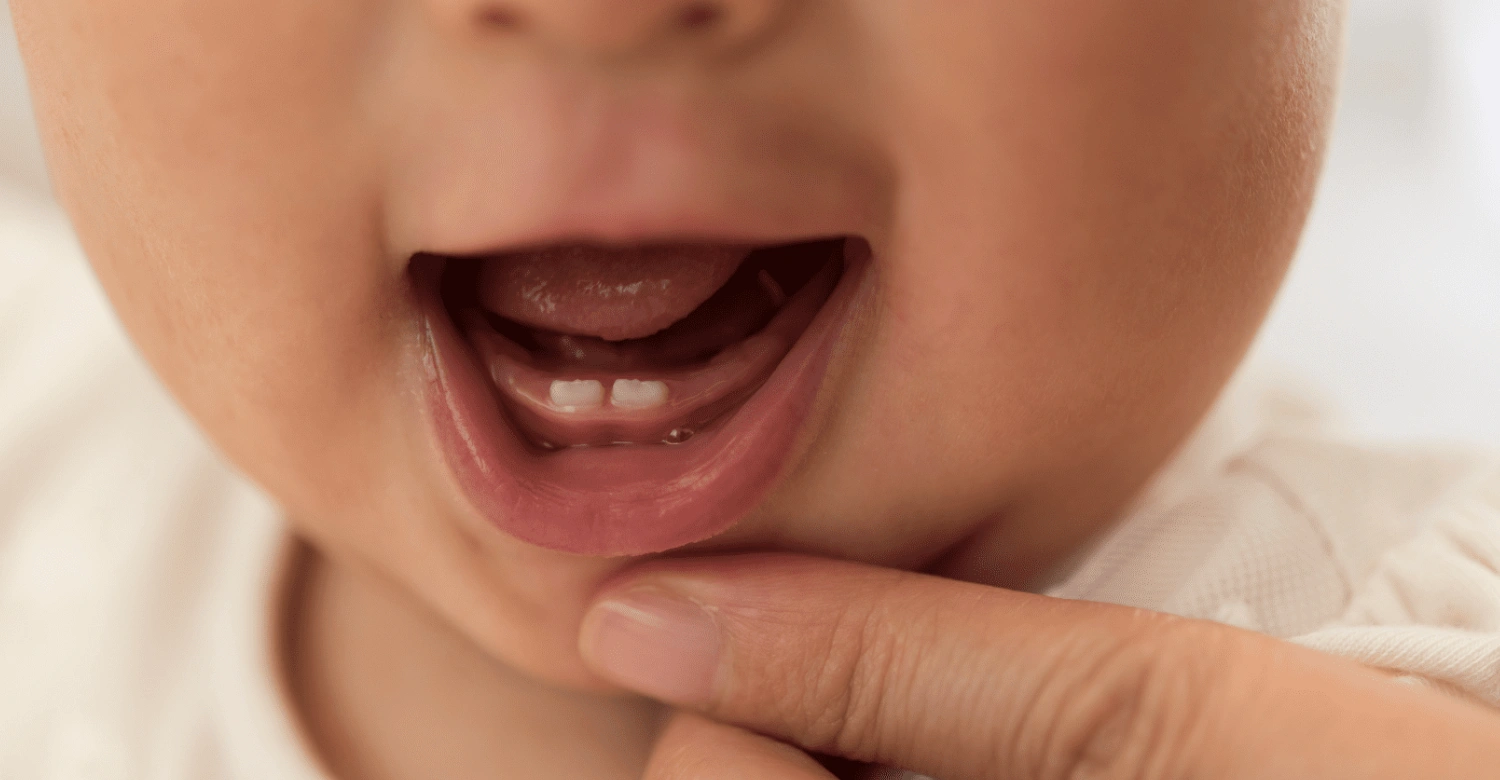
Does breastfeeding cause tooth decay? This is the single most common worry parents raise. The honest answer is nuanced: breastfeeding and cavities can be linked, but not because of breast milk alone. Frequency, duration, hygiene, and what happens after teeth erupt all shape the outcome. This section unpacks outdated assumptions, current evidence, and the specific factors that actually drive breastfeeding and early childhood caries risk.
What Older Studies Got Wrong About Milk and Cavities
Early research linking breastfeeding and cavities often failed to separate breast milk exposure from other variables like diet and oral hygiene. Many older studies treated breastfeeding after teeth come in as inherently risky without controlling for brushing habits. Breast milk and tooth decay conclusions from that era have since been revised. Modern research on breastfeeding and dental health accounts for these confounders, giving a more accurate, less alarming picture.
Why Duration Changes the Risk Picture
Breastfeeding and early childhood caries risk isn't static across time. Shorter breastfeeding periods show minimal decay association, while extended nursing without proper hygiene shows more caries prevalence in some cohorts. Does breastfeeding cause tooth decay depends heavily on how long nursing continues alongside dental care. Breastfeeding and dental health outcomes shift as duration increases, making timing and habits more relevant than breastfeeding itself.
Breastfeeding Under 12 Months vs. Beyond 24 Months
Breastfeeding and teeth outcomes differ noticeably between these timeframes. Under 12 months, cavity risk from breastfeeding and baby teeth remains low across most studies. Beyond 24 months, breastfeeding after teeth come in shows slightly higher caries association, though hygiene and diet remain the dominant variables. Breastfeeding and early childhood caries research doesn't recommend early weaning solely for dental reasons, but does stress consistent cleaning as duration extends.
The Role of Nighttime and On-Demand Feeding
Nighttime feeding carries more relevance to breastfeeding and cavities than daytime nursing. Saliva flow decreases during sleep, allowing milk sugars to linger longer against teeth. Breastfeeding after teeth come in overnight, without wiping gums or brushing, increases exposure time. Breastfeeding and dental health guidance generally recommends cleaning teeth before sleep, especially once nighttime feeds continue past the first tooth's arrival.
Why Feeding Habits Matter More Than Breast Milk Itself
Breastfeeding and dental health outcomes hinge on habits surrounding the milk, not the milk itself. Breast milk and tooth decay links weaken considerably when oral hygiene is consistent. Breastfeeding and baby teeth stay healthier when parents pair nursing with regular cleaning, rather than assuming breastfeeding alone determines outcomes. How breastfeeding affects teeth ultimately depends on the full feeding and hygiene routine surrounding it.
Frequency, Added Sugars, and Poor Oral Hygiene
Frequent feeding without cleaning, combined with added sugars from other foods, drives most breastfeeding and cavities cases. Breastfeeding and early childhood caries research repeatedly points to these compounding factors rather than breast milk in isolation. Poor oral hygiene remains the strongest predictor across studies. Breastfeeding and dental health improves significantly when frequency is balanced with regular brushing and reduced sugar exposure elsewhere in a baby's diet.
Breastfeeding and Malocclusion (Crooked Teeth)
Breastfeeding and teeth alignment share a well-documented connection, particularly around malocclusion. Breastfeeding and baby teeth benefit from the muscular workout nursing provides, which shapes how teeth eventually emerge and align. This section explores the protective effect breastfeeding offers, its limits, and how it compares to bottle feeding for long-term alignment outcomes.
The Evidence for a Protective Effect in Baby Teeth
Research on breastfeeding and dental health consistently shows a protective effect against malocclusion in primary teeth. Breastfeeding and teeth spacing appear more favorable in breastfed infants compared to exclusively bottle-fed babies. This effect is linked to the muscular effort involved in nursing. Breastfeeding and baby teeth alignment benefits are strongest when breastfeeding continues through the period of active oral development in infancy.
Why the Benefit Doesn't Carry Into Permanent Teeth
While breastfeeding and teeth alignment show clear benefits in baby teeth, this protective effect weakens considerably once permanent teeth emerge. Other factors, including genetics, thumb-sucking, and jaw growth patterns, take over as stronger influences. Breastfeeding and dental health research is clear that breastfeeding shouldn't be viewed as a guarantee against future orthodontic needs, even though early alignment benefits are well supported.
Breastfeeding vs. Bottle-Feeding: Muscle Function Differences
Breastfeeding vs bottle feeding teeth comparisons highlight differences in tongue posture, jaw movement, and suction effort. Breastfeeding requires more active muscle engagement, which supports better oral muscle tone. Bottle feeding, especially with fast-flow nipples, requires less effort and may contribute differently to oral development. Breastfeeding and dental health outcomes reflect these muscular differences, though both feeding methods can support healthy development with proper technique.
Clinical Note
It's worth stating plainly: breastfeeding and teeth outcomes vary by individual, and no single feeding method guarantees a specific result. Genetics, jaw structure, and habits like thumb-sucking often outweigh feeding methods alone. Breastfeeding and dental health guidance should be read as general tendencies backed by research, not fixed rules. Parents shouldn't feel pressure or guilt based on feeding choice; consistent hygiene remains the most controllable factor in outcomes.
Confounding Factors Researchers Struggle to Isolate
Breastfeeding and cavities research faces a persistent challenge: isolating breastfeeding's true effect from surrounding variables. Diet, hygiene, and socioeconomic conditions all intertwine with feeding choices. This section explains why breastfeeding and dental health conclusions require careful interpretation, and why so much debate remains unresolved in current literature.
Diet, Sugar Intake, and Socioeconomic Factors
Breastfeeding and early childhood caries studies often struggle to separate feeding method from broader dietary patterns. Families who breastfeed longer may also differ in sugar intake, access to dental care, or general nutrition habits. Breastfeeding and dental health data can be skewed when these socioeconomic factors aren't properly controlled, making it difficult to attribute decay risk to breastfeeding and teeth alone.
Why Tooth-Brushing Habits Skew the Data
Breastfeeding and cavities research frequently overlooks brushing consistency as a variable. Two children breastfeeding identically may have very different outcomes based purely on hygiene routines. Breastfeeding after teeth come in without brushing carries a different risk than breastfeeding paired with regular cleaning. Breastfeeding and dental health conclusions are only as strong as the studies' ability to account for this variable.
What the Current Scientific Debate Still Hasn't Settled
Does breastfeeding cause tooth decay remains debated because causation is hard to prove amid so many overlapping factors. Breastfeeding and teeth researchers continue refining models to isolate true risk. Breastfeeding and dental health science has moved past blaming milk alone, but exact risk thresholds for duration and frequency are still being studied. This is an active area, not a fully closed question.
Warning Signs of Tooth Decay in Breastfed Babies
Recognizing early signs matters as much as understanding breastfeeding and dental health research itself. Breastfeeding and baby teeth can still develop decay if warning signs go unnoticed. This section covers the visible signals parents should watch for, so early intervention stays possible.
White Spots on Teeth
White spots near the gumline are often the earliest visible sign tied to breastfeeding and cavities. These spots indicate early enamel demineralization before visible decay sets in. Breastfeeding and dental health monitoring should include checking for these spots regularly, especially after teeth first emerge. Catching them early allows for simple intervention before progression into deeper decay affecting breastfeeding and teeth long-term.
Brown or Black Discoloration
Darker discoloration signals more advanced decay than white spots, often appearing once breastfeeding and cavities progress unaddressed. Breast milk and tooth decay research notes this stage typically involves enamel breakdown requiring professional treatment. Breastfeeding and dental health routines should prioritize catching decay before reaching this stage. Any brown or black spotting warrants a prompt dental visit rather than waiting for scheduled checkups.
Tooth Sensitivity and Bad Breath
Sensitivity to temperature or pressure, alongside persistent bad breath, can indicate underlying decay tied to breastfeeding and teeth issues. These symptoms often develop gradually and may go unnoticed in infants who can't communicate discomfort clearly. Breastfeeding and dental health awareness should include watching for fussiness during feeding or reluctance to chew, both potential indirect signs worth discussing with a dentist.
When to Visit a Pediatric Dentist
Any visible spotting, discoloration, or feeding discomfort warrants a pediatric dental visit regardless of age. Breastfeeding and dental health guidance recommends a first visit by the first birthday regardless of symptoms. Breastfeeding and early childhood caries can progress quickly in infants, so waiting for obvious problems isn't advised. Early, regular visits catch issues tied to breastfeeding and teeth before they become harder to treat.
Protecting Your Baby's Teeth While Breastfeeding
Protecting breastfeeding and baby teeth doesn't require stopping breastfeeding, just building consistent habits around it. This section covers practical steps for cleaning, product choice, and timing that support breastfeeding and dental health without disrupting nursing routines parents value.
When and How to Start Cleaning Your Baby's Mouth
Gum cleaning should begin before the first tooth appears, using a soft, damp cloth after feedings. Breastfeeding and baby teeth benefit from this early habit, which reduces bacterial buildup before teeth even erupt. Breastfeeding and dental health routines starting this early make brushing feel normal once teeth arrive. Consistency matters more than intensity at this early stage of oral care.
Choosing the Right Toothbrush and Toothpaste
Once teeth appear, a soft-bristled infant toothbrush and rice-grain amount of fluoride toothpaste are recommended. Breastfeeding and dental health guidelines suggest brushing twice daily once teeth emerge, regardless of continued nursing. Breastfeeding and teeth protection improves significantly with the right tools used consistently. Parents should avoid excessive toothpaste amounts, following pediatric dental sizing recommendations closely for infants and toddlers.
Fluoride Recommendations for Infants
Fluoride plays a meaningful role in protecting breastfeeding and teeth from early decay. Pediatric guidelines recommend a smear of fluoride toothpaste for children under three, increasing slightly with age. Breastfeeding and dental health research supports fluoride's protective role against breastfeeding and cavities, provided amounts stay appropriate for infant swallowing safety. Discussing fluoride exposure with a dentist helps tailor this to each child.
Recommended Weaning and Hygiene Timelines
There's no fixed weaning deadline tied strictly to dental health. Breastfeeding after teeth come in is safe when hygiene keeps pace. Breastfeeding and dental health guidance focuses on cleaning routines rather than forcing early weaning. Breastfeeding and early childhood caries risk stays manageable as long as brushing, wiping, and dental visits continue consistently alongside however long a family chooses to breastfeed.
Healthy Feeding Habits That Reduce Cavity Risk
Avoiding prolonged nighttime feeding without cleaning, limiting added sugars, and maintaining brushing routines all reduce breastfeeding and cavities risk. Breastfeeding and dental health improves when parents pair nursing with these supporting habits. Breast milk and tooth decay concerns shrink significantly when hygiene stays consistent. Small daily habits matter more than any single feeding decision in protecting breastfeeding and teeth long-term.
Tips for Patients
Simple daily choices make the biggest difference for breastfeeding and dental health outcomes. This section offers direct, actionable guidance for parents managing breastfeeding and teeth concerns day to day, alongside questions worth raising at dental visits.
Daily Habits That Protect Baby Teeth While Breastfeeding
Wipe gums after every feeding, brush twice daily once teeth appear, and avoid letting your baby fall asleep nursing without cleaning afterward. Breastfeeding and baby teeth stay healthiest with this simple daily rhythm. Breastfeeding and dental health doesn't require complicated routines, just consistency. Small, repeated actions protect against breastfeeding and cavities far more effectively than occasional deep cleaning efforts.
What to Track Between Dental Visits
Keep note of any white spots, discoloration, or feeding discomfort between checkups. Breastfeeding and teeth changes can happen gradually, so tracking helps catch issues early. Breastfeeding and early childhood caries risk is easier to manage when parents notice changes promptly. Photos of teeth taken periodically can help a dentist compare progression and catch subtle shifts tied to breastfeeding and dental health.
Questions to Ask Your Pediatric Dentist
Ask about fluoride amounts, appropriate weaning timelines, and any visible concerns during checkups. Breastfeeding and dental health conversations should include questions specific to your child's feeding pattern and hygiene routine. Breastfeeding vs bottle feeding teeth questions are also worth raising if switching methods. Being specific about breastfeeding and teeth concerns helps your dentist give more tailored, useful guidance.
Common Myths About Breastfeeding and Teeth
Misinformation around breastfeeding and teeth causes unnecessary parental guilt or confusion. This section addresses the most persistent myths directly, replacing them with what evidence actually supports.
Myth: Breastfeeding Always Causes Cavities
This myth oversimplifies breastfeeding and cavities research significantly. Breast milk and tooth decay links depend heavily on hygiene and duration, not breastfeeding alone. Breastfeeding and dental health studies show many breastfed children have no elevated decay risk when hygiene stays consistent. Blaming breastfeeding and teeth issues solely on nursing ignores the larger role of feeding habits and oral care routines.
Myth: Formula Is Better for Teeth
Formula isn't inherently protective against breastfeeding and dental health concerns. Bottle feeding carries its own risks, particularly around prolonged bottle use and nighttime feeding. Breastfeeding vs bottle feeding teeth research doesn't clearly favor formula for dental outcomes. Breastfeeding and teeth protection depends more on hygiene practices than on choosing formula over breast milk as a supposed safer alternative.
Myth: Baby Teeth Aren't Important / No Dentist Needed Until School Age
Baby teeth guide permanent tooth alignment and support early speech and chewing development. Breastfeeding and baby teeth deserve the same attention as permanent teeth from the start. Breastfeeding and dental health guidance recommends a first dental visit by age one, not school age. Waiting too long to address breastfeeding and teeth concerns can allow preventable issues to progress further.
What We Notice Clinically
Dr. Rifat Alsaman, Head of the Medical Team and cosmetic dentist at Vitrin Clinic, shares his clinical perspective on breastfeeding and dental health. He notes that breastfed infants often show healthy alignment patterns, with most breastfeeding and cavities cases tracing back to hygiene gaps rather than breastfeeding itself. Dr. Rifat Alsaman advises nursing mothers to maintain gum and tooth cleaning regardless of feeding frequency, and recommends watching for white spots, gum redness, or feeding discomfort as early signs worth raising during routine visits.
About Vitrin Clinic
Vitrin Clinic is a cosmetic dental clinic in Istanbul serving international patients seeking accessible, high-quality dental care. Breastfeeding and dental health guidance offered at Vitrin Clinic reflects current evidence-based practice, tailored for growing families navigating early oral care decisions. Multilingual support helps international parents communicate concerns clearly. Vitrin Clinic's approach to breastfeeding and teeth prioritizes prevention, early detection, and practical, judgment-free guidance for nursing families.
Protecting Your Smile With Vitrin Clinic
Vitrin Clinic offers preventive dental consultations designed around your child's specific breastfeeding and dental health needs. Whether you have questions about breastfeeding and cavities, weaning timelines, or early warning signs, Vitrin Clinic provides clear, supportive guidance. Scheduling an early assessment helps protect breastfeeding and teeth outcomes from the very start, giving your child a strong foundation for lifelong oral health.
References:
FAQs
Dr. Rifat Alsaman has more than 5 years of clinical experience in dentistry and currently serves as the Head of the Medical Team at Vitrin Clinic. He is dedicated to providing exceptional patient care, overseeing treatment planning, and ensuring the highest clinical standards across the team. His expertise, attention to detail, and commitment to continuous professional development have helped countless patients achieve healthier, more confident smiles.


.webp&w=3840&q=75)

