General Dentistry
September 20, 2026
Burning Mouth Syndrome: What It Means and How to Treat It?
 Dr. Rifat Alsaman
Burning Mouth Syndrome is a chronic oral condition that causes burning, scalding, tingling, or numb sensations. Symptoms often affect the tongue, lips, gums, palate, or other areas of the mouth. Some people also experience dry mouth or changes in taste. The mouth may look normal despite significant discomfort. Causes can include nutritional deficiencies, hormonal changes, dry mouth, oral infections, medications, acid reflux, or nerve-related changes. When no specific cause is identified, it may be classified as primary Burning Mouth Syndrome. Diagnosis usually involves a detailed medical history, oral examination, and tests to rule out other conditions. Treatment depends on the underlying cause and may include managing dry mouth, correcting deficiencies, treating infections, or using medications for nerve-related pain. Persistent symptoms should be evaluated by a dentist or doctor.
What Is Burning Mouth Syndrome?
Burning mouth syndrome describes persistent or recurring burning discomfort inside the mouth. The tongue is commonly affected, although symptoms can involve several oral areas. Patients may describe burning as scalding, stinging, soreness, tingling, or heat. Dry mouth and taste changes can occur at the same time. The oral tissues may appear completely normal during examination. This can make the condition difficult to identify. Diagnosis usually involves excluding other possible causes first. NIDCR lists blood tests, oral swabs, allergy testing, salivary measurements, and imaging among possible diagnostic tools. Primary disease has no identifiable underlying cause. Secondary symptoms result from another condition or factor. Examples include nutritional deficiencies, oral infections, medications, allergies, and reduced saliva. Understanding this distinction helps clinicians develop an appropriate treatment strategy.
Burning Mouth Syndrome Definition
Burning mouth syndrome describes persistent or recurring oral burning without an obvious visible cause. The discomfort may affect the tongue, lips, palate, gums, or wider mouth. Some people also experience tingling, numbness, dryness, or altered taste. Symptoms can continue for months or longer. The mouth may appear normal during examination despite significant discomfort. This difference can make diagnosis challenging. explains that clinicians generally rule out infections, irritation, dental problems, nutritional issues, and other conditions first.
What Does Burning Mouth Syndrome Feel Like?
People commonly describe the sensation as burning, scalding, stinging, tingling, or soreness. The tongue is frequently affected, especially its front or sides. Some people notice symptoms immediately after waking. Others develop stronger discomfort as the day progresses. Eating or drinking can temporarily reduce symptoms for some patients. Dryness and unusual tastes may occur alongside the burning sensation. Symptoms can vary considerably between individuals.
Primary vs Secondary Burning Mouth Syndrome
Primary disease refers to symptoms without an identifiable underlying medical or oral disorder. Researchers believe altered nerve processing may contribute to primary disease. Secondary symptoms occur because another condition or factor produces oral discomfort. Examples include dry mouth, nutritional deficiencies, infections, reflux, allergies, and medication effects. Treatment therefore depends heavily on identifying the underlying cause. A careful evaluation helps distinguish these categories before treatment begins.
Clinical Note
A normal oral examination does not mean the patient's pain is insignificant. Burning symptoms can occur without visible tissue changes. Clinicians therefore combine symptom history with examination and appropriate investigations. Current evidence supports excluding treatable conditions before diagnosing primary disease. This approach can prevent unnecessary treatments and identify reversible contributors.
Discover how tongue thrust can affect oral development
What Are the Symptoms of Burning Mouth Syndrome?
Symptoms vary considerably between patients. The most characteristic complaint is a burning or scalding sensation. The tongue is frequently affected, particularly the front or sides. Patients may also experience tingling, numbness, dryness, or soreness. Taste changes are another commonly reported symptom. Some people describe a metallic, bitter, or unusual taste. Others experience reduced taste perception. Dry mouth can increase discomfort and may contribute to difficulty eating or speaking. Symptoms may remain constant or fluctuate during the day. Some patients report greater discomfort as the day progresses. The mouth can still appear normal despite significant symptoms. This makes a detailed history especially important. At Vitrin Clinic, clinicians can assess visible oral changes alongside reported sensations. Identifying patterns can help determine whether further dental or medical investigation is appropriate.
Burning or Scalding Sensation
The characteristic symptom is a burning or scalding feeling inside the mouth. The intensity may remain stable or fluctuate throughout the day. Some patients describe stinging, soreness, heat, or persistent irritation. Symptoms may involve one area or several oral locations. The tongue remains one of the most commonly affected areas.
Burning Mouth Syndrome and the Tongue
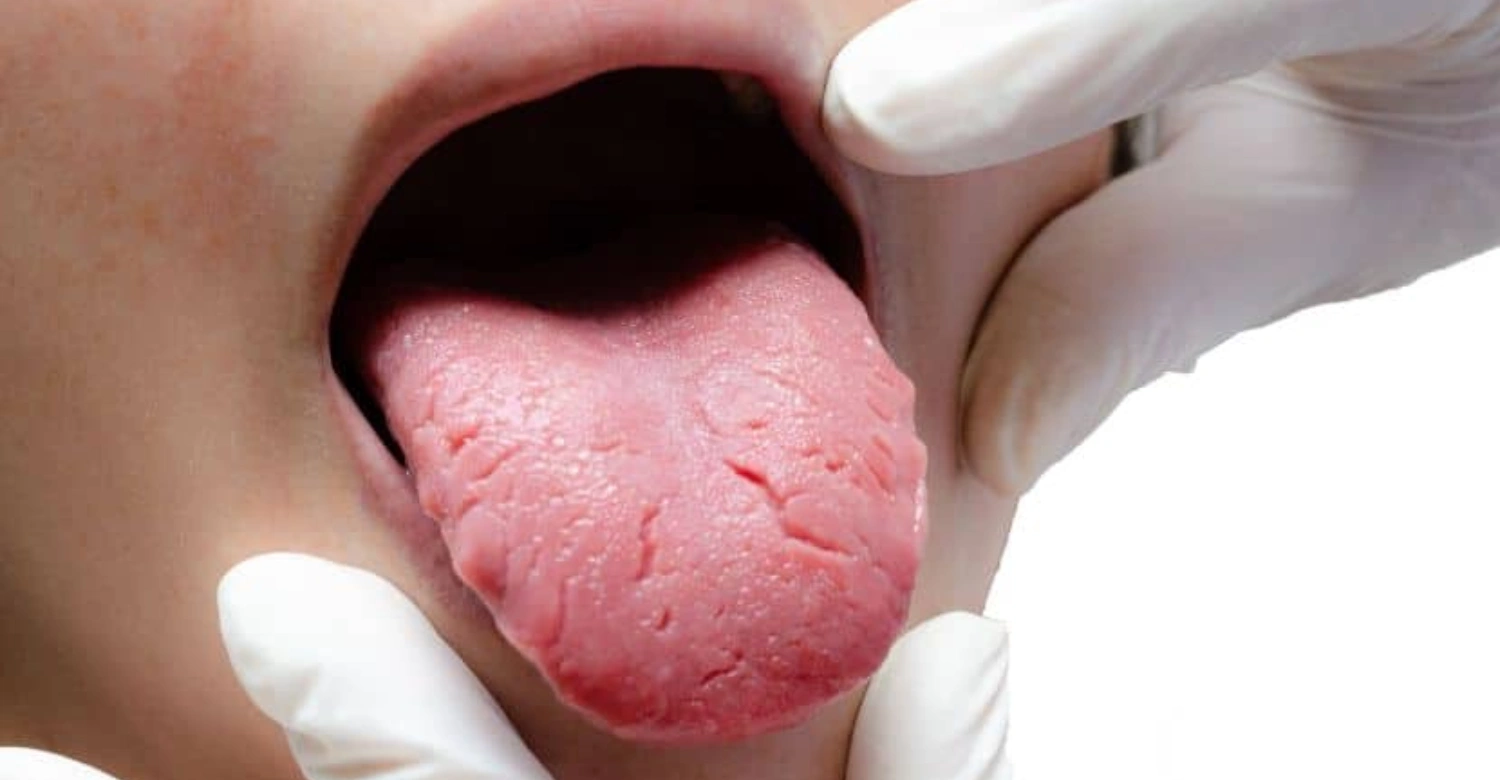
The tongue can develop burning, tingling, numbness, or altered sensation. The front and sides are frequently involved. Some people notice symptoms without redness, ulcers, swelling, or other visible abnormalities. Others may have a separate tongue condition causing similar discomfort. A dental examination helps distinguish these possibilities. Persistent symptoms deserve professional assessment rather than prolonged self-treatment.
Dry Mouth and Thirst
Dry mouth frequently accompanies oral burning and may increase discomfort. Reduced saliva can affect lubrication, taste, swallowing, speech, and oral comfort. Certain medications can reduce saliva production. Medical conditions and previous treatments can also contribute. Drinking water regularly may provide temporary relief. Persistent dryness should be evaluated because treating its cause may reduce symptoms.
Altered or Metallic Taste
Taste changes may occur alongside oral burning. Some patients describe metallic, bitter, unpleasant, or reduced taste sensations. These changes can affect appetite and enjoyment of food. Taste disturbance may also have causes unrelated to the syndrome. Medication effects, infections, nutritional problems, and oral conditions can influence taste. A clinician can assess these possibilities during diagnosis.
Tingling or Numbness
Tingling and numbness can accompany oral burning. These sensations may affect the tongue, lips, palate, or other areas. Symptoms can appear intermittently or remain throughout the day. Neuropathic mechanisms are considered important in primary disease. However, neurological symptoms can have multiple causes. Persistent or unexplained numbness requires appropriate professional evaluation.
Burning Lips and Other Oral Areas
Burning may extend beyond the tongue. The lips, gums, palate, cheeks, and throat can sometimes feel uncomfortable. Symptoms can occur across several areas simultaneously. Visible changes are not always present. This makes symptom history particularly important during clinical assessment.
Find out how tongue thrust can contribute to an open bite
What Causes Burning Mouth Syndrome?
Causes can be divided into primary and secondary categories. Primary disease occurs when no specific underlying cause explains the symptoms. Nerve-related changes are one proposed mechanism. Secondary symptoms develop because another condition affects oral tissues or sensory function. Possible contributors include dry mouth, nutritional deficiencies, oral infections, reflux, allergies, hormonal changes, and certain medications. Diabetes and thyroid disorders may also be considered during medical evaluation. Oral irritation can result from unsuitable products or excessive mechanical cleaning. Several factors can occur simultaneously. Therefore, identifying one possible contributor does not always explain every symptom. Current clinical guidance emphasizes investigating treatable causes before diagnosing primary disease. Vitrin Clinic can evaluate dental and oral contributors while recognizing when additional medical assessment may be appropriate.
Primary Burning Mouth Syndrome
Primary disease occurs when another identifiable condition does not adequately explain the symptoms. Nerve dysfunction involving pain and taste processing is one proposed mechanism. The exact biological pathway remains incompletely understood. Researchers continue studying neurological, hormonal, psychological, and sensory mechanisms. Current treatment therefore focuses mainly on symptom control.
Secondary Causes of Burning Mouth Symptoms
Secondary symptoms can develop from identifiable oral or systemic conditions. Dry mouth, infections, allergies, nutritional deficiencies, reflux, hormonal changes, and medications are recognized contributors. Oral irritation can also result from aggressive brushing or unsuitable products. Identifying these contributors is clinically important. Correcting an underlying problem may substantially reduce symptoms.
Nutritional Deficiencies
Nutritional deficiencies can contribute to oral burning symptoms. Iron and certain B vitamins are commonly investigated. Other deficiencies may also be considered according to individual circumstances. Testing should guide supplementation rather than relying on assumptions. Treating a confirmed deficiency can improve oral symptoms when deficiency causes them.
Iron Deficiency
Iron deficiency can produce several oral symptoms. These may include soreness, altered sensation, and changes involving oral tissues. Iron deficiency can have different causes, including inadequate intake or blood loss. Testing is therefore more useful than taking iron without confirmation. A healthcare professional should determine the appropriate investigation and treatment.
Vitamin B12 and Folate Deficiency
Vitamin B12 and folate deficiencies can affect oral health. Symptoms may include tongue soreness, altered sensation, or mucosal discomfort. Blood testing can help identify these deficiencies when clinically appropriate. Treatment depends on the specific deficiency and its underlying cause. Correcting confirmed deficiency may reduce associated oral symptoms.
Zinc Deficiency
Zinc participates in several biological processes, including normal taste function. Low zinc levels may therefore contribute to taste disturbances in selected patients. However, oral burning has multiple possible causes. Supplementation should follow appropriate assessment rather than assumptions. Excessive zinc intake can also create health problems.
Dry Mouth
Reduced saliva can make the mouth feel irritated or burning. Saliva normally helps lubricate tissues and protect the oral environment. Dryness may result from medications, systemic disease, dehydration, or previous medical treatments. Management may include hydration and saliva-supporting products. Treating the underlying cause remains important.
Menopause and Hormonal Changes
Symptoms occur more frequently among middle-aged and older women. Hormonal changes around menopause have been associated with increased occurrence. However, hormonal factors do not explain every case. Other contributors should still be investigated. Epidemiological estimates vary substantially because studies use different diagnostic criteria. A 2021 meta-analysis estimated pooled prevalence at 1.73% in general populations. Clinical populations showed a pooled prevalence of 7.72%. Women and people over 50 showed higher pooled prevalence.
Diabetes and Other Medical Conditions
Diabetes and thyroid disorders may contribute to oral burning symptoms. Other systemic conditions can also influence oral sensation or saliva production. The relationship may involve metabolic, neurological, hormonal, or medication-related factors. Medical history therefore forms an important part of diagnosis. Appropriate laboratory testing may be recommended.
Acid Reflux
Acid reflux can irritate oral and throat tissues. Some people experience burning, sour taste, throat discomfort, or other symptoms. Reflux does not automatically explain every case of oral burning. Clinicians consider reflux alongside other possible causes. Managing confirmed reflux may reduce associated oral discomfort.
Oral Infections
Oral infections can produce burning, soreness, taste changes, or visible tissue alterations. Candidiasis is one important example. Examination and, when appropriate, swab testing can help identify infection. Antifungal treatment should be used when infection is confirmed or strongly suspected. Treating an infection can improve secondary burning symptoms.
What We Notice Clinically
At Vitrin Clinic, persistent burning is approached as a symptom requiring careful assessment. We consider dental, oral, medication-related, and systemic contributors. The absence of visible lesions does not automatically confirm primary disease. A structured evaluation helps determine whether further medical investigation is appropriate. This approach supports personalized recommendations rather than one treatment for every patient.
Understand the link between vitamin A deficiency and tooth development
What Medications Can Cause Burning Mouth Syndrome?
Medications may contribute to oral burning through several mechanisms. Some medicines reduce saliva production. Others can influence taste or sensory perception. Dryness can increase friction and make oral tissues feel irritated. Medication effects can therefore resemble a primary oral pain disorder. Patients should provide their complete medication list during evaluation. This should include prescription medicines, over-the-counter products, and supplements. Blood pressure medicines are among the medication groups sometimes associated with oral symptoms. However, an association does not mean every patient taking these medicines develops symptoms. Timing can provide an important clue. Symptoms appearing after starting or changing medication deserve attention. Patients should never stop prescribed medication independently. A healthcare professional can determine whether adjustment is appropriate. At Vitrin Clinic, medication history can form part of the broader dental assessment.
Medications Associated With Dry Mouth
Many medications can reduce saliva production. Reduced saliva can increase friction, dryness, irritation, and oral discomfort. Medication-related dryness is therefore an important consideration during assessment. Patients should not stop prescribed medicines independently. Their healthcare professional can determine whether an alternative is appropriate.
Blood Pressure Medications
Some blood pressure medicines have been associated with oral burning symptoms. Their effects may involve altered taste or reduced saliva. This does not mean every patient taking these medicines develops symptoms. Medication history should be reviewed alongside other possible causes. A clinician may discuss alternatives when appropriate.
Medications That Affect Taste or Oral Sensation
Certain medicines can change taste perception or oral sensation. These effects may be mistaken for a primary oral pain disorder. Timing can provide useful information during assessment. Symptoms beginning after a medication change deserve particular attention. A healthcare professional can evaluate whether medication effects are plausible.
Why Medication Review Matters
Medication review can reveal a potentially reversible contributor. Patients should provide a complete list of prescription medicines and supplements. Over-the-counter products should also be included. Timing, dosage changes, and symptom onset can provide useful clues. Medication changes should only occur under appropriate medical guidance.
Clinical Note
A medication may contribute indirectly by causing dryness rather than directly causing pain. Other medicines may influence taste or sensory processing. Multiple contributors can also occur simultaneously. Therefore, medication review should form part of a broader clinical assessment.
What Can Be Mistaken for Burning Mouth Syndrome?
Several conditions can produce similar oral sensations. Oral candidiasis can cause burning, soreness, and taste changes. Dry mouth can produce significant irritation without another visible condition. Iron, vitamin B12, or folate deficiencies may contribute to tongue discomfort. Acid reflux can create burning sensations involving the mouth or throat. Allergic reactions can occur after exposure to certain foods, dental materials, or oral-care ingredients. Geographic tongue and traumatic irritation can also cause sensitivity. Poorly fitting dentures may create localized irritation. These conditions require different treatments. Therefore, assuming one diagnosis based only on symptoms can delay appropriate care. A dental examination can identify visible changes and local causes. Additional testing may be needed when systemic or nutritional contributors are suspected.
Oral Candidiasis
Oral candidiasis can cause burning, soreness, altered taste, and sensitivity. White patches may appear, although presentation can vary. Diagnosis may involve clinical examination and additional testing. Antifungal treatment is appropriate when candidiasis is confirmed. Persistent symptoms after treatment require reassessment.
Dry Mouth
Dry mouth itself can create significant burning and discomfort. It may also increase susceptibility to cavities and oral infections. Saliva testing can sometimes help assess reduced salivary flow. Medication and medical history can reveal potential causes. Management should address both symptoms and underlying contributors.
Nutritional Deficiencies
Deficiencies can produce tongue soreness and other oral symptoms. Iron, vitamin B12, and folate are commonly considered during appropriate investigations. Laboratory testing helps distinguish deficiency from other causes. Supplementation should be targeted to confirmed or clinically suspected deficiencies.
Acid Reflux
Reflux can irritate tissues and create burning sensations. Symptoms may extend toward the throat or involve unpleasant taste. Reflux can coexist with other oral conditions. A medical assessment may be necessary when reflux symptoms are persistent.
Oral Irritation and Allergic Reactions
Toothpaste, mouthwash, foods, dental materials, and flavoring agents can irritate sensitive tissues. Strong flavors may worsen symptoms in susceptible individuals. Overbrushing can also produce unnecessary tissue irritation. Identifying and removing a suspected trigger may improve symptoms.
Other Oral Conditions
Geographic tongue, traumatic irritation, poorly fitting dentures, and other oral conditions can produce discomfort. Some conditions have visible changes during examination. Others require additional testing. A clinician should evaluate unexplained persistent burning rather than assuming one diagnosis.
How Is Burning Mouth Syndrome Diagnosed?
Diagnosis usually begins with a detailed medical and dental history. The clinician asks about symptom onset, location, severity, duration, and daily patterns. Medication and supplement use should also be reviewed. The mouth and tongue are examined for infections, irritation, ulcers, lesions, and other abnormalities. Dental restorations, dentures, periodontal health, and oral hygiene may also be evaluated. Blood tests can investigate nutritional deficiencies or systemic conditions. Oral swabs may be appropriate when infection is suspected. Allergy testing can sometimes identify reactions to specific materials or products. Salivary testing may help assess significant dryness. Imaging is considered when clinical findings justify it. NIDCR emphasizes that diagnosis involves ruling out other possible causes. Dr. Rifat Alsaman, Head of the Medical Team at Vitrin Clinic and cosmetic dentist, emphasizes structured evaluation before recommending treatment.
Medical and Dental History
Diagnosis begins with detailed questions about symptoms and timing. Clinicians may ask when symptoms began and where they occur. They may also ask about food, medications, medical conditions, and previous dental treatment. Symptom patterns can provide important diagnostic clues.
Examination of the Mouth and Tongue
A careful examination checks the tongue, gums, palate, cheeks, and other tissues. Dentists also evaluate teeth, restorations, dentures, and signs of irritation. Many patients with primary disease have no obvious oral abnormalities. This makes history and exclusion particularly important.
Medication and Supplement Review
Medication history can reveal possible causes of dryness or taste changes. Supplements can also affect symptoms or laboratory results. Patients should provide accurate names and doses whenever possible. This information helps clinicians decide whether further evaluation is needed.
Testing for Nutritional Deficiencies
Blood tests may evaluate nutritional or systemic contributors. Common investigations can include iron-related measures and selected vitamin levels. Testing should be individualized according to symptoms and medical history. Results help determine whether supplementation or medical treatment is appropriate.
When Additional Testing Is Needed
Additional testing may include oral swabs, allergy testing, saliva-flow measurements, or imaging. Testing depends on the clinical findings and suspected causes. Not every patient needs every investigation. specifically lists blood tests, oral swabs, allergy testing, salivary testing, and imaging among possible evaluations.
Dr. Rifat Alsaman’s Clinical Perspective
Dr. Rifat Alsaman, Head of the Medical Team at Vitrin Clinic and cosmetic dentist, emphasizes structured assessment. Oral burning should not automatically be attributed to dental treatment. A careful examination can identify irritation, infection, dryness, or dental contributors. When symptoms suggest systemic causes, medical collaboration may be appropriate.
How Is Burning Mouth Syndrome Treated?
Treatment depends on whether an underlying cause is identified. Secondary symptoms may improve when the responsible condition is treated. Nutritional deficiencies can require targeted supplementation. Oral infections may require antimicrobial treatment. Dry mouth can be managed with hydration and saliva-supporting measures. Medication-related symptoms may require professional medication review. Primary disease can require symptom-focused management. Treatments studied include topical clonazepam, certain neuropathic pain medicines, and behavioral approaches. Supportive measures can also reduce discomfort. Patients may benefit from avoiding irritating foods and oral products. Cold drinks and sugar-free gum may provide temporary relief. Treatment should be personalized because responses vary. Vitrin Clinic can address dental and oral contributors while recommending appropriate medical evaluation when symptoms suggest a broader cause.
Treating the Underlying Cause
Treatment begins by addressing an identifiable underlying contributor whenever possible. Infection, nutritional deficiency, reflux, medication effects, and dryness may require different approaches. Successful treatment of the underlying cause can reduce secondary symptoms. Primary disease requires a different symptom-management strategy.
Burning Mouth Syndrome Medications
Several medicines have been studied for symptom control. Options may include topical clonazepam, medications affecting nerve pain, and selected antidepressants. Saliva substitutes can help patients with significant dryness. Treatment choice depends on symptoms, medical history, and potential side effects. No single medication works for everyone.
Managing Dry Mouth
Dry mouth management can improve comfort and oral protection. Regular water intake may provide temporary relief. Sugar-free gum can stimulate saliva in suitable patients. Saliva substitutes may also help. Persistent dryness requires investigation for medication-related or medical causes.
Treating Nutritional Deficiencies
Confirmed nutritional deficiencies should be treated according to medical guidance. The specific replacement depends on the deficiency and its cause. Improvement may take time after correction. Unnecessary supplementation can create risks. Testing therefore provides useful guidance before long-term supplementation.
Managing Oral Irritation
Reducing oral irritation can help sensitive tissues recover. Patients may benefit from avoiding highly acidic or spicy foods. Alcohol-containing mouthwash can also aggravate symptoms. Gentle brushing and suitable oral-care products can reduce unnecessary irritation.
Neuropathic Pain Management
Primary disease may involve altered sensory nerve processing. Some treatments therefore target neuropathic pain pathways. Options can include selected anticonvulsant medicines or topical approaches. Treatment requires professional supervision because medications have contraindications and side effects. Evidence remains variable across different treatment options.
Burning Mouth Syndrome Supportive Therapy
Supportive therapy can address stress, sleep disruption, and coping with persistent discomfort. Cognitive behavioral therapy has been studied as part of management. It does not mean symptoms are imaginary. Pain processing involves interactions between sensory and psychological systems.
What Therapies Are Used for Burning Mouth Syndrome?
Therapy depends on the patient's symptoms and underlying cause. Medical treatment can address infections, nutritional deficiencies, reflux, or other contributing conditions. Primary symptoms may require treatments targeting neuropathic discomfort. Topical or systemic medications have been investigated, although evidence varies. Alpha-lipoic acid has also been studied extensively. A systematic review found uncertain benefits because available evidence remains limited. Oral supportive care is also important. Gentle brushing and suitable oral-care products can reduce irritation. Hydration can improve comfort when dryness contributes. Behavioral approaches may help patients manage persistent pain and associated distress. No single therapy works universally. The most appropriate approach depends on clinical findings, medical history, and treatment response. Follow-up is useful when symptoms continue despite initial management.
Medical Treatment Options
Treatment options depend on whether symptoms have an identifiable cause. Correcting deficiencies or infections may resolve secondary symptoms. Primary disease may require symptom-focused medication. Clinicians may adjust treatment according to response and side effects.
Oral and Dental Supportive Care
Dental care focuses on eliminating local sources of irritation. Dentists can assess restorations, dentures, periodontal health, and oral hygiene. Appropriate treatment may reduce symptoms caused by local problems. Dental care also helps maintain oral health during prolonged symptoms.
Symptom-Management Approaches
Simple measures can provide temporary relief for some patients. Cold drinks, ice chips, and sugar-free gum may reduce discomfort. Avoiding tobacco and irritating foods may also help. Individual responses vary considerably.
Alpha-Lipoic Acid and Burning Mouth Syndrome
Alpha-lipoic acid has been investigated because of its potential effects on nerve-related symptoms. Evidence remains mixed and does not establish it as a universal treatment. A 2022 systematic review included nine randomized trials involving 594 patients. The analysis found uncertain pain benefits and low-quality evidence.
Supplements for Burning Mouth Syndrome
Supplements may help when a confirmed deficiency contributes to symptoms. They should not automatically replace diagnostic evaluation. Excessive supplementation can cause adverse effects. A clinician can determine which laboratory tests and supplements are appropriate.
What Is the New Treatment for Burning Mouth Syndrome?
There is no universally established new treatment that cures primary disease. Research continues into neuropathic mechanisms and different symptom-management approaches. Current evidence supports individualized treatment rather than one standardized therapy. A 2023 review found encouraging results for alpha-lipoic acid, but called for further research.
How Can You Get Relief From Burning Mouth Syndrome?
Immediate relief focuses on reducing irritation and maintaining moisture. Drinking cool water can temporarily soothe sensitive tissues. Ice chips may provide short-term comfort for some patients. Sugar-free gum can stimulate saliva when appropriate. Avoiding spicy, acidic, and very hot foods may reduce irritation. Alcohol and tobacco can also worsen dryness or sensitivity. Strongly flavored oral-care products may be uncomfortable for some people. Long-term relief requires identifying the underlying contributor whenever possible. Treating nutritional deficiencies, infections, or significant dryness may improve secondary symptoms. Primary symptoms may require longer-term management. Keeping a symptom diary can identify individual triggers. At Vitrin Clinic, patients can discuss persistent oral discomfort during a comprehensive examination. This helps distinguish temporary irritation from symptoms requiring further investigation.
Instant Relief vs Long-Term Relief
Immediate measures may reduce discomfort without addressing its cause. Cold drinks, ice chips, and sugar-free gum can provide temporary relief. Long-term improvement requires identifying and treating contributing factors. Primary disease may require ongoing symptom management.
Staying Hydrated
Adequate hydration supports oral comfort and normal saliva function. Frequent small sips may feel easier than large amounts at once. Water can also help when dryness increases discomfort. Persistent thirst or dryness should still receive professional evaluation.
Avoiding Trigger Foods
Spicy, acidic, and very hot foods can worsen oral irritation. Citrus products may also aggravate sensitive tissues. Carbonated drinks can be uncomfortable for some patients. Keeping a symptom diary can help identify individual triggers.
Managing Dry Mouth
Patients with dryness may benefit from saliva-supporting strategies. Sugar-free chewing gum can stimulate saliva when appropriate. Saliva substitutes may provide additional comfort. Caffeine, alcohol, and tobacco can worsen dryness for some people. Persistent dryness should be medically evaluated.
Using Gentle Oral-Care Products
Choose oral-care products that do not cause burning or irritation. Strong flavors may be uncomfortable for some patients. Avoid aggressive tongue scraping during symptom flares. A dentist can help identify suitable products based on individual needs.
Note : All images used are for editorial and illustrative purposes only and may not originate from the original news provider or associated company.
What Is the Best Toothpaste and Mouthwash for Burning Mouth Syndrome?
There is no single toothpaste or mouthwash that works best for every patient. A mild toothpaste may be more comfortable for sensitive oral tissues. Products with strong flavors can irritate some individuals. Alcohol-containing mouthwash may worsen dryness in susceptible patients. An alcohol-free formulation may therefore be preferable when appropriate. Patients should also avoid products that consistently trigger burning. Excessive tongue scraping should be avoided because mechanical irritation can increase sensitivity. Product selection should consider the patient's overall oral health. Caries risk, gum health, dryness, and sensitivity all matter. Vitrin Clinic can provide personalized oral-care recommendations after evaluating the mouth. Changing products can reduce irritation when an ingredient is contributing. However, product changes alone cannot treat systemic or neuropathic causes.
Choosing a Mild Toothpaste
A mild toothpaste may be more comfortable for sensitive oral tissues. Patients should avoid products that consistently trigger burning. Abrasive products may increase irritation when used excessively. A dental professional can recommend options based on oral health needs.
Choosing a Suitable Mouthwash
Alcohol-containing mouthwash may worsen dryness or irritation. A gentler product may be preferable for patients with sensitivity. Mouthwash should support oral hygiene without creating additional discomfort. Patients should stop products that repeatedly cause burning and seek professional advice.
Oral Ingredients That May Cause Irritation
Flavoring agents can trigger irritation in some individuals. Strong mint or cinnamon flavors may be problematic for sensitive patients. Acids and alcohol may also increase discomfort. Individual reactions differ, so symptom tracking can identify problematic products.
Personalized Product Selection
There is no single toothpaste or mouthwash suitable for everyone. Product choice depends on dryness, caries risk, periodontal health, and sensitivity. Your dentist can consider these factors together. Vitrin Clinic can incorporate oral-care recommendations into an individualized dental assessment.
Burning Mouth Syndrome Self-Care and Home Remedies
Self-care can reduce discomfort but does not replace professional diagnosis. Drinking water regularly can help maintain oral moisture. Ice chips may temporarily soothe burning sensations. Sugar-free chewing gum can encourage saliva production. Patients should avoid foods that consistently trigger symptoms. Spicy, acidic, and very hot foods commonly cause additional irritation. Alcohol and tobacco may worsen dryness or oral sensitivity. Gentle toothbrushing should continue during symptom flares. Aggressive brushing or scraping can create additional irritation. Some supplements have been investigated, including alpha-lipoic acid. However, evidence remains insufficient to recommend supplements universally. Patients should discuss supplements with an appropriate healthcare professional. Persistent symptoms should receive professional assessment. Home remedies are most useful as supportive measures while the underlying cause is investigated.
Simple Measures for Symptom Relief
Cold water and ice chips may temporarily reduce oral discomfort. Sugar-free gum can stimulate saliva for suitable patients. Avoiding known triggers may also decrease symptom intensity. These measures support comfort but do not replace diagnosis.
Foods and Drinks to Avoid
Hot, spicy, acidic, and strongly flavored foods may worsen symptoms. Alcoholic beverages can also irritate oral tissues. Citrus fruits and juices may be particularly uncomfortable. Individual triggers vary, making symptom tracking useful.
Oral Hygiene During Flare-Ups
Continue gentle oral hygiene during symptom flares. Avoid aggressive brushing or excessive tongue cleaning. Maintain regular dental care unless your clinician advises otherwise. Good oral hygiene reduces the risk of additional dental problems.
Natural Remedies and Supplements
Some supplements have been investigated for symptom management. Evidence remains inconsistent for several natural approaches. Alpha-lipoic acid has received particular research attention. Current evidence does not establish it as a guaranteed treatment.
When Home Remedies Are Not Enough
Persistent symptoms deserve professional evaluation. Home measures cannot identify infections, nutritional deficiencies, reflux, or medication effects. They also cannot establish primary disease. Seek assessment when symptoms continue, worsen, or interfere with eating and daily activities.
How Long Does Burning Mouth Syndrome Last?
Duration varies significantly between individuals. Some patients experience symptoms temporarily. Others have symptoms lasting months or years. Secondary symptoms may improve after the underlying cause is treated. For example, correcting a nutritional deficiency can address deficiency-related oral discomfort. Treating an infection may also resolve associated burning. Primary disease can be more persistent because there is no single underlying condition to correct. Symptoms may fluctuate rather than remain constant. Some patients experience stronger symptoms at certain times of day. A systematic evaluation can identify factors that prolong symptoms. Persistent symptoms should be reassessed when initial management does not help. New oral changes also warrant examination. Current clinical guidance recognizes that the condition can become chronic in some patients.
Can Burning Mouth Syndrome Go Away?
Symptoms can improve, fluctuate, or sometimes resolve spontaneously. However, some patients experience symptoms for months or years. The course varies substantially between individuals. Treating secondary causes may improve symptoms more directly. Primary disease can require longer-term management.
Why Symptoms May Persist
Persistent symptoms may reflect ongoing nerve-related mechanisms. Unrecognized dryness, nutritional problems, medications, or irritation can also maintain discomfort. Multiple contributors may coexist. Reassessment can therefore be useful when symptoms fail to improve.
Factors That Affect Symptom Duration
Duration depends on the underlying cause and response to treatment. Medication effects may improve after appropriate adjustment. Deficiency-related symptoms may improve after correction. Primary neuropathic symptoms can require longer-term symptom management. Individual response remains unpredictable.
When Persistent Symptoms Need Reevaluation
Reevaluation is appropriate when symptoms worsen or new changes develop. Visible lesions require examination rather than assuming primary disease. New numbness, swallowing problems, or significant weight loss also deserve medical attention. Persistent symptoms should not be managed indefinitely without assessment.
Is Burning Mouth Syndrome Dangerous or Contagious?
The condition itself is generally associated with chronic oral discomfort rather than tissue destruction. However, similar symptoms can result from infections or other medical conditions. Therefore, persistent burning should not automatically be dismissed. Primary disease is not considered contagious. It does not spread between people through ordinary contact. Symptoms can affect multiple areas of the mouth simultaneously. This does not mean the condition is spreading through infection. Oral candidiasis, however, can produce similar burning and requires different management. Visible patches, ulcers, swelling, bleeding, or unexplained tissue changes deserve professional evaluation. Difficulty swallowing or significant unexplained weight loss also requires medical attention. Appropriate diagnosis helps distinguish the syndrome from other oral disorders. Patients should seek professional assessment when symptoms persist or worsen.
Is Burning Mouth Syndrome Dangerous?
The condition itself is generally associated with chronic discomfort rather than tissue destruction. However, similar symptoms can result from other conditions requiring treatment. Persistent burning should therefore receive appropriate evaluation. Diagnosis depends on excluding alternative explanations.
Is Burning Mouth Syndrome Contagious?
Primary disease is not considered contagious. It does not spread between people through ordinary contact. However, infections causing similar burning symptoms can sometimes be transmissible. Proper diagnosis helps distinguish these situations.
Can Burning Mouth Syndrome Spread?
The syndrome does not spread from one body area to another through infection. Symptoms may involve several oral areas simultaneously. The perceived distribution can change over time. This reflects symptom patterns rather than contagious spread.
When Symptoms Require Professional Evaluation
Professional evaluation is important when burning persists without explanation. Visible ulcers, patches, swelling, bleeding, or unexplained changes require examination. Difficulty swallowing or significant systemic symptoms also warrant medical assessment. Early evaluation can identify treatable causes.
Medical and Dental Tips for Burning Mouth Syndrome
A complete medication review can identify possible contributors. Patients should mention recent medication changes and symptom timing. Underlying nutritional deficiencies should be investigated when clinically appropriate. Oral infections should be treated when confirmed. Patients should avoid oral products that repeatedly cause irritation. Strong flavors can be problematic for sensitive tissues. A symptom diary can help identify foods, medications, or products associated with worsening discomfort. Hydration is particularly important when dry mouth accompanies symptoms. Gentle oral hygiene should continue during symptom flares. Patients should avoid aggressive tongue cleaning. Persistent symptoms require reassessment rather than endless experimentation with home remedies. At Vitrin Clinic, dental evaluation can identify local contributors. Medical collaboration may be appropriate when symptoms suggest systemic causes.
Review Medications With Your Healthcare Professional
Provide your complete medication and supplement list. Mention recent changes and when symptoms began. Some medicines can contribute through dryness or altered taste. Never stop prescribed treatment without professional guidance.
Check for Treatable Underlying Causes
Ask whether infection, nutritional deficiency, reflux, dryness, or irritation could contribute. Appropriate testing depends on your symptoms and medical history. Treating an identified cause can improve secondary symptoms.
Avoid Irritating Oral Products
Stop products that consistently trigger burning. Consider gentler toothpaste and alcohol-free mouthwash when appropriate. Avoid excessive tongue brushing or scraping. Your dentist can help identify a suitable oral-care routine.
Track Symptoms and Triggers
Record when symptoms begin and how intensity changes. Note foods, drinks, medications, stress, and oral products. This information can reveal patterns during clinical evaluation. A symptom diary can make consultations more productive.
Tips for Patients
Keep the mouth comfortably hydrated throughout the day. Small, frequent sips can be helpful when dryness is noticeable. Choose gentle toothpaste and mouthwash products. Avoid products that consistently produce burning or stinging. Track foods, drinks, medications, and activities that affect symptoms. Spicy and acidic foods may be common triggers. However, individual triggers differ considerably. Continue gentle brushing to maintain oral hygiene. Avoid excessive tongue scraping or aggressive brushing. Follow professional recommendations consistently once a treatment plan is established. Report side effects rather than changing medication independently. Persistent symptoms should receive appropriate dental or medical assessment. Patients should also mention changes in taste, numbness, or visible oral lesions. These details can help clinicians determine whether additional testing is necessary.
Keep the Mouth Hydrated
Drink water regularly throughout the day. Cold beverages may temporarily reduce discomfort. Sugar-free gum can stimulate saliva when suitable. Persistent dryness should still be investigated professionally.
Choose Gentle Oral-Care Products
Use products that do not trigger burning or excessive dryness. Brush gently and avoid aggressive tongue cleaning. Maintain routine dental examinations. Professional guidance can help personalize your oral-care products.
Avoid Personal Triggers
Not every patient reacts to the same foods or products. Track individual triggers instead of following unnecessarily restrictive diets. Spicy and acidic foods commonly worsen irritation. Alcohol and tobacco can also aggravate symptoms.
Follow the Recommended Treatment Plan
Treatment works best when the underlying cause is clearly identified. Follow prescribed medication instructions carefully. Attend follow-up appointments when symptoms persist. Report side effects rather than changing treatment independently.
At Vitrin Clinic: Evaluating Burning Mouth Symptoms
At Vitrin Clinic, evaluation begins with a detailed oral and dental assessment. The teeth, gums, tongue, palate, cheeks, and other tissues can be examined. Clinicians can look for irritation, infection, dental problems, and other visible contributors. Medical history and medication information can provide additional context. Digital diagnostic tools may support appropriate dental assessment. However, digital imaging does not replace medical investigation for systemic causes. When symptoms suggest nutritional, hormonal, or medication-related factors, further medical evaluation may be appropriate. Treatment planning depends on clinical findings rather than symptoms alone. Patients can receive personalized recommendations based on their individual oral health. Follow-up can help determine whether symptoms improve after intervention. Persistent unexplained symptoms may require additional assessment or referral.
Comprehensive Oral Examination
Vitrin Clinic can assess the teeth, gums, tongue, palate, and oral tissues. The evaluation considers visible irritation and potential dental contributors. Medical history can provide additional diagnostic context. Persistent unexplained symptoms may require referral or medical collaboration.
Identifying Oral and Dental Contributors
Dental restorations, dentures, periodontal conditions, and oral hygiene can influence comfort. Identifying local contributors helps separate dental issues from broader causes. Appropriate treatment depends on the clinical findings. Not every burning sensation requires dental treatment.
Personalized Treatment Planning
Treatment recommendations should reflect the patient's symptoms and examination. When a reversible cause exists, addressing that cause becomes important. Primary neuropathic symptoms require different management. Vitrin Clinic focuses on individualized assessment rather than applying one protocol to everyone.
Clinical Assessment and Follow-Up
Follow-up helps determine whether symptoms improve after interventions. Persistent symptoms may require additional investigation. Changes in symptoms can provide useful diagnostic information. Continued communication supports safer and more targeted care.
How Vitrin Clinic Supports Your Oral Health Journey
Vitrin Clinic combines dental examination with a structured digital workflow when appropriate. Digital X-rays, CBCT imaging, and intraoral scanning can support dental assessment. These technologies are particularly useful when dental structures require detailed evaluation. They do not independently diagnose every cause of oral burning. Personalized treatment planning considers the patient's dental condition and reported symptoms. Local irritation, restorations, periodontal problems, and other dental contributors can be assessed. When symptoms indicate possible systemic causes, medical collaboration remains important. Follow-up allows clinicians to monitor changes after treatment. International patients can also receive organized treatment coordination and aftercare support. The goal is to provide a clear dental pathway while recognizing when symptoms extend beyond dentistry. This multidisciplinary perspective can be particularly useful for persistent unexplained oral discomfort.
Digital Diagnostic Workflow
Vitrin Clinic uses a digital workflow for appropriate dental assessments. Depending on clinical needs, imaging and digital scanning may support diagnosis. These technologies can help evaluate dental structures and treatment requirements. They do not independently diagnose every medical cause of oral burning.
Personalized Patient Care
Each patient's symptoms, oral health, and treatment history can differ. Personalized care helps prioritize the most relevant clinical questions. Vitrin Clinic combines dental assessment with treatment planning when appropriate. Medical referral may be considered when symptoms suggest systemic causes.
Treatment Follow-Up and Aftercare
Follow-up provides an opportunity to reassess symptoms and treatment response. Patients can report persistent discomfort or new oral changes. Aftercare should focus on maintaining oral health and monitoring unresolved symptoms. This approach supports continuity throughout the patient's dental journey.
When Should You See a Dentist or Doctor for Burning Mouth?
Professional evaluation is appropriate when oral burning persists without an obvious explanation. Symptoms that worsen over time should also receive assessment. Visible ulcers, patches, swelling, bleeding, or tissue changes require examination. Significant dryness combined with taste changes can indicate additional contributors. Persistent numbness should also be discussed with a healthcare professional. Difficulty swallowing requires prompt medical evaluation. Unexplained weight loss should not be attributed automatically to oral discomfort. New symptoms following medication changes should be reported to the prescribing professional. Dental examination can identify local causes that may be contributing. Medical testing may be appropriate when systemic conditions are suspected. Early assessment can reduce uncertainty and identify treatable contributors. Vitrin Clinic can evaluate dental and oral findings and recommend further evaluation when necessary.
Persistent or Worsening Burning
See a dentist or doctor when burning continues without an obvious explanation. Increasing intensity also warrants assessment. Persistent symptoms may have treatable underlying causes. Professional evaluation can prevent prolonged uncertainty.
Burning With Visible Oral Changes
Visible patches, ulcers, swelling, bleeding, or tissue changes require examination. These findings may indicate another oral condition. They should not automatically be attributed to primary disease. Appropriate diagnosis determines whether dental or medical treatment is needed.
Burning With Dry Mouth or Taste Changes
Burning combined with significant dryness or taste changes deserves evaluation. Medication effects and systemic conditions can contribute. Nutritional deficiencies may also require investigation. A detailed history can help identify likely contributors.
Symptoms That Do Not Improve
Symptoms that persist despite self-care should be professionally assessed. Repeatedly changing home remedies may delay diagnosis. Clinicians can review previous treatments and reassess possible causes. Follow-up is especially important when symptoms interfere with eating or sleep.
New or Unexplained Oral Symptoms
New oral symptoms should be examined when they persist or worsen. Sudden changes may have several possible explanations. Early assessment can identify infections, irritation, or other conditions. A dentist can determine whether additional medical evaluation is appropriate.
Key Takeaways About Burning Mouth Syndrome
Burning mouth symptoms can have several different causes. Primary disease occurs without an identifiable underlying disorder. Secondary symptoms result from conditions such as dryness, infection, nutritional deficiency, reflux, or medication effects. Burning can occur with tingling, numbness, dryness, or altered taste. The mouth may appear normal despite significant symptoms. Diagnosis therefore requires careful history and clinical examination. Blood tests, oral swabs, allergy testing, and salivary testing may sometimes be appropriate. Treatment depends on the cause and individual circumstances. Some patients improve after treating an underlying condition. Others require longer-term symptom management. Supportive measures can improve comfort while evaluation continues. Persistent or unexplained symptoms should receive professional assessment. Vitrin Clinic can evaluate oral and dental contributors and help determine appropriate next steps.
Burning Mouth Syndrome Can Have Different Causes
Oral burning can result from primary disease or secondary conditions. Dry mouth, infections, nutritional deficiencies, reflux, and medications can contribute. Similar symptoms can therefore have very different explanations. Diagnosis should focus on identifying the underlying cause.
Identifying Underlying Causes Helps Guide Treatment
Treatment depends on why symptoms developed. Correcting an infection or deficiency may improve secondary symptoms. Medication-related dryness may require professional medication review. Primary disease usually requires symptom-focused management.
Symptoms Can Include Burning, Dryness, and Taste Changes
Burning is often accompanied by dryness or altered taste. Tingling and numbness can also occur. Symptoms may affect the tongue, lips, palate, gums, or wider mouth. Visible abnormalities may be absent.
Treatment Depends on the Cause
There is no universal treatment that works for every patient. Treatment may include correcting underlying conditions or managing neuropathic symptoms. Supportive measures can improve comfort. Professional guidance helps balance benefits, risks, and individual circumstances.
Persistent Oral Burning Should Be Evaluated
Persistent oral burning deserves professional assessment. Diagnosis may require dental examination, medical history, and selected tests. Appropriate evaluation can identify treatable conditions. It can also prevent unnecessary treatments.
Reference
FAQs
Dr. Rifat Alsaman has more than 5 years of clinical experience in dentistry and currently serves as the Head of the Medical Team at Vitrin Clinic. He is dedicated to providing exceptional patient care, overseeing treatment planning, and ensuring the highest clinical standards across the team. His expertise, attention to detail, and commitment to continuous professional development have helped countless patients achieve healthier, more confident smiles.


.webp&w=3840&q=75)


