
Can MS cause tooth decay? This is one of the most common questions patients with multiple sclerosis ask their dental team. The short answer is no, not directly. Multiple sclerosis does not usually damage teeth or create cavities by itself. The relationship between MS and dental health is indirect. Symptoms like dry mouth, reduced hand coordination, and fatigue can make daily oral hygiene harder to maintain. Swallowing difficulties, dietary changes, and certain medications add to the challenge. These factors can raise the risk of cavities, gum disease, and other dental problems over time. A dentist plays an important role in spotting preventable oral complications early. Tooth decay should never be treated as a diagnostic sign of MS itself. It is a consequence of the challenges MS can bring to everyday care.
Can MS Cause Tooth Decay?
Can multiple sclerosis cause tooth decay on its own? Not directly. MS is a neurological condition, and tooth decay develops from bacteria, sugar, and acid, not nerve damage. The real link comes from how MS symptoms interfere with the habits that prevent cavities. This connection between multiple sclerosis and dental health is worth understanding. Multiple sclerosis and cavities often become linked through daily hygiene struggles, not the disease itself. MS-related fatigue, weakness, and dry mouth can make brushing and flossing less consistent. This naturally increases decay risk over time.
How Can Multiple Sclerosis Increase the Risk of Cavities?
Multiple sclerosis and cavities can become connected through several everyday obstacles, which is exactly how can MS cause tooth decay in real-world terms. Reduced hand coordination or weakness can make brushing and flossing physically difficult. Fatigue can lower consistency with oral hygiene routines. Dry mouth reduces the natural protection saliva provides against acid and bacteria. Dietary changes or frequent snacking, sometimes needed to manage energy levels, can add extra sugar exposure. Limited mobility may make it harder to attend regular dental visits. Some MS medications carry oral side effects too. Together, these MS oral health problems build up gradually rather than appearing all at once.
Does MS Directly Damage Teeth?
MS is primarily a neurological disease affecting the brain and spinal cord, not the teeth themselves. Tooth decay develops through a specific process. Bacteria feed on dietary sugars and carbohydrates, produce acid, and that acid gradually strips minerals from enamel. MS does not trigger this process directly. MS can create circumstances, like dry mouth or reduced dexterity. These make bacterial and acid activity more likely to take hold. So while MS and dental problems are connected, the disease itself is not the direct cause of decay. For a clearer explanation of how decay develops, patients can also learn about tooth decay and cavities.
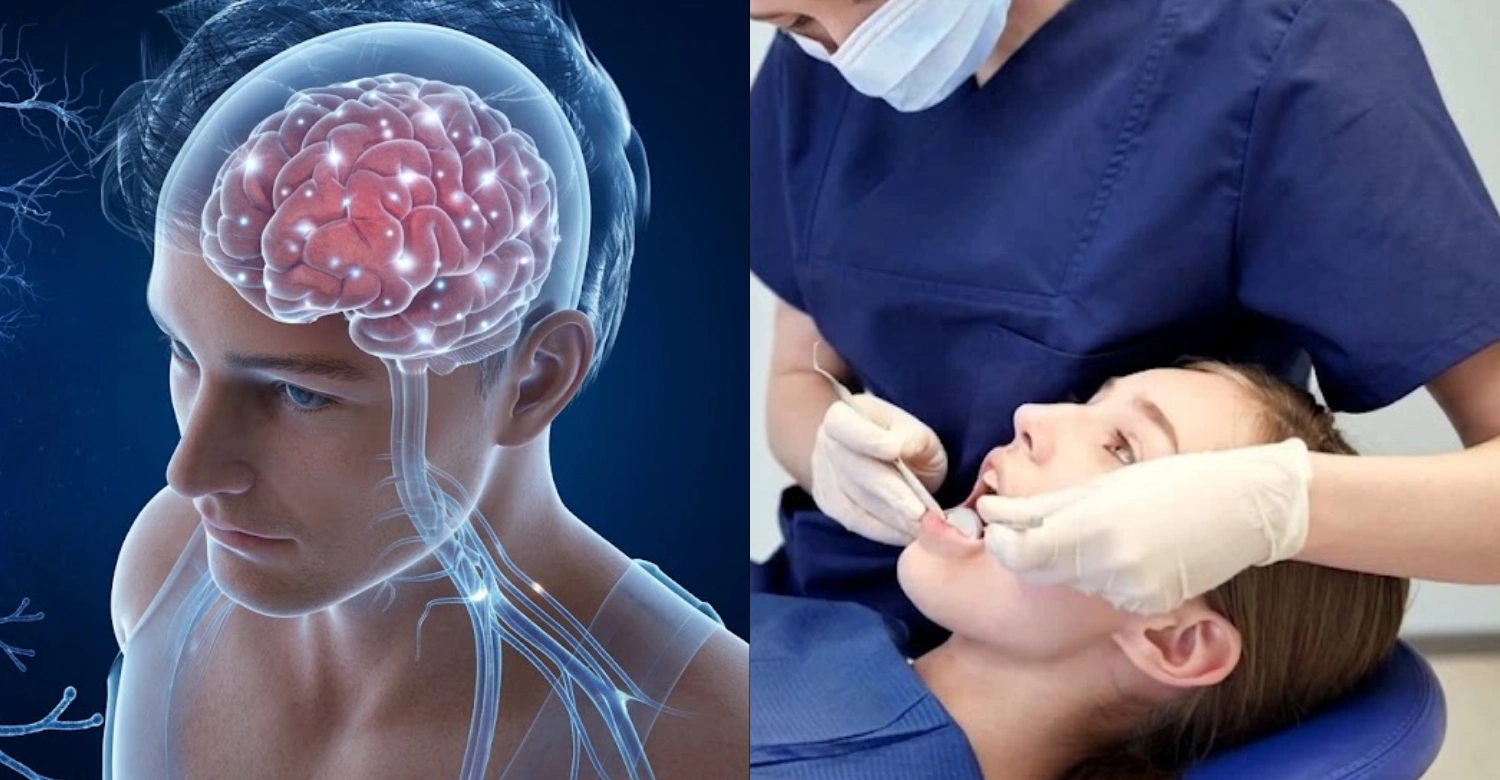
Understanding MS Disease (Multiple Sclerosis)
Understanding multiple sclerosis as a disease helps explain why questions like can MS cause tooth decay come up so often among patients. MS is a chronic neurological condition, not a dental one, so its direct effects center on the brain, spinal cord, and nerve communication rather than the teeth or gums. The sections below cover what MS is, what causes it, its common symptoms, how it affects the nervous system, and how those neurological changes can indirectly shape a patient's oral health and daily hygiene habits.
What Is Multiple Sclerosis?
Multiple sclerosis is a chronic neurological condition. The immune system mistakenly attacks the protective covering of nerve fibers in the brain and spinal cord. This damage disrupts communication between the brain and the rest of the body. Symptoms vary widely between patients and can affect movement, sensation, vision, and coordination. Understanding what MS is helps explain why patients keep asking Can multiple sclerosis cause tooth decay. The disease's effects on the body naturally extend into daily habits like oral hygiene.
What Causes Multiple Sclerosis?
The exact cause of multiple sclerosis is not fully understood, though this uncertainty doesn't change the answer to can MS cause tooth decay directly. Researchers believe it results from a mix of genetic susceptibility and environmental triggers. These may include viral infections, vitamin D levels, and geographic factors. The immune system plays a central role, mistakenly targeting the myelin sheath that protects nerve fibers. This is why MS is classified as an autoimmune neurological disease rather than an infectious or purely genetic one. There is no single identified cause, and ongoing research continues to explore what makes some individuals more susceptible than others.
Common Symptoms of Multiple Sclerosis
Symptoms of multiple sclerosis vary from person to person and can change over time, which is part of why Can multiple sclerosis cause tooth decay has no single answer. Common symptoms include fatigue, muscle weakness, and numbness or tingling. Balance problems, vision changes, and difficulty with fine motor tasks are also frequent. Some patients experience muscle spasms, tremors, or swallowing difficulties. Cognitive changes and mood shifts can also occur. These symptoms affect the hands, mouth, and energy levels. They often influence a patient's ability to keep up routines like brushing, flossing, and attending dental appointments.
How Does Multiple Sclerosis Affect the Nervous System?
Multiple sclerosis damages the myelin sheath, the protective coating around nerve fibers in the central nervous system. When this covering is damaged, nerve signals slow down or become disrupted entirely. This can affect movement, sensation, coordination, and even automatic functions like swallowing. Depending on which nerves are affected, patients may notice changes in facial sensation, tongue control, or hand dexterity. These nervous system changes are the underlying reason MS can indirectly influence oral health and daily hygiene habits.
Can Multiple Sclerosis Affect Oral Health?
Yes, multiple sclerosis can affect oral health, though usually indirectly. Neurological symptoms, medication side effects, and difficulty performing daily tasks can all influence the mouth. Patients may notice dry mouth, altered tongue sensation, or difficulty controlling the muscles used for chewing and swallowing. These changes do not mean MS directly causes dental disease. But they do create conditions where oral health complications of multiple sclerosis become more likely without extra preventive dental care.
Neurological Symptoms That May Affect Dental Care
Several neurological symptoms can make dental care more challenging. Reduced hand coordination can affect brushing and flossing technique. Facial numbness or tingling may make it harder to notice food debris or early sensitivity. Muscle weakness can affect grip on a toothbrush. Fatigue can shorten the time or energy available for hygiene routines. Swallowing difficulties may require adjustments during dental treatment. Recognizing these symptoms helps patients and dental teams adapt care appropriately. Standard hygiene routines are not always easy to maintain with MS.
MS-Related Factors That May Increase Oral Health Risks
Several other MS-related factors can also raise oral health risks, reinforcing why can MS cause tooth decay remains a common patient question. Certain medications reduce saliva flow, contributing to dry mouth. Dietary adjustments made to manage energy or digestion can increase sugar exposure. Reduced mobility can make attending regular dental visits harder. Fatigue can lead to skipped or rushed hygiene routines. Together, these factors explain why MS oral health problems tend to develop gradually. They build through accumulated small challenges, not one single mechanism.
Why Is Dental Care Important for People With MS?
Regular dental care is especially important for people with MS. Early problems are easier to prevent than to treat later, which matters most when answering can MS cause tooth decay for a specific patient. Consistent checkups allow the dental team to catch early cavities, gum inflammation, or dry mouth before they become bigger issues. Preventive care also reduces the chances of needing more invasive treatment down the line. Invasive treatment can be harder to manage alongside fatigue or mobility limitations. Prioritizing dental visits supports long-term comfort, function, and overall wellbeing for patients living with MS.
How Does Multiple Sclerosis Affect Oral Health?
Multiple sclerosis and dental health are connected through a range of indirect pathways rather than a single direct effect, which is the clearest way to answer Can multiple sclerosis cause tooth decay. Neurological symptoms, medication side effects, and daily self-care challenges can all influence how well a patient maintains oral hygiene. Over time, these MS oral health problems can accumulate, making patients more vulnerable to cavities, gum disease, and other complications. Recognizing this broader relationship helps patients and dental teams build more effective, personalized prevention strategies together.
Common MS Oral Health Problems
Patients with MS may experience a range of oral health problems, all relevant to the broader can MS cause tooth decay conversation. These can include dry mouth, increased cavity risk, plaque accumulation, gingivitis, and gum disease. Some patients notice difficulty brushing and flossing due to hand weakness. Tongue or facial sensory changes can also occur, along with difficulty swallowing and jaw or facial muscle difficulties. Patients with reduced immune resilience may be more susceptible to oral infections. Recognizing these patterns early allows for more targeted, preventive dental care.
Oral Health Complications of Multiple Sclerosis
Oral health complications of multiple sclerosis can become harder to manage, which is another reason can MS cause tooth decay questions come up so often. Neurological symptoms often interfere with routine dental care. A patient struggling with hand coordination may unintentionally miss areas while brushing, allowing plaque to build up unnoticed. Fatigue can lead to shorter or less thorough hygiene sessions. Dry mouth can accelerate decay in ways that are not always immediately visible. Without consistent professional monitoring, these small gaps can compound over months, turning manageable issues into more significant dental problems.
Tips for Patients
Brush twice daily with fluoride toothpaste.
Clean between the teeth every day.
Consider an electric toothbrush if manual brushing is difficult.
Use adaptive handles or other aids when hand coordination is limited.
Replace toothbrushes regularly.
Ask the dental team about fluoride products if cavity risk is elevated.
For Managing Dry Mouth
Drink water regularly.
Avoid frequent sugary drinks.
Consider sugar-free chewing gum if appropriate and tolerated.
Avoid excessive caffeine if it worsens dryness.
Ask your dentist about saliva substitutes or other dry-mouth products.
Dental Appointment Tips for Patients With MS
Schedule appointments when energy levels are usually better.
Tell the dental team about fatigue or mobility limitations.
Allow enough time for breaks when necessary.
Bring an updated medication list.
Maintain regular preventive appointments rather than waiting for pain.
Can MS Cause Dry Mouth?
Can MS cause dry mouth? MS itself does not typically produce dry mouth directly. But it is a common experience among patients living with the condition. It is important to distinguish reduced saliva production from simply the sensation of oral dryness. The two are not always the same. Medications used to manage MS symptoms or related conditions frequently contribute to xerostomia. Saliva plays several protective roles: neutralizing acids, lubricating oral tissues, supporting remineralization of enamel, and controlling harmful bacteria. Reduced saliva removes much of this natural defense.
How Can Dry Mouth Lead to Cavities?
Multiple sclerosis dry mouth and cavities are closely linked. Can MS cause dry mouth severe enough to raise decay risk? Often, yes, particularly when MS medications and tooth decay intersect through reduced saliva flow. Without adequate saliva, acids linger longer on tooth surfaces, increasing the risk of root caries and rapid tooth decay. Patients may also notice increased sensitivity, bad breath, difficulty swallowing dry foods, and general oral irritation. Addressing dry mouth proactively is one of the most effective ways to reduce cavity risk in patients with MS.
Can MS Cause Tooth Pain?
Can MS cause tooth pain in the way ordinary decay does? Typically, no. MS does not usually cause the kind of dental pain associated with cavities or infection directly. However, MS can cause neurological facial sensations that may feel similar to dental pain, which can understandably cause confusion. Trigeminal neuralgia, a condition that can occur in people with MS, may produce severe facial pain along nerve pathways. Because of this overlap, dental causes should be ruled out first. Facial pain should not be assumed purely neurological in origin.
Dental Pain vs MS-Related Facial Pain
Distinguishing dental pain from MS-related facial pain often requires input from both a dentist and a physician. Dental pain is typically caused by decay, infection, or a cracked tooth. It is usually triggered by biting or exposure to hot, cold, or sweet foods. It is often visible on examination or X-ray. Neurological pain, by contrast, tends to be nerve-related. It is triggered by touch, chewing, or facial movement, and may follow a facial nerve distribution without an obvious dental cause.
Feature | Possible Dental Pain | Possible Neurological Pain |
Cause | Decay, infection, cracked tooth | Nerve-related |
Trigger | Biting, hot/cold, sweets | Touch, chewing, facial movement |
Location | Usually associated with a tooth | May follow a facial nerve distribution |
Dental findings | Often visible on examination/X-ray | May have no obvious dental cause |
What Are the Oral Manifestations of Multiple Sclerosis?
Oral manifestations of multiple sclerosis vary widely between patients, and not everyone experiences the same symptoms. Some patients notice changes in tongue sensation or control, while others experience dry mouth, facial numbness, or swallowing difficulties. These manifestations are generally linked to how MS affects nerve signaling rather than the teeth or gums directly. Symptoms differ so much from person to person. A personalized dental assessment is essential to understand how MS may be influencing an individual's oral health.
MS Tongue Symptoms
MS tongue symptoms can include altered sensation, tingling, or numbness affecting taste or texture perception. Some patients experience difficulty controlling tongue movement, which can affect speech clarity and swallowing coordination. These changes should not automatically be attributed to MS. Infections, nutritional deficiencies, medications, and other conditions can produce similar symptoms. A proper evaluation helps determine the cause. Tongue symptoms may relate to MS, an unrelated oral issue, or overlapping factors requiring coordinated care.
Does MS Increase the Risk of Gum Disease?
Multiple sclerosis and gum disease are connected, though gum disease is not considered a direct consequence of MS itself, much like can MS cause tooth decay. Plaque accumulation, reduced ability to maintain oral hygiene, and smoking can all influence periodontal health. Diet, dry mouth, and missed dental visits add further risk. Warning signs of gum disease include bleeding gums, swelling, persistent bad breath, gum recession, and loose teeth. Patients noticing any of these signs should schedule a dental evaluation promptly. Early gum disease is far easier to manage than advanced periodontal disease.
Can MS Cause Teeth to Fall Out?
MS and teeth falling out is a concern for some patients. MS itself does not normally cause teeth to fall out. Indirect contributors include untreated periodontal disease, severe decay, infection, trauma, or inadequate oral hygiene built up over time. Loose or missing teeth are never something to manage on your own, and they always require a professional dental assessment. Identifying the underlying cause early gives the dental team the best chance of preserving natural teeth wherever possible. When tooth loss cannot be avoided, options such as dental implants may be considered depending on the patient's individual circumstances.
MS Medications and Tooth Decay: What Is the Connection?
MS medications and tooth decay are connected through indirect effects rather than a direct mechanism, again showing that can MS cause tooth decay only indirectly. Certain medications used to manage MS symptoms can contribute to dry mouth, and reduced saliva increases cavity risk over time. Patients should never stop or change their MS medication without medical advice, even if oral side effects are noticed. Patients are encouraged to tell their dentist about all medications and supplements they take. This lets the dental team plan around medication-related oral risks.
How Dentists Can Reduce Medication-Related Oral Risks
Dentists have several strategies available to reduce medication-related oral risks tied to Can multiple sclerosis cause tooth decay questions. Fluoride toothpaste supports enamel strength, and prescription-strength fluoride may be recommended when clinically appropriate. Saliva-supporting measures can help offset medication-induced dry mouth. Regular preventive examinations allow early detection of developing problems. Professional fluoride treatment may be used when indicated, alongside dietary counselling to reduce unnecessary sugar exposure. More frequent recall appointments are often recommended for higher-risk patients.
Multiple Sclerosis Dental Considerations Before Treatment
Multiple sclerosis dental considerations should be discussed before any dental procedure begins, including any personal concerns about can MS cause tooth decay. Every patient's presentation of MS is different, so treatment planning needs to be individualized rather than following a generic protocol. Sharing detailed information with the dental team in advance allows appointments to be adapted appropriately. This may mean adjusting appointment length, positioning, or communication style. Taking these considerations seriously helps ensure comfort and safety throughout treatment, especially for patients managing fatigue or other MS-related symptoms.
What Should Patients Tell Their Dentist?
Patients should disclose their MS diagnosis and current symptoms before treatment begins, which helps the dental team address can MS cause tooth decay concerns directly. This includes medications, any history of facial pain, muscle spasms or tremors, and swallowing difficulties. Fatigue levels and previous reactions to dental treatment are also worth mentioning. Any other relevant medical conditions should be shared as well. This information allows the dental team to plan thoughtfully. They can anticipate challenges and adjust the pace of treatment to match the patient's comfort level.
Multiple Sclerosis and Dental Local Anesthesia
Multiple sclerosis and dental local anesthesia can generally be used together when clinically appropriate. Treatment planning should always be individualized. The dentist may consider neurological symptoms, anxiety levels, and current medications. Expected treatment duration and overall tolerance also factor into the plan. Local anesthesia should not be assumed to be universally risk-free or automatically contraindicated for MS patients. Open communication between patient and dentist helps determine the safest and most comfortable approach for each individual case.
Multiple Sclerosis Dental Extractions
Multiple sclerosis dental extractions are not automatically prevented by an MS diagnosis. What matters most is a thorough review of medical history, infection control, current medications, and appropriate post-operative planning. Fatigue, swallowing ability, mobility, and appointment timing may all be considered when planning an extraction. For medically complex cases, coordination with the patient's broader medical team helps ensure the procedure is planned safely. Recovery is properly supported afterward.
Clinical Note
MS should not be considered a direct cause of tooth decay. Neurological symptoms, reduced manual dexterity, and fatigue can raise risk. Dry mouth, medication effects, dietary changes, and difficulty maintaining routine care add to it. A dental examination is necessary before attributing any symptom to MS, since dental and neurological causes can overlap. Communication between the dentist and medical team is encouraged when symptoms or treatment complexity require it. Prevention remains one of the most effective ways to reduce avoidable dental complications over time.
How Is Tooth Decay Treated in Patients With MS?
Treatment for tooth decay depends on the severity of the decay itself rather than the MS diagnosis alone. The same general principles of restorative dentistry apply, though appointment planning may be adjusted for comfort and accessibility. Early detection through regular checkups typically leads to simpler, less invasive treatment. Understanding how can MS cause tooth decay to progress if left unaddressed explains why timely treatment matters so much. Long-term oral health and comfort depend on it.
Early Tooth Decay
Early tooth decay is often managed conservatively, which is good news for anyone asking Can multiple sclerosis cause tooth decay that's hard to reverse. Fluoride treatment can help strengthen weakened enamel before a cavity fully forms. Improved oral hygiene at home plays a central role in stopping progression. Dietary modification, such as reducing frequent sugar exposure, supports this process further. In some cases, monitoring and remineralization strategies may be appropriate rather than immediate intervention. This lets the dental team track whether early changes are stabilizing. Modern cavity detection can also support the identification of early changes when clinically indicated.
Cavities Requiring Restoration
Once decay has progressed beyond the earliest stage, restoration becomes necessary. Composite fillings are commonly used to restore the affected area. Other restorative materials may be used depending on the location and extent of decay. The dentist removes the decayed tissue first, then rebuilds the tooth to restore its normal function and appearance. Addressing cavities at this stage helps prevent further progression toward deeper structural damage that would require more extensive treatment later. Depending on the case, minimally invasive laser dentistry may also be considered as part of a broader treatment plan.
Deep Tooth Decay
Deep tooth decay requires a careful assessment of the dental pulp. This determines whether the nerve has been affected. Root canal treatment may be indicated if the pulp is compromised, removing infected tissue while preserving the natural tooth structure. Patients can learn more about endodontic treatment when root canal therapy is required. A crown or other definitive restoration is often placed afterward to protect and strengthen the tooth long term. Addressing deep decay promptly helps avoid the need for extraction and supports better long-term outcomes.
Severely Damaged or Non-Restorable Teeth
When a tooth is too severely damaged or infected to be restored, extraction may become clinically necessary. Following extraction, the dental team will discuss appropriate replacement options based on the patient's individual needs and preferences. Treatment planning at this stage is highly individualized. It accounts for the patient's overall oral health, medical history, and personal goals. The aim is always to restore comfortable function while supporting long-term oral health going forward.
What Are the Benefits of Early Dental Treatment for Patients With MS?
Early dental treatment offers several realistic benefits for patients with MS and directly reduces the risk behind can MS cause tooth decay over the long term. It can prevent small cavities from progressing into extensive decay, reducing the risk of infection down the line. Preserving natural teeth wherever possible supports comfortable chewing and easier oral hygiene overall. Early treatment also helps manage sensitivity and pain before they become more disruptive. Reducing the likelihood of emergency dental treatment is another meaningful benefit. It supports long-term oral health and overall comfort for patients managing MS symptoms.
What Can Patients Expect Before and After Treatment?
Before treatment, patients can expect a dental examination, a review of medical history, and X-rays when clinically indicated. A risk assessment and individualized plan follow, built around their specific needs. Advanced 3D dental X-ray imaging may be used when additional diagnostic detail is clinically necessary. After treatment, the dental team typically provides oral hygiene instructions and fluoride recommendations where appropriate. Follow-up appointments allow monitoring of healing and recovery. Ongoing monitoring of dry mouth and recurrent decay risk continues as part of a broader preventive recall schedule tailored to the patient.
When Should Someone With MS See a Dentist?
Patients with MS should seek dental evaluation for persistent tooth pain, new sensitivity, or bleeding or swollen gums, all worth discussing alongside Can multiple sclerosis cause tooth decay concerns. Dry mouth that persists, loose teeth, and tooth fractures also warrant a visit, as does persistent bad breath. Facial pain without an obvious dental cause should be evaluated as well. It may require input from both dentistry and medicine. Difficulty maintaining oral hygiene and suspected cavities are additional reasons to schedule an appointment. Any new or unexplained neurological symptoms should also be discussed with the patient's medical professional.
How Often Should Patients With MS Have Dental Check-Ups?
There is no single recall interval suitable for every person with MS, since the answer to can MS cause tooth decay depends on individual risk. Appointment frequency should depend on caries risk, gum health, and dry mouth severity. Oral hygiene ability, dental history, and current medications matter too. Patients managing multiple risk factors at once may benefit from more frequent preventive monitoring than the standard twice-yearly schedule. A personalized recall plan, built around each patient's circumstances, offers the most effective way to catch problems early and avoid emergency treatment.
What We Notice Clinically
Dr. Rifat Alsaman, Head of the Medical Team at Vitrin Clinic and a cosmetic dentist, has a clear message. Patients with MS should not assume every dental problem is caused directly by the disease. His clinical perspective focuses on separating neurological symptoms from genuine dental disease. He assesses saliva flow, dry-mouth symptoms, and early enamel changes. He also evaluates gum health, reviews medications, and adapts appointments to each patient's tolerance. This builds an individualized preventive plan rather than waiting for pain.
Vitrin Clinic: Personalized Dental Care for Patients With Complex Needs
At Vitrin Clinic, personalized dental assessment is central to caring for patients with medical conditions like MS, including anyone still asking can MS cause tooth decay for their own situation. Care includes comprehensive dental examinations, individualized treatment planning, and digital diagnostic technology where appropriate. Preventive and restorative dental care are coordinated around each patient's medical history, ensuring treatment remains safe, comfortable, and effective. This patient-focused approach does not treat or cure MS itself, but it does support better oral health outcomes. If you're experiencing tooth decay, dry mouth, or tooth pain, arranging a professional dental consultation is a meaningful first step.
References:
FAQs

Dr. Rifat Alsaman has more than 5 years of clinical experience in dentistry and currently serves as the Head of the Medical Team at Vitrin Clinic. He is dedicated to providing exceptional patient care, overseeing treatment planning, and ensuring the highest clinical standards across the team. His expertise, attention to detail, and commitment to continuous professional development have helped countless patients achieve healthier, more confident smiles.


.webp&w=3840&q=75)

