Dental Crowns
October 11, 2026
What Causes Dental Crown Tooth Pain and How to Relieve It
 Dr. Rifat Alsaman
Dental crown tooth pain is discomfort felt in or around a crowned tooth. Mild sensitivity for a few days after placement is common and usually fades as the tooth settles. Persistent pain, however, often signals a problem. Understanding what causes dental crown tooth pain helps your dentist choose the right treatment and protect the tooth.
Causes of the Condition
The natural tooth under a crown can still develop problems. The causes of crown pain range from temporary sensitivity to decay, infection, cracks, gum inflammation, and poor fit. Finding out exactly what causes dental crown tooth pain is essential, because each cause needs a different solution.
Tooth Sensitivity After Crown Placement
Tooth sensitivity after crown placement is common because preparing the tooth removes enamel and can irritate the pulp. The cement may also cause brief sensitivity. This temporary reaction is the most frequent reason a new crown hurts. It usually improves within a few days to weeks.
High Dental Crown and Bite Misalignment
A crown that sits slightly too high hits the opposing tooth before the other teeth meet. This extra load causes pain when biting down on crown and may inflame the ligament that supports the tooth. When a high bite causes dental crown tooth pain soon after placement, a simple adjustment usually fixes it.
Tooth Decay Under Crown
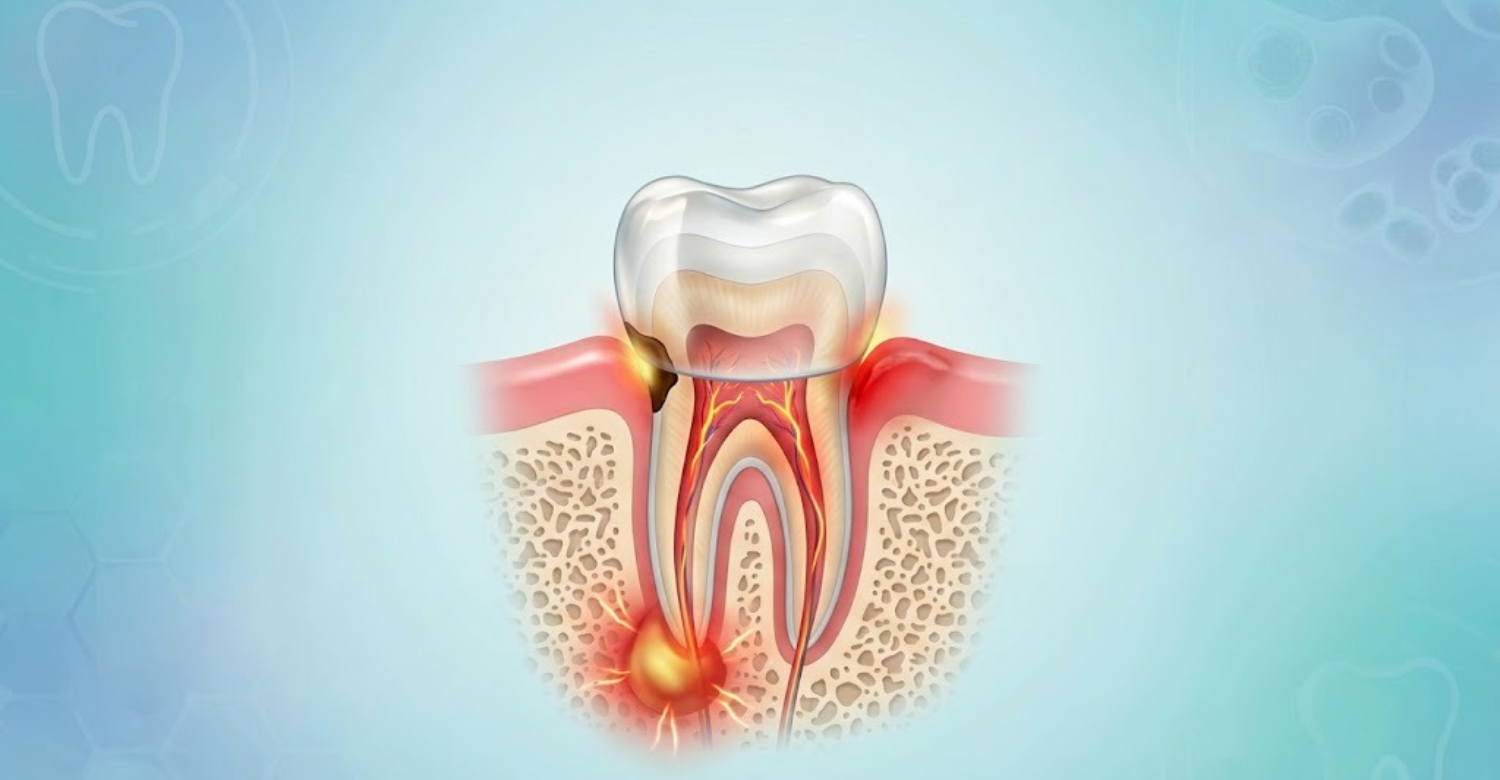
The tooth under a crown is still natural, so bacteria can attack it where the crown meets the tooth. Tooth decay under crown often develops slowly without visible signs. It may cause sensitivity to sweets, temperature, or pressure. Left untreated, it can eventually reach the nerve.
Infection Under Dental Crown
An infection under dental crown can develop when decay, a crack, or leakage lets bacteria reach the pulp. This is more likely if the tooth still has its nerve. Infection pain is often throbbing and constant. Swelling, a pimple on the gum, or a bad taste may also appear.
Dental Pulp Inflammation or Damage
Crown preparation, deep decay, or earlier large fillings can irritate the dental pulp. This tissue contains the tooth's nerves and blood vessels. Mild inflammation may settle on its own. Irreversible damage, however, causes lingering pain with hot or cold and aching that starts without a trigger. Root canal treatment is then usually required.
Cracked Tooth Beneath the Crown
A crown protects the tooth, but the tooth beneath can still crack. Grinding and biting very hard foods are common triggers. Crack pain is often sharp and appears during chewing. Deep cracks may reach the root, which can make the tooth difficult to save.
Gum Inflammation Around the Crown
The gums around a new crown may feel sore from the procedure. Later, plaque buildup, leftover cement, or a rough crown edge can irritate them. Receding gums may also expose part of the root and cause sensitivity. Gentle, thorough cleaning along the crown's edge helps reduce this inflammation.
Loose or Poorly Fitting Dental Crown
A loose or poorly fitting crown leaves gaps where food and bacteria collect. This raises the risk of decay and sensitivity. If the crown moves during chewing, it can also irritate the tooth and gums. When a poor fit causes dental crown tooth pain, the crown needs to be recemented or replaced.
 Note : All images used are for editorial and illustrative purposes only. They may not originate from the original news provider or associated company.
Problems Caused by the Condition
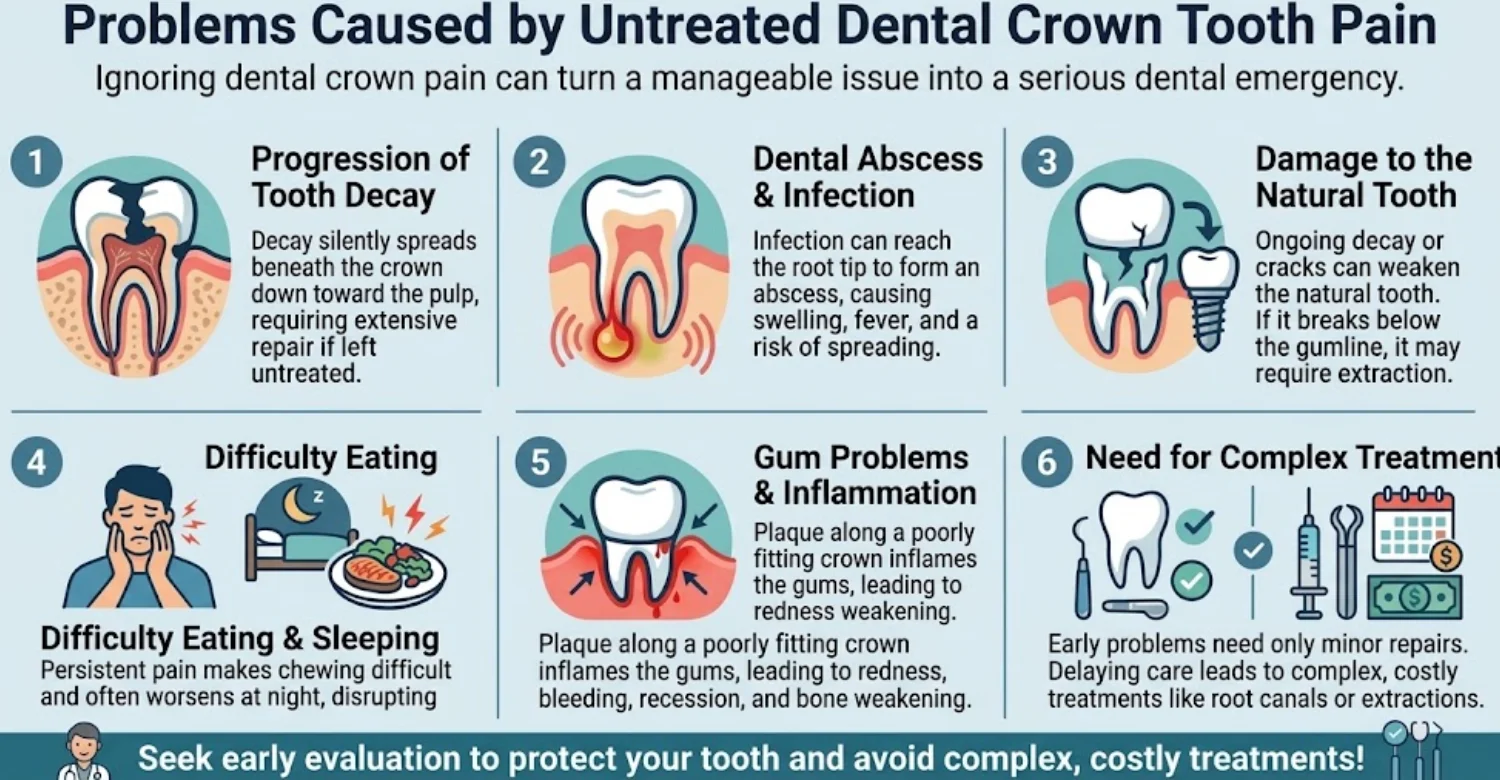
If you ignore whatever causes dental crown tooth pain, a manageable problem can become serious. Untreated decay, infection, or cracks may damage the natural tooth, spread to the surrounding tissues, and make daily life uncomfortable. Early evaluation often means simpler treatment and a better chance of keeping the tooth.
Progression of Tooth Decay
Decay under a crown can spread silently because the crown hides it from view. As the bacteria advance, they destroy more of the tooth and may reach the pulp. By the time pain appears, the crown may need to be removed. The tooth may also need extensive repair or root canal treatment.
Dental Abscess and Infection
When infection reaches the pulp and spreads to the tip of the root, an abscess can form. The pain may come with swelling, pus, fever, and a bad taste. Without treatment, the infection can spread to the jaw and nearby tissues, which can be dangerous.
Damage to the Natural Tooth
Ongoing decay, cracks, or leakage weaken the natural tooth that supports the crown. If too little healthy tooth remains, the crown cannot stay securely in place. In severe cases, the tooth may break below the gumline. It then has to be extracted and replaced with an implant or bridge.
Difficulty Eating and Sleeping
Persistent pain makes chewing uncomfortable, so many patients avoid the painful side or certain foods. Throbbing pain often gets worse at night when lying down. When crown pain lasts for weeks, it can disturb sleep, nutrition, and overall well-being.
Gum Problems and Inflammation
Plaque along the edges of a poorly fitting crown can inflame the gums, causing redness, bleeding, and tenderness. Over time, the inflammation may lead to gum recession or gum disease. These changes expose the root, increase sensitivity, and can weaken the bone that supports the crowned tooth.
Need for More Complex Dental Treatment
Problems caught early may need only a bite adjustment or a minor repair. If you delay care, the underlying problem can progress. It may then require root canal treatment, a new crown, or extraction. More complex treatment usually means more appointments, longer recovery, and higher cost.
Patient's Perspective
Crown pain can feel confusing and frustrating, especially after paying for treatment. Many people expect a crown to end all discomfort. Knowing the likely cause helps patients describe their symptoms clearly. It also helps them recognize warning signs and seek care at the right time.
What Does Dental Crown Tooth Pain Feel Like?
Dental crown tooth pain varies by cause. It may be a brief twinge with cold drinks, sharp pain when chewing, a dull ache, or constant throbbing. Some patients feel tenderness only when pressing on the tooth. Others notice discomfort spreading to the jaw or ear.
Common Symptoms of Tooth Pain Under Crown
Common signs of tooth pain under crown include sensitivity to hot or cold and pain when chewing. Tender gums and a lingering ache are also typical. Swelling, a pimple on the gum, or a bad taste may mean infection. Noting when symptoms appear helps the dentist find the cause in each case.
How Crown Pain Affects Daily Activities
Crown pain can affect eating, drinking, speaking, and concentration. Patients often chew on only one side, avoid cold drinks, or skip certain foods. Ongoing discomfort may also disrupt sleep and work. These limits are a clear sign that the tooth needs a professional evaluation rather than more waiting.
Patient Concerns About Crown Failure
Many patients worry that pain means the crown has failed and must be replaced. This is not always true. Often, the problem can be fixed with a bite adjustment or by treating the tooth beneath. The existing crown can then stay in place.
Doctor's Perspective
To a dentist, crown pain is a symptom, not a diagnosis. The goal is to find out what causes dental crown tooth pain through a careful history, examination, and testing. Treatment is chosen only after the source is confirmed, since adjusting a bite cannot fix infection or decay.
Reviewing the Patient's Dental History
The dentist asks when the crown was placed, when the pain started, and what triggers it. Previous root canal treatment, large fillings, grinding habits, and past infections are important clues. The pattern of pain, whether brief, lingering, or starting on its own, helps narrow down the possible causes.
Examining the Crown and Surrounding Gums
The dentist checks the crown's fit, edges, and stability, looking for gaps, chips, or movement. The surrounding gums are checked for redness, swelling, recession, or a draining spot. Testing the bite with marking paper shows whether a high contact point causes dental crown tooth pain.
Diagnostic Tests for Dental Crown Tooth Pain
Tests may include tapping on the tooth and biting on a special instrument, one part at a time. Cold testing checks the nerve, and the gum pockets are measured. These findings show whether the pain comes from a high bite, an inflamed pulp, a crack, or infection.
When Are Dental X-Rays Necessary?
Dental X-rays are often needed when infection, decay, or bone loss is suspected. They can show decay at the crown's edges and infection around the root tip. They also reveal the condition of any earlier root canal treatment. However, metal and ceramic crowns can hide some areas, so X-ray findings are combined with the examination.
Dental Crown Pain Treatment Options
Dental crown pain treatment depends on the cause. Options include adjusting the bite, desensitizing treatments, treating gum inflammation, recementing a loose crown, or replacing a defective one. Root canal treatment addresses pulp damage or infection, and extraction is a last resort. An accurate diagnosis of what causes dental crown tooth pain guides the choice.
Ready to transform your smile?
Talk to our team and get a personal FREE treatment plan.
When Is It Serious and Requires a Checkup?
Some crown discomfort is mild and temporary, but certain signs need prompt evaluation. Pain that lasts more than a few weeks, gets worse, or comes with swelling suggests a serious cause. An early checkup helps stop infection from spreading and protects the natural tooth beneath.
Persistent or Severe Tooth Pain
Mild sensitivity after a new crown should improve gradually. Pain is not normal if it lasts beyond a few weeks or grows stronger. Pain that wakes you at night or lingers after hot or cold is also a warning. These signs may point to pulp damage, decay, or infection that needs a dental assessment.
Pain When Biting Down on Crown
Pain when biting down on crown often means a high bite, a cracked tooth, or inflammation around the root. A bite adjustment is quick and simple, but cracks and infection need more involved treatment. Have persistent biting pain examined promptly, because what causes dental crown tooth pain in this case may be serious.
Swelling, Pus, or Signs of Infection
Swelling of the gums or face, pus, or a pimple near the tooth can signal infection under dental crown. A bad taste or fever are also warning signs. This type of infection will not go away on its own. Prompt treatment is needed to clear the infection and save the tooth.
Loose, Broken, or Displaced Crown
A crown that feels loose, cracks, chips, or falls off leaves the tooth beneath exposed to bacteria and damage. Do not try to cement it back yourself. Keep the crown safe and avoid chewing on that side. Contact your dentist as soon as possible for repair or replacement.
When Dental Crown Pain Becomes a Medical Emergency
Crown pain becomes an emergency when it comes with facial swelling, fever, difficulty swallowing or breathing, or a spreading infection. These signs need same-day dental care or a visit to an emergency department. With these symptoms, delaying treatment can be dangerous.
When the Patient Should Rest
Rest helps the tooth and surrounding tissues recover, especially after new treatment or during a flare-up. Reducing pressure on the tooth limits irritation while it heals. Rest does not fix what causes dental crown tooth pain. However, it eases discomfort until the dentist can evaluate and treat the tooth.
After a New Dental Crown Placement
For the first few days after a new crown, the tooth and gums need time to settle. Avoid hard, sticky, very hot, and very cold foods, and chew gently. Mild pain after dental crown placement is common during this period and usually eases gradually.
When Chewing Increases Tooth Pain
If chewing makes the pain worse, rest the tooth by eating soft foods and chewing on the other side. Pain with pressure suggests a high bite, a crack, or inflammation around the root. Resting reduces irritation, but the underlying cause still needs to be evaluated.
When Pain Interferes With Sleep
Pain that disturbs sleep often signals pulp inflammation or infection. Keeping your head slightly raised may reduce throbbing, and recommended pain relievers can help in the short term. However, pain at night is a warning sign, so book a dental appointment rather than relying on rest alone.
Rest and Recovery After Dental Crown Treatment
After root canal therapy or crown adjustment or replacement, the tooth may feel tender for a few days. Follow your dentist's instructions, eat soft foods, and avoid heavy chewing. Once the underlying issue is treated, the discomfort usually improves steadily.
Rest Tips
Simple self-care can ease discomfort and protect the crowned tooth while you wait for treatment. These tips reduce pressure, sensitivity, and irritation, and show how to relieve dental crown pain safely. They support recovery, but they cannot correct whatever causes dental crown tooth pain without professional care.
Eat Soft Foods and Avoid Hard Chewing
Choose soft foods such as yogurt, eggs, soups, mashed vegetables, and pasta. Avoid nuts, ice, hard candy, sticky sweets, and tough meats, which can stress the tooth or loosen the crown. Cutting food into small pieces further reduces the chewing pressure on the painful tooth.
Avoid Very Hot or Cold Foods
Extreme temperatures can trigger sharp pain in a sensitive tooth. Let hot drinks cool, and avoid ice-cold foods for several days. A desensitizing toothpaste may help reduce tooth sensitivity after crown placement. Use it twice a day for a few weeks.
Maintain Gentle Oral Hygiene
Brush twice a day with a soft-bristled toothbrush and floss carefully around the crown. Slide the floss out sideways rather than snapping it up. Rinsing with warm salt water can soothe sore gums. Good hygiene prevents plaque buildup, a common factor that causes dental crown tooth pain.
Use a Cold Compress When Appropriate
Hold a cold compress on your cheek for about fifteen minutes at a time. This can reduce swelling and dull the pain. Wrap the ice in a cloth rather than putting it directly on your skin. Do not put ice on the tooth itself, because cold may make the sensitivity worse.
Consider Safe Pain Relief Options
Over-the-counter pain relievers such as ibuprofen or acetaminophen can reduce discomfort when taken as directed on the package. Check with a doctor or pharmacist first if you have health conditions or take other medications. Never place aspirin directly on the gums, because it can burn the tissue.
Avoid Chewing on the Affected Side
Chewing on the other side reduces pressure on the painful tooth and gives irritated tissues time to settle. This is especially helpful when pain occurs during biting. Continue until your dentist confirms the tooth is stable and the bite is correct.
Schedule a Dental Examination
Home care offers only temporary relief. Schedule a dental examination if the pain lasts more than a few weeks, gets worse, or comes with swelling. A professional evaluation finds what causes dental crown tooth pain. It ensures you get the right treatment before the natural tooth is damaged further.
How Can Vitrin Clinic Help With Dental Crown Tooth Pain?
Vitrin Clinic provides careful evaluation and individual care for patients with crown discomfort. The clinic focuses on accurately finding what causes dental crown tooth pain, then recommending the most conservative treatment that works. The aim is to relieve pain, protect the natural tooth, and restore comfortable, confident chewing.
.webp)
.webp)
.webp)
.jpg)
Dental Crown Evaluation and Diagnosis
At Vitrin Clinic, the assessment includes a review of dental history and an exam of the crown and gums. The dentist also checks the bite and uses diagnostic tests and X-rays when needed. This thorough evaluation shows whether the crown, the tooth beneath it, or the surrounding gums are responsible for the pain.
Identifying the Cause of Pain Under a Crown
Tooth pain under crown may come from decay, infection, a crack, a high bite, or gum problems. Because the symptoms of these causes often overlap, Vitrin Clinic carefully tells them apart. Accurate identification avoids unnecessary treatment and ensures that each patient's care addresses the true source of discomfort.
Personalized Dental Crown Pain Treatment Options
Vitrin Clinic creates individual dental crown pain treatment plans based on clinical findings and each patient's needs. Options may include adjusting the bite, desensitizing treatment, gum care, recementing or replacing the crown, and root canal treatment. Every plan puts preserving the natural tooth and achieving lasting comfort first.
What We Notice Clinically
Dr. Rifat Alsaman is Head of the Medical Team at Vitrin Clinic and a Cosmetic Dentist. Dr. Alsaman emphasizes identifying the underlying cause before recommending any treatment. In practice, the problem may involve the bite, the tooth beneath the crown, or the surrounding gums. Each requires a different approach.
Tips for the Patients
Eat soft foods and chew on the other side until the pain settles.
Use a desensitizing toothpaste if you are sensitive to hot or cold.
Clean carefully around the edge of the crown every day.
Avoid ice, hard candy, and using your teeth as tools.
Wear a night guard if you grind your teeth.
Contact Vitrin Clinic if the pain persists or swelling develops.
Resource:
https://pmc.ncbi.nlm.nih.gov/articles/PMC4590084/
https://pmc.ncbi.nlm.nih.gov/articles/PMC8461491/
https://pmc.ncbi.nlm.nih.gov/articles/PMC6802612/
FAQs
Dr. Rifat Alsaman has more than 5 years of clinical experience in dentistry and currently serves as the Head of the Medical Team at Vitrin Clinic. He is dedicated to providing exceptional patient care, overseeing treatment planning, and ensuring the highest clinical standards across the team. His expertise, attention to detail, and commitment to continuous professional development have helped countless patients achieve healthier, more confident smiles.


