Dental Tourism in Turkey
November 1, 2026
Dental Crowns Turkey: Cost, Types, Best Materials & Complete Treatment Guide
 Dr. Rifat Alsaman

Dental Crowns Turkey is an increasingly researched treatment option for patients seeking restorative and cosmetic dental care. Dental crowns cover damaged teeth, restore chewing function and improve tooth appearance. However, the right crown depends on tooth condition, remaining structure, bite forces and aesthetic requirements.
This guide explains crown materials, treatment stages, costs, possible complications and international patient considerations. It also explains what to check before choosing a clinic in Istanbul.
Key Takeaways
Dental crowns restore teeth affected by extensive decay, fractures, wear or previous treatment.
Zirconia, E-max, porcelain-fused-to-metal and metal crowns have different properties.
No single crown material suits every tooth or patient.
Treatment costs depend on material, crown numbers, laboratory work and additional procedures.
Full-mouth treatment requires careful assessment of tooth structure, gum health and bite function.
A clinical examination is necessary before confirming treatment suitability.
Good oral hygiene and follow-up help maintain crowns over time.
Ready to transform your smile?
Talk to our team and get a personal FREE treatment plan.
What Are Dental Crowns and When Are They Needed?
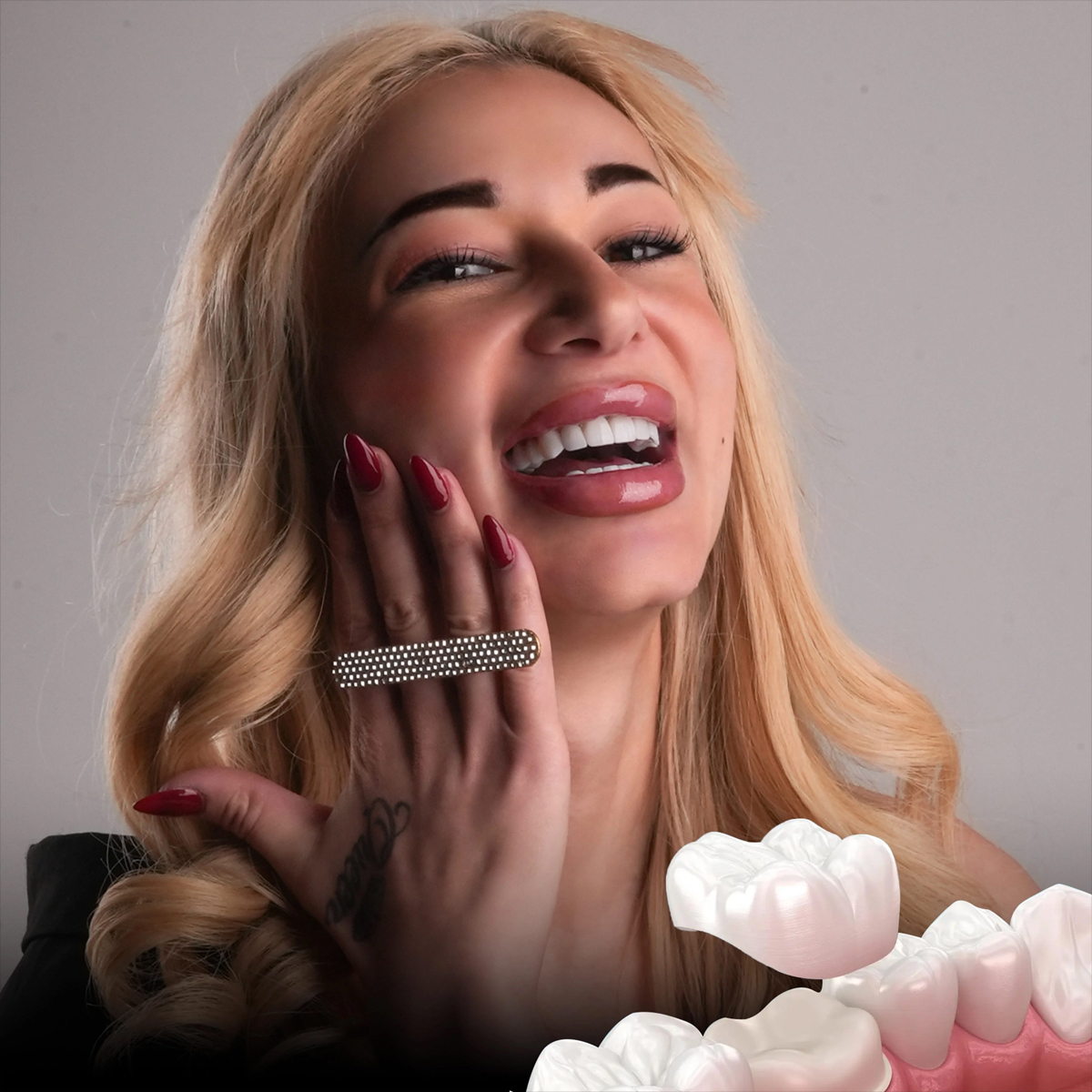
Dental crowns are fixed restorations that cover damaged or weakened teeth. They restore tooth shape, strength and function while protecting the remaining structure.
When Is a Dental Crown Recommended?
A dentist may recommend a crown when a filling or smaller restoration cannot provide sufficient protection.
Common reasons include:
Extensive decay: Restores teeth weakened by significant decay after appropriate treatment.
Cracked or fractured teeth: Protects suitable damaged teeth from further deterioration. Deep fractures may make a tooth unrestorable.
After root canal treatment: Some treated teeth need additional protection, depending on their remaining structure.
Severe tooth wear: Restores damaged surfaces and chewing function after identifying the cause.
Damaged existing crowns: Replacement may be necessary if a crown cracks, loosens or develops recurrent decay.
A crown is not automatically the best option for every damaged tooth. Fillings, inlays and onlays may preserve more natural tooth structure in suitable cases.
Why Choose Dental Crowns Turkey for Treatment?
Dental Crowns Turkey attracts international patients comparing restorative treatment options and prices. Turkey offers private dental services, often at lower published prices than several Western markets.
However, lower prices alone do not establish treatment quality. Diagnosis, material selection, laboratory standards and clinical care all matter.
Why Is Turkey a Popular Destination for Dental Crown Treatment?
Patients may consider Turkey because of its private dental services and international patient coordination. Treatment arrangements can include consultations, imaging and planned appointments.
Convenient scheduling should never replace proper clinical assessment.
What Makes Dental Crowns Istanbul an Option for International Patients?
Istanbul offers private dental facilities and services for international patients. Patients can arrange consultations and treatment appointments before travelling.
The suitability of treatment must still be confirmed through an individual examination.
What Should You Expect from Dental Treatment in Turkey?
Expect an initial examination, treatment discussion and written estimate. The dentist should explain preparation, temporary crowns, laboratory fabrication, fitting and follow-up.
Unexpected clinical findings may require additional procedures or appointments.
Are Dental Crowns in Turkey More Affordable Than Treatment in the US and UK?
Published crown prices are generally lower in Turkey. However, total costs depend on materials, laboratory standards, included services, travel and follow-up.
When comparing Dental Crowns Turkey with treatment abroad, check that quotations cover equivalent procedures and materials.
What Should You Check Before Choosing a Dental Clinic in Turkey?
Before choosing a clinic, consider:
Dentist qualifications: Confirm professional registration and relevant restorative dentistry experience.
Laboratory standards: Request material names, manufacturers and available technical documentation.
Sterilisation: Ask about instrument cleaning and infection-control procedures.
Digital diagnostics: Confirm that examinations and imaging are selected according to clinical needs.
Written estimates: Request itemised prices and clarify possible additional costs.
Aftercare: Ask how adjustments and complications are handled after returning home.
Zirconia vs E-max vs Porcelain: Which Crown Should You Choose?
Crown material | Main characteristic | Common consideration |
Zirconia | Strength and durability | Selected posterior restorations |
E-max | Natural translucency | Suitable aesthetic restorations |
Porcelain-fused-to-metal | Metal framework with ceramic | Established restorative option |
All-ceramic | Metal-free appearance | Depends on ceramic formulation |
Gold or metal | High durability | Less aesthetic for visible teeth |
Dental Crown Cost in Turkey: US vs UK vs Turkey
Dental crown prices vary by country, material and treatment complexity. The following table compares the supplied published median prices for zirconia crowns, converted into US dollars.
Cost comparisons for Dental Crowns Turkey should consider both the crown price and the services included in each quotation.
How Much Does One Dental Crown Cost in Different Countries?
United States
Average Cost: $849
Average zirconia crown cost
Average crown cost: $849 / tooth
US private clinic standard pricing
High-strength restorative crown
Turkey
Average Cost: Approximately $228
Average zirconia crown cost
Average crown cost: ~$228 / tooth
Premium monolithic & layered zirconia
Up to 75% savings vs. US & UK
United Kingdom
Average Cost: Approximately $964
Average zirconia crown cost
Average crown cost: ~$964 / tooth
Private UK clinic standard pricing
High-strength restorative crown
How Much Do Different Types of Dental Crowns Cost in Turkey?
The cost of each crown type depends on its material, manufacturing process and laboratory specifications.
Crown type | Main factors affecting cost |
Zirconia | Zirconia formulation, crown design and laboratory work |
E-max | Lithium disilicate material and fabrication |
Porcelain-fused-to-metal | Metal alloy, porcelain layer and laboratory specifications |
What Is the Average Cost of Full-Mouth Dental Crowns in Turkey?
Full-mouth treatment costs depend on the number of crowns required, the selected material and the patient's clinical condition. There is no reliable universal package price.
Number of crowns | Cost calculation |
16 crowns | Confirmed price per crown × 16 |
20 crowns | Confirmed price per crown × 20 |
24 crowns | Confirmed price per crown × 24 |
What Factors Affect Dental Crown Prices in Turkey?
Material and manufacturing: Crown formulation, design and laboratory processes affect the price.
Number of teeth: Treating more teeth generally increases the total cost.
Clinical complexity: Some cases require additional planning or restorative procedures.
Additional treatments: Root canal treatment, gum treatment or extractions may increase the overall fee.
Digital scanning and temporary crowns: Confirm whether these services are included in the quotation.
What Is Included in a Dental Crown Treatment Package?
Packages may include consultation, tooth preparation, temporary crowns, laboratory fabrication and final fitting. Diagnostic imaging and additional procedures may be charged separately.
Request a written breakdown confirming exactly what the package covers.
What Additional Costs Should International Patients Consider?
Dental fees are only part of the total travel budget.
Flights and accommodation: Include travel dates and any additional nights.
Airport transfers: Confirm whether transportation is included.
Additional dental procedures: Root canal treatment or extractions may involve separate fees.
Gum treatment: Existing gum conditions may need attention before crown placement.
Follow-up and aftercare: Clarify the arrangements for adjustments and reviews.
How Can You Compare Dental Crown Quotes Between Turkey, the UK and the US?
Compare quotations using the same crown material, number of restorations and treatment requirements. Check whether imaging, temporary crowns, additional procedures and follow-up appointments are included.
A lower initial price may not represent the lower overall treatment cost.
Full Mouth Dental Crowns: Suitability and Treatment
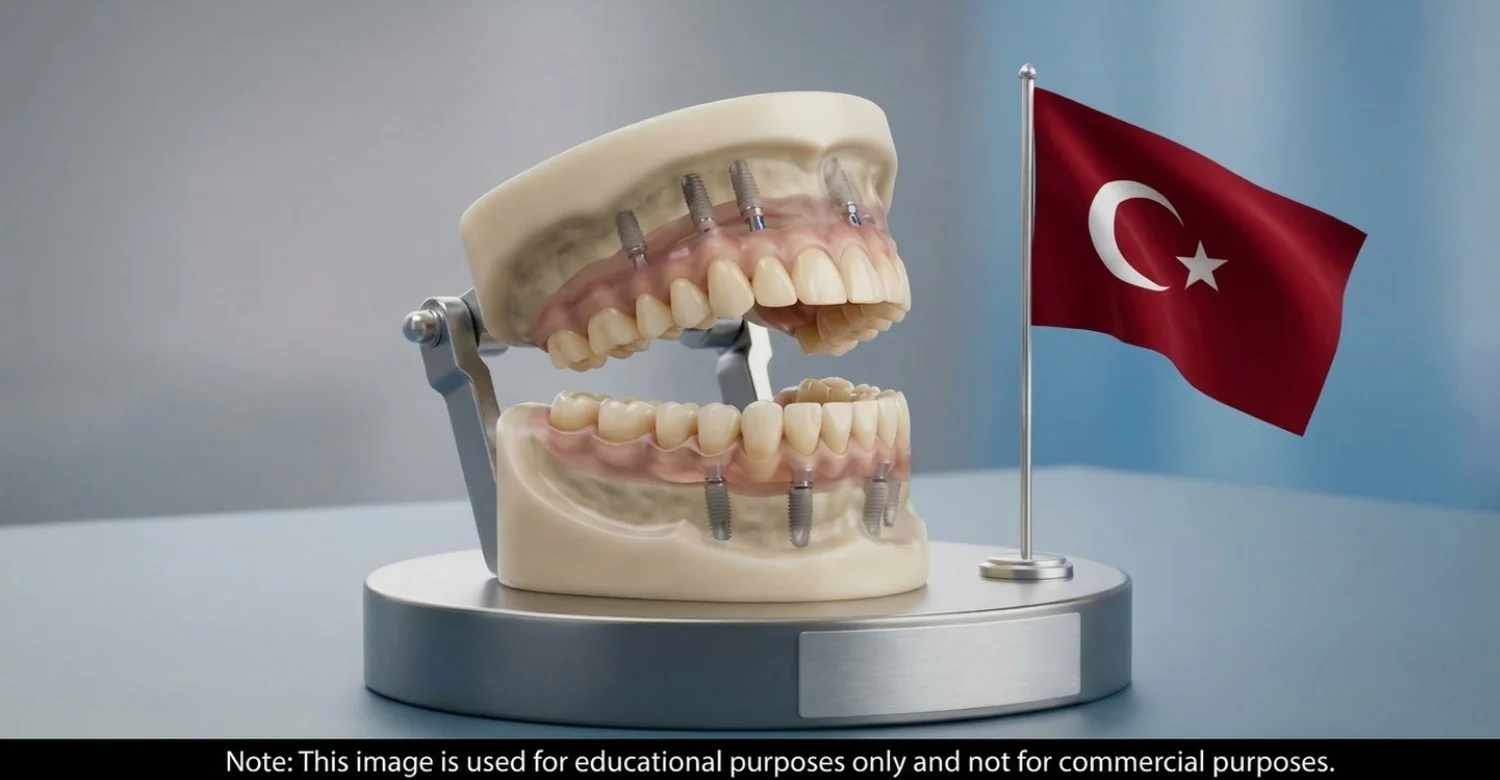
Full-mouth crown treatment restores multiple teeth across one or both arches. Planning must consider tooth structure, gum health and bite function.
It is not automatically necessary for cosmetic smile makeovers. Healthy teeth should not receive crowns without a clear clinical reason.
The number of crowns depends on which teeth need restoration. Some patients need several crowns, while others may require a broader rehabilitation plan.
Veneers, fillings, inlays or onlays may be more appropriate when teeth retain sufficient healthy structure.
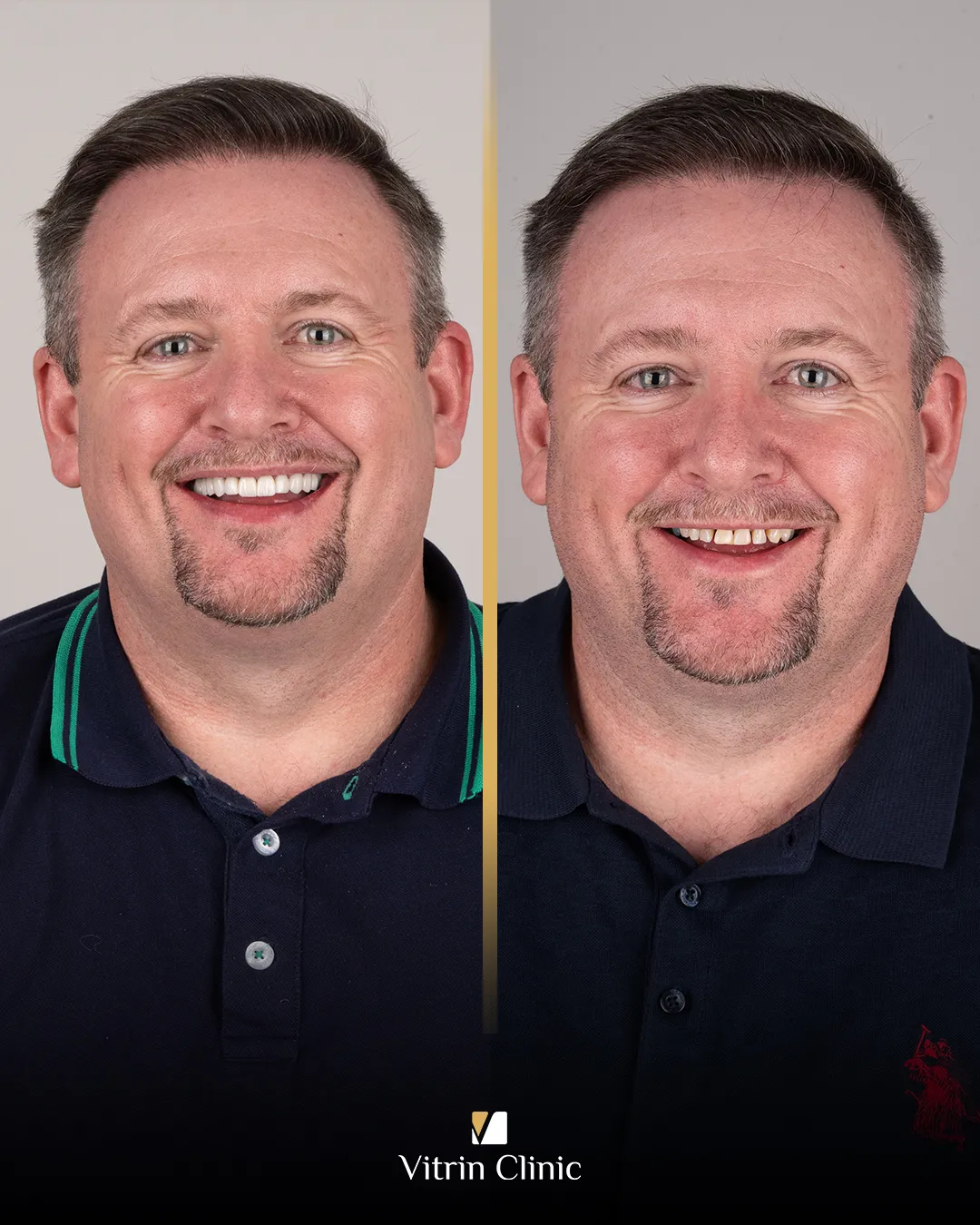
Dental Crowns Before and After Turkey: What Results Can Patients Expect?
Results depend on the original tooth condition, material, restoration design and clinical execution. Patients considering Dental Crowns Turkey should understand that individual results can differ.
What Changes Can Dental Crowns Make?
Crowns can restore damaged tooth shape, visible defects, selected colour concerns and chewing surfaces. They may also help rebuild worn teeth when clinically appropriate.
What Influences the Final Appearance of Dental Crowns?
Several factors affect the final result:
Tooth colour: Shade selection should complement neighbouring teeth.
Crown shape: Proportions should suit the patient's smile.
Gum contours: Gum health and symmetry affect appearance.
Bite alignment: Tooth position and contacts influence function and aesthetics.
Material: Translucency and surface characteristics influence appearance.
How Can Patients Evaluate Before-and-After Photos?
Look for comparable angles, lighting and natural proportions. Assess gum appearance and whether the cases resemble your dental condition.
Confirm that photographs show genuine patients and have appropriate consent.
Who Is Suitable for Dental Crown Treatment?
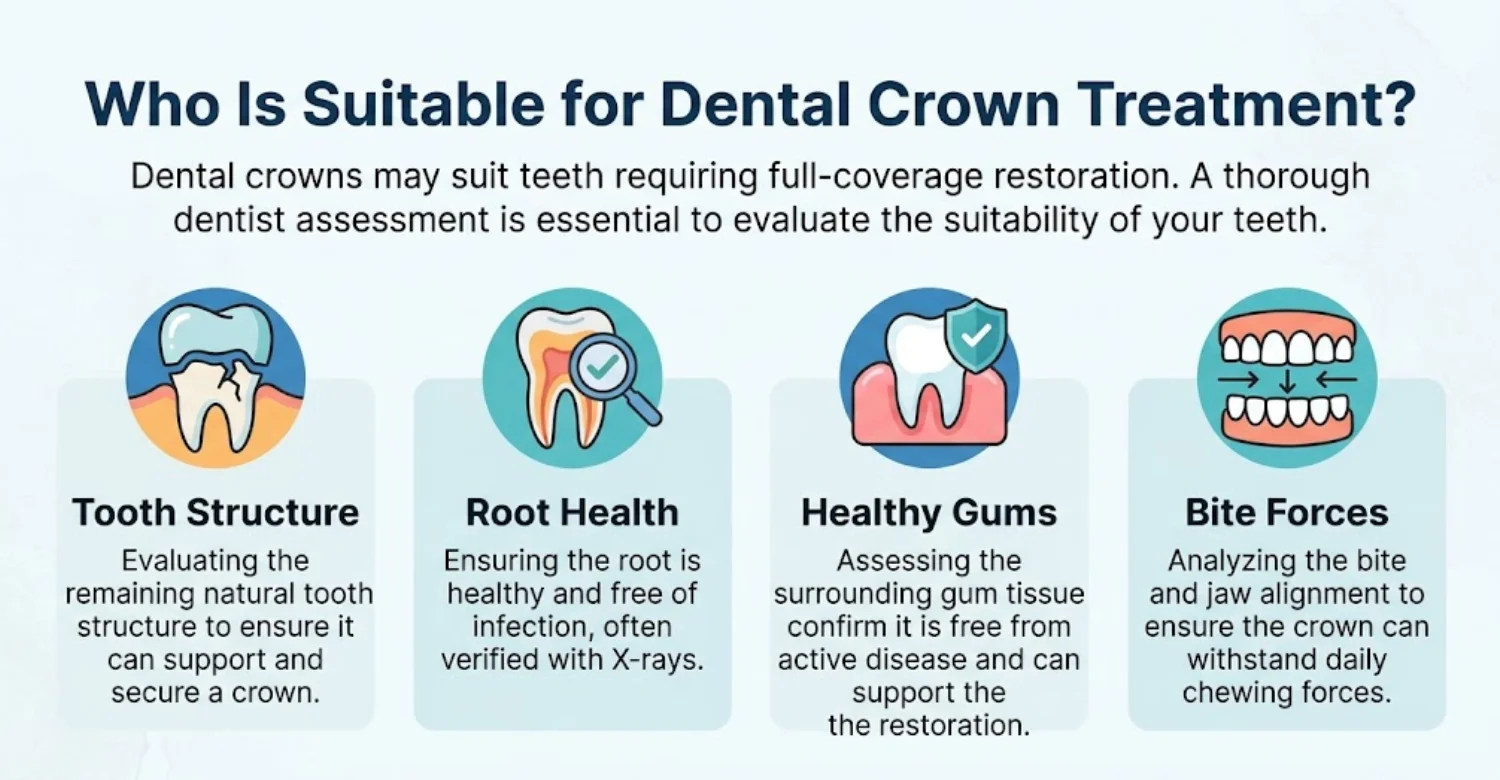
Dental crowns may suit teeth requiring full-coverage restoration. The dentist must assess tooth structure, root health, gums and bite forces.
What Makes a Tooth Suitable for a Crown?
A suitable tooth must have enough healthy structure to support a crown. Root condition and bite forces also influence suitability.
Which Dental Conditions Should Be Treated Before Crown Placement?
Existing problems should be assessed and managed first:
Untreated decay: Remove decay and assess the remaining tooth.
Active gum disease: Control inflammation before final crown placement.
Tooth infection or pulp inflammation: Determine whether root canal treatment is needed.
Cracked teeth: Assess the crack's depth and direction to determine restorability.
Can Patients with Bruxism or Sensitive Teeth Get Dental Crowns?
Selected patients with bruxism can receive crowns after assessment. Grinding increases mechanical stress, so a protective night guard may be recommended.
Tooth sensitivity also needs evaluation to identify its cause before preparation.
When Might a Dental Crown Not Be the Best Treatment?
Crowns may be unsuitable when a tooth has a severe fracture or insufficient support. Fillings, bonding or partial-coverage restorations may preserve more natural tooth structure.
Ready to transform your smile?
Talk to our team and get a personal FREE treatment plan.
How Are Teeth Examined Before Crown Treatment?
A complete assessment confirms whether a crown is necessary and which restoration suits the tooth.
How Do Dentists Assess Tooth Structure and Gum Health?
The dentist examines remaining healthy tooth structure, existing restorations, root condition and supporting tissues. They also check for decay, fractures, gum disease and bite problems.
Which Diagnostic Tests May Be Needed Before Crown Placement?
Tests depend on clinical findings and treatment complexity:
Clinical examination: Checks teeth, gums and surrounding tissues.
Digital dental X-rays: Help identify hidden decay, root changes and bone conditions.
CBCT imaging: Provides three-dimensional detail for selected complex cases. It is not routinely required for every crown.
Digital intraoral scanning: Records tooth surfaces for accurate digital impressions.
Bite assessment: Evaluates how upper and lower teeth contact during movement.
How Do Dentists Decide Between a Crown and Another Restoration?
The decision depends on remaining tooth structure and the extent of damage. Fillings, inlays, onlays or crowns may be considered.
Material selection also depends on tooth position, required strength, appearance and chewing forces.
Can Dentists Confirm the Final Treatment Plan from Photographs Alone?
No. Photographs support preliminary assessment but cannot reveal every internal problem. Final recommendations require an in-person examination and appropriate imaging when needed.
How Is Dental Crown Treatment in Turkey Performed?
Treatment usually involves examination, preparation, impressions, laboratory fabrication and final fitting. The exact sequence depends on the tooth and restoration.
Step 1: Initial Consultation and Dental Assessment
The dentist reviews dental history and examines teeth and gums. Appropriate imaging supports diagnosis when required.
Step 2: Treatment Planning and Crown Material Selection
The dentist discusses suitable materials, preparation requirements and expected costs. The patient should understand available alternatives.
Step 3: Tooth Preparation and Conservative Reshaping
Local anaesthesia is commonly used during preparation. The dentist removes the required amount of tooth structure.
Step 4: Digital Impressions and Shade Selection
Digital scanning or conventional impressions record the prepared tooth. Shade selection considers neighbouring teeth and aesthetic requirements.
Step 5: Temporary Crown Placement When Required
A temporary crown may protect the prepared tooth during laboratory fabrication. Patients should follow instructions to prevent displacement.
Step 6: Dental Laboratory Crown Fabrication
The laboratory manufactures the restoration according to the prescription. Material and design determine the fabrication process.
Step 7: Crown Fitting and Bite Adjustment
The dentist checks fit, contact points, shape and shade. Adjustments address uncomfortable or uneven biting contacts.
Step 8: Final Cementation and Clinical Evaluation
The crown is secured using an appropriate cementing method. The dentist checks its fit and function.
How Many Days Does Dental Crown Treatment Take in Istanbul?
Straightforward treatment may require several days. Additional procedures or laboratory adjustments can extend the schedule.
Can Dental Crowns Be Completed During One Trip to Turkey?
Some cases can be completed during one trip. This depends on diagnosis, laboratory arrangements and whether additional treatment is needed.
Patients should allow sufficient time for fitting and adjustments before booking return flights.
What Happens If a Tooth Needs Root Canal Treatment Before Crown Placement?
A tooth may need root canal treatment if its pulp is infected or irreversibly inflamed. The dentist evaluates the tooth before deciding whether a crown is appropriate.
After endodontic treatment, the remaining tooth structure determines whether additional protection is needed. Not every root-filled tooth automatically requires a crown.
.jpg)
.jpg)
.jpg)
.jpg)
Dental Crown Risks, Side Effects and Recovery
Dental crowns are commonly used, but complications can occur. Risks depend on tooth condition, preparation, crown fit and maintenance.
What Are the Common Side Effects After Crown Placement?
Temporary sensitivity, gum tenderness and mild chewing discomfort may occur after treatment. Sensitivity to hot and cold should improve gradually.
Persistent or worsening symptoms need dental assessment.
What Are the Possible Complications of Dental Crowns?
Complications may affect the crown, underlying tooth or surrounding gums:
Persistent sensitivity or pulp damage: May require further examination or root canal treatment.
Crown loosening or debonding: Can result from cement failure or structural problems.
Cracking or fracture: May occur due to trauma, excessive forces or material limitations.
Decay around crown margins: Bacteria can damage the remaining natural tooth.
Gum inflammation or recession: May relate to plaque, existing gum disease or unsuitable crown margins.
Bite problems: Incorrect contacts can cause chewing discomfort.
Wear on opposing teeth: Poorly adjusted ceramic surfaces may contribute to wear. Proper polishing and bite adjustment help reduce this risk.
What Warning Signs Need Dental Attention?
Contact a dentist if you experience:
Persistent or increasing pain or sensitivity.
Swelling, discharge or signs of infection.
Pain when biting or chewing.
A loose, cracked or dislodged crown.
Ongoing bleeding or gum inflammation.
Avoid chewing on a damaged or loose crown until it has been assessed.
Rapidly spreading facial swelling or fever with dental infection requires urgent assessment. Breathing or swallowing difficulties require immediate emergency medical attention.
How Can Patients Manage Sensitivity, Pain and Gum Irritation?
Follow the dentist's instructions and avoid foods or drinks that trigger discomfort. Discuss suitable pain relief, considering allergies, medical history and other medicines.
Maintain gentle oral hygiene. Persistent pain, sensitivity or gum irritation needs reassessment.
What Foods Should Patients Eat or Avoid After Crown Treatment?
Choose soft, comfortable foods initially. Avoid hard, sticky or chewy foods, especially with temporary crowns.
Follow instructions about eating while anaesthesia wears off or temporary cement sets.
How Should Patients Clean Around New Dental Crowns?
Brush gently twice daily and clean between teeth regularly. Follow any specific instructions for the treated area.
What Should Patients Do If a Temporary Crown Comes Loose?
Contact the treating dentist promptly. Do not use household adhesives or attempt permanent repairs yourself.
How Long Do Dental Crowns Last and How Should They Be Maintained?
Dental crowns can last many years, but longevity depends on material, fit, bite forces and maintenance. No material has a guaranteed lifespan.
What Factors Affect Dental Crown Longevity?
Several factors influence crown durability:
Oral hygiene and gum health: Good plaque control protects the tooth and surrounding gums.
Grinding and bite pressure: Excessive forces increase fracture and wear risks.
Material and manufacturing quality: Material selection and accurate fabrication affect performance.
Crown fit and margins: Accurate margins help reduce food trapping and recurrent decay.
Regular check-ups: Dental reviews help detect problems early.
How Can Patients Make Dental Crowns Last Longer?
Brush twice daily, clean between teeth and attend regular dental examinations. Avoid chewing hard objects or using teeth to open packaging.
A night guard may be recommended for patients who grind their teeth.
Ready to transform your smile?
Talk to our team and get a personal FREE treatment plan.
Dental Crown Replacement: When Is It Needed?
Dental crown replacement may be needed when an existing restoration becomes damaged or unsuitable. Reasons include recurrent decay, fracture, loss of retention or changes affecting the surrounding gums.
A dentist should assess the underlying tooth before deciding whether repair, recementation or replacement is appropriate.
In many cases, the existing crown must be removed before a new one can be fitted. Further treatment depends on the condition of the natural tooth.
Tips for Patients Travelling to Istanbul for Dental Crowns
International patients should prepare their records and confirm treatment arrangements before travelling.
What Should Patients Prepare Before Travelling?
Medical and dental history: Gather relevant records, previous imaging and information about existing restorations.
Appointment dates: Confirm the expected schedule before booking flights.
Treatment questions: Ask why each tooth needs a crown and discuss available alternatives.
Material specifications: Request written material names, manufacturer details and available laboratory documentation.
Itemised estimates: Confirm treatment stages, estimated costs and separately charged procedures.
Treatment time: Allow sufficient time for preparation, laboratory fabrication, fitting and adjustments.
Return arrangements: Confirm that crowns have been fitted and assessed before travelling home.
Why Is Aftercare Planning Important for International Patients?
Patients should understand how to maintain their crowns after returning home. Confirm follow-up arrangements and how to seek advice if pain, sensitivity or other problems develop.
Personalised Dental Crown Treatment at Vitrin Clinic in Istanbul
Vitrin Clinic plans dental crown treatment according to each patient's tooth condition, gum health and bite function.
Patients considering Dental Crowns Turkey can request a preliminary review and discuss suitable restorative options.
How Does Vitrin Clinic Assess Patients Before Dental Crown Treatment?
The team reviews medical history, tooth structure, gums and bite relationships. Photographs and existing X-rays support preliminary assessment.
Final recommendations require an in-person examination and appropriate imaging when needed.
Which Dental Crown Materials Are Considered at Vitrin Clinic?
Material selection depends on clinical needs and aesthetic preferences:
Premium zirconia: Considered for suitable restorations where strength and resistance to chewing forces are important.
E-max ceramic: May suit selected cases requiring natural translucency and aesthetic detail.
Each material has different properties and limitations. The appropriate choice depends on tooth condition, restoration position, bite forces and the desired appearance.
How Does Vitrin Clinic Plan Full Mouth Crowns and Evaluate Smile Appearance?
Planning considers remaining tooth structure, gum health and bite function. The team also evaluates tooth shape, shade, facial proportions and functional contacts.
Digital Smile Design can visualise proposed changes but does not replace clinical examination.
How Are Crown Treatment Options and Costs Explained?
Patients receive treatment recommendations based on clinical findings. Written itemised estimates distinguish planned procedures from possible additional treatment.
How Can International Patients Request a FREE Digital Treatment Plan?
Send photographs and available dental records for preliminary review. The final treatment plan requires an in-person examination and appropriate diagnostics.
How Does Vitrin Clinic Coordinate Treatment and Aftercare?
Appointments consider clinical needs and laboratory requirements. The dentist oversees preparation, temporary restorations and final crown fitting, making adjustments when necessary.
Patients receive instructions on oral hygiene and crown maintenance. Follow-up arrangements should be confirmed before returning home.
Contact Vitrin Clinic with your dental concerns and available records to request a preliminary review and an itemised treatment discussion.
Ready to transform your smile?
Talk to our team and get a personal FREE treatment plan.
Conclusion: Choosing Dental Crowns Turkey
Choosing Dental Crowns Turkey requires careful consideration of clinical suitability, material quality and long-term maintenance. Zirconia and E-max each offer different benefits, so the right option depends on tooth condition, bite forces and aesthetic needs.
Before treatment, compare complete costs, including diagnostics, additional procedures and follow-up arrangements. Prioritise natural tooth preservation, accurate crown fitting and proper bite evaluation over price alone.
At Vitrin Clinic, every treatment plan is based on individual clinical findings. Contact our team to request your FREE Digital Treatment Plan and discuss suitable dental crown options in Istanbul.
References
FAQs
Dr. Rifat Alsaman has more than 5 years of clinical experience in dentistry and currently serves as the Head of the Medical Team at Vitrin Clinic. He is dedicated to providing exceptional patient care, overseeing treatment planning, and ensuring the highest clinical standards across the team. His expertise, attention to detail, and commitment to continuous professional development have helped countless patients achieve healthier, more confident smiles.


