General Dentistry
August 30, 2026
Does Malaria Affect the Tongue? Understanding Oral and Tongue Symptoms
 Dr. Rifat Alsaman
Does malaria affect the tongue? This is a common question among patients who notice mouth changes during a fever-related illness. Malaria is a parasitic infection spread through mosquito bites. It affects the blood, the liver, and the body's overall energy levels rather than any single organ in the mouth. It does not typically target the tongue directly. Still, some patients report tongue or mouth changes while unwell, and this is why the question Does malaria cause tongue problems keeps coming up in patient consultations. These changes often relate to dehydration, fever, medication, poor oral hygiene, or an unrelated oral condition rather than malaria itself. Tongue changes from malaria are usually indirect, temporary, and tied to how the whole body reacts to infection.
Persistent symptoms deserve medical assessment rather than assumptions. This article is intended for patient education and does not replace a professional diagnosis. The short answer to Does malaria cause tongue problems is: not usually, and not directly.
Does malaria affect the tongue?
Does malaria affect the tongue directly, or only indirectly through general illness? Current understanding suggests it does not cause a specific, medically recognized tongue abnormality. Malaria mainly affects red blood cells and general health, not oral tissue directly. Some tongue changes noticed during illness relate to systemic effects rather than the infection itself. High fever, dehydration, reduced food intake, and general weakness can all influence how the mouth feels and looks. A dry or unusual-looking tongue during illness should not be treated as proof that malaria is present. If tongue symptoms persist, seeking a medical or dental assessment is the appropriate next step, since Does malaria cause tongue problems is a question best answered through proper testing rather than appearance alone. A dry tongue during fever is common. It rarely means malaria alone caused it.
Malaria and tongue problems: What patients may notice
Patients experiencing malaria and tongue problems sometimes notice dryness, a coated appearance, or a change in taste. These findings often follow reduced fluid intake and fever rather than a direct effect of the parasite. General oral discomfort can also occur when a person is too unwell to maintain normal hydration or hygiene. None of these observations are unique to malaria. Similar tongue changes appear during many feverish illnesses, so a tongue symptom alone cannot confirm or rule out infection. This is exactly why the question of whether malaria affects the tongue continues to come up so often among patients recovering from fever. Most of these changes fade on their own. Recovery, not the tongue, is the real focus.
Does malaria cause tongue pain?
Does malaria cause tongue pain as a direct symptom? There is no strong evidence linking malaria itself to specific tongue pain. Discomfort during illness more often stems from dryness, dehydration, reduced eating, or irritation from fever-related mouth breathing. Some patients also experience unrelated oral conditions that simply coincide with their illness. Tongue pain that continues after recovery, or that feels severe, should not be dismissed as a leftover effect of malaria. A dental or medical professional can help identify the actual underlying cause rather than assuming malaria is responsible for ongoing discomfort in the mouth. Pain that lingers deserves a proper look. It should not be ignored simply because it began during illness.
Can malaria affect your mouth?
Can malaria affect your mouth in a broader sense beyond the tongue itself? Malaria is a systemic illness, meaning its main effects occur throughout the body rather than in one specific area like the mouth. Dehydration and fever from malaria can indirectly make the mouth feel dry or uncomfortable. This is different from malaria directly damaging oral tissue. Oral symptoms alone should never be used to diagnose malaria, and asking does malaria affect the tongue does not replace proper testing. If malaria is suspected, blood testing and medical evaluation remain the only reliable way to confirm the infection. The mouth can react to illness. It cannot confirm malaria on its own.
What Are the Possible Malaria Tongue Symptoms?
There is no single, universally recognized set of malaria tongue symptoms. The term is used loosely by patients describing mouth changes noticed during illness. Some may notice dryness, a coated appearance, discomfort, or altered taste while unwell, prompting them to ask whether malaria affects the tongue in a specific way. These findings overlap heavily with symptoms of dehydration, fever, and reduced oral intake seen in many other conditions. Because the presentation is so nonspecific, tongue changes cannot reliably confirm a malaria diagnosis. A symptom is not a test. Only testing can confirm the infection. Anyone concerned about persistent oral changes should seek a proper clinical evaluation rather than self-diagnosing based on appearance alone. Self-diagnosis rarely helps. It often delays the right care.
Tongue changes from malaria
Tongue changes from malaria, when reported, tend to be temporary and linked to the broader illness rather than a direct parasitic effect. Dehydration reduces saliva production, which can make the tongue look dry or coated. Reduced oral intake during fever can also change how the tongue appears from day to day. These changes typically improve as hydration and appetite return to normal. Persistent changes after recovery are less likely to relate to the original infection and warrant further assessment, since tongue changes from malaria should ease once the underlying illness has resolved. If they don't, the cause is likely something else.
Does malaria cause a sore tongue?
Does malaria cause a sore tongue on its own? This is not a well-documented direct symptom. Soreness reported during malaria more often reflects dryness, irritation, or an unrelated oral condition occurring at the same time as the illness. Fever can also make patients more aware of ordinary mouth sensitivity than usual. Because soreness has many possible causes, it should be investigated properly rather than assumed to be malaria-related by default. A dentist or doctor can determine whether the discomfort has a treatable, separate cause requiring its own attention. This is a more useful step than repeatedly asking does malaria affect the tongue without any testing.
Can malaria cause tongue discoloration?
Can malaria cause tongue discoloration that is specific to the disease itself? Unusual tongue colour is not considered a reliable diagnostic sign of malaria. Discoloration can result from dehydration, coating, diet, medication, or other oral conditions unrelated to the infection entirely. Some medications used during illness may also temporarily affect tongue appearance. Medication lists matter here. A dentist will usually ask about them directly. Because so many factors can change tongue colour, sudden or persistent discoloration should always be assessed professionally rather than attributed automatically to malaria, particularly when patients keep asking does malaria affect the tongue after noticing colour changes. Colour alone rarely tells the full story.
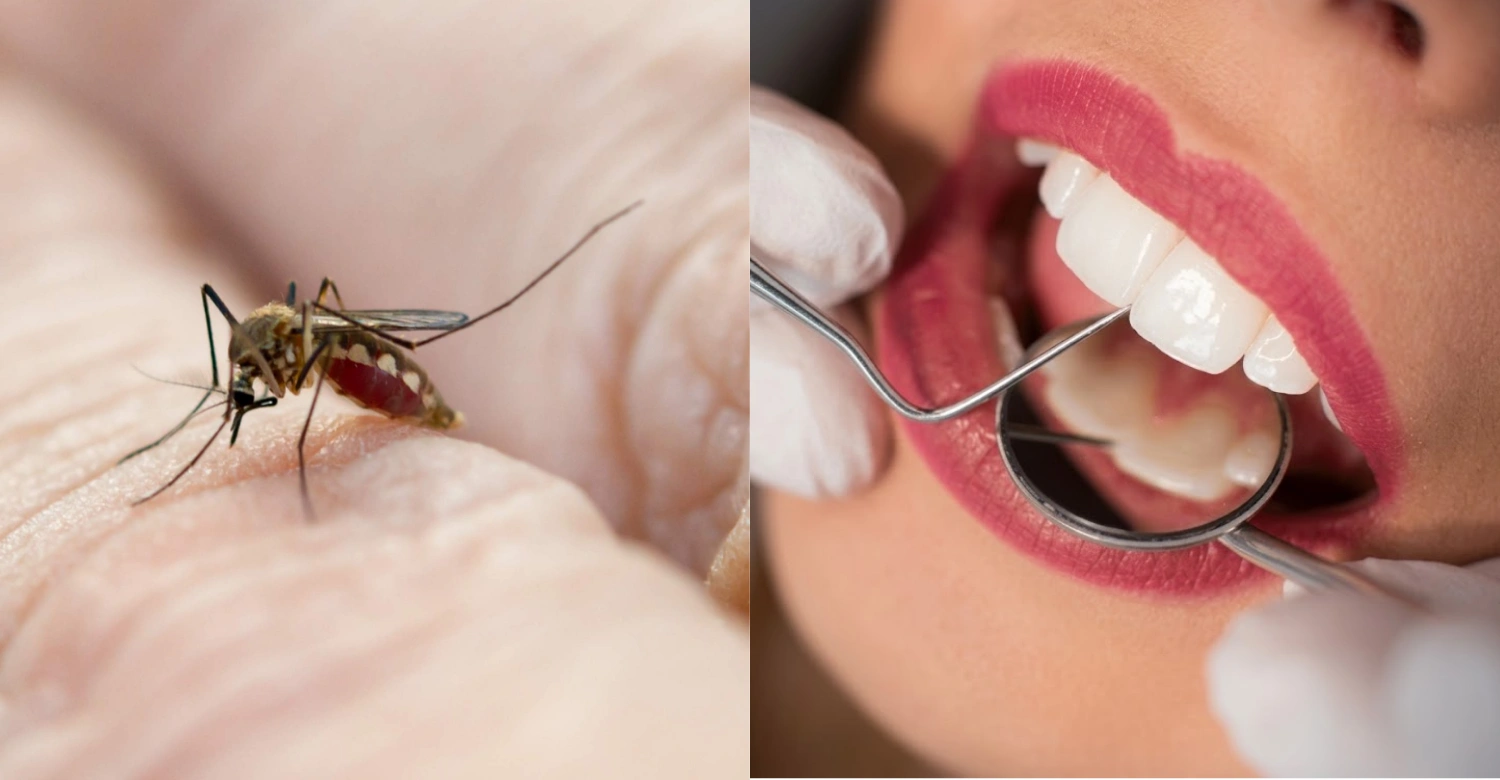
Malaria Symptoms in the Mouth: What Is Known?
Malaria symptoms in the mouth are generally considered secondary effects of systemic illness rather than a direct feature of the disease. Fever and dehydration commonly accompany malaria and can make the mouth feel dry, uncomfortable, or unusually sensitive. These oral complaints are not unique to malaria and appear with many febrile illnesses. It is important to distinguish malaria-related systemic effects from separate dental or oral conditions that may simply be occurring at the same time. The two are easy to confuse. They are not the same thing. A proper evaluation helps separate the two, which is ultimately how the question does malaria affect the tongue gets answered with confidence rather than guesswork. Guesswork helps no one. A clear exam does. Patients deserve a real answer, not a rough estimate.
Oral symptoms of malaria vs. common oral conditions
Oral symptoms of malaria can resemble many everyday oral conditions, which is why a side-by-side comparison is useful for patients trying to understand their own experience. The table below summarizes common findings alongside possible explanations and when advice should be sought from a professional.
Oral Finding | Possible Explanation | When to Seek Advice |
Dry mouth | Dehydration or reduced fluid intake | If persistent |
Tongue discomfort | Illness, dryness, irritation, or another condition | If severe or ongoing |
Tongue discoloration | Multiple possible causes | If unexplained |
Mouth sores | Trauma, infection, medication, or other causes | If persistent |
Altered taste | Illness, medication, or oral causes | If prolonged |
None of these findings, on their own, answer does malaria affect the tongue. They simply describe what illness can do to the mouth in general.
Why oral symptoms should not be used to diagnose malaria
Oral symptoms of malaria are too nonspecific to confirm the disease on their own. Malaria diagnosis requires proper medical testing, typically a blood test, rather than an assessment of tongue appearance alone. Relying on oral changes alone risks missing the actual diagnosis or delaying appropriate treatment for a serious infection. Patients who suspect malaria, particularly after travel to a risk area, should seek medical assessment promptly. Tongue appearance can support a wider clinical picture, but it should never replace laboratory confirmation when the real question is does malaria affect the tongue enough to be diagnostic on its own. Labs answer that question. Eyes alone cannot.
Tips for Patients
Stay adequately hydrated throughout illness and recovery
Maintain regular but gentle brushing
Clean the tongue gently without excessive scraping
Avoid very spicy or acidic foods if the tongue feels irritated
Do not use antibiotics or other medications without professional advice
Follow the treatment prescribed for confirmed malaria
Monitor tongue changes during recovery
Do not attempt to diagnose malaria from oral symptoms alone
Arrange a dental examination if tongue symptoms continue
These habits support recovery generally. They are not a treatment for malaria itself, but they help reduce unrelated tongue discomfort while the body heals.
Malaria and Oral Health: Is There a Connection?
Malaria and oral health connect mainly through the disruption illness causes to daily routines rather than any direct effect on oral tissue. Fever, weakness, and reduced appetite can make brushing, flossing, and hydration harder to maintain during recovery. This temporary neglect can itself contribute to dryness or discomfort in the mouth, even though malaria has not directly affected the tongue. Maintaining basic oral care, even during illness, helps reduce unrelated complications from building up. Vitrin Clinic encourages patients to view oral hygiene as part of overall recovery rather than a separate concern from systemic treatment. Good hygiene supports comfort. It does not, by itself, answer does malaria affect the tongue.
How illness can affect daily oral hygiene
Brushing and flossing may become inconsistent during recovery
Maintaining hydration supports saliva production and comfort
Managing dry mouth reduces irritation and discomfort
Avoiding unnecessary irritation to the tongue during illness
Even short gaps in oral hygiene during a fever can allow discomfort to build up gradually. Small habits matter. A quick rinse or a gentle brushing session can make a real difference during recovery. Restoring a normal routine as soon as possible supports both oral comfort and general recovery from illness, regardless of whether malaria itself has affected the tongue.
When a tongue problem may have another cause
Oral infections unrelated to malaria
Nutritional deficiencies affecting tongue tissue
Medication-related changes in taste or appearance
Trauma or irritation from biting or hot food
Existing dental or oral conditions
Each of these possible causes points away from malaria and toward a separate, treatable issue. Identifying the right one is the job of a proper examination, not a quick look in the mirror.
Clinical Note
A tongue that looks different during an illness does not necessarily indicate malaria. Systemic infections can influence hydration, appetite, oral hygiene, and medication use, all of which affect how the mouth appears and feels day to day. Persistent tongue discoloration, ulcers, swelling, bleeding, or significant pain requires professional assessment regardless of the suspected cause. Medical evaluation takes priority when malaria is suspected, since malaria can become serious without appropriate treatment. Dental assessment remains useful once symptoms appear to originate from the mouth rather than the systemic illness, which is often the clearest way to settle whether malaria affects the tongue in a given case. A short exam can settle what worry cannot.
When Should You See a Dentist or Doctor?
Seek medical attention when malaria is suspected
Fever or chills
Severe weakness
Headache
Other symptoms consistent with malaria
Recent travel or residence in a malaria-risk area
Any combination of these symptoms, especially following travel, warrants prompt medical attention rather than waiting to see how oral symptoms develop. Malaria can worsen quickly without treatment, so early testing and diagnosis matter far more than monitoring tongue appearance at home. Speed matters here. Testing settles does malaria affect the tongue far faster than watching and waiting.
See a dentist for persistent tongue symptoms
Persistent tongue pain
Unexplained discoloration
Ulcers or lesions
Swelling
Bleeding
Symptoms that remain after the illness has resolved
These findings suggest a separate oral condition that deserves dedicated evaluation on its own. A dentist can examine the tissue directly and determine whether further testing or referral is needed for proper treatment. This step matters more than debating does malaria affect the tongue at home.
Can Tongue Problems Be Treated After Malaria?
Treatment for a tongue problem depends entirely on its actual underlying cause rather than a general malaria diagnosis. There is no single dental treatment for a so-called malaria tongue, because no specific condition by that name is medically recognized. This is another reason does malaria affect the tongue has no one-size-fits-all answer. A dentist typically assesses the tongue and surrounding oral tissues to identify what is actually happening beneath the surface. This may involve reviewing hydration, medication use, hygiene habits, and any signs of infection or trauma. Each detail adds context. Together they reveal the real cause. Treatment is then tailored to the specific finding rather than the illness that may have preceded it, which is ultimately the most reliable way to answer Does malaria cause tongue problems in an individual patient. Every case is different. A tailored exam reflects that.
Possible management approaches
Treating dehydration-related oral discomfort
Managing irritation with gentle care
Addressing oral infections when clinically diagnosed
Treating underlying dental conditions
Providing personalized oral hygiene recommendations
Each approach targets the actual finding rather than the illness label attached to it. This is why a dentist's assessment matters more than any assumption about malaria and the tongue.
What to expect from a dental examination
Medical and dental history review
Medication review
Examination of the tongue and oral tissues
Assessment for ulcers, infection, trauma, or other abnormalities
Additional testing or referral when necessary
This process is thorough but usually quick. Most patients leave with a clear answer the same day, rather than lingering uncertainty about does malaria affect the tongue.
Does Malaria Affect the Tongue Before or After Treatment?
Does malaria affect the tongue differently before or after treatment begins? Tongue changes noticed during illness are generally linked to fever and dehydration rather than the specific stage of infection. As malaria is treated and the underlying illness resolves, associated dryness or discomfort typically improves alongside hydration and appetite. Symptoms that persist after recovery are less likely to relate to the original infection at all. Ongoing tongue changes after malaria has cleared may indicate another oral or systemic condition and deserve separate evaluation rather than being attributed automatically to the illness that has already resolved. At this stage, Does malaria cause tongue problems is usually the wrong question to keep asking.
What We Notice Clinically
Dr. Rifat Alsaman, Head of the Medical Team at Vitrin Clinic and a cosmetic dentist, notes that tongue changes should always be evaluated within the context of a patient's overall health rather than in isolation. Malaria should not automatically be assumed as the cause of a tongue complaint. Hydration, medications, fever, oral hygiene, nutrition, and pre-existing oral conditions all play a role in how the tongue appears during any illness. Persistent or unusual tongue changes deserve professional evaluation regardless of recent health history. Dentists can assess the oral cavity thoroughly, while suspected malaria itself requires proper medical diagnosis and management outside the dental setting entirely. In this view, does malaria affect the tongue is less important than what is actually found during examination.
Dr. Rifat Alsaman's Advice for Patients
Do not self-diagnose malaria based on tongue appearance
Maintain hydration during recovery
Continue gentle oral hygiene
Tell your healthcare professional about any medications being taken
Seek professional assessment if tongue changes persist after recovery
How Long Can Tongue Symptoms Last?
The duration of tongue symptoms depends entirely on their underlying cause rather than on malaria itself. Temporary symptoms linked to dehydration or acute fever typically resolve within days as hydration and appetite return to normal. Symptoms that persist well beyond recovery should not simply be attributed to a previous malaria infection. Ongoing dryness, discoloration, or discomfort more likely reflects a separate oral condition requiring its own diagnosis and care. Anyone experiencing tongue symptoms that fail to improve should arrange a professional assessment rather than continuing to wonder whether malaria affects the tongue on a lasting basis. Waiting rarely resolves the uncertainty. An exam does.
Vitrin Clinic's Approach to Oral Health
Vitrin Clinic places importance on professional oral assessment whenever a patient notices unexplained tongue or mouth changes. Rather than relying on assumptions, the dental team evaluates oral symptoms based on direct clinical findings rather than guesswork. Guesswork has no place in patient care. Evidence does. Every consultation is patient-focused, with treatment planning personalized to the individual's history and presentation. The team helps identify whether a tongue complaint appears dental or oral in origin, or whether it may require further medical assessment elsewhere. Dr. Rifat Alsaman, Head of the Medical Team at Vitrin Clinic and a cosmetic dentist, oversees this patient-centred approach to oral evaluation and diagnosis. Patients asking does malaria affect the tongue receive a clear, evidence-based answer rather than an assumption.
Book a Professional Consultation
Persistent tongue or mouth changes should never be ignored, even if they first appeared during an unrelated illness such as a fever. Vitrin Clinic encourages patients with ongoing concerns to book a professional consultation for a personalized oral assessment. Early evaluation helps identify the underlying cause quickly, rather than allowing discomfort to continue unexplained for weeks. A dedicated examination can distinguish between temporary illness-related changes and conditions that require dedicated dental or medical treatment, giving patients clarity and a clear, appropriate path forward. Clarity matters more than guessing whether malaria affected the tongue at all.
Additional relevant reading: mouth ulcers and abscesses, swollen gums and glands, swollen gums vs abscess, tooth enamel erosion, and tooth decay vs cavity.
For patients who need treatment after an oral assessment, Vitrin Clinic also provides Periodontics, Dental Crowns, Dental Implants, and Teeth Whitening.
References:
https://www.suryadentalcare.com/do-you-know-these-oral-manifestations-of-malaria/
https://dimensionsofdentalhygiene.com/article/malaria-and-the-dental-hygienist/
https://onlinelibrary.wiley.com/doi/10.1111/j.1601-0825.2007.01389.x
FAQs
Dr. Rifat Alsaman has more than 5 years of clinical experience in dentistry and currently serves as the Head of the Medical Team at Vitrin Clinic. He is dedicated to providing exceptional patient care, overseeing treatment planning, and ensuring the highest clinical standards across the team. His expertise, attention to detail, and commitment to continuous professional development have helped countless patients achieve healthier, more confident smiles.

.webp&w=3840&q=75)


