General Dentistry
September 29, 2026
Frequent Snacking and Tooth Decay: How Does Eating Often Affect Your Teeth?
 Dr. Rifat Alsaman
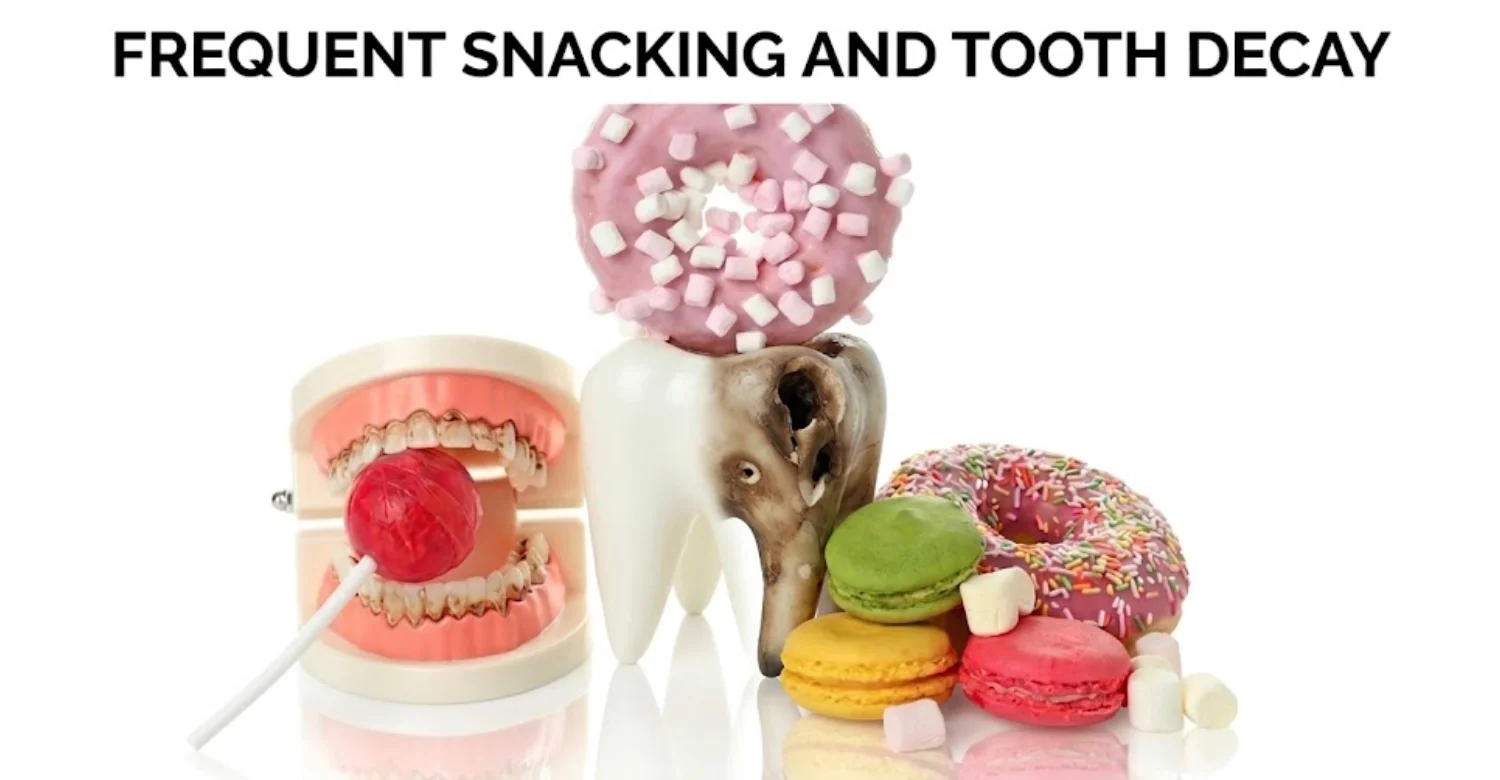
Frequent snacking and tooth decay are closely connected. Each time you eat sugary or starchy foods, mouth bacteria produce acids that weaken enamel. When snacks come one after another, your teeth rarely get a break to recover. This guide explains why frequency matters and which snacks raise your risk. It also shows how Vitrin Clinic helps protect your smile.
What Is the Link Between Frequent Snacking and Tooth Decay?
The link comes down to acid exposure. Plaque bacteria ferment sugars and starches into acid. This acid production lasts roughly 20 to 30 minutes after eating. Every snack restarts the process. The more often you eat, the longer your enamel stays under attack. Over time, this raises the chance of cavities.
How Frequent Eating Affects Tooth Enamel
Enamel is the hardest tissue in the body, but acids can dissolve its minerals. Each eating occasion lowers the pH in your mouth. When this happens repeatedly, enamel loses minerals faster than saliva can restore them. This is why frequent eating is a real concern for long-term oral health.
Why Repeated Acid Attacks Increase Cavity Risk
A single acid attack causes minor mineral loss that can be reversed. Problems begin when attacks repeat throughout the day. Saliva needs time to neutralize acids and return minerals to enamel. Without those breaks, damage builds up. Weak spots can then develop into cavities. This cumulative effect explains the connection between frequent snacking and tooth decay.
What Happens When You Eat Snacks Throughout the Day
Grazing from morning to night keeps your mouth in a near-constant acidic state. Instead of a few acid episodes linked to meals, your teeth face many. Constant snacking and cavities often go together because enamel never fully recovers. Even small portions matter. The risk depends on how often you eat, not just how much.
Snacking Habits
and Cavities
Your daily routine plays a major role in cavity risk. Biscuits at work, sweet drinks while studying, and evening nibbles all add acid exposures. Over weeks and months, these habits can tip the balance toward decay. Recognizing your own patterns is the first step toward change.
Constant Snacking and Cavities
Continuous eating leaves little recovery time for enamel. Saliva works best between meals to neutralize acids and support remineralization. When eating never pauses, that protective process is interrupted. This is why the link between snacking and decay is stronger than many people expect.
Eating Snacks and Tooth Decay
Eating snacks does not automatically lead to tooth decay. The risk depends on what you snack on and how often. A piece of cheese or raw vegetables poses little threat. Sweets and crackers, however, feed acid-producing bacteria. Choosing wisely reduces the impact of frequent snacking and tooth decay on your teeth.
Frequent Eating and Cavities
Every eating occasion, including small bites, can start a new acid cycle. Fermentable carbohydrates linger on and between teeth, fueling bacteria. Spacing meals and snacks apart gives saliva time to neutralize acids. This lowers your overall cavity risk and keeps enamel stronger over time.
Clinical Note
Saliva is your mouth's natural defense. It washes away food particles and buffers acids. It also delivers calcium and phosphate that help rebuild weakened enamel. This remineralization needs time between meals and snacks. When eating is continuous, saliva cannot keep up. This is a key reason frequent snacking and tooth decay are so closely related.
Note - All images are for editorial and illustrative purposes only. They may not originate from the original news provider or associated company.
Find out the link in Peripheral Artery Disease and Periodontitis
Can Unhealthy Snacks Increase the Risk of Tooth Decay?
Yes. Unhealthy snacks are strongly linked to tooth decay, especially when they are high in sugar or refined starch. These foods feed plaque bacteria and prolong acid production. Poor snack choices combined with high frequency raise the risk significantly. People who rely on processed snacks are especially affected.
Sugary Snacks
Causing Cavities
Sugary snacks are one of the most common causes of cavities that dentists see. Sugar is the preferred food of decay-causing bacteria, which rapidly turn it into acid. Sweets eaten between meals add extra acid attacks on top of those from meals. This makes frequent snacking and tooth decay a particular concern with sugary foods.
Why Sticky and Processed Snacks May Be More Harmful
Sticky and processed snacks cling to tooth surfaces. They settle in grooves and between teeth. Because they stay longer, bacteria have extended access to sugars and starches. Chips and crackers can also break down into sticky starches. Their lingering nature makes them more harmful than foods that clear quickly.
Snacks That Cause Cavities
Snacks that cause cavities usually share three features. They are high in sugar or refined starch, sticky, and often eaten slowly. The categories below deserve special attention. Limit them, or eat them with meals rather than between them.
Candy and Sticky Sweets
Toffees, caramels, gummies, and hard candies are among the most harmful snacks. Sticky sweets cling to teeth. Hard candies dissolve slowly, bathing teeth in sugar for long periods. Both extend acid attacks well beyond a typical snack. Eaten often, they are a leading contributor to decay.
Cookies and Sweet Baked Foods
Cookies, cakes, pastries, and sweet breads combine sugar with refined flour. Once chewed, they form a paste that lodges in grooves and between teeth. The starches break down into sugars that bacteria use to produce acid. Enjoying these occasionally with meals is far less risky than snacking on them often.
Sugary Cereals and Snack Bars
Many cereals and snack bars are marketed as healthy. However, they often contain added sugars, syrups, and dried fruit. Their chewy, sticky texture helps them stay on teeth. Eating them several times a day quietly adds repeated acid exposures. It's worth checking labels for added sugars.
Sweetened Drinks and Juice
Soft drinks, energy drinks, sweetened tea, and fruit juices deliver liquid sugar to every tooth surface. Many are also acidic, which adds direct enamel erosion. Sipping slowly over hours is especially damaging because it creates one long acid attack. Water remains the safest choice between meals.
Ready to transform your smile?
Talk to our team and get a personal FREE treatment plan.
Tips for the Patients
To reduce the effects of frequent snacking and tooth decay, try these simple habits:
Choose less sugary snacks, such as cheese, nuts, or vegetables, instead of sweets and processed foods.
Avoid grazing throughout the day, and plan snacks at set times instead.
Drink water after eating to help rinse away food particles and sugars.
Brush regularly with fluoride toothpaste and clean between your teeth daily.
Is Snacking Too Much Bad for Your Teeth?
Yes. Every additional snack means another acid attack and less recovery time for enamel. Over time, repeated demineralization can create cavities. Reducing how often you snack is one of the simplest ways to break this cycle.
Snacking Too Much and Tooth Decay
Problems start when eating occasions outnumber the mouth's ability to recover. Someone eating three meals and six snacks a day faces many acid attacks. Someone eating three meals and one snack faces far fewer. Fewer eating occasions give saliva a better chance to protect and repair enamel.
Does Snack Frequency Matter More Than Portion Size?
Research shows that how often you consume sugar is an important factor in cavity risk. The total amount matters too. Eating a sweet treat in one sitting generally causes less harm than spreading it across the afternoon. This is a central idea behind frequent snacking and tooth decay: frequency matters, not just quantity.
How Long Does Food Stay on the Teeth?
It depends on the food. Liquids and crunchy vegetables clear quickly. Sticky sweets, crackers, and chips can remain in grooves and between teeth much longer. After eating, acid levels usually stay elevated for around 20 to 30 minutes. They stay high for longer if food particles remain on tooth surfaces.
Why Frequent Sugar Exposure Can Be a Problem
Frequent sugar exposure keeps bacteria constantly fed. It also helps acid-loving, decay-causing species thrive in plaque. Over time, the oral environment shifts in favor of decay. This biological shift explains why frequent snacking and tooth decay are connected. It also shows why limiting sugar to mealtimes can be protective.

Note - All images are for editorial and illustrative purposes only. They may not originate from the original news provider or associated company.
Read about Alveolar Ridge Preservation After Tooth Extraction
How Often Should You Eat to Prevent Cavities?
There is no single rule for this. Most dental advice favors regular meals with a limited number of snacks. This gives saliva time to recover in between. Structured eating lowers your cavity risk while still meeting your body's nutritional needs.
A Practical Eating Pattern for Healthy Teeth
A good pattern is three main meals plus a few planned, tooth-friendly snacks if needed. Avoid continuous grazing. Some people may need to eat more often, including children, pregnant women, and people with diabetes. Individual needs should always guide your eating pattern.
Why Giving Your Teeth Breaks Between Meals Matters
Breaks between meals allow saliva to neutralize acids and wash away food debris. They also give enamel time to regain minerals. Without these pauses, demineralization outpaces repair. Even a couple of hours without food or sugary drinks can make a meaningful difference.
Healthy Snacking Between Meals
If you need snacks, choose options that are low in sugar and don't stick to teeth. Good examples include cheese, plain yogurt, nuts, eggs, or crunchy vegetables. Eat them in one sitting rather than nibbling slowly, and drink water afterward. These choices let you snack without significantly increasing your cavity risk.
When Should You Brush After Eating?
Brush twice daily with fluoride toothpaste, especially before bed. After acidic foods or drinks, wait about 30 to 60 minutes before brushing. Softened enamel is more vulnerable to wear during this time. In the meantime, rinse your mouth with water right after eating.
Clinical Note
Our team at Vitrin Clinic stresses that saliva needs time to restore the oral environment between meals. However, meal frequency should respect individual nutritional needs and medical conditions, such as diabetes or pregnancy. Protecting your teeth should never come at the cost of your general health.
What Snacks Are Better for Your Teeth?
Tooth-friendly snacks are low in fermentable sugars and don't stick to teeth. Many also stimulate saliva. Good choices include vegetables, cheese, nuts, and plain yogurt. Choosing these over sweets is an easy way to reduce the risks of frequent snacking and tooth decay.
.jpg)
.jpg)
.jpg)
Tooth-Friendly Snack Choices
Good examples include cheese, plain yogurt, unsalted nuts, boiled eggs, and hummus with vegetable sticks. Fresh fruit is also fine in moderation. These foods provide calcium, phosphate, and protein while causing little acid production. Pairing snacks with water keeps your mouth cleaner between meals.
Crunchy Vegetables and Fresh Foods
Carrots, cucumbers, celery, and bell peppers require chewing, which stimulates saliva flow. Their high water and fiber content helps clean tooth surfaces naturally. Fresh fruits like apples are healthier than sweets but contain natural sugars. It's best to eat them in one sitting rather than slowly throughout the day.
Cheese and Other Lower-Sugar Options
Cheese is particularly tooth-friendly. It is low in sugar and provides calcium and phosphate. It may also help raise the pH in your mouth after eating. Plain yogurt, milk, nuts, and eggs are also good lower-sugar options. Avoid flavored yogurts and sweetened dairy drinks, which often contain added sugar.
Water as a Better Choice Than Sugary Drinks
Water hydrates without feeding bacteria. It also helps rinse away food particles and acids. Where tap water is fluoridated, it adds extra protection for enamel. Replacing juice, soft drinks, and sweetened tea with water is one of the most effective changes you can make.
Tips for the Patients
To enjoy snacks while limiting frequent snacking and tooth decay, keep these points in mind:
Keep sugary snacks occasional, ideally enjoying them with a main meal.
Choose water with snacks instead of juice, soft drinks, or sweetened tea.
Avoid consuming sugary foods slowly over long periods, such as sipping sweet drinks for hours.
Brush twice a day with fluoride toothpaste, including before bed.
See the risks of Purposely Avoiding Dental Checkups and Tooth Loss
What Other Factors Increase the Risk of Tooth Decay?
Snacking is only one piece of the puzzle. Oral hygiene, saliva flow, fluoride use, acidic drinks, and dental visits all influence cavity risk. Understanding these factors alongside frequent snacking and tooth decay gives you a complete picture. It helps you protect your teeth effectively over the long term.
Poor Oral Hygiene
When plaque isn't removed regularly, bacteria build up on teeth and along the gumline. Plaque holds acids against enamel, increasing the damage from every snack. Brushing twice daily with fluoride toothpaste disrupts plaque. Cleaning between your teeth every day also significantly reduces your risk of decay.
Frequent Sugary Drinks
Sugary drinks are one of the biggest contributors to decay. They are often sipped slowly over long periods, and each sip renews the acid attack. Soft drinks, juices, sweetened coffee, and energy drinks all carry this risk. Limiting them to mealtimes or replacing them with water helps protect enamel.
Reduced Saliva Flow
Saliva neutralizes acids and helps repair enamel, so a dry mouth increases decay risk. Certain medications, medical conditions, dehydration, and mouth breathing can reduce saliva flow. People with dry mouth may be more vulnerable to the effects of frequent eating. They should discuss protective measures with their dentist.
Acidic Foods and Drinks
Citrus fruits, vinegar-based foods, carbonated drinks, and sports drinks can soften enamel directly through erosion. This happens even without sugar. Eroded enamel is thinner and more vulnerable to decay. Having acidic items with meals, using a straw, and rinsing with water afterward can reduce their effect.
Not Visiting the Dentist Regularly
Early decay often causes no symptoms. Without regular check-ups, small reversible lesions may progress into cavities. These may then need fillings or more complex treatment. Routine examinations and professional cleanings allow early detection and preventive care. You also get personalized advice before problems become painful or costly.
What Are the Warning Signs of Tooth Decay?
Tooth decay develops gradually, and early signs are easy to miss. Watch for changes in color, sensitivity, or comfort when eating. Noticing these signs early helps you act before damage progresses deeper into the tooth.
White or Chalky Spots on Teeth
White, chalky spots are often the earliest visible sign of demineralization. At this stage, enamel has lost minerals but has not yet formed a cavity. Fluoride, better oral hygiene, and less frequent snacking can help. These early lesions can sometimes be stopped or even remineralized before a filling is needed.
Brown or Dark Areas
As decay progresses, spots may turn light brown, dark brown, or black. These areas often appear in the grooves of back teeth or between teeth. Not every stain is decay. A dental examination is needed to tell the difference and decide whether treatment is required.
Tooth Sensitivity
Sensitivity to sweet, hot, or cold foods can indicate that decay has passed through the enamel. It may have reached the dentin beneath, which contains tiny channels leading toward the nerve. Sensitivity can also have other causes, such as gum recession. Persistent symptoms should always be checked by a dentist.
Pain When Eating
Pain when biting or chewing can point to a deeper cavity, a cracked tooth, or nerve irritation. Lingering or throbbing pain may suggest that decay has reached the pulp. Prompt dental care can often save the tooth. It can also prevent infection from developing or spreading.
Visible Holes or Cavities
A visible hole or pit means decay has broken through the enamel and formed a cavity. Food may also catch in the area. Cavities do not heal on their own. They require professional treatment, typically a filling, to remove the decay and stop further damage.
Clinical Note
Early dental assessment can identify decay while it is still limited to the enamel. At this stage, conservative care is often enough. Once decay reaches the dentin or nerve, treatment becomes more complex. Regular check-ups at Vitrin Clinic help catch problems early, protecting both your teeth and your comfort.
How Can Vitrin Clinic Help Prevent and Treat Tooth Decay?
Vitrin Clinic offers comprehensive preventive and restorative dental care. Our team assesses your diet, oral hygiene, and individual risk factors. We then build a personalized plan for you. Whether you are concerned about frequent snacking and tooth decay or already notice symptoms, we can help.
Dental Examination for Early Signs of Tooth Decay
A thorough examination at Vitrin Clinic checks for white spots, early enamel changes, and hidden decay. Where needed, dental X-rays help detect problems that aren't visible to the eye. Early detection allows simple, conservative treatment. It can sometimes even reverse the earliest stages of decay.
Professional Assessment of Cavity Risk
Every patient's cavity risk is different. Our team evaluates your diet, snacking patterns, oral hygiene, saliva, and fluoride exposure. We also review existing restorations and your medical history. This shows whether frequent eating is contributing to decay in your case. It also identifies the most effective preventive measures for you.
Personalized Preventive Dental Care
Based on your risk level, preventive care may include professional cleanings and fluoride applications. It may also include fissure sealants, dietary guidance, and tailored home-care instructions. The goal is to stop decay before it starts and strengthen enamel. This keeps your teeth healthy despite busy schedules or changing eating habits.
Treatment Options for Existing Cavities
If decay has already formed, Vitrin Clinic provides treatment based on how far it has progressed. Small cavities may need tooth-colored fillings, while larger damage may need inlays or onlays. Root canal treatment is used when decay reaches the nerve. Crowns can restore strength and appearance. Early treatment keeps procedures simpler.
What We Notice Clinically
At Vitrin Clinic, we find that frequent snacking and tooth decay rarely exist in isolation. Oral hygiene, saliva flow, fluoride exposure, diet composition, and individual risk all interact. Two patients with similar snacking habits can have very different outcomes. That is why we assess each person's full picture.
Clinical Note
The medical team at Vitrin Clinic focuses on habits that repeatedly expose teeth to decay. Small, consistent changes often make a significant difference over time. Examples include reducing grazing and improving cleaning between teeth. These steps can help prevent the need for more extensive treatment.
Tips for the Patients
Protecting your teeth is easier with professional support. Our recommendations are:
Schedule regular dental examinations so early changes can be caught and treated simply.
Discuss your snacking habits openly with your dentist to get practical, realistic advice.
Follow an individualized oral-care routine designed around your specific risk factors.
Seek professional care if you notice sensitivity, pain, discoloration, or visible cavities.
Explore Electrolyzed Saline and Airborne Bacteria in Dental Procedures
Resource:
https://pmc.ncbi.nlm.nih.gov/articles/PMC6425816/
https://www.microbiologyresearch.org/content/journal/micro/10.1099/mic.0.26082-0
FAQs
Dr. Rifat Alsaman has more than 5 years of clinical experience in dentistry and currently serves as the Head of the Medical Team at Vitrin Clinic. He is dedicated to providing exceptional patient care, overseeing treatment planning, and ensuring the highest clinical standards across the team. His expertise, attention to detail, and commitment to continuous professional development have helped countless patients achieve healthier, more confident smiles.


.webp&w=3840&q=75)