Dental Care Guide
August 16, 2026
Gum Contouring Recovery: Healing, Aftercare & What to Expect
 Dr. Rifat Alsaman
Gum Contouring Recovery is the process of healing after gum tissue has been reshaped to improve smile balance. It also restores gumline symmetry. It typically involves early tenderness, mild swelling, and light sensitivity that gradually ease over the following days and weeks. Proper aftercare, including gentle hygiene and a soft-food diet, supports steady healing. While every patient's pace differs, understanding what to expect at each stage helps set realistic expectations. This ensures a smoother, more comfortable recovery experience overall.
Introduction to Gum Contouring Recovery
Gum contouring healing is the period right after treatment. The gum tissue begins to heal and settles into its new shape. Most patients feel mild tenderness, some swelling, occasional light bleeding, and sensitivity around the treated gumline in the early days. These sensations are a normal part of the healing process and usually ease gradually. Because every mouth heals differently, Gum contouring healing time can vary from one patient to another. Tissue condition and treatment extent both play a role. This guide explains what to expect, without promising an identical timeline for every case.
Gum Contouring Healing: What Should Patients Expect?
Gum Contouring Recovery generally follows a predictable pattern, though the pace differs by patient. The extent of gum reshaping plays a major role. Minor adjustments tend to heal faster than more extensive contouring involving several teeth. Patients often notice temporary changes in their gumline as swelling reduces and tissue adapts to its new contour. These shifts are expected and typically resolve as healing progresses. A more stable, defined gumline appears over the following weeks.
The First 24 Hours After Gum Contouring
The first day usually brings mild tenderness around the treated area. Minor swelling is common, along with possible light bleeding or oozing that should be manageable. Sensitivity around the gumline is expected during this stage of Gum Contouring Healing. Following professional aftercare instructions closely during these first hours helps protect the tissue and supports a smoother start to healing.
The First Few Days
Discomfort typically begins easing within the first few days, while initial swelling gradually reduces. Patients should protect the treated tissue by avoiding unnecessary contact or pressure on the gumline. Gentle habits matter here. Avoiding irritation from hard foods, aggressive brushing, or touching the area supports steady progress. This reduces the risk of disrupting healing tissue during this stage.
After the First Week
Comfort usually improves noticeably after the first week of Gum Contouring Healing. The gum appearance continues changing as tissue matures and settles into its final contour. This maturation process continues quietly in the background even after visible discomfort fades. Attending follow-up appointments when recommended allows the clinical team to confirm healing is progressing as expected.
Gum Contouring Healing Process: What Happens During Recovery?
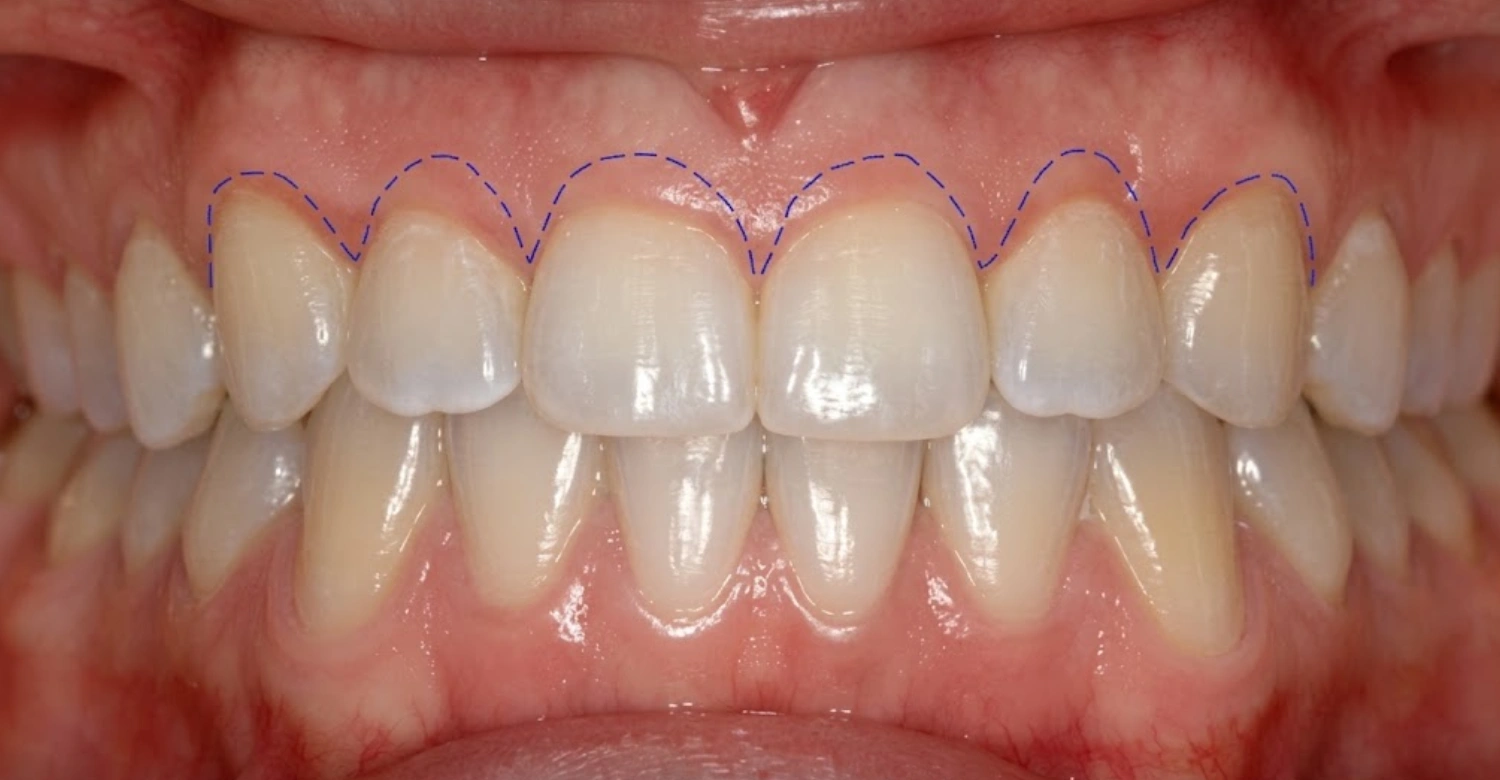
The gum contouring healing process involves the tissue rebuilding itself in stages. It starts with initial inflammation and moves toward tissue regeneration. Initial healing, when surface discomfort fades, is different from complete tissue maturation, which continues beneath the surface for weeks. The gumline may look slightly different during early recovery because tissue is still adjusting. Its final shape only becomes clear once maturation finishes.
Gum Contouring Healing Timeline
The gum contouring healing timeline typically unfolds as follows. In the first 24 hours, tenderness and mild swelling appear. Days 2–3 bring gradual improvement as swelling starts to subside. By days 4–7, discomfort continues easing and the gumline looks more settled. In the following weeks, tissue matures fully and the final contour becomes visible. This timeline is an estimate, not a guarantee, since healing pace varies between patients.
Tips for Patients
Avoid unnecessary contact with the treated area.
Follow the dentist's specific instructions.
Clean gently, using the hygiene method recommended for the specific procedure.
Rely on personalized instructions rather than generic advice found online, since individual healing needs differ.
Attend follow-up visits so the dental team can monitor healing and gumline development.
Gum Contouring Pain After Procedure: Is It Normal?
Gum contouring pain after procedure is usually mild to moderate and manageable with guidance from the dental team. Normal tenderness tends to ease gradually day by day. Pain that intensifies or fails to improve may need professional assessment. Discomfort levels can be influenced by the extent of reshaping and individual sensitivity. How closely aftercare instructions are followed also matters during early Gum Contouring Recovery.
When Should Pain Concern You?
Pain becomes a concern when it increases or feels severe rather than easing over time. Watch for pain that does not gradually improve as expected. Pain accompanied by increasing swelling, persistent bleeding, fever, or other concerning symptoms should prompt a call to the dental team, since some symptoms overlap with broader risks worth understanding. Don't wait to see if it resolves on its own.
Gum Contouring Swelling and Bleeding: What Is Normal?
Gum contouring swelling and bleeding occur because the tissue has been reshaped and is beginning its repair process. Immediately after treatment, patients may notice mild puffiness and slight oozing around the gumline. As Gum Contouring Healing progresses, both symptoms should steadily lessen rather than worsen. Improvement is typically noticeable within the first several days after the procedure.
When Should You Contact Your Dentist?
Contact your dentist if bleeding becomes persistent or heavy, or if swelling increases instead of subsiding. Severe pain and signs of infection, such as unusual discharge or warmth, warrant prompt professional attention. The same applies to symptoms that worsen rather than improve don't wait out the normal healing window.
Gum Contouring Aftercare: Essential Instructions
Gum contouring aftercare protects the healing tissue while it is most vulnerable to irritation or trauma. Instructions should always be personalized by the treating dentist, based on the extent of reshaping and individual tissue condition. General guidance found elsewhere shouldn't replace that. Following these personalized steps closely gives the tissue the best environment to heal predictably during Gum Contouring Healing.
Gum Contouring Aftercare Instructions
Gum contouring aftercare instructions typically include keeping the area clean according to professional guidance and avoiding unnecessary touching. Any prescribed medication should be followed carefully. Patients should avoid foods that could traumatize the gumline and maintain appropriate oral hygiene elsewhere in the mouth. Attending recommended follow-up appointments completes the aftercare picture, allowing the clinical team to confirm healing is on track.
What Patients Should Avoid During Recovery
During Gum Contouring Recovery, patients should avoid hard and crunchy foods, along with very hot foods and drinks. Spicy or highly acidic foods should also be avoided when they cause irritation. Unnecessary pressure on the treated gumline, such as aggressive brushing, should also be avoided. Ignoring persistent or worsening symptoms is another risk, since early attention usually prevents small issues from becoming larger ones.
What to Eat After Gum Contouring
What to eat after gum contouring matters because diet directly affects comfort during early healing. Soft, easy-to-chew foods reduce strain on the treated gumline and lower the risk of irritation. Following the dentist's specific dietary instructions, rather than general recommendations, ensures food choices match individual needs. This matters throughout the early stages of Gum Contouring Recovery.
Recommended Foods After Gum Contouring
Gentle options include yogurt, scrambled eggs, and soft pasta, all easy on healing tissue. Mashed vegetables and soft rice are similarly comfortable choices. Smooth soups that are not excessively hot can also be soothing. Other foods requiring minimal chewing round out a diet designed to support comfortable, steady progress during Gum Contouring Recovery.
Foods to Avoid During Early Recovery
Hard foods, crunchy foods, and anything requiring excessive chewing can stress the treated gumline unnecessarily. Very hot foods, spicy foods, and highly acidic foods may also irritate sensitive tissue during early healing. Steering clear of these categories helps prevent setbacks and keeps Gum Contouring Recovery progressing smoothly through the first sensitive days.
Clinical Note
Before and after gum contouring, Dr. Rifat Alsaman and the clinical team evaluate several factors. These include the existing gumline, periodontal health, gum tissue thickness, tooth proportions, and the amount of tissue requiring reshaping. This assessment shapes both the treatment plan and expectations for Gum Contouring Recovery. Aesthetic goals are balanced against healthy periodontal tissue. Patients are reminded not to compare their healing directly with another patient's experience.
What Results Can Patients Expect After Gum Contouring?
Gum contouring can meaningfully change the proportions between teeth and gums, often creating a more balanced smile. After the initial healing period, patients typically notice a clearer, more defined gumline as swelling fully resolves. Realistic expectations matter during Gum contouring healing, since the final appearance only becomes fully apparent once tissue maturation is complete.
Before and After Expectations
Before treatment, patients often show excess gum display, an uneven gumline, or teeth that appear shorter than they are. During recovery, temporary swelling or redness may briefly affect appearance. After healing, more defined and balanced gum contours typically become visible. The final result should always be evaluated after sufficient time has passed in the Gum Contouring Recovery process.
When Should You Contact Your Dentist?
Reach out to your dentist for persistent or heavy bleeding, increasing swelling, or severe and worsening pain. Fever, possible signs of infection, and unexpected changes in the treated area also warrant a call. If healing differs significantly from the dentist's instructions at any point, don't wait it out. It's best not to face the rest of the Gum Contouring Recovery period alone.
How Long Does Gum Contouring Take to Heal?
How long does gum contouring take to heal depends on the individual. Initial recovery generally settles within the first couple of weeks. Complete tissue maturation continues for longer beneath the surface. Several factors influence the overall Gum Contouring Recovery time. Two patients with similar procedures may still heal at somewhat different paces.
Factors That Can Affect Gum Contouring Recovery Time
Gum Contouring Recovery time can be influenced by the amount of tissue reshaped and the number of teeth treated. The specific treatment technique used also plays a role. Existing gum health and individual healing response also play a role, as does how closely a patient follows aftercare instructions. Together, these factors explain why timelines vary from patient to patient.
What We Notice Clinically
Dr. Rifat Alsaman, Head of the Medical Team and cosmetic dentist at Vitrin Clinic, emphasizes an important point. Patients should not expect every Gum Contouring Recovery case to follow exactly the same timeline. Assessing the gumline, periodontal health, tissue condition, and treatment extent beforehand helps set realistic expectations. The initial appearance right after treatment is not the final result, since tissues continue settling for weeks. Individualized aftercare and professional follow-up remain essential throughout recovery.
Vitrin Clinic and Personalized Gum Contouring Care
Vitrin Clinic approaches every case with individualized assessment and treatment planning rather than a one-size-fits-all method. Gum proportions, tooth visibility, smile aesthetics, and overall oral health are all evaluated before treatment begins. Modern dental technology supports precise, informed treatment planning where appropriate. The clinical team at Vitrin Clinic provides professional monitoring throughout Gum Contouring Recovery to help healing stay on track. If you are considering gum contouring, arranging a consultation with Vitrin Clinic is a good first step. It's the best way to determine whether this treatment suits your smile.
References:
FAQs
Dr. Rifat Alsaman has more than 5 years of clinical experience in dentistry and currently serves as the Head of the Medical Team at Vitrin Clinic. He is dedicated to providing exceptional patient care, overseeing treatment planning, and ensuring the highest clinical standards across the team. His expertise, attention to detail, and commitment to continuous professional development have helped countless patients achieve healthier, more confident smiles.


