Hollywood Smile
August 25, 2026
Smile Makeover Recovery: What Should You Expect During Healing and Aftercare?
 Dr. Rifat Alsaman
Smile Makeover Recovery is the stage patients think about least. Yet it shapes how the final result feels day to day. Recovery depends on the procedures in the plan. These may include veneers, crowns, dental bonding, gum contouring, or teeth whitening. Recovery is not only about pain. It also includes sensitivity, gum healing, adapting to a new bite, and maintaining results over time.
The main question patients ask is simple. How long does smile makeover recovery time actually take, and what should be expected afterward? This guide covers healing, aftercare, diet, discomfort, and side effects. It also covers long-term oral care, so patients know what is normal and when to seek advice.
Smile Makeover Recovery: How Long Does It Usually Take?
There is no single smile makeover recovery time, because every treatment plan is different. Immediate recovery right after treatment is not the same as the longer process of adapting to a final smile. Sensitivity may ease within days, while full adaptation can take longer.
Several factors influence recovery after smile makeover. They include:
Number and type of procedures involved
Extent of tooth preparation required
Whether gum contouring or soft-tissue work was performed
Existing dental conditions before treatment
Individual healing response
Quality of aftercare followed at home
Some patients return to normal activities quickly, while gum-related procedures may need additional healing time. Recovery is rarely identical between two patients, even with similar treatment plans.
Recovery Time by Smile Makeover Procedure
Recovery time varies by procedure type within a smile makeover plan.
Veneers and minimally invasive procedures: Minimal tooth preparation usually means a short adjustment period, often just a few days of mild sensitivity. Patients can learn more about temporary veneers during treatment and how they may fit into the overall treatment process.
Dental crowns: Slightly more preparation can mean a few extra days of sensitivity while the bite settles. Understanding pain after crown placement can help patients distinguish expected discomfort from symptoms that need assessment.
Dental bonding: Typically the fastest recovery, with little to no downtime. Patients considering this option can also review dental bonding repair for additional information about maintaining or repairing bonding.
Gum contouring: Soft-tissue healing takes longer, often one to two weeks before gums feel fully settled.
Teeth whitening: Any sensitivity is usually mild and resolves within a few days. Patients can also review teeth whitening at home to understand how different whitening approaches compare.
Combined smile makeover treatments: Recovery reflects the slowest-healing procedure in the plan, not an average of all of them.
Smile Makeover Healing Process: What Happens Over Time?
The smile makeover healing process unfolds in stages. Immediately after treatment, numbness, mild sensitivity, gum tenderness, or awareness of new restorations are common. In the first few days, patients adapt to temperature changes, chewing, and bite adjustments.
Over the following weeks, sensitivity gradually reduces and soft tissue continues healing where relevant. Symptoms should steadily improve rather than worsen. If sensitivity, swelling, or discomfort persists beyond the expected window, professional assessment is recommended rather than waiting it out.
Tips for Patients
Understand exactly which procedures are included before treatment begins
Ask about expected sensitivity and healing time for each procedure
Arrange soft foods in advance for the first few days if needed
Follow all pre-treatment and post-treatment instructions closely
Ask when normal eating, exercise, and brushing can resume
Keep emergency contact details for the dental team
Avoid comparing recovery experiences with another patient, since treatment plans and healing responses differ
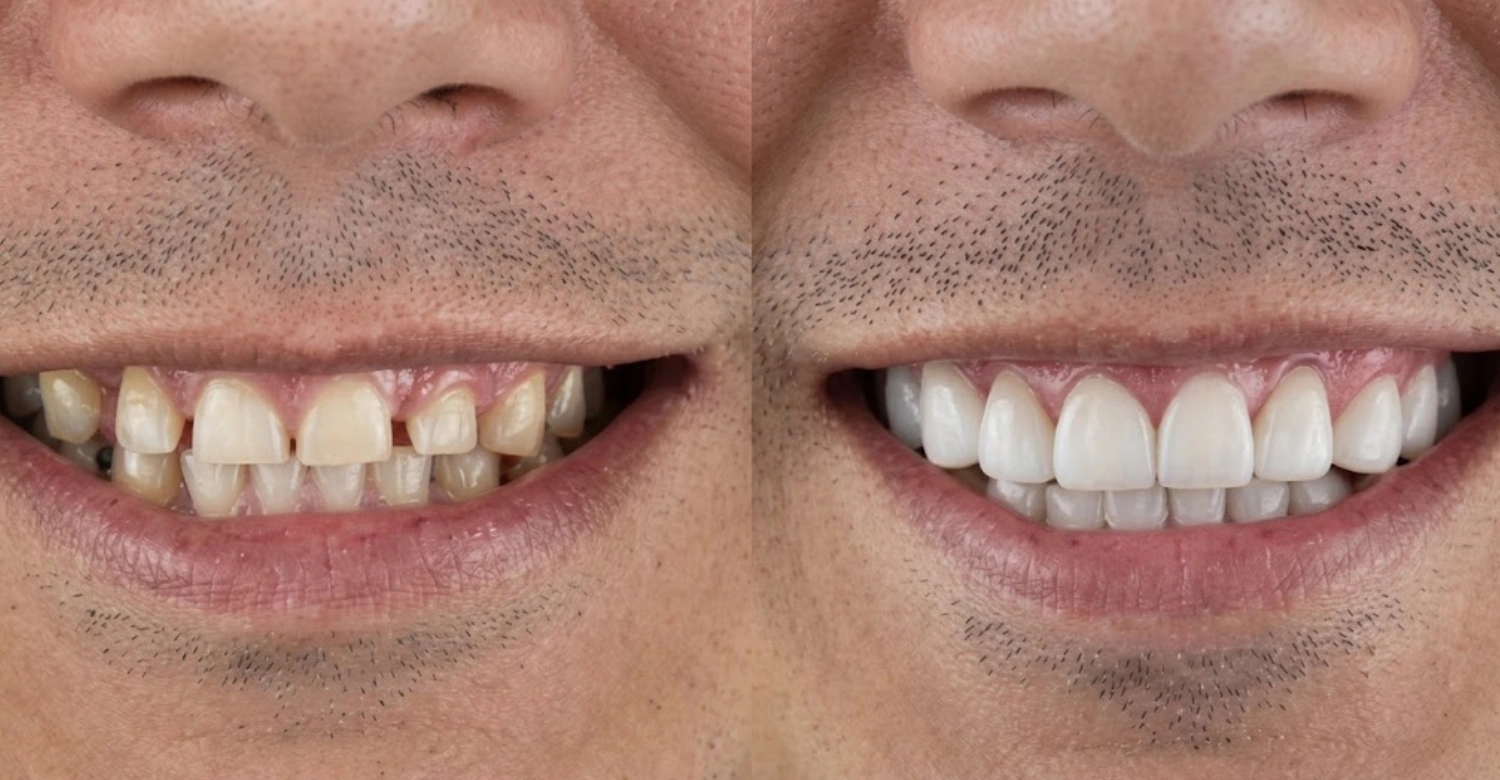
What to Expect After a Smile Makeover
Knowing what to expect after a smile makeover helps patients feel more prepared. Common temporary experiences include tooth sensitivity, gum tenderness, and mild soreness. Teeth may also feel different in size or shape at first. Increased bite awareness and minor speech adaptation are also common in early smile makeover recovery.
Not every uncomfortable sensation signals a complication. Still, patients should contact the dental team if discomfort is persistent or worsening. The same applies if it comes with swelling, severe pain, or bite problems. Early contact prevents small concerns from becoming bigger ones during recovery.
Smile Makeover Pain and Discomfort: Is It Normal?
Smile makeover pain and discomfort in mild forms is generally expected, but it differs from concerning pain. Teeth may feel temporarily sensitive after preparation or restorative treatment, especially to temperature or pressure. The type and extent of treatment directly affects how much discomfort is felt.
A smile makeover is not typically painless, but discomfort should be manageable and improve steadily. Pain that increases rather than decreases is not typical. The same is true for pain that disrupts sleep or eating, and it deserves a professional review.
Smile Makeover Side Effects Patients Should Know About
Smile makeover side effects are usually temporary and manageable:
Temporary tooth sensitivity
Gum irritation or tenderness
Mild swelling after soft-tissue procedures
Increased bite awareness
Temporary speech changes
Sensitivity to certain foods
Most of these settle within the expected recovery window. Side effects that intensify, spread, or fail to improve after several days need review. The dental team should assess them rather than have them managed alone.
Smile Makeover Aftercare: How Can You Protect Your Results?
Smile makeover aftercare is an essential part of recovery, not an afterthought. Good aftercare supports comfort, protects gum health, extends restoration longevity, and maintains oral hygiene throughout smile makeover recovery. Skipping aftercare steps can slow healing or affect how long results last.
Smile Makeover Aftercare Instructions for the First Few Days
Following clear smile makeover aftercare instructions in the first days makes a real difference.
Follow the dentist's individual instructions closely
Avoid unnecessarily hard or sticky foods
Maintain careful, gentle oral hygiene
Avoid using teeth as tools for opening or biting objects
Follow specific guidance on brushing and flossing near treated areas
Attend the scheduled review appointment as planned
These smile makeover aftercare instructions reduce the risk of irritation or damage while healing is still underway.
Foods to Eat After Smile Makeover
Choosing the right foods to eat after smile makeover treatment supports comfortable healing. Soft, easy-to-chew foods are often recommended during initial recovery.
Yoghurt
Eggs
Soft vegetables
Soups at a comfortable temperature
Soft fish
Smooth foods that need little chewing
Extremely hot, cold, hard, crunchy, or sticky foods can feel uncomfortable during early recovery. Dietary restrictions depend on which procedures were performed, so personalized guidance always applies.
Oral Hygiene During Smile Makeover Recovery
Oral hygiene during recovery protects both restorations and gum health. Regular brushing with an appropriate toothbrush should continue, alongside careful interdental cleaning as advised. Gum health around veneers, crowns, or other restorations depends on consistent, gentle care.
Aggressive brushing around healing gum tissue can cause irritation rather than help. A gentle, consistent routine supports smoother recovery and protects results long after healing is complete.
Smile Makeover Recovery Tips for a Smoother Healing Process
These recovery tips support a smoother healing process.
Follow personalized treatment instructions from the dental team
Take only recommended medication, at the prescribed dosage
Stay well hydrated throughout recovery
Avoid habits that place excessive force on new restorations
Do not bite hard objects such as pens or fingernails
Use a night guard if grinding or clenching is a concern
Attend every follow-up appointment as scheduled
Report persistent sensitivity, pain, or bite changes promptly rather than waiting
Following these tips consistently reduces the chance of complications and supports lasting results.
What We Notice Clinically
Dr. Rifat Alsaman, Head of the Medical Team at Vitrin Clinic and a cosmetic dentist, assesses the teeth, gums, bite, and existing oral health first. This shapes the expected smile makeover recovery. Recovery should be personalized to the procedures performed, not based on a fixed number of days.
Dr. Rifat Alsaman also highlights the importance of monitoring sensitivity, gum response, and occlusion during follow-up visits. Recovery should be assessed alongside function and oral health, not appearance alone. Patients should understand which symptoms are expected and which warrant reassessment. A personalized follow-up schedule can help identify bite or restoration-related concerns early in recovery.
Clinical Note
Smile makeover recovery varies significantly between patients. The clinical course depends on the combination of procedures used. It also depends on tooth preparation, periodontal condition, occlusion, and individual healing capacity.
Online recovery timelines cannot replace an individual dental examination. Professional review remains important if pain, sensitivity, swelling, or bite problems persist beyond the expected window. Dr. Rifat Alsaman, Head of the Medical Team at Vitrin Clinic and a cosmetic dentist, approaches cosmetic treatment with attention to both aesthetics and oral function. This keeps recovery grounded in clinical assessment rather than generic timelines.
When Should You Contact Your Dentist During Smile Makeover Recovery?
Certain signs during recovery call for prompt professional contact.
Persistent or worsening pain
Severe sensitivity that does not improve
Significant swelling
Bleeding that does not settle as expected
A restoration that feels loose or damaged
A bite that feels noticeably uneven
Difficulty chewing after the expected adaptation period
Early assessment during smile makeover recovery can prevent minor issues from becoming more complicated, protecting both comfort and results.
How Can Patients Maintain Their Smile After Recovery?
Maintaining results after smile makeover recovery depends on consistent long-term habits.
Brush twice daily and clean between teeth every day
Attend regular dental examinations and hygiene appointments
Avoid smoking and habits that stain or damage restorations
Limit excessive consumption of highly staining foods and drinks
Use a night guard if recommended for bruxism or clenching
Avoid relying on cosmetic restorations to mask untreated dental disease
Long-term smile makeover results depend on restoration quality and ongoing oral care. The initial healing period alone is not enough. Patients interested in maintaining the appearance of their veneers can also explore veneer maintenance tips, while those with crowns can review how to take care of crown teeth.
Smile Makeover Before and After: What Results Should Patients Expect?
Realistic expectations matter more than promises of a specific cosmetic outcome once recovery is complete. Patients may notice improvements in tooth colour, shape, and proportions. Smile symmetry, gum-to-tooth balance, and overall harmony can improve too.
The final appearance often becomes easier to appreciate once initial sensitivity and adaptation have settled. Before and after results vary with the starting condition and treatment plan. Recovery timelines and outcomes should always be viewed individually, not compared across patients.
Smile Makeover at Vitrin Clinic: What Can Patients Expect?
At Vitrin Clinic, an individual cosmetic and functional assessment comes before any treatment plan is agreed. Treatment planning considers tooth condition, gum health, bite, and occlusion. Facial and smile proportions and patient expectations matter too, supported by digital planning and modern dental technology where relevant.
Personalized follow-up at Vitrin Clinic helps monitor smile makeover recovery and address any concerns that arise after treatment. Dr. Rifat Alsaman, Head of the Medical Team at Vitrin Clinic, is a cosmetic dentist. He is closely involved in this planning and follow-up process.
Patients considering treatment are encouraged to arrange a consultation. This is the time to discuss the desired smile, treatment options, expected recovery, and aftercare needs. An individual treatment and recovery plan is more reliable than relying on generic timelines found online.
For patients comparing cosmetic options, articles on porcelain veneers vs crowns, veneers vs crowns, and composite vs porcelain veneers can provide additional context.
Patients can also explore teeth whitening cost in Turkey, teeth whitening prices in 2026, and teeth whitening pens when researching whitening-related options.
References:
FAQs
Dr. Rifat Alsaman has more than 5 years of clinical experience in dentistry and currently serves as the Head of the Medical Team at Vitrin Clinic. He is dedicated to providing exceptional patient care, overseeing treatment planning, and ensuring the highest clinical standards across the team. His expertise, attention to detail, and commitment to continuous professional development have helped countless patients achieve healthier, more confident smiles.


