Dentures in Turkey
October 5, 2026
Immediate Dentures: What to Expect Before and After Tooth Extraction

Immediate dentures are removable teeth prepared before your natural teeth are extracted. They are placed shortly after the extraction. If you are worried about leaving the dental office without teeth, this approach may help. It can maintain your appearance and basic function during healing. You may wonder how they will feel, or whether you can eat normally. The answers depend on your gums, your bite, and your healing. This guide explains the procedure, recovery, how temporary dentures differ from longer-term options, and when adjustments are needed.
What Are Immediate Dentures and Why Might You Need Them?
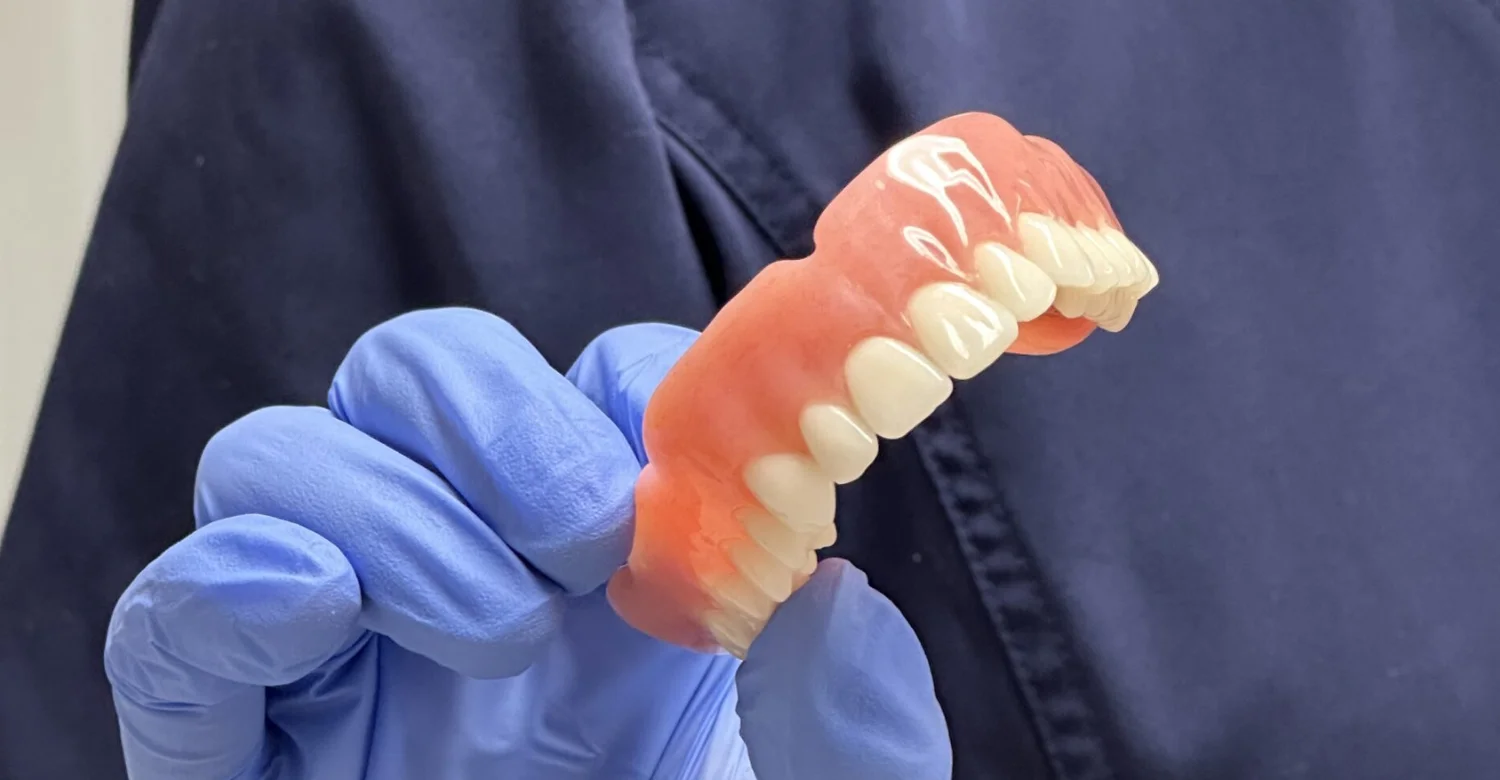
Immediate dentures are replacement teeth made before your extraction appointment. Because they are ready in advance, they can be fitted the same day your teeth are removed. You do not need to spend weeks without teeth. They may be considered when several teeth need extraction, or when teeth cannot be predictably restored. Some patients simply want to keep their smile during healing. Immediate partial dentures may suit cases where healthy teeth remain. Suitability always depends on an individual examination and treatment plan.
What Might Immediate Dentures Feel Like After Tooth Extraction?
The first days can feel unusual, and that is expected. You may notice pressure or tightness around the gums. Saliva often increases, because your mouth treats the denture as something new. Mild gum tenderness and temporary sore spots are common. Speech may sound unclear at first, and chewing will feel different. Many people also feel the denture is larger than expected. Your gums and the tissues beneath them change during healing. So the initial fit may not stay the sam
Explore how cavity prevention is evolving with smart peptides and dental caries
e.
What Problems Can Immediate Dentures Help You Avoid?
People choose this approach for practical reasons. The main one is simple: you do not leave the appointment without teeth. That can matter for work, social life, and confidence. The denture may also help you keep speaking and smiling in a familiar way. It gives your mouth a transitional solution while the extraction sites settle. It does not remove every difficulty, though. You will still need time to adapt, and follow-up visits remain part of the process. The sections below explain each benefit.
Avoiding a Visible Gap After Extraction
Extractions can leave obvious spaces, especially at the front of the mouth. Healing takes time, and many patients do not want to wait with a visible gap. Because the denture is placed straight after extraction, the spaces are covered from day one. Your smile keeps a complete appearance while the sites heal underneath. This can make returning to daily life easier. The tooth shade and shape are usually planned beforehand. The result may still look slightly different from your natural teeth.
Maintaining Basic Appearance and Speech
Teeth support your lips and cheeks. When several are lost, the face can look more sunken. Replacing them promptly may help support your facial appearance during healing. Teeth also help you form certain sounds. Having replacement teeth in place may make speech easier than having none at all. Adaptation still varies from person to person. Some people speak comfortably within days. Others need a few weeks of practice. Reading aloud at home can help your tongue learn the new shape.
Supporting a Gradual Transition During Healing
Your mouth does not stay the same after extraction. Gums shrink, bone remodels, and the bite can shift slightly. An immediate appliance acts as an interim solution during this period. It lets you function while these changes happen. It also gives you time to get used to wearing a removable denture. Your dentist can observe how your tissues heal before planning the next stage. Later, the denture may be relined, adjusted, or replaced by a definitive version designed for your healed mouth
Read about the risks of tooth gems and enamel damage
.
What Causes You to Need Dentures After Tooth Extraction?
Teeth are usually removed only when they cannot be saved predictably. Several dental conditions can lead to that decision. Advanced decay, severe gum disease, and deep fractures are the most common. Sometimes many teeth are affected at once. In these situations, dentures after tooth extraction may be discussed as one replacement option. The cause matters for planning. It influences how your gums heal, how much bone support remains, and which type of denture may suit you. Each cause is explained below.
Extensive Tooth Decay
Decay begins in the enamel and can move deeper over time. Advanced decay reaches the inner layers and destroys much of the tooth structure. At that stage, there may be too little healthy tooth left to hold a filling or crown. Decay may also extend below the gum line, where restoration becomes unreliable. Infection can develop at the root. When a tooth cannot be restored predictably, extraction may be recommended. Your dentist will usually confirm this with an examination and X-rays.
Severe Gum Disease
Gum disease affects the tissues that hold your teeth in place. In its advanced form, called periodontitis, the supporting bone is gradually lost. Gums may recede, and deep pockets can form around the teeth. Over time, teeth may loosen or drift. Some become painful when chewing. If the support is too weak, keeping the tooth may no longer be realistic. Extraction may then be advised. Gum health must also be controlled before any denture is planned, because it affects healing.
Cracked or Fractured Teeth
Teeth can crack from injury, grinding, or biting something hard. Small cracks can often be repaired with a filling or crown. Deeper fractures are more difficult. A crack that runs below the gum line or splits the root usually cannot be sealed reliably. Bacteria may enter and cause repeated infection. The tooth may also hurt when you bite. In these cases, restoration may be difficult or impossible. Your dentist will assess the depth and direction of the fracture before advising extraction.
Multiple Non-Restorable Teeth
Sometimes the problem is not one tooth but many. Several teeth may have large failing restorations, advanced decay, or poor bone support at the same time. Treating each tooth separately may offer limited long-term value. Your dentist may then discuss removing the teeth with a poor outlook and replacing them together. This can simplify treatment and give a more stable result. The decision is never automatic. Teeth with a reasonable prognosis are usually kept, and may help support a partial denture.
Check the safety and effectiveness of whitening with braces at home
Tips for Patients
A few simple habits can make the first weeks easier:
Keep a short record of sore spots or movement before each review.
Take smaller bites and choose softer foods while you learn to chew.
Practice speaking aloud if certain words feel difficult.
Clean your denture and natural teeth separately, as instructed.
Ask whether your current denture is temporary or definitive.
What Is the Immediate Dentures Procedure Like?
The immediate dentures procedure takes place over several visits. Most of the work happens before any tooth is removed. Your dentist examines your mouth, records its shape, and has the denture made in advance. On extraction day, the teeth are removed and the denture is fitted. Follow-up visits then check healing and comfort. The exact sequence depends on how many teeth are involved. Some patients have back teeth removed first. Knowing each stage can help you feel more prepared.
Examination and Treatment Planning
Treatment starts with a full clinical examination. Your dentist reviews your medical history and current medications, because both can affect healing. The condition of each tooth is checked, along with your gums. Your bite is evaluated to see how the upper and lower teeth meet. Imaging, such as X-rays, may be taken when indicated. Together, these findings show which teeth can be kept and which cannot. The plan is then explained, including the expected stages, timing, and realistic outcomes.
Taking Dental Impressions or Digital Scans
Your dentist needs an accurate record of your mouth. This may be taken with traditional impression material in a tray. It may also be captured with an intraoral scanner, which creates a digital model. Both methods record the shape of your gums and remaining teeth. Your bite is recorded too, so the new teeth meet correctly. The tooth shade, size, and shape are selected at this stage. These records guide the laboratory that will make your denture.
Preparing the Denture Before Extraction
The denture is made while your natural teeth are still in place. This is what allows same-day fitting. The technician removes the planned teeth from the model and shapes it to predict your gums after extraction. Replacement teeth are then positioned on that model. Their planned position considers your bite, lip support, and smile line. Because your real teeth are still present, a full try-in is usually not possible. Some adjustment on the fitting day should therefore be expected.
Tooth Extraction and Denture Placement
On the day of treatment, the area is numbed with local anesthetic. The teeth are then removed according to the treatment plan. Your dentist may smooth the bone if needed. The prepared denture is placed straight afterwards. It is checked for fit, pressure points, and bite, and adjusted where necessary. The denture also covers the extraction sites like a protective dressing. You will receive instructions on wearing it, cleaning, eating, and pain relief. Follow these carefully for your first days.
Early Follow-Up and Adjustments
A review visit is usually arranged soon after placement, often within a day or two. Your dentist checks the extraction sites and looks for sore areas under the denture. Small pressure points can be relieved at this stage. Further visits follow as the swelling settles. Healing tissues shrink over the coming weeks, and the fit often loosens. A temporary soft lining may be added for comfort. Later modification, such as a reline, may be needed. These visits are part of the treatment.
Discover key habits in 6 ways to keep your gums healthy
What Are the Pros and Cons of Immediate Dentures?
Understanding immediate dentures pros and cons helps you set realistic expectations. This treatment is not better or worse for everyone. It suits some situations very well and others less so. The main advantage is timing, because you receive teeth on extraction day. The main limitation is fit, because your mouth keeps changing afterwards. Cost, comfort, and the number of visits also matter. Your dentist can explain how these points apply to you. The lists below summarize both sides.
Potential Benefits of Immediate Dentures
The benefits relate mostly to appearance and convenience during early healing.
You may avoid being visibly without teeth after your appointment.
They provide an immediate replacement once the teeth are removed.
They may support your lips, cheeks, and smile during early healing.
They offer a transitional solution while your mouth heals and changes.
They give you time to adapt before a definitive denture is made.
These advantages vary between patients and depend on careful planning.
Possible Disadvantages of Immediate Dentures
The limitations come mainly from healing changes after extraction.
The fit may change as your gums heal and shrink.
Sore spots can develop where the denture presses.
Eating may take time to master.
Speech may feel different for a while.
Relining or adjustment may be needed, sometimes more than once.
They may not represent your final long-term denture design.
Most of these issues can be managed with regular reviews. They should still be understood before you decide.
Find out the anatomical answer to are teeth part of the integumentary system?
How Do Immediate Dentures Compare With Permanent Dentures?
The question of immediate dentures vs permanent dentures is mostly about timing. One is prepared before extraction. The other is usually made after your gums have healed. That difference affects fit, comfort, and how many adjustments you may need. The table below compares both options. Note that "permanent" does not mean forever. Dentures can eventually need replacement, because your mouth and the denture materials change over time. Many dentists prefer the term "definitive" for this reason.
Feature | Immediate Dentures | Permanent/Definitive Dentures |
Timing | Prepared before or around extraction | Usually made after healing |
Main purpose | Immediate tooth replacement | Longer-term replacement |
Fit | May change during healing | Can be designed around healed tissues |
Adjustments | Often needed | May still require adjustments |
Eating | Requires adaptation | Usually easier after adaptation |
Long-term role | May be transitional | Intended as a definitive option |
When Are Temporary Dentures Used Instead?
Temporary dentures are appliances intended for a limited period. They are not designed as your final prosthesis. They may be considered when your mouth is changing significantly, such as after several extractions. They may also be used while a longer-term solution is planned after healing. Terminology varies between treatment plans, however. Some dentists use "temporary" and "immediate" to mean the same thing. Ask exactly what your dentist means by temporary. Also ask how long the appliance is expected to serve.
What Are Immediate Partial Dentures?
Immediate partial dentures are removable appliances used when some natural teeth remain. They replace only the teeth being extracted. They may be appropriate when the remaining teeth and gums are healthy enough to offer support. Those teeth affect the design, because clasps or rests often hold the appliance in place. This differs from a complete denture, which rests on the gums alone. Your dentist will check the remaining teeth carefully first. As with any denture fitted at extraction, adjustment during healing may be needed.
What Should You Expect From Dentures After Tooth Extraction?
Recovery happens in stages, and each stage feels different. The first day focuses on protecting the extraction sites. The first few days bring swelling and tenderness. The following weeks and months involve gradual tissue change. Wearing dentures after tooth extraction also means learning new habits for eating and speaking. Most people adapt steadily, but the pace varies. Your own instructions may differ from general advice, depending on your case. The sections below describe what is commonly experienced at each point.
The First 24 Hours
Follow your dentist's specific instructions closely during the first day. Many patients are asked to keep the denture in place until their review visit. It can help protect the sites and limit swelling. Removing it too early may make it difficult to reseat. Avoid touching the surgical areas with your tongue or fingers. Do not rinse forcefully or spit hard. Choose cool, soft foods and avoid hot drinks. Rest, and take any prescribed or recommended pain relief as directed.
The First Few Days
Swelling and tenderness usually peak within the first two or three days. Your gums may feel sore under the denture. Speech can sound altered, and you may lisp slightly. You will probably be very aware of the appliance in your mouth. Saliva may still be heavier than normal. These effects tend to ease gradually. Your dentist may now ask you to remove the denture for cleaning. Gentle rinsing may also be advised. Report sharp or worsening pain rather than waiting.
During the Healing Period
Healing continues for several months after extraction. During this time, the gums shrink and the bone beneath them remodels. The ridge that supports your denture gradually changes shape. A denture that fitted closely at first can start to feel loose. Food may collect underneath, or the denture may rock when you chew. This is expected and not a sign of failure. Your dentist monitors these changes at review visits. A soft lining or reline may be recommended to restore the fit.
Eating and Speaking Again
Start with soft foods, such as soups, yogurt, eggs, and well-cooked vegetables. Cut food into small pieces and chew slowly. Try to chew on both sides at once, which helps keep the denture stable. Avoid hard, sticky, or very hot foods early on. Add firmer foods gradually as comfort improves. Speech also needs practice. Reading aloud and repeating difficult words can help. Follow your dentist's instructions throughout, because the right pace depends on how your mouth is healing.
Learn all about how teeth whitening works
How Long Do Immediate Dentures Last?
There is no single lifespan that applies to everyone. Many are designed mainly as transitional appliances for the healing period, often several months. Some continue to be used longer, depending on fit, condition, and the treatment plan. Longevity is affected by gum and bone changes, denture wear, oral hygiene, and accidental damage. It also depends on whether relining is possible. A denture that still looks intact may need adjustment or replacement if the fit has changed. Your dentist can advise you.
What We Notice Clinically
Dr. Rifat Alsaman, Head of the Medical Team and cosmetic dentist at Vitrin Clinic, notes that immediate dentures should not be viewed simply as "teeth made in advance." A smooth transition depends on the condition of the teeth being removed, gum health, extraction planning, and bite. Planning the replacement before extraction matters more than the denture as an isolated step. Healing also affects the fit. A denture that feels comfortable on the first day may still need adjustment as the gums change.
Clinical Note
An immediate appliance offers a useful transitional solution, but it does not stop normal healing. Gums and supporting bone can change substantially after extraction. The initial fit should therefore not be read as the final fit. Regular reviews may help identify pressure points, looseness, or bite changes early. Dr. Rifat Alsaman, Head of the Medical Team and cosmetic dentist at Vitrin Clinic, recommends assessing the whole mouth, not only the visible teeth. Gum health, bone support, bite, and long-term goals all influence the plan.
Read a complete guide on how to care for your dentures
What Can You Do at Home While Adjusting to Immediate Dentures?
Good home care makes the adjustment period easier. It cannot replace professional reviews, but it supports healing and comfort. The basics are simple. Wear the denture as instructed, keep it clean, eat sensibly, and leave adjustments to your dentist. Patience also helps, because adaptation takes weeks rather than days. Small daily habits tend to make a noticeable difference. If something feels wrong, note it and mention it at your next visit. The steps below cover safe and practical self-care.
Follow Your Dentist's Wear Instructions
Wear schedules are not the same for everyone. Some patients are asked to keep the denture in continuously at first. Others are told to remove it at set times. Later, many are advised to take it out at night so the gums can rest. These instructions reflect your extraction sites, your healing, and your denture type. Changing the schedule yourself may slow healing or affect the fit. If the instructions are unclear, contact your dental team and ask.
Keep the Denture Clean
Clean your denture every day once your dentist allows removal. Use a soft brush and a non-abrasive denture cleaner. Regular toothpaste can scratch the surface. Rinse the denture after meals to remove food. Clean it over a towel or a bowl of water, in case it slips. Brush any remaining natural teeth twice daily. Gently clean your gums and tongue as well, avoiding fresh extraction sites. Good hygiene lowers the risk of irritation, bad breath, and fungal infection.
Start With Manageable Foods
Your chewing ability will return gradually, so plan your meals around that. Begin with soft, moist foods that need little chewing. Mashed vegetables, soft fish, porridge, and smoothies are useful early choices. Take small bites and chew slowly. As tenderness settles, introduce firmer textures one at a time. Leave tough meats, crusty bread, nuts, and sticky sweets until you feel confident. Drink water with meals. If a certain food keeps causing pain, stop and mention it at your review.
Avoid DIY Adjustments
It can be tempting to fix a sore spot yourself. Please avoid it. Filing, bending, or cutting the denture at home can change how it sits. A small change in one area may create new pressure elsewhere. It can also alter your bite or weaken the acrylic. Over-the-counter reline kits carry similar risks. Denture adhesive may help briefly, but ask your dentist first. If something rubs or feels loose, book a visit. Professional adjustment is quick and far safer.
When Should You Contact Your Dentist About an Immediate Denture?
Some discomfort is expected, but certain signs need prompt attention. Contact your dental team if you notice:
Persistent or worsening pain
Significant rubbing or ulceration
A denture that repeatedly slips during normal activity
Difficulty closing your mouth comfortably
Major changes in your bite
Persistent difficulty eating
Signs of infection or unusual swelling
A broken or damaged denture
Early assessment may prevent a small fit problem from becoming a larger source of discomfort. Do not rely on prolonged self-treatment.
How Can Immediate Dentures Be Adjusted or Improved?
Fit problems are common during healing, and several solutions exist. Your dentist usually begins with the most conservative option. Small adjustments may be enough in the early weeks. If the gums have changed more, a reline can refresh the fitting surface. When the denture no longer suits your mouth, a new definitive version may be planned. Some patients later explore other ways to replace teeth. The right choice depends on your healing, your comfort, and your goals.
Minor Denture Adjustments
Minor adjustments are the simplest form of care. Your dentist identifies where the denture presses too firmly on the gums. A special paste may be used to reveal these areas. A small amount of acrylic is then smoothed away. The bite may also be refined if some teeth meet too early. These changes take only a few minutes. Relief is often felt quickly. Several short adjustment visits may be needed while your tissues continue to settle after extraction.
Relining
Relining adds new material to the inner surface of the denture. It restores close contact between the denture and your changed gums. A soft, temporary lining may be used during early healing for extra cushioning. A harder, longer-lasting reline may follow once the tissues are more stable. Some relines are done in the clinic. Others are sent to a laboratory. Relining is not always possible, however. Your dentist will check whether the denture is still suitable first.
Replacement or Definitive Denture
Sometimes adjustment and relining are no longer enough. Ongoing tissue change may leave the denture loose despite repeated care. The teeth may be worn, or the base may be damaged. The original plan may also have included a new denture after healing. In these cases, a definitive denture may be more appropriate. It is made from fresh records of your healed mouth. This usually allows a closer fit. Your first denture may then be kept as a spare.
Alternative Tooth Replacement Options
Removable dentures are not the only way to replace missing teeth. Some patients later consider other approaches. These may include dental bridges, dental implants, or dentures supported by implants. Each option has its own requirements. Suitability depends on your oral health, the amount of bone support, medical factors, and personal goals. Cost and treatment time also differ. None of these options is right for everyone. Your dentist can explain which alternatives may be realistic after a full assessment.
How Can You Reduce Problems With Immediate Dentures?
Prevention works best when it runs through the whole treatment journey. These habits can help:
Attend all planned follow-up appointments.
Maintain careful oral hygiene every day.
Clean the denture according to professional instructions.
Report persistent sore areas rather than tolerating them.
Avoid attempting home modifications.
Ask when the denture should be reassessed or relined.
Protect the denture from drops and accidental damage.
Small problems are easier to solve when they are found early. Consistent care supports comfort.
Recognize the early signs of dental problems
How Much Do Fake Teeth or Dentures Cost? Vitrin Clinic Quote Guide
What changes the cost
Fake teeth and dentures cost depends on material, number of teeth, and whether extractions or implants are needed. A clinic should explain these factors before giving a quote.
What a quote should include
Ask whether the dentures price includes consultation, scans, fittings, adjustments, and follow-up visits. A clear quote helps compare fake teeth cost without hidden extras.
Using Vitrin Clinic as a research option
Vitrin Clinic can be checked as a dental tourism option for dentures in Turkey. Request a denture quote and confirm what is included before deciding.
Why Consider Vitrin Clinic for Your Denture Treatment?
Denture treatment involves more than producing the appliance. At Vitrin Clinic, the teeth, gums, bite, and oral tissues are assessed first. The expected effects of extraction are considered. This helps determine whether immediate dentures, immediate partial dentures, a later definitive denture, or another approach may suit you. Dr. Rifat Alsaman, Head of the Medical Team and cosmetic dentist at Vitrin Clinic, focuses on individualized planning and realistic expectations. No outcome is guaranteed. If you are preparing for extraction, you can arrange a consultation to discuss your options.
.jpg)
.jpg)
.jpg)
.jpg)
What Should You Know Before Choosing Immediate Dentures?
Immediate dentures can help you avoid being without visible teeth after extraction. They also require realistic expectations. Your gums will change during healing, and adjustments may be necessary. The most important step is understanding the purpose of your appliance. Ask whether it is a transitional solution or a longer-term option. Attend your reviews, and report problems early. A clinical assessment can clarify the expected fit, the healing process, maintenance needs, and future treatment options. With good planning, the transition is usually manageable.
Ready to transform your smile?
Talk to our team and get a FREE treatment plan.


