
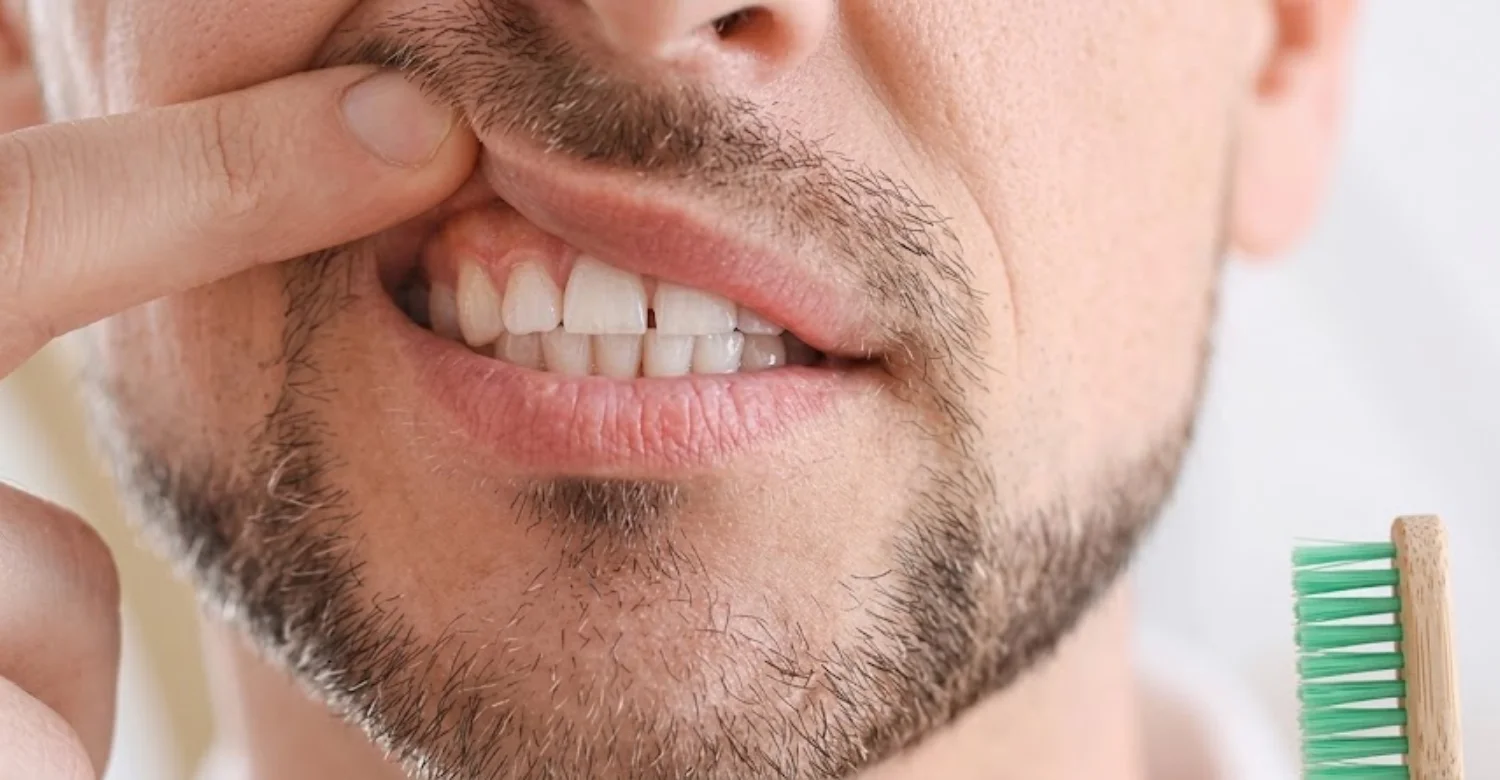
Itchy Gums are a tingling, irritated, or scratchy feeling in the gum tissue that makes you want to rub or press on it. Sometimes the cause is temporary, such as a food irritant or a new toothpaste. Other times it is an ongoing problem like plaque buildup, gum disease, an allergy, or an infection. Mild irritation often settles within a few days with gentle care. Itching that persists, especially with bleeding, swelling, or pain, may point to an underlying oral condition. This guide covers the common causes, the problems that can follow, how dentists evaluate the symptom, and practical ways to find relief.
What Are Itchy Gums?
Gum itching is an uncomfortable sensation along the gumline or between the teeth. It is a symptom rather than a diagnosis, which means it signals that something is irritating the gum tissue. The trigger may be mechanical, chemical, allergic, bacterial, or part of healing after treatment. Identifying that trigger is the first step.
Common Itchy Gums Symptoms
Gum itching rarely appears alone. Redness and swelling along the gumline often come with it, along with bleeding during brushing or flossing and soreness when chewing. Some people also notice bad breath or general discomfort around certain teeth. The combination of symptoms helps a dentist narrow down the likely cause.
Understand the common causes of jaw popping
Causes of the Condition
Gum itching has several possible causes, from simple daily habits to infections and allergic reactions. Many of them lead to the same result: irritated or inflamed gum tissue. The sections below explain the most common triggers so you can recognize which one may apply to you.
Itchy Gums From Plaque
Plaque is a sticky film of bacteria that builds up on the teeth every day. When it collects along the gumline, the bacteria release substances that irritate the gums and trigger inflammation, which is often felt as itching or tenderness. Inconsistent brushing and skipped flossing leave plaque in place long enough to harden into tartar.
Itchy Gums and Gum Disease
For many patients, concerns about itchy gums and gum disease begin with gingivitis, the early and reversible stage of gum inflammation caused by plaque. Without treatment, gingivitis can progress to periodontal disease, which damages the tissues and bone that support the teeth. Warning signs include bleeding, persistent redness, swelling, bad breath, gum recession, and loosening teeth.
Itchy Gums and Allergies
Allergic reactions can make the gums itch, tingle, or swell. Common triggers include certain foods, especially fruits and nuts in people with oral allergy syndrome, toothpaste or mouthwash ingredients such as flavorings and preservatives, and dental materials, including certain metals or acrylics. Itching that starts soon after contact with one of these is an important clue.
Itchy Gums From Infection
Bacterial, viral, and fungal infections can all irritate the gums and cause itching, burning, or soreness. Common signs include swelling, a painful bump in one spot, pus, a bad taste, fever, or white patches. An infection that persists, spreads, or comes with pain and discharge needs professional evaluation, because it may require targeted treatment.
Itchy Gums After Dental Work
Mild itching after a cleaning, filling, extraction, or gum treatment is common. It usually reflects normal healing and improves within a few days. Worsening pain, increasing swelling, bleeding that will not stop, pus, or fever are not part of normal healing. Contact your dental professional if any of these develop.
Other Possible Causes of Itchy Gums
Several other everyday factors can irritate the gums. Dry mouth reduces the saliva that protects them. Food trapped between the teeth, aggressive brushing, and orthodontic appliances, dentures, or other dental appliances can rub against the gums. Certain medications and hormonal changes, such as those during pregnancy, puberty, or menopause, can also make the gums more sensitive.
Explore how dental impressions are made
Problems Caused by the Condition
Itchy Gums are often an early warning rather than a problem in themselves. If the underlying cause is left untreated, especially plaque or infection, the irritation can turn into lasting gum and tooth problems. Recognizing these consequences early makes treatment simpler and more effective.
Gum Inflammation
Ongoing irritation keeps the gum tissue inflamed. The gums may look red, puffy, or shiny instead of pink and firm. Persistent inflammation is uncomfortable, and it leaves the tissue more easily irritated. This creates a cycle that is hard to break until the cause is addressed.
Bleeding and Gum Sensitivity
Inflamed gums bleed more easily during brushing or flossing. Many people respond by cleaning less, which lets more plaque build up. The gums can also become more sensitive to pressure, temperature, and certain foods. Bleeding gums are not normal and are a sign of ongoing irritation.
Progression of Gum Disease
When inflammation spreads deeper, periodontal disease can develop. Pockets form between the gums and teeth, the gums may recede, and the bone that supports the teeth can gradually be lost. In advanced cases, teeth may become loose. Treating gum irritation early helps prevent these changes.
Impact on Daily Oral Care
Sore, irritated gums make the affected area harder to clean properly, which often makes the problem worse. Eating and brushing may feel uncomfortable, so some people avoid chewing on one side or rush their oral care. Gentle, consistent cleaning is still essential for recovery.
Patient's Perspective
Every patient experiences gum itching a little differently. Knowing how the sensation feels, how it relates to the teeth, and how it affects your routine helps you describe your symptoms clearly. Clear descriptions make it easier for a dentist to find the cause and recommend the right treatment.
What Do Itchy Gums Feel Like?
Patients often describe a tingling, crawling, or scratchy sensation in the gums. Many feel a strong urge to rub, press, or scratch the area with the tongue or fingers. Severity varies widely, from a mild, occasional tickle to constant irritation that is hard to ignore during the day.
Itchy Gums and Teeth
The gums and teeth are closely connected, so irritation in one often affects the other. Many patients feel as though something is trapped between the teeth and gums, and sometimes food or plaque really is. Inflamed or receding gums may also expose the root surfaces of the teeth, which leads to tooth sensitivity.
How Itchy Gums Can Affect Daily Life
Gum itching can make eating less enjoyable, especially spicy, acidic, or crunchy foods. Brushing and flossing may feel uncomfortable, and constant irritation can disturb sleep and general comfort. Many patients also worry that the sensation means a serious gum problem, which is a good reason to have it checked.
Note : All images used are for editorial and illustrative purposes only and may not originate from the original news provider or associated company.
Learn about dental medication and its uses
Doctor's Perspective
To a dentist, gum itching is a clue that needs interpreting. Dentists combine the patient's history with a careful examination of the gums and teeth. This lets them separate simple irritation from conditions that need treatment, such as gum disease, allergy, or infection.
How Are Itchy Gums Evaluated?
Evaluation starts with the dental and medical history, including medications and health conditions. The dentist then asks how long the itching has lasted, where exactly it is, whether you have had recent dental work, and whether you have started a new toothpaste, mouthwash, or other oral-care product. The answers often point directly to the cause.
Examination of the Gums and Teeth
The dentist examines the color, shape, and texture of the gums and checks for plaque and tartar buildup. Signs of inflammation or infection are noted, such as bleeding, swelling, gum pockets, or pus. The surrounding teeth and soft tissues are also assessed, and X-rays are taken when needed.
Determining the Underlying Cause
The dentist puts the findings together to identify the source. Plaque-related irritation usually improves with cleaning, while gum disease shows deeper pockets or bone loss. Allergy is suspected when itching follows a specific product or food. Infection is judged from swelling, pain, and discharge, and irritation after dental work is compared against normal healing.
Itchy Gums Treatment
Treatment depends on what is causing the irritation. A plan may combine professional dental care, removal of triggers, and better home care. Treating the true cause, rather than only calming the sensation, gives the best chance of lasting relief and healthy gums.
Professional Dental Treatment
When needed, a professional cleaning removes plaque and hardened tartar that brushing cannot reach. Gingivitis usually improves with that cleaning plus better home care. Periodontal disease may need deep cleaning below the gumline and regular maintenance visits. Infections are treated according to their cause, which may involve drainage, antimicrobial therapy, or other targeted care.
Managing Irritation and Allergic Triggers
If an allergy or irritant is suspected, the next step is to identify it. Switching to a simpler toothpaste or an alcohol-free mouthwash can help, as can noting any foods that bring on symptoms. Avoiding known triggers often brings relief. Allergic-type symptoms that persist may need further evaluation, sometimes by an allergy specialist.
Home Care for Itchy Gums
Brush gently with a soft-bristled toothbrush and fluoride toothpaste, using small circular motions. Clean between your teeth every day with floss or interdental brushes, and drink water regularly to prevent dry mouth. Avoid oral irritants such as tobacco and alcohol-based mouthwash, and avoid very spicy foods if they make the irritation worse.
Find answers about hypodontia and missing teeth
How to Stop Itchy Gums
Stopping gum itching usually takes three steps: improving daily hygiene, finding and removing triggers, and recognizing when professional care is needed. Most mild cases respond well to simple changes. Persistent symptoms deserve a closer look by a dentist.
Improve Daily Oral Hygiene
Brush twice a day for two minutes, and clean between your teeth once a day to remove plaque before it irritates the gums. Avoid aggressive brushing and hard-bristled brushes, which can damage the gums. A gentle, consistent routine works better than scrubbing hard.
Identify Possible Triggers
Think about what changed before the itching started. Common culprits include a new toothpaste or mouthwash, certain foods, and dental materials or appliances such as braces, retainers, or dentures. Remove one possible trigger at a time and watch how your gums respond. This helps pinpoint the cause.
Know When Professional Treatment Is Needed
See a dentist if symptoms last longer than a week or two or keep coming back. You should also go if the itching comes with bleeding, swelling, pain, or discharge. These signs suggest a problem that home care alone cannot solve, such as gum disease or infection, and early treatment prevents complications.
When Is It Serious and Requires a Checkup?
Most cases of Itchy Gums are mild, but some signs point to a more serious condition. Knowing which symptoms call for a routine dental visit and which need urgent care helps you act at the right time.
Warning Signs That Need Dental Evaluation
Book a dental evaluation if you notice persistent bleeding, significant swelling, severe pain, pus or discharge, or a lasting bad taste or odor. Gum recession and loose teeth are also important warning signs. So are symptoms that do not improve with better oral hygiene, and all of these need a professional assessment.
When Emergency Care May Be Needed
Seek emergency care immediately if you have severe swelling of the face or mouth, or difficulty breathing or swallowing. The same applies to signs of a severe allergic reaction, such as swelling of the lips, tongue, or throat, hives, or dizziness. These symptoms can be life-threatening and need urgent medical attention.
Learn how to identify a gum line cavity
When the Patient Should Rest
Rest can help healing when Itchy Gums follow dental treatment or come with significant irritation. Giving the gums a break from unnecessary pressure and irritants helps the tissue recover. Basic oral hygiene should continue throughout, to keep the area clean.
Rest After Dental Work
After procedures such as extractions or gum treatment, rest for as long as your dentist recommends, and avoid strenuous activity if advised. Don't touch, poke, or chew on the treated area. Follow all post-treatment instructions carefully, including those about eating, rinsing, and medications.
Rest During Gum Irritation
When your gums are irritated, cut back on habits that aggravate them, such as chewing hard foods on the affected side, frequent snacking, or pressing on the area. If spicy, acidic, very hot, or crunchy foods make the irritation worse, avoid them for now and reintroduce them gradually.
Explore what to do after a dental injury
Rest Tips
Small daily choices can make a big difference in how quickly Itchy Gums settle. These tips focus on protecting the irritated area, keeping oral hygiene gentle but consistent, and supporting healthy saliva flow.
Protect the Irritated Gum Area
Avoid rubbing, scratching, or touching the gums with your fingers, tongue, or objects. Doing so increases irritation and may introduce bacteria. Skip very hot, spicy, or irritating foods when they make symptoms worse, and choose soft, mild foods until your gums feel more comfortable.
Maintain Gentle Oral Hygiene
Keep brushing gently with a soft toothbrush, even if your gums feel sore. If you stop oral hygiene completely, plaque builds up and makes the irritation and inflammation worse. Light, careful cleaning keeps the area healthy while it heals.
Stay Hydrated
Drink enough water throughout the day to keep your mouth moist and help wash away food and bacteria. If dry mouth is adding to the irritation, sip water often and limit caffeine and alcohol. You can also ask your dentist or doctor about saliva substitutes or whether a medication is causing the dryness.
About the Clinic
At Vitrin Clinic, patients with Itchy Gums receive a careful evaluation that looks beyond the symptom itself. The team focuses on finding the underlying cause and building a treatment plan that protects both the gums and the teeth.
What We Notice Clinically
Dr. Rifat Alsaman, Head of the Medical Team at Vitrin Clinic and a Cosmetic Dentist, notes that many patients try to calm gum itching without knowing what is causing it. In his experience, identifying the underlying trigger is essential. He also stresses evaluating the gums and teeth together, because problems in one often affect the other.
Clinical Note
Gum itching is a symptom rather than a specific diagnosis. Treatment depends on the underlying cause, whether that is plaque, gum disease, allergy, infection, or irritation after dental work. Persistent itching with bleeding, swelling, or pain needs a professional evaluation to stop the problem from progressing.
Tips for the Patients
Maintain good oral hygiene by brushing twice daily and cleaning between your teeth, and use a soft-bristled toothbrush instead of brushing aggressively. Watch for possible triggers such as new products, foods, or appliances. Don't ignore symptoms that last more than a week or two, and seek a professional evaluation if bleeding, swelling, pain, or discharge develops.
Learn how to manage Blood Pressure Pills and Oral Health
Resources:
https://pubmed.ncbi.nlm.nih.gov/20320924/
https://pubmed.ncbi.nlm.nih.gov/26908659/
https://pubmed.ncbi.nlm.nih.gov/39344021/
FAQs

Dr. Rifat Alsaman has more than 5 years of clinical experience in dentistry and currently serves as the Head of the Medical Team at Vitrin Clinic. He is dedicated to providing exceptional patient care, overseeing treatment planning, and ensuring the highest clinical standards across the team. His expertise, attention to detail, and commitment to continuous professional development have helped countless patients achieve healthier, more confident smiles.


