General Dentistry
September 30, 2026
Oral Herpes: What Is It, What Are Its Symptoms, and How Is It Treated?
 Dr. Rifat Alsaman
Oral herpes can leave you wondering why your lips, gums, or mouth suddenly feel sore, irritated, or unusually sensitive. You may notice small blisters, painful sores, or a tingling sensation before anything becomes visible. The condition is commonly linked to the herpes simplex virus (HSV). Symptoms can vary from one person to another. This practical guide covers symptoms, causes, diagnosis, treatment, self-care, and recurrence. It also explains when professional advice may be the right next step. Here is what you need to know.
In short, oral HSV is a viral infection affecting the lips and mouth. It is usually caused by HSV-1. Common symptoms include tingling, burning, small blisters, and painful sores that later crust and heal. A first outbreak may also bring fever or swollen glands. Treatment focuses on comfort, gentle oral care, and prescription antiviral medicine when appropriate. Starting antivirals early may shorten some outbreaks. Recurrent or unusual sores deserve a professional assessment rather than guesswork. The sections below explain each point in detail.
Oral Herpes: What Does It Feel Like and Where Can It Appear?
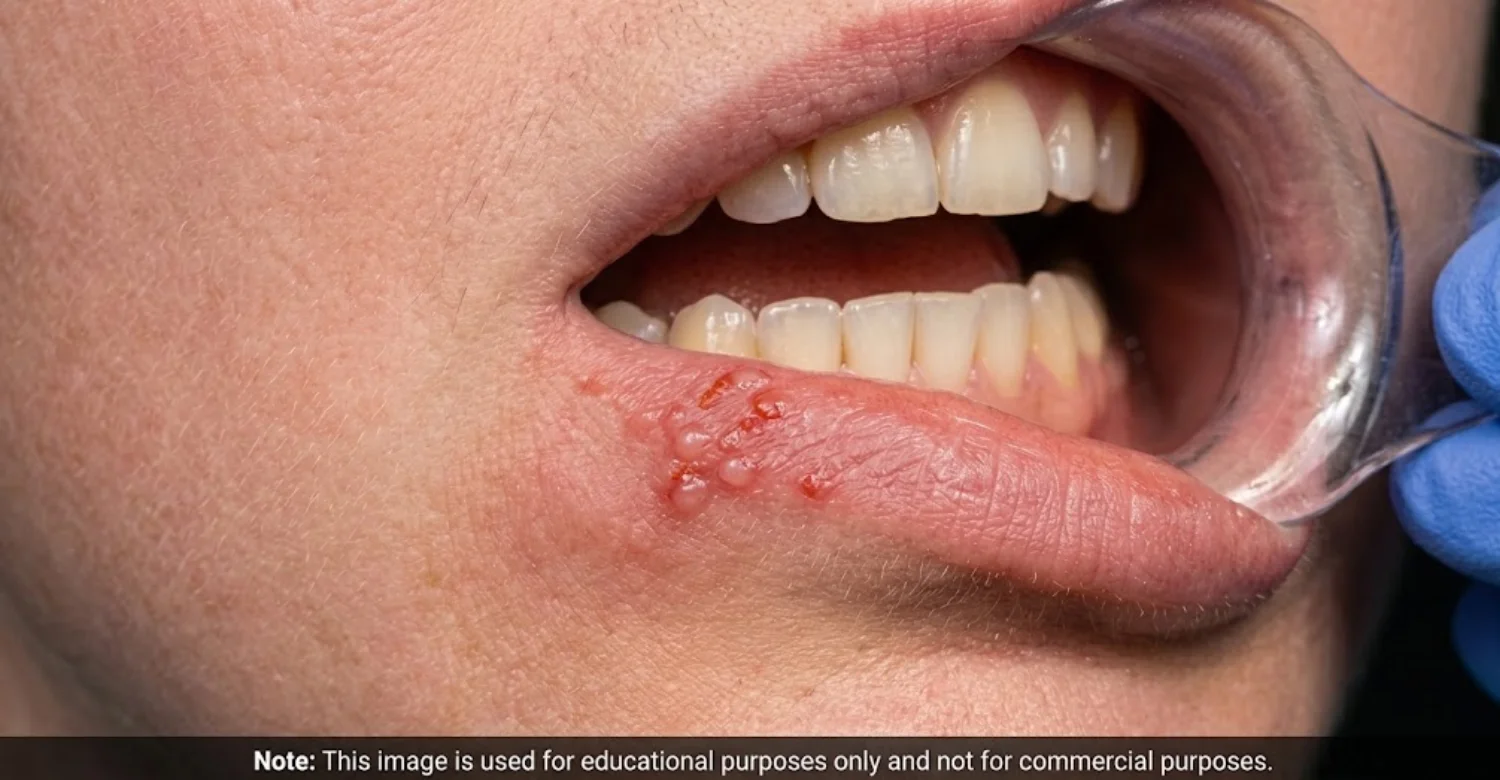
Oral herpes often starts quietly. Many people first feel tingling, itching, or burning in one small spot. Within a day or two, tiny fluid-filled blisters may appear. These blisters can cluster together, break open, and leave shallow, painful sores. The sores then crust over and gradually heal, often within one to two weeks. Lesions most often appear on the lip border. However, they can also form inside the mouth, especially during a first infection. Each person's presentation can look slightly different.
What Is Oral Simplex Herpes?
Oral simplex herpes refers to infection of the mouth or lip area by the herpes simplex virus. There are two main types: HSV-1 and HSV-2. HSV-1 is the type most often linked to oral sores. HSV-2 is more commonly associated with genital infection, yet it can also affect the oral area. After the first infection, the virus travels to nearby nerve cells and stays inactive. Later, certain triggers may reactivate it and cause a new outbreak in a similar spot.
Where Might You Notice the Sores?
Sores can appear in several places, and knowing them helps you describe symptoms clearly. The most common locations include:
Lips and lip borders, where recurrent cold sores usually form
Gums, which may look red, swollen, and tender
Hard palate, the firm roof of the mouth
Tongue or other oral tissues, mainly during a first episode
Skin around the mouth, including near the nostrils or chin
Recurrent outbreaks often return to the same general area each time.
What Do Early Symptoms Feel Like?
Early symptoms are often felt before anything is seen. This warning phase may last a few hours or up to a day or two. You might notice:
Tingling in one small spot on the lip
Burning that feels hot or raw
Itching that makes you want to touch the area
Local tenderness when pressing or stretching the lip
Sensitivity to food, drinks, or brushing
Recognizing these signs early matters. It may help you start treatment sooner if a professional has advised it.
Learn more about the Pain of Toothache
What Are the Common Oral Herpes Symptoms?
Oral HSV symptoms can feel different depending on whether it is your first outbreak or a recurrence. A first episode is often more intense. It may involve many sores inside the mouth, swollen gums, and general illness. Recurrent outbreaks are usually milder and shorter. They often appear as a small cluster of blisters on the lip. Some people have frequent recurrences, while others rarely notice any symptoms at all. Your own pattern may also change over time.
Tingling, Burning, or Itching Before a Sore
Many people notice a tingling, burning, or itching sensation before a sore appears. Clinicians call this the prodromal stage. It happens because the reactivated virus travels along nerve fibers toward the skin. The nerve irritation creates unusual feelings in a very specific spot. For some people, this warning is reliable and repeats with each outbreak. Others notice no prodrome at all. Paying attention to this stage can be useful, because early action may make treatment more effective.
Blisters, Ulcers, and Crusting
After the early sensations, small blisters filled with clear fluid may form. They often appear in a tight cluster. Within a few days, the blisters tend to burst and leave shallow ulcers. These ulcers can feel sore and look moist. Next, a yellowish or brown crust usually forms on the lip. The crust gradually falls away as the skin heals underneath. Still, not every mouth sore follows this pattern, and not every sore is caused by herpes.
Sore Gums, Mouth Pain, or Difficulty Eating
Sores inside the mouth can make everyday activities uncomfortable. Brushing may sting, especially along inflamed gums. Eating crunchy or spicy food can cause sharp pain. Drinking juice or hot tea may feel unpleasant too. Some people even find that speaking or smiling pulls on tender lesions. Children with a first infection may refuse to eat or drink. In adults and children alike, reduced fluid intake needs attention. Dehydration can develop when swallowing becomes painful.
Fever and Other Symptoms During a First Outbreak
A first outbreak may affect the whole body, not only the mouth. Possible systemic symptoms include:
Fever or chills
Fatigue and low energy
Swollen, tender lymph nodes in the neck
Headache or general aches
Irritability, especially in young children
These symptoms usually appear alongside or shortly before the sores. They tend to settle as the infection resolves. Recurrent outbreaks rarely cause strong whole-body symptoms, so a high fever during a recurrence deserves medical advice.
Tips for Patients
These simple habits may help you manage outbreaks more calmly and safely:
Start paying attention to tingling or burning that appears before previous outbreaks.
Choose softer foods if chewing becomes uncomfortable.
Avoid picking, squeezing, or repeatedly touching sores.
Keep brushing gently rather than stopping oral hygiene completely.
Ask about medication early if your outbreaks are frequent or severe.
What Causes Oral HSV and What Can Trigger an Outbreak?
Oral herpes is caused by the herpes simplex virus. Infection usually happens through close contact, often in childhood. After the first exposure, the virus does not leave the body. Instead, it rests silently in nerve cells near the face. Most of the time, it causes no symptoms. However, certain conditions can wake the virus up. When that happens, it travels back to the skin or mouth surface and causes a new outbreak. Common triggers are explained below, from most to least frequent.
Herpes Simplex Virus Infection
HSV spreads through contact with infected saliva, skin, or lesion fluid. Kissing, sharing utensils, and sharing lip products are common routes. Oral-genital contact can also spread the virus between body areas. Importantly, transmission can occur even when no sores are visible. This is called asymptomatic shedding. It explains why many people carry HSV without knowing how they caught it. The risk of spreading the virus is usually highest when blisters or open sores are present.
Common Triggers for Recurrence
Recurrences often follow a trigger that affects the immune system or the lip tissue. Possible triggers include:
Illness or fever, such as a cold or flu
Physical or emotional stress
Sun exposure, especially strong UV light on the lips
Fatigue and poor sleep
Hormonal changes, including menstruation
Local irritation or trauma, such as dental work or lip injury
Triggers vary between people. Some outbreaks also happen without any clear reason.
Understand the symptoms and treatment of Salivary Gland Infection
Does Poor Oral Hygiene Cause Oral HSV?
No. Poor oral hygiene is not considered the underlying cause of HSV infection. The virus spreads through contact, not through plaque or unbrushed teeth. However, oral hygiene still matters during an outbreak. Open sores can make the mouth more vulnerable to irritation and secondary problems. Gentle, regular cleaning helps keep the rest of the mouth healthy. It also supports comfort while the sores heal. So, keep brushing, but do it carefully and with a soft brush.
Can Oral Herpes Cause Other Symptoms at the Same Time?
Yes. Oral herpes can bring several symptoms together, especially during a first infection. Mouth sores may appear alongside sore gums, pain while eating, and general tiredness. Some people also notice swollen glands under the jaw. These linked symptoms happen because the body is actively fighting the virus. In recurrent outbreaks, the combination is usually milder. Understanding which symptoms tend to appear together can help you judge when home care is enough and when to seek advice.
Mouth Sores and Swollen or Tender Gums
During a first infection, the virus may affect large areas inside the mouth. This is sometimes called primary herpetic gingivostomatitis. The gums can become red, swollen, and very tender. They may bleed easily when touched or brushed. Multiple small ulcers can also form on the gums and nearby tissues. This widespread inflammation explains why the whole mouth may feel sore, not just one spot. Symptoms usually improve as the infection runs its course.
Pain When Eating or Drinking
Irritated oral tissues react strongly to certain foods and drinks. Acidic foods, such as citrus fruits and tomatoes, can sting open sores. Spicy dishes may cause burning pain. Salty snacks, like crisps, can feel harsh on raw tissue. Very hot drinks may also increase discomfort. Crunchy or sharp foods can scrape the lesions. Choosing cool, soft, and mild foods often feels better. Examples include yogurt, lukewarm soups, mashed potatoes, and smoothies.
Fever, Fatigue, or Swollen Lymph Nodes
Fever, fatigue, and swollen lymph nodes most often accompany a first outbreak. They reflect the immune system's response to a new infection. In most cases, they ease within several days. However, some situations need medical assessment. Seek advice if a fever is very high or lasts longer than expected. Get checked if you feel unusually weak or confused. Medical review is also important when you cannot drink enough fluids or symptoms keep worsening.
Explore the breakdown of Whole Mouth Dental Implants Cost
How Is Oral HSV Diagnosed?
Oral HSV is often recognized by its typical appearance and history. Still, appearance alone is not always enough. Several conditions can cause blisters or ulcers in the mouth. A professional usually combines what they see with what you describe. Timing, location, and past outbreaks all offer useful clues. In unclear cases, testing may help confirm the cause. This careful approach helps ensure you receive the right treatment instead of an incorrect one.
Clinical Examination
During a clinical examination, a dental or medical professional looks closely at the affected area. They consider several details:
Location of the lesions, inside or outside the mouth
Appearance, such as clustered blisters, ulcers, or crusts
Recurrence pattern, including how often sores return
Accompanying symptoms, like fever or swollen glands
They may also ask about recent illness, stress, or sun exposure. Together, these findings help build a clearer picture of the likely cause.
When Might Laboratory Testing Be Needed?
Laboratory testing is not always needed. However, it may be considered in certain situations. These include cases where the diagnosis is uncertain or the lesions look unusual. Testing may also help when sores do not heal as expected. Sometimes another condition must be ruled out. A common method is a swab from a fresh lesion, which can detect viral genetic material. Blood tests may show past exposure, but they cannot confirm that a current sore is herpes.
Why Should You Avoid Diagnosing Every Mouth Sore as Herpes?
Many conditions can produce sores that look similar. Assuming every lesion is herpes can delay the right care. Possible alternatives include:
Aphthous ulcers, also known as canker sores
Trauma from biting, brushing, or sharp teeth
Irritation from dental appliances or certain products
Other infections, whether viral, fungal, or bacterial
Some rare conditions also cause mouth ulcers. A sore that persists, looks unusual, or keeps returning in the same spot should always be checked.
Discover treatment options for a Recessed Maxilla
How Can You Get Rid of Oral HSV Quickly?
If you are searching for how to get rid of oral herpes quickly, realistic expectations help. There is no guaranteed instant cure once an outbreak starts. The virus also stays in the body afterward. However, early recognition makes a difference. Prescription antiviral treatment started during the tingling stage may reduce severity or shorten the course for some people. Supportive care can also ease pain while healing happens naturally. Both approaches work best together.
What Can You Do at Home?
Low-risk home measures can make an outbreak easier to manage:
Drink enough fluids, even if swallowing hurts
Choose soft, comfortable foods like yogurt or soup
Avoid foods that irritate the sores, such as citrus or spicy dishes
Keep the mouth clean with gentle brushing
Avoid picking or touching lesions unnecessarily
Wash your hands after touching the area. These steps support comfort and hygiene. They do not replace professional treatment when it is needed.
Should You Use Ice or Other Comfort Measures?
Ice or a cold compress may temporarily numb a painful lip sore. Wrap ice in a clean cloth and apply it briefly. Never place ice directly on the skin for long periods. Cool drinks and chilled soft foods can also soothe sore gums. Some people find relief with a bland lip balm. These measures may reduce discomfort. However, symptom relief does not eliminate the underlying virus or stop it from returning later.
Clinical Note
Oral lesions should always be assessed in context. A photograph shows only one moment of a changing lesion. It cannot reveal the history, the timing, or the symptoms a patient feels. As dental professionals, we examine the mouth regularly. This allows us to identify concerning oral findings early. When a lesion needs further investigation, we can advise on referral for medical evaluation or additional testing.
What Is the Treatment for Oral HSV Simplex?
When it comes to treatment oral herpes simplex options, there is no single approach for everyone. Management depends on timing, severity, and how often outbreaks recur. Overall health also plays a role. A mild recurrence may need only supportive care. A severe first episode may benefit from antiviral medicine. People with frequent outbreaks might discuss long-term options. The aim is to reduce discomfort, shorten healing, and lower recurrence when appropriate.
Antiviral Medication
Prescription antiviral medicines, such as acyclovir, valacyclovir, and famciclovir, can slow viral replication. They do not remove the virus from the body. However, they may shorten outbreaks and reduce pain for some people. Antivirals can be used in different ways. Some people take a short course at the first sign of symptoms. Others with frequent recurrences may use daily suppressive therapy. Treatment decisions should always be individualized by a qualified healthcare professional.
What Is Oral Herpes Valtrex Dosage?
Many people search for oral HSV valtrex dosage online. Valtrex is a brand name for valacyclovir, an antiviral medicine. Its dosing is not the same for everyone. The right regimen depends on the condition being treated and the timing of treatment. Recurrence pattern, age, and kidney function also matter. Other medicines and health conditions can influence the choice too. For these reasons, no universal dose is given here. A qualified professional should prescribe and adjust it for you.
When Is Antiviral Treatment Most Helpful?
Antiviral treatment tends to work best when it starts early. The ideal window is often during the tingling or burning stage, before blisters fully form. At this point, the virus is actively multiplying. Slowing it down early may limit how far the outbreak develops. Starting later may still help, but the benefit can be smaller. This is why recognizing your early signs matters. Some people with known patterns keep a treatment plan agreed with their healthcare provider.
What About Pain Relief?
Pain relief and antiviral treatment serve different purposes. Antivirals target the virus itself. Pain relief simply makes the outbreak easier to tolerate. Supportive options may include over-the-counter pain relievers, when suitable for you. Topical numbing gels or protective pastes can also ease mouth pain. Cool, soft foods and gentle rinses may help too. Always follow product instructions. Ask a pharmacist or healthcare professional if you are unsure what is safe to use.
Find out causes and solutions for a Mucocele Lip
When Should You Stop Self-Treating and Seek Professional Care?
Home care is often enough for mild, typical oral herpes outbreaks. However, some signs mean self-treatment is no longer the best approach. Knowing these signs helps you act at the right time. Professional evaluation can confirm the cause of a sore. It can also check for complications and guide effective treatment. If any of the situations below apply, arrange an assessment rather than waiting for the problem to settle alone. Early advice often prevents unnecessary discomfort.
Severe or Worsening Mouth Pain
Seek professional care when mouth pain becomes severe or keeps worsening. Pain that stops you from eating or drinking is a key warning sign. Dehydration can develop quickly, especially in children and older adults. Pain that disrupts your sleep also deserves attention. The same applies when discomfort interferes with work, school, or normal routines. A professional can assess the cause and suggest suitable treatment. You may need more support than home measures can provide.
Persistent or Unusual Sores
Most typical outbreaks heal within about two weeks. A sore that lasts longer deserves professional attention. The same applies to lesions that look different from your usual outbreaks. Watch for sores that grow larger, bleed easily, or feel hard. Also note ulcers that keep returning in the same place without a clear trigger. These patterns do not always mean something serious. However, they should be examined to rule out other causes.
Symptoms Around the Eyes or Other Concerning Areas
HSV can occasionally spread to the eye. This may cause eye pain, redness, tearing, blurred vision, or sensitivity to light. Eye involvement needs prompt medical attention, because untreated infection can affect vision. Avoid touching your eyes after contact with a sore. Wash your hands carefully. Sores spreading widely across the face, or appearing on broken skin such as eczema, also need urgent assessment. Do not wait for these symptoms to settle alone.
When You Have a Weakened Immune System
People with significant immune suppression may experience more severe or longer outbreaks. This includes those receiving chemotherapy or taking immune-suppressing medicines after a transplant. People with advanced HIV or other immune conditions may also be affected. In these cases, sores can spread more widely and heal more slowly. Complications may also be more likely. For this reason, early professional assessment is important. Treatment may need to begin sooner and be monitored more closely.
Read about the procedure for Intraoral Periapical First
Can Oral HSV Be Prevented From Coming Back?
Oral herpes cannot usually be prevented from coming back with complete certainty. After infection, HSV stays in the body for life. Recurrence patterns vary widely. Some people have several outbreaks a year, while others rarely have any. However, you can often reduce how frequently outbreaks happen. Understanding your triggers, protecting your lips, and following medical advice can all help. For frequent recurrences, preventive antiviral treatment may be discussed with a professional.
Recognize Your Personal Triggers
Keeping track of your outbreaks can reveal useful patterns. Note when each sore appears and what happened in the days before. Ask yourself a few questions. Were you ill or running a fever? Were you under unusual stress or short on sleep? Did you spend time in strong sunlight? Hormonal changes may also play a role. Over time, recognizing personal triggers may help you prepare, reduce exposure, or seek early treatment.
Protect Your Lips and Mouth From Irritation
Protecting your lips reduces irritation that may trigger outbreaks. Use a lip balm with sun protection outdoors, especially in strong sunlight, at high altitude, or near snow and water. Keep lips moisturized to prevent cracking. Avoid biting or picking at your lips. Let your dentist know about your history before dental procedures. This information may help them plan care and discuss preventive steps if needed. Small daily habits can make a noticeable difference.
Reduce the Risk of Transmission
During an active outbreak, the risk of spreading HSV is higher. Practical precautions can protect people around you:
Avoid direct contact with sores
Do not share cups, cutlery, towels, or lip products
Avoid oral contact with a partner's genitals
Wash your hands after touching the affected area
Take extra care around newborns and people with weak immunity
Transmission can still occur without visible sores, although the risk is lower.
Find out the answer to Is Root Canal Painless?
What We Notice Clinically
Dr. Rifat Alsaman, Head of the Medical Team and cosmetic dentist at Vitrin Clinic, emphasizes that not every oral ulcer, blister, or sore should automatically be assumed to be herpes. Before any treatment is considered, Dr. Rifat Alsaman, Head of the Medical Team and cosmetic dentist at Vitrin Clinic, stresses careful assessment. He looks at the lesion's location, appearance, and duration. He also considers the recurrence pattern and any accompanying symptoms. This step helps guide suitable care.
Why an Accurate Diagnosis Matters
Similar-looking lesions can have very different causes. A viral sore, a canker sore, and a traumatic ulcer may all appear as a painful spot. Yet each needs different management. Antivirals help viral infections but do nothing for injuries or aphthous ulcers. Using the wrong approach can delay healing and prolong discomfort. In rare cases, it can also delay the detection of a more serious condition. An accurate diagnosis keeps treatment focused and effective.
What Do Oral Herpes Images and Pictures Usually Show?
Many people search for oral HSV images pictures to compare with their own symptoms. This is understandable. Photos can show the general look of an outbreak at different stages. They may help you describe changes to a professional. However, images have clear limits. They show only a single moment, often under ideal lighting. Use them as a general reference, not as a diagnostic tool. Your own symptoms and history provide far more useful information.
Common Visual Features
Images of typical outbreaks often show a few recognizable features:
Small clusters of clear or cloudy fluid-filled blisters
Redness and mild swelling around the affected area
Shallow, open sores after blisters burst
Yellowish or brownish crusts on the lip during healing
Multiple small ulcers on gums or the palate in first infections
These features are common but not exclusive. Other conditions can look surprisingly similar, particularly inside the mouth. Treat any comparison as a rough guide only.
Why Pictures Cannot Confirm the Diagnosis
Online pictures can be misleading for several reasons. Lighting and camera quality change how color and texture appear. A lesion also looks different at each stage, from blister to crust. Location matters too, because sores inside the mouth often look unlike those on the lip. Individual variation adds further uncertainty. For these reasons, a photo cannot confirm a diagnosis. If your sore looks unusual or you feel unsure, arrange a professional assessment.
Oral HSV Treatment: What Can You Realistically Expect?
Oral herpes treatment can ease symptoms and may shorten outbreaks. However, current treatment does not remove the virus from the body. Understanding this helps set realistic goals. The main aims are comfort, faster healing, and fewer recurrences where possible. Results vary from person to person. Timing, severity, and overall health all influence the outcome. The stages below explain what you can reasonably expect during an outbreak, after it, and over the long term.
During an Active Outbreak
During an active outbreak, the focus is on comfort and healing. Symptom management may include cool compresses, soft foods, and suitable pain relief. Gentle oral hygiene keeps the rest of the mouth healthy. Staying well hydrated is especially important if eating or drinking hurts. Prescribed antiviral treatment may be added when appropriate, ideally started early. Avoid touching the sores and wash your hands often. Most typical episodes improve steadily over several days.
After the Outbreak Improves
Once the sores heal, the area may not feel completely normal straight away. Some tenderness can remain for a few days. The skin may look slightly pink or dry where the crust was. Inside the mouth, tissues may stay sensitive for a short time. These changes usually settle gradually without treatment. Keep the area moisturized and protected from the sun. If redness, pain, or texture changes persist, ask a professional to check.
If Outbreaks Keep Returning
Frequent recurrences can be tiring and frustrating. If outbreaks keep returning, discuss them with a healthcare professional. Bring notes about how often they happen, how long they last, and possible triggers. This record makes the conversation more productive. The professional may review your general health and trigger patterns. They may also discuss whether preventive antiviral treatment is appropriate for you. Suppressive therapy can reduce outbreak frequency for some people with regular recurrences.
Takeaway: What Should You Do If You Think You Have Oral Herpes?
If you think you have oral herpes, start by staying calm and observant. Oral sores can have several causes, and HSV is only one possibility. Early recognition, appropriate assessment, and supportive care all play a part in management. Antiviral treatment may help when clinically indicated. Your next step is simple. If a sore is severe, persistent, recurrent, unusual, or affecting your ability to eat or drink, arrange a professional assessment rather than relying on online images or self-diagnosis.
Oral Health Care at Vitrin Clinic
Vitrin Clinic provides oral health assessments as part of an individualized dental examination. When a patient presents with a mouth sore, the first step is understanding its cause. Dental treatment is only planned after that picture is clear. This order matters. Treating the teeth or gums while an active lesion is present may cause unnecessary discomfort. A careful examination helps the dental team decide on the right timing and approach. Each plan reflects the patient's specific findings.
Individualized Oral Assessment
An individualized oral assessment begins with a detailed conversation. The dental team asks about your symptoms, their timing, and any previous outbreaks. A thorough clinical examination of the lips, gums, tongue, and other oral tissues follows. When clinically indicated, diagnostic tools such as intraoral photographs or dental X-rays may support the assessment. These records can also help track changes over time. The goal is a clear understanding before any treatment decision is made.
When Dental and Medical Assessment May Both Be Relevant
Some oral conditions need medical evaluation rather than dental treatment alone. For example, severe first infections, eye involvement, or widespread sores may require a physician's care. Sores linked to immune problems or other health conditions may also need medical input. Vitrin Clinic's dental team can identify findings that may warrant further medical assessment. In these cases, patients are advised to seek appropriate medical care. Dental treatment can then continue safely once the condition is managed.
.jpg)
.jpg)
.jpg)
References:
FAQs
Dr. Rifat Alsaman has more than 5 years of clinical experience in dentistry and currently serves as the Head of the Medical Team at Vitrin Clinic. He is dedicated to providing exceptional patient care, overseeing treatment planning, and ensuring the highest clinical standards across the team. His expertise, attention to detail, and commitment to continuous professional development have helped countless patients achieve healthier, more confident smiles.


