General Dentistry
October 6, 2026
Oral Zinc Supplements: What Are The Benefits, Risks, and Effects on Oral Health?
 Dr. Rifat Alsaman
Oral zinc supplements are widely used to support normal immune function and correct zinc deficiency. Some people also take oral zinc supplements for acne. Dentists pay attention to zinc because it supports immunity, wound healing, and tissue maintenance. However, taking zinc does not automatically improve dental health. Your individual needs should guide any decision. Dietary zinc, medically indicated supplementation, and self-directed high doses are three very different things. This article covers oral health, acne, safety, duration, and when to seek professional guidance.
Oral Zinc Supplements: How Can Zinc Affect Your Oral and Overall Health?
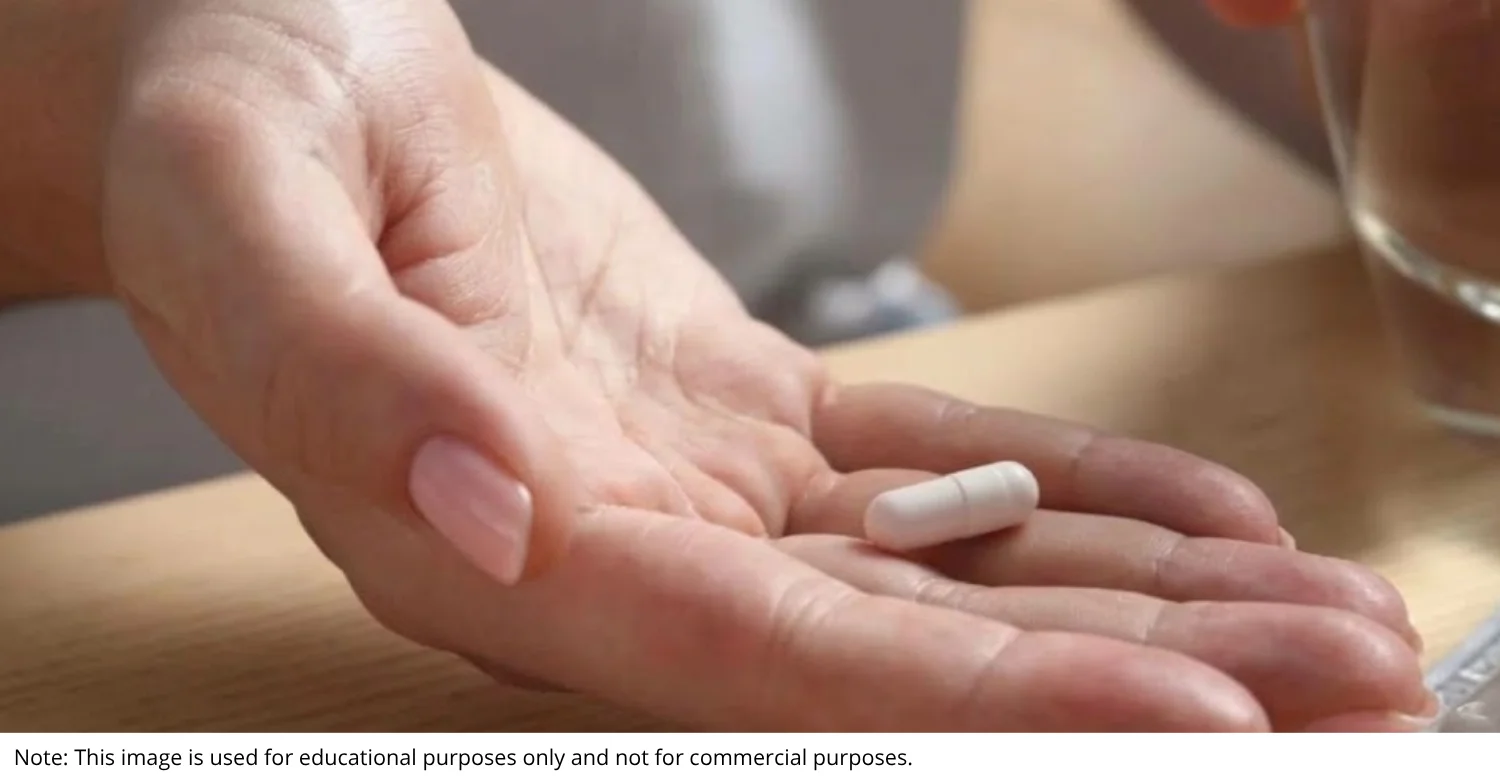
Oral zinc supplements are tablets, capsules, lozenges, or liquids that provide zinc by mouth. Common forms include zinc gluconate, zinc sulfate, zinc citrate, zinc acetate, and zinc picolinate. Zinc is an essential mineral, yet not everyone needs extra. Adequate zinc status supports a normal immune response and tissue repair. Correcting a deficiency matters more than adding zinc when levels are adequate. Oral tissues rely on good nutrition for healing. Still, no strong evidence shows that zinc tablets directly prevent cavities or gum disease.
What Does Zinc Do in the Body?
Zinc takes part in hundreds of enzyme reactions. It supports immune function, protein synthesis, cell division, and wound healing. It also contributes to normal taste and smell. The body cannot store large amounts, so regular intake matters. Most adults need about 8 to 11 mg daily, which a balanced diet usually provides. This normal physiological requirement is very different from therapeutic supplementation. Therapeutic doses are higher, target a specific problem, and should be supervised by a healthcare professional.
Does Zinc Have a Direct Benefit for Teeth and Gums?
Adequate nutrition helps keep oral tissues healthy, and zinc is one part of that picture. However, swallowing zinc tablets is not a proven dental treatment. Supplements are not a substitute for fluoride, plaque control, periodontal care, or regular dental examinations. Nutritional adequacy simply means your body has what it needs to function normally. Using zinc as a dental treatment is a different idea, and the evidence does not support it. Healthy teeth and gums still depend on daily cleaning and professional care.
Can Zinc Deficiency Affect Oral Health?
Yes, it can in some cases. Nutritional deficiencies may slow healing and change how oral tissues look or feel. Low zinc has been linked with taste changes, mouth sores, and delayed wound repair. However, these symptoms are not specific to zinc deficiency. Infections, medications, dry mouth, and other deficiencies can cause the same signs. Guessing from oral symptoms alone is unreliable. A doctor can assess your diet, history, and blood tests if needed. Proper medical assessment is safer than self-diagnosis.
Learn how to care for swollen gum from wisdom tooth
When Might Someone Consider Taking an Oral Zinc Supplement?
Someone might consider an oral zinc supplement after a dietary review or professional advice shows a real need. The reason for taking zinc matters. Low dietary intake and a medically identified deficiency are the clearest reasons. Restrictive diets, some digestive conditions, and certain life stages can raise the risk. Before starting, add up your total intake. Zinc comes from food, multivitamins, and single-ingredient tablets, and the amounts combine. Knowing your total helps you avoid taking more than your body can use.
Zinc Deficiency and Supplementation
Healthcare professionals evaluate suspected deficiency in several ways. They review your diet, symptoms, medical history, and medications. They may also order blood tests, although zinc levels in blood are not always a perfect guide. Risk factors such as digestive disease or a restricted diet are considered too. If a deficiency is likely, a clinician can recommend a suitable dose and duration. Supplementation should address an identified need. It should not be used simply to raise intake without a clear purpose.
Can You Get Enough Zinc From Food?
Most people can. Zinc is found in meat, seafood, dairy products, eggs, legumes, nuts, and seeds. Oysters and red meat are especially rich sources. Plant foods contain zinc as well, although the body absorbs it less efficiently from them. People following vegetarian or vegan diets may need to plan their intake more carefully. When there is no confirmed deficiency, a food-first approach is usually appropriate. Food supplies zinc alongside other nutrients, and it rarely leads to excessive intake.
Tips for Patients
Check the amount of elemental zinc: Read supplement labels carefully and focus on the actual elemental zinc per serving, not just the zinc compound.
Avoid combining multiple zinc products: Check multivitamins, lozenges, and other supplements to avoid excessive total zinc intake.
Tell your dentist about supplements: Share all zinc supplements, medications, vitamins, and herbal products, especially before dental procedures.
Do not increase the dose: Taking more zinc does not necessarily improve results and may cause stomach upset or contribute to copper deficiency.
Maintain good oral hygiene: Brush twice daily with fluoride toothpaste, clean between your teeth, limit sugary foods and drinks, and attend regular dental check-ups. Supplements cannot replace proper dental care.
Check safety tips on using peroxide to help with tooth pain
Oral Zinc Supplements for Acne: Do They Really Help?
Oral zinc supplements for acne are a popular use outside dentistry. Researchers have studied zinc because of its possible effects on inflammation and immune processes in the skin. Some studies report modest improvement, while others show little benefit. Zinc is not a guaranteed acne treatment. Results vary with the formulation, the dose, the severity of acne, and the individual. Established dermatological treatments often perform better in comparisons. Acne care should be based on its type and severity, ideally with guidance from a dermatologist.
Why Is Zinc Used for Acne?
Zinc is used for acne because of several proposed mechanisms. It may have anti-inflammatory effects and may influence immune activity in the skin. Laboratory studies also suggest it could affect acne-related bacteria and oil production. These ideas are biologically plausible. However, a plausible mechanism does not guarantee a real-world result. Acne has many causes, including hormones, genetics, and skin care habits. People also absorb and respond to zinc differently. For these reasons, supplementation will not work for every person.
Can Zinc for Acne Affect Your Mouth?
It can, mostly through side effects. Some preparations cause nausea, stomach discomfort, or an unpleasant metallic taste. Taking zinc with food often reduces these problems. Acne regimens sometimes involve higher doses for several months, which raises the risk of excess intake. Too much zinc creates health problems rather than improving oral health. People using oral zinc supplements for acne should keep their dose within recommended limits. Clearer skin should never come at the cost of unnecessarily high zinc intake.
Explore types and benefits of dental prosthesis
What Are the Possible Side Effects of Oral Zinc Supplements?
Zinc is an essential nutrient, but more is not necessarily better. Oral zinc supplements can cause side effects when the dose is too high or poorly tolerated. Common problems include nausea, stomach upset, vomiting, diarrhea, and an unpleasant taste. Prolonged excessive intake can interfere with copper status. Low copper may then lead to anemia and other complications. To stay safe, check the elemental zinc on the label. The total weight of the zinc compound does not tell you your real dose.
What Happens If You Take Too Much Zinc?
The effects depend on how much you take and for how long. A single large dose can cause acute symptoms. These include nausea, vomiting, stomach cramps, diarrhea, and headache. They usually appear within hours. Prolonged excessive intake is different and often less obvious. Over weeks or months, it can reduce copper absorption, weaken immune function, and lower HDL cholesterol. Some people develop anemia or nerve-related symptoms. This is why high-dose supplementation should never be used casually or without professional supervision.
Can Zinc Interact With Medications?
Yes. Zinc can bind to certain medicines in the gut and reduce their absorption. This applies to some antibiotics, especially tetracyclines and quinolones. It also applies to penicillamine. Some diuretics can increase the amount of zinc lost in urine. Spacing the doses several hours apart often solves the problem, but timing differs between medicines. Dentists sometimes prescribe antibiotics, so this is relevant to dental care. If you take regular medication, ask a doctor or pharmacist about timing and possible interactions.
.webp)
How Long Should You Take an Oral Zinc Supplement?
There is no universal duration for taking an oral zinc supplement. The right length depends on why you take it, your nutritional status, the dose, your response, and professional recommendations. Short-term use to correct a shortfall differs from prolonged daily use. Long courses carry more risk, particularly at higher doses. Taking zinc indefinitely without checking whether you still need it may be inappropriate. Set a clear goal and a review date at the start. Then confirm with a healthcare professional whether to continue.
When Should Zinc Supplementation Be Reassessed?
Reassessment is sensible at regular intervals and whenever something changes. Review your symptoms, your dietary intake, and your original treatment goals. Ask whether the supplement is still doing anything useful. Check for side effects such as nausea or taste changes. If your diet has improved, you may no longer need extra zinc. Persistent symptoms deserve attention. They should trigger a fresh assessment rather than a higher dose. A doctor can decide whether further tests or a different approach are needed.
Learn about the anatomy and health of the dental pulp
What We Notice Clinically
Dr. Rifat Alsaman, Head of the Medical Team at Vitrin Clinic and a cosmetic dentist, emphasizes one clear point. Nutritional supplements belong to the patient's overall health picture. They are not a replacement for dental treatment. In daily practice, many patients take vitamins and minerals without mentioning them. Some also expect oral zinc supplements to solve problems that need clinical care. Open conversation helps correct both issues. The observations below reflect what the clinical team commonly sees during consultations and treatment planning.
Supplements Cannot Replace Dental Treatment
Zinc supplementation does not treat cavities, periodontal disease, dental infections, broken teeth, or established oral pathology. These conditions involve structural damage or active disease. They need specific procedures such as fillings, cleaning, root canal treatment, or restoration. Dr. Rifat Alsaman, Head of the Medical Team at Vitrin Clinic and a cosmetic dentist, stresses that diagnosis should come before treatment. Once the cause is known, the right care can begin. Good nutrition then supports recovery, but it does not replace the treatment itself.
Clinical Note
Clinical note from Dr. Rifat Alsaman: Zinc is an essential nutrient, but supplementation should be guided by the reason for use and the patient's overall health. A higher intake does not automatically provide greater benefit. Patients with persistent oral symptoms should receive an appropriate dental assessment. Supplementation should not delay treatment of dental infection, gum disease, oral lesions, or other significant conditions. Nutritional supplements and dental treatment serve different purposes. One supports general health, while the other addresses a diagnosed problem.
See the risks and timeline of smoking after tooth extraction
What Should You Do If You Develop Oral Symptoms While Taking Zinc?
Start by pausing any self-directed supplementation and seeking professional advice. This applies to persistent mouth irritation, unusual taste changes, nausea, vomiting, or other concerning symptoms. If a clinician prescribed your zinc, contact them before stopping. Do not assume zinc caused every oral lesion or gum change. Many conditions look similar. Arrange a dental evaluation when symptoms persist or return. Seek care sooner if you notice pain, swelling, bleeding, or signs of infection. Early assessment usually makes treatment simpler.
When Should You See a Dentist?
Book a dental visit if you notice any of the following signs, whether or not you take zinc:
Persistent mouth sores
Unexplained gum bleeding or swelling
Tooth pain
Facial or oral swelling
Persistent changes in taste
Delayed healing after dental treatment
Any oral lesion that does not resolve normally
These signs do not always mean something serious, but they should be examined. As a general guide, a sore lasting longer than two weeks should be checked. Facial swelling with fever or difficulty swallowing needs urgent care.
Can Oral Zinc Supplements Replace Professional Dental Care?
No. Oral zinc supplements support nutritional health, but they do not treat dental conditions. These are two separate goals. Cavities need decay removed and the tooth restored. Periodontal disease needs professional cleaning and ongoing maintenance. Infections may need drainage, root canal treatment, or extraction. Structural problems such as cracks require repair. Each condition calls for diagnosis-specific treatment. Preventive dentistry remains the foundation of oral health. Regular check-ups, fluoride, and daily cleaning stop many problems before they start.
How Much Do Oral Zinc Supplements Cost?
The cost of oral zinc supplements varies widely. Formulation, brand, strength, pack size, and country all affect the price. Most products are relatively affordable. However, price should not be your only consideration. Compare the actual elemental zinc content per tablet. A more expensive product is not necessarily clinically superior. Added ingredients and marketing often explain the difference. If you suspect a deficiency or have a medical condition, seek professional advice first. Do this before buying a long-term supply.
Discover all about endosteal implants
How Do Oral Zinc Supplements Compare With Getting Zinc From Food?
Oral zinc supplements and food both provide zinc, but they suit different situations. Food delivers moderate amounts together with protein and other nutrients. Supplements deliver a concentrated, measured dose. That makes them useful when intake is low or a deficiency exists. It also makes excess intake easier. For most healthy people, diet is the natural starting point. Supplements become relevant when diet alone is not enough. The sections below look at each option and how to choose between them.
Zinc From Food
Getting zinc through a balanced diet has clear nutritional advantages. Food provides zinc with protein, iron, B vitamins, and other helpful nutrients. Naturally occurring sources include oysters, beef, poultry, dairy products, eggs, lentils, chickpeas, nuts, and seeds. Animal sources are absorbed more readily. Whole grains and legumes contain phytates, which reduce absorption somewhat. Soaking or sprouting legumes can help. Dietary zinc very rarely causes toxicity. A varied diet therefore covers the needs of most healthy adults without extra products.
Zinc Supplements
Supplements can be useful when diet falls short or a deficiency has been identified. They may also suit people with absorption problems or higher needs. Their main advantage is convenience. A tablet gives a known dose in seconds. The drawback is how easily people take zinc they do not need. Unnecessary supplementation adds cost and risk without benefit. Individual needs should decide whether a supplement is appropriate. A short conversation with a doctor or pharmacist can clarify this.
Which Option Is Better?
Neither option is universally superior. For many people, dietary intake is sufficient and no supplement is needed. For others, food alone cannot meet their needs. Supplementation has a role when intake is inadequate or a deficiency is identified. The better choice depends on your diet, health, and circumstances. It can also change over time. Start with food where possible. Add a supplement only for a clear reason, at a sensible dose, and for a defined period. Review the decision regularly.
How Vitrin Clinic Approaches Patient Education and Dental Care
Vitrin Clinic in Istanbul, Turkey, takes a patient-focused approach to dental assessment. Medical history, medications, supplements, and existing oral conditions all inform treatment planning. Diagnostic technology such as CBCT/3D imaging and intraoral scanning is used when clinically indicated. Cosmetic treatment begins with an assessment of oral health where relevant. Dr. Rifat Alsaman, Head of the Medical Team at Vitrin Clinic and a cosmetic dentist, oversees individualized treatment planning and multidisciplinary care when needed. The clinic provides dental care, not nutritional or acne treatment.
A Personalized Approach to Dental Treatment
Every patient is different, so treatment planning starts with the individual. A typical pathway includes:
Comprehensive examination
Individual treatment planning
Assessment of teeth and gums before major restorative or cosmetic procedures
Appropriate diagnostic imaging when clinically indicated
Patient education and realistic treatment expectations
Each step builds on the one before it. Findings from the examination shape the plan, and the plan is explained in clear language. Patients are encouraged to ask questions and share their full health history, including supplements.
Ready to transform your smile?
Talk to our team and get a FREE treatment plan.
References:
FAQs
Dr. Rifat Alsaman has more than 5 years of clinical experience in dentistry and currently serves as the Head of the Medical Team at Vitrin Clinic. He is dedicated to providing exceptional patient care, overseeing treatment planning, and ensuring the highest clinical standards across the team. His expertise, attention to detail, and commitment to continuous professional development have helped countless patients achieve healthier, more confident smiles.


