General Dentistry
August 9, 2026
Osteoporosis and Tooth Loss: Can Osteoporosis Affect Your Teeth?
 Dr. Rifat Alsaman
Osteoporosis and tooth loss are more closely linked than most people realize. Osteoporosis weakens bones throughout the body, and the jaw is not an exception. As bone density decreases, the structures that hold teeth in place can weaken too. This is why researchers and dentists continue to study the relationship between bone health and teeth. In this article, we look at how this condition affects the jawbone, gums, and teeth. We also cover what the research shows and how patients can protect their oral health. A nationwide study from Korea found that women with osteoporosis had an average of 10.4 missing teeth. Women with osteopenia had 6.7, and women with normal bone density had only 4.5. Lower femoral neck bone density also raised the odds of losing eight or more teeth.
What Is Osteoporosis and How Does It Affect the Body?
Understanding this condition's link to dental health starts with osteoporosis itself. It is a skeletal condition in which bones lose density and strength, becoming more porous and fragile over time. It develops gradually and often has no obvious symptoms until a fracture or dental problem draws attention to it. Bone remodeling happens throughout the entire skeleton, including the jaw. This is why the connection between osteoporosis and tooth loss becomes easier to understand once the underlying bone process is clear.
What Happens to Bones With Osteoporosis?
In osteoporosis, the balance between bone breakdown and bone rebuilding shifts. As a result, more bone tissue is lost than replaced. This leaves bones thinner, weaker, and more prone to fracture. Over the years, this same imbalance can affect the jawbone. It reduces the density of the bone that surrounds and supports the teeth.
How Does Osteoporosis Affect Oral Health?
Osteoporosis oral health concerns center on the jawbone, gums, and the tissues that anchor teeth. Reduced bone density in the jaw can make it harder for teeth to stay firmly in place. It can also affect how gum tissue responds to bacteria and inflammation. This is part of why dentists pay close attention to this issue in older patients.
The Connection Between Bone Density and the Jaw
The jawbone relies on the same minerals and remodeling processes as the rest of the skeleton. When systemic bone density declines, the jaw can be affected in a similar way. It sometimes shows signs of thinning before other parts of the body do. This is one reason dental visits can offer early clues about bone health.
Why Jawbone Health Matters for Teeth
Teeth are held in place by the jawbone and the surrounding periodontal tissue. If this supporting bone weakens, teeth can lose some of their stability. This is one of the central reasons osteoporosis and tooth loss are discussed together in dental research.
Can Osteoporosis Cause Tooth Loss?
Can osteoporosis cause tooth loss? This is one of the most common questions patients ask their dentists. Research suggests osteoporosis does not directly destroy teeth. Instead, it weakens the bone that supports them. This raises the risk of loosening and eventual tooth loss over time.
How Osteoporosis and Tooth Loss Are Connected
This link comes down to shared bone biology. A cohort study published in JAMA Internal Medicine looked at osteoporotic women who still had their natural teeth at age 50. Among them, 44% needed a full denture before age 60. Only 15% of women without osteoporosis needed one. This illustrates how much bone density can influence long-term dental outcomes.
Does Osteoporosis Affect Your Teeth?
Does this condition affect your teeth directly, or only the bone around them? Current evidence points mainly to the supporting bone and gum tissue, not the tooth enamel itself. Still, the practical effect on patients is the same. Weaker supporting structures can make teeth feel loose or shift position over time.
Can Reduced Bone Density Make Teeth Loose?
Reduced jawbone density can reduce the anchorage available to each tooth root. When this happens gradually, teeth may start to feel slightly mobile. This is especially true in patients who also have gum disease. The combination of low bone density and inflammation places extra strain on tooth-supporting tissue.
Osteoporosis and Loose Teeth: What Patients Should Know
Loose teeth often appear in patients with long-standing low bone density, particularly when gum disease is also present. Patients should know that loose teeth are not an inevitable outcome. Still, they are a signal worth discussing with a dentist promptly. See what other warning signs to watch for in our full guide to tooth loss.
Tips for the Patients: Keep up with regular dental examinations. Maintain good oral hygiene. Always tell your dentist and doctor about any osteoporosis medications you are taking, since some treatments can influence dental care decisions.
Osteoporosis and Jawbone Loss: What Is the Connection?
Jawbone loss is connected to osteoporosis through the same bone remodeling process that affects the rest of the skeleton. A retrospective chart study from the University of Mainz in Germany found that osteoporosis patients had more tooth loss and more severe alveolar bone loss. They also had lower panoramic mandibular index and mental index values — both markers of reduced jawbone density.
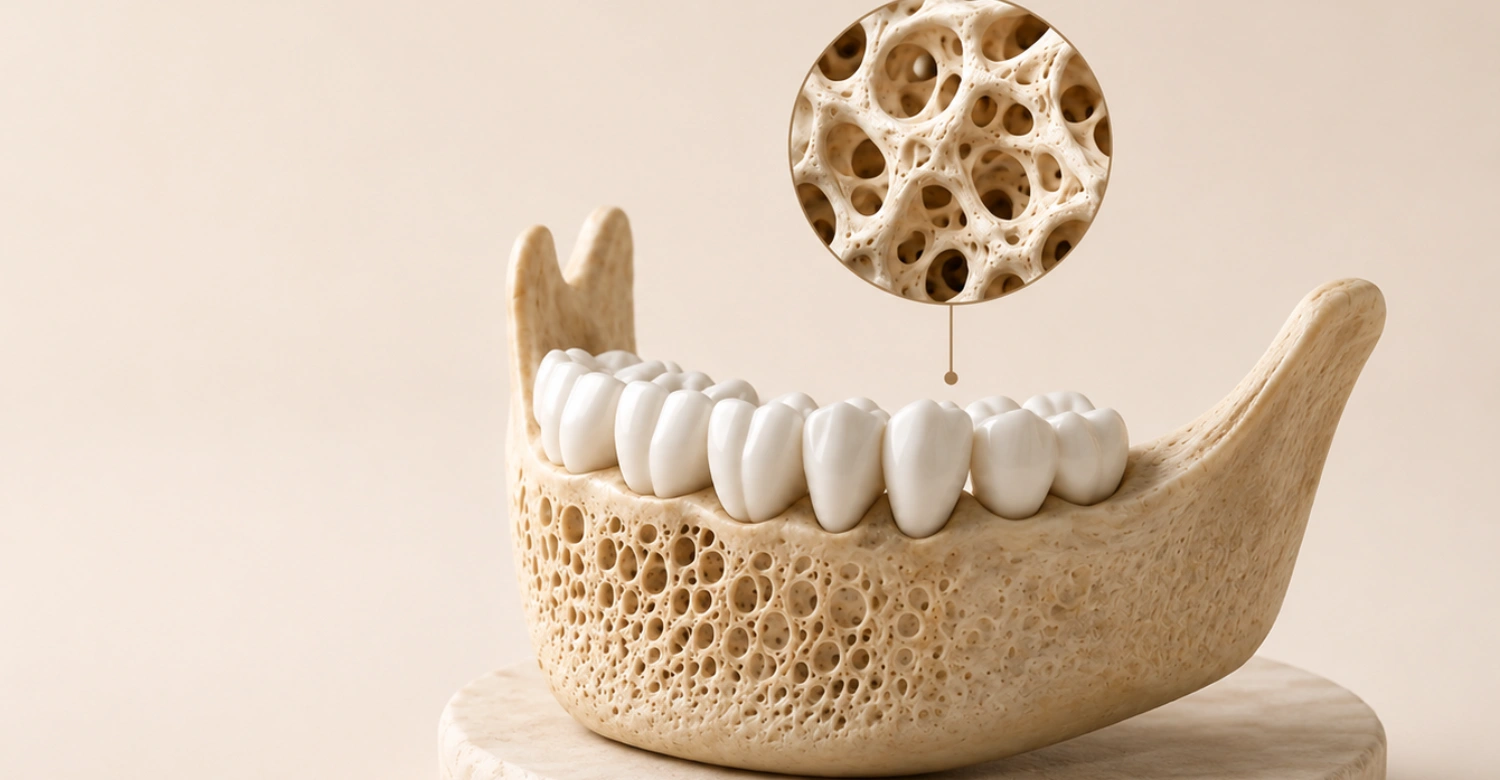
Osteoporosis and Bone Loss in the Jaw
This process tends to progress quietly, since patients rarely feel jawbone thinning the way they might feel a fracture elsewhere. A 25-year literature review found that low systemic bone mineral density is associated with alveolar bone loss. More recent evidence also points to a link with clinical attachment loss around teeth.
How Jawbone Density Can Affect Tooth Stability
This is a key mechanism behind osteoporosis and tooth loss. When the jawbone loses density, the sockets that hold tooth roots can become shallower or less supportive. This does not happen overnight. Over years, though, it can contribute to the slow progression many dentists associate with aging patients.
Signs of Jawbone Loss to Watch For
Patients may notice gum recession, shifting teeth, changes in how dentures fit, or subtle changes in bite alignment. None of these signs confirm jawbone loss on their own. Together, though, they are worth raising with a dental professional. Don't ignore gum recession — find out what it means in how gingivitis starts.
How Dentists Evaluate Jawbone Health
Dentists typically evaluate jawbone health through clinical examination combined with dental X-rays or 3D imaging. They look at bone density patterns, tooth support, and any signs of resorption around the roots.
Osteoporosis and Gum Disease: Is There a Connection?
Osteoporosis and gum disease are linked in the research literature, though the relationship is complex. A systematic review and pooled meta-analysis published in Oral Diseases found that osteoporosis is closely related to an increased future risk of periodontitis. This reinforces why gum health deserves attention in patients with lower bone density. Get the full picture on how far untreated gum disease can go in how bad periodontal disease can get.
Understanding the Relationship Between Osteoporosis and Gum Disease
Gum disease begins with inflammation of the gum tissue and can progress to affect the bone that supports the teeth. In patients with osteoporosis, this supporting bone may already be somewhat weakened. This can make the effects of gum disease more pronounced. It is part of why these two conditions are so often discussed alongside periodontal health.
How Gum Disease Can Contribute to Tooth Loss
Untreated gum disease gradually destroys the ligament and bone anchoring each tooth. Combined with reduced jawbone density from osteoporosis, this process can accelerate tooth loosening. Early treatment of gum disease is therefore an important preventive step. Understand exactly how far this can progress in the stages of periodontal disease.
Gum Inflammation and Supporting Bone
Persistent gum inflammation triggers the same type of bone breakdown seen elsewhere in the body during osteoporosis. A recent review in Dentistry Journal concluded that osteoporosis is significantly associated with increased prevalence and severity of radiographic alveolar bone loss. It found no consistent link, however, with other clinical periodontal measurements.
Why Periodontal Health Matters With Osteoporosis
Maintaining periodontal health gives the jawbone the best chance of supporting teeth despite reduced density elsewhere in the skeleton. This is why gum care is considered a key part of managing this risk.
Tips for the Patients: Focus on thorough brushing, daily interdental cleaning, routine professional dental cleanings, and prompt treatment of any gum problems before they progress.
Osteoporosis and Dental Health: How Can You Protect Your Teeth?
Osteoporosis and dental health go hand in hand. Protecting your teeth starts with consistent daily care combined with regular professional monitoring. Patients who stay proactive about both bone health and oral hygiene tend to have better long-term outcomes.
Osteoporosis Oral Health and Daily Dental Care
Osteoporosis oral health depends heavily on daily habits such as brushing, flossing, and avoiding tobacco. These habits support gum tissue and reduce the bacterial load that can worsen bone loss around the teeth.
Dental Checkups and Early Detection
Routine dental checkups allow small changes in gum health or bone support to be caught early. This is often well before a patient notices any symptoms, which makes checkups especially valuable for at-risk patients. See what a proactive dental routine actually looks like in preventive dentistry at Vitrin Clinic.
Oral Hygiene Habits That Support Dental Health
Brushing twice daily, flossing or using interdental brushes, and limiting sugary foods all help reduce plaque buildup. This, in turn, lowers the risk of gum disease progressing and affecting the supporting bone.
When Should You See a Dentist?
Patients with osteoporosis should see a dentist for routine checkups at least twice a year. See a dentist sooner if you notice gum bleeding, loose teeth, denture fit changes, or jaw discomfort.
Osteoporosis and Dental Implants: Are They Possible?
Osteoporosis and dental implants can be compatible. The decision depends on individual bone quality, medication history, and overall oral health rather than the diagnosis alone. Get the complete answer in our dedicated guide to dental implants in Turkey.
Can Patients With Osteoporosis Get Dental Implants?
Many patients with osteoporosis can receive dental implants successfully. The key factor is not the diagnosis itself. It is the condition of the jawbone at the implant site, along with any medications that may affect bone healing.
How Osteoporosis May Affect Implant Planning
Reduced jawbone density may require additional planning. This can include more detailed imaging or a modified implant approach, to help ensure the implant has enough stable bone for long-term support. Already dealing with reduced bone density? Read can you get dental implants with bone loss.
Bone Quality and Implant Stability
Implant success depends on the bone being dense and healthy enough to fuse securely with the implant. In patients with lower bone density, dentists may take extra steps to assess bone quality before proceeding.
Why Individual Assessment Is Important
Bone density and oral health vary widely between patients. Individual assessment is essential before recommending dental implants, particularly for anyone already managing bone loss concerns.
How Is Osteoporosis and Tooth Loss Diagnosed?
This condition is typically identified through a combination of dental examination, imaging, and a review of the patient's medical history and bone health status.
Dental Examination
A thorough dental examination checks for loose teeth, gum recession, bleeding, and other visible signs that may point toward bone loss.
Evaluation of the Jawbone
Evaluating the jawbone helps dentists understand how much bone support remains around each tooth. It also shows whether density has changed over time.
Dental X-Rays and 3D Imaging
Dental X-rays and 3D imaging allow dentists to see the bone structure beneath the gums. They can identify areas of thinning and track changes over successive visits. Curious how dentists actually see beneath the gumline? Discover CBCT and 3D imaging.
Checking Teeth, Gums, and Bone Support
Dentists assess tooth mobility, gum attachment levels, and bone height around the roots. Together, these checks build a full picture of oral bone health.
Medical History and Osteoporosis Treatment
A patient's medical history, including any osteoporosis medications, plays an important role in dental diagnosis and treatment planning. Certain treatments can influence healing and bone response.
Clinical Note: The dentist should always be informed about a patient's osteoporosis diagnosis and any medications being taken. This information can influence dental treatment planning.
How Can You Prevent Tooth Loss With Osteoporosis?
Prevention relies on a combination of consistent oral hygiene, early treatment of gum problems, and regular dental monitoring alongside standard osteoporosis management.
Maintain Excellent Oral Hygiene
Daily brushing and flossing remain the foundation of prevention. They help reduce the bacterial buildup that can accelerate bone loss around the teeth.
Treat Gum Disease Early
Addressing gum disease at its earliest stage prevents it from progressing to the point where it affects the bone that supports the teeth. Learn what early treatment actually involves in scaling and root planing.
Protect the Jawbone and Supporting Tissues
Protecting the jawbone involves both dental care and overall bone health measures, since systemic bone density and oral bone density are closely connected.
Regular Dental Visits
Consistent dental visits allow professionals to monitor gum health, bone support, and tooth stability. This helps catch early warning signs before they become more serious.
Balanced Nutrition and Healthy Lifestyle
A diet with adequate calcium and vitamin D supports bone health throughout the body, including the jaw. Avoiding smoking and excessive alcohol helps too. See how your whole diet connects to your smile in gut health and oral health.
Tips for the Patients: Do not wait for loose teeth, bleeding gums, or discomfort before seeking professional dental care.
Treatment Options for Osteoporosis-Related Dental Problems
Treatment is tailored to each patient. Options can range from conservative gum therapy to more advanced restorative options.
Treatment for Loose Teeth
Loose teeth may be managed with splinting, gum therapy, or bite adjustment. The right approach depends on the underlying cause and severity of bone support loss.
Treatment for Gum Disease
Gum disease treatment ranges from professional cleanings to deeper periodontal therapy. The goal is to reduce inflammation and preserve as much supporting bone as possible.
Restorative Dentistry Options
When teeth have already been lost, restorative dentistry offers several options to restore function and appearance. The right choice depends on the patient's remaining bone and overall oral health.
Dental Crowns and Bridges
Crowns and bridges can restore damaged or missing teeth in patients who have enough remaining bone and tooth structure to support them. Compare your restorative options in the types of dental crowns.
Dentures
Dentures remain a common solution for more extensive tooth loss, particularly in patients whose remaining jawbone cannot support fixed restorations.
Dental Implants
Dental implants may also be considered as part of treatment, depending on individual bone assessment and health history.
When Implants May Be Considered
Implants may be considered when there is sufficient jawbone density and no contraindicating medical factors, following a thorough evaluation.
Why Bone Assessment Is Important
A careful bone assessment helps determine whether implants, bridges, or dentures are the most suitable option for a given patient. Not enough bone for a traditional implant? See a proven alternative in subperiosteal implants.
Osteoporosis and Tooth Loss: What Can You Do at Home?
Managing this at home starts with consistent daily habits that protect both gum tissue and the bone that supports the teeth.
Daily Brushing and Flossing
Brushing twice a day and flossing daily remain the most effective home habits for reducing plaque and protecting gum and bone health. Not flossing consistently yet? Learn why it matters in how to use dental floss.
Managing Gum Health
Using an antimicrobial mouth rinse when recommended, along with gentle gum massage during brushing, can support healthier gum tissue over time.
Monitoring Changes in Your Teeth
Pay attention to any shifting, looseness, or sensitivity in the teeth. Report changes to a dentist before they progress.
Signs That Require Dental Attention
Bleeding gums, loose teeth, denture fit changes, and new gaps between teeth are all signs that warrant a prompt dental visit.
Why Early Intervention Matters
Early intervention often means simpler, less invasive treatment. This is why home monitoring plays an important role alongside professional dental care.
Vitrin Clinic and Dental Care for Patients With Osteoporosis
Vitrin Clinic supports patients managing bone-related tooth loss. The clinic offers personalized dental assessment, modern imaging, and treatment planning tailored to each patient's bone health and oral condition.
Personalized Dental Assessment at Vitrin Clinic
At Vitrin Clinic, every patient receives an individualized dental assessment. It takes into account bone density considerations, gum health, and any relevant medical history before treatment is planned.
Advanced Dental Treatment Planning
Vitrin Clinic uses advanced treatment planning methods to evaluate the best options for concerned patients. This may involve restorative dentistry, gum therapy, or implant assessment.
Digital Imaging and Treatment Evaluation
Digital imaging allows the clinical team at Vitrin Clinic to closely evaluate bone support and plan treatment with greater precision. Curious how your smile gets mapped out digitally before treatment? Explore Digital Smile Design.
Personalized Restorative and Implant Solutions
Restorative and implant solutions at Vitrin Clinic are chosen based on each patient's individual bone quality and oral health goals, rather than a one-size-fits-all approach.
What We Notice Clinically
Dr. Rifat Alsaman is Head of the Medical Team at Vitrin Clinic and a cosmetics dentist. According to Dr. Alsaman, patients with osteoporosis can benefit greatly from careful dental assessment and individualized treatment planning. Dr. Alsaman emphasizes that particular attention should be given to the teeth, gums, and supporting bone. Overall aesthetic goals should also be considered before any treatment approach is recommended.
Clinical Note
Every patient's dental condition is different. Treatment should always be planned according to their individual oral health, bone condition, medical history, and treatment goals.
Tips for the Patients
Keep regular dental appointments. Mention any osteoporosis medications to your dental team, and address gum or tooth concerns as soon as they appear rather than waiting.
Final Thoughts on Osteoporosis and Tooth Loss
Osteoporosis and tooth loss are connected through the shared bone processes that affect the jaw, gums, and teeth alike. As bone density decreases, the risk of jawbone loss, gum disease, and loose teeth can increase. This makes regular dental care and individualized treatment planning especially important for at-risk patients. Staying consistent with oral hygiene, attending routine dental checkups, and communicating openly with both medical and dental providers all help reduce the long-term impact. For patients looking for professional assessment, Vitrin Clinic offers a personalized treatment plan. Care is designed around each patient's individual bone health and oral condition. Ready to see how everyday stress affects your teeth too? Don't miss stress and oral health.
Reference:
The relationship between bone health and dental health highlights the importance of maintaining strong bones and good oral health. A recent study published in Clinical Interventions in Aging examined the association between osteoporosis and oral health. It emphasized the potential impact of reduced bone density on dental conditions. These findings reinforce the importance of regular dental checkups and early management to help protect teeth and supporting bone.
https://pmc.ncbi.nlm.nih.gov/articles/PMC12525478/
https://pmc.ncbi.nlm.nih.gov/articles/PMC11354161/
Dr. Rifat Alsaman has more than 5 years of clinical experience in dentistry and currently serves as the Head of the Medical Team at Vitrin Clinic. He is dedicated to providing exceptional patient care, overseeing treatment planning, and ensuring the highest clinical standards across the team. His expertise, attention to detail, and commitment to continuous professional development have helped countless patients achieve healthier, more confident smiles.


