Dental Care Guide
September 18, 2025
What Is Preventive Dentistry and Why Does It Matter in 2026?
 Dr. Rifat Alsaman
Preventive dentistry is the branch of dental care focused on maintaining oral health and avoiding problems before they develop into serious conditions. It includes regular dental checkups, professional cleanings, fluoride treatments, dental sealants, and patient education on proper brushing and flossing techniques. The goal is to stop cavities, gum disease, enamel wear, and other oral health issues at an early stage, making treatment easier, less invasive, and more affordable.
Preventive dentistry directly relates to dental treatment because it reduces the need for extensive procedures such as fillings, root canals, crowns, or implants. For example, catching a cavity in its earliest stage through a routine exam means it can often be treated with a small filling instead of waiting until the tooth decays and requires a more complex repair. Preventive care also supports long-term treatment success patients who maintain good oral hygiene and attend follow-ups have better outcomes after procedures like braces, implants, or periodontal therapy.
In essence, preventive dentistry and dental treatment work hand in hand: prevention lowers the risk of damage, while treatment addresses existing problems. Together, they ensure stronger teeth, healthier gums, and a lasting smile.
What Is Preventive Dentistry and Why Does It Matter in 2026?
Preventive dentistry has evolved beyond routine cleanings and cavity prevention. In 2026, it combines digital diagnostics, personalized risk assessments, minimally invasive treatments, and patient education to stop oral diseases before they become serious. Modern preventive care focuses on preserving natural teeth, reducing the need for complex procedures, and improving overall health through early intervention. At Vitrin Clinic, preventive dentistry is tailored to each patient's age, lifestyle, and oral health risks, allowing our dental team to detect problems at their earliest stages and create customized prevention plans that support long-term oral wellness.
How Does Preventive Dentistry Differ from Restorative Dental Care?
While restorative dentistry fixes existing issues such as cavities or damaged teeth, preventive dentistry aims to stop these problems before they start.
Why Is Prevention More Cost-Effective Than Treatment?
Preventive care reduces the likelihood of costly procedures by addressing risks early and maintaining healthy teeth and gums.
How Does Prevention Reduce the Need for Complex Procedures?
By minimizing decay, gum disease, and other issues, preventive dentistry lowers the chance of needing treatments like root canals, crowns, or implants.
What Are the Core Principles of Preventive Dentistry?
The main pillars include regular cleanings, routine dental checkups, and patient education to encourage good oral hygiene habits.
How Does Regular Cleaning Protect Long-Term Oral Health?
Professional cleanings remove plaque and tartar buildup that brushing alone cannot, preventing cavities and gum disease.
Why Are Routine Dental Checkups Essential?
Checkups allow dentists to detect problems early, offer advice, and apply treatments like fluoride to strengthen teeth.
What Role Does Patient Education Play in Prevention?
Educating patients on proper oral care and lifestyle choices empowers them to maintain healthy teeth and gums between visits. Learn how to treat teeth discoloration for a brighter, healthier smile
What Daily Habits Support Preventive Dentistry?
Brush your teeth twice a day with fluoride toothpaste for at least two minutes.
Floss daily to remove plaque and food particles between teeth.
Use mouthwash to reduce bacteria and freshen breath.
Limit sugary and acidic foods and drinks to prevent tooth decay.
Drink plenty of water, especially after meals, to wash away food particles.
Avoid tobacco products, which increase risk of gum disease and oral cancer.
Replace your toothbrush every 3 months or sooner if bristles are frayed.
Chew sugar-free gum to stimulate saliva, which protects teeth.
Wear a mouth guard during sports to prevent dental injuries.
Visit your dentist regularly for checkups and cleanings (typically every 6 months).
Stop grinding, protect enamel, and wake up without jaw pain. Know more about night guards.
How Should You Brush Your Teeth Correctly for Prevention?
Proper brushing removes plaque effectively, safeguarding against decay and gum problems.
What Is the Recommended Brushing Technique by Dentists?
Use gentle circular motions for at least two minutes, covering all tooth surfaces without harsh scrubbing.
How Often Should You Change Your Toothbrush?
Dentists recommend changing your toothbrush every 3-4 months or sooner if bristles are frayed.
Protect young teeth with children dental crowns for safe and effective restoration
Why Is Flossing Important in Preventive Dentistry?
Flossing cleans between teeth where brushes can’t reach, reducing plaque and preventing gum disease.
What Is the Right Way to Floss Effectively?
Use a gentle sawing motion to clean below the germline without snapping or forcing the floss.
Can Flossing Really Prevent Gum Disease?
Yes, regular flossing reduces inflammation and the risk of periodontal disease.
How Does a Healthy Diet Protect Your Teeth?
Diet plays a significant role in oral health by strengthening enamel and limiting harmful acid attacks.
Which Foods Strengthen Teeth and Gums?
Calcium-rich foods like dairy, crunchy vegetables, and foods high in vitamins C and D support strong teeth and healthy gums.
Which Foods and Drinks Should Be Avoided for Prevention?
Limit sugary snacks, acidic drinks, and sticky foods that promote decay and enamel erosion. Discover the causes and care tips for white gums to maintain healthy oral tissue
What Preventive Dental Treatments Are Offered at Clinics?
Dental Cleanings (Prophylaxis)
Professional removal of plaque and tartar to prevent cavities and gum disease.
Fluoride Treatments
Application of fluoride to strengthen enamel and reduce decay risk.
Dental Sealants
Protective coatings applied to chewing surfaces of molars to prevent cavities.
Oral Cancer Screenings
Early detection of abnormal tissue changes during dental exams.
X-rays (Radiographs)
Diagnostic images to detect decay, bone loss, or other issues not visible to the naked eye.
Periodontal (Gum) Maintenance
Specialized cleaning for patients with gum disease to prevent progression.
Patient Education and Counseling
Guidance on oral hygiene, diet, and habits to support dental health.
Mouth guards and Nightguards
Custom devices to protect teeth during sports or prevent grinding (bruxism).
Saliva Testing
Assess risk factors for cavities and gum disease. Protect your teeth from enamel erosion and preserve long-term dental health
How Do Professional Teeth Cleanings Support Prevention?
Dental cleanings remove hardened plaque and stains, maintaining healthy teeth and preventing cavities.
What Role Do Dental Sealants Play in Preventive Dentistry?
Sealants are protective coatings applied to molars to prevent decay in hard-to-clean grooves.
How Do Fluoride Treatments Protect Teeth From Decay?
Fluoride strengthens enamel and helps repair early signs of decay.
Why Is Fluoride Especially Important for Children?
Children’s developing teeth benefit most from fluoride’s protective effects.
How Do Fluoride Treatments Differ from Daily Toothpaste Use?
Professional fluoride treatments deliver higher concentrations for enhanced protection.
How Can X-Rays Help Detect Problems Early?
X-rays reveal hidden decay, bone loss, and other issues before symptoms appear.
Why Are Digital X-Rays Safer and More Accurate?
Digital X-rays emit less radiation and provide clearer images for precise diagnosis. Follow our tips for tooth decay prevention and long-term oral health.
Proactive Dental Care: Strategic Protocols and What to Do in a Dental Emergency
Preventive dentistry is not only about scheduled checkups—it also prepares patients to respond correctly when unexpected dental emergencies occur. Knowing what to do after a chipped tooth, knocked-out tooth, lost filling, or sudden dental pain can significantly improve treatment outcomes. Immediate first aid, preserving damaged teeth correctly, and seeking professional care quickly all contribute to better recovery. At Vitrin Clinic, patients receive preventive guidance that includes emergency preparedness, helping families react confidently until professional treatment is available while minimizing complications.
How Does Preventive Dentistry Help Different Age Groups?
Age Group | Common Needs | Preventive Benefits |
|---|---|---|
Infants (0–2) | Teething, early tooth eruption | - Parental guidance on cleaning gums & baby teeth- Prevent baby bottle tooth decay |
Children (3–12) | Cavity risk, learning hygiene habits | - Fluoride treatments- Dental sealants- Habit correction (thumb sucking, etc.) |
Teens (13–19) | Orthodontic issues, sugary diets, sports risks | - Braces/aligner monitoring- Mouth guards for sports- Cavity and gum care |
Adults (20–59) | Lifestyle factors, gum health, restorations | - Routine cleanings- Early detection of decay and gum disease- Oral cancer screenings |
Seniors (60+) | Tooth loss, dry mouth, gum disease | - Denture care- Root decay prevention- Management of systemic conditions (e.g., diabetes) |
What Does Preventive Dentistry Mean for Children?
Preventive care sets the foundation for lifelong oral health.
How Do Sealants and Fluoride Benefit Kids’ Teeth?
They protect children’s teeth from decay and reinforce enamel strength.
Why Are Early Dental Visits Critical for Children?
Early visits build comfort with dental care and catch potential problems early. Custom-fit protection cuts your risk of dental injury by over 90%. Know more about sports mouthguards.
How Can Preventive Dentistry Support Adults’ Oral Health?
Adults maintain oral health through regular care and lifestyle adjustments.
What Daily Routines Should Adults Never Skip?
Consistent brushing, flossing, and regular dental checkups are essential.
How Does Stress and Lifestyle Affect Oral Health?
Stress can cause teeth grinding and gum problems; smoking and diet also impact oral health.
Why Is Preventive Dentistry Vital for Seniors?
Maintaining oral health improves quality of life in older adults.
How Can It Reduce the Risk of Tooth Loss?
Preventing gum disease and decay helps retain natural teeth longer.
How Does It Help in Managing Existing Dental Treatments?
Regular care supports implants, dentures, and other dental work. Keep your results looking perfect with Hollywood Smile care tips
What Role Do Dentists Play in Preventive Dentistry?
Early Detection
Identify signs of cavities, gum disease, oral cancer, and other issues before symptoms appear.
Professional Cleanings
Remove plaque and tartar that daily brushing and flossing can’t reach.
Fluoride Treatments
Apply fluoride to strengthen enamel and reduce the risk of tooth decay.
Dental Sealants
Apply protective coatings on molars to prevent cavities, especially in children.
Patient Education
Teach proper brushing and flossing techniques, nutrition tips, and the importance of routine care.
Personalized Risk Assessment
Evaluate your risk for conditions like gum disease, bruxism (teeth grinding), or oral cancer and recommend prevention strategies.
X-rays and Diagnostic Tools
Use imaging to detect hidden problems such as bone loss, impacted teeth, or deep decay.
Mouth guards and Nightguards
Provide custom-fitted devices to prevent damage from sports or grinding.
Regular Monitoring
Track changes in your oral health over time and adjust care accordingly.
Dentists are not just problem-fixers, they are your partners in keeping your smile healthy for life.
Prevent and treat dental cavities with proper care and early intervention
How Do Regular Dental Checkups Prevent Major Issues?
Dentists detect and treat issues early before they worsen.
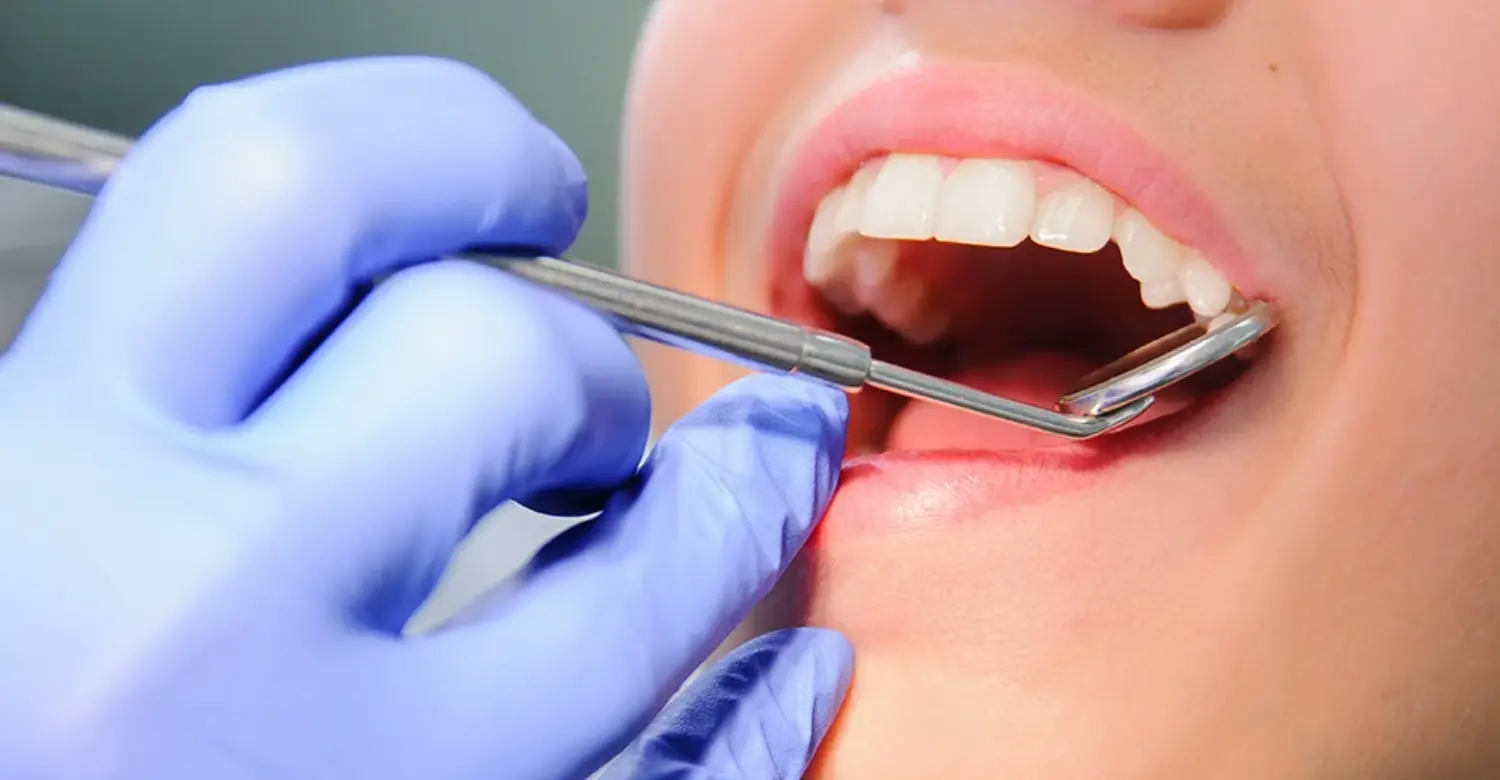
What Screenings Do Dentists Perform for Prevention?
They check for cavities, gum disease, oral cancer, and other problems.
How Do Dentists Detect Oral Cancer Early?
Through visual exams and biopsies if suspicious areas are found.
How Do Dentists Track Gum Health Progress Over Time?
By measuring gum pockets and monitoring inflammation.
How Do Dentists Personalize Preventive Plans for Patients?
Based on risk factors, dental history, and lifestyle to optimize care. Improve your oral hygiene with the water flosser benefits for thorough cleaning
Psychological Comfort: A Gentler Way to Think About Dental Care for Nervous Patients
Dental anxiety remains one of the biggest reasons people postpone preventive appointments. Modern preventive dentistry recognizes emotional comfort as an important part of successful treatment. Gentle communication, comfortable treatment environments, minimally invasive techniques, and gradual appointment planning help nervous patients build confidence over time. At Vitrin Clinic, our team works closely with anxious patients to create a stress-free experience that encourages regular preventive visits rather than waiting until pain develops. Comfortable preventive care often leads to healthier smiles and fewer complex dental treatments.
How Does Preventive Dentistry Improve Overall Health?
Reduces risk of systemic diseases
Gum disease (periodontitis) is linked to conditions like heart disease, stroke, diabetes, and Alzheimer’s. Preventing it helps reduce these risks.
Lowers inflammation in the body
Chronic oral infections can raise inflammation levels throughout the body — preventing them keeps your immune system healthier.
Improves diabetes management
Healthy gums can help control blood sugar levels, making it easier to manage diabetes.
Protects pregnancy health
Good oral care lowers the risk of preterm birth and low birth weight due to gum disease during pregnancy.
Supports proper nutrition
Healthy teeth and gums make it easier to chew and enjoy a wide range of foods, supporting better digestion and nutrition.
Prevents infections from spreading
Oral infections can travel to other parts of the body through the bloodstream — prevention keeps bacteria in check.
Boosts mental and emotional well-being
A clean, pain-free mouth improves confidence, self-esteem, and overall quality of life. Learn how to manage child buck teeth effectively for proper growth.
How Is Oral Health Connected to General Body Health?
Oral infections and inflammation can impact heart disease, diabetes, and more.
How Can Poor Oral Hygiene Affect Heart Health?
Bacteria from gum disease may enter the bloodstream, contributing to cardiovascular problems.
How Is Preventive Dentistry Linked to Diabetes Management?
Good oral care helps control blood sugar levels and prevent complications.
How Can Preventive Dentistry Improve Quality of Life?
Maintaining oral health reduces discomfort and boosts confidence.
How Does It Reduce Pain and Discomfort?
By preventing decay and gum disease, it minimizes oral pain.
How Does It Contribute to a Confident Smile?
Healthy teeth and gums support a bright, attractive smile. Explore quality care options in pediatric dentistry Turkey for your children.
Symptom Management: Tooth Sensitivity Causes and Preventive Solutions
Tooth sensitivity is one of the earliest signs that preventive care may be needed. Worn enamel, exposed roots, gum recession, teeth grinding, acidic diets, and untreated cavities can all contribute to discomfort when eating hot, cold, or sweet foods. Preventive dentistry identifies the underlying cause rather than simply masking symptoms. Professional fluoride treatments, protective restorations, night guards, dietary adjustments, and improved oral hygiene habits may all help reduce sensitivity. At Vitrin Clinic, personalized preventive care plans are designed to protect enamel, strengthen teeth, and prevent sensitivity from progressing into more serious dental problems.
What Are the Long-Term Benefits of Preventive Dentistry?
Fewer dental problems
Prevents cavities, gum disease, enamel erosion, and tooth loss.
Saves money over time
Avoids costly procedures like root canals, crowns, implants, or dentures by catching issues early.
Maintains a confident, attractive smile
Regular care keeps teeth cleaner, whiter, and properly aligned over the years.
Protects overall health
Reduces risk of heart disease, diabetes complications, infections, and pregnancy issues.
Supports cognitive health
Studies link good oral hygiene to lower risks of dementia and Alzheimer’s disease. Catch white spots and early sensitivity before decay takes hold. Know more about preventing rotten teeth.
Builds lifelong healthy habits
Encourages consistent hygiene routines that benefit your entire life.
Preserves natural teeth into old age
With proper care, many people keep most or all of their natural teeth for life.
Reduces risk of dental emergencies
Prevents painful, urgent issues that disrupt daily life and require sudden treatment.
Improves quality of life
Less pain, fewer dental visits, and better function = easier eating, speaking, and smiling. Maintain healthy teeth with professional dental cleaning procedures.
How Does It Save Money on Future Dental Costs?
Preventing problems lowers the need for expensive restorative treatments.
Why Does It Provide Better Aesthetic and Functional Results?
Healthy teeth look better and function properly for eating and speaking.
How Does It Promote Lifelong Healthy Smiles?
Consistent care fosters durable oral health and beauty.
Clinical Benchmarks: Why True Oral Prevention Always Starts Before Pain
Many dental diseases progress silently before causing noticeable symptoms. Cavities, gum disease, enamel erosion, and bite problems often begin months or even years before discomfort appears. Preventive dentistry focuses on identifying these early warning signs through comprehensive examinations and diagnostic imaging. By detecting problems before pain develops, dentists can often preserve more natural tooth structure and avoid extensive procedures. At Vitrin Clinic, every preventive examination emphasizes early diagnosis because treating disease in its earliest stage is typically simpler, more conservative, and more cost-effective.
What We Notice Clinically
According to Dr. Rifat Alsaman, Head of the Medical Team at Vitrin Clinic and an experienced cosmetic dentist, one of the most common patterns seen in clinical practice is that patients often wait until discomfort appears before scheduling an appointment. Dr. Rifat Alsaman explains that many early cavities, gum conditions, and enamel changes are completely painless during their initial stages. Through comprehensive preventive examinations, these problems can often be treated conservatively before they require more complex restorative procedures. Dr. Rifat Alsaman emphasizes that regular preventive visits remain one of the most effective ways to preserve natural teeth, maintain smile aesthetics, and reduce future dental costs.
Tips for Patients
Preventive dentistry is most effective when healthy habits continue between dental visits. Brushing twice daily with fluoride toothpaste, cleaning between teeth every day, limiting sugary snacks, drinking plenty of water, and attending regular dental examinations all contribute to long-term oral health. Replacing worn toothbrushes, wearing mouthguards during sports, and addressing minor sensitivity early can also prevent future complications. At Vitrin Clinic, our preventive care programs include personalized home-care recommendations so patients can maintain healthy teeth and gums while reducing their risk of developing preventable dental diseases.
Conclusion
Preventive dentistry is the foundation of maintaining a healthy, confident smile by focusing on early detection, personalized care, and daily protection before dental problems become serious. Regular checkups, professional cleanings, proper oral hygiene, and lifestyle adjustments can help prevent cavities, gum disease, enamel damage, and other common dental concerns.
At Vitrin Clinic, preventive dentistry is designed around each patient's individual needs, combining modern technology with personalized guidance to protect natural teeth and support long-term oral health. Dr. Rifat Alsaman, Head of the Medical Team at Vitrin Clinic and a cosmetic dentist, emphasizes that prevention is always better than waiting for symptoms, as early care allows dentists to preserve more tooth structure and achieve better long-term outcomes.
By making preventive visits a priority and following professional recommendations, patients can enjoy a healthier smile, fewer dental complications, and a more comfortable dental experience for years to come.
Reference
Preventive Dentistry focuses on maintaining optimal oral health by preventing dental diseases before they develop or progress. It includes regular dental checkups, professional cleanings, fluoride treatments, dental sealants, proper oral hygiene practices, and early detection of conditions such as cavities and gum disease. The following references provide more information about preventive dentistry approaches, benefits, prevention strategies, and evidence-based recommendations for maintaining healthy teeth and gums:
FAQs
Dr. Rifat Alsaman has more than 5 years of clinical experience in dentistry and currently serves as the Head of the Medical Team at Vitrin Clinic. He is dedicated to providing exceptional patient care, overseeing treatment planning, and ensuring the highest clinical standards across the team. His expertise, attention to detail, and commitment to continuous professional development have helped countless patients achieve healthier, more confident smiles.


