
Root canal treatment on molar teeth is a specialized dental procedure designed to save severely decayed or infected molars. These teeth, located at the back of the mouth, play a critical role in chewing and grinding food. During the procedure, infected pulp is carefully removed from the multiple canals, and the root system is meticulously cleaned, shaped, and disinfected. Afterward, the canals are sealed with a biocompatible material to prevent future infection. Skilled endodontists use advanced imaging and tools to navigate complex root anatomy. This procedure alleviates pain, preserves the natural tooth, and restores function, making it an ideal solution for patients experiencing molar discomfort, sensitivity, or infection.
What Are RCT Molar Teeth?
RCT Molar Teeth refers to root canal therapy specifically tailored for molars. These large teeth have multiple roots and canals, making treatment more intricate than for front teeth. When infection or decay reaches the pulp inside a molar, it can cause severe pain, swelling, or abscess formation. Root canal therapy removes the inflamed tissue, disinfects the canals, and fills them to restore the tooth’s structural integrity. Without treatment, the infection may spread to surrounding teeth, gums, or jawbone. Advanced techniques like 3D imaging and rotary instruments ensure precision in cleaning and sealing, minimizing discomfort and maximizing the chances of saving the molar for long-term oral health. Many patients find that exploring the differences with a root canal front tooth provides the necessary reassurance and clarity needed before making important decisions.
Understanding Root Canal Treatment of Molar Teeth
Root canal therapy for molars focuses on eliminating infection from the pulp while preserving the natural tooth. Each canal is cleaned and shaped carefully, as molars typically have two or three roots with complex branching. After thorough disinfection, the canals are filled to prevent bacteria from returning. The procedure is performed under local anesthesia to ensure comfort. Preserving the molar maintains proper bite alignment, chewing function, and jawbone health. Modern tools and techniques have significantly improved success rates for molar root canal therapy. Patients benefit from effective pain relief, prevention of infection spread, and long-term tooth retention.
Anatomy of Molar Teeth
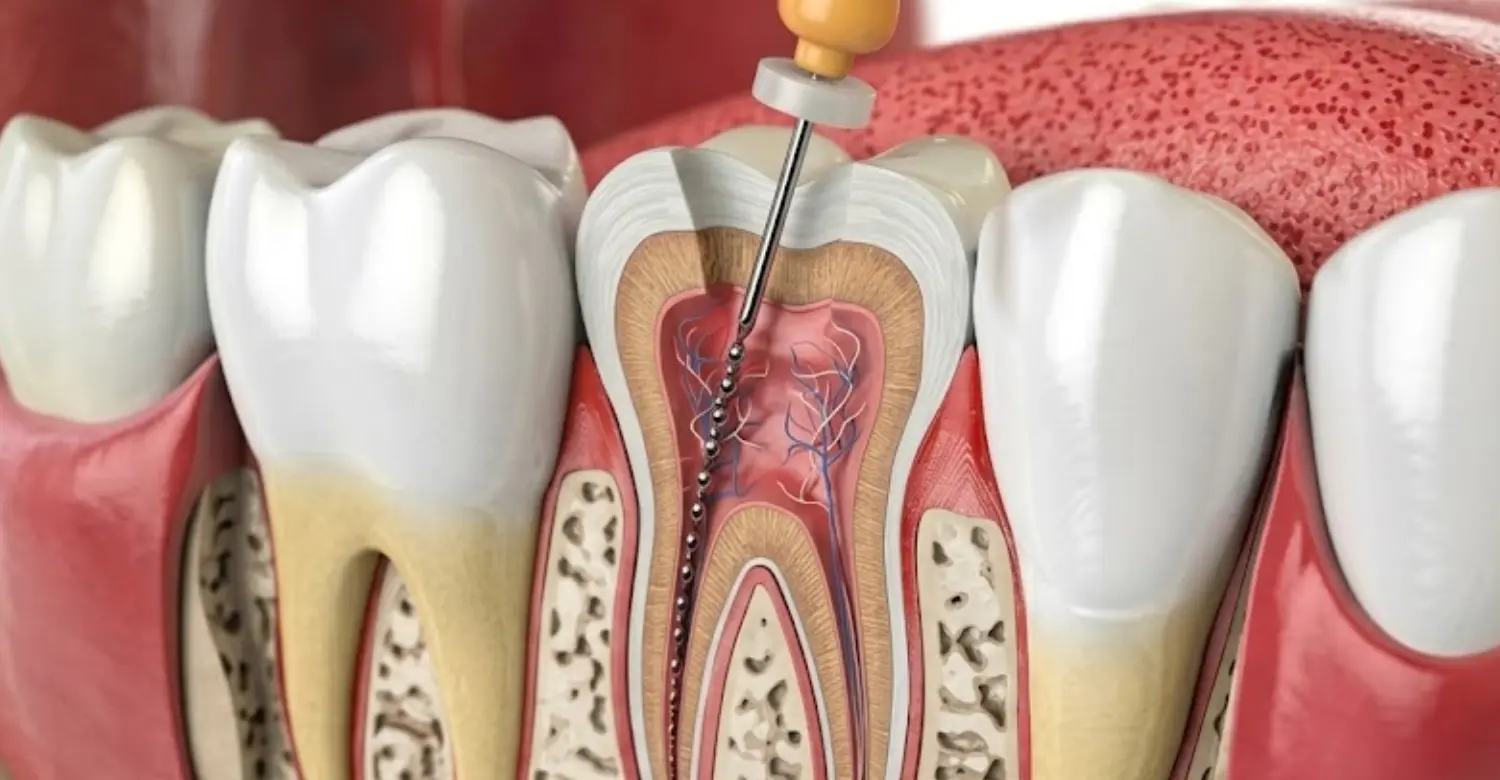
Molars are broad, strong teeth situated at the back of the mouth, designed for grinding food. Most molars have two to three roots, each containing one or more canals that house the dental pulp. The pulp consists of nerves, blood vessels, and connective tissue, which can become infected due to cavities, trauma, or cracks. Understanding the intricate root structure is essential for effective treatment, as missed canals can lead to persistent infection. Endodontists rely on X-rays, CBCT scans, and specialized tools to navigate the complex anatomy. Proper knowledge of molar anatomy ensures precise cleaning, successful sealing, and long-term preservation of the treated tooth.
Signs You Need RCT in Molar Teeth
Early recognition of the need for treatment is crucial to save molars. Persistent pain, sensitivity to hot or cold, gum swelling, or discoloration are common indicators that the pulp is compromised. Sometimes, pain radiates to the jaw, ear, or head, making diagnosis tricky without professional evaluation. Untreated infections can escalate into abscesses or bone loss. Regular dental check-ups help identify issues before symptoms worsen. Timely intervention allows for smoother procedures, faster recovery, and better long-term outcomes. By responding to early signs, patients ensure that their molars remain healthy and functional, avoiding the complications associated with untreated infections.
Common Symptoms
Symptoms signaling the need for therapy include lingering toothache, sensitivity when chewing, and visible swelling around the affected molar. Patients may notice discoloration or repeated infections in the area. Pain may worsen at night or when pressure is applied to the tooth. In some cases, infection spreads to surrounding teeth or the jaw, causing broader discomfort. Recognizing these symptoms early is essential for preventing severe complications. Root canal therapy provides relief by removing the infected pulp and sealing the canals. Properly treated molars regain strength and function, and patients experience long-term comfort and improved oral health, making early intervention a vital component of dental care. To ensure the best outcome, we highly recommend reviewing our guide on the duration of molar treatments so you know exactly what to expect moving forward.
Diagnostic Methods
Accurate diagnosis is the cornerstone of successful treatment. Dentists employ clinical exams and imaging techniques to assess tooth structure and infection severity. X-rays show decay, pulp condition, and root anatomy. Pulp vitality tests measure nerve health, while CBCT scans reveal complex canal systems in three dimensions. Advanced imaging ensures precise treatment planning and minimizes the risk of missed canals or incomplete cleaning. Combining visual, tactile, and radiographic assessments allows endodontists to develop a tailored approach for each molar, enhancing the success rate and ensuring complete resolution of pain and infection.
Root Causes: Specific Etiologies Necessitating Molar Endodontics
Molar root canal treatment can become necessary when inflammation or infection reaches the dental pulp. Deep decay is a common cause, but previous dental procedures, cracks, trauma, and complex anatomy can also contribute to pulpal disease. Accurate diagnosis is important because similar symptoms can originate from different dental problems.
At Vitrin Clinic, the dental team evaluates the tooth clinically and with appropriate imaging before recommending RCT. This helps determine whether the pulp is irreversibly damaged and whether the tooth can be predictably restored after treatment.
Dr. Rifat Alsaman, Head of the Medical Team at Vitrin Clinic and a cosmetic dentist, explains: “The objective is not simply to treat the symptoms. We need to identify why the pulp has become compromised and evaluate the remaining tooth structure before deciding on the most appropriate treatment.”
Trauma From Repeated Restorative Dental Procedures
A molar that has undergone several restorative procedures may eventually develop pulpal problems. Repeated procedures do not automatically mean that root canal treatment will be required, but extensive restorations, deep fillings, recurrent decay, cracks, or irritation close to the pulp can contribute to pulpal inflammation.
The American Association of Endodontists identifies repeated dental procedures, faulty crowns, deep decay, and cracks among possible causes of pulpal inflammation or infection. At Vitrin Clinic, dentists consider the complete history of the molar rather than assuming that previous dental work is the sole cause of the problem. Clinical examination, symptoms, pulp testing, and imaging help determine whether RCT is appropriate.
Deep Decay, Cracks, and Previous Dental Treatment
Deep tooth decay can eventually reach the pulp and cause irreversible inflammation or infection. Cracks can also allow bacteria to penetrate deeper into the tooth and may cause pain, particularly when biting.
Previous restorations can create additional diagnostic challenges because recurrent decay may develop around an existing filling or crown. A molar may therefore require endodontic treatment for more than one reason.
At Vitrin Clinic, identifying the underlying cause is an important part of treatment planning. The dental team assesses both the pulp and the structural condition of the molar before proceeding.
Molar Endodontic Anatomy Complexity
Molars are more challenging to treat than many front teeth because they commonly have multiple roots and canals. Some canals can be narrow, curved, calcified, or anatomically variable.
The objective of RCT is to locate, clean, disinfect, shape, and seal the root canal system. If a canal is not identified or adequately treated, infection may persist or return.
At Vitrin Clinic, appropriate imaging and modern endodontic techniques can assist the dental team in understanding complex molar anatomy and planning treatment.
Root Canal Procedure for Molar Teeth
The procedure for molars is more intricate due to multiple roots and canals. After anesthesia, the dentist isolates the tooth to maintain a sterile environment. An opening is created to access the pulp chamber. Each canal is cleaned, shaped, and disinfected using specialized instruments. A biocompatible material fills the canals, and a temporary or permanent restoration seals the tooth. Post-procedure follow-ups monitor healing and check for infection. With modern rotary tools and magnification, the treatment is efficient and precise. The result is a pain-free, functional molar, preserved for years to come.
Step-by-Step RCT for Molar Teeth
Anesthesia & Isolation: Numb the area and isolate the tooth with a rubber dam.
Access Opening: Create an opening to reach the pulp chamber.
Cleaning & Shaping: Remove infected pulp and shape canals.
Disinfection: Eliminate bacteria to prevent reinfection.
Filling: Seal canals with gutta-percha.
Restoration: Place a temporary or permanent filling.
Attention to detail ensures each canal is treated thoroughly, reducing the risk of future infection.
Patient Comfort Protocols: Managing Anxiety During Molar RCT
Dental anxiety is common among patients who are considering root canal treatment. Fear can sometimes come from previous dental experiences, concerns about injections, anticipated pain, or simply not knowing what will happen during treatment.
Modern root canal treatment is performed using local anesthesia and contemporary pain-control techniques. The American Association of Endodontists reports that most patients are comfortable during treatment with modern techniques and anesthetics.
At Vitrin Clinic, patients can discuss their concerns with the dental team before treatment so an appropriate comfort strategy can be planned.
Pre-Appointment Preparation and Sedation Options for Nervous Patients
Patients who feel anxious about a molar root canal should tell the dental team before the appointment. Discussing previous experiences, specific fears, and concerns about pain allows the dentist to plan the appointment appropriately.
Local anesthesia is fundamental for controlling pain during endodontic treatment. For selected patients with significant dental anxiety, sedation may also be considered when clinically appropriate. Sedation is an anxiety-management aid; it does not replace adequate local anesthesia.
At Vitrin Clinic, the appropriate approach depends on the patient's individual needs, medical history, treatment complexity, and clinical assessment.
Communication During Treatment
Good communication can make a dental appointment more predictable for anxious patients. Before starting, patients can agree with the dentist on a simple hand signal to indicate that they need a pause.
During treatment, the dental team can explain what is happening and check the patient's comfort when appropriate. This approach gives patients a greater sense of control.
At Vitrin Clinic, patient communication is incorporated into the treatment experience from consultation through recovery.
How Long Does RCT of Molar Teeth Take?
The duration varies based on tooth complexity and infection severity. Most treatments require one to two visits, each lasting 60–90 minutes. Molars with multiple canals or curved roots may need additional sessions. Modern instruments and imaging streamline the process, enhancing accuracy while minimizing chair time. Efficient procedures reduce patient discomfort, and proper anesthesia ensures a pain-free experience. Following treatment, patients usually experience immediate relief from pain and sensitivity, and scheduled follow-ups ensure the tooth heals properly. For a deeper understanding of your treatment options, check out our insights on visualizing the molar anatomy to make an informed choice for your smile.
Pain and Recovery After Molar RCT
Mild discomfort is common following treatment but usually subsides within days. Over-the-counter pain relievers and cold compresses help manage swelling. Patients should avoid hard or sticky foods until full restoration. Maintaining oral hygiene is essential to prevent reinfection. Recovery is typically smooth, with most patients resuming normal activities shortly after the procedure. Regular check-ups confirm successful healing. Effective root canal therapy restores the tooth’s function, eliminates infection, and prevents future dental complications.
Advantages of RCT in Molar Teeth
Preserving natural teeth is a key benefit, maintaining proper bite, chewing function, and jawbone health. Infection elimination prevents abscesses and protects surrounding teeth. Long-term benefits include reduced risk of misalignment, TMJ issues, and need for dentures or implants. Modern techniques enhance comfort and success rates. Patients regain pain-free functionality and can enjoy natural teeth for years. Investing in therapy improves oral health, prevents complications, and enhances overall quality of life.
Saving the Natural Tooth
Keeping the natural molar maintains chewing efficiency, jaw structure, and bite alignment. Extracting teeth can cause shifting of adjacent teeth, bite problems, and long-term complications. Therapy removes infection while preserving tooth integrity. Restorations, such as crowns, strengthen the treated molar. Maintaining natural teeth supports long-term oral health and reduces the need for complex dental replacements.
Preventing Infection Spread
Treatment prevents infections from spreading to other teeth, gums, or jawbone. Untreated molars can form abscesses, causing systemic health issues. Sealing canals after cleaning ensures bacteria cannot return. Regular follow-ups and oral hygiene help maintain infection-free status. This makes therapy a safe, effective solution for protecting overall oral health. Your comfort is our priority, which is why checking Vitrin Clinic's pricing for molars is a great way to alleviate any anxiety regarding your upcoming procedure.
Long-Term Oral Health Benefits
Benefits include maintaining proper bite, preventing tooth shifting, and reducing risk of TMJ disorders. Treated molars resist recurrent infection and abscess formation. Long-term oral function is preserved, supporting overall dental health. Proper care can make treated molars last a lifetime. Investing in therapy ensures both immediate relief and long-term benefits.
Crown Restoration Protocols: Why Is a Dental Crown Essential After Molar RCT?
A root canal removes infected or inflamed pulp and allows the natural tooth to be preserved, but it does not replace tooth structure that was already lost through decay, previous restorations, cracks, or the access required for treatment.
Molars experience substantial chewing forces and therefore commonly require a definitive restoration that provides cuspal protection. The American Association of Endodontists states that posterior teeth such as molars and premolars generally require crowns more often than front teeth, although the final decision depends on the tooth's condition.
At Vitrin Clinic, the final restoration is selected according to factors such as remaining tooth structure, tooth position, occlusion, existing restorations, and overall prognosis.
The Heavy Masticatory Work of Molars and Fracture Vulnerability
Molars are designed to withstand significant chewing and grinding forces. Because they are positioned at the back of the mouth, they receive considerable functional loading during meals.
A molar that has lost substantial tooth structure may therefore require additional protection after root canal treatment. The risk is related primarily to the amount and condition of the remaining tooth structure rather than simply to the fact that the pulp has been removed.
A full-coverage crown or another appropriate cuspal-protection restoration may help protect a structurally compromised molar from fracture.
Dr. Rifat Alsaman notes that “not every root-treated tooth has identical restorative needs. The amount of remaining healthy structure is one of the most important factors we consider.”
Structural Protection and the Long-Term Risks of Skipping a Crown
Completing RCT does not mean that the treatment journey is finished. The tooth still requires an appropriate definitive restoration when clinically indicated.
For many molars, delaying the recommended crown or definitive restoration can leave a structurally compromised tooth exposed to normal chewing forces. The American Association of Endodontists notes that timely restoration and avoiding excessive force contribute to the long-term success of root-treated teeth.
At Vitrin Clinic, dentists assess the restoration needs of the treated molar and explain why a crown or alternative restoration may be recommended.
Dr. Rifat Alsaman, Head of the Medical Team at Vitrin Clinic and a cosmetic dentist, explains that “a successful root canal should be followed by a restoration strategy designed around the individual tooth, rather than applying the same solution to every patient.”
Risks and Complications of Molar RCT
While highly effective, RCT on molars carries some potential risks. Post-procedure discomfort, temporary swelling, or sensitivity is common, typically resolving within a few days. Rare complications include incomplete removal of pulp, infection recurrence, tooth fracture, or perforation of the canal. Instrument breakage inside a canal can occur in complex molars, although modern tools minimize this risk. Patients with underlying health conditions or weakened teeth may have a slightly higher complication risk. Choosing experienced endodontists and following post-procedure care instructions significantly reduces the likelihood of problems. Understanding potential risks ensures patients are prepared and can take preventive measures.
Common Risks
The most frequent risks after therapy include mild pain, tenderness while chewing, and temporary inflammation. Infection may persist if canals are not fully cleaned or sealed properly. Rarely, procedural accidents such as fractured instruments or perforation of the root canal may occur. Allergic reactions to filling materials, though uncommon, are possible. Awareness of these risks allows patients to monitor recovery carefully. Skilled endodontists, proper sterilization, and modern instruments reduce risks dramatically, making RCT on molars a safe and reliable procedure for the majority of patients.
How to Minimize Risks
Patients can minimize risks by adhering to dentist instructions closely. Maintaining excellent oral hygiene, avoiding hard foods immediately after treatment, and attending all follow-ups are crucial. Selecting experienced endodontists with modern tools ensures canals are cleaned thoroughly and filled correctly. Early intervention at the first sign of tooth infection prevents complications. Using appropriate anesthesia and post-treatment pain management enhances comfort and reduces stress during recovery. These measures maximize the success of therapy and ensure the treated molar remains healthy for years.
What We Notice Clinically: Molar RCT and Long-Term Tooth Protection
From a clinical perspective, root canal treatment is only one stage in preserving a compromised molar. The condition of the remaining tooth structure, quality of the canal treatment, definitive restoration, bite, oral hygiene, and follow-up all influence long-term outcomes.
A tooth can feel significantly better after RCT, but the absence of pain does not eliminate the need for definitive restoration and routine dental care.
At Vitrin Clinic, the treatment plan considers both endodontic infection control and the tooth's ability to function after treatment.
Remaining Tooth Structure Often Determines the Restoration Strategy
Clinically, two patients can receive RCT on molars but require different restorations. One tooth may retain substantial healthy structure, while another may have extensive decay, large previous restorations, or cracks.
The restoration therefore needs to be planned according to the individual tooth.
Factors that may influence the decision include:
Amount of remaining tooth structure
Location of the tooth
Existing restorations
Presence of cracks
Occlusal forces
Functional demands
Overall periodontal and dental health
At the Vitrin Clinic, these factors are considered before the definitive restoration is selected.
Dr. Rifat Alsaman emphasizes that “preserving healthy tooth structure is important, but so is providing enough protection for the tooth to function safely.”
Persistent Symptoms Require Re-Evaluation
Some tenderness or sensitivity can occur for a short period after RCT. However, persistent or worsening symptoms should be assessed by a dentist.
Patients should contact their dental professional if they experience significant or increasing pain, swelling, fever, drainage, or persistent discomfort when biting.
Potential causes can vary and may include persistent infection, an occlusal problem, a structural crack, or another dental condition. A professional examination is needed to determine the cause rather than assuming that the RCT has failed.
The American Association of Endodontists recommends contacting the treating endodontist when pain or pressure continues beyond the expected recovery period.
Why Choose Vitrin Clinic for RCT Molar Teeth?
Vitrin Clinic is a leading dental center specializing in RCT Molar Teeth. Combining highly skilled endodontists, modern technology, and patient-centered care, the clinic delivers exceptional outcomes even in complex molar cases. Advanced imaging, gentle anesthesia techniques, and precise instrumentation ensure minimal discomfort and high success rates. From diagnosis to aftercare, patients receive individualized treatment plans designed to restore molar function and preserve natural teeth. Choosing Vitrin Clinic guarantees expert care, modern facilities, and attention to comfort and safety throughout the procedure.
Expert Endodontists at Vitrin Clinic
Vitrin Clinic’s team of endodontists has extensive experience performing RCT on molars with multiple roots and canals. Their expertise ensures accurate canal cleaning, shaping, and filling, reducing the chance of reinfection or procedural errors. Utilizing advanced dental microscopes and 3D imaging, the specialists can treat even highly complex molars effectively. Continuous training in modern endodontic techniques ensures patients benefit from state-of-the-art care. Selecting Vitrin Clinic for molar RCT guarantees precision, comfort, and long-term preservation of natural teeth. Understanding your complete options for restoring the tooth permanently helps you plan your return to daily activities smoothly and safely.
Patient-Centered Care
The clinic prioritizes patient comfort and tailored treatment plans. From consultation to post-procedure care, each patient receives clear guidance, personalized attention, and pain management strategies. Staff educate patients on oral hygiene, recovery tips, and follow-ups to ensure long-term success. Patient-centered care reduces anxiety and fosters trust, making RCT Molar Teeth a comfortable, stress-free experience. Every step focuses on achieving optimal outcomes while preserving the patient’s natural teeth and oral health.
RCT Molar Teeth Cost and Insurance
Cost is an important consideration for patients seeking treatment. Pricing for RCT Molar Teeth varies based on tooth complexity, number of canals, infection severity, and restoration type. Advanced imaging, anesthesia, and specialized instruments also influence costs. Vitrin Clinic provides transparent pricing and works with insurance providers to minimize out-of-pocket expenses. Payment plans are available for patients without insurance. Investing in RCT is cost-effective compared to extraction and replacement with implants or bridges, as it preserves natural teeth and prevents additional procedures in the future.
Average Price of Root Canal on Molars
Molar treatment is typically more expensive than front teeth due to multiple roots and complex canals. Prices at Vitrin Clinic are competitive, reflecting advanced technology, expert care, and comprehensive treatment. Costs include consultation, anesthesia, root canal therapy, and final restoration, often a crown. Although the initial price may be higher, preserving a natural molar provides significant long-term value by maintaining chewing efficiency and avoiding future restorative costs.
Insurance Coverage and Payment Options
Many dental insurance plans cover part or all of the RCT cost. Coverage depends on plan policies regarding endodontic procedures. Vitrin Clinic assists patients in verifying insurance eligibility, submitting claims, and exploring flexible payment plans. Patients without insurance can take advantage of installment options. Understanding coverage and payment options ensures patients can receive necessary treatment without financial strain, promoting timely care and healthy molars.
Factors Affecting Cost
Factors influencing cost include number of canals, severity of infection, tooth anatomy, and required imaging. Molars with curved or blocked canals require more time and specialized instruments. Post-RCT restorations, such as crowns, affect final pricing. Location, clinic reputation, and materials used also contribute to costs. Vitrin Clinic provides detailed cost breakdowns, helping patients plan for treatment while understanding the long-term value of preserving natural molars.
Aftercare for RCT Molar Teeth
Post-procedure care is critical for ensuring long-term success. Patients should brush gently, floss carefully, and use antibacterial mouthwash. Hard or sticky foods should be avoided until the tooth is fully restored. Over-the-counter pain relievers manage mild discomfort. Regular follow-up appointments monitor healing, confirm canal integrity, and ensure restoration success. Neglecting aftercare increases the risk of reinfection. Following dentist instructions maximizes outcomes, allowing patients to enjoy pain-free, functional molars after treatment.
Tips for Patients: Protecting a Molar After Root Canal Treatment
Root canal treatment can preserve a natural molar, but protecting the tooth after treatment is essential. Patients should follow the dentist's instructions, complete the recommended definitive restoration, maintain good oral hygiene, and attend follow-up appointments.
Protect the Tooth Until the Final Restoration
If the molar has a temporary filling or temporary restoration, avoid putting unnecessary chewing pressure on that tooth until the dentist completes the recommended final restoration.
This is especially important when significant tooth structure has been lost.
Vitrin Clinic advises patients to follow the specific instructions provided after treatment because the appropriate precautions depend on the condition of the tooth and the restoration.
Dr. Rifat Alsaman recommends treating a temporarily restored molar carefully until the definitive restoration is completed.
Maintain Daily Oral Hygiene
Continue brushing twice daily with fluoride toothpaste and cleaning between the teeth every day.
Root canal treatment removes infection from inside the treated tooth, but it does not make the tooth or surrounding teeth immune to future decay or gum disease.
Maintaining plaque control and attending regular dental examinations helps protect the treated tooth and the rest of the mouth.
At Vitrin Clinic, patients receive individualized aftercare guidance according to their treatment and restoration.
Avoid Excessive Chewing Forces
Avoid biting extremely hard objects or using the treated tooth to open packages or bite non-food items.
Normal chewing can resume according to the dentist's instructions once the tooth has received its definitive restoration and is considered ready for normal function.
Dr. Rifat Alsaman, Head of the Medical Team at Vitrin Clinic and a cosmetic dentist, explains that “the objective after RCT is to return the tooth to normal function while protecting the remaining structure from unnecessary forces.”
Attend Follow-Up Appointments
Follow-up appointments allow the dentist to assess the restoration, symptoms, and healing of the treated tooth.
Patients should not skip follow-up visits simply because their pain has disappeared. Root canal treatment addresses the internal infection, while the restoration and subsequent monitoring help support the long-term function of the tooth.
Vitrin Clinic recommends maintaining regular dental examinations after treatment.
Tips for Quick Recovery
To recover efficiently, eat soft foods for several days, avoid chewing on the treated molar, and follow prescribed medications. Gentle brushing, antiseptic rinses, and ice packs for swelling aid recovery. Attend all follow-ups to monitor healing. Rest and hydration are essential. By following these tips, patients ensure smooth recovery, protect the treated molar, and prevent complications.
When to Call Your Dentist
Contact your dentist if you experience persistent pain, swelling, fever, or unusual discharge. Difficulty biting, numbness, or discoloration may indicate complications. Early intervention prevents worsening problems and ensures treatment success. Regular check-ups allow monitoring and maintenance of treated molars. Prompt attention guarantees that the therapy remains effective and long-lasting.
Vitrin Clinic Success Stories: RCT on Molar Teeth
Patients who underwent RCT Molar Teeth at Vitrin Clinic often report remarkable improvements in oral health and comfort. Many arrive with severe toothache, swelling, and difficulty chewing, but post-treatment experiences highlight immediate pain relief, restored function, and enhanced confidence. The clinic showcases real-life examples of complex molar cases handled successfully, demonstrating expertise in treating multiple roots and intricate canals. These success stories emphasize how RCT Molar Teeth not only resolves infection but also preserves natural teeth, avoiding extraction and prosthetic replacements. Positive patient feedback reflects the clinic’s dedication to advanced care, personalized attention, and a focus on pain-free procedures, ensuring every patient leaves satisfied with both function and aesthetics restored.
Real Patient Testimonials
Testimonials from patients highlight the effectiveness of RCT Molar Teeth at Vitrin Clinic. Many describe minimal discomfort during the procedure, fast recovery, and complete relief from tooth pain. Patients praise the clinic’s endodontists for their expertise, professionalism, and ability to manage complex molars with precision. The staff’s guidance on aftercare and oral hygiene enhances long-term results. Testimonials also mention improved chewing, reduced sensitivity, and confidence in their smile. These experiences reinforce the benefits of RCT Molar Teeth in preserving natural teeth, preventing infection, and maintaining oral health. Patients consistently recommend Vitrin Clinic for anyone needing advanced root canal therapy on molars.
Before and After Results
Before and after images of RCT Molar Teeth treatments demonstrate dramatic improvements in dental health. Pre-treatment X-rays often reveal infected pulp, decay, and complex root canal anatomy, while post-treatment images confirm thorough cleaning, shaping, and filling of all canals. Patients report decreased pain, restored chewing function, and healthier gums after treatment. Documentation of results highlights Vitrin Clinic’s precision, modern tools, and high success rates. RCT Molar Teeth not only resolves immediate issues but also ensures long-term tooth preservation. These visual results provide reassurance to prospective patients about the quality and effectiveness of advanced molar root canal treatment at Vitrin Clinic.
How Vitrin Clinic Makes RCT Easy and Pain-Free
Vitrin Clinic ensures RCT Molar Teeth is comfortable and stress-free by combining modern anesthetics, sedation when needed, and expert endodontic techniques. Advanced imaging, microscopes, and gentle instruments allow precise canal treatment while minimizing discomfort. Patient-centered care includes step-by-step explanations, real-time guidance, and post-treatment support. The clinic emphasizes fast recovery, effective pain management, and reduced procedure time without compromising quality. By prioritizing comfort and efficiency, Vitrin Clinic makes RCT Molar Teeth accessible for all patients, even those with complex molar anatomy or dental anxiety. The combination of technology and expertise ensures successful outcomes with minimal stress.
Clinical Note: Early Detection Can Prevent Extensive Molar Damage
Early tooth decay may not cause noticeable pain. A patient can therefore have developing decay without realizing that a molar requires professional attention.
Dental examinations and appropriate X-rays can identify decay or other structural problems that may not be visible during a home check. Early diagnosis may allow treatment before the problem progresses toward the dental pulp.
This is particularly relevant for molars because their grooves and posterior position can make certain areas difficult to inspect at home.
At Vitrin Clinic, dental examinations and appropriate diagnostic imaging help clinicians identify problems and determine the most conservative appropriate treatment.
Dr. Rifat Alsaman, Head of the Medical Team at Vitrin Clinic and a cosmetic dentist, explains that “early diagnosis gives us more treatment options. Waiting until severe pain develops can mean that the tooth has already experienced considerable damage.”
Use Fluoride Toothpaste Correctly
Brush twice daily with fluoride toothpaste. After brushing, spit out the excess toothpaste rather than immediately rinsing extensively with water, allowing fluoride to remain in contact with the teeth.
Reduce Frequent Sugar Exposure
Rather than repeatedly consuming sugary snacks and drinks throughout the day, limit how frequently teeth are exposed to fermentable carbohydrates. Frequent acid challenges can increase the risk of dental caries.
Clean Between the Teeth
Brushing alone cannot effectively clean every interdental surface. Daily interdental cleaning helps remove plaque from areas that a toothbrush may not reach.
Do Not Wait for Severe Pain
A molar problem does not always begin with severe pain. Patients should arrange a dental examination if they notice persistent sensitivity, pain when biting, swelling, food trapping, or changes around an existing filling or crown.
Vitrin Clinic recommends preventive dental examinations rather than waiting until symptoms become severe.
Reference
FAQs

Dr. Rifat Alsaman has more than 5 years of clinical experience in dentistry and currently serves as the Head of the Medical Team at Vitrin Clinic. He is dedicated to providing exceptional patient care, overseeing treatment planning, and ensuring the highest clinical standards across the team. His expertise, attention to detail, and commitment to continuous professional development have helped countless patients achieve healthier, more confident smiles.


