.webp&w=3840&q=75)
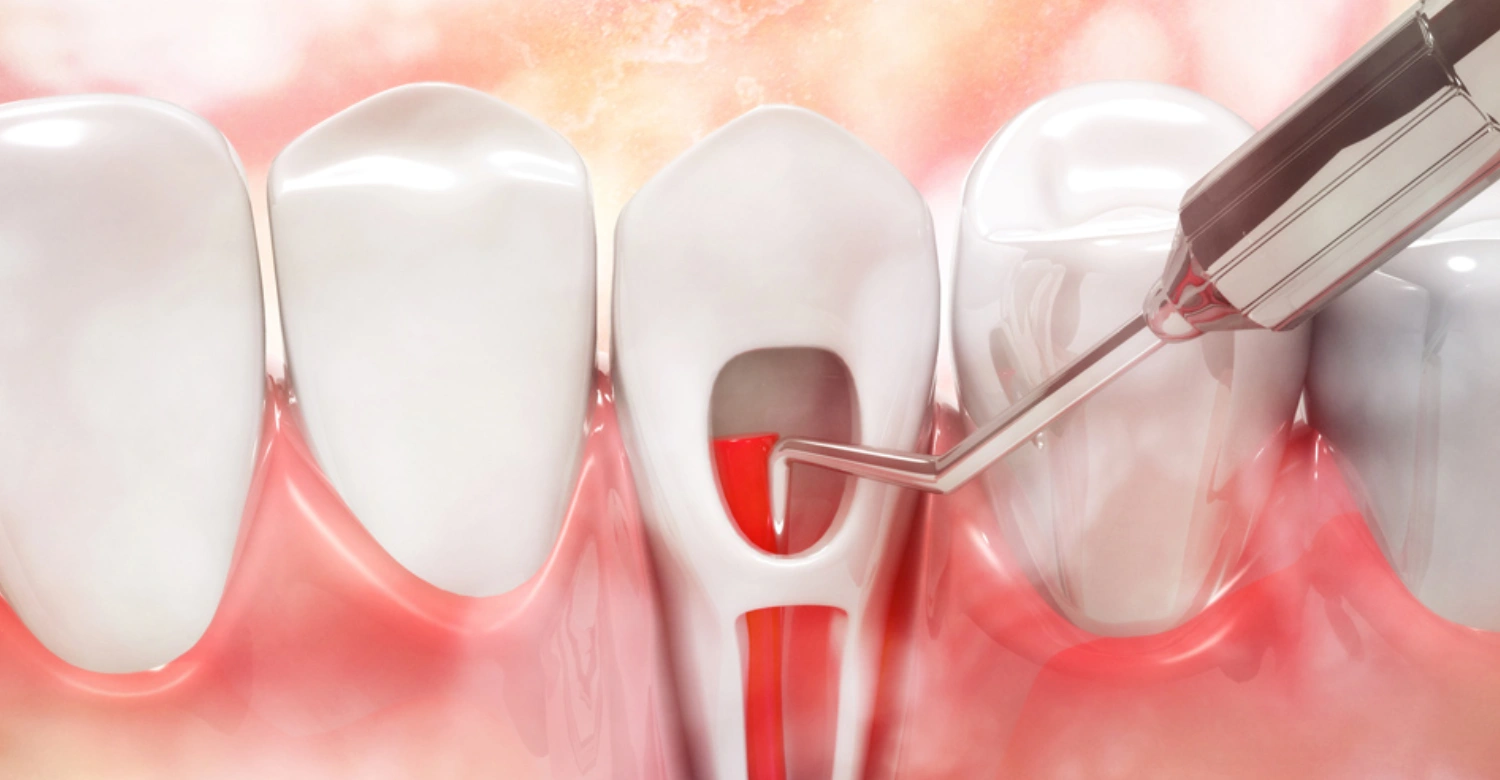
A Root Canal Front Tooth treatment is a specialized dental procedure designed to save and restore a damaged or infected front tooth. Front teeth, also known as anterior teeth, play a crucial role in aesthetics and biting efficiency, so preserving them is essential. During the procedure, the infected pulp inside the tooth is carefully removed, the root canals are cleaned and shaped, and a biocompatible filling is placed to prevent further infection. Unlike molars, front teeth have a simpler canal system, which often allows for a quicker and less complicated root canal process. Proper treatment ensures the tooth remains functional and visually appealing while avoiding tooth loss.
Understanding Anterior Root Canal Procedures
Anterior teeth, or front teeth, often require delicate handling during a root canal. These teeth are smaller and more visible, which means dentists must be precise in cleaning and shaping the canals without affecting the tooth's appearance. The procedure involves removing inflamed or infected pulp tissue, disinfecting the canal thoroughly, and preparing it for a secure filling. Front teeth usually have a single straight canal, which simplifies treatment, but cosmetic considerations like preserving the tooth's natural color and alignment are critical. Anterior root canal procedures aim to relieve pain, remove infection, and protect the tooth from further damage while maintaining a natural smile.
Signs You Need a Root Canal on a Front Tooth
You might need a root canal if you experience persistent pain, sensitivity to hot or cold, or discoloration of the front tooth. Other warning signs include swelling around the gum near the tooth, tenderness when biting, or a noticeable darkening of the tooth. Trauma to a front tooth, such as a crack or chip, may also expose the pulp to bacteria, requiring root canal treatment. Early diagnosis is essential to save the tooth and prevent infection from spreading. Regular dental check-ups help detect these issues early, ensuring timely intervention and minimizing the risk of tooth loss or more extensive dental procedures. For a deeper understanding of your treatment options, check out our insights on rct molar teeth to make an informed choice for your smile.
Root Canal on Front Tooth vs. Molar: Anatomy & Procedure Differences
Patients often ask how a root canal front tooth procedure compares to treating a molar, and the answer starts with anatomy. A front tooth vs molar root canal differs because anterior teeth typically have one straight canal, while molars can have three or four curved canals. This front tooth root canal anatomy makes the front tooth procedure faster, more predictable, and generally less complex than molar treatment. Understanding these anatomical and procedural differences helps patients know what to expect, why timelines vary, and why front teeth are treated with an emphasis on both function and appearance.
Front Tooth vs. Molar Anatomy Differences
Front teeth have a single, narrow root and canal, while molars have wider roots split into multiple canals to support heavier chewing forces. This structural difference explains why fewer root canals in front teeth involve complications compared to molars, where hidden or curved canals are harder to locate and clean. Front teeth are also easier to access visually and mechanically, since they sit at the front of the mouth. Because anterior teeth carry lighter biting loads than molars, the canal system is simpler, and infection tends to be more contained, supporting a smoother the front tooth root canal experience overall.
Procedure Differences for Front Teeth and Molars
The steps of a root canal front tooth procedure and a molar root canal are similar in principle, cleaning, shaping, and sealing the canal, but molar treatment usually takes longer due to multiple canals and reduced visibility. Front tooth procedures are often completed in a single visit, while molar root canals may require two visits depending on complexity. Anesthesia, isolation, and instrumentation techniques are adjusted for each tooth type. This is one reason front tooth treatment is associated with fewer root canals in front teeth needing retreatment compared to molars.
Crown Front Tooth Root Canal: Restoring Your Smile
After a root canal, placing a crown is often recommended to restore both function and aesthetics. Front teeth are highly visible, so a crown ensures the treated tooth blends seamlessly with surrounding teeth while protecting it from fractures. Crowns also provide structural support, particularly if the tooth was weakened by decay or trauma. Modern dental materials like porcelain or zirconia allow for a natural appearance while offering durability. Combining a front tooth root canal with a crown not only preserves the tooth but also restores your confidence in your smile, ensuring you can eat, speak, and smile without worry or discomfort.
Why a Crown is Important After a Front Tooth Root Canal
Placing a crown after a front tooth root canal is critical for long-term protection. Root canal treatment removes the tooth's pulp, which can make it more brittle and susceptible to cracks or breaks. A crown reinforces the tooth structure, prevents bacterial reinfection, and restores the tooth's natural shape and function. Especially for anterior teeth, crowns also maintain the aesthetics of your smile, ensuring the tooth matches adjacent teeth in color and contour. Neglecting to place a crown could result in structural damage or even tooth loss, making the crown an essential step in comprehensive anterior tooth restoration.
Types of Crowns for Front Teeth
Several crown types can be used after a front tooth root canal, each offering different benefits:
Porcelain Crowns – Provide a natural appearance and blend seamlessly with adjacent teeth.
Zirconia Crowns – Highly durable and resistant to fractures, ideal for front teeth that undergo daily biting.
Ceramic Crowns – Lightweight and aesthetically pleasing, often chosen for visible front teeth.
Porcelain-Fused-to-Metal (PFM) – Combines strength with aesthetics but may show a metal line near the gum.
Your dentist will recommend the best crown based on the tooth's condition, your bite, and cosmetic preferences, ensuring lasting protection and a confident smile.
Root Canals on Front Teeth May Not Always Need a Permanent Crown
Unlike molars, which almost always require a crown after root canal treatment, front teeth sometimes do not. Because anterior teeth carry lighter chewing forces, a strong composite filling can be sufficient if enough natural tooth structure remains. So, is a crown necessary for a front tooth root canal? Not always, it depends on how much of the tooth was damaged before treatment. A dentist evaluates the remaining enamel, dentin, and the tooth's exposure to biting forces before deciding whether a crown, veneer, or filling alone will protect the tooth long-term while preserving a natural outcome.
We Can Whiten a Front Tooth That Has Had Root Canal Treatment (Internal Bleaching)
A common concern after a front tooth root canal procedure is discoloration, since a treated tooth can darken over time. Internal bleaching addresses this directly by placing a whitening agent inside the tooth, rather than only on the surface. This technique can restore the tooth's natural shade without needing a crown or veneer in many cases. Internal bleaching is typically done in one or two short visits and is considered a conservative option for patients who want to preserve their natural result while achieving a brighter, more even smile.
Step by Step Root Canal Front Tooth Procedure
The procedure involves several steps to ensure the tooth is properly treated and restored. The process starts with a thorough examination and X-ray analysis, followed by cleaning and shaping of the canals to remove infected tissue. Once the canals are prepared, they are filled with a biocompatible material to seal them and prevent reinfection. In most cases, the treated tooth is then prepared for a crown to restore its structure and appearance. This step-by-step approach ensures effective pain relief, eliminates infection, and preserves the front tooth for long-term function and aesthetics.
Diagnosis and X-Ray Examination
The first step in a Root Canal Front Tooth is a thorough diagnosis using clinical evaluation and X-ray imaging. X-rays allow the dentist to see the root structure, identify any infection, and assess the extent of decay or trauma. Accurate diagnosis ensures that the treatment plan addresses all affected areas without unnecessary intervention. The dentist also evaluates the tooth's alignment, structure, and surrounding gum tissue to plan for subsequent restoration, such as a crown. Early and precise diagnosis is essential for a successful root canal, minimizing complications and increasing the likelihood of preserving the natural front tooth.
Cleaning and Shaping the Root Canal
During a The front tooth root canal, the dentist carefully removes the infected pulp from the canal and shapes the space for filling. This step is critical to eliminate bacteria, prevent reinfection, and ensure the canal is ready for a secure seal. Specialized instruments and irrigation solutions are used to clean every part of the canal, including small branches or curves. Proper cleaning and shaping reduce post-procedure pain and create a stable foundation for the filling. Precision is essential, especially in front teeth, to avoid weakening the structure and maintain the tooth's appearance while providing long-term protection against further infection.
Filling and Sealing the Tooth
Once the canal is cleaned and shaped, it is filled with a biocompatible material, usually gutta-percha, to seal the space and prevent bacterial reinvasion. This step restores the internal integrity of the tooth and protects the surrounding tissues from infection. After filling, a temporary or permanent restoration, often a crown, is placed to maintain the tooth's shape and strength. Proper sealing is crucial for long-term success, as any gaps could lead to reinfection. By completing this step meticulously, dentists ensure the front tooth remains functional, pain-free, and aesthetically pleasing for years to come. Your comfort is our priority, which is why learning about the time required for front teeth is a great way to alleviate any anxiety regarding your upcoming procedure.
Pain and Recovery After Front Tooth Root Canal
Recovery after a The front tooth root canal is generally straightforward, though some discomfort may occur for a few days. Pain levels vary depending on the severity of infection, tooth condition, and individual healing response. Swelling, tenderness, and mild sensitivity are normal, especially during the first 48 hours. Following post-treatment care instructions, such as taking prescribed medications, avoiding hard foods, and maintaining oral hygiene, can speed recovery. Front teeth are easier to clean and monitor, making the healing process more predictable. Understanding what to expect post-treatment helps patients manage discomfort effectively and ensures a smooth return to normal oral function.
Common Symptoms Post-Treatment
After a front tooth root canal, it is common to experience mild pain, sensitivity to pressure, or temporary swelling. Some patients notice slight discoloration or gum tenderness near the treated tooth. These symptoms typically subside within a few days as the tissue heals. In rare cases, persistent pain or signs of infection may occur, indicating the need for follow-up care. Monitoring the tooth and maintaining oral hygiene are crucial to ensure proper healing. Being aware of normal post-treatment symptoms helps patients distinguish between expected discomfort and issues that require immediate attention, reducing anxiety and promoting successful recovery.
How to Reduce Discomfort
To minimize discomfort after a front tooth root canal, follow your dentist's instructions carefully. Over-the-counter pain medications or prescribed anti-inflammatories can help manage mild pain and swelling. Avoid chewing hard foods on the treated tooth until fully restored with a crown. Maintaining excellent oral hygiene, including gentle brushing and flossing, reduces bacterial buildup. Cold compresses can alleviate gum swelling, while soft foods prevent additional stress on the tooth. By adhering to these strategies, patients can enjoy a faster recovery, reduce post-treatment pain, and protect their front tooth until it is fully restored. Understanding your complete aesthetic needs and aesthetic permanent restorations helps you plan your return to daily activities smoothly and safely.
What Happens If You Delay or Skip a Front Tooth Root Canal?
Leaving an untreated front tooth infection allows bacteria to spread from the pulp into the surrounding bone and gum tissue, potentially forming an abscess. Delaying treatment can also lead to increased pain, swelling, and a higher risk of losing the tooth entirely. Because front teeth are visible, an untreated infection may also cause noticeable discoloration or swelling that affects the smile. In more advanced cases, the infection can spread to neighboring teeth or require surgical intervention. Timely treatment protects both the tooth and the surrounding structures, keeping the root canal option viable.
Vitrin Clinic Expertise in Root Canal Front Tooth Treatment
Vitrin Clinic specializes in Root Canal Front Tooth procedures, combining advanced technology with experienced endodontists to ensure optimal results. The clinic prioritizes patient comfort, aesthetics, and long-term functionality, making it a trusted destination for anterior tooth restoration. Using modern equipment, high-quality materials, and meticulous techniques, Vitrin Clinic effectively treats front tooth infections while preserving natural appearance. Patients benefit from a comprehensive approach that addresses both the dental and cosmetic aspects of treatment, ensuring that each procedure is completed with precision, minimal discomfort, and lasting results.
Why Choose Vitrin Clinic for Anterior Root Canals
Vitrin Clinic offers exceptional care for patients requiring a front tooth root canal. Experienced endodontists, advanced diagnostic tools, and state-of-the-art technology ensure precise treatment. The clinic emphasizes painless procedures, high-quality materials, and aesthetic outcomes. Customized treatment plans are developed for each patient, addressing specific dental concerns while maintaining the natural look of front teeth. Vitrin Clinic also provides post-treatment support, follow-up care, and guidance for optimal recovery. Choosing Vitrin Clinic guarantees a professional, comfortable, and successful anterior root canal experience, ensuring that front teeth are preserved and smiles are restored beautifully.
Patient Success Stories
Patients undergoing a Root Canal Front Tooth at Vitrin Clinic often report relief from pain, restored functionality, and improved smile aesthetics. Success stories highlight cases where previously damaged or infected front teeth were saved, avoiding extraction. Customized crowns and careful attention to dental alignment ensure that treated teeth blend naturally. Patients praise the clinic for its pain-free procedures, professional staff, and comprehensive follow-up care. Sharing these stories provides reassurance to prospective patients that a front tooth root canal can be effective, minimally invasive, and transformative, preserving dental health and boosting confidence in their smile.
Which One Is More Urgent or Important: Front Tooth or Molar?
Both front teeth and molars are important, but urgency depends on symptoms rather than location. A front tooth root canal may feel more urgent due to visible discoloration, pain, or aesthetic concerns, since anterior teeth are constantly on display when speaking or smiling. Molars, however, play a bigger role in chewing function, so infection there can affect eating comfort more directly. In both cases, pain, swelling, or sensitivity should never be ignored. Whichever tooth is affected, prompt evaluation prevents the infection from spreading and protects long-term oral health.
Maintaining Your Front Tooth After Root Canal
Proper maintenance is key after a Root Canal Front Tooth. While the procedure eliminates infection, the tooth remains vulnerable without good oral care. Daily brushing, flossing, and rinsing with antibacterial mouthwash prevent decay and gum disease. Avoiding hard or sticky foods helps prevent cracks or damage. Regular dental check-ups ensure early detection of any issues and allow your dentist to monitor the integrity of the root canal and crown. Maintaining a healthy front tooth after treatment preserves both function and appearance, ensuring a long-lasting, pain-free, and aesthetically pleasing smile.
Daily Oral Hygiene Tips
To protect your treated front tooth, maintain consistent oral hygiene. Brush twice daily with fluoride toothpaste, floss gently to remove plaque between teeth, and consider using an antiseptic mouthwash. Avoid chewing on hard objects or using the tooth to open packages. Drinking water regularly helps flush bacteria from the mouth. Following these habits reduces the risk of reinfection and prolongs the life of your crown. By incorporating these steps into your daily routine, you can maintain a healthy, functional, and attractive front tooth for many years after treatment.
Routine Dental Check-Ups
Regular dental visits are essential to monitor your restored front tooth. Dentists check for signs of infection, cracks, or crown wear, ensuring that the tooth remains healthy. Professional cleanings help prevent decay and maintain gum health. X-rays may be taken periodically to assess the root canal's integrity and detect any hidden issues. Routine check-ups provide early intervention if problems arise, reducing the likelihood of complicated treatments. Staying consistent with dental visits ensures that your front tooth continues to function well and retain its appearance long after root canal treatment. If you are concerned about the next steps, reading about Vitrin Clinic's pricing for anterior teeth can help you prepare for a seamless and comfortable dental experience.
Cost Differences: Front Tooth vs. Molar Root Canal
The cost of root canal on front tooth treatment is generally lower than a molar root canal, mainly because front teeth have a single canal and shorter treatment time. Molars require more time, more instruments, and often a stronger crown afterward, which increases the overall cost. Additional cosmetic steps, such as internal bleaching or a veneer, can add to the price of a front tooth root canal, but the base procedure remains more affordable than molar treatment. Patients should always request a personalized cost breakdown, since pricing depends on the tooth's condition and the restoration chosen.
Vitrin Clinic's Front Tooth Restoration Services
Vitrin Clinic offers comprehensive services to restore front tooth function and aesthetics. Treatments combine advanced root canal techniques with cosmetic dentistry, ensuring that front teeth are both healthy and visually appealing. Services include crowns, veneers, and whitening treatments tailored to match your natural teeth. Experienced dentists create individualized plans to address each patient's unique needs, preserving tooth structure and maintaining a natural smile. By integrating restorative and cosmetic approaches, Vitrin Clinic ensures that front teeth regain full function and appearance, giving patients confidence in their smiles.
Combining Root Canal with Cosmetic Dentistry
Cosmetic dentistry enhances the results of a root canal on a front tooth. After treatment, crowns or veneers can improve the tooth's shape, color, and alignment. This ensures seamless integration with surrounding teeth. Patients regain a healthy, natural-looking smile while protecting the tooth from further damage. Cosmetic considerations are particularly important for front teeth, which are highly visible. By blending restorative and aesthetic techniques, dentists ensure the treated tooth looks and functions perfectly. This preserves both dental health and overall confidence. Many patients find that exploring and visualizing the single canal provides the necessary reassurance and clarity needed before making important decisions about their dental health.
Follow-Up Care and Guarantees
Vitrin Clinic provides comprehensive follow-up care for every root canal front tooth procedure. Post-treatment visits monitor healing, check crown integrity, and address any concerns promptly. The clinic also offers guarantees on materials and workmanship, ensuring patient confidence and satisfaction. Proper follow-up care reduces the risk of reinfection. It ensures that front teeth remain strong, functional, and visually appealing. Patients benefit from ongoing guidance, preventive tips, and support. This contributes to long-term success and a healthy, confident smile.
Can they do a root canal on a front tooth?
Yes, dentists can perform a root canal on a front tooth. It is one of the most common and predictable endodontic treatments. Front teeth usually have a single, straight canal. This makes the procedure simpler than treating a molar. Root canal treatment removes infected pulp, cleans the canal, and seals it to save the natural tooth. With proper care and, if needed, a crown or filling afterward, the tooth can function normally for years.
How painful is a root canal on a front tooth?
A root canal on a front tooth is generally not very painful. The procedure is performed under local anesthesia that numbs the area completely. Most patients feel only mild pressure during treatment rather than sharp pain. Afterward, some soreness or sensitivity is normal for a day or two. This can be managed with pain relievers. Many patients find the toothache before treatment far more painful than the root canal procedure itself.
Will my front tooth fall out after a root canal?
No, a front tooth will not fall out after a properly performed root canal. The procedure removes infected pulp tissue but leaves the outer tooth structure, root, and supporting bone intact. Once sealed and restored with a filling or crown, the tooth continues to function like a natural tooth for chewing and speaking. Tooth loss after a root canal is rare. It usually only happens if the tooth is severely fractured or reinfection goes untreated.
Is a root canal easier on a front tooth?
Yes, a root canal is generally easier on a front tooth than on a molar. Front teeth typically have one straight canal. Molars can have three or four canals that are curved and harder to access. This simpler anatomy usually means a shorter appointment, often completed in one visit, with predictable results. The main added consideration for front teeth is cosmetics, since the tooth is highly visible when speaking or smiling.
Key Takeaways About Front Tooth Root Canals
Front teeth generally have a simpler, single-canal anatomy compared to molars.
A that anterior root canal treatment procedure is often faster and requires fewer visits than molar treatment.
A permanent crown is not always required; a filling may be enough in some cases.
Internal bleaching can restore a discolored tooth's natural shade after treatment.
Cost is typically lower than molar treatment, though restoration choice affects the final price.
Delaying treatment risks infection spreading and losing the tooth.
Clinical data continues to show a strong front tooth root canal success rate when treatment is timely and well-executed.
What We Notice Clinically
Dr. Rifat Alsaman, Head of the Medical Team and cosmetic dentist at Vitrin Clinic, notes that front teeth generally respond well to root canal treatment because of their simpler anatomy. According to Dr. Rifat Alsaman, the biggest difference he observes clinically is that patients are more concerned with appearance than function when it comes to front teeth. This is why internal bleaching and conservative restorations are requested more often than crowns. Dr. Rifat Alsaman also emphasizes that early treatment of a front tooth root canal consistently produces better aesthetic and functional outcomes than delayed care.
About Vitrin Clinic
Vitrin Clinic is a cosmetic dentistry clinic in Istanbul, Turkey. It is trusted by international patients for advanced endodontic and cosmetic treatments. The clinic combines modern technology, experienced specialists, and a patient-centered approach. This ensures treatments are both functional and aesthetically refined.
Dr. Rifat Alsaman leads the medical team. He is a cosmetic dentist at Vitrin Clinic. The team focuses on preserving natural teeth whenever possible. They aim for long-term comfort and confidence for every patient from abroad.
Does a Front Tooth Need a Root Canal? A Vitrin Clinic Research Guide
When a Front Tooth May Need a Root Canal
A front tooth can need a root canal if deep decay, fracture, or trauma exposes or infects the pulp. Pain, prolonged sensitivity, swelling, or a dental abscess are signs to get checked.
How Dentists Decide for Front Teeth
A dentist checks symptoms, tests the tooth, and uses X-rays to see whether the pulp is affected. Not every front tooth needs a root canal; some problems can be treated another way.
Researching a Front Tooth Root Canal Optio
If treatment is advised, ask how the front tooth will be restored and what follow-up is needed. Vitrin clinic can be researched as one dental tourism option, but confirm suitability and details directly.
Front Tooth Root Canal vs Other Teeth: What to Compare with Vitrin Clinic
Root Shape and Access
A front tooth usually has one relatively straight root, so access can differ from multi-rooted back teeth. This anatomy can make some steps more direct, but each case still needs imaging and clinical review.
Canals and Treatment Planning
Front teeth often have fewer canals to locate and shape than molars, which may affect appointment planning. Still, canal number and curvature vary, so dentists confirm details with X-rays or scans.
Aesthetics and Follow-Up
Because front teeth show when you smile, restoration choice and color matching matter more in the final steps. Patients comparing care can ask Vitrin Clinic about evaluation, without assuming the same plan fits every tooth.
References:
FAQs

Dr. Rifat Alsaman has more than 5 years of clinical experience in dentistry and currently serves as the Head of the Medical Team at Vitrin Clinic. He is dedicated to providing exceptional patient care, overseeing treatment planning, and ensuring the highest clinical standards across the team. His expertise, attention to detail, and commitment to continuous professional development have helped countless patients achieve healthier, more confident smiles.


