General Dentistry
September 3, 2026
Salty Taste in Mouth : Why Do I Have a Salty Taste in My Mouth ?
 Dr. Rifat Alsaman
A Salty Taste in Mouth can happen for several reasons, ranging from dehydration to oral health problems. The sensation may occur temporarily after eating salty foods or exercising heavily. It can also develop when saliva becomes more concentrated because fluid levels are low. Other possible causes include dry mouth, postnasal drip, acid reflux, gum inflammation, medications, or changes in taste perception. Most temporary taste changes are not serious when they resolve quickly. However, persistent changes deserve attention, especially when accompanied by bleeding gums, swelling, pain, severe dryness, or sinus symptoms. Understanding the timing and accompanying symptoms can help identify the most likely cause. Vitrin Clinic recommends starting with a thorough oral assessment when dental symptoms are present. A professional examination can help distinguish an oral cause from problems requiring medical evaluation.
What Does a Salty Taste in the Mouth Mean?
A Salty Taste in Mouth usually means that something has temporarily changed the composition of saliva or the way taste signals are perceived. Saliva naturally contains electrolytes and minerals, including sodium, so changes in concentration can affect flavor perception. Dehydration can make saliva more concentrated and noticeable. Blood from irritated gums can also create an unusual salty or slightly metallic sensation. Postnasal mucus may reach the mouth and alter taste perception. Certain medications can affect saliva production or taste receptors. Oral infections and inflammation may produce unpleasant or unusual flavors as well. The sensation alone does not identify one specific condition. Doctors and dentists consider accompanying symptoms, duration, medications, hydration, oral hygiene, and medical history before identifying a likely cause.
Is a Salty Taste in Your Mouth Normal?
A temporary Salty Taste in Mouth can be normal when it follows dehydration, salty food consumption, exercise, or temporary nasal drainage. Taste perception naturally fluctuates throughout the day because saliva composition and oral conditions change. The sensation may disappear after drinking water or cleaning the mouth. Occasional taste changes are therefore not automatically signs of disease. However, a persistent or recurrent taste deserves closer attention. Problems become more relevant when the sensation continues without an obvious trigger. Bleeding gums, tooth pain, swelling, mouth sores, severe dryness, or persistent congestion can provide important clues. The National Institute of Dental and Craniofacial Research recognizes taste changes as symptoms that can have multiple oral or medical contributors. A dentist can evaluate the mouth when oral symptoms accompany the taste change.
What Does Tasting Salty in Mouth Mean?
Tasting Salty in Mouth may result from changes involving saliva, mucus, oral tissues, or taste perception. Saliva normally contains dissolved minerals, which can become more noticeable when the mouth is dry. Nasal mucus can also drain toward the throat and introduce a salty or unpleasant flavor. Minor gum bleeding may produce a salty or metallic sensation because blood contains electrolytes and proteins. Acid reflux can introduce an unusual flavor after stomach contents reach the throat or mouth. Some medications may additionally alter taste perception or reduce saliva production. The timing of the sensation can provide useful information. A taste appearing after waking may suggest overnight mouth dryness. A taste occurring after meals may suggest dietary, reflux, or oral factors.
Salty Water Taste in Mouth vs. Metallic Salty Taste
A salty-water sensation and a metallic salty sensation can feel similar but may have different contributing factors. A salty-water taste may become noticeable when saliva is concentrated because of dehydration or reduced saliva flow. Postnasal drainage can create a comparable flavor because mucus contains dissolved substances. A metallic sensation may be more noticeable with gum bleeding, certain medications, oral inflammation, or altered taste perception. The distinction is subjective because taste descriptions vary between individuals. Keeping track of when the sensation appears can help identify patterns. Eating, drinking, brushing, medications, nasal congestion, and exercise may influence when symptoms occur. If the taste persists, an oral examination can help identify gum inflammation, dental infection, bleeding, or dryness. Vitrin Clinic can assess these oral factors and recommend appropriate follow-up when necessary.
Learn more about the Pain of Toothache
Why Do I Have a Salty Taste in My Mouth?
A Salty Taste in Mouth can develop from common factors such as dehydration, dry mouth, postnasal drip, oral inflammation, medications, or dietary habits. The cause is not always located directly on the tongue. Saliva, nasal secretions, gum tissues, and gastrointestinal reflux can all influence taste perception. Dehydration is particularly common after exercise, illness, heat exposure, or inadequate fluid intake. Dry mouth may occur because of medications, mouth breathing, anxiety, or reduced saliva production. Gum disease can introduce blood and inflammatory substances into saliva. Sinus congestion may allow mucus to drain toward the throat and mouth. Some medicines can also change taste or reduce saliva flow. Persistent symptoms should be assessed according to accompanying signs rather than the taste alone.
Salty Taste in Mouth Causes
Common causes include dehydration, dry mouth, postnasal drip, gum disease, oral bleeding, medications, reflux, and changes in taste perception. Dietary intake can temporarily influence taste, particularly after consuming foods with substantial sodium content. Dehydration can increase the concentration of substances normally present in saliva. Dry mouth can intensify flavors because reduced saliva changes how substances dissolve and interact with taste receptors. Nasal drainage can introduce mucus into the mouth and create a salty or unpleasant sensation. Gum inflammation can cause minor bleeding that changes saliva flavor. Certain medications may affect taste receptors or saliva production. Less commonly, nutritional deficiencies or medical conditions may contribute to altered taste. Identifying the cause requires considering the complete symptom pattern.
Dehydration and Salty Taste in Mouth
Dehydration and Salty Taste in Mouth can be closely connected because reduced body fluids may reduce saliva production. When saliva becomes less abundant, its dissolved components can become more noticeable. People may experience a dry, sticky, or unusually flavored mouth during dehydration. Exercise, hot weather, fever, vomiting, diarrhea, and inadequate fluid intake can increase fluid losses. Other dehydration signs may include thirst, darker urine, fatigue, dizziness, and reduced urination. Drinking fluids gradually can improve mild dehydration and may reduce the unusual taste. Severe dehydration requires prompt medical attention because significant fluid loss can affect circulation and electrolyte balance. If taste changes continue despite adequate hydration, another cause should be considered. Vitrin Clinic can evaluate oral dryness and related dental factors during an examination.
Dry Mouth and Reduced Saliva
Dry mouth can contribute to a Salty Taste in Mouth because saliva plays an important role in dissolving and distributing taste substances. Reduced saliva may make normal minerals and secretions more noticeable. People with dry mouth may also experience sticky saliva, difficulty swallowing, frequent thirst, altered taste, or increased plaque accumulation. Many medications can reduce salivary flow, including some medicines used for allergies, blood pressure, depression, and other conditions. Mouth breathing can also worsen dryness, particularly during sleep. Drinking water regularly may provide temporary relief, although persistent dryness needs evaluation. Dentists can assess saliva-related symptoms and look for complications such as tooth decay or gum inflammation. Treating the underlying cause is generally more useful than simply masking the taste.
Postnasal Drip and Sinus Problems
Postnasal drip can cause a salty taste in the mouth when mucus continuously moves from the nose or sinuses toward the throat. Mucus may contain proteins, minerals, and inflammatory substances that alter normal taste perception. Sinus infections, allergies, colds, and nasal irritation can increase mucus production or drainage. People may notice throat clearing, congestion, coughing, unpleasant breath, or a sensation of mucus at the back of the throat. Nasal symptoms can therefore provide an important clue when investigating an unusual taste. Drinking fluids may help maintain thinner secretions, while treating the underlying nasal condition may reduce persistent drainage. Saline nasal rinses may be appropriate for some people when medically suitable. Persistent or severe sinus symptoms should be evaluated by a healthcare professional.
Acid Reflux and GERD
Acid reflux can sometimes contribute to a salty Taste in Mouth by allowing stomach contents to move upward into the esophagus or throat. Some people describe the resulting sensation as sour, bitter, acidic, metallic, or salty. Reflux may occur after large meals, when lying down, or after consuming specific trigger foods. Heartburn, throat irritation, chronic coughing, hoarseness, or a sensation of fluid returning upward may accompany the taste. Not everyone with reflux experiences classic heartburn. Taste changes alone cannot establish a reflux diagnosis. Persistent symptoms should therefore be discussed with a healthcare professional. Lifestyle measures may help some people, including avoiding large late meals and identifying personal triggers. Medical treatment may be needed when reflux symptoms are frequent or severe.
Poor Oral Hygiene
Poor oral hygiene may contribute to a Salty Taste in Mouth by allowing plaque, bacteria, food debris, and inflammatory substances to accumulate. Bacterial activity can produce unpleasant compounds that affect breath and taste. Plaque accumulation can also irritate the gums and increase the likelihood of gingivitis. Brushing twice daily with fluoride toothpaste and cleaning between teeth can reduce plaque accumulation. Cleaning the tongue may additionally remove debris and microorganisms that contribute to unpleasant taste. Drinking water can help maintain moisture and wash away food particles. However, persistent taste changes should not automatically be attributed to hygiene. Gum disease, dental infection, medications, sinus problems, and reflux may require different approaches. A professional dental examination can help determine whether oral hygiene is contributing to the symptom.
Gum Disease and Oral Inflammation
Gum disease can contribute to a Salty Taste in Mouth when inflamed tissues bleed or release inflammatory fluids. Gingivitis commonly causes red, swollen, or bleeding gums, particularly during brushing or flossing. Periodontitis can involve deeper inflammation around the teeth and may produce persistent bad breath or unpleasant taste. Blood entering saliva can create salty, metallic, or iron-like sensations. The presence of gum bleeding is therefore an important clue when investigating unexplained taste changes. Regular brushing and interdental cleaning can help control plaque, but established periodontal disease may require professional treatment. Dental professionals can measure gum pockets and evaluate inflammation during an examination. Early treatment can help prevent progressive periodontal damage and improve overall oral health.
Medications and Taste Changes
Some medications can cause an unusual taste by changing taste perception, reducing saliva production, or altering the chemical environment inside the mouth. Medication-related taste changes are sometimes described as metallic, bitter, salty, or generally unpleasant. The effect may begin after starting a medicine or changing its dosage. However, timing alone does not prove that a medication is responsible. People should not stop prescription medicines without discussing concerns with their healthcare professional. A doctor or pharmacist can review the medication list and determine whether taste changes are recognized effects. They may also identify interactions or alternative explanations. Managing associated dry mouth can sometimes reduce the intensity of taste changes. Dental assessment may still be appropriate when oral symptoms occur simultaneously.
Mouth Bleeding and Oral Injuries
Mouth bleeding can produce a Salty Taste in Mouth because blood contains dissolved minerals and proteins that affect flavor perception. Minor bleeding may come from irritated gums, aggressive brushing, flossing injuries, mouth ulcers, or accidental bites. Persistent bleeding is more concerning because it can indicate gum disease, infection, trauma, or another oral condition. People should pay attention to whether the taste appears immediately after brushing or eating. Repeated bleeding without an obvious injury deserves professional evaluation. Avoiding excessively forceful brushing can reduce irritation while maintaining proper oral hygiene. A dentist can inspect the gums, teeth, tongue, and soft tissues to identify the source. Unexplained heavy bleeding or bleeding that does not stop requires prompt medical attention.
Understand the symptoms and treatment of Salivary Gland Infection
Vitamin Deficiency and Salty Taste in Mouth
This sensation can occasionally occur alongside nutritional problems, but vitamin deficiency is not usually the first explanation. Taste changes have been associated with deficiencies involving nutrients such as vitamin B12, zinc, and iron. However, these deficiencies typically cause broader symptoms rather than one isolated taste sensation. Dietary history, medications, oral health, and other symptoms should therefore be considered together. Testing is generally more useful when there are additional signs suggesting nutritional deficiency. These may include fatigue, weakness, numbness, pale skin, mouth changes, or restricted dietary intake. Self-prescribing high-dose supplements is not recommended without identifying the actual deficiency. A healthcare professional can determine whether blood testing is appropriate. Vitrin Clinic can assess oral factors first when the taste change occurs alongside gum, tooth, or dryness symptoms.
Vitamin B12 Deficiency and Taste Changes
Vitamin B12 deficiency may contribute to a Salty Taste in Mouth through changes affecting oral tissues and sensory function. However, an isolated salty sensation does not specifically indicate B12 deficiency. B12 deficiency can produce neurological symptoms, fatigue, weakness, and certain oral changes. Some people may develop a sore or inflamed tongue, which can affect normal taste perception. People with restricted diets, absorption disorders, or certain gastrointestinal conditions may have greater risk of deficiency. Blood testing can confirm whether B12 levels require attention. Treatment depends on the underlying cause and may involve dietary changes or medically recommended supplementation. Taking B12 without testing may not address the actual reason for the taste change. A dental examination remains useful when oral inflammation or gum problems occur simultaneously.
Other Nutritional Deficiencies
Other nutritional deficiencies can sometimes contribute to unusual taste perception. Zinc deficiency has been associated with taste disturbances because zinc participates in normal taste function. Iron deficiency may also accompany oral symptoms and altered sensory experiences in some individuals. However, these relationships do not mean every unusual taste results from a deficiency. Symptoms, dietary patterns, medications, and medical history provide important context. People following highly restrictive diets may require closer nutritional assessment. Blood tests can help identify deficiencies when symptoms or risk factors justify testing. Excessive supplementation can cause adverse effects and may interfere with other nutrients. A healthcare professional should therefore guide supplementation. Persistent taste changes deserve evaluation rather than automatic treatment with vitamins.
When Vitamin Testing May Be Needed
Vitamin testing may be considered when a Salty Taste in Mouth occurs with symptoms suggesting nutritional deficiency. Healthcare professionals may consider testing when fatigue, weakness, neurological symptoms, anemia, restricted diets, or absorption problems are present. The specific tests depend on the person's symptoms and medical history. Testing may include measurements related to vitamin B12, iron status, folate, or other nutrients. Results should be interpreted alongside clinical findings rather than independently. An unusual taste without other nutritional symptoms does not automatically require extensive blood testing. Oral examination can identify more common dental explanations. Medication review can also reveal potential causes before laboratory investigations become necessary. Appropriate testing prevents unnecessary supplementation and helps direct treatment toward the actual underlying problem.
Can Stress Cause a Salty Taste in the Mouth?
Stress may indirectly contribute to a Salty Taste in Mouth by affecting saliva production, breathing patterns, and oral habits. Some people experience dry mouth during periods of anxiety or prolonged stress. Mouth breathing can increase evaporation and make saliva feel thicker or more concentrated. Stress may also influence behaviors such as teeth grinding, smoking, caffeine consumption, or changes in hydration. These factors can alter the oral environment and affect taste perception. Stress alone does not prove that an unusual taste has a psychological cause. Persistent symptoms should still be assessed for dental, sinus, gastrointestinal, medication-related, or nutritional factors. Relaxation, adequate hydration, regular meals, and consistent oral hygiene may help when stress contributes indirectly. Professional evaluation remains appropriate when symptoms persist.
Explore the breakdown of Whole Mouth Dental Implants Cost
Dehydration and Salty Taste in Mouth
Dehydration and Salty Taste in Mouth may occur together because fluid loss can reduce saliva production. Saliva normally helps dissolve substances and maintain a balanced environment for taste perception. When fluid levels fall, the mouth may feel dry, sticky, or unusually flavored. Dehydration can develop from inadequate drinking, sweating, fever, vomiting, diarrhea, or prolonged physical activity. Mild dehydration often improves after replacing lost fluids. Severe dehydration can become dangerous because substantial fluid loss can affect circulation and electrolyte balance. Drinking water regularly is generally useful for preventing everyday dehydration. People experiencing significant fluid loss may need medical advice about appropriate fluid and electrolyte replacement. A persistent taste despite adequate hydration suggests that another cause should be investigated.
How Dehydration Can Change Your Taste
Dehydration may influence Salty Taste in Mouth because reduced saliva changes the concentration and distribution of substances inside the mouth. Saliva contains electrolytes, proteins, enzymes, and other compounds that contribute to the oral environment. Lower saliva flow can make certain flavors more noticeable. Dryness may also reduce the mouth's natural cleansing action. This can allow food particles and bacteria to remain longer on oral surfaces. People may consequently notice unusual flavors alongside thirst or sticky saliva. Rehydration can improve symptoms when dehydration is responsible. However, the taste may remain when another condition contributes simultaneously. Monitoring whether the sensation improves after adequate fluid intake can provide a useful clue. Persistent symptoms should receive professional evaluation rather than repeated self-treatment.
Signs of Dehydration
Signs associated with dehydration can accompany a Salty Taste in Mouth when insufficient fluid intake affects saliva production. Common symptoms include thirst, dry mouth, darker urine, reduced urination, tiredness, and headache. Some people may also experience dizziness or weakness, particularly after substantial fluid loss. Dehydration risk increases during hot weather, strenuous exercise, fever, vomiting, and diarrhea. Older adults and people with certain medical conditions may have increased vulnerability. Mild dehydration may improve with appropriate fluid intake and correction of the underlying fluid loss. Severe symptoms require prompt medical attention because dehydration can become medically significant. Confusion, fainting, very little urination, or severe weakness should not be ignored. The presence of dehydration signs can help distinguish fluid-related taste changes from purely dental causes.
How to Stay Properly Hydrated
Maintaining hydration may reduce Salty Taste in Mouth when reduced saliva contributes to it. Drink fluids regularly throughout the day rather than waiting until intense thirst develops. Increase fluid intake appropriately during exercise, hot weather, or illness when losses are greater. Water is suitable for routine hydration for most healthy adults. Foods containing substantial water can also contribute to daily fluid intake. People with medical conditions affecting fluid balance should follow individualized advice from their healthcare professionals. Excessive fluid intake is not necessary and can also cause health problems in unusual circumstances. Monitoring urine color can provide a general hydration clue, although it is not a diagnostic test. If adequate hydration does not improve the taste, other causes should be considered.
When Dehydration Requires Medical Attention
Dehydration associated with an unusual salty sensation requires medical attention when fluid loss becomes severe or symptoms are difficult to control. Warning signs include confusion, fainting, extreme weakness, very little urine, rapid heartbeat, or inability to keep fluids down. Severe vomiting or diarrhea can cause rapid fluid and electrolyte losses. High fever and prolonged heat exposure can also increase dehydration risk. Children, older adults, and medically vulnerable people may require earlier assessment. Medical professionals can evaluate hydration status and determine whether oral or intravenous fluid replacement is necessary. Drinking small amounts may be difficult when vomiting continues. Persistent symptoms should not be attributed to dehydration without considering other causes. Once hydration is restored, a continuing taste change may require dental or medical evaluation.
Clinical Note
This symptom can provide a useful clue, but it rarely identifies one diagnosis by itself. Clinical assessment should consider hydration, saliva production, gum health, dental conditions, medications, nasal symptoms, and reflux symptoms. The duration and pattern of the taste are particularly useful. A sensation occurring after exercise may have different implications from one present continuously. Oral examination can identify inflammation, bleeding, infection, plaque accumulation, or dryness. Medical assessment may be appropriate when symptoms extend beyond the mouth. A structured evaluation helps avoid unnecessary supplements or treatments. Patients should describe associated symptoms clearly during appointments. Vitrin Clinic can begin with a detailed oral assessment when dental factors appear relevant.
Dr. Rifat Alsaman's Clinical Opinion
Dr. Rifat Alsaman emphasizes that a Salty Taste in Mouth should be interpreted alongside visible oral findings. Gum inflammation, bleeding, plaque accumulation, and dry mouth can significantly influence taste perception. He recommends identifying the source rather than treating the taste sensation alone. A detailed examination can reveal whether the symptom is associated with periodontal or dental conditions. If no oral cause is identified, appropriate medical referral may be considered. This approach helps distinguish common oral causes from conditions requiring broader investigation. Patients should also report medications, hydration changes, nasal symptoms, and reflux symptoms. A persistent taste deserves attention when it occurs repeatedly or with other concerning symptoms.
Discover treatment options for a Recessed Maxilla
Can Oral Health Problems Cause a Salty Taste?
Oral health problems can contribute to a Salty Taste in Mouth through gum inflammation, bleeding, bacterial accumulation, dry mouth, or dental infection. Healthy saliva interacts continuously with teeth, gums, the tongue, and oral microorganisms. Changes in any of these factors can affect taste perception. Gum disease is particularly relevant when bleeding or unpleasant breath occurs simultaneously. Dry mouth can also increase the concentration of substances within saliva. Poor oral hygiene may increase bacterial activity and food debris. Dental infections can produce unpleasant flavors and may cause pain or swelling. An oral examination can help determine whether the mouth is contributing to the symptom. Early identification allows appropriate treatment before a dental problem becomes more advanced.
Can Gum Disease Cause a Salty Taste?
Gum disease can cause a Salty Taste in Mouth when inflamed gum tissues bleed or release inflammatory fluids. Gingivitis may produce redness, swelling, tenderness, and bleeding during brushing or flossing. Periodontitis can involve deeper inflammation around teeth and may cause persistent bad breath. Blood entering saliva can produce salty, metallic, or iron-like flavors. The taste may become more noticeable after brushing, flossing, or eating hard foods. Gum disease requires professional assessment because symptoms can progress without significant pain. Daily plaque control remains important for prevention and maintenance. Professional periodontal treatment may be necessary when inflammation or deeper pockets are present. Persistent taste changes accompanied by gum bleeding should therefore not be dismissed as a normal taste variation.
Can Bleeding Gums Make Your Mouth Taste Salty?
Bleeding gums can produce a salty sensation because blood changes the flavor of saliva. Even a small amount of blood can create a noticeable salty or metallic sensation. Gum bleeding commonly occurs because of gingivitis, periodontal disease, trauma, or excessive brushing pressure. Healthy gums generally should not bleed regularly during routine brushing. If bleeding happens repeatedly, the underlying cause should be investigated. Improving brushing technique and cleaning between teeth can help reduce irritation caused by plaque. However, established gum disease may require professional periodontal care. People should also mention spontaneous bleeding during dental appointments. Vitrin Clinic can assess gum tissues and identify signs of inflammation, plaque accumulation, or periodontal disease.
Can Poor Oral Hygiene Affect Your Sense of Taste?
Poor oral hygiene can contribute to unusual taste by increasing plaque, bacterial accumulation, and food debris. Oral bacteria produce compounds that can influence breath and taste. Plaque can also irritate the gums and contribute to bleeding. A coated tongue may retain food particles and microorganisms that alter normal taste perception. Brushing twice daily and cleaning between teeth help control plaque accumulation. Tongue cleaning can also reduce surface debris. However, aggressive cleaning should be avoided because excessive friction can irritate oral tissues. Persistent taste changes should not be blamed solely on hygiene. Dental infections, gum disease, dry mouth, medications, reflux, and sinus problems can produce similar sensations. Professional evaluation can clarify whether oral hygiene is a contributing factor.
How Saliva and Oral Bacteria Affect Taste
Saliva and oral bacteria can influence taste perception because both affect the chemical environment surrounding taste receptors. Saliva dissolves food compounds and transports them toward taste receptors. It also helps cleanse the mouth and regulate oral conditions. Reduced saliva can increase dryness and change how flavors are perceived. Changes in bacterial populations can increase unpleasant compounds and contribute to bad breath. Plaque accumulation provides an environment where bacteria can thrive. Maintaining saliva flow and effective oral hygiene therefore supports normal taste perception. Adequate hydration can support normal saliva production for many people. Persistent dryness or unusual taste may indicate an underlying issue requiring professional assessment.
What We Notice Clinically
Clinicians evaluating this Salty Taste in Mouth often look for gum bleeding, inflammation, plaque, dry mouth, dental infection, or visible tissue changes. The tongue and other oral tissues may also provide useful clues. A patient's description of timing can help identify possible triggers. Taste appearing after brushing may suggest bleeding or irritation. Taste appearing after waking may suggest overnight dryness or mouth breathing. Taste associated with nasal congestion may suggest postnasal drainage. Medication timing can provide another important clue. A comprehensive assessment avoids assuming that one cause explains every case. Vitrin Clinic focuses on identifying the underlying oral factors before recommending treatment.
Dr. Rifat Alsaman's Clinical Opinion
Dr. Rifat Alsaman notes that a Salty taste in the mouth accompanied by gum bleeding deserves particular attention. Bleeding can indicate inflammation rather than simply a taste disturbance. He recommends examining gum tissues, plaque levels, periodontal pockets, and dental restorations when appropriate. Identifying the source of bleeding can help determine the correct treatment pathway. Patients should also mention dry mouth, bad breath, tooth sensitivity, and recent dental procedures. When oral findings do not explain the symptoms, medical assessment may be appropriate. The goal is to identify the underlying cause rather than temporarily mask the taste.
Find out causes and solutions for a Mucocele Lip
Is Salty Taste in Mouth Serious?
This symptom is often harmless when it occurs temporarily and has an obvious explanation. Dehydration, salty foods, temporary nasal drainage, or short-term dry mouth may produce brief taste changes. Concern increases when the sensation persists, repeatedly returns, or appears with other symptoms. Gum bleeding, tooth pain, swelling, fever, severe dryness, or persistent sinus symptoms can indicate an underlying condition. Taste changes can also result from medications or medical conditions outside the mouth. The severity cannot be determined from the taste alone. Duration and accompanying symptoms provide more useful information. Persistent symptoms should be assessed by a dentist or doctor depending on the associated findings.
When a Salty Taste Is Usually Harmless
A temporary salty sensation is usually less concerning when it follows a recognizable trigger. Common triggers include eating salty foods, intense exercise, mild dehydration, temporary nasal congestion, or waking with a dry mouth. The sensation often improves after drinking water and maintaining normal oral hygiene. A short-lived change without pain, bleeding, swelling, or other symptoms is generally less concerning. However, repeated episodes can still provide useful information about underlying triggers. Tracking when the taste occurs may reveal connections with food, exercise, medications, or congestion. If the sensation continues despite removing obvious triggers, professional assessment becomes more appropriate. Individual circumstances can change the level of concern.
When a Persistent Salty Taste Needs Attention
A persistent salty sensation deserves attention when it continues for days or weeks without an obvious explanation. Persistence may indicate ongoing dryness, gum disease, medication effects, sinus drainage, reflux, or altered taste perception. The presence of additional symptoms increases the importance of evaluation. Gum bleeding, tooth pain, swelling, fever, oral sores, or significant dryness should not be ignored. A dentist can assess common oral causes during an examination. Medical evaluation may be necessary when symptoms suggest sinus, gastrointestinal, nutritional, or systemic contributors. Keeping a symptom diary can make the evaluation more efficient. Patients should record timing, triggers, medications, hydration, and accompanying symptoms.
Salty Taste With Other Symptoms
This symptom becomes more informative when it appears alongside specific symptoms. Dryness may suggest reduced saliva or dehydration. Bad breath may point toward plaque, gum disease, or bacterial accumulation. Bleeding gums can suggest gingival inflammation or periodontal disease. Sinus congestion may indicate postnasal drainage. A metallic sensation may occur with blood, medications, or altered taste perception. Tooth pain or swelling can raise concern about dental infection. These combinations do not establish a diagnosis by themselves. They can help professionals decide which areas require closer examination. Describing the complete symptom pattern provides more useful information than describing taste alone.
Salty Taste and Dry Mouth
A Salty Taste in the mouth accompanied by dry mouth may indicate reduced saliva production or increased fluid loss. Saliva normally helps maintain moisture, cleanse oral surfaces, and support taste perception. Dry mouth can result from dehydration, medications, mouth breathing, anxiety, or certain medical conditions. People may notice sticky saliva, thirst, difficulty swallowing, or increased plaque accumulation. Persistent dryness can also increase the risk of tooth decay and gum problems. Drinking water may provide temporary relief, but it does not always address the underlying cause. Dentists can assess oral complications and review factors affecting saliva. Medication-related dryness should be discussed with the prescribing healthcare professional.
Salty Taste and Bad Breath
This taste accompanied by bad breath may suggest oral bacterial activity, gum inflammation, dry mouth, or food debris. Persistent bad breath is different from occasional morning breath. Gum disease can cause unpleasant odors alongside bleeding and taste changes. Dry mouth can intensify both symptoms because reduced saliva decreases natural oral cleansing. Tongue coating may also retain bacteria and debris. Improving brushing, interdental cleaning, and tongue hygiene can reduce bacterial accumulation. Persistent symptoms require professional assessment because they may indicate periodontal disease or another oral condition. Vitrin Clinic can evaluate teeth, gums, tongue, saliva, and oral hygiene factors during a comprehensive examination.
Salty Taste and Gum Bleeding
A Salty Taste in Mouth with gum bleeding deserves dental evaluation because bleeding is not usually considered a normal response to routine oral hygiene. Gingivitis is a common cause of bleeding gums. More advanced periodontal disease can produce deeper inflammation and persistent unpleasant taste. Blood may create salty, metallic, or iron-like flavors. Brushing too aggressively can also cause localized irritation. The distinction requires examination of the gums and oral tissues. Regular plaque removal remains essential regardless of the cause. Professional periodontal care may be necessary when inflammation is established. Early assessment can prevent minor gum problems from progressing into more significant periodontal damage.
Salty Taste and Sinus Symptoms
This taste with congestion, throat clearing, or mucus may be associated with postnasal drainage. Mucus traveling from the nasal passages toward the throat can alter taste perception. Allergies, colds, sinus inflammation, and other nasal conditions can increase drainage. People may notice the sensation more strongly when lying down or waking. Hydration may help keep secretions thinner, although it does not treat every underlying cause. Persistent facial pain, fever, severe congestion, or prolonged symptoms may require medical assessment. An ENT specialist can evaluate nasal and sinus causes when appropriate. Dental evaluation remains useful when oral symptoms occur simultaneously.
Salty Taste and Metallic Taste
This sensation combined with metallic sensations can occur when several factors affect taste perception. Gum bleeding can introduce blood into saliva and create both salty and metallic flavors. Certain medications may also produce metallic or altered taste sensations. Dry mouth can intensify these changes by reducing saliva flow. Dental infections and oral inflammation can contribute to unpleasant taste as well. The exact sensation can be difficult to describe because taste categories overlap. Recording accompanying symptoms can help healthcare professionals identify patterns. Persistent metallic or salty sensations should be assessed when no clear temporary trigger exists.
Read about the procedure for Intraoral Periapical First
How to Get Rid of Salty Taste in Mouth
Getting rid of a salty Taste in Mouth depends on identifying the reason it occurs. Drinking water can help when dehydration or mild dryness contributes to the sensation. Regular brushing, interdental cleaning, and tongue cleaning can improve oral hygiene. Gum disease or dental infections require professional treatment rather than home remedies alone. Nasal congestion and postnasal drainage may improve when the underlying nasal condition is appropriately managed. Medication-related taste changes should be discussed with a doctor before changing treatment. Reducing excessive salt intake, tobacco, and alcohol may also support oral health. Persistent symptoms should not be repeatedly masked with mints or mouthwash. Finding the underlying cause offers a more reliable long-term solution.
Drink More Water
Drinking water may help reduce a salty taste in the mouth when dehydration contributes to reduced saliva flow. Regular fluid intake supports normal hydration and helps maintain oral moisture. Water can also help wash away food particles and concentrated secretions. People exercising or spending time in hot environments may require additional fluids because losses increase. Drinking gradually throughout the day may be more practical than consuming large amounts at once. People with medical conditions affecting fluid intake should follow individualized medical advice. Water cannot treat gum disease, dental infection, medication effects, or persistent sinus conditions. If the taste remains despite adequate hydration, another cause should be investigated. Hydration should therefore be considered one supportive measure rather than a universal treatment.
Improve Your Oral Hygiene
Improving oral hygiene can reduce unusual taste when plaque, bacteria, gum inflammation, or food debris contributes to the sensation. Brush twice daily using fluoride toothpaste and clean between teeth regularly. Floss or use suitable interdental cleaning tools according to professional recommendations. Avoid brushing aggressively because excessive pressure can irritate gums. Regular cleaning helps reduce plaque that can contribute to gingivitis and bad breath. Professional dental cleanings may be needed when hardened deposits cannot be removed at home. Oral hygiene should remain consistent even when symptoms improve. Persistent taste changes may indicate a problem requiring professional treatment. Good daily care supports both gum health and normal oral function.
Clean Your Tongue
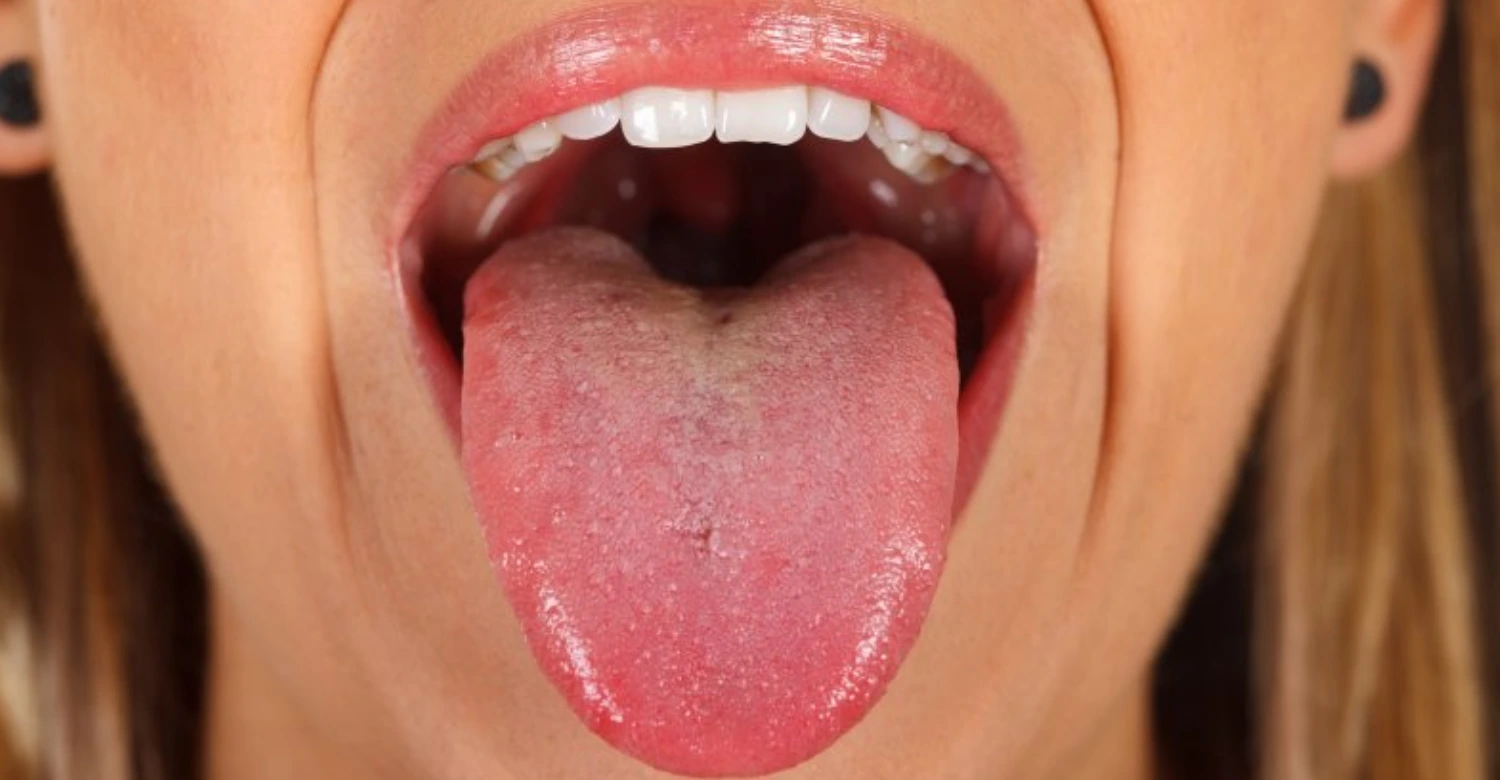
Tongue cleaning may help reduce a Salty Taste in Mouth when a thick tongue coating contributes to altered taste. The tongue can collect food debris, bacteria, and shed cells on its surface. These materials may contribute to unpleasant breath and taste. A tongue scraper or gentle toothbrush cleaning can remove surface buildup. Excessive pressure should be avoided because the tongue contains delicate tissues. Tongue cleaning does not replace brushing or interdental cleaning. Persistent coating may also be associated with dry mouth, smoking, certain medications, or other conditions. A dental professional can evaluate unusual or persistent tongue changes. Maintaining adequate hydration can additionally support normal oral moisture.
Manage Dry Mouth
Managing dry mouth may reduce a Salty Taste in Mouth when reduced saliva changes taste perception. Frequent small sips of water can help maintain oral moisture. Sugar-free chewing gum may stimulate saliva in suitable individuals. Avoiding excessive caffeine, tobacco, and alcohol may also help reduce dryness. Some medications can cause dry mouth, so medication concerns should be discussed with a healthcare professional. Persistent dryness increases the risk of tooth decay and gum problems. Dentists can recommend products or strategies suited to individual needs. Artificial saliva products may be considered in some cases. The underlying cause should still be investigated when dryness is persistent or severe.
Treat Gum and Dental Problems
Treating underlying dental problems can improve a Salty Taste in Mouth when inflammation, bleeding, or infection causes it. Gingivitis may improve with professional cleaning and improved daily plaque control. Periodontitis requires appropriate periodontal assessment and treatment. Dental infections may require specific procedures depending on the affected tooth and tissues. Waiting for symptoms to disappear can allow some conditions to progress. Tooth pain, swelling, pus, fever, or facial swelling requires prompt evaluation. Home remedies cannot reliably eliminate a dental infection. Vitrin Clinic can assess the teeth and gums and develop treatment recommendations based on clinical findings. Treatment should address the source rather than simply masking the taste.
Manage Sinus Congestion and Postnasal Drip
Managing sinus congestion may reduce a Salty Taste in Mouth when postnasal drainage contributes to altered taste. Treatment depends on whether allergies, infection, irritation, or another nasal problem causes the drainage. Adequate hydration may help maintain thinner mucus. Saline nasal irrigation may be appropriate for some individuals when used correctly. People should follow medical guidance when symptoms are severe or prolonged. Persistent facial pain, fever, recurrent infections, or significant breathing problems warrant professional assessment. An ENT specialist can evaluate ongoing nasal or sinus symptoms. Dental assessment may still be appropriate when oral problems occur simultaneously. Treating the underlying nasal condition is more effective than simply masking the taste.
Review Medications With Your Doctor
Medication review can help identify the cause of an unusual taste when symptoms begin after starting or changing a medicine. Some medications influence taste perception or reduce saliva production. The timing of symptoms can provide an important clue during medication review. Patients should provide a complete list of prescription medicines, over-the-counter products, and supplements. Doctors or pharmacists can determine whether a medication is a plausible contributor. Prescription medicines should never be stopped suddenly without professional advice. An alternative treatment may sometimes be considered when appropriate. Dry mouth management can also reduce medication-related oral discomfort. Dental evaluation remains useful when gum or tooth symptoms accompany the taste change.
Avoid Excessive Salt, Tobacco, and Alcohol
Reducing excessive salt, tobacco, and alcohol may support oral health and reduce factors contributing to a Salty Taste in Mouth. Salty foods can temporarily increase salt perception after eating. Tobacco can affect taste perception, oral tissues, saliva, and gum health. Alcohol can contribute to dehydration and dry mouth in some circumstances. Avoiding tobacco is especially important because it increases the risk of periodontal disease and several oral conditions. Moderating alcohol may also support hydration and oral health. Dietary changes alone will not treat infections or periodontal disease. Persistent symptoms should therefore receive appropriate professional assessment. Healthy habits work best alongside regular dental care and good daily hygiene.
Find out the answer to Is Root Canal Painless?
Tips for Patients: What to Do About a Salty Taste
This symptom can be easier to understand when patients track patterns instead of focusing only on the sensation. Record when the taste starts, how long it lasts, and what happened beforehand. Note meals, exercise, hydration, medications, nasal congestion, reflux symptoms, and oral hygiene. Also record whether the taste occurs after brushing, waking, eating, or physical activity. Look for associated symptoms such as dry mouth, bleeding gums, bad breath, pain, swelling, or throat irritation. Avoid assuming that one symptom proves a vitamin deficiency or dental disease. Simple observations can provide useful information during a dental or medical appointment. Vitrin Clinic recommends bringing these details to an oral assessment when symptoms continue or repeatedly return.
Track When the Taste Appears
Tracking when a Salty Taste in Mouth appears can help identify possible triggers. Record whether the sensation occurs before meals, after meals, during exercise, or after waking. Note whether drinking water makes the sensation weaker or eliminates it. Record nasal congestion, throat clearing, heartburn, or mouth dryness when they occur. Medication timing can also provide useful information. Repeated patterns may suggest whether hydration, oral health, food, or another factor contributes. A simple diary does not diagnose the cause. However, it gives dentists and doctors more specific information to evaluate. Recording symptoms for several days can be particularly helpful when the sensation is intermittent. Bring the notes to appointments when the problem persists.
Look for Other Symptoms
Other symptoms accompanying a Salty Taste in Mouth can provide important clues about possible causes. Gum bleeding may suggest inflammation or periodontal disease. Tooth pain or swelling may indicate a dental problem requiring prompt treatment. Dryness may suggest reduced saliva or dehydration. Nasal congestion and throat mucus may indicate postnasal drainage. Heartburn or regurgitation may point toward reflux. Bad breath can occur with gum disease, dry mouth, or bacterial accumulation. The combination of symptoms is usually more informative than taste description alone. Patients should mention new or worsening symptoms during professional evaluation. Prompt assessment is particularly important when swelling, fever, significant bleeding, or severe pain develops.
Stay Hydrated
Adequate hydration may help reduce a Salty Taste in Mouth when dehydration or dry mouth contributes to altered taste. Drink water regularly throughout the day and increase intake when fluid losses are greater. Exercise, hot weather, fever, vomiting, and diarrhea can increase hydration needs. Water also helps wash away food particles and concentrated secretions from oral surfaces. People with medical conditions affecting fluid balance should follow individualized advice. Excessive water consumption is unnecessary and can sometimes be harmful. If the taste continues despite normal hydration, consider other potential causes. Persistent dryness may require evaluation of medications, saliva production, oral health, or medical conditions. Hydration is supportive care rather than a treatment for every underlying cause.
Maintain Daily Oral Hygiene
Daily oral hygiene can help reduce a Salty Taste in the mouth when plaque, bacteria, or gum inflammation contributes. Brush teeth twice daily using fluoride toothpaste and clean between teeth regularly. Gentle tongue cleaning can remove accumulated debris and bacterial buildup. Avoid excessive brushing pressure because irritated gums may bleed more easily. Replace toothbrushes regularly and follow professional recommendations for interdental cleaning. Good hygiene helps control plaque but cannot treat every cause of altered taste. Established periodontal disease may require professional treatment. Dental infections also need appropriate clinical care rather than home remedies. Consistent oral hygiene remains one of the simplest ways to support healthy gums, teeth, saliva, and taste perception.
Avoid Self-Diagnosing Vitamin Deficiencies
This taste does not automatically indicate vitamin deficiency, even when it occurs. Nutritional deficiencies can affect oral tissues and taste, but they usually require evaluation of additional symptoms and risk factors. Taking high-dose vitamins without testing may be unnecessary or potentially harmful. A healthcare professional can decide whether laboratory testing is appropriate. Nutritional history, dietary restrictions, medications, and medical conditions may influence the decision. Blood tests can identify specific deficiencies when clinically indicated. Treatment should target a confirmed or strongly suspected deficiency rather than the taste alone. Dental causes should also be considered because gum inflammation, bleeding, and dry mouth are common contributors to unusual taste.
Know When to See a Dentist or Doctor
Persistent symptoms involving a Salty Taste in Mouth should be evaluated when they do not resolve or have no obvious trigger. A dentist is appropriate when gum bleeding, tooth pain, swelling, bad breath, or oral dryness accompanies the taste. A doctor may be more appropriate when symptoms suggest dehydration, medication effects, nutritional problems, reflux, or another medical condition. An ENT specialist may help when significant nasal or sinus symptoms dominate. Seek prompt care for facial swelling, severe infection symptoms, uncontrolled bleeding, or difficulty swallowing or breathing. The appropriate professional depends on the symptom pattern. Early assessment can prevent a minor oral problem from becoming more advanced.
How Is a Persistent Salty Taste Diagnosed?
Diagnosing a persistent Salty Taste in Mouth requires identifying factors that may alter saliva, oral tissues, taste perception, or nearby systems. A dentist usually begins by reviewing symptoms and performing a detailed oral examination. The gums, teeth, tongue, saliva, and oral tissues can reveal important clues. Medical history and medication review may identify non-dental contributors. If dry mouth is present, saliva production and related complications may be assessed. Blood testing may be considered when symptoms suggest nutritional or systemic problems. ENT assessment may be appropriate when nasal or sinus symptoms dominate. There is no single test that identifies every cause of unusual taste. Diagnosis depends on combining symptoms, examination findings, and relevant investigations.
Dental and Oral Examination
A dental examination can identify oral causes of this taste by evaluating the teeth, gums, tongue, and surrounding tissues. Dentists may look for gingivitis, periodontal disease, bleeding, tooth decay, infection, oral injuries, and plaque accumulation. They may also assess existing restorations and areas that trap food. The tongue can be examined for coating, irritation, inflammation, or visible abnormalities. Saliva and signs of dryness may also be considered. Additional dental imaging may be recommended when symptoms suggest infection or another hidden dental problem. The examination helps determine whether the mouth provides a reasonable explanation for the taste. If no oral cause appears likely, medical referral can be considered.
Medical and Medication History
A medical and medication history can clarify why this taste developed or persisted. Healthcare professionals may ask when the sensation began and whether it followed illness, medication changes, or other events. Prescription medicines, over-the-counter products, and supplements can all be relevant. Some medications affect taste perception or saliva production. Medical conditions involving hydration, reflux, nasal passages, or nutrition may also influence taste. Recent infections can temporarily affect sensory perception. Patients should provide accurate information rather than assuming a particular cause. Medication changes should only occur under professional guidance. Combining the history with oral findings can make the diagnostic process more focused and efficient.
Evaluation of Saliva and Dry Mouth
Evaluating saliva can help identify a cause of this sensation associated with dry mouth or reduced salivary flow. Dentists may look for sticky saliva, dry oral tissues, difficulty swallowing, or increased plaque accumulation. They may ask about thirst, nighttime dryness, mouth breathing, and medications. Reduced saliva can increase discomfort and contribute to tooth decay or gum problems. Some people experience dry mouth temporarily, while others have persistent symptoms requiring investigation. Treatment depends on the underlying cause. Hydration, saliva stimulation, medication review, or specific oral care products may help suitable patients. Persistent dryness should not be ignored because saliva provides important protective functions.
When Blood Tests May Be Recommended
Blood tests may be recommended when this taste occurs alongside symptoms suggesting nutritional or systemic problems. Testing is not routinely required for every isolated taste change. A clinician may consider tests when fatigue, weakness, neurological symptoms, anemia, dietary restriction, or absorption problems are present. Depending on the clinical picture, testing may examine vitamin B12, iron status, folate, or other relevant markers. Results should be interpreted within the broader medical context. Normal results can also help exclude certain explanations. Unnecessary testing can create confusion, so investigations should be guided by symptoms and risk factors. A dental assessment may remain appropriate even when laboratory testing is performed.
When to See an ENT Specialist
An ENT specialist may evaluate this taste when persistent nasal or sinus symptoms accompany it. Relevant symptoms can include chronic congestion, postnasal drip, recurrent sinus problems, facial pressure, reduced smell, or persistent throat clearing. Nasal secretions can reach the throat and alter taste perception. An ENT assessment can evaluate nasal passages, sinuses, and related structures. Medical treatment depends on the underlying condition. Persistent symptoms should not automatically be attributed to sinus disease without examination. Dental and medical causes can also coexist. A coordinated assessment may therefore be useful when symptoms involve both oral and nasal areas.
Clinical Note
Persistent unusual taste should be approached as a symptom rather than a diagnosis. The clinical goal is to identify the factor changing taste perception or oral conditions. Dentists can investigate common oral causes including gum inflammation, bleeding, infection, plaque, and dry mouth. Medical professionals can assess medication effects, dehydration, reflux, nutritional concerns, or other systemic contributors. ENT assessment may be appropriate for persistent sinus or nasal symptoms. The patient's timeline can significantly improve diagnostic accuracy. Symptoms that occur after specific triggers may provide particularly useful information. A structured approach helps avoid unnecessary treatment and directs patients toward the appropriate professional.
Dr. Rifat Alsaman's Clinical Opinion
Dr. Rifat Alsaman recommends evaluating this symptom systematically when it persists or repeatedly returns. The first step is identifying whether visible oral findings could explain the sensation. Gum bleeding, inflammation, plaque, infection, and dryness should receive careful attention. Patients should also provide information about medications, hydration, nasal symptoms, and recent health changes. When the oral examination does not identify a likely cause, appropriate medical referral may be considered. This approach prevents patients from assuming that the taste automatically indicates one particular condition. Identifying the underlying cause allows treatment to be more precise and clinically appropriate.
When Should You See a Dentist About a Salty Taste?
You should see a dentist about this taste when the sensation persists, repeatedly returns, or occurs with oral symptoms. Gum bleeding is particularly relevant because it may indicate gingival inflammation or periodontal disease. Tooth pain can suggest decay, infection, or another dental problem. Swelling may indicate infection and requires timely assessment. Severe or persistent dry mouth can increase the risk of dental complications. Bad breath and unusual taste can also occur with gum disease or bacterial accumulation. A dental examination can identify many common oral contributors. If the dentist finds no oral explanation, medical evaluation may be recommended. Early assessment can prevent potentially treatable dental conditions from progressing.
Salty Taste That Persists for Days or Weeks
This taste that persists for days or weeks without an obvious explanation deserves professional attention. Temporary taste changes often resolve when the underlying trigger disappears. Persistent symptoms may indicate ongoing dry mouth, gum inflammation, medication effects, sinus drainage, reflux, or altered taste perception. The duration alone does not establish a serious disease. However, persistence makes evaluation more useful. Patients should record associated symptoms and possible triggers before their appointment. Dentists can examine the mouth for common oral causes. Doctors can evaluate medical contributors when appropriate. Persistent symptoms should not be repeatedly treated with home remedies without identifying the underlying reason.
Salty Taste With Gum Bleeding
This taste with gum bleeding should prompt a dental examination, particularly when bleeding occurs regularly. Healthy gums generally should not bleed consistently during routine brushing or flossing. Gingivitis can cause swollen, red, and bleeding gums. Periodontitis may produce deeper inflammation and persistent unpleasant taste or breath. Blood entering saliva can create salty or metallic sensations. Brushing too forcefully can cause irritation, but recurrent bleeding still deserves evaluation. Professional cleaning and improved plaque control may help early gum inflammation. More advanced periodontal disease may require additional treatment. Early assessment can help protect supporting tissues around the teeth.
Salty Taste With Tooth Pain
This taste accompanied by tooth pain may indicate a dental problem requiring evaluation. Tooth decay, cracked teeth, pulp inflammation, or infection can produce unusual oral sensations. An abscess may cause pain, swelling, bad taste, or drainage. Fever or facial swelling can indicate a more significant infection. Dental infections should not be managed solely with home remedies. A dentist can examine the tooth and determine whether imaging or treatment is required. Prompt treatment may prevent infection from spreading into surrounding tissues. Patients should mention when the taste began and whether it occurs near a specific tooth. This information can help guide the examination.
Salty Taste With Swelling or Infection
This taste accompanied by swelling may indicate infection or significant inflammation. Swelling around a tooth or gum can occur with dental abscesses, periodontal infections, or other oral conditions. Fever, severe pain, pus, facial swelling, or difficulty opening the mouth increases concern. Dental infections can progress and should receive timely professional evaluation. Antibiotics alone are not always sufficient because the source of infection may require dental treatment. Emergency care may be necessary when swelling affects breathing or swallowing. Do not delay assessment because the taste itself seems mild. The associated swelling provides a more important clinical warning sign.
Recurrent Salty Taste With Severe Dry Mouth
This taste that repeatedly occurs with severe dry mouth deserves evaluation because reduced saliva can have several causes. Medications are a common contributor, while dehydration and mouth breathing can also worsen dryness. Persistent dry mouth increases the risk of tooth decay, gum disease, oral discomfort, and difficulty swallowing. Dentists can assess the oral consequences and review saliva-related symptoms. A doctor may need to investigate medication effects or underlying medical conditions. Regular water intake can provide temporary relief but may not solve persistent salivary dysfunction. Early evaluation can help protect teeth and oral tissues from complications.
Salty Taste vs. Other Unusual Tastes
This taste can sometimes be difficult to distinguish from metallic, bitter, sour, or acidic sensations. Taste perception is subjective, and several flavors can overlap. Blood from the gums may taste both salty and metallic. Reflux may produce sour, bitter, or acidic sensations. Medications can create metallic or generally unpleasant tastes. Dry mouth may intensify several types of unusual taste. The specific description is useful but does not independently establish the cause. Associated symptoms and timing are more reliable clinical clues. Professionals may ask patients to describe whether the sensation resembles salt, metal, acid, bitterness, sweetness, or a combination. This information helps narrow potential causes.
Salty Taste vs. Metallic Taste
This taste differs from a metallic taste, although both sensations can occur together. Salty sensations often resemble saltwater or concentrated saliva. Metallic sensations may resemble iron, coins, or a metal-like flavor. Gum bleeding can produce both descriptions because blood changes saliva chemistry. Certain medications can also create metallic sensations. Dry mouth can intensify unusual tastes regardless of their exact description. Patients may find it difficult to identify the difference precisely. Rather than relying only on the taste label, clinicians consider timing and accompanying symptoms. Persistent metallic or salty sensations deserve evaluation when no obvious trigger explains them.
Salty Taste vs. Bitter Taste
This taste usually differs from bitterness, although some people may experience both sensations simultaneously. Bitter tastes can occur with certain foods, medications, reflux, dry mouth, or altered taste perception. A salty sensation more commonly resembles saltwater or concentrated saliva. Poor oral hygiene can produce unpleasant flavors that patients may describe differently. Taste perception varies significantly between individuals. A precise description therefore cannot replace clinical assessment. Recording whether the taste appears after meals, medications, waking, or brushing can provide useful context. Persistent changes should be assessed when they interfere with eating or remain unexplained.
Salty Taste vs. Sour Taste
This taste may feel different from a sour taste, although reflux can create overlapping sensations. Sourness is often associated with acidic foods or stomach contents reaching the throat. Saltiness may be associated with concentrated saliva, nasal secretions, dietary intake, or oral bleeding. Some individuals describe reflux-related sensations as salty, sour, bitter, or metallic. This variation makes symptom descriptions imperfect diagnostic tools. Timing can provide more useful information than the exact taste label. A sensation occurring after meals or when lying down may raise questions about reflux. A sensation occurring with gum bleeding may suggest an oral source.
Why Taste Changes Can Be Difficult to Identify
Taste changes can make this sensation difficult to identify because several sensory systems contribute to flavor. Taste receptors detect basic taste qualities, while smell contributes substantially to flavor perception. Nasal congestion can therefore change how foods and oral sensations are experienced. Dry mouth can alter the chemical environment around taste receptors. Medications and infections may also change sensory perception. People may consequently use different words for similar sensations. Healthcare professionals consider these limitations during evaluation. Describing the sensation, timing, triggers, and accompanying symptoms provides more useful information than choosing one exact taste category. Persistent changes may require examination of oral and medical factors.
How to Prevent a Salty Taste in the Mouth
Preventing this sensation depends on reducing the factors that commonly contribute to unusual taste perception. Adequate hydration supports normal saliva production and oral moisture. Good oral hygiene reduces plaque and gum inflammation. Tongue cleaning can reduce surface debris and bacterial accumulation. Managing gum and dental conditions helps prevent bleeding and infection. Regular dental examinations can identify problems before symptoms become advanced. Avoiding tobacco supports healthier gums and normal oral function. Managing persistent dry mouth can also reduce complications. People should address recurring nasal, reflux, or medication-related symptoms with appropriate professionals. Prevention focuses on maintaining overall oral health rather than using one universal remedy.
Stay Properly Hydrated
Staying hydrated may help prevent this sensation when dehydration contributes to reduced saliva. Drink water regularly and increase fluid intake appropriately during exercise or hot weather. Fever, vomiting, diarrhea, and heavy sweating can increase fluid requirements. Water also helps maintain oral moisture and supports normal saliva function. People with medical conditions affecting fluid balance should follow their healthcare professional's advice. Hydration cannot prevent every cause of taste changes. Persistent dryness may result from medications, mouth breathing, or salivary gland problems. If adequate hydration does not prevent recurring symptoms, professional assessment may identify another contributor.
Maintain Good Oral Hygiene
Maintaining good oral hygiene can help prevent unusual taste associated with plaque, gum inflammation, or bacterial accumulation. Brush twice daily with fluoride toothpaste and clean between teeth every day. Gentle tongue cleaning can help remove surface debris. Avoid excessive brushing pressure because irritated gums can bleed. Professional dental cleanings can remove hardened deposits that home brushing cannot eliminate. Consistent oral care supports healthy gums and reduces the risk of periodontal problems. Good hygiene cannot prevent medication-related or sinus-related taste changes. However, it remains an important foundation for maintaining normal oral conditions and reducing preventable dental contributors.
Keep Your Tongue Clean
Keeping the tongue clean may help prevent this sensation when bacterial coating or food debris contributes to altered taste. The tongue naturally collects microorganisms and shed cells on its surface. A gentle tongue scraper or toothbrush can remove surface buildup. Avoid aggressive scraping because excessive pressure can irritate the tongue. Tongue cleaning should complement toothbrushing and interdental cleaning rather than replace them. Persistent coating, soreness, discoloration, or taste changes may require professional assessment. Dry mouth can make tongue coating more noticeable. Adequate hydration and management of underlying dryness may therefore provide additional support.
Manage Gum and Dental Conditions
Managing gum and dental conditions can help prevent this sensation associated with bleeding, inflammation, infection, or oral irritation. Regular dental examinations can identify gingivitis, periodontal disease, decay, and other problems early. Professional cleaning may be necessary when plaque hardens into calculus. Periodontal treatment can reduce inflammation when disease is established. Dental infections require specific treatment based on their source. Maintaining daily plaque control supports long-term results. Patients should report persistent bleeding, pain, swelling, or bad breath rather than waiting for symptoms to disappear. Early treatment protects oral tissues and reduces the likelihood of recurring taste-related symptoms.
Attend Regular Dental Checkups
Regular dental checkups can help prevent this sensation caused by untreated oral conditions. Dental professionals can identify plaque accumulation, gum inflammation, decay, infection, and other problems before they become advanced. Routine examinations also provide opportunities to discuss dry mouth, bleeding gums, bad breath, and unusual taste changes. The appropriate frequency of appointments depends on individual oral health needs. People with periodontal disease may require more frequent monitoring. Professional care complements daily brushing and interdental cleaning. Early identification can make treatment simpler and help maintain healthy teeth and gums. Vitrin Clinic can provide comprehensive oral assessments when taste changes occur alongside dental concerns.
Why Choose Vitrin Clinic for Taste-Related Oral Concerns?
Vitrin Clinic can support patients experiencing this taste when dental or oral factors may contribute. A comprehensive assessment can examine teeth, gums, tongue, saliva, and visible oral tissues. The purpose is to identify possible dental contributors rather than assume the taste has one specific cause. Patients can discuss symptoms such as bleeding, dryness, bad breath, pain, swelling, or changes after dental treatment. The clinical team can then determine whether further dental investigation is appropriate. When symptoms appear unrelated to oral health, patients can be advised to seek suitable medical evaluation. This coordinated approach helps keep treatment focused on the underlying problem.
Comprehensive Oral Examination
A comprehensive oral examination at Vitrin Clinic can investigate this taste when oral factors appear relevant. The assessment may include examination of teeth, gums, tongue, oral tissues, and visible signs of dryness. Clinicians can look for plaque, inflammation, bleeding, dental decay, infection, and other abnormalities. The patient's symptoms and timeline are also important. Questions about medications, hydration, nasal symptoms, and recent dental treatment may help establish context. Additional diagnostic procedures may be recommended when findings require further investigation. The objective is to determine whether a dental explanation is likely. Patients can then receive appropriate recommendations based on their clinical findings.
Assessment of Teeth and Gum Health
Assessing teeth and gums at Vitrin Clinic can help identify a cause of this taste associated with bleeding, inflammation, decay, or infection. Gum health is particularly important when patients notice blood during brushing or flossing. Dental examination can identify cavities, damaged restorations, periodontal concerns, or localized infection. The gums can also be assessed for swelling and inflammation. These findings may explain unpleasant taste sensations in some patients. Treatment recommendations depend on the specific diagnosis. Maintaining daily oral hygiene remains important throughout treatment. Professional evaluation is especially useful when symptoms continue despite improved home care.
Personalized Treatment Planning
Personalized treatment planning at Vitrin Clinic considers the specific cause suspected during assessment of this taste. Patients may require oral hygiene guidance, periodontal treatment, dental restoration, infection management, or recommendations for managing dryness. Not every taste change requires dental treatment. If the examination does not identify an oral cause, medical evaluation may be appropriate. Treatment recommendations should therefore reflect clinical findings rather than the symptom alone. Patients can discuss their concerns and expected outcomes during consultation. A personalized approach avoids unnecessary procedures while focusing on the factors most likely contributing to the symptoms.
Your Oral Health Assessment at Vitrin Clinic
A Vitrin Clinic oral assessment can help investigate this taste when dental symptoms accompany it. The evaluation focuses on identifying visible and clinical factors that may influence oral taste perception. These can include gum inflammation, bleeding, plaque, dental infection, dry mouth, and other oral conditions. The clinical team can also discuss symptom timing and potential triggers. When an oral cause is unlikely, patients may be advised to seek appropriate medical assessment. This approach supports evidence-based decision-making instead of assuming that every unusual taste originates from the teeth. Follow-up recommendations depend on the findings and individual oral health needs.
Identifying Possible Dental Causes
Identifying dental causes of this taste begins with examining the teeth, gums, tongue, and surrounding tissues. Gum bleeding may indicate inflammation or periodontal disease. Tooth pain may suggest decay, pulp problems, cracks, or infection. Swelling can indicate an inflammatory or infectious process. Plaque and calculus can contribute to gum irritation and unpleasant taste. Dry mouth can also create changes in the oral environment. The clinical examination helps determine which findings are significant. Not every visible dental issue necessarily causes the taste. Professional assessment therefore focuses on connecting symptoms with relevant clinical findings.
Evidence-Based Treatment Recommendations
Evidence-based treatment recommendations for this taste should target the identified cause rather than the taste itself. Gum disease may require professional periodontal care and improved plaque control. Dental infections require treatment directed at the source. Dry mouth may require strategies to improve moisture and protect teeth. Medication-related symptoms may require discussion with the prescribing clinician. Sinus or reflux-related symptoms may need medical management. Treatment should be individualized according to examination findings and medical history. Vitrin Clinic can provide dental recommendations when oral causes are identified. Patients should avoid unnecessary treatments based solely on online symptom searches.
Personalized Follow-Up Care
Personalized follow-up care can help monitor this taste after an oral condition has been treated. Follow-up may assess gum inflammation, healing, oral hygiene, dryness, or other relevant findings. Patients can report whether the taste has improved, remained unchanged, or returned. Persistent symptoms may require reconsideration of the original suspected cause. Medical referral can be appropriate when dental treatment does not explain continuing symptoms. Follow-up also provides an opportunity to reinforce preventive oral care. The timing of reviews depends on the patient's diagnosis and treatment needs. Consistent monitoring can help maintain oral health while unexplained symptoms are investigated.
Reference
FAQs
Dr. Rifat Alsaman has more than 5 years of clinical experience in dentistry and currently serves as the Head of the Medical Team at Vitrin Clinic. He is dedicated to providing exceptional patient care, overseeing treatment planning, and ensuring the highest clinical standards across the team. His expertise, attention to detail, and commitment to continuous professional development have helped countless patients achieve healthier, more confident smiles.

.webp&w=3840&q=75)


