General Dentistry
September 28, 2026
Secondhand Smoke and Tooth Enamel Development: Can Passive Smoking Affect Developing Teeth?
 Dr. Rifat Alsaman
Developing teeth pass through carefully timed stages before they become fully formed. Secondhand Smoke and Tooth Enamel Development is therefore an important topic for parents. Current evidence does not prove tobacco smoke causes every enamel defect. Enamel problems can have genetic, nutritional, systemic, prenatal, and environmental causes. Still, the CDC states that no level of secondhand smoke is safe. Vitrin Clinic approaches these concerns through individualized dental assessment rather than assuming one cause.
What Is Secondhand Smoke and Why Does Tooth Development Matter?
Understanding this topic requires knowing what smoke contains and when teeth form. Secondhand Smoke and Tooth Enamel Development involves both environmental exposure and biological timing. Primary and permanent teeth form at different stages. Disturbances during sensitive periods can leave visible changes. However, a defect rarely reveals one specific exposure by appearance alone. Dentists therefore consider timing, distribution, medical history, and nutrition together.
What is secondhand smoke exposure?
Secondhand smoke comes from burning tobacco or from smoke exhaled by a nearby smoker. It can come from cigarettes, cigars, pipes, and hookah. Secondhand Smoke and Tooth Enamel Development becomes relevant when exposure occurs while teeth are forming. Children meet smoke in homes, cars, and gatherings. The CDC reports more than 7,000 chemicals in tobacco smoke.
When does tooth enamel develop?
Enamel begins forming long before a tooth appears in the mouth. Primary teeth start developing during fetal life. Permanent teeth keep forming from infancy through adolescence. Secondhand Smoke and Tooth Enamel Development must therefore be considered alongside the child's age. Ameloblasts build the enamel matrix before mineralization and maturation occur. Disturbances can affect enamel amount or quality.
Why are developing teeth potentially more vulnerable to environmental exposures?
Developing enamel is being actively built rather than simply maintained. Secondhand Smoke and Tooth Enamel Development raises questions about exposures during sensitive windows. Ameloblasts depend on tightly regulated biological conditions. However, vulnerability does not mean exposure automatically produces a defect. NIDCR lists genetic, environmental, nutritional, illness, injury, and birth-weight factors. A complete history is more informative than one exposure.
Primary and permanent tooth development
Primary teeth begin forming before birth, while permanent teeth develop for many years. Secondhand Smoke and Tooth Enamel Development may therefore vary by which teeth are forming. Formation continues through third molars in late adolescence. Defects on similarly timed teeth may suggest a broader influence. A single localized defect may reflect local injury instead.
Enamel formation and mineralization
Enamel forms through matrix secretion, mineral deposition, and maturation. Secondhand Smoke and Tooth Enamel Development is best understood through this biology of amelogenesis. Ameloblasts create a protein matrix that guides crystal growth. Mature enamel is about 95% mineral by weight. Matrix problems can reduce quantity. Maturation problems can alter quality or mineral content.
Learn how to fix Craze Lines
Can Secondhand Smoke Affect Tooth Enamel Development?
Research supports concern about children's smoke exposure and oral health. Direct evidence involving enamel development, however, is less definitive. Secondhand Smoke and Tooth Enamel Development should therefore be discussed without overstating causation. Reviews link smoke exposure with early childhood caries. Enamel-specific effects remain less established. Parents should separate documented associations from unproven mechanisms.
What does current research say about secondhand smoke and enamel development?
Evidence is stronger for some oral outcomes than for direct enamel effects. Secondhand Smoke and Tooth Enamel Development remains an area needing careful interpretation. One review found caries associations in ten studies, mostly weak to moderate. A later meta-analysis of 16 studies reported an odds ratio of 1.77. Its authors noted limited study number and quality.
What are the possible effects of tobacco smoke exposure on developing teeth?
Smoke exposure raises concerns about several parts of children's oral health. Secondhand Smoke and Tooth Enamel Development is only one part of that discussion. Studies link passive exposure with caries and higher gingival-index scores. Evidence certainty for gum findings was rated very low. Diet, hygiene, fluoride, and genetics also shape outcomes.
Does secondhand smoke damage developing teeth?
Evidence does not show that secondhand smoke directly damages enamel in every child. Secondhand Smoke and Tooth Enamel Development involves an association that remains less clearly established. Developmental defects arise from many causes. Research shows stronger links with childhood caries. A child with enamel defects needs a comprehensive dental evaluation. This avoids unsupported attribution to smoke. The dentist examines defect type, location, symmetry, and severity.
Can passive smoking affect tooth enamel?
Passive smoking matters when evaluating a child's overall oral-health environment. Secondhand Smoke and Tooth Enamel Development cannot currently be described as a proven direct causal relationship. Enamel defects may reflect nutrition, illness, genetics, birth factors, or trauma. Health authorities still recognize passive smoke as harmful. Smoke-free homes and vehicles reduce preventable risk.
Association versus direct causation
An association means two factors occur together more often than expected. Causation means one factor directly produces the outcome. Secondhand Smoke and Tooth Enamel Development requires this distinction because most research is observational. Diet, hygiene, income, and healthcare access can confound results. One review rated caries causation as possible but found insufficient evidence for permanent teeth.
Why evidence should be interpreted cautiously
Research on environmental exposures needs context. Secondhand Smoke and Tooth Enamel Development may involve overlapping biological and social factors. Exposure levels and measurement methods differ between studies. The 2024 caries meta-analysis relied mainly on cross-sectional studies. Such limitations do not make findings irrelevant. Conclusions should simply match the strength of the evidence.
Compare materials in Flexible Partial Dentures vs Metal
How Could Tobacco Smoke Affect Enamel Formation and Mineralization?
Researchers can consider biological mechanisms when studying tooth development. Secondhand Smoke and Tooth Enamel Development may involve theoretical pathways, but mechanisms are not proof. Enamel formation depends on ameloblast activity and controlled mineral transport. Tobacco smoke contains many toxic compounds. Human evidence must support any clinical conclusion. Vitrin Clinic focuses on what can be observed.
How tobacco smoke may influence developing enamel
Scientists may investigate several pathways in developing tissues. Secondhand Smoke and Tooth Enamel Development could theoretically involve cellular stress or altered mineral availability. Inflammatory pathways are another possible research area. Yet biological plausibility alone does not prove passive exposure causes defects. Nutrition, illness, medications, and genetics also affect enamel. Interpretation should stay evidence-based.
What role could nicotine and other tobacco-smoke compounds play?
Nicotine is only one component among thousands in tobacco smoke. Secondhand Smoke and Tooth Enamel Development cannot be attributed to nicotine alone. Tissue responses may depend on exposure amount, timing, and vulnerability. Proving a specific chemical causes a defect requires strong evidence. Clinicians should not infer a chemical cause from enamel appearance.
Could smoke exposure influence tooth mineralization?
Mineralization is a critical phase of enamel development. Secondhand Smoke and Tooth Enamel Development may raise questions about interference with mineral deposition. Abnormal mineralization can produce opaque or weak enamel. Yet a defect does not establish smoke as its cause. Research must separate smoke from nutritional, genetic, and systemic variables. A dental examination documents the actual defect.
How might environmental exposure interact with other developmental factors?
Childhood exposures rarely occur in isolation. Secondhand Smoke and Tooth Enamel Development should be considered with nutrition, illness, genetics, and oral care. A child may face several influences at once. Appearance alone cannot separate them. Dentists ask about illnesses, medications, trauma, fluoride, and tobacco smoke. This builds a fuller developmental timeline.
Enamel-forming cells and amelogenesis
Amelogenesis is the process that creates dental enamel. Secondhand Smoke and Tooth Enamel Development is easier to understand by examining these cells. Ameloblasts produce matrix proteins and regulate ions and pH. Disturbances at different stages produce different appearances. A dentist cannot identify a specific exposure simply by looking at a defect.
Mineral deposition and enamel maturation
After matrix formation, mineral deposition makes enamel highly mineralized. Secondhand Smoke and Tooth Enamel Development includes questions about stressors during these stages. Maturation disturbances can change hardness, translucency, or surface integrity. However, many factors can disrupt normal development. Dentists therefore evaluate the overall pattern. Preventive monitoring helps protect teeth after an eruption.
Discover treatments for Enamel Hypoplasia
Secondhand Smoke and Enamel Defects in Children
Enamel defects often become noticeable when teeth erupt. They range from subtle color changes to clear structural loss. Passive smoke exposure may be relevant but should not be assumed as the cause. Dentists examine number, location, symmetry, and severity of affected teeth. Vitrin Clinic weighs clinical findings against developmental history. Management depends on each tooth's condition.
What enamel changes may be noticed in children?
Children may show white, cream, yellow, or brown areas. Some teeth have pits, grooves, thin enamel, or rough surfaces. Appearance alone cannot establish the source. Some defects appear at eruption, while others emerge with wear. Sensitivity can occur when enamel is reduced. Parents should avoid diagnosing from photographs alone.
What is enamel hypoplasia?
Enamel hypoplasia means reduced enamel quantity from disrupted formation. It may appear as pits, grooves, or thin areas. Reviews link it with nutritional, systemic, hereditary, prenatal, and local factors. It differs from hypomineralization, where quantity may be normal but quality changes. Management may include fluoride, monitoring, bonding, or restoration.
Is secondhand smoke associated with enamel hypoplasia?
Direct evidence linking passive exposure to enamel hypoplasia remains limited. Secondhand Smoke and Tooth Enamel Development research shows stronger evidence for caries than hypoplasia. Hypoplasia has many recognized causes, including prematurity and hereditary conditions. An exposed child's defect should not be automatically attributed to smoke. Clinical diagnosis requires examining the defect's pattern.
What other factors can cause enamel defects?
Many developmental influences can cause enamel abnormalities. Reviews cite systemic disease, nutritional deficiencies, prematurity, trauma, infections, and genetic disorders. Generalized defects may suggest systemic or hereditary influences. Localized defects may follow trauma or infection of a primary tooth. Identifying these distinctions helps avoid unnecessary treatment.
Nutritional and systemic factors
Nutrition and systemic health influence developing dental tissues. Reviews link enamel defects with vitamin D deficiency, calcium disturbances, and malnutrition. Chronic illness can also interfere with enamel formation. Dentists may ask about hospital stays and dietary problems. Nutritional concerns may need assessment by another healthcare professional.
Childhood illness and infection
Serious illness during tooth formation can interrupt enamel development. NIDCR notes that very high fever can disturb tooth formation. Smoke exposure may coexist with illness, making attribution difficult. The defect may become visible only after an eruption. Parents should mention prolonged fevers, infections, and hospital admissions.
Prenatal and birth-related factors
Tooth development begins before birth. Prenatal history is therefore clinically relevant. Secondhand Smoke and Tooth Enamel Development may include exposure during pregnancy, though causation is unproven. Prematurity and birth complications are recognized influences. Dentists may ask about gestational age and neonatal illness. A complete history strengthens diagnosis.
Genetic and developmental conditions
Some inherited conditions directly affect enamel structure. Amelogenesis imperfecta affects enamel formation across primary and permanent teeth. Ectodermal dysplasias can cause thin enamel and unusual tooth shapes. Family history is important when unusual patterns appear. These conditions should not be blamed on environmental exposure without evidence.
Local trauma affecting developing teeth
Injury to a primary tooth can affect the permanent tooth beneath it. Such defects are usually restricted to one successor tooth. Parents may not remember minor childhood falls. Dentists therefore ask about blows to the mouth and past infections. Early recognition helps protect weaker areas from caries.
Find out how CT Scans Detect Medication-Related Osteonecrosis of the Jaw
Secondhand Smoke and Children's Teeth: What Oral Health Risks Should Parents Know?
Smoke-exposed children may face oral-health concerns beyond enamel appearance. Studies link passive exposure most clearly with childhood caries. However, not every exposed child develops cavities. Hygiene, fluoride, diet, and dental access also matter. The CDC calls cavities the most common chronic childhood disease. Smoke-free environments and regular monitoring support healthier outcomes.
How can passive smoke exposure affect childhood oral health?
Passive exposure occurs in homes, vehicles, and shared spaces. Research associates it with caries and possibly gum inflammation. Evidence strength varies by outcome. Children depend on adults to control their exposure. Smoke-free living and travel spaces are a practical step. Parents should seek advice when defects, sensitivity, or repeated cavities appear.
Is secondhand smoke linked with tooth decay or other oral-health problems?
Evidence suggests an association between passive exposure and childhood decay. One review found links in ten of eleven relevant studies. A later meta-analysis reported an odds ratio of 1.77 for preschool children. These are population-level findings, not individual certainty. Tobacco exposure should be weighed alongside established caries risks.
Does parental smoking increase oral-health risks for children?
Parental smoking can create repeated exposure within a child's home. Studies report associations with childhood caries. However, parental smoking may correlate with other behavioral factors. Researchers must control for these confounders. For families, the priority remains reducing exposure. Parents can share household exposure patterns with the dentist.
Does the timing of smoke exposure matter?
Timing matters because each tooth follows a specific developmental schedule. Secondhand Smoke and Tooth Enamel Development may differ depending on when exposure occurred. Researchers consider prenatal, infant, and later childhood periods. Duration and intensity also affect interpretation. However, timing alone cannot prove causation. Families should report major exposure periods.
Pregnancy and prenatal exposure
Primary teeth begin forming during fetal life. Maternal smoking during pregnancy has therefore been studied. One review found insufficient evidence for maternal smoking effects on certain outcomes. Nutrition, maternal health, and pregnancy complications also matter. Prenatal smoking history should be recorded without automatically assigning causation.
Infancy and early childhood exposure
Infancy includes key stages of tooth development and eruption. Research links exposure in this period with childhood caries. Caregivers also control brushing, diet, and fluoride use. These behaviors strongly influence cavities. Smoke-free rooms and vehicles reduce exposure. Vitrin Clinic can monitor erupting teeth and identify abnormalities early.
Exposure during permanent-tooth development
Permanent teeth develop over many years of childhood. Evidence for permanent teeth is less conclusive than for early caries. A systematic review described it as insufficient. Permanent-tooth defects therefore need full clinical assessment. Dentists weigh timing, pattern, trauma, nutrition, and genetics. Early management can reduce sensitivity and breakdown.
What Are the Signs of an Enamel Development Problem?
Enamel problems can change color, thickness, texture, or shape. Secondhand Smoke and Tooth Enamel Development cannot be diagnosed from these signs alone. Common findings include opaque areas, pits, grooves, and sensitivity. Some defects appear at eruption, while others appear after chipping. Not every unusual tooth needs restoration. Some findings need only monitoring and prevention.
White or yellow-brown areas on the teeth
Color changes occur in many dental conditions. Fluorosis, hypomineralization, early caries, and trauma can all alter appearance. Dentists check whether areas are smooth, porous, stained, or deficient. Lighting and dehydration can exaggerate changes. Parents should avoid whitening products until a dentist identifies the cause. Treatment depends on whether the finding is developmental, acquired, or disease-related.
Pits, grooves, or areas of missing enamel
Pits and grooves can indicate reduced enamel formation. They may reflect hypoplasia, trauma, infection, or hereditary conditions. These irregularities can trap plaque and raise decay risk. NIDCR notes that defective teeth can be hard to clean. A dentist decides between monitoring, sealing, bonding, or restoration.
Increased tooth sensitivity
Sensitivity can occur when enamel is thin or compromised. Cold drinks, sweets, and brushing may trigger discomfort. Examination distinguishes developmental sensitivity from decay, erosion, or cracks. Children may describe it simply as pain. Parents should note triggers and duration. Persistent sensitivity needs professional assessment.
Teeth that appear unusually thin or irregular
Thin or irregular teeth can reflect developmental defects or inherited conditions. Tooth shape alone cannot confirm smoke exposure. Multiple affected teeth may suggest a generalized process. A single unusual tooth may reflect local trauma. Treatment timing should consider age, function, and future growth.
Increased susceptibility to wear or decay
Defective enamel can retain plaque and resist cleaning. NIDCR reports that such teeth can be prone to caries. The CDC notes that over half of U.S. children aged six to eight have had cavities. Fluoride, brushing, diet control, and checkups reduce damage. Prompt treatment prevents deeper decay.
Why enamel appearance alone cannot identify the cause
An enamel defect gives useful information but rarely reveals its exact cause. Secondhand Smoke and Tooth Enamel Development is only one consideration among many. Illness, nutrition, genetics, trauma, and prematurity can all produce defects. Color cannot reliably separate developmental defects from staining. Professional evaluation should follow any persistent change.
Read about Vitamin B1 Deficiency and Tooth Damage
What We Notice Clinically
Clinical assessment focuses on patterns rather than assumptions. Dentists examine enamel color, thickness, texture, symmetry, and integrity. They also look for caries, plaque, sensitivity, and wear. AAPD emphasizes comprehensive examinations for developing dentition. A visible abnormality does not automatically require cosmetic treatment. Observation or fluoride support may be enough.
Common clinical patterns seen with enamel defects
Defects may appear as pits, horizontal grooves, diffuse opacities, or thin enamel. No single pattern identifies smoke exposure. Several teeth forming together may share defects after systemic illness. A localized defect may reflect trauma. Photographs support monitoring but cannot replace direct examination.
Why dentists distinguish developmental enamel defects from acquired staining
Developmental defects occur while the tooth forms. Acquired staining develops after an eruption. Smoke can contribute to surface staining, which differs from structural enamel loss. Staining may respond to professional cleaning. Structural defects may need protection or restoration. This distinction directly shapes treatment choices.
Why the timing of exposure matters when evaluating developing teeth
Exposure timing can be compared with each tooth's developmental stage. Exposure outside the enamel-forming period is less relevant to a given defect. Dentists may map defect location against development chronology. Timing is supportive evidence, not proof. Parents should give approximate dates for major illnesses or injuries.
Common misconceptions about secondhand smoke and children's teeth
One misconception is that every defect in an exposed child comes from smoke. Another is that discoloration always means structural damage. Secondhand Smoke and Tooth Enamel Development research does not support either belief. Passive smoke is mainly linked with caries. Preventive action remains appropriate even when the cause is unclear.
Not every enamel defect is caused by smoke exposure
Enamel defects develop through many pathways unrelated to tobacco. Recognized causes include illness, nutritional deficiency, trauma, infection, and genetic disorders. Inherited disorders may affect nearly all teeth. Trauma may affect only one. Families should seek early professional assessment rather than guessing the cause.
Tooth discoloration does not automatically mean enamel damage
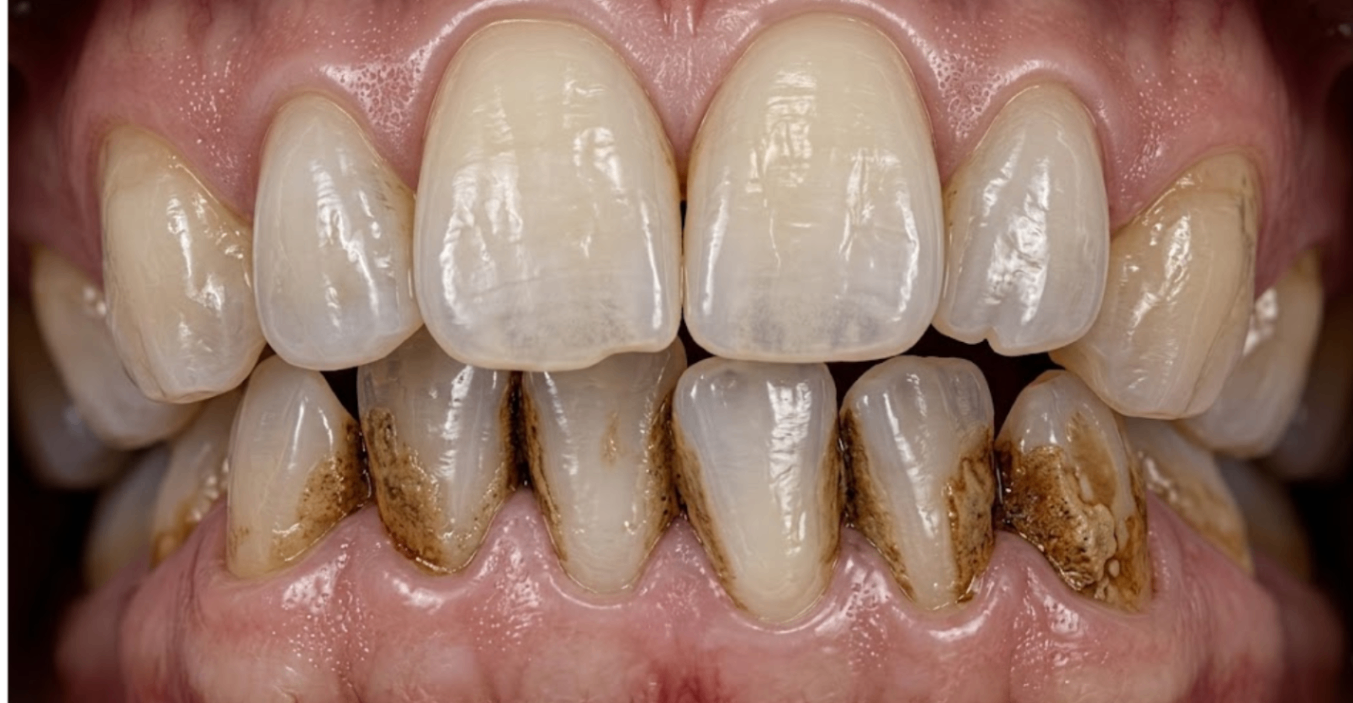
Discoloration can occur without significant structural loss. Smoke can cause external staining after an eruption. Fluorosis, caries, and hypomineralization look different from simple stains. Some early decay appears white before cavitation. Professional assessment should come before any cosmetic treatment in children.
How dentists consider multiple possible causes before attributing an enamel defect to an exposure
Dentists first document the defect's appearance and distribution. Secondhand Smoke and Tooth Enamel Development is then weighed against medical and developmental history. The review covers illness, nutrition, medications, trauma, and family history. Imaging is used only for specific clinical questions. This process avoids unsupported causal claims.
Clinical Note
A clinical note should separate documented findings from possible contributing exposures. Passive smoke may be recorded as environmental history. It should not automatically explain an enamel defect. Documentation includes location, appearance, severity, symptoms, and timing. Mild findings may need only monitoring. Structural weakness may need preventive or restorative treatment.
Dr. Rifat Alsama
Dr. Rifat Alsaman emphasizes an assessment-first approach to unusual enamel changes. A defect should be examined before any cause is assigned. Smoke exposure is documented as one element of history. Timing, distribution, trauma, and medical history also matter. At Vitrin Clinic, treatment planning follows the actual dental condition found.
Learn How to Stop Acid Erosion on Teeth
How Are Enamel Development Problems Diagnosed?
Diagnosis starts with a careful look at the teeth and a detailed history. Dentists record color, texture, thickness, and the pattern of affected teeth. They then compare findings with the expected developmental timeline. Imaging is added only when it answers a specific question. The aim is to identify the actual condition before choosing any treatment.
What happens during a dental examination?
The dentist examines each tooth under good lighting after gentle drying. Enamel surfaces are checked for opacities, pits, grooves, and roughness. Gums, plaque levels, and existing restorations are also assessed. Sensitive areas are tested carefully and gently. Photographs may be taken to document the baseline. Vitrin Clinic uses these findings to plan appropriate next steps.
What information should parents provide about smoke exposure?
Parents can describe who smokes, where, how often, and for how long. They should mention exposure during pregnancy, infancy, and later childhood. Smoking in cars or indoor rooms is especially relevant. Honest answers help the dentist understand the child's environment. This information supports assessment but never proves a defect's cause.
How does a dentist distinguish enamel hypoplasia from other tooth discoloration?
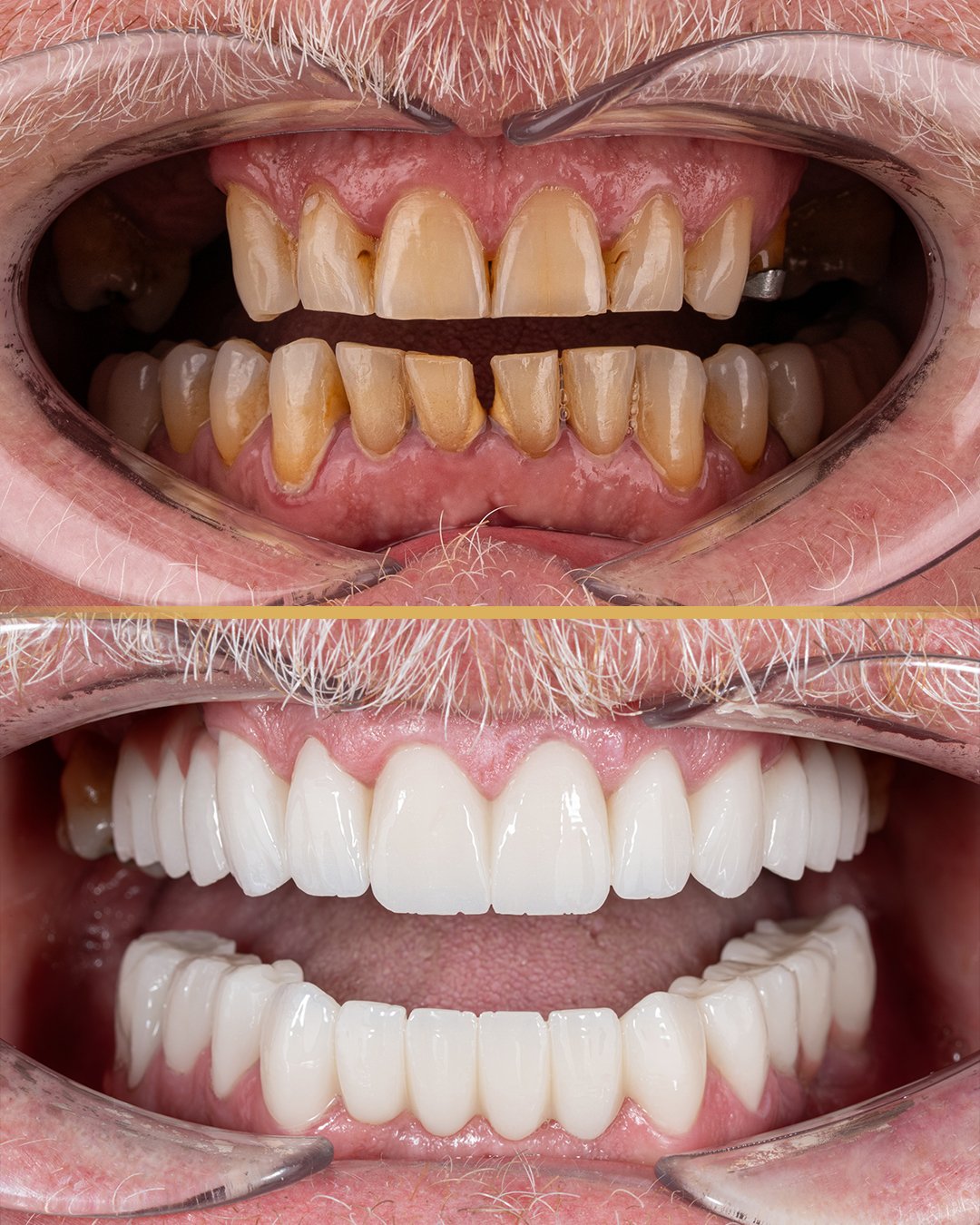
Hypoplasia involves reduced enamel quantity, such as pits, grooves, or thin areas. Hypomineralization usually shows normal thickness but softer, opaque enamel. Fluorosis often appears as symmetrical white lines or flecks. Surface stains sit on intact enamel and may polish away. Early caries appear as chalky spots near the gumline or grooves. Texture, distribution, and history guide the distinction.
When are dental X-rays or other imaging appropriate?
Imaging is appropriate when it can change diagnosis or treatment. X-rays may reveal hidden decay, root development, or unerupted teeth. AAPD recommends radiographs based on clinical indicators and risk. Smoke exposure alone does not justify imaging. CBCT is reserved for complex three-dimensional questions. Children should receive only clinically justified images.
Clinical examination of teeth and gums
The clinical examination remains the foundation of diagnosis. Dentists assess every tooth surface, the gums, and surrounding soft tissues. They note where defects occur and whether they appear symmetrical. Plaque retention and early decay around defects are checked carefully. Bleeding or swelling of the gums is also recorded. These findings guide prevention and monitoring.

Dental history and developmental timeline
A developmental timeline links dental findings with major life events. Dentists ask about pregnancy, birth, illnesses, fevers, medications, and trauma. Nutrition and fluoride exposure are also reviewed. Smoke exposure is recorded alongside these other factors. Matching defect location with tooth-formation timing can suggest when a disturbance occurred. Timing supports interpretation but does not prove causation.
Imaging when clinically indicated
Imaging supplements, but never replaces, direct examination. Digital X-rays are the usual first choice when imaging is needed. They help assess decay, roots, and developing teeth beneath the gums. 3D scans can document surfaces for monitoring or restoration planning. CBCT is rarely needed for enamel concerns alone. Vitrin Clinic selects imaging according to the clinical question.
What Is the Treatment for Enamel Defects Related to Tooth Development?
Treatment depends on whether enamel is intact, weakened, missing, sensitive, or decayed. Secondhand Smoke and Tooth Enamel Development history does not determine treatment by itself. Options include monitoring, fluoride, sealants, bonding, fillings, or crowns. Children often need conservative approaches during growth. Treatment should address the actual defect rather than an assumed cause.
Does every enamel defect require treatment?
Not every defect needs immediate restoration. Some changes are mild, stable, and mainly cosmetic. Dentists weigh symptoms, structure, caries risk, and aesthetic concerns. Small defects may need only periodic monitoring. Fluoride toothpaste helps protect susceptible surfaces. Avoiding unnecessary treatment preserves healthy enamel.
How is treatment selected according to the severity of the enamel defect?
Treatment starts by identifying how much enamel is affected. Mild color changes may need observation or cleaning. Localized defects may respond to fluoride, sealants, or bonding. Deeper defects may need more extensive protection. Age, eruption stage, and function also guide choices. Treatment should match clinical needs.
Can damaged or poorly formed enamel be restored?
Yes, many enamel defects can be restored or protected. The choice depends on depth, position, symptoms, and remaining structure. Small defects may receive bonding. Larger problems may need crowns. NIDCR explains that enamel cannot heal itself like skin. Restoration protects weakened areas after assessment.
Preventive fluoride care
Fluoride helps strengthen enamel and reduce caries risk. The CDC recommends fluoride toothpaste and regular dental care for children. Professional fluoride may help when caries risk is high. Dentists set frequency by age and findings. Parents should supervise brushing. Fluoride should be used appropriately, not excessively.
Professional dental cleaning when appropriate
Professional cleaning removes plaque and some external stains. It cannot rebuild missing enamel. Dentists first distinguish plaque, calculus, and surface staining. Children with defects may need extra attention on rough areas. Cleaning supports prevention but does not correct developmental defects. Structural problems need separate management.
Tooth-colored restorative treatments
Tooth-colored restorations can repair areas of missing or weak enamel. Dentists consider location, depth, moisture control, and biting forces. Conservative restorations preserve natural tooth structure. They also improve protection and appearance. Children's restorations can be reassessed later. Healthy enamel should never be removed unnecessarily.
Dental crowns for severely affected teeth
Crowns may suit teeth with extensive structural loss. Smoke exposure itself is never an indication for a crown. Severe defects can raise risks of fracture, sensitivity, and decay. Growth may affect treatment timing in children. Dentists may delay definitive work when appropriate. The goal is durable protection.
Cosmetic treatment after growth and development when appropriate
Cosmetic treatment should follow careful structural assessment. Color changes may come from staining, fluorosis, defects, or caries. The cause should be identified before whitening or veneers. Children usually need conservative care. Adults have more options after growth. Careful planning avoids premature irreversible treatment.
Can enamel be naturally regenerated after tooth development?
Mature enamel cannot regrow once substantial structure is lost. NIDCR explains that enamel cannot heal like skin or bone. Early mineral loss may be reversed through remineralization before cavitation. Fluoride supports this process. Missing enamel, however, needs restorative replacement when clinically required. Protecting remaining enamel is essential.
What treatment is appropriate for children versus adults?
Children have developing teeth and changing jaws. Pediatric care emphasizes prevention, monitoring, and conservative restoration. AAPD supports early diagnosis and correct treatment timing. Adults may receive definitive restorative options after growth. The same defect may be managed differently at different ages. Vitrin Clinic considers developmental stage first.
Relief and Support for Sensitive or Affected Teeth
Sensitive teeth need protection from irritation and further damage. Thin or damaged enamel can cause discomfort with cold or sweet foods. Decay, cracks, erosion, and gum recession can do the same. Dentists identify the true source first. Fluoride toothpaste and diet changes may help. Persistent pain needs professional assessment.
What can help relieve tooth sensitivity?
Relief depends on the underlying cause. Dentists may recommend fluoride toothpaste and gentle brushing. A soft toothbrush reduces mechanical irritation. Limiting acidic foods also helps. Decay-related sensitivity needs treatment of the decay itself. NIDCR warns untreated decay can progress to infection. Severe symptoms need evaluation.
How can parents protect teeth with weak or defective enamel?
Careful hygiene and regular monitoring reduce preventable damage. Smoke should be eliminated from the home and car. The CDC says eliminating smoking fully protects non-smokers. Children should use age-appropriate fluoride toothpaste. Sugary snacks and acidic drinks should be limited. Parents should watch for chips, pits, and repeated cavities.
Which oral-care habits can reduce the risk of further damage?
Consistent hygiene controls plaque and acid damage. Smoke exposure should be removed because no safe level exists. Children should brush with fluoride toothpaste. Younger children need help with brushing. Water is better than sugary drinks between meals. Regular appointments catch problems early. These habits protect all teeth.
Fluoride toothpaste and age-appropriate brushing
Fluoride toothpaste is central to cavity prevention in children. Parents should use age-appropriate amounts. Younger children need supervision. Brushing twice daily supports plaque control. Children with defects may need extra professional fluoride. Excessive toothpaste should be avoided in young children. Follow your dentist's guidance.
Limiting frequent sugary or acidic exposures
Frequent sugar and acid increase enamel mineral loss. NIDCR explains that bacterial acids from sugars remove enamel minerals. Repeated exposure leaves less recovery time. Children with defects may be especially vulnerable. Offer water between meals and limit snacking. Dietary control complements professional care.
Regular dental monitoring
Regular monitoring catches changes before they become extensive. AAPD emphasizes early diagnosis and suitable records. Visits track defects, eruption, sensitivity, and caries. Recall intervals depend on individual risk. Children with significant defects need closer observation. Seek an earlier review if symptoms appear.
Understand the link in Sinonasal Disease and Dental Health
Medical Tips for Children Exposed to Secondhand Smoke
Reducing exposure is the most important practical step. The CDC states that no level of secondhand smoke is safe. Families should never smoke inside homes or vehicles. Children also need regular dental care during tooth development. Parents should share exposure history with the dentist. Prevention supports general health and oral health.
How can parents reduce a child's tobacco-smoke exposure?
The most effective approach is a completely smoke-free environment. The CDC says eliminating smoking is the only full protection. Caregivers should avoid smoking near windows or doors. Visitors and relatives should follow the same rule. Parents can seek cessation support from healthcare professionals. Prevention should start early.
Why smoking outside may not completely eliminate exposure concerns
Smoking outdoors reduces indoor smoke but does not remove all concerns. Smoke can drift through doors and windows. Residue also clings to clothing, hair, and furniture. This residue is often called thirdhand smoke. Parents should avoid smoking near children entirely. Complete environmental control is the clearest strategy.
How can families create a smoke-free home and car environment?
Families can ban smoking in every room and vehicle. The CDC recommends comprehensive smoke-free environments. Rules should be shared with relatives, caregivers, and visitors. Tobacco products should stay out of children's reach. Ventilation alone is not a complete solution. Consistency matters when children move between households.
Note : All images used are for editorial and illustrative purposes only and may not originate from the original news provider or associated company.
What should parents discuss with a pediatric dentist?
Parents should describe enamel changes, sensitivity, repeated cavities, and trauma. Major illnesses and developmental history also matter. Secondhand Smoke and Tooth Enamel Development concerns can be raised when exposure is present. Parents should say when they first noticed a problem. They can ask about fluoride care and monitoring intervals.
Keep children's living and travel environments smoke-free
Homes, cars, and enclosed spaces should stay smoke-free. The CDC says only eliminating smoking fully protects children. Smoking should not happen in cars, even without children present. Homes should stay smoke-free before children return. Every household member should follow the same standard.
Maintain regular preventive dental visits
Regular visits let dentists monitor eruption, enamel, caries risk, and hygiene. AAPD values early diagnosis for developing dentition. Dentists can spot defects before pain develops. Fluoride or sealants may be recommended for higher risk. Recall intervals should match each child's risk. Visits also build positive habits.
Tell the dentist about relevant exposure history
Exposure history adds useful context to a dental assessment. Parents can mention product type, frequency, location, and duration. This cannot prove the cause of a defect. However, it clarifies the child's environment. The dentist weighs it with nutrition, illness, trauma, and genetics. Report changes even when unsure.
Side Effects and Potential Oral-Health Consequences of Secondhand Smoke Exposure
Smoke-exposed children can face concerns beyond enamel changes. Secondhand smoke has well-documented harmful effects on overall health. The CDC reports hundreds of harmful chemicals in tobacco smoke. Studies associate exposure with caries and gum inflammation. Evidence strength varies by outcome. Preventive care and exposure reduction work best together.
What oral-health problems have been associated with tobacco-smoke exposure?
The most discussed association involves dental caries. A systematic review found significant links with early childhood caries. Some studies examined gum and periodontal conditions. That evidence is less consistent. Sugar intake, brushing, and fluoride use also shape outcomes. Smoke exposure is one part of a broader risk assessment.
Can secondhand smoke contribute to broader childhood oral-health risks?
Exposure may contribute to higher oral-health risk alongside other factors. Observational studies cannot establish every causal pathway. Children may also differ in diet, hygiene, and healthcare access. Parents should reduce exposure and maintain proven prevention. Vitrin Clinic can assess caries risk and enamel vulnerability. Early intervention reduces later complications.
Why should enamel defects not be considered the only possible oral consequence?
Focusing only on enamel may overlook other findings. Secondhand Smoke and Tooth Enamel Development is one topic within broader oral health. Children may also have plaque, gum inflammation, or sensitivity. These can occur without enamel defects. A full examination considers the whole mouth. Treatment follows actual findings.
Enamel development concerns
Developmental concerns include altered thickness, mineralization, texture, or appearance. Exposure history cannot independently diagnose a defect. Dentists assess when and where the defect developed. Mild abnormalities may need only monitoring. Significant defects can raise sensitivity and carry risk. Treatment aims to preserve healthy structure.
Dental caries risk
Defective enamel can make cleaning harder and raise decay risk. Research also links secondhand smoke with childhood caries. Fluoride, diet, hygiene, and bacteria all influence risk. Children with frequent cavities need individualized plans. Sealants and dietary counseling may help. Parents should not wait for pain.
Gum and periodontal considerations
Tobacco exposure has been studied in relation to children's gum health. Evidence quality and results vary. Plaque buildup can coexist with exposure. Dentists check gum color, swelling, and bleeding. Persistent inflammation needs better hygiene and professional care. Parents should report ongoing bleeding or swelling.
When Should a Child See a Dentist?
Children need evaluation whenever parents notice unusual enamel or persistent symptoms. AAPD emphasizes early diagnosis of developing dentition. Pits, grooves, missing enamel, or repeated cavities deserve assessment. Pain, swelling, or eating difficulty may signal active problems. Smoke exposure does not determine the diagnosis. Routine visits matter even without symptoms.
When a new enamel defect is noticed
A new defect should be evaluated, not diagnosed at home. Discovery timing does not show when the defect formed. Some defects appear only after eruption or wear. Dentists decide whether changes are developmental, acquired, or disease-related. Photographs can support, but not replace, examination.
When teeth are unusually sensitive or painful
Persistent sensitivity or pain warrants dental assessment. Causes include defects, caries, cracks, erosion, or infection. Smoke should not be assumed as the direct cause. Parents should note whether pain follows cold, chewing, or brushing. Severe symptoms need care beyond home remedies. Early assessment prevents complications.
When pits, grooves, or missing enamel are visible
Visible structural defects make surfaces harder to clean. This raises plaque and carries risk. A dentist can distinguish hypoplasia, hypomineralization, or trauma. The defect itself cannot identify an environmental cause. Options include monitoring, fluoride, sealants, or bonding. Seek assessment before breakdown begins.
When a child develops repeated cavities in teeth with enamel defects
Repeated cavities around defective enamel need close monitoring. Irregular surfaces trap plaque. Secondhand Smoke and Tooth Enamel Development research also links exposure with higher caries risk. Dentists may adjust preventive care based on risk. Fluoride and sealants may protect vulnerable areas. Prevention must accompany restorative treatment.
Warning signs requiring prompt dental assessment
Some symptoms need faster care because they may signal infection. Persistent pain, swelling, and eating difficulty should never be ignored. Children may not describe symptoms clearly. Watch for chewing avoidance, poor sleep, or food refusal. Seek urgent care when symptoms worsen quickly.
Persistent tooth pain
Persistent pain may indicate decay, pulp inflammation, cracks, or trauma. It should not be automatically linked to smoke. Dentists assess duration, triggers, and severity. Treatment may be restorative or endodontic. Waiting can allow disease to progress. Avoid placing unapproved substances on painful teeth.
Facial or gum swelling
Facial or gum swelling can signal dental infection. It should never be explained by tobacco exposure alone. Children may also develop fever or weakness. Treatment depends on the infection source. Parents should never drain swelling at home. Delayed care can let infection spread.
Signs of dental infection
Infection may cause severe pain, swelling, drainage, or fever. Behavior changes can appear before visible swelling. An examination identifies the infected tooth. Treatment may involve decay removal, pulp therapy, drainage, or extraction. Antibiotics do not replace definitive dental treatment. Seek urgent care promptly.
Difficulty eating because of dental discomfort
Chewing difficulty may reflect pain, sensitivity, fracture, or infection. Children may avoid foods without explaining why. Softer foods can help temporarily. However, diet changes should not replace treatment. Persistent eating difficulty needs professional assessment. Early care restores comfortable function.
How Can Parents Prevent Problems Associated With Secondhand Smoke?
Prevention combines exposure reduction with consistent oral care. WHO and CDC both state that no exposure level is safe. Parents should keep homes and vehicles smoke-free. Children need fluoride, healthy diets, and regular checkups. Secondhand Smoke and Tooth Enamel Development concerns do not require proof of cause before prevention begins.
Stop children's exposure to tobacco smoke
Removing smoke from children's environments is the clearest preventive step. WHO states that only fully smoke-free spaces protect people. Open windows and ventilation are not reliable solutions. Clear rules should apply to all caregivers and visitors. Cessation support is available from healthcare professionals.
Maintain preventive dental care during tooth development
Preventive visits monitor teeth before problems advance. AAPD values early diagnosis and timely management. Examinations identify enamel abnormalities, caries, and gum problems. Children with defects may need individual recall intervals. Dietary guidance reduces sugar exposure. Attend visits even when there is no pain.
Use age-appropriate fluoride and oral hygiene
Fluoride and effective brushing are central to prevention. Exposure reduction does not replace fluoride care. Parents should supervise brushing when needed. Dentists can demonstrate techniques for irregular surfaces. Children should not swallow large amounts of toothpaste. Follow your dentist's fluoride recommendations.
Follow a balanced diet that supports normal tooth development
A varied diet supports growth and oral health. Nutrition is also considered when evaluating enamel abnormalities. Frequent sugary snacks increase caries risk. Water is usually best between meals. Diet cannot restore missing enamel after development. However, good nutrition helps reduce preventable disease.
Address enamel abnormalities early
Early assessment shows whether a defect needs monitoring or treatment. Small defects may remain stable with prevention. Larger defects can cause sensitivity, caries, or breakdown. Early detection allows more conservative treatment. Parents should report changes in color, texture, or sensitivity. The priority is preserving healthy structure.
What Does Enamel Evaluation and Treatment Cost in the US, UK, and Turkey?
There is no single price because treatment depends on diagnosis. Some children need only examinations and prevention. Others need restorations. Country, clinic, materials, and complexity all affect cost. Vitrin Clinic publishes crown price comparisons as planning references. These are not diagnosis-specific quotes. A personalized assessment should come first.
Average dental evaluation and enamel-related treatment costs in the United States
U.S. dental costs vary by state, provider, material, and procedure. Examinations may carry separate imaging fees. Vitrin Clinic's 2026 comparison lists U.S. zirconia crowns at about 1,000–2,500 per unit. These figures apply to crowns only. Many children never need crowns. Insurance can greatly change expenses.
Average dental evaluation and enamel-related treatment costs in the United Kingdom
UK costs differ between NHS and private care. NHS charges follow treatment bands. Private crown prices vary by material and location. Vitrin Clinic's comparison lists UK zirconia crowns at about 890–1,525. These figures do not cover every enamel defect. Mild changes may need only observation.
Average dental evaluation and enamel-related treatment costs in Turkey
Turkish prices vary with provider, materials, and complexity. Vitrin Clinic lists zirconia crowns from $150 per unit. E.max crowns start at $180 and PFM crowns at $100. Consultation and scanning are listed as free for crown planning. Final costs depend on teeth, material, and extra procedures.
Why enamel treatment costs vary between patients
Enamel concerns range from mild color changes to major structural loss. This variation explains why treatment costs differ widely between patients. Some children need only fluoride and monitoring. Others need several restorations or laboratory-made crowns. Diagnostics, materials, age, and the number of affected teeth all matter. The factors below explain these differences in more detail.
Severity and number of affected teeth
The number of affected teeth influences treatment complexity. Mild changes on one tooth may need only monitoring. Extensive defects need broader planning. Smoke exposure does not determine severity. Multiple defects do not automatically require extensive restorations. Costs reflect the number and condition of treated teeth.
Diagnostic imaging and laboratory needs
Some enamel concerns need no extensive imaging. AAPD recommends radiographs only when clinically indicated. Smoke exposure alone never justifies CBCT. Digital X-rays may assess caries or root development. Laboratory costs arise with custom restorations. Patients should request itemized plans. The final cost depends on what the examination actually identifies.
Preventive versus restorative treatment
Preventive care usually costs less than extensive restoration. Mild changes may need only fluoride, monitoring, or sealants. Advanced defects may need fillings, bonding, or crowns. Dentists first decide whether a problem is clinically significant. Compare complete plans, not isolated procedure prices.
Type of restoration selected
Restoration costs depend on material, location, and laboratory work. Composite bonding is more conservative than a full crown. Crowns need more preparation and fabrication. Vitrin Clinic publishes separate 2026 prices for different crown types. Children often need conservative options. Personalized assessment should precede price comparisons.
Children's versus adult dental care
Children and adults have different treatment priorities. Pediatric care emphasizes prevention and minimal intervention. Adults may receive definitive restorations after growth. AAPD recommends care suited to the dentition stage. A temporary solution may suit a child. This distinction also changes total cost.
Important note about dental cost estimates
Dental prices are estimates, not universal charges. Enamel defects have no standard treatment fee. Smoke exposure is not a procedure with its own price. Diagnostics, materials, and laboratory work change final costs. International patients should confirm what consultations, transfers, and aftercare include.
Costs are approximate and do not represent a fixed quote
Published costs are approximate planning figures. Vitrin Clinic notes prices vary with case complexity. Final amounts can change after examination. A child may need no restoration at all. Travel may add expenses outside dental fees. Transparent pricing should list included procedures and extra charges.
Secondhand smoke exposure itself does not have a specific dental treatment price
Smoke exposure is an environmental issue, not a dental procedure. An exposed child may have perfectly normal enamel. Costs arise only from diagnosed dental conditions. Families should not pay for unnecessary procedures because of exposure. Prevention and monitoring may be enough in many cases.
A dental examination is needed to determine whether treatment is necessary
An examination shows whether a change is a defect, stain, decay, or erosion. AAPD requires thorough examination and suitable records for developing dentition. Imaging is added when clinically indicated. The dentist then decides on prevention, monitoring, or restoration. Avoid choosing treatment from online photographs.
Enamel Assessment and Treatment at Vitrin Clinic
Vitrin Clinic approaches enamel concerns through assessment before treatment. Smoke exposure can be recorded as environmental history. Dentists assess enamel, caries, sensitivity, gums, and oral tissues. Digital diagnostics are used when clinically useful. Children may need preventive management during growth. Every recommended procedure should have a clear clinical purpose.
How Vitrin Clinic evaluates enamel and tooth-development concerns
Evaluation begins with an oral examination and history review. Secondhand Smoke and Tooth Enamel Development concerns are recorded when relevant. Dentists assess enamel color, thickness, texture, and caries activity. Medical history covers illnesses, medications, trauma, and nutrition. Imaging is used only for relevant diagnostic questions.
Personalized assessment before recommending treatment
Treatment should follow diagnosis, not a predetermined procedure. Smoke exposure does not mean teeth need restoration. Vitrin Clinic considers age, condition, symptoms, and goals. Mild changes may need only monitoring. Structural weakness may need protection. Personalized assessment prevents both undertreatment and overtreatment.
Digital diagnostics when clinically appropriate
Digital tools support documentation and planning when indicated. Vitrin Clinic may use digital X-rays, CBCT, and 3D scanning. AAPD advises radiographs alongside examinations when necessary. The right tool depends on the clinical question. More imaging does not automatically mean better diagnosis.
Digital X-rays
Digital X-rays show structures beneath and between teeth. Smoke exposure alone is not an indication for radiographs. They may reveal caries, unerupted teeth, or root development. Images complement direct examination. Children should receive only justified radiographs. The decision depends on specific findings. Modern digital systems support efficient diagnostic workflows.
CBCT when clinically indicated
CBCT gives three-dimensional views of teeth and bone. It should be used only when it can change treatment. It suits complex surgical or impacted-tooth evaluations. It is rarely needed for simple enamel discoloration. Avoiding unnecessary scans reduces exposure and cost. Scan findings then support treatment planning when truly indicated.
3D intraoral scanning when appropriate
Intraoral scanners capture detailed digital records of tooth surfaces. Scans support documentation and restorative design. They also help compare changes during follow-up. A scanner cannot diagnose the biological cause of a defect. Clinical examination remains essential. Technology should support clinical decisions.
Which Vitrin Clinic treatments may be relevant when enamel defects require restoration?
Treatment depends on the affected tooth's condition. Options include fluoride care, tooth-colored restorations, and crowns. Vitrin Clinic offers zirconia, E.max, and porcelain crowns when indicated. Conservative work is preferred when healthy enamel remains. Children may need different approaches. Plans protect function, structure, and aesthetics.
Why treatment should address the actual clinical finding rather than assuming secondhand smoke is the cause
Exposure can be relevant without causing a particular defect. NIDCR lists genetic, environmental, nutritional, illness, and injury factors. Secondhand Smoke and Tooth Enamel Development concerns should never replace a physical diagnosis. Dentists assess pattern, severity, location, and timing. This prevents unnecessary procedures based on unconfirmed explanations.
How Vitrin Clinic Supports Your Treatment Journey
An organized journey helps patients understand each stage of care. Vitrin Clinic offers international patients consultation, planning, and aftercare support. Digital diagnostics and personalized planning are part of the process. Some patients need only prevention. Others need extensive rehabilitation. The team explains procedures before care begins. Follow-up remains important after restorations are completed.
Initial consultation and dental assessment
The consultation establishes concerns and treatment priorities. Dentists examine teeth, gums, enamel, and symptomatic areas. Photographs, scans, or radiographs may follow when appropriate. The visit separates cosmetic concerns from active disease. Patients can discuss symptoms, medications, and past treatment. Recommendations follow diagnosis. Findings then guide whether further diagnostics are required.
Reviewing the patient's dental and developmental history
A detailed history gives context to enamel abnormalities. Dentists may ask about pregnancy, birth, illnesses, nutrition, and trauma. Timing can show whether events coincided with tooth formation. Family history matters for multi-tooth patterns. The purpose is understanding, not blame. Share information even when unsure.
Creating a personalized treatment plan
A personalized plan links diagnosis with suitable care. Vitrin Clinic weighs severity, age, function, and aesthetics. Mild abnormalities may need observation. Extensive defects may need bonding, fillings, or crowns. The plan outlines stages, follow-up, and maintenance. International patients can discuss scheduling beforehand.
Coordinating appropriate restorative or preventive care
Coordination addresses treatment needs in the correct order. Caries, gum disease, or infection may come before cosmetic work. Preventive protection may delay extensive treatment. Digital planning can organize multi-tooth cases. Patients should know which steps are preventive or restorative. Good sequencing preserves tooth structure.
Digital treatment planning and monitoring when clinically appropriate
Digital planning improves communication and documentation in suitable cases. Smoke exposure remains history, not a digital diagnosis. Scans document surfaces and assist restorative design. Radiographs add structural detail when indicated. Digital records support follow-up comparisons. Technology never replaces professional judgment.
Follow-up and aftercare after restorative treatment
Aftercare keeps restorations comfortable and functional. Smoke exposure should stay minimized after treatment. Patients receive guidance on brushing, diet, and sensitivity. Follow-up detects bite problems, damage, or new caries. Children need monitoring as teeth erupt. Returning patients should know how to contact their dental team. Aftercare matters most when restorations involve several teeth.
Evidence and Clinical Guidance on Secondhand Smoke and Developing Teeth
Evidence must be interpreted outcome by outcome. Passive smoke has established health risks. Secondhand Smoke and Tooth Enamel Development causation, however, remains less certain. Research links exposure with caries and some gum findings. A 2022 review found very low certainty for gum outcomes. Prevention and careful assessment remain sensible.
What do CDC and WHO guidance say about secondhand smoke exposure?
CDC and WHO both state that no level of secondhand smoke is safe. The CDC notes children are especially affected while developing. WHO reports disease and premature death among non-smokers. Only fully smoke-free indoor spaces provide protection. These recommendations extend beyond teeth. Families should prioritize smoke-free homes and vehicles. Dental prevention should complement these broader health measures.
What does NIH and NIDCR information say about children's oral health?
NIDCR describes developmental defects as abnormalities arising during tooth formation. Major examples include hypoplasia, fluorosis, and amelogenesis imperfecta. Many environmental and biological influences are involved. Defective teeth can be harder to clean and more caries-prone. An abnormal surface does not identify its cause.
What does AAPD guidance contribute to pediatric dental assessment?
AAPD calls developing-dentition management essential to pediatric care. Its 2024 guidance stresses diagnosis, records, and treatment timing. Radiographs should be used when necessary and feasible. Diagnosis should guide treatment priorities. Smoke exposure belongs in the history, not in place of examination. The approach considers age, dentition stage, and actual findings.
What does peer-reviewed research show about tobacco exposure and enamel development?
Research supports some oral associations more than direct enamel causation. Studies link passive smoke with childhood caries. A 2022 meta-analysis found higher gingival scores with very low certainty. Secondhand Smoke and Tooth Enamel Development lacks strong targeted evidence. Smoke is not a proven sole cause of individual defects.
How should observational studies about passive smoking and enamel defects be interpreted?
Observational studies identify associations but rarely prove causation. Exposure often coincides with differences in diet, hygiene, and income. Sample size and exposure measurement also affect findings. A visible defect should not be assigned a cause from associations alone. Families benefit from clear separation of evidence and speculation.
Study design and confounding factors
Design affects how confidently findings can be interpreted. Cross-sectional studies measure exposure and outcome at one time. This makes developmental timing hard to assess. Statistical adjustment cannot remove every confounder. Longitudinal studies provide better timing information. Clinical interpretation should remain cautious meanwhile.
Age and developmental stage
Age determines which teeth are forming, erupting, or mature. Exposure at different ages may have different relevance. Preschool findings may not apply to adolescents. Primary-tooth results may not apply to permanent teeth. Clinical assessment considers each tooth's developmental stage. Researchers should report participant ages and developmental stages clearly.
Prenatal versus postnatal exposure
Prenatal and postnatal exposures occur in different developmental periods. Primary teeth form before birth. Permanent teeth continue forming through adolescence. WHO links prenatal tobacco exposure with adverse developmental outcomes. This does not prove an individual enamel defect's cause. Timing supports, but does not establish, causation.
Measurement of secondhand smoke exposure
Exposure varies in frequency, intensity, duration, and source. Parent questionnaires may misestimate actual exposure. Cotinine biomarkers offer more objective recent measurements. Biomarkers still have limits for cumulative exposure. Dental records usually rely on caregiver history. That history supports reasoning but not diagnosis.
Key Takeaways About Secondhand Smoke and Tooth Enamel Development
Enamel forms through a complex process from fetal life to adolescence. Passive smoke is an avoidable risk with established health effects. Secondhand Smoke and Tooth Enamel Development evidence remains less conclusive for direct enamel damage. Caries and some gum findings show stronger associations. Smoke-free environments and preventive care protect children best.
What the evidence suggests about secondhand smoke and enamel development
Evidence supports concern about children's smoke exposure. Proof of direct enamel damage remains limited. Stronger links exist with caries and some gum outcomes. Enamel defects have many possible causes. Clinicians should avoid assigning one cause without evidence. Dental evaluation confirms whether an abnormality exists.
Why developing teeth need protection from tobacco-smoke exposure
Developing tissues are undergoing active growth. Public-health authorities consider children especially vulnerable. The CDC notes infants and young children are strongly affected. Protection means eliminating exposure wherever possible. Good hygiene and fluoride should continue throughout childhood. Prevention helps regardless of eventual diagnosis.
Why enamel defects can have multiple causes
Enamel forms through tightly controlled cellular processes. Many influences can disturb them. NIDCR cites environmental, nutritional, genetic, illness, and injury factors. Genetic disorders may affect many teeth. Trauma may affect only one. Single-cause explanations are unreliable without clinical evidence.
When professional dental evaluation is appropriate
Seek evaluation for unusual color, pits, grooves, sensitivity, pain, or repeated cavities. Mention smoke exposure during history. Urgent care is needed for swelling, severe pain, or infection signs. Not every abnormality requires restoration. Early diagnosis helps preserve tooth structure. Parents should not rely on photographs or online descriptions for diagnosis.
Practical prevention, relief, and medical tips for families
Keep homes and cars completely smoke-free. The CDC says this is the only full protection for non-smokers. Children need fluoride, good brushing, healthy diets, and regular visits. Sensitive teeth should be professionally assessed. Report illnesses, trauma, and exposure history. Prevention matters even when causes remain uncertain.
At Vitrin Clinic
We provide personalized dental treatments based on each patient's clinical needs and smile goals. Our treatments include Dental Implants, All-on-4, All-on-6, All-on-8, Full-Mouth Rehabilitation, Veneers, Zirconia Crowns, and E-max Crowns. We also provide Invisalign, Braces, Gum Laser Treatment, Periodontics, Root Canal Treatment, Pediatric Dentistry, and Teeth Whitening. For patients requiring complex implant solutions, our team evaluates bone condition and implant requirements before treatment planning. Cosmetic patients can explore veneers, zirconia, E-max, and digital smile planning when clinically suitable. Secondhand Smoke and Tooth Enamel Development concerns are assessed individually before selecting any restorative treatment. Our digital workflow may include digital X-rays, CBCT, 3D intraoral scanning, and treatment planning when clinically appropriate. Vitrin Clinic combines clinical assessment, personalized treatment planning, and professional aftercare throughout the patient's dental journey.
Reference
FAQs
Dr. Rifat Alsaman has more than 5 years of clinical experience in dentistry and currently serves as the Head of the Medical Team at Vitrin Clinic. He is dedicated to providing exceptional patient care, overseeing treatment planning, and ensuring the highest clinical standards across the team. His expertise, attention to detail, and commitment to continuous professional development have helped countless patients achieve healthier, more confident smiles.


.webp&w=3840&q=75)