General Dentistry
September 28, 2026
Sinonasal Disease and Dental Health: How Sinus Problems Can Affect Your Teeth and Gums?
 Dr. Rifat Alsaman
Sinonasal disease and dental health are more closely linked than many patients realize. The maxillary sinuses sit just above the roots of the upper back teeth. When these sinuses become inflamed, the pain can feel like a toothache, even when the tooth itself is healthy. This creates a real diagnostic challenge. Sinus pain and genuine dental disease can feel almost identical. That is why an accurate diagnosis must consider both possibilities rather than simply assuming decay. In this guide, we explain how sinonasal disease & dental health interact, when symptoms can be managed conservatively, and when you need a dental or medical assessment.
Sinonasal Disease and Dental Health: Understanding the Connection
Sinonasal disease and dental health connect through anatomy. The floor of each maxillary sinus lies close to the roots of the upper molars and premolars. In some people, these roots almost touch the sinus lining. Inflammation, congestion, pressure changes, or infection in the sinus can therefore create discomfort around nearby teeth. Three patterns are possible. The pain may come from the sinus, from a genuine dental problem, or from both at once. Understanding sinonasal disease and oral health helps patients see why the upper back teeth are especially relevant.
Why Can Sinus Problems Feel Like a Toothache?
The answer lies in referred pain. This happens when discomfort starts in one area but is felt in another. The nerves that supply the upper back teeth run close to the sinus lining. When sinus tissues become swollen and irritated, these nerves can send signals that the brain reads as tooth pain. Patients often describe pressure or a dull ache rather than a sharp, localized pain. The feeling may worsen when bending forward, lying down, or during periods of heavy congestion.
Can Sinus Disease Affect the Mouth and Gums?
Yes, but mostly indirectly. A blocked nose often leads to mouth breathing, especially during sleep. Mouth breathing dries the oral tissues and reduces the protective effect of saliva. A persistently dry mouth can make plaque harder to control. Over time, this may affect gum comfort. However, sinus disease should not be described as a direct cause of gum disease. The link between sinusitis and gum health is real but limited. Good oral hygiene remains the key protective factor for your gums.
Sinus Infection and Tooth Pain: What Is Actually Happening?
With sinus infection and tooth pain, the problem usually starts inside the maxillary sinus. Inflamed tissue and trapped fluid build pressure within the sinus cavity. Because the roots of the upper teeth sit so close, this pressure can be felt around them. That is why several neighboring teeth often ache at the same time. This pattern differs from dental pain, which usually points clearly to one diseased tooth. Understanding this difference is central to diagnosing sinonasal disease and dental health concerns correctly.
Find the differences in Root Canal vs Apicoectomy
Common Oral Symptoms Associated With Sinonasal Disease
Sinus problems can produce a range of oral symptoms. Some are felt in the teeth, while others affect the mouth, breath, or taste. Recognizing these signs helps patients describe their symptoms clearly during an examination. It also helps the dentist decide whether the pattern points toward the sinuses, the teeth, or both. In the context of sinonasal disease and dental health, symptoms rarely appear alone. They usually come with nasal congestion, facial pressure, or drainage, which offers important clues about their origin.
Sinusitis and Toothache
Sinusitis and toothache often go together in a recognizable way. The discomfort is usually a dull, pressure-like ache rather than a sharp pain. It commonly affects several upper back teeth instead of just one. The teeth may feel tender when you chew or tap them lightly. Symptoms often rise and fall with congestion. They may feel worse in the morning or after bending forward, then ease as the sinuses drain. This fluctuation is a useful sign that the sinuses may be involved.
Sinus Disease and Dental Health: Symptoms Patients May Notice
The link between sinus disease and dental health can show up in many ways. Patients may notice several of the following symptoms at once:
Upper tooth pressure or aching
Facial pressure
Nasal congestion
Postnasal drainage
Mouth breathing
Dry mouth
Bad breath
Altered taste or unpleasant oral sensation
Tenderness around the upper jaw
No single symptom confirms the cause. The overall pattern, along with a clinical examination, guides the diagnosis.
Sinus Problems Affecting Teeth: When the Pattern Is Less Typical
Not every case of sinus problems affecting teeth follows the typical pattern. Severe or persistent pain should never be blamed on the sinuses automatically. Some signs point toward a genuine dental problem instead:
Pain isolated to one tooth
Strong sensitivity to hot or cold
Pain when biting
Visible swelling
A damaged or heavily restored tooth
Persistent pain despite improvement in sinus symptoms
If you notice any of these, a dental examination is the safest next step.
Tips for Patients
Describe your symptoms clearly: Tell your dentist when the pain started, where you feel it, whether it affects one or several teeth, and whether it changes with sinus congestion or bending forward.
Keep your mouth clean: Continue brushing twice daily with fluoride toothpaste and cleaning between your teeth, even during sinus flare-ups.
Stay hydrated: Drink enough water to help manage dry mouth, especially if nasal congestion causes you to breathe through your mouth.
Track changes in your symptoms: Note whether tooth pain improves as your sinus symptoms improve or continues afterward.
Tell your dentist about sinus problems: Mention recent sinus infections, chronic congestion, facial pressure, postnasal drainage, or ongoing medical treatment.
Do not assume every toothache is sinus-related: Persistent, localized, or worsening pain may indicate a genuine dental problem that needs treatment.
Seek professional assessment when symptoms persist: Home care can support oral health but cannot determine whether pain comes from a tooth, the sinuses, or both.
Follow medical and dental advice: If your symptoms involve both sinus and dental concerns, follow the recommended care plan and attend any necessary follow-up appointments.
Keep Your Dentist Informed About Sinus Symptoms
Your dentist can only work with the information you share. Mention any recent sinus infections, chronic congestion, or facial pressure. Tell them if you have seen an ENT specialist or received sinus treatment. Describe whether the pain changes when you bend forward or when congestion worsens. These details may seem unrelated to your teeth, but they are highly relevant. They help the dentist decide whether the discomfort is likely dental, sinonasal, or a combination of both.
Maintain Good Oral Hygiene
Sinus discomfort can make daily routines feel harder, but oral hygiene should not slip. Brush twice daily with fluoride toothpaste. Clean between your teeth every day using floss or interdental brushes. Do not stop brushing because your mouth or teeth feel uncomfortable. Plaque builds quickly, especially when the mouth is dry from congestion. Consistent care protects against decay and gum inflammation. It also makes it easier for your dentist to identify the true source of any pain.
Pay Attention to Hydration and Dry Mouth
Hydration matters when you have sinus symptoms. Mouth breathing and some sinus medications can dry out the mouth. Drink enough water throughout the day to support saliva flow. Saliva helps neutralize acids and wash away food particles. If dry mouth persists, discuss it with a dental professional. They can suggest ways to protect your teeth. Also, avoid assuming every oral symptom comes from your sinuses. Sinusitis and oral health are connected, but other causes are always possible.
Do Not Self-Diagnose a Toothache as Sinus Pain
It is tempting to blame a toothache on a cold or sinus flare-up. However, this assumption can be risky. Persistent or localized tooth pain deserves a proper dental assessment. An infected tooth may feel similar to sinus pressure in its early stages. Delaying treatment can allow the infection to spread and become harder to manage. When it comes to sinonasal disease & dental health, only an examination can confirm which structure is causing the problem.
Follow Medical Advice for Persistent Sinus Disease
Recurrent or chronic sinus symptoms need proper medical evaluation. A physician or ENT specialist can identify the underlying cause and recommend suitable management. Dental treatment cannot fix a sinus condition. Replacing medical care with dental procedures may lead to unnecessary treatment and ongoing discomfort. If your sinus problems keep returning, follow the advice of your medical team. Keep your dentist informed as well. Coordinated care gives the best chance of protecting both your sinuses and your teeth.
See which suits you in Maryland Bridge vs Traditional Bridge
How Dentists Distinguish Sinus-Related Pain From a Dental Problem
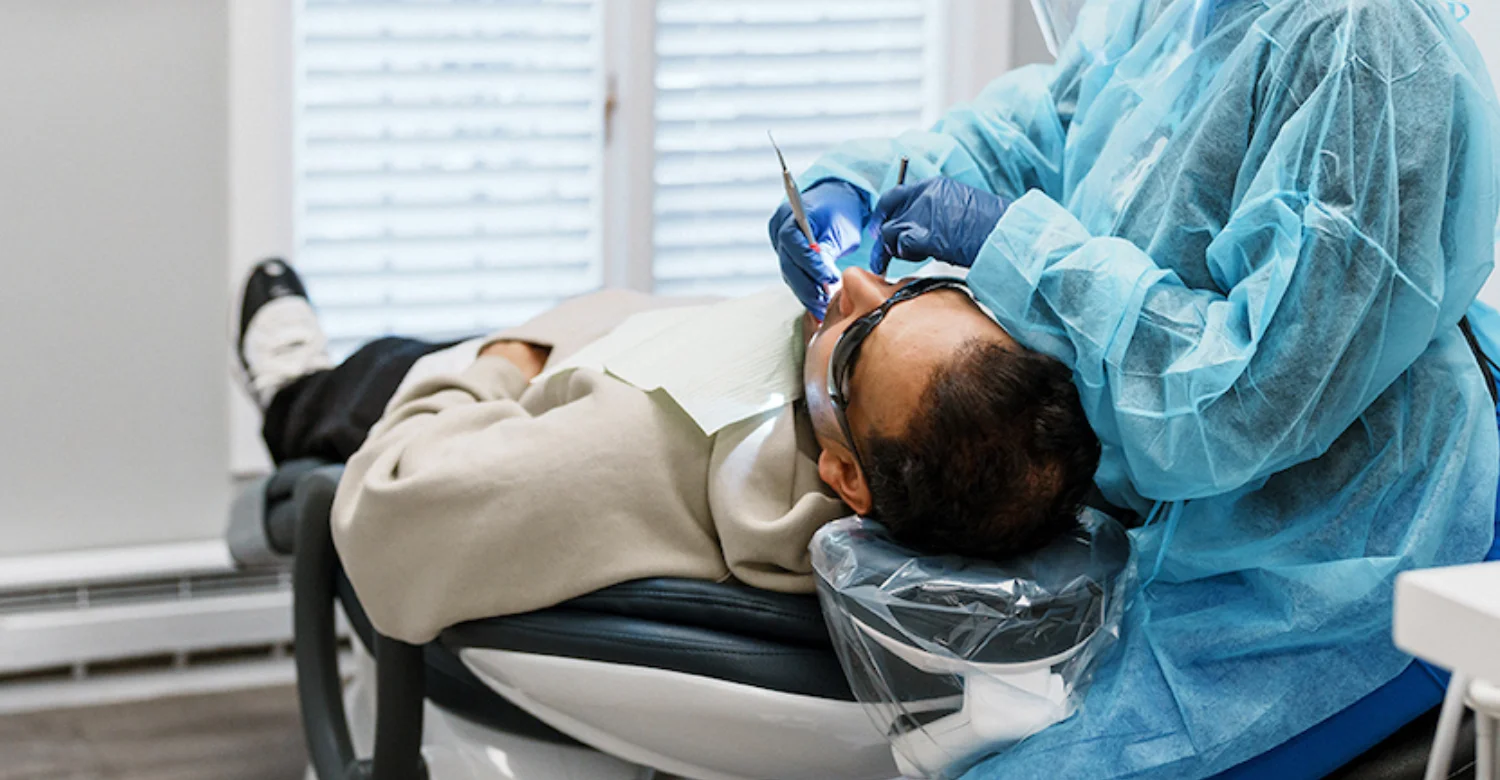
Symptoms alone are not always enough to reach a diagnosis. The dentist starts with a detailed dental history and a careful clinical examination. Key steps may include:
Tooth-by-tooth examination
Percussion testing (gentle tapping)
Thermal or vitality testing when appropriate
Evaluation of existing fillings, crowns, and restorations
Gum examination
Assessment for swelling or localized infection
Dental radiographs when clinically indicated
CBCT or 3D imaging may help when standard tests are inconclusive. It is not needed for every patient. If findings suggest a sinonasal origin, medical evaluation may be recommended. This structured approach sits at the heart of sinonasal disease and dental health assessment.
Why the Correct Diagnosis Matters
A correct diagnosis protects patients in two ways. First, it prevents unnecessary treatment. A healthy tooth should not receive a root canal or extraction because of sinus pressure. These procedures are irreversible. Second, it ensures genuine dental infection is not dismissed as "just sinus pain." An untreated infection can worsen over time. When symptoms overlap, communication between dental and medical professionals becomes essential. Good sinonasal disease & dental health care depends on getting this balance right.
.jpg)
.jpg)
Chronic Sinusitis and Dental Problems: Is There a Long-Term Relationship?
Chronic sinusitis is long-lasting inflammation of the sinus and nasal lining, usually persisting for twelve weeks or more. The link between chronic sinusitis and dental problems is mostly indirect. Recurrent nasal blockage often encourages mouth breathing. Over time, persistent oral dryness can affect comfort and make hygiene more challenging. It is important to separate two situations. In one, chronic sinusitis contributes to oral issues. In the other, it simply occurs alongside unrelated dental disease. Both require an accurate sinonasal disease and dental health assessment.
Can Mouth Breathing Affect Oral Health?
Yes, mouth breathing can affect oral health. Breathing through the mouth dries the teeth and gums and reduces saliva. Saliva is the mouth's natural defense. It rinses away food, buffers acids, and supports healthy tissues. With less saliva, plaque accumulates more easily. The gums may feel irritated, and the mouth may feel uncomfortable. This is why hydration and consistent oral hygiene become especially important for people with blocked noses. Small daily habits can make a meaningful difference.
Can Sinus Disease Cause Cavities?
Sinus disease does not directly cause dental cavities. Caries develops when bacteria in plaque produce acids that weaken tooth enamel. However, sinus problems can change the oral environment. Dry mouth from congestion or mouth breathing reduces saliva's protective role. Some patients also use sugary lozenges or syrups during flare-ups. Together, these factors may increase caries risk in some people. This is not inevitable. Good sinonasal disease and dental health habits can keep that risk low.
Choose your treatment in Professional Teeth Whitening vs At-Home
When Sinus Infection and Dental Health Problems Need Professional Assessment
Knowing when to seek help is one of the most important parts of managing sinus infection and dental health. Some symptoms point toward the teeth. Others suggest a sinus or medical cause. Some cases involve both. Mild congestion-related tooth pressure may ease as the sinuses settle. However, certain signs should never be ignored. The sections below explain which symptoms suggest a dental cause, which need medical attention, and when both forms of sinonasal disease & dental health assessment are appropriate.
Signs That May Suggest a Dental Cause
Some symptoms are more likely to come from a tooth than from the sinuses. See a dentist if you notice:
Persistent localized toothache
Pain on biting
Strong temperature sensitivity
Gum swelling
Facial swelling
A cracked or broken tooth
Pus or drainage around a tooth
Symptoms continuing after sinus symptoms improve
Facial swelling with fever needs urgent attention. These signs do not always confirm a dental problem, but they justify a prompt examination.
Signs That May Require Medical or ENT Assessment
Other symptoms suggest the sinuses need medical attention. Consider seeing a physician or ENT specialist if you have:
Persistent nasal obstruction
Recurrent sinus infections
Significant facial pressure
Persistent postnasal drainage
Reduced sense of smell
Symptoms that do not resolve as expected
Recurrent upper tooth discomfort without a clear dental cause
These signs may indicate an ongoing sinonasal condition. Proper medical care can address the root cause of the problem.
When Both Dental and Sinus Assessment May Be Appropriate
Sometimes dental findings and sinus symptoms exist together. A patient may have chronic congestion and a deep filling on an upper molar. Another may have a sinus infection and early gum disease. In these cases, one condition rarely explains everything. Coordinated assessment is the safest approach. The dentist evaluates the teeth, while the physician or ENT specialist evaluates the sinuses. Sharing findings helps both teams build a clear picture of the patient's sinonasal disease and dental health.
Treatment for Sinus-Related Dental Symptoms
Treatment always depends on the underlying cause. There is no single solution for every patient. Dentists should treat confirmed dental disease, not sinus symptoms with unnecessary dental procedures. Drilling or removing a healthy tooth will not relieve sinus pressure. Sinus disease, on the other hand, may require medical management through a physician or ENT specialist. When both issues exist, each is treated by the right professional. This division of care is essential to protecting sinonasal disease and dental health.
Managing the Dental Side
When a genuine dental problem is found, treatment targets that specific issue. Options may include:
Professional dental cleaning when indicated
Treatment of confirmed decay
Restoration of damaged teeth
Root canal treatment when pulpal infection is diagnosed
Management of periodontal disease when present
Extraction only when clinically indicated and the tooth cannot reasonably be maintained
Each step should be supported by clinical evidence. The goal is to preserve healthy tooth structure wherever possible.
Managing the Sinonasal Side
Sinus treatment is determined by the specific sinonasal diagnosis. Acute infection, chronic inflammation, and structural problems may each need a different approach. Patients may be referred to a physician or ENT specialist for evaluation and care. Dentists do not treat sinus disease outside their scope of practice. Their role is to rule out dental causes, share findings, and support referral when needed. This clear separation keeps care safe and ensures each problem is managed by the right expert.
What Improvement Should Patients Expect?
Improvement depends on the true source of the pain. If the discomfort is sinus-related, tooth pressure often eases as the sinus condition improves. If a tooth is independently diseased, treating the sinuses alone will not resolve the pain. In mixed cases, both problems need attention before full relief is likely. Patients should report any pain that persists after treatment. This allows reassessment. Realistic expectations are an important part of managing sinus disease and tooth pain.
Read about Lipodystrophy and Dental Health
Benefits of Correctly Identifying the Source of Tooth Pain
Identifying the true source of tooth pain brings clear benefits. It protects healthy teeth, speeds up treatment of real infections, and sets honest expectations. It also saves time, money, and discomfort. Patients avoid repeated appointments for procedures that do not help. They also avoid the frustration of pain that returns after treatment. Accurate diagnosis is the foundation of good sinonasal disease and dental health care. The sections below explain each benefit in more detail.
Avoiding Unnecessary Dental Treatment
Many dental procedures cannot be undone. A root canal removes the tooth's pulp. An extraction removes the tooth entirely. If sinus pressure is mistaken for dental disease, a healthy tooth could be treated without benefit. The pain may continue because the real cause remains. That is why confirming that a tooth is actually diseased matters so much. Careful testing and imaging, when indicated, help protect natural teeth from irreversible treatment they never needed.
Treating Genuine Dental Infection Promptly
The opposite mistake is just as important to avoid. A genuine dental infection should never be dismissed as sinus pain. Untreated infection in the tooth's pulp can spread to the surrounding bone. It may cause an abscess, facial swelling, or tooth loss. In upper back teeth, infection can even affect the sinus itself. Prompt diagnosis allows simpler, more conservative treatment. It also reduces the risk of complications and protects long-term sinonasal disease and dental health.
Setting Realistic Before-and-After Expectations
Before diagnosis, patients often experience facial pressure, congestion-related tooth discomfort, unexplained upper tooth pain, or overlapping symptoms. After treatment, improvement should match successful management of the actual cause. If the source is dental, dental treatment should relieve the pain. If it is sinonasal, medical care should help. When the diagnosis is uncertain or several conditions coexist, one treatment cannot guarantee full resolution. Honest expectations help patients follow advice and return if symptoms persist.
What We Notice Clinically
Dr. Rifat Alsaman, Head of the Medical Team at Vitrin Clinic and a cosmetic dentist, stresses that not every painful upper tooth needs restorative or endodontic treatment. Equally, genuine infection should not be overlooked because a patient also has sinus symptoms. When the dental evidence does not support treatment, irreversible procedures are avoided. Complex cases benefit from communication between dental and medical professionals, supporting better sinonasal disease and dental health outcomes.
Understand the symptoms of Malocclusion of the Teeth
Clinical Note
Dr. Rifat Alsaman, Head of the Medical Team at Vitrin Clinic and a cosmetic dentist, highlights that the location of pain alone does not always identify its source. Upper posterior teeth sit close to the maxillary sinus. Inflammation in this area can sometimes create symptoms that patients perceive as dental pain.
From a clinical perspective, Dr. Rifat Alsaman recommends assessing the tooth itself before deciding on treatment. The presence of sinus symptoms does not rule out dental disease. Equally, a toothache does not automatically mean the tooth requires dental treatment. A careful examination, appropriate diagnostic tests, and imaging when indicated help distinguish between these possibilities. This supports a more conservative, evidence-based treatment decision.
Preventing Dental Problems When You Have Recurrent Sinus Symptoms
Recurrent sinus symptoms do not have to harm your teeth. A few consistent habits can protect your mouth:
Maintain regular dental examinations.
Monitor for dry mouth and changes in oral comfort.
Keep plaque under control with daily brushing and interdental cleaning.
Address existing cavities or damaged restorations before they become painful.
Seek appropriate medical care for persistent sinus symptoms.
Avoid unnecessary antibiotics or dental procedures without a confirmed indication.
Encourage communication between your dental and medical providers.
These steps support long-term sinonasal disease and dental health.
How Vitrin Clinic Approaches Patients With Overlapping Sinus and Dental Symptoms
Vitrin Clinic is a dental clinic in Istanbul where treatment planning begins with assessment, not with a pre-selected procedure. The dental team evaluates the teeth, gums, bite, existing restorations, and reported symptoms before recommending any treatment. Digital tools such as intraoral scanning, digital imaging, and CBCT/3D imaging are used when clinically indicated. Advanced imaging is chosen according to the clinical question, not applied automatically to every patient.
Dr. Rifat Alsaman, Head of the Medical Team at Vitrin Clinic and a cosmetic dentist, is part of the clinical leadership guiding individualized treatment planning. When symptoms appear to have a medical or sinonasal origin, the team may recommend referral or medical assessment instead of unnecessary dental treatment. This reflects a commitment to individualized diagnosis, multidisciplinary coordination when needed, and realistic expectations about sinonasal disease and dental health.
Conclusion: Understanding the Link Between Sinonasal Disease and Dental Health
Sinonasal disease and dental health are closely connected through the anatomy of the upper jaw. The maxillary sinuses sit right above the upper back teeth. As a result, sinus-related tooth pain and genuine dental disease can feel remarkably similar. That is why diagnosis must come before any irreversible dental treatment. If you have persistent, localized, or unexplained pain, seek a professional assessment. The right diagnosis protects healthy teeth and ensures real problems receive timely care.
References:
FAQs
Dr. Rifat Alsaman has more than 5 years of clinical experience in dentistry and currently serves as the Head of the Medical Team at Vitrin Clinic. He is dedicated to providing exceptional patient care, overseeing treatment planning, and ensuring the highest clinical standards across the team. His expertise, attention to detail, and commitment to continuous professional development have helped countless patients achieve healthier, more confident smiles.


