General Dentistry
September 29, 2026
All My Teeth Hurt Suddenly: 10 Possible Explanations
 Dr. Rifat Alsaman
Waking up and thinking "all my teeth hurt suddenly" can be alarming. Sudden pain affecting several teeth may come from temporary sensitivity, gum problems, enamel wear, decay, grinding, or even sinus pressure. Because many of these conditions feel similar, identifying the underlying cause matters more than simply masking the pain with medication.
What Does It Mean When All My Teeth Hurt Suddenly?
Pain that seems to involve every tooth may be truly generalized or may spread from one source. Pain from a single tooth is usually localized, but shared nerves in the jaw can make discomfort feel widespread. Common tooth pain causes include sensitivity, gum recession, enamel erosion, decay, cracks, grinding, and sinus inflammation.
Causes of the Condition
There are many tooth pain causes, and more than one may be present at the same time. The ten explanations below cover the most common reasons people feel that all my teeth hurt suddenly. A dentist considers your symptoms, triggers, and dental history to determine which cause, or combination of causes, applies to you.
Tooth Sensitivity
Tooth sensitivity happens when dentin, the layer beneath enamel, becomes exposed. Dentin contains tiny tubules connected to the nerve, so hot, cold, sweet, or acidic foods trigger sharp, brief pain. Sensitive teeth often react together, which is why a cold drink or ice cream can make the whole mouth ache at once.
Gum Recession
Gum recession occurs when gum tissue pulls back and exposes root surfaces that lack protective enamel. Roots are covered by softer cementum and dentin, making them highly reactive. Symptoms include sensitivity near the gumline, teeth that look longer, and notches at the gumline. Recession around several teeth can make pain feel widespread rather than limited to one spot.
Enamel Erosion
Enamel erosion is the loss of enamel caused by acids rather than bacteria. Soft drinks, citrus, sports drinks, wine, acid reflux, and repeated vomiting can all wear enamel down. As enamel thins, dentin becomes exposed and sensitivity increases. Because erosion affects many tooth surfaces at once, the discomfort often feels like it involves the whole mouth.
Tooth Decay
Tooth decay forms when plaque bacteria produce acids that break down enamel and dentin. Small cavities may cause mild sensitivity, while deeper ones can trigger sudden or persistent pain as they approach the nerve. When decay affects several teeth, discomfort can feel generalized, and patients may struggle to point to a single problem tooth.
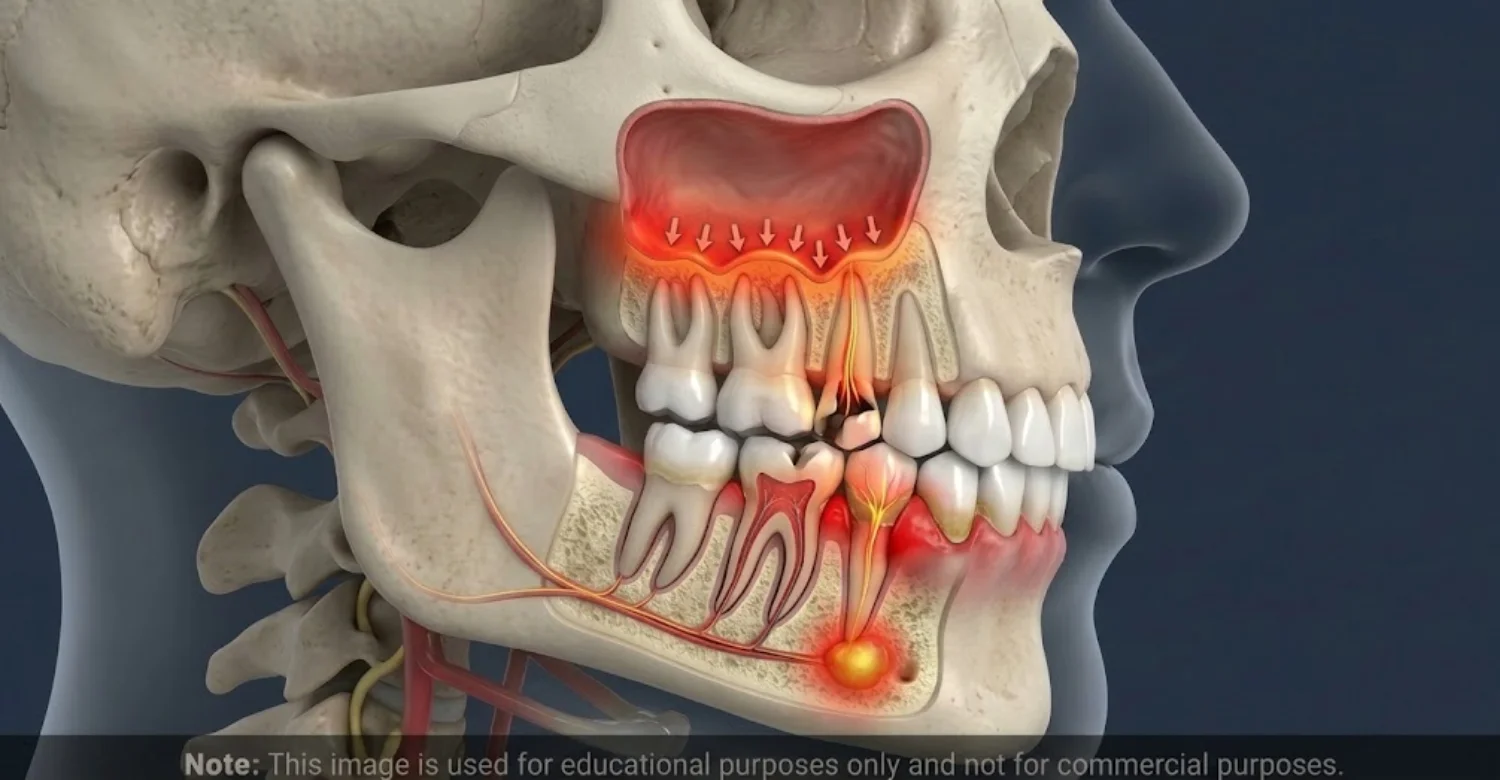
Gum Infection
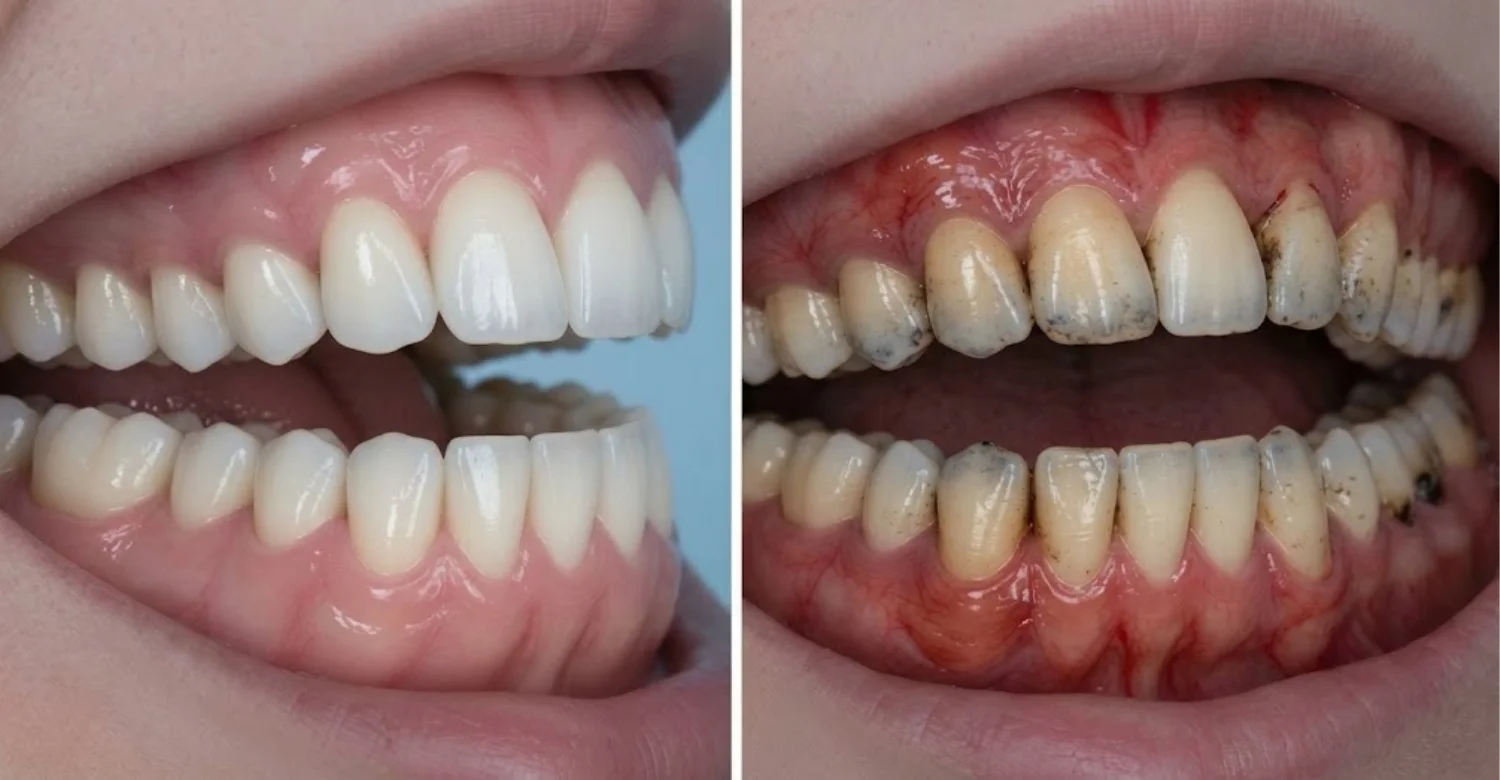
A gum infection, such as gingivitis or periodontitis, causes inflammation that can make several teeth feel tender or sore. Associated symptoms include swollen, red, or bleeding gums, bad breath, and sometimes loose teeth or pus. Since gum disease usually involves multiple areas, it may explain soreness across several teeth at once.
Note - All images are for editorial and illustrative purposes only. They may not originate from the original news provider or associated company.
Cracked or Damaged Teeth
A cracked tooth often causes sharp pain when biting or chewing, especially when biting pressure is released. The pain may come and go and can be hard to pinpoint. Grinding, chewing hard objects, and trauma can all contribute to cracks. Pain from one damaged tooth can spread along shared nerves, making it seem as if many teeth are affected.
Teeth Grinding and Jaw Clenching
Grinding and clenching, known as bruxism, place excessive pressure on teeth and jaw muscles, often during sleep. Several teeth may feel tender or sore, and many people notice morning jaw stiffness, headaches, or worn tooth surfaces. Bruxism is a frequent reason people wake up feeling that all my teeth hurt suddenly.
Recent Dental Treatment
Temporary sensitivity is common after fillings, crowns, professional cleanings, and teeth whitening, as the nerve reacts to treatment. It usually improves within days to a few weeks. Sensitivity that is severe, worsens, lasts beyond several weeks, or causes pain when biting should be evaluated, especially if widespread sensitivity follows teeth whitening.
Sinus Pressure or Infection
The roots of the upper back teeth sit close to the maxillary sinuses. When the sinuses become inflamed or infected, pressure can cause aching that feels like it comes from several upper teeth. The pain often worsens when bending forward and comes with congestion. Sinusitis can make people believe all my teeth hurt suddenly.
Other Possible Causes of Sudden Tooth Pain
Other contributors include recent orthodontic adjustments, food trapped between teeth, mouth ulcers, jaw joint disorders, and certain nerve conditions. Because symptoms overlap, diagnosis requires considering your full history, triggers, and a clinical examination. No single symptom confirms the cause of sudden generalized tooth pain, so professional evaluation remains important.
Find out what causes and treats White Spots on Teeth
Problems Caused by the Condition
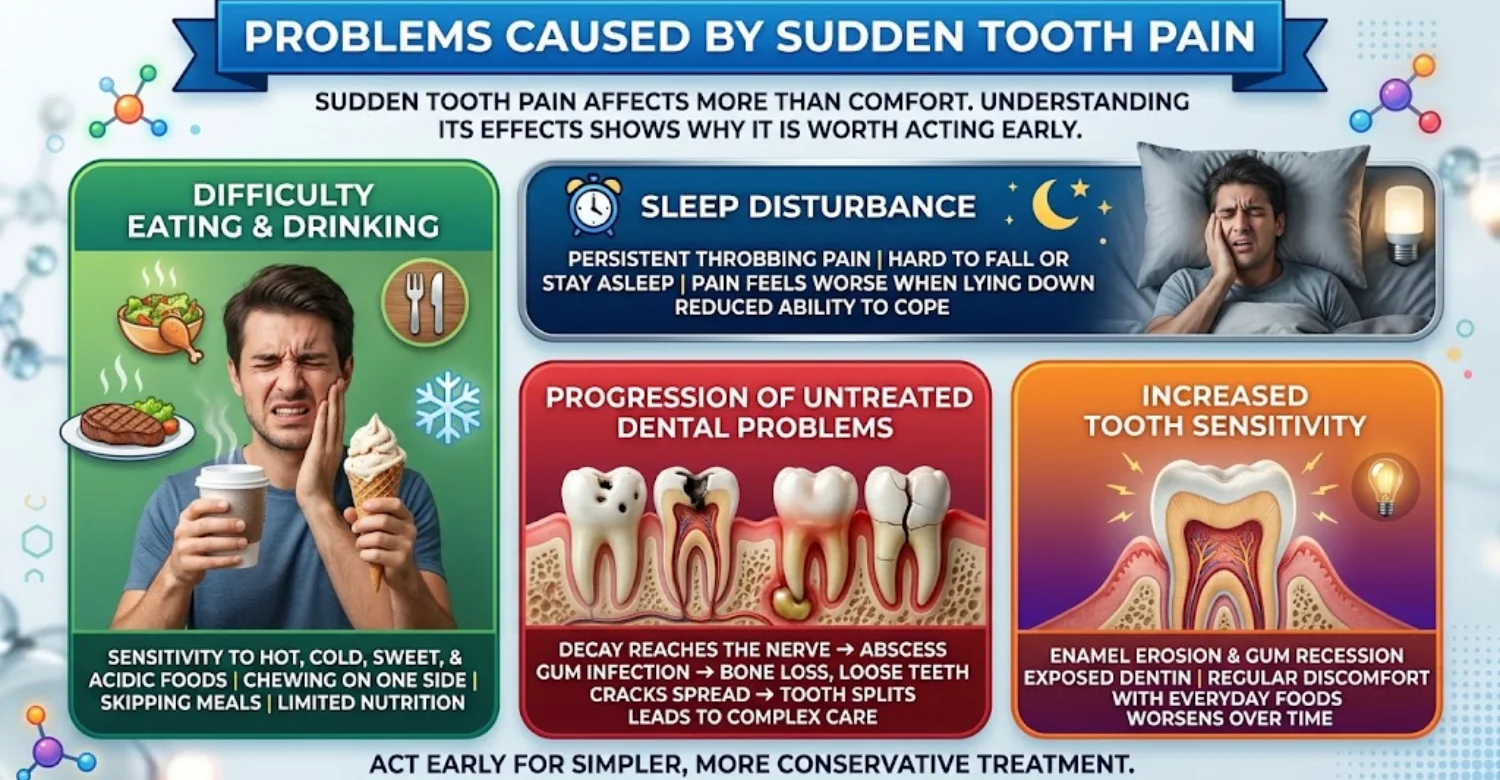
Sudden tooth pain affects more than comfort. It can change what you eat, disrupt sleep, and, if the cause is left untreated, allow dental problems to progress. Understanding these effects shows why it is worth acting early when all my teeth hurt suddenly, rather than waiting for the symptoms to settle on their own.
Difficulty Eating and Drinking
Sensitivity and pain can make eating uncomfortable, leading people to avoid hot, cold, sweet, or acidic foods. Some chew on only one side or skip certain meals entirely, which may limit nutrition and variety over time. When several teeth are sensitive at once, even room-temperature water or mild foods may feel difficult to tolerate.
Sleep Disturbance
A persistent sudden toothache can make it hard to fall asleep or stay asleep. Throbbing pain often feels worse when lying down because of increased blood flow to the head. Grinding-related pain may also wake people during the night, and poor sleep can reduce your ability to cope with pain the next day.
Progression of Untreated Dental Problems
Untreated tooth decay can reach the nerve and cause an abscess, gum infection can lead to bone loss and loose teeth, and cracks can spread until a tooth splits. Early dental assessment allows simpler, more conservative treatment. Ignoring widespread tooth pain may lead to more complex care later.
Increased Tooth Sensitivity
When enamel erosion or gum recession continues, more dentin and root surface become exposed, and teeth grow increasingly sensitive. Mild twinges can turn into regular discomfort with everyday foods and drinks. Addressing contributing habits, such as frequent acidic drinks or aggressive brushing, helps slow this progression and protect the remaining tooth structure.
Patient's Perspective
Patients describe sudden tooth pain in many different ways, and those descriptions provide useful clues. Noting when the pain starts, what triggers it, and how long it lasts helps your dentist narrow down the cause. Here is what patients commonly report when sudden pain affects several teeth, and how it affects daily life.
What Does Sudden Tooth Pain Feel Like?
Sudden tooth pain may feel sharp and brief, dull and aching, or throbbing. Many people notice pain affecting several teeth simultaneously, while others feel it mainly on one side. It is often triggered by hot or cold temperatures, sweet foods, or chewing pressure. Patients commonly describe it simply as all my teeth hurt suddenly.
How Can It Affect Daily Life?
Sudden tooth pain can make eating difficult and lead people to avoid foods and drinks such as ice water, coffee, or sweets. Sleep may be disrupted, and many patients feel anxious about an underlying dental problem. Living with this kind of pain can also affect concentration, mood, and work performance.
Explore the difference in Dental Implants vs Snap-In Dentures
Doctor's Perspective
From a clinical standpoint, generalized pain is a symptom, not a diagnosis. Dentists aim to determine whether sensitivity, decay, gum disease, cracks, grinding, or sinus problems are responsible. When a patient says all my teeth hurt suddenly, a structured assessment helps identify the true source and guides the most appropriate treatment.
How Is the Cause Diagnosed?
Diagnosis begins with reviewing your symptoms, triggers, medical history, and recent dental work. The dentist then examines your teeth and gums, checking for decay, cracks, gum recession, enamel erosion, and signs of infection. Tests may include tapping, bite tests, cold testing, and gum pocket measurements to locate the source of sudden tooth pain.
When Are Dental X-Rays Needed?
Dental X-rays help detect problems not visible during an examination, such as decay between teeth or under fillings, infection at the root tips, and bone loss from gum disease. They may also reveal changes near the sinuses. Imaging is chosen based on your symptoms, risk level, and clinical findings, using low radiation doses.
How Is Sudden Tooth Pain Treated?
Treatment depends on the cause. Sensitivity may be managed with desensitizing toothpaste or fluoride varnish, while decay usually requires fillings. Gum infection is treated with professional cleaning and sometimes deep cleaning below the gumline. A cracked tooth may need bonding or a crown, grinding may require a night guard, and sinus-related pain needs medical care.
Ready to transform your smile?
Talk to our team and get a personal FREE treatment plan.
When Is It Serious and Requires a Checkup?
Mild, brief sensitivity is often manageable, but some symptoms signal a problem that needs prompt attention. Pain combined with swelling, fever, or pus may indicate an infection that can spread. If all my teeth hurt suddenly and the pain is severe, persistent, or worsening, arrange a dental checkup rather than waiting.
Warning Signs That Need Prompt Dental Evaluation
Seek prompt dental evaluation if you notice severe or persistent tooth pain, facial or jaw swelling, swollen or bleeding gums, fever, pus or drainage, pain that gets progressively worse, or difficulty chewing. These signs may point to an abscess, advanced gum infection, or a cracked tooth, and early treatment helps prevent complications.
When Is Emergency Medical Care Necessary?
Go to an emergency room immediately if tooth pain comes with difficulty breathing, difficulty swallowing, significant facial or neck swelling, or rapidly spreading swelling in the mouth. These signs can indicate a serious spreading infection that may threaten the airway. Do not wait for a routine dental appointment in these situations.
Recognize the early signs of Salivary Gland Cancer
When the Patient Should Rest
Reducing chewing and avoiding irritating foods may ease discomfort from grinding, jaw strain, or mild sensitivity, and rest is sometimes advised after certain dental procedures. However, rest cannot replace treatment for infection, severe decay, or significant tooth damage. If sudden tooth pain persists, professional care is needed.
Rest Tips
While you arrange a dental evaluation, simple measures can reduce discomfort and avoid irritating sensitive teeth. These tips offer temporary support and are not a substitute for diagnosis. Use them to stay comfortable when all my teeth hurt suddenly, and contact your dentist if the pain continues or new symptoms such as swelling appear.
Choose Soft Foods
During painful episodes, choose foods that need minimal chewing, such as yogurt, soups, scrambled eggs, mashed potatoes, oatmeal, smoothies, and soft pasta. Serve them lukewarm rather than hot or cold. Soft foods reduce pressure on tender teeth and a strained jaw, helping discomfort settle while the cause is being investigated.
Avoid Very Hot and Cold Foods
Temperature extremes are among the most common triggers of tooth sensitivity. Let hot drinks cool, avoid ice and frozen desserts, and drink water at room temperature. Limiting sweet and acidic items also helps. Avoiding these triggers can make sensitive teeth more comfortable while you wait for your dental evaluation.
Avoid Excessive Chewing
Give painful teeth and jaw muscles a break by avoiding chewing gum, tough meats, hard breads, nuts, and ice. Cut food into small pieces and chew gently. Reducing strain is especially helpful when pain is linked to grinding, jaw tension, or a cracked tooth, which can worsen under heavy biting pressure.
Maintain Gentle Oral Hygiene
Keep brushing twice daily with a soft-bristled toothbrush and fluoride toothpaste, using gentle circular motions instead of hard scrubbing. Continue cleaning between your teeth carefully. Stopping oral hygiene because of pain allows plaque to build up and can worsen gum infection or tooth decay. A desensitizing toothpaste may also help.
Reduce Teeth Clenching
Many people clench their jaw during the day without noticing, especially when stressed or concentrating. Check in regularly: lips together, teeth apart, jaw relaxed. Relaxation techniques, warm compresses on the jaw muscles, and limiting caffeine may help. If grinding happens during sleep, a dentist may recommend a custom night guard.
Understand symptoms and treatment for Oral Herpes
About Vitrin Clinic
Vitrin Clinic provides comprehensive dental care built on accurate diagnosis before treatment. Our team evaluates your teeth, gums, bite, and related structures to find the true source of pain. If you feel that all my teeth hurt suddenly, we can help identify the cause and recommend treatment tailored to your needs.

What We Notice Clinically
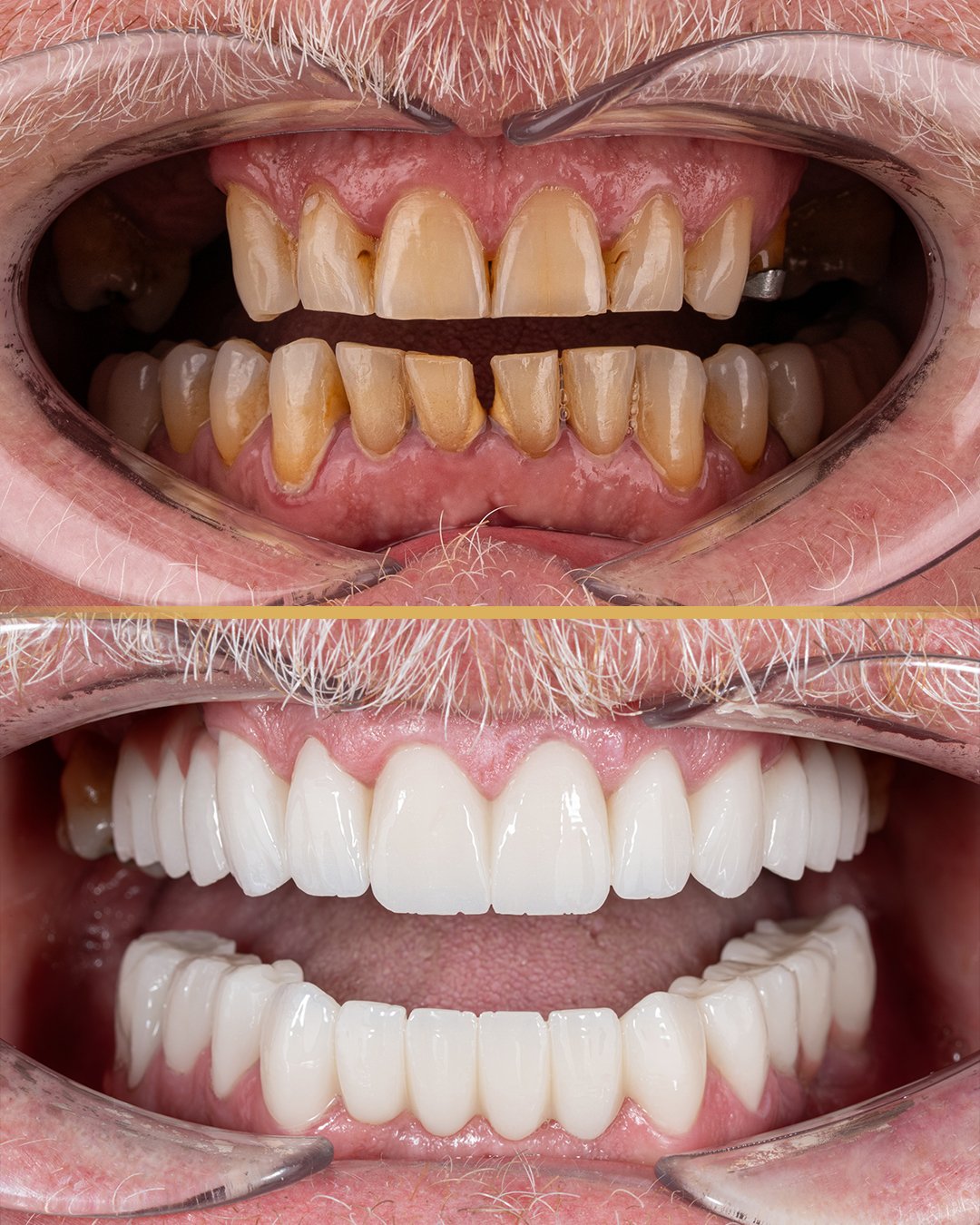
At Vitrin Clinic, Dr. Rifat Alsaman, Head of the Medical Team and a cosmetic dentist, notes that sudden generalized pain can have multiple causes, so distinguishing sensitivity from decay, gum disease, or cracks is essential. He emphasizes identifying the underlying cause before selecting treatment. A comprehensive examination, with X-rays when needed, helps explain the true source of widespread tooth pain.
Tips for the Patients
If all my teeth hurt suddenly, these practical steps can help protect your oral health:
Do not ignore recurring sudden tooth pain, even if it fades between episodes.
Avoid known sensitivity triggers, such as very cold, hot, sweet, or acidic foods and drinks.
Maintain regular brushing with fluoride toothpaste and daily interdental cleaning.
Avoid very acidic foods and drinks if enamel erosion is suspected.
Seek dental evaluation if pain persists, worsens, or comes with swelling or fever.
Evaluate your choices in Tooth Extraction vs Dental Implant
Resource:
https://pmc.ncbi.nlm.nih.gov/articles/PMC4590084/
FAQs
Dr. Rifat Alsaman has more than 5 years of clinical experience in dentistry and currently serves as the Head of the Medical Team at Vitrin Clinic. He is dedicated to providing exceptional patient care, overseeing treatment planning, and ensuring the highest clinical standards across the team. His expertise, attention to detail, and commitment to continuous professional development have helped countless patients achieve healthier, more confident smiles.


