%20(1).webp&w=3840&q=75)
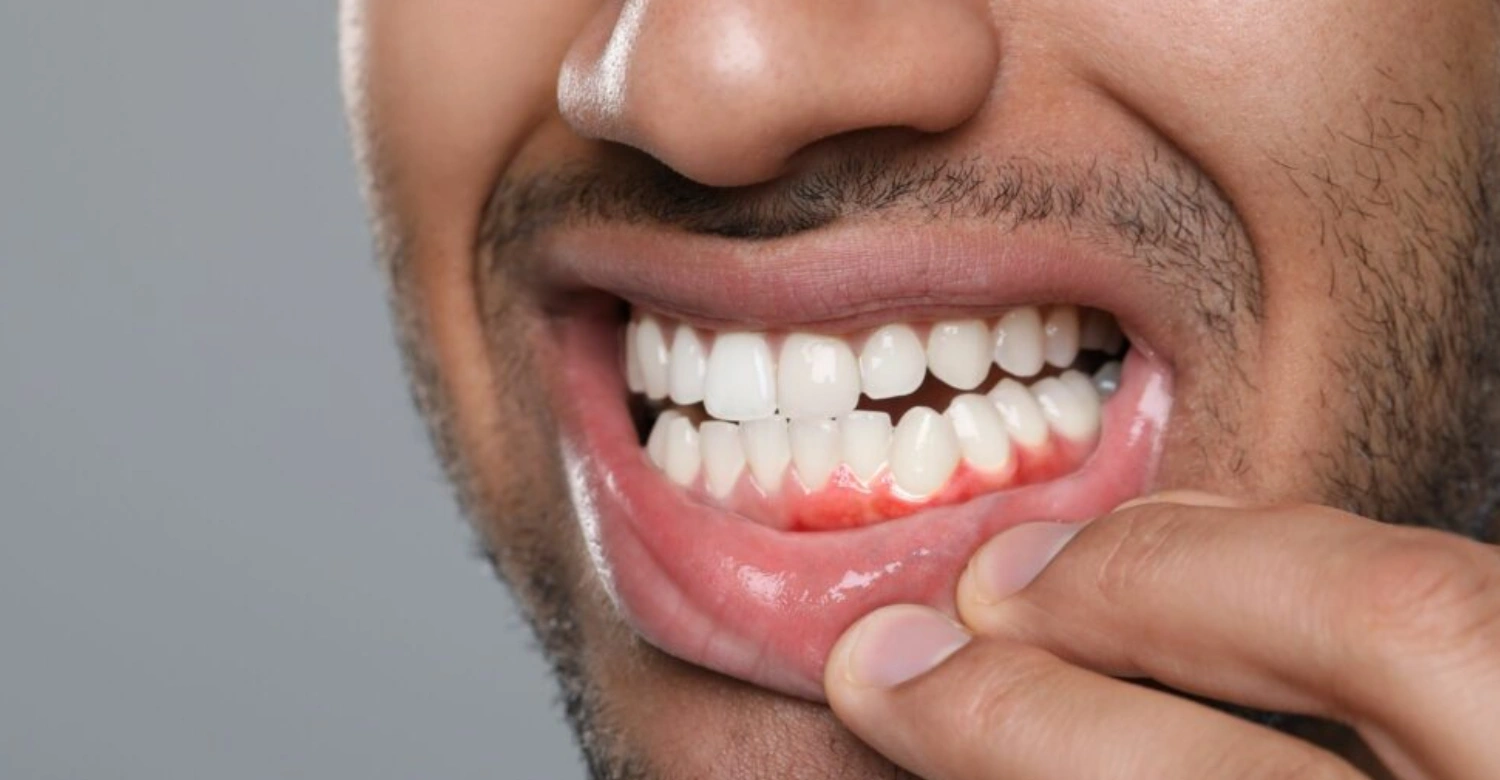
Sensitive gums can cause discomfort, bleeding, and make daily oral care challenging. The first step in sensitive gums treatment is maintaining proper oral hygiene using a soft-bristled toothbrush and gentle brushing techniques to avoid further irritation. Using a toothpaste formulated for sensitive gums helps reduce inflammation and strengthen gum tissue. Rinsing with an antibacterial mouthwash can prevent infection and promote healing. Avoiding tobacco, excessive sugar, and acidic foods also protects the gums from damage. Regular dental check-ups are essential to identify underlying issues like gum disease early. In severe cases, professional treatments at clinics, such as deep cleaning or laser therapy, can effectively restore gum health.
Introduction to Sensitive Gums
Understanding care for tender gums is essential for patients experiencing gum discomfort seeking effective relief and healing solutions. When people search for this type of care, they're looking for information about causes, home remedies, professional treatments, and prevention strategies. The answer to this issue involves combining proper oral hygiene with appropriate professional dental care addressing underlying causes.
Patients wondering about this care should know that early intervention prevents progression to serious gum disease. Research confirms that addressing triggers, implementing gentle care practices, and seeking timely professional evaluation are vital steps. The approach encompasses both immediate symptom management and long-term gum health maintenance strategies. Modern guidance helps patients distinguish between safe, effective remedies and practices potentially worsening sensitivity. This comprehensive guide explores various care pathways, including causes, home remedies, professional options, and prevention methods. Whether managing mild or severe symptoms, this article provides evidence-based guidance to help patients protect gum health and achieve lasting comfort. A throbbing sensation in your mouth often results in feeling your gums pulsing, which usually indicates inflammation. Many patients want to learn more about their symptoms, so we highly recommend reading our guide on can swollen gums go away.
What Are Sensitive Gums?
Sensitive gum tissue experiences pain, discomfort, or irritation from normal activities like brushing, eating, or temperature exposure. Seeking a sensitive gums treatment starts with understanding that a heightened nerve response causes discomfort from ordinary stimuli. Knowledge about sensitive tissue reveals that inflammation, recession, or damage exposes nerves, creating painful sensations. Professional assessment determines the exact cause of the irritation, enabling appropriate care for lasting relief. Sensitive gum represents a common dental complaint requiring evaluation for proper diagnosis and effective care.
Common Causes of Gum Sensitivity
Common causes include gum disease, aggressive brushing, recession, hormonal changes, and nutritional deficiencies affecting tissue health. Understanding these causes helps patients recognize factors contributing to gum sensitivity that require targeted care. Knowledge about triggers reveals that multiple conditions create sensitive tissue, requiring a comprehensive evaluation for diagnosis. Professional identification of specific causes enables specialized care addressing root problems rather than just masking symptoms. Multiple factors often combine, requiring an individualized care approach for full resolution.
Role of Gum Line in Dental Health
The gum line represents the junction where gum tissue meets the tooth, serving as a protective barrier against bacteria. When this area becomes uncomfortable, finding a sensitive gums treatment that protects this delicate junction is essential. Knowledge about a sensitive gum line reveals that recession or inflammation exposes tooth roots, creating structural discomfort. Professional monitoring of the gum line ensures early detection of problems, preventing serious complications before complex therapeutic interventions are required. Protecting the gum line through proper care maintains dental health, preventing tooth and bone loss.
Understanding the Symptoms of Gum Sensitivity
The symptoms of gum sensitivity usually begin with mild tenderness that gradually becomes sharper discomfort during brushing, flossing, or eating hot and cold foods. Patients often describe a stinging or tingling feeling along the gumline, occasional bleeding, redness, or slight puffiness around the teeth. Recognizing these symptoms of gum sensitivity early makes it easier to start the right care for tender gums before the irritation spreads. Some patients also notice their gums feel tight or slightly pulled back from the tooth surface, which signals it is time for a professional evaluation.
How to Tell If Your Gum Discomfort Is Nerve-Related or Bacterial
Not all gum discomfort has the same origin, and telling the two apart matters for choosing the right sensitive gums treatment. Nerve-related sensitivity tends to appear suddenly with hot, cold, or sweet stimuli and fades once the trigger is removed, usually pointing to exposed dentin or recession. Bacterial-related discomfort, on the other hand, tends to linger, comes with bad breath, swelling, or bleeding, and points toward plaque buildup or early gum disease our gingivitis vs periodontitis guide breaks down these stages in detail. If you are unsure how to cure sensitive gums at home, a dental exam can confirm which cause is behind your discomfort.
Complications of Untreated Sensitive Gums
Ignoring persistent gum sensitivity can lead to more serious oral health issues over time. When the underlying cause—often gum inflammation or recession—is not addressed, the condition can progress to periodontitis, a severe infection that damages the soft tissue and bone supporting your teeth. This can eventually result in tooth loss. Additionally, untreated gum disease has been linked to systemic conditions such as cardiovascular disease and diabetes complications. Early intervention is key to preventing these outcomes. If you experience prolonged sensitivity, bleeding, or receding gums, consult a dental professional promptly.
Evidence-Based Guidance
Our recommendations are grounded in scientific research and professional guidelines. Key sources include the American Academy of Periodontology (AAP) guidelines on the management of gingivitis and periodontitis, a study in the Journal of Clinical Periodontology (2018) on the efficacy of stannous fluoride in reducing gum sensitivity, the European Federation of Periodontology (EFP) clinical practice guidelines for the treatment of periodontal diseases, and research published in Oral Health & Preventive Dentistry (2020) on the role of desensitizing agents in managing dentin hypersensitivity. These references ensure that our advice is current and reliable.
Deep Dive Into What Causes Sensitive Gums
Sensitive gums rarely stem from a single factor. Enamel erosion, gum recession, aggressive brushing, untreated cavities, and clenching or grinding all expose sensitive layers beneath the tooth surface and gum tissue. Genetics can also play a role, since some patients naturally have thinner gum tissue that recedes more easily. For a closer look at how deeper infections develop, our guide to periodontal disease explains the full progression. Understanding these causes helps patients and their dentist build a plan that targets the actual source of discomfort rather than only masking the pain temporarily.
The Surprising Link Between Hormonal Changes and Gum Health
Many patients are surprised to learn how closely hormonal changes and sensitive gums are connected. Fluctuations during puberty, the menstrual cycle, pregnancy, and menopause increase blood flow to gum tissue. This can make gums more reactive to plaque, leading to swelling, tenderness, and bleeding. Pregnant patients often notice a sudden rise in gum sensitivity even with unchanged oral hygiene habits. Hormonal shifts are also a recognized risk factor for deeper periodontal pockets forming over time. Recognizing this hormonal link helps patients understand how to stop gum sensitivity by adjusting their care routine and scheduling more frequent professional cleanings during these periods.
Foods That Can Irritate and Trigger Sensitive Gums
Certain foods that irritate gums can trigger discomfort even when oral hygiene is otherwise excellent. Highly acidic foods like citrus fruits and vinegar-based dressings, very hot or cold items, crunchy foods like chips or nuts, and sugary snacks all commonly aggravate sensitive tissue. Spicy foods and alcohol-based beverages can also intensify irritation for patients already experiencing inflammation. Identifying which foods that irritate gums affect you personally is a simple but effective part of any care plan, helping reduce flare-ups between professional visits.
Home Remedies for Sensitive Gums
Home remedies for gum sensitivity include natural ingredients, proper hygiene techniques, and gentle care practices. Understanding home options helps patients implement a treatment plan at home that provides symptomatic relief safely. Knowledge about a sensitive gums remedy reveals that multiple natural solutions reduce inflammation and discomfort. Professional guidance about a home-based routine ensures safe, appropriate use, avoiding complications from incorrect application. Learning effective remedy methods helps patients manage symptoms while addressing underlying causes.
Sensitive Gum Relief with Natural Ingredients
Natural ingredients including aloe vera, chamomile, turmeric, and green tea provide anti-inflammatory benefits for gum sensitivity. Understanding natural relief helps patients recognize gentle options for managing symptoms as part of an initial care routine. Knowledge about ingredients reveals that plant-based compounds reduce inflammation, supporting tissue healing and comfort. Professional recommendation of natural remedies ensures safe use without adverse effects. Natural approaches offer gentle, effective options for patients preferring non-pharmaceutical solutions. Many patients wonder, "can dental implants get infected?" and the answer is yes, requiring careful hygiene.
Oil Pulling, Salt Water, and Herbal Rinses
Oil pulling with coconut oil reduces bacteria, while saltwater rinses cleanse and soothe inflamed sensitive tissues. Understanding traditional remedies helps patients recognize time-tested approaches when planning a supportive care regimen. Knowledge about rinses reveals that regular use reduces bacterial load, supporting the healing of sensitive tissues. Herbal rinses containing sage, peppermint, or calendula provide antimicrobial and anti-inflammatory benefits for comfort. Professional guidance about rinse frequency ensures optimal benefits without overuse causing tissue irritation. If you are currently experiencing severe discomfort, it is very important to understand the details about causes behind dark red gums below teeth.
Step-by-Step Home Remedies to Soothe Sensitive Gums
For immediate relief, try these simple home remedies:
- Saltwater Rinse: Dissolve 1/2 teaspoon of salt in a glass of warm water. Swish the solution around your mouth for 30 seconds, then spit it out. Repeat 2-3 times a day to reduce inflammation and kill bacteria.
- Cold Compress: Wrap an ice pack in a thin cloth and apply it to the outside of your cheek near the affected area for 10 minutes. This can numb the area and reduce swelling.
- Turmeric Paste: Mix 1 teaspoon of turmeric powder with a few drops of water to form a paste. Apply it directly to your gums and leave it on for 5 minutes before rinsing. Turmeric contains curcumin, which has anti-inflammatory properties.
- Tea Bag Compress: Steep a black tea bag in hot water, let it cool, then place it on your gums for 5 minutes. Tannins in tea can help reduce inflammation.
- Aloe Vera Gel: Apply pure aloe vera gel to your gums and massage gently for 2 minutes. Rinse with cool water. Aloe vera is known for its soothing and healing properties.
Remember, these remedies provide temporary relief. For long-term solutions, consult a dentist to address the root cause.
Exploring Alternative Therapies
In addition to conventional treatments, some patients explore alternative therapies to complement their gum care routine. Acupuncture, for instance, has been suggested to reduce inflammation and pain by promoting blood circulation and releasing endorphins. Herbal supplements such as chamomile, aloe vera, and green tea extract are known for their anti-inflammatory properties and may help soothe irritated gums when used as directed. However, it's essential to consult with a healthcare provider before starting any alternative therapy, as they can interact with medications or underlying conditions. These approaches should be viewed as adjuncts to, not replacements for, professional dental care.
Proper Oral Hygiene Practices
Proper hygiene includes gentle brushing, daily flossing, and using appropriate products. Avoid aggressive techniques that damage tissues. Understanding hygiene importance helps patients recognize that technique affects whether a sensitive gums treatment succeeds at home. Knowledge about proper practices reveals that gentle, consistent care reduces sensitivity while maintaining cleanliness. Professional demonstration ensures patients use methods that protect sensitive tissues while removing plaque effectively. Excellent hygiene represents the foundation of gum health, preventing and managing sensitivity through bacterial control.
Brushing Techniques for Sensitive Gum Line
Brush using soft bristles at a 45-degree angle with gentle circular motions. Avoid aggressive scrubbing at the gumline. Understanding proper technique helps patients clean effectively without traumatizing tissues. This serves as a preventative approach for sensitive gums. Knowledge about brushing reveals that a gentle method removes plaque while protecting delicate tissues from recession. Professional instruction ensures patients master techniques, maintaining cleanliness without worsening gum line problems. Proper brushing prevents recession, protecting the gum line from mechanical damage.
Choosing Toothpaste and Mouthwash for Sensitive Gums
Choose toothpaste formulated for sensitivity containing potassium nitrate or stannous fluoride. Pair it with an alcohol-free, gentle mouthwash. Understanding product selection helps patients recognize appropriate over-the-counter options for an effective routine to manage sensitive gums. Knowledge about formulations reveals that specific ingredients block nerve signals, reducing discomfort from sensitivity. Professional recommendation ensures appropriate product selection based on individual sensitivity severity. Specialized products provide targeted relief while maintaining oral health through proper ingredients.
Professional Treatments for Sensitive Gums
Professional treatment for sensitive gums includes scaling, root planing, gum grafting, and laser therapy. These address underlying causes. Understanding professional options helps patients recognize available treatments when home care proves insufficient for relief. Knowledge about clinical interventions reveals that dentists address the specific disease, recession, or damage causing symptoms. Professional expertise ensures appropriate therapeutic selection based on specific causes identified through an examination. Comprehensive care resolves underlying problems, preventing recurrence through proper intervention.
Scaling and Root Planing
Scaling removes tartar above and below the gumline. Root planing smooths root surfaces to reduce bacteria. Understanding deep cleaning helps patients recognize that professional plaque removal represents an essential treatment for sensitive gums. Knowledge about the procedure reveals that eliminating the bacterial reservoir reduces inflammation, improving overall comfort. Professional scaling and root planing represent a first-line clinical approach for disease-related sensitivity. This procedure often dramatically improves comfort by addressing the infection causing tissue inflammation. You should consult a dentist if your back tooth hurts with pressure while biting down or eating.
Gum Grafting and Laser Therapy
Gum grafting covers exposed roots. Laser therapy removes diseased tissue to promote regeneration and healing. Understanding advanced options helps patients recognize their choices when recession necessitates professional care for sensitive gums. Knowledge about grafting reveals that tissue coverage protects exposed roots, eliminating sensitivity from exposure. Laser therapy represents a modern method that removes infection precisely while stimulating tissue healing. These advanced surgical options address severe cases unresponsive to conservative management approaches.
When to Consider Seeing a Dentist
Consider professional care for persistent sensitivity, bleeding, swelling, recession, or symptoms worsening despite home care. Understanding timing helps patients recognize when a sensitive gums treatment requires professional evaluation rather than home management. Knowledge about warning signs reveals that certain symptoms indicate serious problems needing immediate intervention. Professional assessment becomes essential when symptoms persist beyond two weeks despite appropriate home care. Early clinical intervention prevents progression to advanced gum disease.
Medication and Clinical Approaches for Advanced Pain
When home care and natural remedies are not enough, medication and clinical approaches help manage more advanced sensitivity and pain. Dentists may recommend prescription-strength desensitizing gels, antibacterial rinses, or in more serious cases, antibiotics to control an underlying infection. For patients dealing with persistent discomfort, understanding how to cure sensitive gums often means combining professional in-clinic procedures, such as scaling or laser dentistry, with a short course of targeted medication. This layered approach addresses both the pain itself and the condition driving it.
What Is the Best Medicine and Ointment for Sore Gums?
Patients frequently ask what the best medicine for sore gums is, and the answer depends on the underlying cause. Over-the-counter options like benzocaine-based gels and desensitizing toothpaste with potassium nitrate offer quick, temporary relief for mild irritation. For inflamed or infected gums, a dentist may prescribe a stronger anti-inflammatory gel or antiseptic mouth rinse. Knowing how to stop gum sensitivity long-term, however, still requires addressing the root cause through professional evaluation rather than relying on medication and ointments alone.
What We Notice Clinically
Dr. Rifat Alsaman, Head of the Medical Team at Vitrin Clinic and a cosmetic dentist, notes that most patients underestimate how quickly mild gum sensitivity can progress if the underlying cause is not identified early. He explains that sensitivity linked to hormonal changes or dietary triggers often responds well to simple hygiene adjustments. Sensitivity tied to gum disease may require scaling or laser therapy. Dr. Alsaman also emphasizes that patients should not rely solely on over-the-counter ointments for persistent pain. Masking discomfort without treating its cause allows the problem to advance quietly.
Tips to Prevent Gum Sensitivity
Prevention includes balanced nutrition, avoiding harmful habits, and maintaining excellent hygiene. Regular professional monitoring is also key. Understanding prevention helps patients recognize that maintaining gum health prevents the need for active treatment later. Proactive care proves more effective than treating recurring problems. A comprehensive prevention strategy addresses all risk factors. This reduces sensitivity likelihood through protective measures. To prevent further dental complications, review our article on how to get gingivitis.
Dietary Tips for Strong Gums
Dietary tips include eating vitamin-rich foods, limiting sugar, and staying hydrated. Calcium supports tissue health. Understanding nutritional impact helps patients recognize that diet significantly affects gum health and treatment outcomes. Vitamins C and D support tissue integrity, preventing sensitivity development. Professional nutritional counseling helps patients optimize their diet. A healthy diet enhances gum resistance to sensitivity while supporting overall oral health. Understanding your treatment options is crucial for recovery. We suggest reading our post on one spot on gums bleeding.
Habits to Avoid for a Healthy Gum Line
Avoid aggressive brushing, tobacco use, excessive alcohol, teeth grinding, and nail biting. These habits protect delicate gumline tissues. Understanding harmful habits helps patients recognize behaviors contributing to sensitivity. This is a key phase of treatment planning. Certain actions damage tissues, causing recession and sensitivity at the gumline. Professional counseling helps patients eliminate behaviors compromising gum health. Avoiding damaging habits protects the gum line and prevents recession.
How Smoking and Sugary Foods Affect Sensitive Gums
Smoking impairs blood flow and immune function. Sugar feeds bacteria. Both worsen gum inflammation. Understanding tobacco impact helps patients recognize that smoking significantly complicates any therapy. Bacterial fermentation creates acids that damage tissues and cause sensitivity. Professional emphasis on smoking cessation and sugar reduction improves gum health. Eliminating smoking and limiting sugar are essential steps in preventing and managing sensitive gums.
Sensitive Gums Treatment at Vitrin Clinic
Vitrin Clinic provides comprehensive care through accurate diagnosis and personalized approaches. Understanding Vitrin Clinic services helps patients access quality care when clinical intervention becomes necessary. The clinic commits to gum health through experienced professionals and advanced technology. Professional excellence ensures patients receive appropriate care addressing underlying causes. A patient-centered approach prioritizes lasting relief through comprehensive clinical strategies. Monitor your symptoms closely if you develop a fever and gum swelling. This may indicate a spreading infection.
Expert Evaluation and Personalized Care
Expert evaluation at Vitrin Clinic includes a thorough examination and diagnostic testing. Individualized treatment planning follows. A personalized approach helps patients recognize that Vitrin Clinic tailors therapy to individual needs. A comprehensive assessment identifies all contributing factors requiring specific interventions. Professional expertise ensures optimal therapy selection based on examination findings. Customized care addresses unique causes, maximizing outcomes for each patient. For additional information on this dental issue, explore Vitrin Clinic's infected gums treatment advice.
Modern Technologies Used for Sensitive Gums Treatment
Modern technologies include digital imaging, laser therapy, ultrasonic scaling, and advanced materials. These tools improve clinical outcomes significantly. Vitrin Clinic invests in equipment that ensures effective, gentle care. Professional use of technology provides a precise, comfortable experience. Patients feel minimal discomfort during procedures.
With over a decade of experience, Vitrin Clinic has become a trusted destination for patients worldwide. Led by Dr. Rifat Alsaman, the team has treated thousands of patients with gum issues. These include sensitive gums, periodontitis, and gum recession. The state-of-the-art facility and patient-centered approach ensure high standards of care.
Success Stories and Patient Testimonials
Success stories demonstrate effective outcomes for this condition. Patients experience lasting relief at Vitrin Clinic. Professional care produces significant improvement for symptoms. Comprehensive care resolves even severe sensitivity. Patient satisfaction reflects the quality of care provided.
Vitrin Clinic is accredited by the Turkish Ministry of Health. The clinic adheres to international standards of patient safety and care. It is a member of the International Dental Association. Patients have left positive reviews on Google and Trustpilot. Team members are certified in advanced dental techniques.
About Vitrin Clinic
Vitrin Clinic is a cosmetic dental clinic in Istanbul, Turkey, serving international patients seeking both restorative and aesthetic dental care. The clinic is led clinically by Dr. Rifat Alsaman, Head of the Medical Team at Vitrin Clinic and a cosmetic dentist, who oversees treatment planning across the practice. Vitrin Clinic combines modern diagnostic technology with a patient-first approach, guiding patients from initial consultation through post-treatment care. Whether addressing sensitive gums, cosmetic concerns, periodontics, or full-mouth restoration, Vitrin Clinic focuses on comfortable, long-lasting results tailored to each patient's individual needs.
Rerefences:
FAQs

Dr. Rifat Alsaman has more than 5 years of clinical experience in dentistry and currently serves as the Head of the Medical Team at Vitrin Clinic. He is dedicated to providing exceptional patient care, overseeing treatment planning, and ensuring the highest clinical standards across the team. His expertise, attention to detail, and commitment to continuous professional development have helped countless patients achieve healthier, more confident smiles.


