Hollywood Smile
August 24, 2026
What Is Teeth Whitening Aftercare: Foods and Habits to Avoid?
 Dr. Rifat Alsaman
Getting effective teeth whitening aftercare right in the first 24 to 48 hours can make the difference between results that last and results that fade fast. Research using gas-adsorption testing found that enamel pore volume can increase by more than 300% after acid exposure. This confirms that whitening genuinely opens the enamel surface rather than just dulling it temporarily. A separate 2014 clinical study found that red wine, tea, and cola visibly stained bleached teeth within six hours. Coffee, by contrast, showed no significant difference from a plain saliva control. Because most guidance in this area comes from clinical consensus rather than large controlled trials, this article breaks down exactly what to eat, drink, and do during the sensitive recovery window.
Why Is Teeth Whitening Aftercare Important?
Proper teeth whitening aftercare protects the enamel while it is temporarily more porous and reactive than usual. This directly affects how long your results last. Understanding how to remove teeth stains can also help patients understand why certain foods and habits can affect the appearance of whitened teeth.
What Happens to Your Teeth After Whitening?
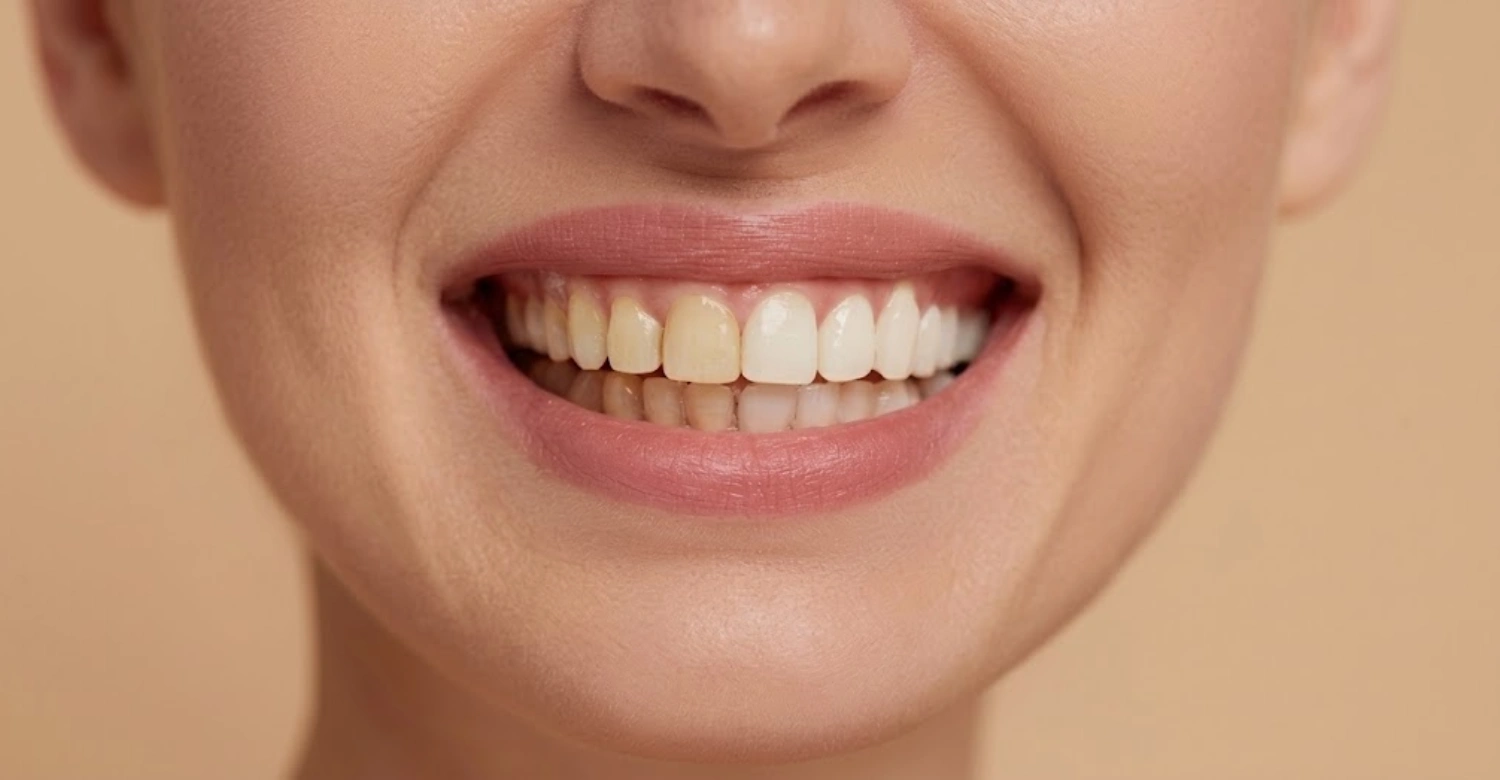
Immediately after whitening, enamel pores are more open. This can make teeth temporarily sensitive and more susceptible to staining. Post-whitening sensitivity typically peaks within the first 24 hours and eases as the enamel structure returns to normal. That's why teeth whitening aftercare matters so much for how the results ultimately hold up. Patients who experience significant sensitivity can also learn more about modern approaches to tooth sensitivity.
How Long Do You Need to Follow the Restrictions?
The recommended restriction period varies by whitening method. Enamel pores generally stay open for 24 to 48 hours, sometimes up to 72 hours after stronger in-office treatments. Following the specific instructions from your dental professional, including temporary food and drink restrictions, is the most reliable approach. The exact protocol may differ depending on whether you receive laser teeth whitening or another professional whitening system.
Clinical Note
Sensitivity and staining risk vary from person to person and depend on the whitening system used. Some patients need a shorter restriction period. Others benefit from a more cautious approach during the first two days.
What Foods Should You Avoid After Teeth Whitening?
Knowing which foods to avoid helps prevent new staining while enamel pores are still resealing.
Dark-Colored Foods
Highly pigmented foods such as tomato-based sauces, berries, curry, soy sauce, and dark chocolate can stain enamel more easily right after treatment. These are some of the clearest examples of foods to avoid, since their pigments can settle into open enamel pores. Understanding the difference between surface discoloration and deeper changes is also important when considering teeth stain removal options.
Acidic Foods and Drinks
Acidic items, including citrus fruits, vinegar-based foods, and acidic soft drinks, can keep enamel pores open longer. They can also increase sensitivity even when they have no strong color. Moderation with these foods is a practical part of teeth whitening aftercare during the first two days.
Sticky and Highly Pigmented Foods
Sticky foods stay in contact with tooth surfaces longer, giving pigments more time to settle in. Combined with strong coloring, these foods are best limited immediately after whitening.
What Not to Eat After Teeth Whitening
A practical list of what not to eat includes dark sauces, berries, curry, soy sauce, dark chocolate, citrus fruits, vinegar dressings, and heavily acidic soft drinks. Avoiding these temporarily gives whitened enamel the best chance to reseal without new discoloration.
What Can You Eat After Teeth Whitening?
Choosing lighter, less acidic options makes it easier to stick to the plan without feeling overly restricted.
What to Eat After Teeth Whitening
Good choices include plain yogurt, white rice, chicken, fish, eggs, oatmeal, and bananas. These foods are light in color and generally low in acidity, making them gentle on freshly whitened, more sensitive teeth.
Can You Eat Dairy Products After Teeth Whitening?
Many plain dairy foods, such as yogurt, milk, and mild cheeses, are generally suitable after whitening. Very cold dairy items may temporarily increase sensitivity in some patients. Moderating temperature can help in the first day or two.
Can You Eat Fruits After Teeth Whitening?
Less acidic, lighter-colored fruits such as bananas or melon tend to be more comfortable choices immediately after treatment. Highly acidic fruits, like citrus, can increase sensitivity. These are usually better reintroduced gradually.
Tips for Patients
Choose lighter-colored foods during the recommended restriction period.
Drink water regularly to help rinse the mouth.
Avoid extremely hot or cold foods if sensitivity is present.
Follow the specific aftercare instructions provided by your dental professional.
How Long After Teeth Whitening Can I Eat?
Timing questions come up constantly, and the honest answer depends heavily on which whitening system was used.
Can You Eat Immediately After Teeth Whitening?
Whether you can eat right away depends on the whitening procedure and your provider's instructions. Some patients are advised to wait briefly before eating to give the enamel surface time to begin resealing.
How Long Until I Can Eat Normally?
There is a difference between eating shortly after treatment and returning to a fully normal diet. Most guidance suggests following restrictions for 24 to 48 hours before resuming typical eating habits. Patients considering same-day teeth whitening should also receive specific instructions based on the treatment used.
Clinical Note
There is no single universal timeframe that applies to every whitening system. Individualized professional guidance is the most reliable way to know when it's safe to eat normally, since concentration and technique vary between treatments.
Can You Drink Coffee After Teeth Whitening?
Coffee comes up so often in teeth whitening aftercare conversations that it deserves its own dedicated look, separate from the broader list of dark beverages.
Why Is Coffee a Concern After Teeth Whitening?
Coffee contains dark pigments that can contribute to staining, particularly while enamel pores are still open. This is why it's one of the most frequently asked-about restrictions.
How Long After Teeth Whitening Can I Drink Coffee?
Patients should follow the specific restriction period recommended for their treatment before reintroducing coffee. Interestingly, one clinical study found coffee caused no statistically significant staining difference from a saliva control over six hours. Most professionals still recommend caution, so this is best answered by your provider directly.
What About Tea and Other Dark Drinks?
Black tea, cola, and other red or dark-colored beverages are commonly restricted during the early recovery period. Their pigments behave similarly to coffee and red wine on freshly whitened enamel.
What We Notice Clinically
Our clinical team at Vitrin Clinic often finds that patients who reduce staining beverages immediately after whitening maintain a brighter appearance for noticeably longer. Reinforcing this habit early is simple and effective.
What Drinks Should You Avoid After Teeth Whitening?
Beverages matter just as much as food, since liquids spend more direct time in contact with the front teeth.
Coffee
Coffee is commonly restricted after whitening due to its dark pigments, even though evidence on its staining strength compared to other drinks is mixed.
Black Tea
Black tea carries strong pigmentation and is frequently grouped with coffee as a drink to avoid early on.
Red Wine
Red wine's deep pigments make it one of the most staining beverages for recently whitened teeth. Visible color changes have been reported within just a few hours of exposure, making it a top priority to avoid.
Cola and Dark Soft Drinks
Cola and similar dark sodas combine pigmentation with acidity. This makes them a double concern for both staining and enamel sensitivity.
What to Drink Instead
Water, milk, and other lighter-colored, non-acidic options are generally safer choices when appropriate.
What Habits Should You Avoid After Teeth Whitening?
Diet is only half the picture. Daily habits matter just as much as what you eat and drink.
Smoking After Teeth Whitening
Tobacco use accelerates re-staining by increasing enamel porosity. This makes it one of the most important habits to avoid for anyone serious about long-term results.
Poor Oral Hygiene
Plaque buildup can make teeth appear less bright over time, dulling results even when diet is well managed. Consistent brushing and interdental cleaning support the results achieved through treatment. Regular professional tartar removal and oral care can also help maintain a cleaner smile.
Using Highly Abrasive Products
Aggressively scrubbing softened enamel can increase sensitivity rather than improve brightness. Following professional guidance on toothpaste and whitening products is an easy but often overlooked step. Choosing between different oral-care approaches should always take sensitivity and enamel condition into account.
Excessive Consumption of Staining Foods and Drinks
Frequent exposure to foods that stain teeth after whitening can gradually undo results even after the initial recovery window ends. Pigment exposure adds up over time.
Tips for Patients
Maintain consistent oral hygiene.
Limit frequent exposure to strongly pigmented foods and beverages.
Avoid smoking.
Follow the teeth whitening aftercare instructions provided by Vitrin Clinic when treatment is performed there.
How Can You Protect Your Whitening Results?
Beyond the initial recovery window, a few consistent habits help extend your results in the long run.
Maintain Good Oral Hygiene
Brush twice daily with proper technique, clean between teeth, and attend regular dental cleanings when recommended. These simple habits keep results looking fresh for longer. Patients can also review guidance on the importance of consistent brushing and professional oral care.
Drink Water After Staining Foods and Drinks
Rinsing with water after consuming pigmented or acidic foods can help reduce prolonged exposure. It's one of the simplest habits to keep up between meals.
Use a Straw for Certain Drinks
Using a straw for dark beverages can reduce direct contact with front teeth, though it does not eliminate staining risk entirely.
Schedule Professional Maintenance When Needed
Whitening results naturally fade over time. A professional reassessment before repeating treatment helps ensure whitening is approached safely and effectively. If staining is accompanied by broader gum concerns, a periodontal evaluation may also be appropriate through Periodontics.
What Are the Most Important Food Restrictions?
Reviewing the full list in one place makes it easier to plan meals during the teeth whitening aftercare window.
Foods to Limit
This shortlist covers the items most likely to reintroduce staining: coffee, tea, dark sauces, curry, berries, dark chocolate, and tomato-based sauces.
Drinks to Limit
These beverages carry the highest staining risk during the early recovery period: coffee, black tea, red wine, cola, and dark fruit juices.
Foods That Are Generally Better Choices
White rice, chicken, fish, eggs, plain yogurt, and light-colored vegetables are generally safer choices, along with other foods suited to your individual sensitivity level.
Clinical Note
The "white diet," meaning light-colored, non-acidic foods for about 48 hours, is a commonly used practical approach. Exact restrictions should always follow the treating professional's specific instructions.
Can Teeth Whitening Results Be Maintained Long-Term?
Long-term brightness depends less on the initial treatment and more on how consistently patients apply good teeth whitening aftercare habits over the months that follow.
How Long Do Teeth Whitening Results Last?
Longevity depends on diet, oral hygiene, tobacco use, genetics, and the whitening method used. There is no fixed duration that applies to every patient. This is why individualized care matters well beyond the first 48 hours. Research and clinical guidance on teeth whitening treatments and their longevity can help patients set realistic expectations.
What Can Cause Teeth to Become Stained Again?
Even after the initial recovery window closes, poor habits can gradually undo results. The main culprits are coffee and tea, smoking, red wine, highly pigmented foods, plaque accumulation, and natural aging. Patients with persistent discoloration can explore professional whitening options rather than repeatedly using aggressive home products.
When Should You Consider Whitening Again?
A professional assessment is preferable before repeating treatment. Patients who consistently follow good aftercare often need touch-ups less frequently, which helps protect enamel health over the long term.
Teeth Whitening Aftercare at Vitrin Clinic
After a teeth whitening session at Vitrin Clinic, patients are advised to avoid dark-colored foods and drinks such as coffee, tea, and red wine for at least 24-48 hours. The enamel is more porous and prone to staining during this window. Avoiding smoking during this period also helps prevent teeth from yellowing again quickly. Maintaining regular brushing and using toothpaste formulated for sensitive teeth can help ease any temporary sensitivity following the procedure. Patients experiencing ongoing sensitivity or unexpected changes in tooth color are encouraged to follow up with the team at Vitrin Clinic.
How Does Vitrin Clinic Support Teeth Whitening Aftercare?
Vitrin Clinic provides personalized guidance following cosmetic whitening. Recommendations are tailored to the specific whitening method used and each patient's individual needs. Patients can also review the clinic's dedicated Teeth Whitening treatment page for information about the clinical process and professional care.
Personalized Advice for Maintaining Whitening Results
Vitrin Clinic offers individualized recommendations covering food, beverages, oral hygiene, and long-term maintenance. Teeth whitening aftercare is treated as an essential part of achieving predictable, lasting cosmetic results, not an afterthought. Patients interested in broader cosmetic improvements can also explore Hollywood Smile planning when whitening is part of a larger smile makeover.
What We Notice Clinically
Dr. Rifat Alsaman, Head of the Medical team at Vitrin Clinic and a cosmetic dentist, consistently observes that patients who follow proper aftercare maintain their brightness noticeably longer. Reinforcing good habits early helps preserve the appearance achieved through cosmetic whitening.
Reference
In conclusion, proper teeth whitening aftercare can help maintain a bright, healthy smile, but strict food restrictions may not always be necessary. A 2024 systematic review and meta-analysis found that following a "white diet" did not significantly improve whitening outcomes. Still, limiting staining foods and drinks, avoiding smoking, and maintaining good oral hygiene can support long-lasting results and overall oral health.
FAQs
Dr. Rifat Alsaman has more than 5 years of clinical experience in dentistry and currently serves as the Head of the Medical Team at Vitrin Clinic. He is dedicated to providing exceptional patient care, overseeing treatment planning, and ensuring the highest clinical standards across the team. His expertise, attention to detail, and commitment to continuous professional development have helped countless patients achieve healthier, more confident smiles.


