
Does not brushing teeth cause tonsillitis? It's a question many patients ask when a sore throat keeps returning without an obvious cause. Tonsillitis itself is almost always triggered by a viral or bacterial infection. Still, oral bacteria and gum health are increasingly studied for the role they may play in throat conditions. Research on other head-and-neck conditions shows how closely dental health and infection risk can be linked. For example, studies on sinus disease have found that a dental source is behind up to 86% of severe one-sided sinus infections. That's a reminder that the mouth and the rest of the airway are far more connected than most people assume. This guide looks honestly at whether skipping brushing can lead to tonsillitis, what actually causes it, and how oral hygiene fits into the picture.
Does Not Brushing Teeth Cause Tonsillitis?
Not directly. Tonsillitis is caused by a specific viral or bacterial infection reaching the tonsils, not simply by skipped brushing. However, poor oral hygiene allows bacteria to build up in the mouth. That buildup can raise the overall bacterial load in the throat. As a result, infections may take hold more easily or linger longer than they otherwise would. Maintaining good oral hygiene is an important part of overall dental care.
Can Poor Oral Hygiene Increase the Risk of Tonsillitis?
On its own, poor oral hygiene is unlikely to cause tonsillitis. But it can raise the risk. When plaque and bacteria accumulate on the teeth and gums, that bacterial population can spread toward the back of the throat. This gives existing viral or bacterial tonsil infections more fuel. Symptoms may feel more severe as a result. Problems such as gum disease can also increase the amount of harmful bacteria present in the mouth.
Is There a Direct Link Between Poor Dental Hygiene and Tonsillitis?
There is no confirmed direct causal link showing that dental hygiene alone triggers tonsillitis. Even so, there is a recognized indirect relationship. Dental habits as a sole trigger are not supported by strong evidence. They are considered a contributing factor that can worsen an existing throat infection.
How Are Poor Oral Hygiene and Tonsillitis Connected?
Poor oral hygiene and tonsillitis are connected mainly through shared bacterial exposure. The mouth and throat are part of one continuous environment. Bacteria that build up around the teeth and gums do not stay isolated. They can easily reach the tonsils, especially when the immune system is already fighting another infection. Regular periodontal care can help control plaque, tartar, and gum inflammation.
Can Bacteria in the Mouth Cause Tonsillitis?
This is one of the most common follow-up questions patients raise. The tonsils sit at the very back of the same cavity as the teeth and gums. That makes a bacterial connection seem intuitive, even though the relationship is more indirect than direct.
How Can Oral Bacteria Reach the Tonsils?
Oral bacteria reach the tonsils simply through proximity and saliva flow. The tonsils sit at the junction of the mouth and throat. When plaque and food debris are not cleared away by regular brushing, bacterial colonies can multiply. They can also travel backward, increasing the bacterial exposure the tonsils face daily. Tools such as a water flosser can help remove debris from difficult-to-reach areas.
Can Bad Oral Hygiene Affect Tonsil Health?
It's a fair question, since a mouth with heavy plaque and untreated decay carries a higher bacterial load overall. This does not guarantee tonsillitis will develop. But it can make the tonsils more reactive and slower to recover once an infection does occur. Persistent bad breath can also be associated with unhealthy gums.
Tips for the Patients
Brush your teeth twice daily.
Clean between your teeth regularly.
Keep your tongue clean.
Maintain regular dental checkups.
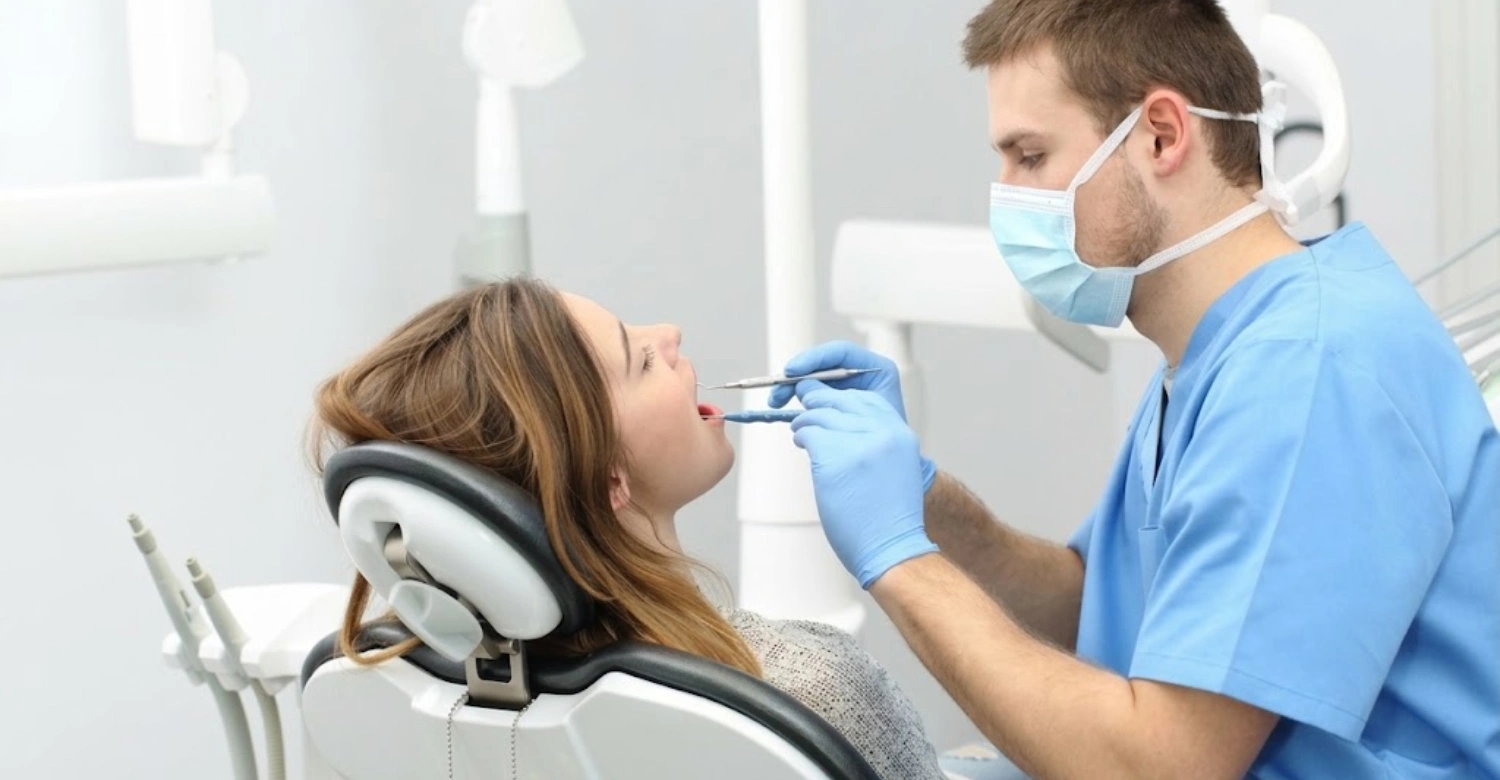
Can Poor Dental Hygiene Cause Tonsillitis?
These two questions are closely related, because dental hygiene influences the surrounding bacterial environment rather than acting as a standalone trigger. It plays a supporting role. The true, direct causes of tonsil infection are the viral and bacterial pathogens involved. Keeping the mouth healthy also helps reduce problems such as advanced tooth decay and oral infection.
Does Poor Dental Hygiene Cause Bacteria to Build Up?
Yes, the answer is clear: skipped brushing allows plaque to accumulate on the teeth and along the gumline within just a day or two. Left undisturbed, this plaque hardens. It continues to harbor bacteria that can spread throughout the mouth and throat. Professional teeth cleaning and oral health assessment can help identify and remove deposits that regular brushing cannot fully manage.
Can Oral Bacteria Contribute to Throat Infections?
Oral bacteria can contribute to throat infections by adding to the overall microbial burden the immune system has to manage. They are rarely the primary cause of an infection. But elevated oral bacteria levels can make an existing throat infection feel more intense or take longer to clear.
Can Poor Oral Hygiene Make Tonsil Problems More Likely?
This is best answered as a modest yes. It will not single-handedly cause tonsillitis. But a mouth with poor hygiene provides a more favorable bacterial environment, which can make recurring tonsil irritation somewhat more likely over time. Treating underlying periodontal problems is therefore an important part of maintaining oral health.
Can Poor Oral Hygiene Cause a Sore Throat?
This is a closely related question, since a sore throat and tonsillitis often overlap. Poor hygiene is not usually the root cause of a sore throat. But it can intensify irritation that is already present from another source. Good oral care remains important alongside medical assessment when throat symptoms persist.
Can Bacteria in the Mouth Cause Sore Throat?
Mouth bacteria can cause sore throat discomfort mainly by adding irritation to already-inflamed tissue. A heavy bacterial presence in the mouth can aggravate a throat that is already fighting a viral illness. This can make the soreness feel sharper or last a little longer than expected.
How Can Plaque and Bacteria Affect the Mouth and Throat?
Plaque and bacteria affect the mouth and throat by creating a persistent low-grade source of inflammation. Over time, this buildup can irritate the soft tissues near the back of the mouth, including the tonsils. This is especially true when combined with dehydration or an already weakened immune response.
Is Every Sore Throat Caused by Poor Oral Hygiene?
No, not every sore throat is caused by poor oral hygiene. Most sore throats come from viral illnesses, allergies, or dry air. Oral hygiene is only one of several contributing factors, and hygiene alone rarely explains every case.
Clinical Note
Sore throat and tonsillitis share overlapping symptoms. Identifying the true underlying cause, whether viral, bacterial, or hygiene-related, is essential before assuming oral hygiene is the primary factor.
What Causes Tonsillitis?
Understanding what actually causes tonsillitis helps put the brushing question into proper context. The tonsils are most often affected by pathogens entirely unrelated to daily brushing habits. Dental infections, however, can sometimes require procedures such as endodontic treatment when an infected tooth is responsible for oral symptoms.
Viral Infections and Tonsillitis
Viral infections are the most common cause of tonsillitis. They're responsible for the large majority of cases seen in both children and adults. Common cold viruses, adenovirus, and Epstein-Barr virus can all inflame the tonsils. They produce swelling, redness, and pain that typically resolve within about a week.
Bacterial Infections and Tonsillitis
Bacterial infections, most notably group A Streptococcus, cause a smaller but clinically significant share of tonsillitis cases. Dental habits are not the true trigger here. Bacterial tonsillitis tends to come with more intense throat pain, fever, and visible white patches on the tonsils. It generally requires targeted treatment rather than time alone.
Can Oral Bacteria Contribute to Tonsil Inflammation?
This is a reasonable question given their close anatomical relationship. Oral bacteria are not usually the primary trigger. But they can add to overall inflammation once a viral or bacterial tonsil infection has already begun, potentially prolonging recovery time.
Other Risk Factors for Tonsillitis
Beyond infection, other risk factors include close contact with sick individuals, young age, seasonal changes, and a weakened immune system. Frequent exposure to crowded settings such as schools also raises risk. Tonsillitis-causing viruses and bacteria spread easily through close, everyday contact.
Tips for the Patients
Wash hands frequently, especially during cold and flu season.
Avoid sharing utensils or drinks with someone who is sick.
Support immune health with adequate rest and hydration.
What Happens If You Do Not Brush Your Teeth Regularly?
Understanding this explains why oral hygiene still matters. A direct link to tonsillitis remains unproven by strong clinical evidence, but the effects on your mouth are well documented. Regular dental assessment can identify early problems before they become more difficult to manage.
Plaque and Bacteria Buildup
Skipping brushing allows a sticky film of plaque to form on the teeth within hours. This film is packed with living bacteria. Left undisturbed for even a few days, plaque hardens into tartar. This creates an even more stubborn source of ongoing bacterial buildup in the mouth.
Bad Breath and Gum Problems
One of the earliest signs of skipped brushing is persistent bad breath, caused by bacteria breaking down trapped food particles. Over time, untreated plaque along the gumline can lead to gum inflammation, redness, and bleeding. All of these reflect a rising bacterial presence in the mouth. Persistent gum symptoms should be assessed as part of periodontal care.
Tooth Decay and Gum Disease
Without regular brushing, bacteria steadily erode tooth enamel, leading to cavities. They also inflame the gums, which can progress to gum disease. Both conditions increase the overall bacterial load circulating through the mouth and throat, which is part of why this topic and general throat health are often discussed together. Severe decay may eventually require tooth extraction if the tooth cannot be saved.
How Can Poor Oral Hygiene Affect the Mouth and Throat?
Poor oral hygiene affects the mouth and throat as one connected system rather than two separate areas. Bacteria from untreated plaque, decay, or gum disease can travel toward the throat. This contributes to irritation and makes hygiene a relevant, if secondary, factor in throat health overall.
Can Brushing Teeth Prevent Tonsillitis?
Preventing tonsillitis entirely through brushing alone is unlikely, since most cases stem from viral or bacterial exposure outside the mouth. Still, consistent brushing meaningfully reduces the bacterial load in the mouth. This can support faster recovery and potentially milder symptoms when a throat infection does occur.
Does Brushing Teeth Reduce Harmful Bacteria?
Yes, this is well established in dental research. Regular brushing physically removes plaque before it can mature into tartar. This significantly lowers the number of harmful bacteria present in the mouth and reduces the bacterial exposure the throat and tonsils experience each day.
How Does Good Oral Hygiene Support Tonsil Health?
Good oral hygiene supports tonsil health by keeping the surrounding bacterial environment as low as possible. It will not stop a virus from causing tonsillitis. But a cleaner mouth means less added bacterial burden for the tonsils to manage while the body fights the actual infection.
What Other Habits Can Help Reduce the Risk of Tonsillitis?
Beyond brushing, staying hydrated, avoiding tobacco smoke, eating a balanced diet, and getting adequate sleep all support a stronger immune response. Combined with good oral hygiene, these habits offer the most realistic way to reduce overall tonsillitis risk. No single habit prevents it completely.
Tips for the Patients
Replace your toothbrush every three months.
Avoid smoking or secondhand smoke exposure.
Prioritize sleep to support immune function.
Oral Hygiene and Tonsillitis: What Is the Connection?
Oral hygiene and tonsillitis are connected through shared bacterial exposure rather than a direct cause-and-effect relationship. That's why there's no simple yes-or-no answer here. The mouth acts as a gateway to the throat. The cleanliness of that gateway can influence, though not solely determine, how the tonsils respond to infection.
Does Oral Hygiene Affect the Tonsils?
Yes, indirectly. A cleaner mouth means fewer bacteria circulating near the tonsils at any given time. This can support a milder course of illness when a genuine viral or bacterial tonsil infection develops.
Can Better Dental Hygiene Reduce Bacterial Buildup?
Dental research supports this. Consistent brushing and flossing lower measurable bacterial counts in the mouth. Lower bacterial counts mean less material available to spread toward the throat and tonsils during an active infection.
Can Poor Oral Hygiene Make Existing Throat Symptoms Worse?
This is a reasonable concern. A bacteria-heavy mouth can add extra irritation to tissue that is already inflamed. This does not cause the original infection, but it can extend discomfort or slow the pace of recovery.
How to Maintain Good Oral Hygiene to Support Tonsil Health
Maintaining strong oral hygiene habits is one of the most practical steps available for supporting tonsil health. Framing the brushing question as a simple yes-or-no is an oversimplification of a more layered relationship. Regular professional care can also help prevent plaque and tartar from becoming long-term sources of oral inflammation.
Brush Your Teeth Twice a Day
Brushing twice a day for two minutes each time removes the plaque that accumulates from food and saliva throughout the day. This simple habit is the single most effective way to keep bacterial levels in the mouth consistently low.
Floss or Clean Between Your Teeth Daily
Flossing removes plaque and food particles from between the teeth that a toothbrush cannot reach. Skipping this step allows bacteria to persist in these tight spaces. This contributes to gum irritation and adds to the mouth's overall bacterial burden. Interdental cleaning is particularly useful for patients with dental bridges or other restorations.
Clean Your Tongue
The tongue's surface harbors a significant amount of bacteria, particularly toward the back near the tonsils. Gently brushing or scraping the tongue daily reduces this bacterial reservoir. It can noticeably improve breath freshness alongside overall oral cleanliness.
Stay Hydrated
Staying hydrated keeps saliva flowing at a healthy rate. Saliva naturally helps wash away food particles and bacteria throughout the day. A dry mouth, by contrast, allows bacteria to concentrate more easily, which can affect both dental and throat comfort.
Visit Your Dentist Regularly
Routine dental visits allow plaque and tartar to be professionally removed before they contribute to larger problems. Regular checkups also catch early gum disease or decay. Both are linked to elevated bacterial activity relevant to throat health. A comprehensive dental examination can help identify these issues early.
Tips for the Patients
Set a consistent daily brushing and flossing routine.
Use an antibacterial mouth rinse if recommended by your dentist.
Schedule dental checkups at least twice a year.
When Should You See a Dentist or Doctor for Tonsillitis Symptoms?
Knowing when to seek professional care matters more than trying to work out the cause on your own. Certain symptoms call for prompt medical attention regardless of the underlying cause.
Persistent Sore Throat
A sore throat that lasts longer than a week, or keeps returning frequently, should be evaluated rather than managed with home care alone. Oral hygiene is only one small piece of a larger picture. Persistent symptoms can indicate a bacterial infection or another underlying issue that needs targeted treatment.
Swollen or Painful Tonsils
Visibly swollen, red, or white-spotted tonsils accompanied by significant pain are a clear sign that professional evaluation is needed. These symptoms often indicate an active infection requiring more than oral hygiene adjustments to resolve.
Difficulty Swallowing
Difficulty swallowing, especially if it worsens over a day or two, can signal significant tonsil swelling that may affect breathing or eating. This symptom should prompt a same-day evaluation rather than being monitored at home.
Fever or Severe Throat Pain
A high fever combined with severe throat pain often points toward a bacterial infection such as strep throat, which typically requires antibiotics. These symptoms should never be attributed to oral hygiene alone and warrant a timely medical assessment.
Does Poor Oral Hygiene Cause Tonsillitis in Children?
This is a common concern for parents, since children are naturally more prone to tonsillitis. Their developing immune systems and frequent close contact with other children both play a role.
Can Children Develop Tonsillitis From Oral Bacteria?
This is unlikely on its own, and the answer is the same as it is for adults. Most pediatric tonsillitis cases stem from common childhood viruses or strep bacteria picked up at school or daycare.
Why Is Children's Oral Hygiene Important?
Children's oral hygiene is important because young children are still developing consistent brushing habits. They're more prone to plaque buildup as a result. Establishing good habits early helps keep bacterial levels lower, supporting both dental and general throat health.
How Can Parents Encourage Better Brushing Habits?
Parents can supervise brushing until children can do it thoroughly on their own. Making the routine consistent and predictable helps too. Scheduling regular dental visits ensures any early oral hygiene issues are caught and corrected quickly.
Tips for the Patients
Supervise brushing for younger children until habits are established.
Choose a fun, child-friendly toothbrush to encourage consistency.
Schedule a child's first dental visit early and keep it regular.
Poor Oral Hygiene and Tonsillitis: Myths vs. Facts
Separating myths from facts is essential here, since the relationship is often oversimplified in casual conversation compared to what the evidence actually supports.
Myth: Does Not Brushing Teeth Cause Tonsillitis Directly?
No, this is a myth. Tonsillitis requires a specific viral or bacterial trigger reaching the tonsils. Skipped brushing alone does not create that trigger, even though it can raise the surrounding bacterial load over time.
Can Mouth Bacteria Contribute to Tonsil Problems?
Yes, this is a fact supported by the anatomical closeness of the mouth and throat. Elevated oral bacteria can add to inflammation once an infection is underway, even though they are not usually the original cause.
Can Good Oral Hygiene Completely Prevent Tonsillitis?
No, good oral hygiene cannot completely prevent tonsillitis. Most cases originate from viruses or bacteria unrelated to the mouth. It remains a genuinely useful supporting habit, but it is not a guaranteed shield against every tonsil infection.
How Can Vitrin Clinic Help With Oral Hygiene and Dental Health?
Vitrin Clinic supports patients in maintaining the kind of consistent oral hygiene that keeps bacterial buildup low. This addresses the practical, dental side of the picture, even though tonsillitis treatment itself falls outside dental care.
Comprehensive Dental Examination at Vitrin Clinic
At Vitrin Clinic, every visit begins with a thorough dental examination. It reviews the teeth, gums, and tongue for early signs of plaque buildup, decay, or inflammation. This gives a clear picture of the mouth's overall bacterial environment. Patients needing broader care can explore the clinic's dental treatments.
Identifying Plaque, Tooth Decay, and Gum Problems
Vitrin Clinic focuses on identifying plaque, tooth decay, and gum problems early, before they progress into larger sources of bacterial buildup. Catching these issues early supports better oral hygiene overall. It also reduces unnecessary bacterial exposure in the mouth and throat.
Professional Teeth Cleaning
Professional teeth cleaning at Vitrin Clinic removes hardened tartar and plaque that daily brushing alone cannot fully clear. This deeper level of cleaning helps maintain lower bacterial levels in the mouth, supporting the broader goal of good oral and throat health. It can also prepare patients for treatments such as dental crowns when restorative care is required.
Personalized Oral Hygiene Recommendations
Vitrin Clinic provides personalized oral hygiene recommendations based on each patient's specific needs. This might mean adjusting brushing technique, introducing flossing tools, or addressing existing gum concerns. The goal is always keeping the mouth's bacterial load consistently in check.
What We Notice Clinically
At Vitrin Clinic, maintaining good oral health starts with identifying problems that may contribute to bacterial buildup, such as plaque, tartar, tooth decay, or gum disease. The emphasis is on consistent oral hygiene and professional dental care as part of a healthy mouth.
Tips for the Patients
Treat oral hygiene as supportive care, not a guaranteed prevention method.
Address plaque and gum issues early rather than waiting for symptoms.
Combine good oral hygiene with general immune-supporting habits.
Clinical Note
A direct link between skipped brushing and tonsillitis remains unproven. Even so, maintaining strong oral hygiene is still a reasonable, low-effort habit that supports overall mouth and throat health.
Resource:
In conclusion, not brushing your teeth does not directly cause tonsillitis. But poor oral hygiene may increase bacterial buildup and contribute to infection risk. A 2024 study found a significant association between oral hygiene, bad breath, and acute tonsillitis. This highlights the importance of regular brushing and oral care as part of prevention.
https://pmc.ncbi.nlm.nih.gov/articles/PMC10999235/
FAQs

Dr. Rifat Alsaman has more than 5 years of clinical experience in dentistry and currently serves as the Head of the Medical Team at Vitrin Clinic. He is dedicated to providing exceptional patient care, overseeing treatment planning, and ensuring the highest clinical standards across the team. His expertise, attention to detail, and commitment to continuous professional development have helped countless patients achieve healthier, more confident smiles.


