General Dentistry
August 11, 2026
Anemia and Teeth: How Does Anemia Affect Your Oral Health?
 Dr. Rifat Alsaman
.webp&w=3840&q=75)
Anemia and teeth are connected in ways many patients never expect. Low iron or low hemoglobin levels can quietly change how the gums, tongue, and enamel behave. Iron deficiency is the most prevalent nutritional deficiency worldwide. It accounts for roughly half of all anemia cases. Iron deficiency anemia affects an estimated two billion people globally, mostly in non-industrialized regions. The mouth is rich in blood vessels and fast-growing tissue. Because of this, it often reflects these changes early. Understanding anemia and teeth helps patients recognize warning signs. It also helps them seek the right combination of medical and dental care.
What Is Anemia and How Can It Affect Your Teeth?
Anemia and teeth connect through the blood supply that nourishes every tissue in the mouth. This includes the gums, tongue, and supporting bone. When red blood cells or hemoglobin levels drop, oral tissues can be among the first places changes appear. These tissues rely heavily on a steady, oxygen-rich blood flow. This blood flow keeps them healthy, helps them repair, and helps them resist irritation from daily chewing and cleaning.
What Is Anemia?
Anemia is a condition where the blood lacks enough healthy red blood cells or hemoglobin. This means it cannot carry adequate oxygen throughout the body. It can result from iron deficiency, vitamin shortages, chronic disease, or blood loss. Oxygen delivery affects nearly every organ. Because of this, anemia can produce fatigue, paleness, and visible changes inside the mouth. These oral changes are an important part of anemia and oral health.
How Does Anemia Affect Oral Health?
Anemia and oral health are closely linked. Reduced oxygen delivery slows tissue repair and weakens the mucous membranes lining the mouth. This can lead to paler gums, a smoother or sorer tongue, and increased sensitivity. Saliva production may also be affected. This changes how the mouth naturally cleans itself. It also affects how well the mouth resists irritation or bacterial buildup throughout the day.
Can Anemia Affect Your Teeth?
Can anemia affect your teeth directly? This is a common question. The honest answer is that anemia mainly affects the soft tissues around the teeth, not the enamel itself. However, indirect effects can still matter. Dry mouth, tissue fragility, and reduced healing capacity can create conditions where dental problems are more likely to develop or worsen over time.
The Connection Between Anemia and Dental Health
The connection between anemia and dental health lies in shared risk factors. These include poor nutrition, chronic inflammation, and reduced tissue oxygenation. Patients with unmanaged anemia may notice slower healing after dental procedures. They may also notice more frequent gum irritation or a tongue that feels unusually smooth or tender. These changes are worth discussing with both a physician and a dental provider.
Why Blood and Nutrient Levels Matter for Oral Tissues
Blood and nutrient levels matter for oral tissues. Gums, tongue tissue, and the lining of the mouth regenerate constantly. They need iron, vitamin B12, and folate to do so efficiently. When these nutrients run low, tissue turnover slows. This makes the mouth more vulnerable to soreness, cracking, and inflammation. These issues can persist until the underlying deficiency is corrected.
Clinical Note: Oral symptoms alone cannot confirm anemia. A proper medical assessment and blood tests are needed to confirm whether anemia or iron deficiency is present. These oral changes can resemble other unrelated conditions. Those conditions require separate evaluation and treatment.
Anemia Teeth Symptoms: What Changes Should You Look For?
Anemia teeth symptoms often appear gradually. They can be easy to overlook at first. A study compared 75 patients with iron deficiency anemia to 150 matched controls. It found significantly higher rates of oral changes in the anemia group. Burning mouth sensation was the most common, affecting 76 percent of cases. Dry mouth, tongue swelling, and lichen planus were also common. This shows how widespread anemia mouth symptoms can become.
Pale Gums and Oral Tissues
Pale gums and oral tissues are among the most recognizable anemia teeth symptoms. They appear lighter pink or almost white compared to their usual healthy color. This paleness reflects reduced blood flow and lower hemoglobin levels beneath the surface. While subtle, it is often one of the first clues a dental provider notices during a routine exam.
Sore or Inflamed Tongue
A sore or inflamed tongue is sometimes called atrophic glossitis. It can develop when iron or vitamin B12 levels are low. The tongue may appear smoother than usual as its small surface papillae flatten. It can also feel tender while eating, especially with spicy or acidic foods. This makes it one of the more uncomfortable anemia mouth symptoms patients report.
Burning or Sensitive Mouth
A burning or sensitive mouth is a frequently reported symptom. Patients often describe it as a persistent tingling or hot sensation without any visible cause. This discomfort can affect the tongue, lips, or the inside of the cheeks. It often worsens throughout the day. This makes it an important sign to mention when discussing anemia and teeth concerns with a healthcare provider. Already feeling discomfort while eating? Read why your teeth hurt when you eat.
Cracks at the Corners of the Mouth
Cracks at the corners of the mouth are known as angular cheilitis. They can form when nutrient deficiencies weaken the skin and soft tissue in this area. These small fissures may sting, bleed slightly, or become irritated by talking and chewing. They tend to heal slowly until the underlying anemia or deficiency is properly treated.
Mouth Sores and Discomfort
Mouth sores and discomfort can appear more often in patients with unmanaged anemia. This includes recurrent ulcers or patches of irritation. Reduced tissue oxygenation slows healing. Because of this, sores may take longer to resolve than expected. Tracking how often these sores occur can give both dentists and physicians useful information about ongoing anemia and dental health. Not sure if it's an ulcer or something more serious? Find out in mouth ulcer vs. abscess.
What We Notice Clinically: At Vitrin Clinic, visible changes in oral tissues are treated as useful signs. They can encourage patients to seek further evaluation. The dental team considers a patient's overall oral condition, including these anemia teeth symptoms, when assessing unexplained changes noticed during a visit.
Tips for the Patients: If you notice persistent changes in your gums, tongue, or oral tissues, do not assume they are caused by a dental problem alone. Discuss ongoing symptoms with both your dentist and physician. These signs often require input from more than one type of provider.
Iron Deficiency Anemia and Teeth: What Is the Connection?
Iron deficiency anemia and teeth are linked. Iron plays a direct role in maintaining healthy oral tissue and supporting normal saliva function. A pediatric study also found a link between iron supplementation in infancy and the eruption timing of the first baby tooth. This shows how iron levels can influence dental development itself.
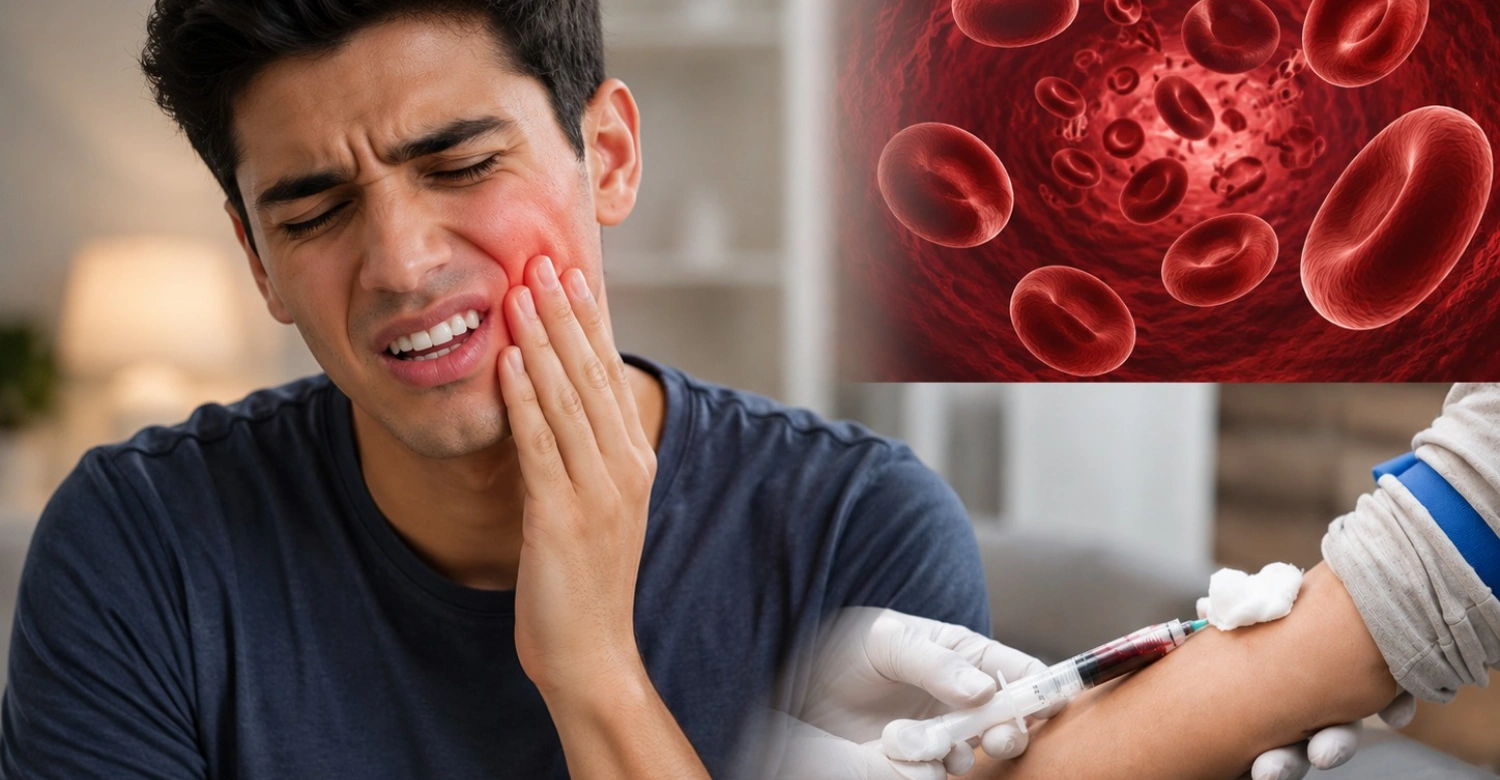
How Iron Supports Oral Health
Iron supports oral health by helping tissues throughout the mouth receive adequate oxygen for repair and renewal. It also helps maintain the strength and moisture balance of the mucous membranes lining the cheeks, gums, and tongue. Without sufficient iron, these tissues can become fragile, drier, and more prone to irritation.
Iron Deficiency and Oral Tissues
Iron deficiency and teeth-related tissues share a sensitive relationship. Low iron reduces the oxygen-carrying capacity that oral cells depend on for constant renewal. This can lead to a paler appearance of the gums, a smoother tongue surface, and slower recovery from minor irritation. These changes reflect the broader systemic impact of iron shortage.
Iron Deficiency Anemia Oral Health Effects
Iron deficiency anemia oral health effects extend beyond simple paleness. They often include burning sensations, dryness, and a higher likelihood of tongue inflammation. Research comparing patients with iron deficiency anemia to healthy controls has repeatedly found these oral changes to be significantly more common. This reinforces why iron status is worth discussing during any dental evaluation.
Can Iron Deficiency Affect Tooth Health?
Can iron deficiency affect tooth health? This is a fair question, since iron itself is not a structural component of enamel. However, iron deficiency can reduce saliva flow and cleaning ability. This indirectly raises the risk of plaque buildup and decay over time. The connection between anemia and teeth health is indirect but meaningful.
Clinical Note: Iron deficiency should be diagnosed through appropriate medical testing rather than by dental symptoms alone. Even when oral changes are noticeable, a blood test remains the only reliable way to confirm whether iron deficiency anemia is present.
Can Anemia Cause Cavities?
Can anemia cause cavities? This is one of the most searched questions about anemia and teeth. The answer involves several contributing mechanisms. A systematic review and meta-analysis linked iron deficiency anemia to dental caries. The link works through reduced salivary gland function, decreased saliva production, and impaired remineralization capacity. However, the overall certainty of this evidence was rated very low. Learn exactly how this process unfolds in the causes of tooth decay.
Understanding Anemia and Cavities
Understanding anemia and cavities starts with saliva. Saliva normally rinses away food particles, neutralizes acid, and helps remineralize enamel. When anemia reduces saliva flow, this natural protective cycle weakens. This gives bacteria more opportunity to produce the acid that leads to decay. This risk is higher in patients who already have other risk factors.
Does Iron Deficiency Increase the Risk of Tooth Decay?
Does iron deficiency increase the risk of tooth decay? Evidence shows reduced saliva production and slower tissue repair in affected patients. Iron deficiency alone rarely causes cavities directly. However, it can tip the balance toward decay when combined with existing plaque, dietary sugar, or inconsistent oral hygiene habits. Discover the connection between dryness and your oral health in dry mouth and periodontal disease.
Other Factors That Can Cause Cavities
Other factors that can cause cavities include a diet high in sugar or acidic foods. Inconsistent brushing and flossing, bacterial buildup, and naturally weaker enamel also play a role. A national study found that moderate and severe periodontitis were linked to significantly higher odds of anemia. This shows how oral and systemic health can influence each other in both directions. See how far untreated gum disease can progress in how bad periodontal disease can get.
Anemia and Dental Problems
Anemia and dental problems often overlap. Both share underlying contributors, such as poor nutrition and reduced healing capacity. Anemia prevalence was notably higher among patients with moderate to severe periodontitis, particularly among adults aged 30 to 49. This suggests a two-way relationship worth monitoring closely.
What We Notice Clinically: At Vitrin Clinic, cavities are understood to have multiple contributing factors. These include oral hygiene, diet, bacteria, saliva, and enamel-related factors. Tooth decay should not be assumed to have a single direct cause without a full evaluation.
Tips for the Patients: Maintain regular brushing, flossing, professional dental checkups, and a balanced diet. If you have anemia and experience repeated dental problems, discuss both your medical and oral health history with your providers. This helps address anemia and dental problems together.
Anemia and Oral Health: How Can It Affect the Gums and Tongue?
Anemia and oral health intersect most visibly at the gums and tongue. These two tissues depend heavily on a steady blood supply. Because these areas renew themselves quickly, they are often where anemia and teeth related changes become noticeable first. This can happen well before a patient suspects anything is systemically wrong.
Anemia and Gum Health
Anemia and gum health are connected through blood flow and tissue oxygenation. Healthy gums rely on a strong vascular supply to stay firm, pink, and resistant to irritation. Don't ignore bleeding gums — see what they're really telling you in the stages of periodontal disease.In anemic patients, gums may appear paler. They can also bleed more easily or heal more slowly after normal brushing, flossing, or minor dental work. Noticing unusual changes in your gums? See the full picture in how gingivitis starts.
Anemia and Tongue Changes
Anemia and tongue changes commonly include a smoother, redder, or more tender surface. This happens as the small papillae that give the tongue its texture become flattened. Some patients also notice a burning sensation or altered taste perception. Both tend to improve once the underlying anemia or nutrient deficiency is properly treated.
Anemia Mouth Symptoms
Anemia mouth symptoms as a group typically include paleness, dryness, burning sensations, cracked corners of the mouth, and a smoother tongue texture. These symptoms can vary in intensity from mild to quite uncomfortable. Recognizing the full pattern can help patients connect what they experience in the mouth to a broader medical picture.
Oral Sensitivity and Discomfort
Oral sensitivity and discomfort in anemic patients often stem from thinner, more fragile mucous membranes. These membranes react more strongly to spicy, acidic, or hot foods. This heightened sensitivity can make eating less enjoyable. In some cases, patients may avoid certain foods altogether until the underlying anemia is addressed.
Clinical Note: Persistent oral changes should be evaluated rather than self-diagnosed based on internet information. Anemia and teeth symptoms can overlap with several other oral conditions. A proper in-person assessment remains the most reliable way to identify the actual cause.
Anemia and Dental Health: Does Anemia Affect Dental Treatment?
Anemia and dental health considerations become especially relevant before dental procedures. Anemia can influence healing time, bleeding tendency, and how a patient tolerates certain treatments. Sharing a full medical history helps the dental team plan safely around anemia and teeth concerns during any procedure.
Dental Treatment for Patients With Anemia
Dental treatment for patients with anemia generally proceeds normally for routine care. Some considerations may apply for more involved procedures. Mild anemia rarely changes standard treatment plans. Still, it remains helpful information for the dental team to have on file before scheduling anything more complex than a routine cleaning or checkup. See what a proactive dental checkup actually involves in preventive dentistry at Vitrin Clinic.
What Should You Tell Your Dentist?
What should you tell your dentist? Mention any diagnosed anemia, iron deficiency, related medications or supplements, and recent blood test results if available. This information helps the dental team anticipate healing patterns and bleeding risk. It also helps them plan any adjustments needed for a smoother, safer treatment experience.
Does Anemia Affect Dental Procedures?
Does anemia affect dental procedures? This depends largely on severity. Mild, well-managed anemia typically has little impact on routine dental work. More significant or untreated anemia may warrant extra precautions. This is especially true for procedures involving surgery, sedation, or a higher risk of bleeding, where coordination with a physician can be valuable. Curious how imaging supports safer treatment planning? Explore CT scans for teeth.
When Should Dental Treatment Be Delayed or Modified?
When should dental treatment be delayed or modified? This depends on the severity of the anemia and the complexity of the planned procedure. Severe, unmanaged anemia may call for postponing elective treatment until levels improve. Urgent dental needs are typically still addressed, with any necessary precautions in place.
Tips for the Patients: Tell your dental team about diagnosed anemia, iron deficiency, medications, supplements, and any relevant medical recommendations before undergoing dental treatment. This helps your anemia and teeth care get planned with your full health picture in mind.
How Is Anemia Diagnosed and Treated?
Anemia is diagnosed and treated primarily through medical evaluation, not dental assessment alone. A single-center clinical analysis spanning eleven years found that iron deficiency was the most commonly observed nutritional deficiency among dental patients, particularly among women. This underscores why anemia and teeth findings so often prompt a referral for medical testing.
Blood Tests for Anemia
Blood tests for anemia typically measure hemoglobin, hematocrit, and red blood cell counts. These confirm whether anemia is present and how severe it is. Additional tests, such as ferritin or iron panels, help identify the specific type of anemia. This guides the physician toward the most appropriate treatment approach.
Identifying Iron Deficiency
Identifying iron deficiency usually involves checking serum ferritin and iron levels alongside a complete blood count. Low ferritin often signals depleted iron stores even before anemia becomes severe. Early identification allows treatment to begin sooner. This can help prevent some of the oral changes associated with anemia and teeth concerns.
Treating the Underlying Cause
Treating the underlying cause of anemia may involve iron supplementation, dietary changes, or vitamin B12 or folate replacement. It may also involve addressing an unrelated medical condition responsible for the deficiency. Anemia has many possible causes. Treatment is most effective when guided by a physician after appropriate testing has identified the specific source.
Can Treating Anemia Improve Oral Symptoms?
Can treating anemia improve oral symptoms? This is a hopeful question, and in many cases the answer is yes. As hemoglobin and nutrient levels normalize, tissue oxygenation improves. Symptoms such as tongue soreness, burning sensations, and pale gums often gradually resolve. This reinforces the connection between anemia and teeth health.
Clinical Note: Treating anemia should focus on identifying and addressing its underlying cause under appropriate medical supervision. Resolving these symptoms depends on correcting the root condition, not just managing oral symptoms in isolation.
How Can You Protect Your Teeth and Oral Health If You Have Anemia?
Protecting your teeth and oral health with anemia involves consistent dental habits and attentive medical management together. Anemia and teeth are so closely connected that addressing both sides of the picture matters. This gives patients the best chance of avoiding ongoing discomfort or recurring oral issues.
Maintain Good Oral Hygiene
Maintaining good oral hygiene means brushing twice daily and flossing regularly. Use a soft-bristled brush if oral tissues feel sensitive. Gentle, consistent care helps protect fragile gums and tongue tissue from further irritation. It also keeps plaque under control, which matters whether anemia is currently present or being treated.
Eat a Nutrient-Rich Diet
Eating a nutrient-rich diet that includes iron, vitamin B12, and folate supports both overall health and oral tissue repair. Foods such as leafy greens, lean meats, legumes, and fortified grains can help address nutritional gaps. Any significant dietary changes should be discussed with a physician managing the underlying anemia. See how everyday nutrition connects to your whole-body wellness in gut health and oral health.
Stay Consistent With Dental Checkups
Staying consistent with dental checkups allows early detection of cavities, gum problems, and enamel concerns before they progress. Regular visits also give the dental team a chance to monitor anemia teeth symptoms over time. This allows them to compare changes from visit to visit, rather than relying on a single observation.
Manage Dry Mouth or Oral Discomfort
Managing dry mouth or oral discomfort can involve staying well hydrated and using sugar-free lozenges. Avoiding overly spicy or acidic foods also helps, since these can irritate sensitive tissue. These simple adjustments can meaningfully reduce daily discomfort while the underlying anemia is treated. Get the full picture on this connection in our dedicated guide to dry mouth and gum health.
Follow Your Medical Treatment Plan
Following your medical treatment plan is one of the most effective ways to support long-term oral health. This includes any prescribed iron supplements or follow-up blood tests. As anemia improves under medical care, many anemia mouth symptoms tend to ease alongside it. This reinforces the value of consistent follow-through.
Tips for the Patients: Good oral hygiene remains important regardless of whether anemia is present. Regular dental visits can help detect cavities, gum problems, enamel concerns, and other anemia and teeth related issues before they become more serious.
Anemia and Teeth: When Should You See a Dentist?
Anemia and teeth related concerns are worth bringing to a dentist whenever oral changes persist, even if they seem minor at first. Early evaluation can help distinguish ordinary dental issues from those connected to an underlying nutritional or blood-related condition. That condition may need separate medical attention.
Persistent Mouth Symptoms
Persistent mouth symptoms are worth scheduling an evaluation for. This includes ongoing burning sensations, dryness, or soreness lasting more than a couple of weeks. Occasional discomfort can happen for many reasons. But symptoms that do not resolve on their own deserve a closer look from a dental professional. Symptoms lingering more than a couple of weeks? Learn what could be behind it in infected gums treatment.
Changes in the Gums or Tongue
Changes in the gums or tongue are worth pointing out during a dental visit, even if they seem minor. This includes unusual paleness, smoothness, swelling, or color changes. These visible shifts can sometimes be an early clue connected to anemia and teeth health. Otherwise, they might go unnoticed for some time.
Recurrent Dental Problems
Recurrent dental problems can sometimes signal that something beyond typical oral hygiene habits is at play. This includes repeated cavities or gum irritation despite good home care. Reviewing these patterns with a dental provider can help determine whether further medical evaluation, including bloodwork, might be worthwhile. Wondering if gum disease could be hereditary too? Read is periodontal disease hereditary.
Unexplained Oral Discomfort
Unexplained oral discomfort that does not match an obvious dental cause is a reasonable reason to seek evaluation. This includes discomfort not explained by a cavity or gum infection. Ruling out dental causes first, then considering broader factors like anemia and teeth connections, helps ensure nothing is overlooked.
What We Notice Clinically: Persistent or unusual oral changes deserve professional evaluation. Vitrin Clinic can assess the dental aspects of these anemia and teeth concerns and determine whether additional medical evaluation may also be appropriate for the patient.
How Vitrin Clinic Supports Patients With Anemia and Dental Concerns
Vitrin Clinic focuses on personalized dental care based on each patient's oral condition and treatment goals. For patients experiencing oral symptoms alongside anemia or iron deficiency, discussing their medical history with the dental team matters. This helps create a more informed approach to anemia and teeth care from the very first visit.
Comprehensive Dental Assessment
A comprehensive dental assessment at Vitrin Clinic looks beyond individual teeth. It considers the gums, tongue, and overall oral tissue condition. This broader view helps the dental team notice patterns that might relate to anemia and teeth concerns. It supports a more complete picture of a patient's oral health. Curious how digital diagnostics improve your treatment plan? Explore Digital Smile Design.
Personalized Treatment Planning
Personalized treatment planning considers each patient's medical background, including any diagnosed anemia or nutritional deficiencies. This shapes how the dental care approach is designed. It helps ensure that recommendations for cleanings, restorative work, or cosmetic procedures fit the patient's current health status and healing capacity.
Cosmetic and Restorative Dental Care
Cosmetic and restorative dental care at Vitrin Clinic is planned with attention to a patient's overall oral condition. Tissue health can influence healing after certain procedures. Considering anemia and teeth factors during planning helps support better outcomes for both functional and cosmetic dental treatments.
Patient-Centered Dental Experience
A patient-centered dental experience means the Vitrin Clinic team takes time to listen to reported symptoms. They review relevant medical history and coordinate care thoughtfully. This approach supports patients navigating both dental needs and broader health concerns, including those connected to anemia and teeth conditions.
What We Notice Clinically: Dental professionals can identify oral findings, but anemia itself requires medical diagnosis and management. At Vitrin Clinic, dental care can be coordinated around the patient's existing health information when appropriate for their anemia and teeth treatment plan.
Clinical Note: Treating anemia should focus on identifying and addressing its underlying cause under appropriate medical supervision. Dental care at Vitrin Clinic supports the oral side of that broader treatment picture.
Tips for the Patients: Tell your dental team about diagnosed anemia, iron deficiency, medications, supplements, and any relevant medical recommendations before undergoing dental treatment. This gives your care team the full picture needed for anemia and teeth management.
Resource:
Anemia and teeth are more closely connected than many people realize. Iron deficiency anemia can cause noticeable oral symptoms, including burning sensations, dry mouth, and changes to the tongue. A study published in the Journal of the Formosan Medical Association found that patients with iron deficiency anemia experienced oral manifestations significantly more often than healthy individuals. Recognizing these signs early can help support both better oral health and overall well-being.
https://pubmed.ncbi.nlm.nih.gov/24388269/
https://pubmed.ncbi.nlm.nih.gov/17448211/
https://pubmed.ncbi.nlm.nih.gov/11709685/
FAQs
Dr. Rifat Alsaman has more than 5 years of clinical experience in dentistry and currently serves as the Head of the Medical Team at Vitrin Clinic. He is dedicated to providing exceptional patient care, overseeing treatment planning, and ensuring the highest clinical standards across the team. His expertise, attention to detail, and commitment to continuous professional development have helped countless patients achieve healthier, more confident smiles.


.webp&w=3840&q=75)

