Periodontics
September 24, 2026
What Is the Connection Between Arginine Metabolism and Periodontal Disease?
 Dr. Rifat Alsaman
Arginine Metabolism and Periodontal Disease are connected through complex interactions within the oral microbiome. Arginine is an amino acid found in saliva, food, and oral biofilms. Certain bacteria use arginine through metabolic pathways that produce alkaline compounds. These reactions may influence oral pH and the wider microbial ecology.
Periodontal disease develops through interactions between microbial communities and the host inflammatory response. Arginine metabolism therefore represents one component of a much broader biological environment. Current evidence does not establish it as an independent cause of periodontitis. Research on Arginine Metabolism and Periodontal Disease mainly explores how microbial metabolism shapes plaque ecology. Periodontal diagnosis still depends on clinical examination and appropriate dental assessment.
What Is Arginine Metabolism in the Mouth?
Arginine metabolism describes how oral microorganisms and host tissues process the amino acid arginine. Research on Arginine Metabolism and Periodontal Disease asks whether these processes influence periodontal microbial communities. Oral bacteria possess different metabolic capabilities, so their effects vary considerably. Some microorganisms break down arginine through pathways that generate ammonia. These reactions can raise local pH under certain conditions. However, periodontal disease involves many species, host immune responses, and environmental factors. Arginine metabolism should not be seen as a single mechanism controlling gum health. Clinical care remains focused on controlling plaque, inflammation, and tissue destruction.
What Is Arginine and Why Is It Important in Oral Health?
Arginine is an amino acid involved in numerous biological processes throughout the body. It contributes to protein building, cell signaling, and several metabolic reactions. Within the mouth, arginine also serves as a substrate for microbial metabolism. Studies on Arginine Metabolism and Periodontal Disease consider how this substrate influences microbial activity. Some bacteria convert arginine into products that alter conditions within plaque and saliva. Its importance does not mean that extra arginine prevents gum disease. Oral health depends on microbial composition, hygiene, immunity, smoking, and diabetes. Arginine is one biochemical component within a much larger periodontal system.
What Does Arginine Metabolism Mean in the Oral Microbiome?
The oral microbiome contains hundreds of species with different metabolic capabilities. Some bacteria use arginine as an energy or nutrient source. The arginine deiminase system is one important pathway for bacterial arginine use. This pathway generates ammonia, which may reduce local acidity. Microbial metabolism can therefore affect competition between bacterial populations. Changes in plaque composition may influence inflammation alongside other disease-associated factors. However, metabolism alone cannot determine whether periodontitis develops. Researchers examine metabolic pathways together with microbial diversity and host responses.
Where Does Oral Arginine Come From?
Arginine reaches the mouth through several sources, including dietary proteins and saliva. Some bacteria may also produce arginine that neighboring organisms consume. Dental plaque provides another environment where bacteria access nutrients. The amount available depends on diet, salivary flow, microbial activity, and local conditions. These factors vary between individuals and across the day. Oral arginine availability therefore does not remain constant. Understanding these sources helps researchers study metabolism in different oral environments.
Dietary Sources of Arginine
Arginine naturally occurs in many protein-containing foods. Examples include nuts, seeds, legumes, meat, poultry, seafood, and some dairy products. However, eating arginine-rich foods does not directly improve or worsen gum disease. Digestion processes proteins before their amino acids reach the bloodstream. Oral exposure varies with food type, chewing, saliva, and meal duration. Overall dietary quality matters more than one amino acid alone. Patients should avoid diet changes aimed at gum disease without professional guidance.
Arginine in Saliva and Oral Biofilms
Saliva provides nutrients and molecules that support the oral microbial ecosystem. Arginine present in saliva can become available to microorganisms. Work on Arginine Metabolism and Periodontal Disease investigates how these substrates interact with bacterial communities. Dental biofilms create structured environments where nutrients and metabolic products accumulate locally. Arginine metabolism may change local pH under suitable conditions. However, biofilm composition determines which pathways are active. Effective plaque control remains fundamental for protecting periodontal tissues.
How Do Oral Bacteria Metabolize Arginine?
Different oral bacteria possess different enzymes for processing arginine. One well-studied mechanism is the arginine deiminase system. Through this pathway, bacteria convert arginine into citrulline, ornithine, and ammonia. The pathway also generates ATP, supporting bacterial energy needs. Ammonia may increase local pH within dental plaque. However, not every oral bacterium has identical metabolic capabilities. Some species use the pathway heavily, while others lack it entirely. The consequences depend on microbial composition and environmental conditions.
The Arginine Deiminase System
The arginine deiminase system is a bacterial pathway for metabolizing free arginine. It links microbial metabolism with measurable environmental changes. Several enzymatic reactions convert arginine into citrulline, ammonia, and other products. ATP is also produced for bacterial cellular functions. Ammonia may raise pH within an oral biofilm. This can influence microbial competition and ecological conditions. The pathway's presence does not indicate periodontal health or disease by itself.
Arginine, Citrulline, Ornithine, Ammonia, and ATP
Within the arginine deiminase system, arginine is first converted into citrulline. Citrulline is then processed into ornithine and carbamoyl phosphate. The final steps release ammonia and generate ATP for the bacterium. ATP provides metabolic energy, while ammonia increases plaque alkalinity. Metabolite concentrations depend on bacterial activity, nutrients, saliva, and environmental conditions. These compounds should not be interpreted separately from the wider microbial community. They do not provide a direct clinical measure of gum health.
How Arginine Metabolism Changes the Oral Environment
Microbial metabolism modifies chemical conditions around bacteria within oral biofilms. Arginine breakdown generates alkaline products, particularly ammonia. Increased alkalinity can counteract acidic conditions within certain biofilms. This mechanism has received considerable attention in dental caries research. Periodontal pockets, however, form a different ecological environment. Findings from caries research cannot automatically be applied to periodontitis. Host inflammatory responses also shape the periodontal environment strongly.
Learn about IBD and oral health
How Does Arginine Metabolism Affect Periodontal Disease?
The link between Arginine Metabolism and Periodontal Disease involves microbial ecology, inflammation, and periodontal pocket changes. Arginine metabolism can alter local chemistry by producing alkaline metabolites. It may also shift nutrient availability for neighboring bacteria. However, periodontitis results from interactions between microbial communities and host responses. Current guidelines do not identify arginine metabolism as a standalone treatment target. Care focuses on diagnosis, plaque control, and risk-factor management.
What Is the Relationship Between Arginine and Gum Disease?
Arginine may influence the oral environment through bacterial metabolic pathways. Some bacteria convert arginine into alkaline products that alter local pH. However, gum inflammation cannot be explained by arginine availability alone. Smoking, diabetes, plaque, dysbiosis, and individual susceptibility also influence risk. Evidence for arginine products is stronger for caries and sensitivity than periodontitis. Patients should not expect arginine products to resolve gum disease. Persistent gum inflammation still requires professional periodontal assessment.
How Does Arginine Metabolism Interact With Periodontal Bacteria?
Oral bacteria compete for nutrients within structured biofilms. Studies on Arginine Metabolism and Periodontal Disease examine whether arginine pathways influence this competition. Arginine-consuming bacteria generate ammonia and other metabolites. These products may modify the environment for neighboring organisms. Outcomes depend on species, substrate availability, oxygen levels, and biofilm structure. Periodontal pockets create particularly complex, low-oxygen environments. Recent research emphasizes community-level interactions rather than isolated species.
Can Arginine Metabolism Influence Periodontal Inflammation?
Arginine metabolism may influence conditions surrounding periodontal bacteria. Inflammation, however, depends on interactions between microbes and the host immune response. Changes in microbial metabolites may affect these interactions indirectly. They do not independently cause or cure periodontitis. Genetics, smoking, and systemic conditions can amplify the host response. Current classification evaluates severity, extent, complexity, and progression risk. None of these categories relies on measuring arginine metabolism.
How Could Arginine Metabolism Affect Periodontal Disease Progression?
Potential effects involve microbial competition, environmental chemistry, and host responses. Arginine Metabolism and Periodontal Disease remains an evolving research area rather than a treatment model. Metabolic changes could modify nutrient availability within periodontal pockets. They might also influence the relative abundance of biofilm organisms. Nevertheless, progression depends on plaque control, smoking, diabetes, and maintenance attendance. Stage and grade classification remains the most reliable guide to prognosis.
Microbial Dysbiosis and Periodontal Inflammation
Periodontitis involves an altered microbial community interacting with susceptible tissues. This altered state is called dysbiosis. Dysbiosis involves changes across many species rather than one pathogen. Arginine-processing capabilities could contribute by changing available nutrients and metabolites. However, evidence does not support calling arginine metabolism the primary cause. Inflammation can also reshape the microbial community over time. Effective management therefore addresses the entire disease ecosystem.
Bacterial Metabolism and the Periodontal Pocket Environment
Periodontal pockets contain complex communities exposed to distinct nutrients and chemistry. Arginine breakdown can produce ammonia that alters local conditions. However, pockets also contain inflammatory fluid, host proteins, and tissue-derived nutrients. Many pocket bacteria rely heavily on protein breakdown for energy. Arginine is therefore only one of many available substrates. Periodontal charting, radiographs, and examination remain more relevant for diagnosis.
Host Immune Response and Arginine-Related Pathways
The host immune response plays a central role in periodontal tissue destruction. Host cells use arginine to produce nitric oxide. Nitric oxide contributes to immune signaling and blood vessel regulation. However, evidence does not show that dietary or topical arginine controls gum inflammation. Periodontitis develops through microbial challenge interacting with host susceptibility. Clinical decisions require assessment of inflammation, attachment loss, bone changes, and risk factors.
Is Arginine Metabolism Different in Periodontal Health and Periodontitis?
Microbial metabolic profiles can differ between healthy and diseased oral environments. Healthy and diseased sites often contain different communities and nutrient conditions. Their metabolic activity may therefore differ as well. However, a difference does not prove that one pathway causes disease. Some changes may simply result from existing inflammation. Researchers must separate causes from consequences through long-term studies. Diagnosis remains based on periodontal examination and established classification.
Find out how bronchitis can be linked to tooth loss
What Is the Arginine Pathway in Oral Health?
The arginine pathway describes reactions through which microorganisms process arginine. One important bacterial route is the arginine deiminase system. This pathway generates ATP while converting arginine into several products. Ammonia production can increase alkalinity under suitable conditions. These effects have been studied extensively in relation to dental caries. Periodontal disease involves different ecological conditions and inflammatory mechanisms. Carrie's findings therefore need careful interpretation when discussing periodontitis.
How Does the Arginine Deiminase Pathway Work?
The arginine deiminase system lets certain bacteria use arginine for energy. Studies on Arginine Metabolism and Periodontal Disease often examine it because it links metabolism with chemistry. Enzymatic reactions convert arginine through intermediate compounds. These steps eventually generate ornithine, ammonia, and ATP. Ammonia can increase alkalinity within particular oral biofilms. This may help some bacteria tolerate acidic stress. Bacteria differ in their ability to perform this pathway.
How Does Arginine Metabolism Affect Oral pH?
Bacterial metabolism influences the acidity or alkalinity of dental plaque. The arginine deiminase system produces ammonia, which may raise local pH. This buffering effect has received significant attention in caries research. A less acidic environment reduces conditions linked to enamel mineral loss. Periodontal pockets have different biological characteristics, however. Their pH shifts for reasons linked to inflammation and protein breakdown. Oral pH reflects dietary, salivary, microbial, and metabolic influences together.
Can Arginine Metabolism Change Plaque Bacteria?
Arginine availability can influence bacteria able to use this amino acid. Metabolism affects nutrient competition and local chemical conditions. These changes may favor some microorganisms while limiting others. Some laboratory studies show community shifts when arginine is added. However, plaque is a multispecies ecosystem with extensive interactions. Changing one substrate does not produce a predictable clinical outcome. Clinical conclusions should wait for stronger human evidence.
What Is the Difference Between Arginine Metabolism and Protein Arginine Modification?
Arginine metabolism and protein arginine modification are biologically different processes. Arginine Metabolism and Periodontal Disease literature can involve either concept, so they should not be confused. Metabolism refers to using free arginine as a biochemical substrate. Protein modification changes arginine residues already built into proteins. One example is peptidylarginine deiminase produced by Porphyromonas gingivalis. This enzyme citrullinates arginine residues, altering protein structure. Readers should check which process a study describes.
Arginine Deiminase System Versus Peptidylarginine Deiminase
These two enzymes have similar names but distinct mechanisms. The arginine deiminase system metabolizes free arginine for bacterial energy. It generates ammonia and ATP during that process. Peptidylarginine deiminase instead modifies arginine residues within existing proteins. Porphyromonas gingivalis produces a specialized version called PPAD. Research has explored PPAD links with periodontal and systemic inflammatory conditions. These associations remain under active study.
The Role of Porphyromonas gingivalis and PPAD
Porphyromonas gingivalis is strongly associated with periodontitis research. Its PPAD enzyme differs from the arginine deiminase system used for energy. PPAD-mediated citrullination may alter proteins and host-microbe interactions. Recent reviews describe PPAD as an important research target in periodontal pathogenesis. Some studies explore whether blocking PPAD could reduce bacterial virulence. These approaches remain experimental rather than clinical. PPAD testing is not part of routine periodontal care.
Why Is the Arginine Pathway More Established in Caries Research Than Periodontal Disease Research?
Bacterial alkalinization directly counters the acidic plaque conditions that drive caries. This made arginine an obvious research target for tooth decay. Periodontitis involves deeper biofilms and inflammatory tissue destruction instead. A systematic review examined arginine-containing products for caries prevention. Evidence quality and applicability varied across the included studies. Periodontal benefits require separate evidence using pocket depth, attachment, and bleeding outcomes. Caries benefits cannot automatically establish periodontal benefits.
Discover more about calming supplements and oral health
Which Oral Bacteria Are Involved in Arginine Metabolism?
Different oral bacteria produce, transport, or consume arginine in different ways. Researchers therefore study bacterial communities rather than one universal organism. Some streptococci possess well-described arginine-metabolizing systems. Periodontal-associated organisms also participate in complex nutrient networks. An arginine pathway does not make a bacterium beneficial or harmful by itself. Its effects depend on the surrounding community and environmental conditions.
What Are Arginine-Producing Bacteria in the Mouth?
Some oral microorganisms contribute to arginine availability through biosynthetic pathways. Research on Arginine Metabolism and Periodontal Disease examines these production and consumption processes. Microbial communities exchange metabolites through complex nutritional relationships. One organism may produce compounds that another later consumes. Arginine availability therefore reflects both host-derived and microbial sources. Functional microbiome methods help researchers map these relationships. Identifying a producer does not establish a direct clinical effect.
Which Oral Bacteria Can Break Down Arginine?
Several oral bacteria possess enzymes capable of arginine degradation. Arginine deiminase activity is particularly relevant to energy production and pH. Different species vary substantially in pathway activity. Some activate the pathway mainly under acidic or low-oxygen stress. Activity in a culture dish may differ from activity inside a pocket. Clinicians do not test for these organisms during routine care.
How Does Arginine Metabolism Influence the Balance of Oral Bacteria?
Metabolism influences competition by changing nutrient availability and environmental chemistry. Bacteria that efficiently use arginine may gain advantages under certain conditions. Rising pH may disadvantage acid-loving species. However, biofilms contain many competing pathways operating simultaneously. Saliva, diet, oxygen, host proteins, and inflammatory fluids also shape microbial ecology. Arginine metabolism is therefore one part of a larger network.
Can Arginine Metabolism Affect Periodontal Pathogens?
Arginine metabolism may influence interactions involving disease-associated organisms. Periodontal pathogens operate within multispecies communities. Their behavior changes with nutrients, conditions, and neighboring bacteria. Some laboratory studies suggest arginine can disrupt certain biofilm structures. These findings remain preliminary and largely experimental. Mechanical plaque removal remains the proven way to reduce pathogen burden.
Porphyromonas gingivalis
Porphyromonas gingivalis is a major organism in periodontal pathogenesis research. Work on Arginine Metabolism and Periodontal Disease involves it through several distinct pathways. Its PPAD enzyme citrullinates arginine residues within proteins. It also produces protein-cutting enzymes called gingipains. Some gingipains specifically cleave proteins at arginine sites. These enzymes help the bacterium obtain nutrients and evade host defenses. Researchers consider it a keystone organism in some disease models.
Fusobacterium Species
Fusobacterium species are important members of oral microbial communities. They act as bridging organisms within dental plaque. Fusobacteria attach to both early and later bacterial colonizers. This connects different groups within developing biofilms. Their metabolism contributes to amino acid exchange within the community. However, their presence alone does not establish active periodontitis. Fusobacteria are also found in healthy mouths.
Prevotella Species
Prevotella species occur within diverse oral microbial communities. Different species have distinct genomic and metabolic characteristics. The genus should not be treated as one uniform group. Some species are associated with gum inflammation in certain studies. Others appear frequently in healthy oral environments. Many rely on protein breakdown, linking them to inflamed pockets. Microbial detection alone cannot replace periodontal examination.
Streptococcus and Other Arginolytic Bacteria
Several Streptococcus species actively metabolize arginine. Streptococcus gordonii and Streptococcus sanguinis are commonly studied examples. They generate alkaline products that influence plaque chemistry. Higher arginolytic activity is often associated with lower caries risk. Their direct significance for established periodontitis remains less certain. These bacteria mainly colonize tooth surfaces above the gumline.
What Does Current Research Say About Arginine and the Oral Microbiome?
Current research describes the oral microbiome as a functional ecosystem. A 2025 systematic review examined microbial associations and therapeutic implications in periodontal disease. Advanced sequencing now reveals which genes bacteria actively express. These tools help map metabolic networks in health and disease. The findings support a broader ecological model of periodontitis. However, many results remain at the research stage. Clinical treatment still relies on established assessment and evidence-based therapy.
Does Arginine Help Prevent Gum Disease?
Evidence on Arginine Metabolism and Periodontal Disease prevention remains limited compared with caries and sensitivity research. Systematic reviews report benefits for dentin hypersensitivity with certain arginine toothpastes. Some studies also suggest benefits for caries risk in specific groups. However, these findings do not establish prevention of periodontitis. Gum disease has different mechanisms and requires different evidence. Prevention still depends on plaque control, risk-factor management, and professional care.
Can Arginine Support Periodontal Health?
Arginine may contribute to oral microbial ecology through bacterial metabolism. However, periodontal health requires more than modifying one metabolic substrate. Daily plaque control remains the most important home measure. Interdental cleaning reaches areas that brushing often misses. Smoking cessation and good diabetes control also protect periodontal tissues. Patients with symptoms should not use arginine products as substitutes for care. Arginine may be discussed as a possible adjunct in some cases.
Is Arginine Effective for Gum Disease Prevention?
Current evidence does not establish arginine as a standalone way to prevent periodontitis. Arginine Metabolism and Periodontal Disease remains scientifically relevant, but clinical evidence should not be overstated. Arginine products have stronger evidence for caries and sensitivity applications. Periodontal prevention requires control of plaque and established risk factors. Early gingivitis is usually reversible with good plaque control. Periodontitis, by contrast, causes lasting tissue loss. Proven measures deserve priority over experimental approaches.
Can Arginine Toothpaste Help With Periodontal Disease?
Arginine toothpaste may offer specific benefits depending on its formulation. Clinical studies show benefits for dentin hypersensitivity with certain products. These toothpastes help block exposed dentin tubules. This may relieve sensitivity caused by gum recession. However, evidence for treating established periodontitis is limited. Toothpaste cannot remove hardened calculus or reach deep pockets. Bleeding, pocketing, or tooth mobility need professional evaluation.
What Is the Difference Between Arginine for Caries Prevention and Periodontal Disease Prevention?
Caries research focuses on reducing acid that dissolves enamel and dentin. Arginine metabolism can help neutralize this bacterial acid. Periodontal disease affects the gums, connective tissue, and supporting bone. Its damage is driven largely by host inflammatory responses. Systematic reviews have evaluated arginine products mainly for caries prevention. A caries-supported product should not automatically be marketed for periodontitis. Patients can ask their dentist which benefits apply to them.
Can Arginine Replace Brushing, Flossing, or Professional Dental Care?
Arginine cannot replace mechanical plaque removal or professional periodontal treatment. Brushing and interdental cleaning physically disrupt biofilm accumulation. No toothpaste ingredient achieves this effect through chemistry alone. Professional treatment removes calculus that home care cannot eliminate. Scaling and root surface debridement is an established nonsurgical periodontitis treatment. Arginine products may complement daily cleaning when appropriate. They should never replace it.
Explore West Nile virus and oral health
What Are the Symptoms and Signs of Periodontal Disease?
Periodontal disease can progress without severe pain, so recognizing its signs matters. Bleeding gums are often the earliest noticeable sign. Swelling, redness, and tenderness may also appear. Later changes include recession, bad breath, and tooth mobility. Pus near the gums can indicate active infection. Diagnosis still requires clinical assessment rather than symptoms alone.
What Are the Early Signs of Gum Disease?
Early gum inflammation may cause redness, swelling, tenderness, or bleeding during brushing. These signs often reflect gingivitis rather than periodontitis. Plaque accumulation is the major local cause. Hormonal changes and some medications can make gums more reactive. Many people stop brushing bleeding areas, which usually worsens inflammation. A dentist can confirm whether inflammation is limited to gingivitis.
What Are the Signs of Periodontitis?
Possible signs include persistent bleeding, recession, pockets, bad breath, and tooth mobility. Changes in tooth position may also develop. Arginine Metabolism and Periodontal Disease is only one research topic within periodontitis biology. Diagnosis requires objective periodontal measurements and imaging when indicated. The EFP classification evaluates attachment loss, bone loss, and tooth loss. Stage and grade together guide treatment planning.
Can Periodontal Disease Develop Without Pain?
Yes, periodontal disease may progress without intense or persistent pain. This is why it often goes unnoticed for years. Some patients notice bleeding or recession rather than discomfort. Smokers may show less bleeding despite significant disease. Probing and radiographs reveal pockets and bone loss beneath the gums. Regular evaluations matter most for patients with risk factors.
When Does Gum Bleeding Require a Dental Examination?
Persistent or unexplained gum bleeding deserves professional evaluation. Bleeding can occur with gingivitis, periodontitis, trauma, or other conditions. Certain medications and medical conditions also increase bleeding. Bleeding lasting more than two weeks usually warrants an appointment. Sudden heavy bleeding requires prompt attention. Bleeding should not simply be masked with mouthwash.
Persistent Gum Bleeding
Repeated bleeding during brushing or interdental cleaning often indicates gingival inflammation. Healthy gums usually do not bleed with gentle cleaning. A dentist may measure bleeding on probing at multiple sites. This maps where inflammation is most active. Patients should report how long and how often bleeding occurs. They should also mention blood thinners, pregnancy, or hormonal changes.
Gum Recession and Tooth Sensitivity
Gum recession exposes root surfaces and can cause dentin sensitivity. Causes include periodontal disease, forceful brushing, and thin gum tissue. Arginine toothpaste can reduce sensitivity with some formulations. It relieves symptoms without treating the recession itself. The underlying cause still requires professional assessment. Some cases need gum grafting or other periodontal procedures.
Loose or Shifting Teeth
Tooth mobility or movement can indicate advanced loss of periodontal support. Gaps may appear between teeth that were previously close. Front teeth may begin to flare outward. A dentist evaluates attachment, bone levels, and bite forces. Grinding or trauma must also be considered. Prompt evaluation may help stabilize affected teeth.
Persistent Bad Breath
Persistent bad breath can have oral and non-oral causes. Arginine Metabolism and Periodontal Disease research involves microbial metabolism, but halitosis has multiple mechanisms. Many odors come from bacterial volatile sulfur compounds. Tongue coating is one of the most common sources. Periodontal pockets can also harbor odor-producing organisms. A dental examination identifies the actual source before treatment.
Pain or Difficulty When Chewing
Chewing pain can come from fractures, decay, bite problems, or periodontal abscesses. Advanced periodontal disease may also make chewing uncomfortable. The EFP's 2026 guideline on acute periodontal conditions emphasizes timely diagnosis. Acute problems often need prompt drainage or cleaning. Fever or facial swelling warrants urgent attention. Patients should not wait for symptoms to settle alone.
Learn what you need to know about an impacted tooth
What Causes Periodontal Disease Besides Changes in Arginine Metabolism?
Periodontal disease develops through multiple interacting factors. Arginine Metabolism and Periodontal Disease represents only one part of this broader picture. Dental plaque is the primary initiating factor. The host inflammatory response determines how strongly tissues are damaged. Smoking, diabetes, genetics, stress, and some medications also contribute. Limited access to dental care can delay diagnosis and treatment.
How Do Plaque and Tartar Contribute to Periodontitis?
Plaque is a sticky bacterial film that forms continuously on teeth. When left undisturbed, it can harden into tartar, also called calculus. Tartar has a rough surface that attracts more plaque. It cannot be removed by brushing alone. Bacteria near and below the gumline trigger ongoing inflammation. Over time, susceptible patients develop pockets, attachment loss, and bone loss.
How Does Smoking Affect Gum Health?
Smoking is a well-established risk factor for periodontitis. Tobacco affects immune function, blood flow, and tissue healing. It also changes the composition of the oral microbiome. Smokers may show less gum bleeding despite significant destruction. This can hide the true severity of disease. Smoking also reduces the response to periodontal treatment.
How Can Diabetes Increase Periodontal Risk?
Diabetes and periodontitis have a recognized two-way relationship. High blood glucose increases inflammation and vascular changes in gum tissues. These changes raise susceptibility to periodontal destruction. Active gum inflammation may also complicate glycemic control. Risk depends on diabetes control, duration, hygiene, and smoking. Coordinated medical and dental care benefits patients with diabetes.
How Do Oral Hygiene and Dental Care Affect Periodontal Health?
Daily brushing and interdental cleaning limit plaque buildup around the gums. Inconsistent cleaning allows bacteria to accumulate in hard-to-reach areas. Professional cleanings remove tartar that home care cannot reach. Regular checkups detect inflammation before permanent damage develops. Skipped appointments may allow silent disease to progress. Good hygiene and professional care work best together.
How Does the Oral Microbiome Contribute to Periodontal Disease?
The oral microbiome contains hundreds of species across different ecological niches. Health depends on a balanced community and an appropriate host response. When conditions change, communities can shift toward disease-associated profiles. Nutrient availability is one factor shaping this ecosystem. This is why Arginine Metabolism and Periodontal Disease attracts research interest. However, periodontitis cannot be attributed to one pathway or species.
What We Notice Clinically
In clinical practice, patients often arrive with questions shaped by online articles. Many ask whether one ingredient or supplement can fix gum disease. Others assume that no pain means healthy gums. Clinical findings usually tell a more complex story. The points below reflect common patterns seen during periodontal assessment.
Why Arginine Should Not Be Considered a Standalone Treatment for Periodontitis
Periodontitis involves established pockets, attachment loss, and bone loss. Arginine Metabolism and Periodontal Disease research does not show that arginine reverses these changes. Arginine products cannot remove calculus from root surfaces. They also cannot reach the base of deep pockets. Treatment requires professional debridement and control of risk factors. Arginine may only play a supportive role within a wider plan.
Why a Healthy Oral Microbiome Matters More Than One Bacterial Species
Periodontitis is linked to shifts across whole microbial communities. Removing or boosting one species rarely restores lasting balance. Beneficial and harmful organisms interact through shared nutrients and signals. A stable community depends on regular plaque disruption and healthy tissues. Reducing inflammation also changes the environment bacteria live in. Clinicians therefore target the whole ecosystem rather than single organisms.
Common Misconceptions About Arginine and Gum Disease
One misconception is that arginine supplements cure periodontitis. Another is that arginine toothpaste can replace professional cleaning. Some patients believe research on Arginine Metabolism and Periodontal Disease already supports routine testing. It does not, as such testing remains experimental. Others assume caries evidence automatically applies to gum disease. Correcting these beliefs helps patients choose effective, evidence-based care.
Why Evidence About Arginine and Dental Caries Cannot Automatically Be Applied to Periodontitis
Caries result from acid dissolving tooth minerals. Arginine helps by raising plaque pH above the tooth surface. Periodontitis is driven by inflammation within the gums and supporting bone. Deep pockets contain different bacteria, nutrients, and oxygen levels. A mechanism that helps enamel may not affect tissue destruction. Each disease therefore needs its own clinical evidence.
Clinical Note
Dr. Rifat Alsaman, Head of the Medical Team at Vitrin Clinic and cosmetic dentist, on Evaluating Gum Health Before Cosmetic or Restorative Treatment
Dr. Rifat Alsaman stresses that gum health should be checked before cosmetic work. Veneers, crowns, and implants depend on stable, healthy supporting tissues. Active inflammation can affect fit, appearance, and long-term results. Assessment includes examining the gums, bone support, and existing restorations. Digital X-rays or CBCT are used when clinically appropriate. Gum problems are addressed first when they affect the treatment plan.
How Is Periodontal Disease Diagnosed?
Periodontal diagnosis requires a comprehensive clinical assessment. No single symptom or laboratory result is sufficient. Research on Arginine Metabolism and Periodontal Disease may offer biological insights, but it does not replace examination. The dentist combines clinical measurements, radiographs, and medical history. This combination determines whether disease is present and how severe it is.
What Happens During a Periodontal Examination?
The dentist first reviews medical history, medications, and smoking status. The gums are then checked for color, swelling, and bleeding. Plaque and calculus levels are recorded around each tooth. Pocket depths and attachment levels are measured with a probe. Mobility, recession, and friction involvement are also noted. The visit is usually painless, though inflamed gums may feel tender.
How Are Periodontal Pockets Measured?
A thin, calibrated periodontal probe is gently placed between tooth and gum. It measures the depth of the space in millimeters. Readings are taken at several points around every tooth. Healthy sites usually measure about one to three millimeters. Deeper readings may indicate periodontal pockets. Bleeding during probing signals active inflammation at that site.
What Do Dental X-Rays Show?
Dental X-rays show bone levels that cannot be seen during examination. They reveal the amount and pattern of bone loss around teeth. Horizontal and vertical bone defects appear differently on images. X-rays can also show calculus below the gumline. They help identify other problems, such as decay or infection. Images are taken only when clinically indicated.
When Are Additional Digital Diagnostics Appropriate?
Additional imaging is considered when standard findings leave questions unanswered. It may also help when complex treatment is being planned. The choice depends on clinical need rather than routine use. Each tool provides different information about teeth and bone.
Digital X-Rays
Digital X-rays produce clear images with relatively low radiation exposure. They can be enlarged and adjusted for detailed review. Results appear instantly on screen for discussion with the patient. Images can be compared over time to track bone changes.
CBCT Imaging When Clinically Indicated
CBCT provides three-dimensional images of teeth, bone, and surrounding structures. It is useful for complex bone defects or implant planning. CBCT involves higher radiation than standard dental X-rays. It is therefore used only when the extra information justifies it.
Digital Intraoral Scanning When Relevant to Treatment Planning
Intraoral scanners capture detailed 3D models of teeth and gums. They replace traditional impressions for many procedures. Scans help plan restorations, implants, and full-mouth rehabilitation. They do not measure pocket depth or bone loss directly.
Can an Oral Microbiome Test Diagnose Periodontitis?
Oral microbiome tests can identify bacteria present in saliva or plaque. However, they cannot diagnose periodontitis on their own. Arginine Metabolism and Periodontal Disease testing is similarly limited to research settings. Bacteria linked to disease also appear in healthy mouths. Diagnosis depends on tissue damage measured clinically and radiographically. Microbial tests may occasionally support treatment decisions in selected cases.
How Do Dentists Determine the Severity of Periodontal Disease?
Dentists use staging and grading to describe periodontitis. Stage reflects severity and complexity, from Stage I to Stage IV. It considers attachment loss, bone loss, and tooth loss. Grade reflects the rate of progression, from Grade A to Grade C. Smoking and diabetes can raise the grade. Together, stage and grade guide treatment intensity and follow-up.
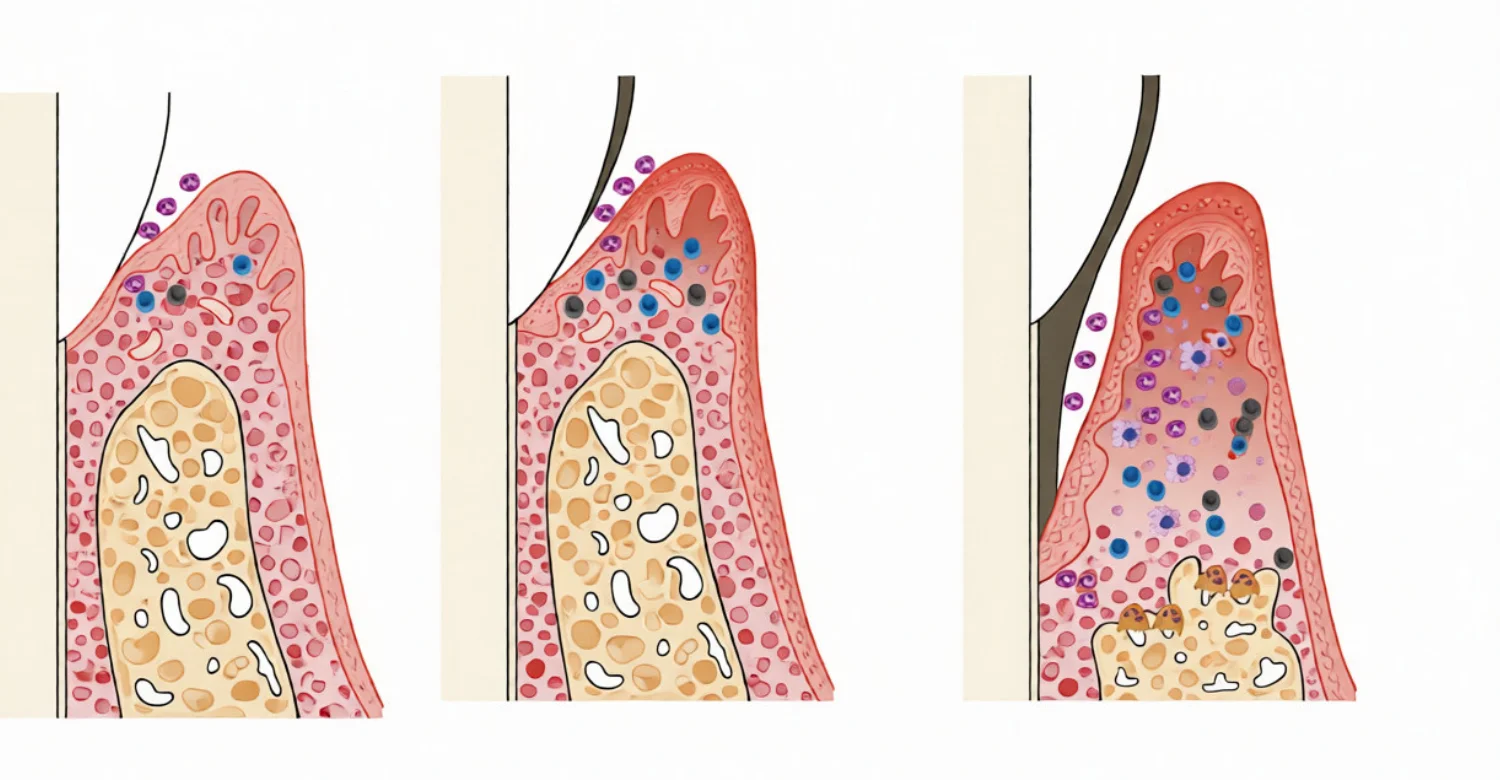
Note : All images used are for editorial and illustrative purposes only and may not originate from the original news provider or associated company.
How Is Periodontal Disease Treated?
Treatment depends on diagnosis, severity, affected sites, and risk factors. It usually follows a stepwise approach. Early steps focus on plaque control and professional cleaning. Deeper or persistent disease may need surgery or specialist care. Reassessment and maintenance protect results over the long term.
What Is the First-Line Treatment for Periodontitis?
First-line treatment begins with patient education and improved home care. The dentist removes supragingival plaque and calculus. Modifiable risk factors, such as smoking and diabetes, are addressed. Subgingival instrumentation then cleans deposits below the gumline. This nonsurgical phase resolves many mild and moderate cases. Results are reassessed several weeks later.
How Does Scaling and Root Planing Treat Periodontal Disease?
Scaling removes plaque and calculus from tooth and root surfaces. Root planing smooths the roots so gums can reattach more easily. Local anesthesia is often used for comfort. Treatment may be completed in one or several visits. Gums usually become less inflamed within a few weeks. Pocket depths often reduce as tissues heal.
When Are Periodontal Medications or Antimicrobial Treatments Considered?
Medications may support mechanical treatment in selected cases. Options include antiseptic mouthwashes, local antimicrobials, and systemic antibiotics. Antibiotics are reserved for specific situations because of resistance risks. Research on Arginine Metabolism and Periodontal Disease may inspire future adjunct therapies. However, no arginine-based medication is a standard periodontal treatment. Medications never replace thorough mechanical cleaning.
When Is Periodontal Surgery Needed?
Surgery may be needed when deep pockets persist after nonsurgical care. Flap surgery gives direct access to clean root surfaces. Regenerative procedures may rebuild some lost bone in suitable defects. Gum grafts can cover exposed roots and strengthen thin tissue. The choice depends on defect type and overall health. A periodontist often performs these procedures.
Can Laser Gum Treatment Be Used for Periodontal Disease?
Lasers can remove inflamed tissue and reduce bacteria in pockets. Some patients experience less bleeding and discomfort afterward. Evidence suggests lasers work best alongside conventional scaling and root planing. Arginine Metabolism and Periodontal Disease research does not change this role. Lasers are not a replacement for thorough mechanical cleaning. Suitability depends on clinical findings and the laser type used.
What Happens After Active Periodontal Treatment?
Active treatment is followed by reassessment of pockets and bleeding. If disease is controlled, the patient moves into supportive care. This phase aims to prevent recurrence and detect changes early. Long-term success depends on both the patient and the clinic.
Periodontal Maintenance
Maintenance visits usually occur every three to four months initially. The interval is adjusted based on stability and risk. Each visit includes cleaning, probing, and review of home care. Missed maintenance is linked with higher recurrence risk.
Home Oral Hygiene
Patients brush twice daily with fluoride toothpaste. Interdental brushes or floss clean between teeth every day. Soft brushes help avoid damaging healing gums. The dental team may adjust techniques for each patient.
Monitoring Periodontal Pockets and Inflammation
Pocket depths and bleeding are recorded at regular intervals. Comparing charts shows whether disease is stable or progressing. X-rays may be repeated to check bone levels. Early detection allows quick treatment of new problem sites.
Clinical Note
Dr. Rifat Alsaman on Why Periodontal Assessment Should Come Before Certain Restorative or Cosmetic Procedures
Dr. Rifat Alsaman explains that restorations placed on inflamed gums may fail early. Bleeding tissue makes accurate impressions and bonding more difficult. Implants placed in active disease face higher complication risks. Assessing gum health first protects both function and appearance. Where needed, periodontal therapy is completed before restorative work begins. This sequence supports more predictable, longer-lasting results.
Can Arginine Provide Relief From Gum Problems?
Arginine products may relieve certain symptoms, such as tooth sensitivity. Research on Arginine Metabolism and Periodontal Disease does not show relief from periodontitis itself. Symptom relief and disease control are different goals. Sensitivity may improve while inflammation below the gums continues. Patients should understand what each product can realistically achieve.
What Does Arginine-Related Oral Relief Actually Mean?
In most studies, relief refers to reduced dentin hypersensitivity. Arginine combined with calcium carbonate can block open dentin tubules. This reduces pain from cold, heat, or sweet foods. It does not heal gum tissue or restore lost bone. Relief is therefore symptomatic rather than disease-modifying. Patients should not confuse comfort with periodontal improvement.
Can Arginine Affect Plaque Acidity or Oral pH?
Arginine can help raise plaque pH through bacterial ammonia production. This effect is mainly relevant to protecting enamel from acid. Some studies show improved plaque pH after arginine use. Effects vary between individuals and product formulations. The benefit for periodontal pockets remains unclear. Plaque pH is only one part of oral health.
Can Arginine Reduce Gum Inflammation?
Evidence that arginine reduces gum inflammation is limited and inconsistent. Arginine Metabolism and Periodontal Disease studies have not established a reliable anti-inflammatory effect. Some small studies report modest changes in gingival indices. These findings need confirmation in larger, well-designed trials. Plaque removal remains the most effective way to reduce inflammation. Persistent inflammation needs professional evaluation.
When Should Patients Seek Professional Treatment Instead of Trying Home Relief?
Patients should seek care when bleeding lasts more than two weeks. Swelling, pus, or loose teeth also need prompt assessment. Gum recession or worsening bad breath warrants examination. Pain when chewing should not be managed at home alone. Home products may mask symptoms while disease progresses. Early professional care usually means simpler treatment.
Are There Side Effects or Risks Associated With Arginine Oral-Care Products?
Arginine toothpastes are generally well tolerated in clinical studies. Side effects are uncommon and usually mild. The main risk is relying on them instead of proper care. Patients should use them as directed on the packaging. Any unusual reaction should be discussed with a dentist.
Can Arginine Toothpaste Cause Oral Irritation?
Some people may notice mild irritation or a burning sensation. This is often linked to flavorings or detergents rather than arginine. Sodium lauryl sulfate can irritate sensitive oral tissues. Mouth ulcers may occasionally worsen with certain formulations. Symptoms usually settle after switching products. Persistent irritation should be checked by a dentist.
What Should Patients Know About Sensitivity to Oral-Care Ingredients?
Oral-care products contain several ingredients besides the active agent. Flavors such as mint or cinnamon can trigger reactions in some people. Preservatives and colorants may also cause sensitivity. Patients with known allergies should read ingredient lists carefully. Signs include swelling, peeling, redness, or cracked lips. A dentist or doctor can help identify the likely cause.
Can Arginine Oral-Care Products Replace Professional Periodontal Treatment?
No, arginine products cannot replace professional periodontal treatment. Arginine Metabolism and Periodontal Disease research does not support using them as substitutes. They cannot remove calculus below the gumline. They also cannot close deep periodontal pockets. Professional cleaning and monitoring remain essential for periodontitis. Products may support home care after treatment when appropriate.
When Should a Patient Stop Using an Oral-Care Product and Ask a Dentist?
Stop using a product if it causes swelling, ulcers, or peeling. Burning that continues after brushing is another warning sign. Allergic symptoms, such as lip or facial swelling, need urgent attention. Worsening bleeding or sensitivity also deserves review. A dentist can suggest a suitable alternative product. Bring the product packaging to the appointment if possible.
What Are the Medical Tips for Supporting Periodontal Health?
Simple daily habits have the greatest impact on gum health. Consistent cleaning, healthy choices, and regular checkups work together. The tips below reflect widely accepted periodontal guidance. They support, but do not replace, individual professional advice.
How Often Should You Brush and Clean Between Your Teeth?
Brush twice daily for about two minutes with fluoride toothpaste. Clean between your teeth once a day using floss or interdental brushes. Interdental brushes often work better where gaps are larger. Focus on the gumline, where plaque collects most. Replace your toothbrush every three months or sooner if worn. Ask your hygienist to check your technique.
Should You Use an Arginine-Containing Toothpaste?
An arginine toothpaste may help if you have sensitive teeth. Some formulations also support caries prevention. Arginine Metabolism and Periodontal Disease research does not support choosing it to treat gum disease. Most patients benefit from a standard fluoride toothpaste. Your dentist can recommend a product based on your needs. The cleaning technique matters more than the brand.
What Should You Ask Your Dentist About Bleeding or Receding Gums?
Ask whether the bleeding reflects gingivitis or periodontitis. Ask for your pocket depths and what they mean. Find out whether recession is active or stable. Ask which cleaning tools suit your gum and tooth spacing. Discuss whether X-rays or specialist referral are needed. Request a clear plan for follow-up visits.
How Can Smoking Cessation Support Periodontal Health?
Quitting smoking improves blood flow and immune function in gum tissues. Treatment outcomes improve noticeably in former smokers. The risk of further bone loss decreases over time. Gums may bleed more at first as inflammation becomes visible. This is a normal sign of healing, not worsening. Doctors and pharmacists can support quitting with proven methods.
Why Are Regular Dental and Periodontal Checkups Important?
Checkups detect gum disease before symptoms become obvious. Probing and X-rays reveal changes patients cannot see or feel. Professional cleaning removes calculus that builds up despite good home care. Visit frequency should match your individual risk level. Patients with past periodontitis usually need more frequent visits. Regular care helps keep natural teeth for life.
Tips for Patients
Patients play a central role in protecting their own gum health. Small, consistent actions at home make professional treatment more effective. Good preparation also makes dental visits more productive. The following tips offer practical guidance for everyday care.
What Patients Can Do at Home to Support Gum Health
Brush gently along the gumline twice daily. Clean between teeth every day with the right tool. Limit sugary snacks and drinks between meals. Drink water regularly to support saliva flow. Avoid tobacco in all forms. Keep a note of any bleeding, swelling, or new symptoms.
What Patients Should Avoid When They Have Persistent Gum Inflammation
Avoid skipping brushing in areas that bleed. Do not scrub hard with a stiff brush. Avoid relying on mouthwash to hide bleeding or odor. Do not self-treat with supplements without professional advice. Avoid delaying a dental visit when symptoms persist. Smoking should be stopped rather than reduced if possible.
How to Prepare for a Periodontal Consultation
Bring a list of current medications and medical conditions. Note when symptoms started and how they have changed. Bring previous dental X-rays or records if available. Write down questions you want answered. Mention any anxiety so the team can support you. Avoid eating strong-smelling foods just before the visit.
Questions to Ask Your Dentist About Arginine and Gum Disease
Ask whether an arginine toothpaste suits your specific needs. Ask what Arginine Metabolism and Periodontal Disease research currently shows. Find out whether arginine helps sensitivity, caries, or gums. Ask how it fits with your existing treatment plan. Check whether any ingredient could irritate your mouth. Ask which proven steps matter most for your gum health.
What Is the Average Cost of Periodontal Disease Treatment in the US, UK, and Turkey?
Periodontal treatment costs vary widely between countries and clinics. The figures below are approximate typical ranges, not quotations. Final prices depend on diagnosis, severity, and the treatment plan. Patients should request an itemized estimate after examination.
How Much Does Periodontal Treatment Cost in the US?
US prices vary by state, clinic, and insurance coverage. Specialist periodontists usually charge more than general dentists. Dental insurance may cover part of nonsurgical treatment.
Typical Scaling and Root Planing Cost: About $800–$1,600 for a Full Mouth
Scaling and root planing is usually priced per quadrant. A full mouth typically costs about $800 to $1,600. Anesthesia and follow-up visits may affect the total. X-rays and examination fees are often charged separately.
Typical Periodontal Surgery Cost: About $1,000–$3,000 or More Per Quadrant
Flap surgery often costs about $1,000 to $3,000 per quadrant. Bone grafts or regenerative materials can raise the price further. Gum grafting is usually priced per tooth or site. Complex cases may exceed these ranges.
How Much Does Periodontal Treatment Cost in the UK?
UK patients can access NHS or private treatment. NHS care follows fixed charge bands in England. Private fees vary by clinic, location, and clinician experience.
NHS England Gum Treatment: £27.90 for Band 1 and £76.60 for Band 2 in 2026
Band 1 covers examination, diagnosis, and a simple scale and polish. It costs £27.90 in 2026. Band 2 covers more involved treatment, including deep cleaning. It costs £76.60 in 2026. Availability of NHS appointments varies by area.
Typical Private Deep Cleaning: About £199–£400
Private deep cleaning typically costs about £199 to £400. Prices depend on the number of affected areas. Hygienist-led treatment may cost less than specialist care. Follow-up visits may be charged separately.
Typical Private Advanced Periodontal Treatment: About £1,000–£4,000+
Advanced private treatment often ranges from about £1,000 to over £4,000. This may include surgery, regeneration, or specialist care. Full-mouth treatment sits toward the upper end. Maintenance visits add ongoing costs.
How Much Does Periodontal Treatment Cost in Turkey?
Turkey is a popular destination for dental treatment. Prices in Turkish lira change with inflation and exchange rates. The figures below are approximate starting points.
Professional Scaling: About ₺2,800
Professional scaling typically starts around ₺2,800. It removes plaque and calculus above and slightly below the gumline. It suits early gum inflammation and routine maintenance.
Root Planing: About ₺4,500
Root planing typically starts around ₺4,500. It treats deeper deposits on root surfaces. The final cost depends on the number of affected areas.
Periodontal Surgery: About ₺8,000
Periodontal surgery typically starts around ₺8,000. Grafts or regenerative materials may increase the cost. Complex cases require individual quotation after imaging.
What Factors Change the Cost of Periodontal Treatment?
Several clinical and practical factors shape the final cost. Understanding them helps patients compare quotations fairly.
Severity and Stage of Periodontitis
More advanced disease usually needs longer and more complex treatment. Stage III and IV cases often require surgery or specialist care.
Number of Teeth or Quadrants Treated
Treatment is often priced per tooth or quadrant. More affected areas increase the total cost.
Diagnostic Imaging and Specialist Consultation
X-rays, CBCT, and specialist assessments may carry separate fees. They improve diagnosis and planning accuracy.
Non-Surgical Versus Surgical Treatment
Nonsurgical cleaning costs less than surgical procedures. Surgery adds anesthesia, materials, and longer appointment time.
Follow-Up and Periodontal Maintenance
Maintenance visits every few months add long-term costs. They are essential for keeping results stable.
Why Periodontal Treatment Prices Cannot Be Compared by Cost Alone
A lower price may exclude imaging, anesthesia, or follow-up visits. Clinician experience and equipment quality also differ. Treatment plans may not cover the same procedures. Patients should compare what each quote includes. Quality of care affects long-term results and future costs.
Are These Arginine Treatment Costs or Periodontal Disease Treatment Costs?
These figures refer to periodontal disease treatment, not arginine therapy. Arginine Metabolism and Periodontal Disease is a research topic, not a pricing category.
Clarify That Arginine Is Not a Standard Standalone Periodontitis Treatment
Arginine is not a standard standalone treatment for periodontitis. Arginine toothpaste is an over-the-counter product, not a clinical procedure. Its cost is not part of periodontal treatment fees.
How Vitrin Clinic Evaluates Gum Health and Periodontal Inflammation
At Vitrin Clinic, gum assessment is part of comprehensive treatment planning. It matters especially before restorative, cosmetic, or implant procedures. Arginine Metabolism and Periodontal Disease provides useful scientific background about periodontal biology. However, clinical decisions depend on each patient's documented oral condition. The team combines examination findings with digital diagnostics when appropriate.
How Vitrin Clinic Assesses Gum Health Before Treatment
The clinical team examines the teeth, gums, and surrounding oral tissues. Signs of bleeding, swelling, and recession are recorded. Pocket depths and plaque levels help identify areas of concern. Existing restorations and bone support are also reviewed. Findings determine whether gum care is needed before other treatment. Patients receive an explanation of what was found.
How Digital Diagnostics Can Support Individualized Treatment Planning
Digital X-rays help evaluate bone levels around teeth. CBCT provides 3D detail when complex planning requires it. Intraoral scanning captures accurate models for restorative design. These tools help coordinate findings across different treatment stages. Imaging is selected according to clinical need, not routine. The result is a plan tailored to each patient.
Which Vitrin Clinic Treatments May Be Relevant When Periodontal Problems Affect Treatment Planning?
Gum problems can influence which treatments are suitable and when. Several Vitrin Clinic services may become relevant after assessment. Each is considered only when clinical findings support it.
Gum Laser Treatment When Clinically Appropriate
Laser treatment may help manage certain gum conditions. It can support conventional cleaning in selected cases. Suitability is confirmed during clinical examination.
Dental Implants After Appropriate Periodontal Assessment
Implants need healthy gums and adequate bone support. Active periodontal disease is treated before implant placement. CBCT often helps evaluate available bones.
Full-Mouth Rehabilitation When Multiple Teeth and Supporting Tissues Require Evaluation
Some patients need treatment across many teeth at once. Full-mouth rehabilitation combines periodontal, restorative, and sometimes implant care. Careful staging helps protect long-term results.
Why Gum Health Matters Before Cosmetic Dental Treatment
Healthy gums frame the teeth and influence smile appearance. Inflamed tissue can change shape after veneers or crowns are placed. Bleeding gums make bonding and impressions less reliable. Untreated disease may threaten the teeth supporting cosmetic work. Treating gum problems first supports stable, natural-looking results.
Internal-Link Opportunity: Vitrin Clinic Treatments
Readers interested in related care can explore Vitrin Clinic treatment pages. Relevant topics include gum laser treatment, dental implants, and full-mouth rehabilitation. Other useful pages cover veneers, crowns, and digital smile design. Each page explains when the treatment may be suitable.
How Vitrin Clinic Supports Your Treatment Journey
Vitrin Clinic guides patients from first consultation through aftercare. Each stage builds on documented clinical findings. The digital workflow helps connect diagnosis, planning, and follow-up. Patients receive clear explanations at every step.
Initial Consultation and Assessment
The first visit begins with a review of medical and dental history. The team examines the teeth, gums, and oral tissues. Patients can describe their concerns and treatment goals. Imaging is arranged when clinically needed. The visit ends with an explanation of findings and next steps.
Personalized Digital Treatment Planning
Digital records help build a plan suited to each patient. X-rays, CBCT, and scans are combined when relevant. The plan outlines procedures, sequence, and expected timelines. Patients can review options before making decisions. Changes are made if new findings appear.
Coordinating Diagnostics With the Appropriate Dental Specialist
Some cases need input from more than one clinician. Diagnostic records are shared within the clinical team. This helps periodontal, restorative, and implant care align. Coordination reduces delays and repeated appointments. Patients benefit from a consistent, joined-up approach.
Treatment Planning Based on Individual Periodontal Findings
Periodontal findings shape the order and type of treatment. Active inflammation is addressed before restorative or implant work. Arginine Metabolism and Periodontal Disease research does not replace these clinical findings. Pocket depths, bone support, and bleeding guide the plan. Risk factors such as smoking and diabetes are also considered.
Follow-Up and Aftercare After Treatment
Follow-up visits check healing and gum stability. Home care instructions are reviewed and adjusted. Maintenance intervals are set according to individual risk. Patients are advised on warning signs to watch for. Ongoing care helps protect treatment results over time.
What Are the Warning Signs That Require Prompt Dental Care?
Some gum symptoms need prompt rather than routine attention. They may signal infection, abscess, or rapidly advancing disease. Early care can prevent complications and tooth loss. The signs below should not be ignored or self-treated.
Persistent or Heavy Gum Bleeding
Bleeding that lasts more than two weeks needs examination. Heavy or spontaneous bleeding needs attention sooner. Patients taking blood thinners should report bleeding promptly. Bleeding may also reflect medical conditions needing investigation.
Facial or Gum Swelling
Swelling of the gums may indicate a periodontal abscess. Facial swelling suggests infection may be spreading. Both need prompt dental assessment. Rapidly increasing swelling requires same-day care.
Pus or a Bad Taste Around the Gums
Pus around the gums signals active infection. A persistent bad taste may have the same cause. These signs often accompany deep periodontal pockets. Drainage and cleaning are usually needed quickly.
Loose Teeth or Sudden Changes in Tooth Position
New looseness may indicate significant loss of periodontal support. Sudden shifting can reflect infection or bone loss. Changes in bite also deserve assessment. Early treatment may help save affected teeth.
Severe Pain, Fever, or Difficulty Swallowing
Severe pain with fever suggests a spreading infection. Difficulty swallowing or breathing is a medical emergency. Patients should seek emergency care immediately in these cases. Dental treatment follows once the patient is stable.
When Periodontal Symptoms Require Urgent Assessment
Urgent assessment is needed for spreading swelling, fever, or severe pain. Acute periodontal conditions progress quickly without treatment. Arginine Metabolism and Periodontal Disease research offers no role in emergency care. Patients should contact their dentist the same day. Out of hours, emergency services should be used.
Key Takeaways
The points below summarize the main messages of this article. They focus on evidence, patient action, and realistic expectations.
What Is the Main Connection Between Arginine Metabolism and Periodontal Disease?
Arginine metabolism can change the chemistry and ecology of oral biofilms. Arginine Metabolism and Periodontal Disease research explores how these changes interact with inflammation. It is one factor among many, not a standalone cause.
What Does the Evidence Say About Arginine and the Oral Microbiome?
Arginine pathways influence pH and competition between bacteria. Evidence is strongest for caries and dentin sensitivity. Periodontal effects remain uncertain and need further clinical research.
What Can Patients Do for Gum Disease Relief?
Patients should brush twice daily and clean between teeth. Avoiding tobacco and managing diabetes support healing. Professional cleaning addresses what home care cannot reach.
What Side Effects or Limitations Should Patients Know About?
Arginine toothpastes are usually well tolerated. Mild irritation may come from other ingredients. Their main limitation is that they cannot treat periodontitis.
What Medical Tips Can Help Protect Periodontal Health?
Use fluoride toothpaste and appropriate interdental tools. Attend checkups at intervals matched to your risk. Quit smoking and follow medical advice for systemic conditions.
When Should You See a Dentist or Periodontist?
See a dentist for bleeding lasting more than two weeks. Swelling, pus, recession, or loose teeth also need assessment. Seek urgent care for fever, spreading swelling, or severe pain.
Why Arginine Should Be Viewed as One Part of Oral Health Rather Than a Substitute for Periodontal Treatment?
Arginine may support specific aspects of oral health. Arginine Metabolism and Periodontal Disease research has not shown it can replace treatment. Plaque control and professional care remain the foundation of gum health.
At Vitrin Clinic
Periodontal treatment begins with a detailed assessment of the teeth, gums, and surrounding oral tissues. The clinical team evaluates gum inflammation, periodontal condition, and supporting structures before recommending treatment. Digital X-rays, CBCT, and 3D intraoral scanning may be used when clinically appropriate to support accurate diagnosis and treatment planning.
Periodontal problems are addressed before restorative, cosmetic, or implant procedures when necessary. Depending on the patient's clinical findings, treatment may focus on professional cleaning, periodontal care, or other appropriate procedures. Each patient receives an individualized treatment plan based on their oral condition and treatment goals. Clear explanations and follow-up care help patients understand their treatment and maintain healthy gums over the long term.
Reference
FAQs
Dr. Rifat Alsaman has more than 5 years of clinical experience in dentistry and currently serves as the Head of the Medical Team at Vitrin Clinic. He is dedicated to providing exceptional patient care, overseeing treatment planning, and ensuring the highest clinical standards across the team. His expertise, attention to detail, and commitment to continuous professional development have helped countless patients achieve healthier, more confident smiles.


