Periodontics
September 21, 2026
IBD and Oral Health : What Does IBD Mean for Your Oral Health?
 Dr. Rifat Alsaman
IBD and Oral Health are connected through several inflammatory and treatment pathways. Inflammatory bowel disease includes Crohn's disease and ulcerative colitis. Both conditions can produce symptoms outside the digestive tract. The mouth can sometimes show inflammatory changes before other symptoms appear. Common findings include mouth ulcers, swollen tissues, gum problems, and oral discomfort. A 2026 systematic review analyzed 7,791 participants across 21 studies. It found pooled oral ulceration prevalence of 20% among people with IBD. Dry mouth was reported in 32% of participants. However, these findings did not consistently differ from healthy controls. Therefore, oral symptoms should not automatically be attributed to IBD. A dental exam can help identify other possible causes. At Vitrin Clinic, dental assessment considers symptoms, history, medications, and oral health.
Can IBD Affect Your Mouth?
Yes, IBD can be associated with several oral findings. These findings are considered extraintestinal manifestations of intestinal disease. Mouth ulcers are among the better recognized oral problems in IBD. Understanding how IBD impacts oral health also involves swelling, mucosal changes, and gum inflammation. Crohn's disease can produce lesions involving the lips, cheeks, or gums. Ulcerative colitis can also produce oral manifestations, including aphthous lesions. However, not every mouth symptom indicates active intestinal disease. Oral problems can also result from deficiencies, medications, or unrelated conditions. A recent meta-analysis found oral manifestations frequently reported in IBD. Several outcomes did not significantly differ from healthy controls. Clinical assessment remains important before assigning an IBD-related cause.
IBD Oral Symptoms
IBD oral symptoms can vary considerably between individuals. Some people get small, painful ulcers inside the cheeks or lips. Managing oral issues in IBD can also involve gum swelling or tongue changes. Crohn's disease may produce mucosal swelling, cobblestoning, or lip enlargement. Aphthous ulcers are also frequently described with inflammatory bowel disease. Symptoms may become more noticeable during active systemic inflammation. The relationship between oral findings and disease activity is not always predictable. A clinical study found oral symptoms more common during active disease. Medication exposure may also contribute to some oral complaints. Dentists should consider both the disease and its treatment history.
IBD Mouth Symptoms
IBD mouth symptoms can include ulcers, soreness, swelling, and bleeding gums. Some patients get recurrent aphthous ulcers without obvious dental disease. These oral health concerns can affect the lips, gingiva, cheeks, or tongue. Crohn's disease has particularly diverse oral manifestations, including edema and linear ulcers. Ulcerative colitis has different but overlapping oral findings. Pyostomatitis vegetans is an uncommon manifestation linked to ulcerative colitis. Oral symptoms may sometimes appear before gastrointestinal symptoms. This does not mean every oral lesion predicts IBD. Dentists should evaluate persistent changes carefully and consider medical referral.
IBD Oral Manifestations
IBD oral manifestations can be classified as specific or nonspecific. Specific manifestations may resemble inflammatory changes found elsewhere in Crohn's disease. Nonspecific findings include recurrent aphthous ulceration and periodontal problems. Research on IBD and Oral Health groups these findings by pattern and cause. Crohn's disease may cause swelling, mucosal tags, and cobblestone-like changes. Ulcerative colitis may be associated with aphthous lesions and pyostomatitis vegetans. Some manifestations occur during active disease; others occur independently. A 2026 review describes oral findings as recognized extraintestinal features of IBD. The authors emphasized uncertainty surrounding their exact prevalence and association.
Common Oral Changes
Common oral changes include aphthous ulcers, gum inflammation, swelling, and discomfort. Some people develop sores that make eating or brushing uncomfortable. Studies link Crohn's disease to more distinctive mucosal findings. These include mucosal tags, lip swelling, and cobblestone-like tissue. Ulcerative colitis may produce aphthous ulcers and other inflammatory lesions. Periodontal inflammation has also been reported more often in IBD. A 2026 meta-analysis included 34 studies involving 6,482 Crohn's patients. It found higher odds of periodontitis compared with non-IBD controls. Associations do not prove that IBD directly causes periodontal disease. Shared inflammatory, microbial, and treatment factors may contribute.
When Oral Symptoms May Need Attention
Persistent oral changes deserve professional evaluation, especially when they recur. Mouth ulcers should be assessed when unusually long-lasting or frequent. Oral health issues overlap most when swelling or bleeding persists too. Oral symptoms with gastrointestinal deterioration should reach the treating medical team. Some oral findings may offer useful clues about inflammatory activity. Oral examination alone cannot diagnose IBD. Other conditions can produce similar ulcers, swelling, or gum changes. A dentist can identify local causes and signs needing referral. At Vitrin Clinic, assessment separates routine problems from deeper concerns. This approach supports safer, individualized dental care.
Explore more about bacteria in the mouth
How Does IBD Affect Oral Health?
IBD can affect oral health through inflammation, nutrition, medications, and routines. The inflammatory process may contribute to oral mucosal manifestations. The link between IBD and oral health strengthens when nutrient absorption is reduced during flares. Some medications may influence saliva, immunity, or oral tissues. Painful ulcers can make brushing uncomfortable and reduce cleaning effectiveness. Periodontal inflammation may become harder to control in some patients. A 2026 meta-analysis found associations between Crohn's disease and periodontal disease. Another large review found associations between periodontitis and prevalent IBD. These findings show an oral-systemic relationship without proving direct causation.
IBD and Mouth Health
IBD and mouth health can intersect through inflammation and systemic factors. The oral cavity may show changes tied to Crohn's disease or colitis. Diagnostic assessments often start with mouth ulcers as the key clue. Some patients get swollen gums, oral tenderness, or mucosal changes. Dry mouth has also been reported among people with IBD. Dry mouth can have many causes beyond intestinal disease. Medications, dehydration, and anxiety may all contribute. A 2026 meta-analysis reported pooled dry-mouth prevalence of 32%. The analysis found no significant difference from controls for this outcome. Clinicians should avoid assuming IBD alone explains oral dryness.
IBD and Gum Disease
IBD and gum disease have been studied for shared inflammatory pathways. Periodontitis involves chronic inflammation and damage to supporting dental tissues. Research now links Crohn's disease to periodontal risk. A 2026 meta-analysis of 34 studies found an odds ratio of 2.14. This indicates an association between Crohn's disease and periodontitis. Periodontal measurements were also worse in the Crohn's group. A separate 2026 review included more than 12.6 million participants. It found cross-sectional links between periodontitis and IBD. Longitudinal evidence, though, remained more limited. These results support careful monitoring without claiming direct causation.
IBD and Mouth Ulcers
Mouth ulcers are among the most recognized oral manifestations of IBD. They can appear on the cheeks, lips, tongue, or other surfaces. IBD and Oral Health concerns often begin with these small, painful sores. Aphthous ulcers may interfere with eating or brushing. They may become more noticeable during active disease. Nutritional deficiencies can also contribute to recurrent ulceration. Crohn's disease may cause additional inflammatory lesions in the mouth. A 2026 meta-analysis reported pooled ulceration prevalence of 20%. The prevalence did not significantly differ from healthy controls. Persistent ulcers deserve evaluation rather than automatic attribution to IBD.
Clinical Note
Oral findings should be read within the patient's full medical context. IBD and Oral Health assessment never rests on one ulcer alone. Dental professionals should weigh trauma, infection, deficiency, and medication use. Patients with IBD should share an updated medication history at appointments. This information can shape treatment planning and monitoring decisions. Immunosuppressive therapies may affect infection risk and healing. Oral symptoms can sometimes precede gastrointestinal manifestations. Unexplained recurring findings may justify contacting the patient's physician. A coordinated approach prevents treating symptoms in isolation.
Discover how bacteria on teeth can affect oral health
IBD and Dental Health
IBD and dental health involve more than visible tooth problems. Patients may have concerns tied to inflammation, medication, or hygiene challenges. IBD and Oral Health planning also weighs ordinary caries and gum-disease risk. IBD does not automatically mean a patient will develop dental disease. Some studies report greater periodontal problems among IBD populations. Oral discomfort may make regular brushing or flossing difficult. During flares, patients may prioritize gut symptoms over dental care. This can let plaque buildup and gum inflammation progress. Preventive dental care remains important throughout disease management. Regular exams can catch changes before they worsen.
How IBD May Affect Dental Health
IBD may affect dental health indirectly through diet and medication changes. Frequent dietary shifts can alter exposure to sugars and acids. IBD and Oral Health links also cover reflux and its effect on enamel. Medication-related dry mouth may reduce saliva's protective effects. Mouth ulcers can make brushing painful around sensitive areas. Periodontal inflammation may also need closer monitoring. A dentist should evaluate each risk factor separately from IBD itself. Preventive care remains the foundation of long-term oral health.
Crohn's Disease and Oral Health
Crohn's disease has several recognized oral manifestations. Reported findings include swelling, ulcers, lip enlargement, and cobblestone-like tissue. IBD and Oral Health reviews note these lesions may reflect granulomatous inflammation. Oral findings can occasionally appear before intestinal symptoms show up. A review reported oral lesion prevalence ranging from 0.5% to 37%. Differences likely reflect diagnostic criteria and study populations. Oral manifestations may also be asymptomatic in many patients. Visual exams remain important even when discomfort is absent. Persistent unusual lesions should be documented and evaluated.
Ulcerative Colitis and Oral Health
Ulcerative colitis can also have oral manifestations, though they differ from Crohn's. Aphthous lesions, caries, and periodontal problems have all been reported. IBD and Oral Health research treats pyostomatitis vegetans as a distinctive clue. It can present with pustules, erosions, or a distinct mucosal look. This condition is linked particularly with ulcerative colitis. Oral findings may correlate with inflammatory activity in some patients. Oral manifestations should not be used alone to judge severity. Dental teams should consider the patient's gut history and treatment. Medical coordination may help when unusual lesions appear.
Oral Symptoms Associated With Crohn's Disease
Crohn's disease can involve different areas of the mouth. Common findings include aphthous ulcers, mucosal swelling, and lip enlargement. IBD and Oral Health charts often list mucosal tags in younger patients. Some patients develop linear ulcers or a cobblestone appearance. Gingival enlargement and granulomatous inflammation have also been described. These findings may occur alongside or before intestinal symptoms. A historical study found oral lesions in 48% of 45 pediatric patients. That result came from a small, selected group. Current evidence supports oral exams as part of broader assessment.
Oral Symptoms Associated With Ulcerative Colitis
Ulcerative colitis may be associated with aphthous ulcers and gum inflammation. Pyostomatitis vegetans is a particularly recognized oral manifestation here. IBD and Oral Health teams treat it as an important clinical clue. It may present as pustules, erosions, or a cobblestone-like pattern. Some patients experience oral symptoms during active gut inflammation. Medication effects can also influence symptoms independently of disease activity. Dentists should review current medications and medical history. Persistent lesions need assessment, since other disorders can look similar. Referral can help determine whether gut evaluation is needed.
Learn about bacteriophage therapy for gum disease
IBD Oral Health Complications
Potential complications include recurrent ulcers, gum inflammation, and hygiene difficulties. These problems do not occur in every patient. IBD and Oral Health outcomes depend on activity, medication, and nutrition. Oral inflammation may make eating and brushing uncomfortable. Gum inflammation can progress when plaque remains untreated. Dry mouth may increase discomfort and affect oral function. A 2026 review found dry mouth in 32% of studied patients. Researchers found no significant difference compared with controls. Dental teams should identify modifiable risk factors rather than assume one cause.
Mouth Ulcers and Oral Inflammation
Mouth ulcers can cause real discomfort despite their small size. Aphthous ulcers may interfere with eating, speaking, and brushing. IBD and Oral Health links can appear when ulcers keep recurring. Inflammatory bowel disease may contribute to recurrent oral ulceration. Nutritional deficiencies can add extra susceptibility to lesions. Some medications may also influence oral tissue or immunity. Persistent lesions should be examined rather than self-treated repeatedly. A dentist can assess location, size, duration, and appearance. This helps determine whether further investigation is appropriate.
Gum Problems and Periodontal Health
Gum problems can range from mild gingivitis to established periodontitis. Gingivitis commonly causes redness, swelling, and bleeding during brushing. IBD and Oral Health research now ties periodontal disease to Crohn's activity. One 2026 meta-analysis found higher odds among Crohn's patients. Another review linked prevalent IBD to periodontitis in cross-sectional studies. These results do not prove a direct causal relationship. Shared inflammatory and microbial pathways may explain the association. Regular exams can catch inflammation early. Professional cleaning and home care can reduce plaque-related risk.
Dry Mouth and Oral Discomfort
Dry mouth can make eating, speaking, and swallowing uncomfortable. Reduced saliva may also affect the mouth's protective environment. IBD and Oral Health research lists several reasons dryness can develop. Medication effects, dehydration, and anxiety can all contribute. A 2026 meta-analysis reported pooled dry-mouth prevalence of 32%. Researchers found no statistically significant difference from controls. Dry mouth should not automatically be considered an IBD manifestation. Dental assessment can identify signs of reduced salivary protection. Patients should discuss persistent dryness with their medical provider.
Factors That May Increase Oral Health Risks
Several factors can raise oral health risks in people with IBD. Active inflammation may coincide with more frequent oral symptoms. IBD and Oral Health risk grows when nutrition and hygiene both suffer. Some medications can alter immune function or saliva production. Painful ulcers may reduce effective brushing and flossing. Dietary changes can also influence caries and enamel exposure. Smoking can independently raise periodontal risk. Limited dental attendance may let small problems progress. A personalized assessment can identify the most relevant risks.
Find out more about bile acid malabsorption and dental health
What We Notice Clinically
Dental evaluation can reveal changes that patients may overlook. Recurrent ulcers, bleeding gums, and dryness deserve careful examination. IBD and Oral Health context always includes medical history alongside exam findings. IBD diagnosis, activity, medications, and nutrition can shape clinical decisions. Dental findings should never replace gastrointestinal evaluation. Dentists can recognize abnormalities and recommend medical communication. Current research supports an oral-systemic link with real uncertainty. The goal is not to blame every dental problem on IBD. Clinicians should identify treatable conditions and possible systemic connections.
Dr. Rifat Alsaman's Clinical Opinion
Dr. Rifat Alsaman, Head of the Medical Team at Vitrin Clinic and cosmetic dentist, emphasizes individualized assessment for patients with systemic conditions. IBD and Oral Health should be considered together when patients report recurrent ulcers or gum problems. Oral symptoms, though, should never automatically be blamed on intestinal inflammation. A detailed medical history helps identify medications and nutritional factors. Periodontal screening can also reveal inflammation needing preventive care. Patients should share gastrointestinal changes before elective dental procedures. Coordinated care becomes especially important when systemic disease is active. The objective is appropriate treatment that respects the patient's broader health.
Dental Care for People With IBD
Dental care for people with IBD should focus on prevention and control. Routine exams can detect caries, gingivitis, and mucosal changes. IBD and Oral Health treatment plans should stay flexible during flares. Patients should maintain daily brushing and interdental cleaning where possible. During painful flares, hygiene may need gentler techniques. Persistent ulcers should get professional evaluation rather than prolonged self-care. Dentists should review current medications and relevant conditions. Elective procedures may need extra thought when disease is unstable. Good communication between medical and dental teams supports safer care.
Maintaining Daily Oral Hygiene
Daily oral hygiene remains important regardless of gut disease status. Patients should brush twice daily using fluoride toothpaste. IBD and Oral Health routines work best with gentle, consistent habits. Gentle brushing helps when oral tissues are painful or inflamed. Interdental cleaning should continue when comfortable and appropriate. A soft toothbrush may reduce irritation during sensitive periods. Patients should avoid aggressively brushing active ulcers or traumatized tissue. Regular professional cleanings help control plaque and calculus. Maintaining consistent hygiene reduces preventable dental complications.
Managing Mouth Ulcers and Oral Discomfort
Mouth ulcers can make routine oral hygiene uncomfortable. Patients should avoid unnecessary trauma to ulcerated tissues. IBD and Oral Health comfort improves when irritating foods are avoided. Soft foods may reduce irritation during painful episodes. Spicy, acidic, or abrasive foods can worsen discomfort for some. Recurrent ulcers should be documented by frequency and location. Dentists can evaluate whether trauma or dental problems contribute. Medical assessment may help when ulcers are persistent or severe. Patients should avoid using prescription medications without medical guidance.
Dental Visits During IBD Flare-Ups
Dental visits during active IBD need individualized consideration. Urgent dental problems should not be ignored because of a flare. Elective procedures may sometimes wait until systemic health stabilizes. The decision depends on activity, medications, and infection risk. Patients should tell the dentist about current symptoms and medications. This can influence anesthesia, antibiotics, and appointment timing. Communication with the treating physician may help complex cases. Emergency dental infections generally need timely assessment regardless of IBD status.
Clinical Note
IBD does not automatically prevent patients from getting dental treatment. The main consideration is appropriate risk assessment. Dental professionals should understand current medications and medical conditions. Active infection, immunosuppression, or poor healing may affect planning. Elective procedures should follow individual medical circumstances. Preventive care usually remains important throughout the disease course. Patients should not stop IBD medications solely for a dental visit. Medication changes should come from the treating physician. Clear communication helps teams coordinate care safely.
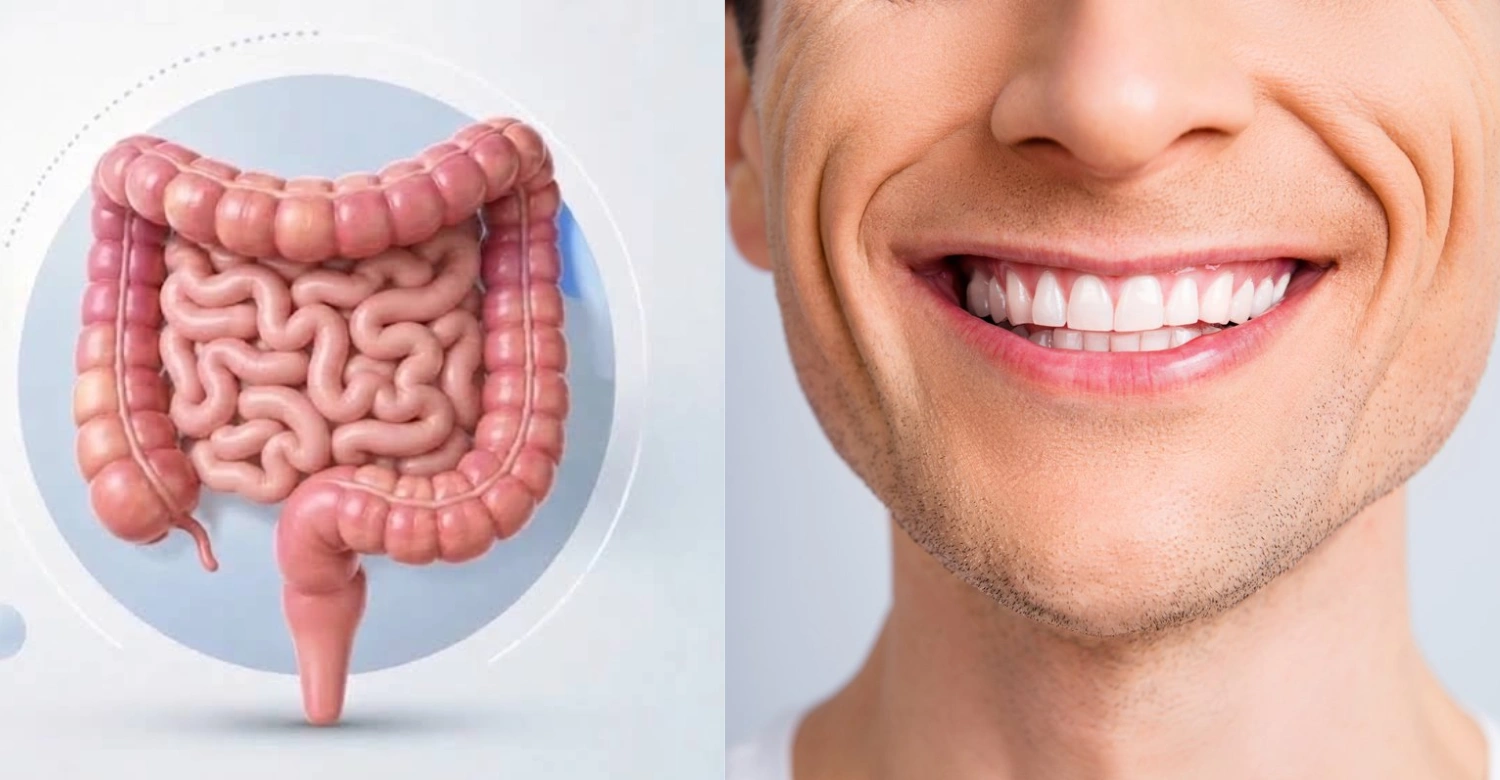
Note : All images used are for editorial and illustrative purposes only and may not originate from the original news provider or associated company.
Understand bite strength and what affects it
Tips for Patients With IBD and Oral Health Concerns
People living with IBD can take practical steps to protect oral health. Consistent brushing and interdental cleaning remain essential. Regular exams can catch problems before symptoms become severe. Patients should report recurring ulcers, swelling, bleeding, or pain. Medication changes should be shared during dental visits. Nutrition should also be discussed when deficiencies are suspected. Hydration can support wellbeing and reduce discomfort from dryness. Patients should avoid assuming every oral symptom comes from IBD. Professional assessment gives a clearer explanation and treatment path.
Keep a Consistent Oral Hygiene Routine
A consistent routine helps control plaque and gum inflammation. Brush twice daily with fluoride toothpaste unless told otherwise. IBD and Oral Health routines should flex during painful flare periods. Use gentle pressure when gums or tissues feel sensitive. Clean between teeth using floss or interdental aids. Replace toothbrushes regularly, especially once bristles wear down. Do not stop brushing over mild gum bleeding. Persistent bleeding can signal inflammation needing dental assessment. Good home care works alongside professional preventive treatment.
Tell Your Dentist About Your IBD
Always tell your dentist about your IBD diagnosis. Share information about current medications and recent disease activity. IBD and Oral Health planning depends on this shared medical picture. Mention past complications, surgeries, or significant flare-ups. Medication information can shape decisions about dental procedures. Immunosuppressive treatments may matter for infection and healing. Your dentist may also need to contact your physician. Accurate information reduces avoidable treatment risks and explains unusual findings.
Monitor Changes in Your Mouth
Regularly checking your mouth can help catch changes early. Look for persistent ulcers, swelling, redness, or bleeding. IBD and Oral Health monitoring works best with a simple routine check. Note whether oral symptoms appear alongside gut flare-ups. Photographing recurring lesions can help clinicians compare over time. Avoid diagnosing yourself from online images. Many oral conditions look alike. Professional exams are necessary for persistent or unusual findings.
Know When to Seek Professional Care
Professional care is appropriate when symptoms persist or disrupt daily life. Seek assessment for ulcers that keep recurring or won't heal. Persistent gum bleeding should also get professional evaluation. Swelling, unexplained pain, or difficulty eating can need prompt attention. Sudden facial swelling with breathing trouble needs emergency care. Fever with significant oral swelling may signal infection. Patients with IBD should contact their medical team if symptoms worsen. Dental and medical evaluation can happen together when symptoms overlap.
Read more about biting your cheek while eating
When Should You See a Dentist?
A dentist should evaluate persistent or unexplained oral symptoms. Routine visits matter even when the mouth feels normal. Exams can identify early gum inflammation and decay. People with recurrent ulcers may benefit from documenting symptoms. Patients should also discuss medication changes and active disease. Dental treatment can often continue safely with proper planning. Complex cases may need coordination with the treating physician. Urgent dental infections should receive timely attention.
Persistent Mouth Ulcers
Persistent mouth ulcers should receive professional evaluation. Most minor ulcers resolve without causing long-term problems. Recurrent or unusually large lesions may need extra investigation. Location, duration, and recurrence are all clinically relevant. IBD can be linked to aphthous ulceration, but other causes exist. Deficiencies, trauma, infections, and medications can look similar. A dentist can determine whether local factors contribute. Medical referral may be recommended when findings suggest systemic involvement.
Swollen or Bleeding Gums
Swollen or bleeding gums commonly indicate gum inflammation. Plaque buildup remains a major local cause of gingivitis. Periodontitis can develop when inflammation damages supporting tissues. Recent evidence links periodontal disease more often to IBD. A 2026 Crohn's meta-analysis found higher periodontitis odds among patients. The findings support monitoring but don't prove direct causation. Patients should get professional assessment when bleeding persists. Treatment may include cleaning and improved home care.
Persistent Mouth Pain or Other Oral Changes
Persistent mouth pain should not automatically be blamed on IBD. Decay, gum disease, infection, trauma, and ulcers can all cause pain. Changes involving the tongue, lips, or palate deserve attention too. A dental exam can identify local causes and document findings. Medical referral may be appropriate when symptoms suggest systemic involvement. Patients should share a full history of medications and symptoms. This helps clinicians interpret oral findings accurately. Prompt assessment matters most when eating or drinking is affected.
IBD and Oral Health at Vitrin Clinic
At Vitrin Clinic, dental care starts with the patient's individual circumstances. IBD and Oral Health concerns can involve ulcers, gum inflammation, or dryness. Our team evaluates the teeth, gums, tissues, and overall dental condition. Medical history helps identify factors affecting treatment planning. The goal is not to assume every problem results from IBD. Instead, our approach identifies the specific issue needing attention. Patients receive preventive, restorative, periodontal, or other appropriate care. Treatment recommendations rest on clinical findings and individual needs.
Personalized Oral Health Assessment
A personalized assessment evaluates the mouth systematically. Dentists examine teeth, gums, mucosal tissue, tongue, and related structures. Symptoms like ulcers or swelling are assessed for appearance and duration. Periodontal evaluation can identify gum inflammation and tissue damage. Dental decay and structural concerns are also reviewed. Medical history helps clinicians understand possible systemic influences. Patients can discuss current IBD activity and treatment during consults. This supports safer, more relevant treatment planning.
Digital Diagnostic Evaluation
Digital diagnostics can support detailed dental assessment when appropriate. Digital X-rays can show information about teeth and supporting structures. CBCT imaging may help when three-dimensional detail matters. Digital intraoral scanning can support restorative treatment planning. These tools do not diagnose IBD itself. Their purpose is to evaluate dental structures accurately. At Vitrin Clinic, digital tools complement exams and medical history. The chosen approach depends on the patient's specific dental needs.
Discover why biting your tongue while eating can happen
Personalized Dental Care for Patients With IBD at Vitrin Clinic
Personalized care should reflect both oral findings and medical circumstances. IBD and Oral Health concerns may need preventive care rather than extensive treatment. Other patients may need periodontal, restorative, or prosthetic treatment. The right approach depends on the condition of teeth and tissues. Medical history can also influence appointment timing and planning. At Vitrin Clinic, dentists review individual needs before recommending procedures. Digital diagnostics may support accurate assessment when indicated. This approach helps separate IBD-related concerns from common dental problems.
Individualized Treatment Planning
Individualized planning begins with a comprehensive clinical assessment. Dentists review symptoms, findings, medical history, and priorities. The plan may include preventive, periodontal, restorative, or prosthetic steps. Urgent problems are addressed according to clinical priority. Elective treatments can be scheduled around overall medical circumstances. Patients with active systemic disease may need medical coordination. Digital diagnostics can support treatment planning when necessary. The final plan should stay flexible as health changes.
Preventive and Restorative Dental Care
Preventive care focuses on reducing plaque, caries, and avoidable complications. Professional cleaning can help patients with persistent plaque buildup. Fluoride-based prevention may help reduce caries risk when appropriate. Restorative treatment can address damaged or decayed teeth. Crowns may be considered when teeth need structural protection. Other restorative options depend on tooth condition and prognosis. Periodontal treatment may be recommended when gum disease is present. The dental diagnosis remains the primary basis for treatment decisions.
Coordinating Dental Care With Your Medical History
Medical coordination can matter for patients with complex IBD. Dentists should understand current medications and significant complications. Immunosuppressive therapies may influence infection and healing considerations. Nutritional deficiencies may also affect oral tissue and general health. Patients should never stop prescribed IBD medications without medical advice. For complex procedures, contacting the treating physician may help. This balances dental needs with systemic health considerations. Accurate medical information improves treatment planning and safety.
Learn more about chewing gum and teeth
Conclusion About IBD and Oral Health
IBD can be associated with several oral manifestations, including ulcers and gum problems. However, not every oral symptom is caused by intestinal inflammation. Current research shows frequent reporting of oral findings among people with IBD. Recent evidence also shows uncertainty about their exact disease-specific prevalence. Periodontal associations appear particularly relevant in current research. Regular dental exams can help identify preventable problems early. Patients should maintain daily oral hygiene and share their medical history. Persistent ulcers, swelling, bleeding, or pain deserve professional evaluation. Coordinated medical and dental care supports more appropriate treatment decisions.
Explore the effects of chewing on one side of the mouth
At Vitrin Clinic
At Vitrin Clinic, Periodontics focuses on preventing, diagnosing, and treating gum and periodontal conditions. IBD and Oral Health can be particularly relevant when patients experience swollen gums, bleeding, plaque accumulation, or periodontal inflammation. Recent research found an association between Crohn’s disease and periodontitis, with a 2026 meta-analysis reporting higher periodontitis odds among patients with Crohn’s disease. Our periodontal approach begins with a detailed evaluation of the gums and supporting tissues. Depending on clinical findings, treatment may include professional dental cleaning, periodontal therapy, and personalized oral hygiene guidance. Digital diagnostics can also support accurate assessment when needed. At Vitrin Clinic, each periodontal treatment plan considers the patient’s dental condition, medical history, and individual needs.
Find out how chronic venous insufficiency and periodontal health may be connected
Reference
FAQs
Dr. Rifat Alsaman has more than 5 years of clinical experience in dentistry and currently serves as the Head of the Medical Team at Vitrin Clinic. He is dedicated to providing exceptional patient care, overseeing treatment planning, and ensuring the highest clinical standards across the team. His expertise, attention to detail, and commitment to continuous professional development have helped countless patients achieve healthier, more confident smiles.


