General Dentistry
September 21, 2026
West Nile Virus and Oral Health: How Does West Nile Virus Affect Oral Health?
 Dr. Rifat Alsaman
West Nile Virus and Oral Health can be connected through indirect effects during systemic illness. The infection usually does not cause a specific dental disease. Most infected people develop no symptoms at all. About 20% develop a mild febrile illness with flu-like symptoms. Fewer than 1% develop neurological disease. During illness, dehydration, reduced saliva, fatigue, and poor oral hygiene can affect the mouth. Severe neurological complications may also affect swallowing and muscle function. Therefore, mouth symptoms should be interpreted alongside the patient's overall health. They should not automatically be attributed to the infection. Persistent oral symptoms may have separate dental or medical causes. Professional evaluation can help identify those causes. At Vitrin Clinic, dental assessment can focus on persistent symptoms after medical stabilization.
Can West Nile Virus Affect Your Mouth?
Viral systemic illness may connect to oral function when normal routines are disrupted. The infection is not generally associated with characteristic mouth lesions. Instead, dehydration and reduced fluid intake can influence saliva production. Fever, vomiting, or diarrhea can increase fluid loss. Fatigue may also make brushing and flossing more difficult. Severe neurological disease can affect muscles involved in eating and swallowing. These complications require medical attention rather than routine dental treatment. Current CDC guidance identifies weakness, tremors, confusion, and paralysis among severe symptoms. Therefore, patients should consider their complete symptom pattern. A dry mouth alone does not indicate infection. A tongue change alone cannot confirm infection either. Persistent symptoms should receive appropriate dental or medical evaluation.
West Nile Virus Oral Symptoms
This viral infection does not involve a recognized group of specific oral symptoms. The main clinical presentation usually involves systemic or neurological symptoms. Mild illness can include fever, headache, fatigue, body aches, vomiting, diarrhea, or rash. These symptoms can indirectly affect oral comfort. Dehydration may cause dryness or a sticky sensation. Fatigue can interfere with regular oral hygiene. Reduced eating can also change normal oral routines. Severe neurological disease may affect swallowing or muscle coordination. However, these effects are not unique to this infection. Similar symptoms can occur with medications, dehydration, oral infections, or other illnesses. Patients should avoid self-diagnosing from oral changes alone. Persistent mouth discomfort should be assessed by a qualified professional.
West Nile Virus and Dry Mouth
Dehydration and reduced saliva may indirectly link systemic viral infections with oral discomfort. Fever can increase fluid requirements during illness. Vomiting and diarrhea can cause additional fluid loss. Reduced drinking may further contribute to dehydration. Saliva normally lubricates oral tissues and helps protect teeth. Lower saliva levels can therefore create dryness and discomfort. Patients may notice sticky saliva, thirst, difficulty speaking, or discomfort while eating. Dry mouth is not considered a specific diagnostic sign of infection. Medication use can also contribute to dryness. Other medical conditions may produce similar symptoms. Patients should follow their healthcare provider's hydration recommendations. People with fluid restrictions should follow their existing medical advice. Persistent dryness deserves dental evaluation after the acute illness improves.
West Nile Virus Tongue Symptoms
Systemic illness may involve tongue discomfort indirectly during infection. However, characteristic tongue symptoms are not established as a defining feature. Dehydration can make the tongue feel dry or uncomfortable. Reduced saliva may also produce a coating or altered sensation. Severe neurological complications may interfere with normal tongue movement. Such problems can affect chewing, speaking, or swallowing. Many unrelated conditions can also cause tongue symptoms. Nutritional deficiencies, medications, infections, irritation, and inflammatory conditions are possible causes. A persistent ulcer or unexplained swelling requires professional evaluation. Patients should not assume that every tongue change results from infection. A dentist can examine the tongue and surrounding tissues. Medical referral may be appropriate when systemic symptoms accompany oral changes.
Discover possible causes of neck and jaw pain
How West Nile Virus Affects Oral Health
The infection and dental wellness are mainly connected through indirect effects during illness. Dehydration can reduce saliva and increase oral discomfort. Fatigue can interfere with brushing and interdental cleaning. Reduced appetite may alter normal eating patterns. Neurological complications can affect chewing, swallowing, or oral muscle function. The CDC reports that fewer than 1% of infected people develop neuroinvasive disease. Most patients therefore do not experience severe neurological complications. Oral care should be adapted according to the patient's overall condition. Medical treatment takes priority during serious illness. Dental care can focus on comfort and hygiene when appropriate. Persistent problems should receive individual assessment after recovery.
Dehydration and Reduced Saliva
Oral comfort can be affected by dehydration during symptomatic illness. Fever can increase fluid loss and contribute to dehydration. Vomiting and diarrhea can create additional losses. Reduced fluid intake can further decrease saliva availability. Saliva supports lubrication, cleansing, and protection of teeth. Reduced saliva can therefore increase dryness and oral discomfort. Patients may notice difficulty swallowing dry foods or speaking comfortably. Some may also experience unpleasant taste or increased thirst. However, these findings are not specific to infection. Medications and other medical conditions can produce similar symptoms. Hydration should follow individualized medical advice. Patients with fluid restrictions should not increase intake independently. Persistent dry mouth should be evaluated if it continues after recovery.
Changes in Oral Hygiene During Illness
Daily oral hygiene can be influenced during systemic illness. Fever and fatigue may make routine brushing feel difficult. Weakness can make toothbrush handling challenging. Patients may also spend more time resting. Consequently, plaque can accumulate when normal cleaning decreases. Plaque buildup can contribute to gum inflammation and bad breath. Prolonged disruption may also increase the risk of tooth decay. Patients should maintain gentle brushing whenever they can safely do so. Fluoride toothpaste remains useful for protecting teeth. Caregiver assistance may help patients experiencing significant weakness. Oral hygiene routines can gradually return to normal during recovery. Persistent gum bleeding or tooth pain should receive dental assessment.
Neurological Symptoms and Oral Function
Systemic viral complications become particularly relevant when neurological symptoms develop. Severe infection can affect the brain, spinal cord, or associated neurological functions. The CDC describes meningitis, encephalitis, and acute flaccid myelitis among neuroinvasive presentations. These conditions may produce weakness, tremors, paralysis, or altered mental status. Such symptoms can affect chewing and swallowing. They may also make normal oral hygiene difficult. Dental treatment should not delay urgent neurological assessment. Patients with sudden weakness or confusion require immediate medical attention. Dental professionals can provide supportive oral care after medical stabilization. Coordination between healthcare professionals may be necessary. Recovery can also involve prolonged weakness after severe disease. Therefore, oral rehabilitation may require individualized planning.
Swallowing Difficulties
Swallowing and eating may be affected when neurological complications interfere with muscle control. Swallowing requires coordinated movement involving several muscles and nerves. Neurological disease can disrupt this coordination. Patients may experience difficulty handling food, liquids, or saliva. Swallowing problems can also increase concerns about dehydration and aspiration. New or worsening swallowing difficulty should therefore receive medical evaluation. Patients should not treat sudden swallowing changes as ordinary dental symptoms. A swallowing specialist may be needed in some situations. Dental professionals can identify oral problems that make eating uncomfortable. However, neurological causes require appropriate medical management. The patient's medical team should guide dietary and hydration changes. Oral hygiene can then be adapted to the patient's functional abilities.
Muscle Weakness and Oral Function
Muscle weakness during severe disease can significantly impair daily hygiene habits. Weakness can make brushing, chewing, and opening the mouth more difficult. Patients may struggle to hold a toothbrush independently. Some may require caregiver assistance with daily oral hygiene. The CDC identifies muscle weakness as a symptom requiring immediate medical attention. Severe weakness should therefore never be treated as an ordinary dental complaint. Oral care should remain gentle and practical. Caregivers can assist when appropriate and medically safe. Patients should avoid forcing movements that increase discomfort. Once strength improves, normal oral hygiene can gradually resume. Persistent weakness requires medical follow-up. Dental treatment should be coordinated with the patient's overall recovery.
Learn more about neurological disease and oral health
West Nile Virus Dental Health Effects
The infection can influence dental health indirectly rather than through direct tooth infection. Reduced saliva may increase oral dryness. Disrupted hygiene may increase plaque accumulation. Fatigue may also reduce normal preventive care. Existing cavities or gum disease may become more noticeable during illness. Patients with dentures may find cleaning more difficult. Severe neurological disease can additionally affect chewing and swallowing. Current CDC information indicates that neuroinvasive disease occurs in fewer than 1% of infections. Therefore, severe oral-function problems should not be assumed to occur in most patients. Dental assessment can identify independent oral conditions. Medical evaluation remains essential when neurological symptoms are present.
Possible Indirect Effects on Dental Health
Systemic illness may involve several indirect dental effects. Dry mouth can make teeth more vulnerable when saliva levels remain reduced. Poor oral hygiene can increase plaque and gum irritation. Reduced eating may also change normal dietary patterns. Some patients may consume more sweetened drinks while recovering. Frequent sugar exposure can increase caries risk. Existing tooth sensitivity may become more noticeable when the mouth is dry. These effects do not prove direct viral damage to teeth. They instead reflect changes occurring during systemic illness. Patients should continue fluoride brushing whenever safely possible. Dental assessment may be useful after prolonged recovery. A dentist can identify cavities, gum disease, or other independent dental conditions.
West Nile Virus and Existing Oral Conditions
Pre-existing dental issues may become more complicated when patients experience systemic illness. Existing cavities can cause pain during eating or drinking. Gum disease can produce bleeding, swelling, or tenderness. Dentures may become uncomfortable when oral tissues are dry. Reduced hygiene can also allow existing plaque to accumulate. These changes do not necessarily mean the infection directly worsened the underlying condition. Illness can simply make symptoms more noticeable. Patients should continue appropriate dental care whenever medically possible. Persistent dental pain should not be dismissed as a temporary infection symptom. A dental examination can identify the actual source. Treatment timing should consider the patient's overall recovery. Severe systemic symptoms require medical priorities first.
Clinical Note
Oral symptoms should always be considered within the patient's complete clinical picture. Oral dryness is not enough to establish infection. Tongue changes are also nonspecific. Swallowing difficulty deserves more attention when neurological symptoms accompany it. The CDC reports that severe disease can involve encephalitis, meningitis, and acute flaccid myelitis. Patients with confusion, weakness, tremors, or paralysis require urgent medical assessment. Dental professionals should recognize symptoms outside routine dental management. Oral examination can still help identify independent dental problems. Medical referral should occur when systemic symptoms raise concern. This approach prevents unrelated oral findings from being incorrectly attributed to infection.
Explore the different types of oral bacteria
West Nile Virus Oral Health Complications
Complications associated with the virus are usually indirect and related to systemic illness. Dehydration can reduce saliva and increase oral discomfort. Fatigue can interfere with regular brushing. Neurological complications can affect eating and swallowing. Existing dental conditions may become harder to manage during recovery. Most infections do not cause symptoms, according to current CDC estimates. Severe disease affects a much smaller proportion of infected people. Patients should therefore avoid assuming that oral complications are inevitable. Persistent symptoms require evaluation rather than speculation. Appropriate dental care can help identify and manage independent oral problems. Medical care remains the priority for neurological complications.
Dry Mouth and Oral Discomfort
Dry mouth may occur during illness-related dehydration. Reduced saliva can make oral tissues feel sticky or irritated. Eating dry foods may become uncomfortable. Speaking may also feel more difficult when dryness is pronounced. Saliva normally helps lubricate and protect oral tissues. Reduced saliva can therefore increase discomfort and potentially affect dental health. Patients should follow individualized hydration recommendations. Sugar-free saliva-supporting products may help some patients. However, swallowing ability should be considered before using oral products. Alcohol-containing rinses may worsen dryness for some people. Persistent symptoms should be evaluated by a dental professional. Medication-related dryness may require discussion with the prescribing clinician.
Difficulty Maintaining Oral Hygiene
Daily oral hygiene can be affected when illness disrupts regular routines. Fever may reduce energy for routine brushing. Weakness can make toothbrush handling difficult. Confusion may also interfere with independent self-care during severe disease. Plaque can accumulate when brushing becomes irregular. This may increase gum inflammation and bad breath. Patients should perform gentle brushing when safely able. Caregiver assistance can support oral hygiene during significant weakness. Denture users should follow appropriate cleaning instructions. A soft toothbrush may improve comfort during recovery. Once health improves, patients should gradually return to their normal preventive routine. Dental follow-up may identify problems that developed during prolonged illness.
When Oral Symptoms Need Further Evaluation
Oral symptoms should receive further evaluation when they persist or worsen after illness. Ongoing dryness can have several causes. Persistent tongue pain may also have unrelated explanations. Mouth ulcers, swelling, bleeding, or tooth pain should be examined. Difficulty eating can result from dental, oral, or neurological problems. Difficulty swallowing requires particular attention when weakness is present. The CDC recommends immediate medical attention for high fever, neck stiffness, confusion, weakness, or tremors. Patients should not wait for routine dental care when these warning signs appear. Dental professionals can evaluate persistent oral findings after medical stabilization. This helps distinguish temporary illness effects from independent dental disease.
Dive deeper into the oral microbiome
What We Notice Clinically
Clinical evaluation should be conducted conservatively because oral symptoms are generally nonspecific. The most important distinction is between indirect oral effects and neurological warning signs. Dry mouth may result from dehydration or medication use. Hygiene difficulties may result from fatigue or weakness. Swallowing problems may require medical assessment. At Vitrin Clinic, oral evaluation can document persistent dental findings after medical stabilization. The dental team can assess teeth, gums, tongue, restorations, and oral hygiene. Digital diagnostics may be considered when clinically indicated. Medical referral remains appropriate for symptoms outside routine dentistry. This coordinated approach supports safer treatment decisions. It also reduces the risk of incorrectly attributing unrelated dental symptoms to viral infection.
Dr. Rifat Alsaman’s Clinical Opinion
Patient assessment should be evaluated according to the individual's complete medical and dental condition. Dr. Rifat Alsaman, Head of the Medical Team at Vitrin Clinic and cosmetic dentist, emphasizes careful clinical assessment. Dry mouth does not automatically indicate viral involvement. Medication use, dehydration, and existing dental conditions can produce similar symptoms. Neurological symptoms require medical evaluation before elective dental procedures. Persistent oral findings can be assessed after medical stabilization. The dental objective is to identify treatable oral problems while recognizing symptoms requiring medical referral. Individualized assessment can help determine appropriate treatment timing. Patients should provide their dentist with relevant medical information. This supports safer and more coordinated dental care.
Find out about osteogenesis imperfecta dental treatment
Dental Care During West Nile Virus Infection
Oral care should focus on safety during active illness. Elective dental procedures may be postponed when patients are significantly unwell. Dental emergencies may still require professional evaluation. Patients should inform the dental office about their current illness. This allows the dental team to determine appropriate timing. Severe neurological symptoms require medical attention first. During recovery, gentle oral hygiene can help prevent plaque buildup. Hydration should follow medical recommendations. Dry mouth may require supportive measures. Persistent dental pain should not automatically be blamed on infection. A dental examination can identify independent causes. Treatment can then be planned after medical stabilization.
Should You Visit the Dentist During an Infection?
Treatment timing depends heavily on illness severity. Routine cosmetic procedures may be delayed during acute systemic illness. Emergency dental problems may still require evaluation. Patients should contact the dental office before attending. They should explain their diagnosis and current symptoms. The dental team can determine whether treatment should proceed. Severe weakness, confusion, tremors, or neurological symptoms require medical attention. CDC guidance recommends immediate medical care for severe warning signs. Dental treatment should not interfere with urgent medical management. After stabilization, routine dental care can be reconsidered. Each decision should account for medical status and dental urgency.
Maintaining Oral Hygiene While Recovering
Recovery can benefit from consistent hygiene routines. Patients should brush twice daily when physically able. Fluoride toothpaste helps protect teeth from decay. Interdental cleaning can continue when comfortable. Patients with weakness may need assistance from caregivers. A soft toothbrush can be useful when tissues feel sensitive. Dentures should be cleaned according to professional instructions. Patients should avoid aggressive brushing when oral tissues feel irritated. Hydration recommendations should follow medical advice. As strength improves, patients can gradually resume their full routine. A dental checkup may be useful after prolonged illness. This is particularly relevant when oral hygiene was significantly disrupted.
Managing Dry Mouth and Oral Discomfort
West Nile Virus and Oral Health management may require attention to saliva and hydration. Patients should follow their healthcare provider's fluid recommendations. People with fluid restrictions need individualized guidance. Sugar-free chewing gum may stimulate saliva in suitable patients. Dry-mouth products may provide additional comfort. Patients should consider swallowing ability before using these products. Alcohol-containing mouth rinses may worsen dryness for some individuals. Fluoride toothpaste remains important when saliva production is reduced. Persistent symptoms may indicate another underlying condition. Dental assessment can evaluate teeth, gums, and oral tissues. Medication-related dryness may require discussion with a physician. Prescribed medication should never be stopped without medical advice.
Clinical Note
West Nile Virus and Oral Health management should remain secondary to urgent medical care during severe infection. Neuroinvasive disease can require hospitalization and neurological monitoring. Current CDC guidance states that approximately 10% of patients with neuroinvasive disease die. This statistic applies to neuroinvasive disease, not all infections. Most infected people remain asymptomatic. Therefore, severe outcomes should not be generalized to every infection. Dental professionals should identify symptoms requiring medical escalation. Once the patient is medically stable, oral health can receive appropriate attention. Treatment should then address the patient's specific dental findings.
Learn about plaque and gum disease treatment
Tips for Patients
West Nile Virus and Oral Health can be supported through practical daily habits. Patients should maintain oral hygiene whenever their condition allows. Hydration should follow medical recommendations. Dry mouth should be monitored if it persists. Existing dental conditions should not be ignored during recovery. Patients should report persistent pain or swelling. They should also recognize neurological warning signs. Severe weakness, confusion, tremors, or paralysis require immediate medical attention. Dental appointments can be planned after medical stabilization. Patients should tell their dentist about recent illness and medications. This information can influence treatment timing. A simple preventive routine can help reduce secondary oral problems during recovery.
Staying Hydrated
West Nile Virus and Oral Health can be influenced by hydration status. Fever and gastrointestinal symptoms can increase fluid loss. Reduced drinking can contribute to dry mouth. Saliva production may decrease when dehydration develops. Patients should follow their healthcare provider's hydration recommendations. People with fluid restrictions need individualized instructions. Water may be appropriate when medically permitted. Frequent sugary beverages can increase dental caries exposure. Patients with swallowing difficulties should not force fluids. New swallowing problems require medical assessment. Maintaining appropriate hydration can support oral comfort. It may also help patients tolerate eating and speaking more comfortably. Persistent dryness should still receive professional evaluation.
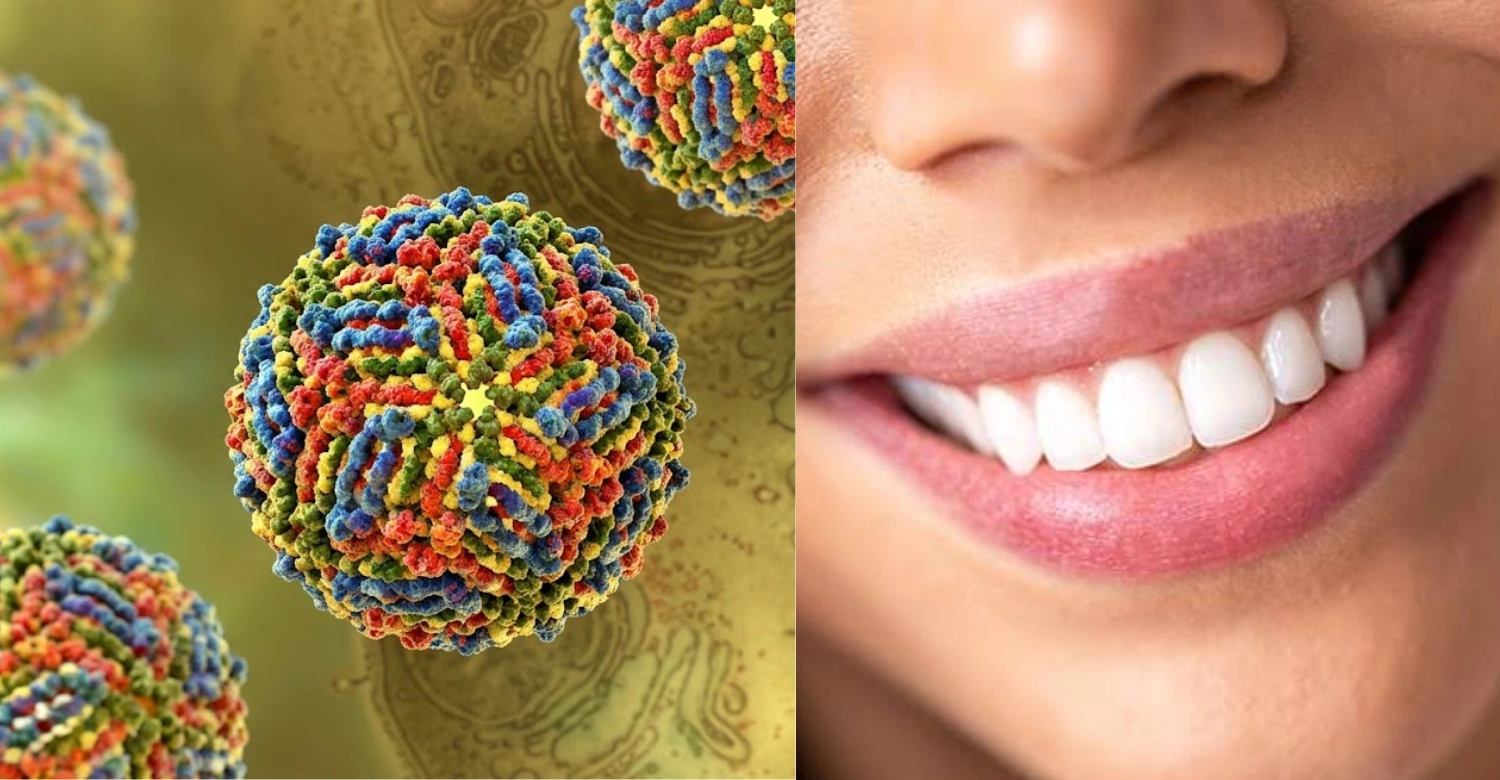
Note : All images used are for editorial and illustrative purposes only and may not originate from the original news provider or associated company.
Maintaining Daily Oral Hygiene
West Nile Virus and Oral Health benefit from maintaining a simple hygiene routine. Brush twice daily with fluoride toothpaste when possible. Clean between teeth when energy and coordination allow. Patients experiencing weakness may need caregiver assistance. A soft toothbrush can improve comfort. Avoid vigorous brushing when oral tissues are irritated. Dentures should be cleaned according to professional guidance. Regular hygiene helps control plaque during recovery. Patients should resume their usual routine as strength returns. Persistent bleeding or tooth pain should receive dental evaluation. Oral hygiene does not treat the viral infection itself. It helps reduce preventable dental problems during illness and recovery.
When to Contact Your Dentist
West Nile Virus and Oral Health concerns should be discussed with a dentist when symptoms persist. Contact a dentist for continuing tooth pain or gum swelling. Persistent mouth ulcers also deserve examination. Ongoing dryness can require assessment. Denture discomfort may require adjustment. Patients should contact their dentist before elective treatment during active illness. Severe neurological symptoms require medical attention instead. High fever, confusion, muscle weakness, tremors, and neck stiffness are warning signs. Patients should not wait for a dental appointment when these symptoms occur. Dental evaluation becomes more appropriate after medical stabilization. This helps ensure that treatment timing remains safe.
Discover the importance of preventive dental care
When Should You See a Dentist or Doctor?
West Nile Virus and Oral Health concerns can require either dental or medical evaluation. Dentists manage tooth pain, gum disease, oral lesions, and dental infections. Physicians evaluate systemic and neurological symptoms. Some patients may need both types of care. For example, persistent mouth discomfort may require dental examination after medical recovery. Swallowing difficulty with weakness may require urgent medical assessment. Confusion or paralysis requires immediate medical attention. The CDC identifies neurological symptoms as signs of potentially severe disease. Patients should explain their complete symptom history to both professionals. Coordinated care can reduce confusion about symptom causes. Treatment should be based on clinical findings rather than assumptions.
Persistent Mouth or Tongue Symptoms
West Nile Virus and Oral Health symptoms can persist for different reasons. Dryness may result from dehydration or medication effects. Tongue discomfort can have nutritional or inflammatory causes. Oral ulcers can result from several unrelated conditions. Tooth pain may indicate decay or infection. Persistent symptoms therefore require appropriate evaluation. A dentist can examine the teeth, gums, tongue, and surrounding tissues. Medical referral may follow when findings suggest systemic disease. Patients should mention recent infection and current medications. Symptom duration is also important. Symptoms continuing after recovery deserve greater attention. Professional examination helps identify the actual cause rather than assuming viral involvement.
Difficulty Eating or Swallowing
West Nile Virus and Oral Health can become more complicated when eating or swallowing becomes difficult. Dental pain can make chewing uncomfortable. Neurological complications can also affect swallowing muscles. New swallowing problems should therefore receive medical assessment. Patients should not assume the issue is purely dental. Severe neurological disease can cause weakness and paralysis. A healthcare professional can determine whether swallowing assessment is necessary. Dental professionals can identify oral problems affecting chewing. Nutritional and hydration decisions should follow medical guidance. Patients should seek urgent care when swallowing problems appear with neurological symptoms. Early assessment can help identify potentially serious complications.
Warning Signs Requiring Urgent Medical Care
West Nile Virus and Oral Health should never distract from urgent neurological warning signs. High fever can accompany severe infection. Neck stiffness may indicate neurological involvement. Confusion or disorientation requires immediate attention. Muscle weakness can also signal severe disease. Tremors and paralysis are additional warning signs. The CDC recommends immediate medical attention when these symptoms occur. Neuroinvasive disease can involve meningitis, encephalitis, or acute flaccid myelitis. These conditions require medical management. Dental care should not delay emergency evaluation. Patients with severe symptoms may require hospitalization. Oral care can be addressed alongside medical recovery when appropriate.
Understand the process of swallowing
West Nile Virus and Oral Health at Vitrin Clinic
West Nile Virus and Oral Health can be evaluated at Vitrin Clinic after appropriate medical stabilization. The dental assessment focuses on identifying actual oral findings. These may include tooth decay, gum inflammation, dryness, sensitivity, or oral discomfort. The team can also consider existing dental conditions. Medical history remains important when planning treatment. Patients recovering from severe illness may require individualized scheduling. Elective dental procedures should be considered according to overall medical status. Vitrin Clinic's digital workflow can support structured oral assessment. Diagnostic tools may be selected according to clinical indications. The objective is to create an appropriate dental plan without assuming every symptom has the same cause.
Personalized Oral Evaluation
West Nile Virus and Oral Health evaluation can begin with a detailed clinical examination. The dentist can assess teeth, gums, tongue, oral tissues, and existing restorations. Patients can describe when symptoms started and how they changed. Medication history can also help identify potential causes of dryness. Hydration status and recent illness may provide additional context. Persistent dental pain may require targeted diagnostic testing. Oral lesions may require closer examination. If symptoms appear inconsistent with a dental cause, medical referral may be appropriate. At Vitrin Clinic, personalized assessment can help establish the patient's current oral condition. Treatment recommendations can then reflect actual clinical findings.
Digital Diagnostic Assessment
West Nile Virus and Oral Health can be evaluated alongside appropriate digital dental diagnostics. Digital X-rays can help assess teeth and surrounding structures. CBCT may be appropriate when three-dimensional information is clinically necessary. A 3D intraoral scanner can provide detailed digital impressions. These technologies support dental diagnosis and treatment planning. They do not diagnose viral infection itself. Medical diagnosis requires appropriate healthcare assessment and laboratory testing. The CDC notes that healthcare providers can order laboratory tests for suspected infection. At Vitrin Clinic, digital tools can help identify dental problems after recovery. The selected technology depends on the patient's clinical needs.
Personalized Dental Care After West Nile Virus Recovery at Vitrin Clinic
West Nile Virus and Oral Health may require follow-up when oral symptoms continue after recovery. Persistent dryness can affect comfort and dental health. Tooth pain may indicate an independent dental problem. Gum irritation may result from disrupted hygiene. Neurological recovery can also affect oral function. Treatment should therefore begin with assessment rather than assumptions. Vitrin Clinic can evaluate persistent dental concerns after medical stabilization. The dental team can review symptoms and previous dental conditions. Digital diagnostics may be used when appropriate. Treatment timing can be adjusted according to the patient's recovery. This approach supports individualized care. It also helps separate temporary illness effects from treatable dental conditions.
Assessing Persistent Oral Symptoms
West Nile Virus and Oral Health follow-up can help identify persistent symptoms after recovery. Patients may report dryness, tongue discomfort, sensitivity, or tooth pain. A dental examination can identify cavities, gum disease, or tissue changes. Medication history can help explain continuing dryness. Imaging may be appropriate for suspected tooth or bone problems. Patients should also mention ongoing neurological symptoms. Medical coordination may be necessary when oral function remains affected. Not every persistent symptom results from infection. Many common dental and medical conditions can produce similar findings. A structured evaluation helps identify the most appropriate next step. At Vitrin Clinic, treatment recommendations can be based on clinical findings.
Creating an Individualized Treatment Plan
West Nile Virus and Oral Health recovery can require individualized dental planning. Some patients may need only preventive care and monitoring. Others may require restorative or periodontal treatment. Dry-mouth management may also become part of the plan. Patients with damaged teeth may need targeted restorative procedures. Cosmetic treatment should be considered only after appropriate medical recovery. Vitrin Clinic can use clinical findings and digital diagnostics when indicated. Treatment can then be sequenced according to individual needs. Patients should receive clear information before treatment begins. Follow-up appointments may help monitor persistent symptoms. The goal is to restore oral health while respecting the patient's overall recovery.
Explore restless legs syndrome and oral health
Conclusion About West Nile Virus and Oral Health
West Nile Virus and Oral Health are connected mainly through indirect effects during illness. Dehydration can reduce saliva and increase oral discomfort. Fatigue can disrupt regular oral hygiene. Severe neurological disease can affect swallowing and muscle function. Current CDC data show that approximately 80% of infections produce no symptoms. About 20% cause mild illness, while fewer than 1% cause neuroinvasive disease. Therefore, oral symptoms should not automatically be considered direct viral manifestations. Persistent dryness, tongue changes, tooth pain, or oral discomfort deserve evaluation. Swallowing difficulty with weakness requires medical attention. After medical stabilization, dental assessment can identify independent oral problems. Vitrin Clinic can provide individualized dental evaluation and treatment planning based on clinical findings.
At Vitrin Clinic
At Vitrin Clinic, Our dental care treatment focuses on protecting your oral health and addressing concerns that may develop during or after illness. In West Nile Virus and Oral Health, dehydration, dry mouth, or difficulty maintaining oral hygiene may affect everyday dental health. Our dental team can assess your teeth, gums, tongue, and overall oral condition to identify any concerns that need attention. We provide personalized dental care based on each patient’s needs, supported by digital diagnostics and a comprehensive clinical evaluation. The goal is to maintain healthy teeth and gums while ensuring appropriate care after recovery.
Reference
FAQs
Dr. Rifat Alsaman has more than 5 years of clinical experience in dentistry and currently serves as the Head of the Medical Team at Vitrin Clinic. He is dedicated to providing exceptional patient care, overseeing treatment planning, and ensuring the highest clinical standards across the team. His expertise, attention to detail, and commitment to continuous professional development have helped countless patients achieve healthier, more confident smiles.


.webp&w=3840&q=75)


