
Bronchitis and Tooth Loss can appear connected, but the relationship is mostly indirect. Bronchitis does not attack tooth structure the way a nutrient deficiency does. Instead, several factors connect the two conditions: shared inflammation, bacterial cross-seeding, smoking, and dry mouth from respiratory medications link chronic bronchitis with gum breakdown and, over time, tooth loss. Current evidence points to an association rather than a direct cause.
What Is Bronchitis and How Does It Affect the Body?
Bronchitis is inflammation of the bronchial tubes, causing coughing, mucus buildup, and breathing difficulty. Acute bronchitis usually follows a viral infection, while chronic bronchitis is long-term and linked to smoking or COPD. Beyond the lungs, ongoing inflammation and bacteria can influence other tissues. This is part of why Bronchitis and Tooth Loss keeps coming up in respiratory-oral health research.
Common Symptoms of Bronchitis
Typical symptoms include a persistent cough with mucus, chest tightness, mild fever, fatigue, and wheezing. Coughing often worsens at night or after smoke or cold-air exposure. These symptoms center on the lungs. Prolonged illness, however, can disrupt hydration and daily hygiene routines factors frequently discussed in respiratory and oral health literature.
What Happens to the Mouth During a Respiratory Infection?
During a respiratory infection, mouth breathing, reduced saliva flow, and frequent coughing can dry out oral tissues. This creates an environment where bacteria multiply more easily. Reduced saliva also means less buffering against acid. This is one reason bronchitis and oral health are often studied together in dental and respiratory medicine.
Can Bronchitis Affect Your Teeth?
Can bronchitis affect your teeth directly? Not typically. Bronchitis itself doesn't erode enamel or dissolve tooth structure. However, secondary effects can play a role. Dry mouth from inhalers, dehydration, and disrupted hygiene during illness can make teeth more vulnerable to decay and gum irritation, especially if the illness is prolonged or recurrent.
Discover more about daytime mouth guards for clenching teeth
Can Bronchitis Cause Tooth Loss?
Can bronchitis cause tooth loss on its own? Rarely, and not directly. Bronchitis and Tooth Loss are linked mainly through periodontal disease: the airway and gum tissue share inflammatory and bacterial pathways. Chronic bronchitis patients have shown higher rates of missing teeth in population studies. This reflects overlapping risk factors, though, more than one single direct cause.
How Bronchitis May Indirectly Affect Tooth Health
Chronic bronchitis can indirectly affect tooth health through medication side effects, reduced immune defenses, and lifestyle disruption during flare-ups. Long-term inhaler use often causes dry mouth, weakening natural protection against bacteria. Combined with fatigue-related lapses in brushing or flossing, this indirect pathway builds up over time. It helps explain the patterns researchers see in long-term respiratory and dental studies.
Can Respiratory Infection Cause Tooth Loss?
Can respiratory infection cause tooth loss by itself? Not typically for a single short illness. The concern grows with chronic, recurring respiratory disease. Repeated inflammation, aspirated oral bacteria, and long-term medication use accumulate over the years. This cumulative burden not one infection is what contributes to the measurable associations researchers find between respiratory illness and tooth loss.
Bronchitis and Tooth Loss: The Respiratory Disease Connection
Tooth loss and respiratory disease are frequently studied together because both share smoking, aging, and systemic inflammation as risk factors. Large population studies have found that lower lung function correlates with more severe tooth mobility and loss. This suggests the mouth may act as a visible marker of broader respiratory and inflammatory health.
Clinical Note
Bronchitis itself does not usually directly cause teeth to fall out. Bronchitis and Tooth Loss correlations in research reflect shared risk factors and periodontal pathways. They do not reflect bronchitis attacking tooth structure directly. Tooth loss is more commonly tied to advanced gum disease, severe decay, trauma, or other oral-health problems requiring separate evaluation.
Tips for the Patients
Stay hydrated during bronchitis.
Continue brushing twice daily.
Clean between teeth regularly.
Avoid excessive sugary drinks during coughing or dehydration.
Schedule a dental exam if you notice loose teeth, bleeding gums, or persistent pain.
Note: All images used are for editorial and illustrative purposes only and may not originate from the original news provider or associated company.
Learn about dental care for cleft lip and palate
How Can Bronchitis Affect Your Teeth and Gums?
Bronchitis and Tooth Loss discussions often start with the gums, not the teeth themselves. Reduced saliva, mouth breathing, and disrupted hygiene during illness allow plaque to build up faster. Over repeated bronchitis episodes, plaque can gradually stress gum tissue and the bone that supports teeth. This effect is more pronounced in chronic cases.
Bronchitis and Dental Health
Bronchitis and dental health intersect mainly through indirect factors: dry mouth from medications, dehydration, and reduced energy for oral care during illness. None of these factors directly damage enamel on their own. But sustained over months or years of chronic bronchitis, they can tip the balance toward higher decay and gum-disease risk.
Bronchitis and Oral Health
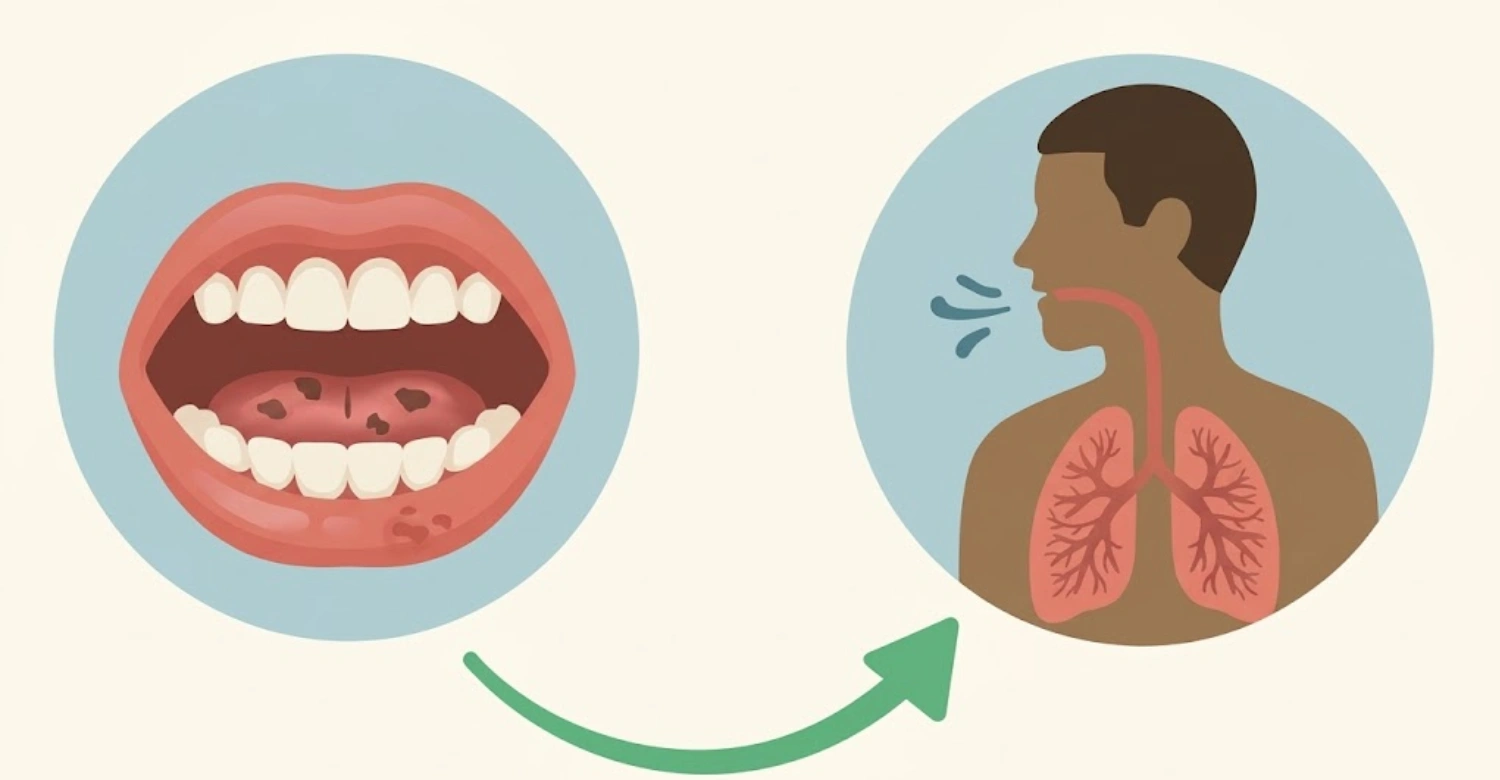
Bronchitis and oral health are connected through shared bacteria and inflammation pathways between the airway and the mouth. Oral bacterial plaque can be aspirated into the lungs. At the same time, inflammatory markers linked to chronic bronchitis may affect gum tissue resilience, creating a two-way relationship rather than a one-directional cause.
Can Coughing Cause Tooth Problems?
Can coughing cause tooth problems directly? Coughing itself doesn't damage teeth under normal circumstances. However, forceful, prolonged coughing fits can occasionally aggravate jaw muscles or existing dental work. Frequent coughing paired with dry mouth can also make teeth feel more sensitive, especially in people with pre-existing enamel wear.
Dry Mouth, Dehydration, and Oral Health During Bronchitis
Dry mouth and dehydration during bronchitis reduce saliva's natural ability to buffer acid and wash away bacteria. This is one of the more direct mechanisms behind this connection. Chronically reduced saliva flow, whether from illness or inhaler use, can accelerate cavities and gum irritation over time.
Explore digital dental implants and modern implant planning
Can Bronchitis Increase the Risk of Gum Disease?
Bronchitis and Tooth Loss research frequently points back to gum disease as the connecting link. Chronic bronchitis brings an inflammatory burden and, often, dry mouth. Together these can make gum tissue more susceptible to bacterial buildup, especially when combined with smoking a shared risk factor for both chronic respiratory disease and periodontitis.
Bronchitis and Gum Disease
Bronchitis and gum disease share an inflammatory and bacterial relationship rather than a direct causal one. Periodontitis has been proposed as a bridge to COPD, because oral bacteria can be aspirated into the lower airways. The same bacterial burden colonizing gum pockets may, in turn, worsen bronchial inflammation.
How Poor Oral Hygiene During Illness Can Affect the Gums
During bronchitis, fatigue and congestion often lead to shorter or skipped brushing and flossing sessions. This temporary lapse allows plaque to accumulate along the gumline. If illness becomes chronic or recurs often, these lapses can compound over time. The result is a gradually increasing risk of gum inflammation and eventual attachment loss.
Signs of Gum Problems to Watch For
Watch for red or swollen gums, bleeding during brushing, persistent bad breath, gum recession, or teeth that feel loose. These signs suggest active gum disease rather than a simple side effect of bronchitis. They warrant a dental evaluation, not dismissal as a temporary illness-related symptom.
Clinical Note
Gum disease develops primarily from plaque and bacterial buildup, not from bronchitis itself. However, being sick can make regular oral-care routines harder to maintain, indirectly contributing to plaque accumulation. This is part of why Bronchitis and Tooth Loss patterns show up more in chronic, long-term respiratory illness.
Tips for the Patients
Patients recovering from bronchitis should return to their normal brushing and interdental-cleaning routine as soon as they're able, since even short gaps in oral hygiene during illness can allow plaque to build up along the gumline and increase irritation.
Can Chronic Bronchitis Affect Long-Term Oral Health?
The connection between the two conditions strengthens with chronicity. Long-term bronchitis means prolonged exposure to inflammation, ongoing medication use, and repeated hygiene disruptions. Unlike a single acute episode, chronic bronchitis compounds these small effects over years. This is why research shows a more measurable association in long-term patients.
Chronic Bronchitis and Oral Health
Chronic bronchitis and oral health are linked through sustained inflammation, frequent inhaler-related dry mouth, and reduced immune resilience in gum tissue. Patients managing chronic bronchitis for years may face a gradually elevated risk of periodontal issues. Routine dental monitoring is therefore a useful part of overall chronic-illness management.
Long-Term Data on Tooth Loss and Respiratory Disease
Tooth loss and respiratory disease continue to show correlation in long-term cohort studies. Reduced lung function is often paired with more advanced tooth mobility and loss. Researchers view this as reflecting shared underlying inflammation and lifestyle factors rather than one condition mechanically causing the other.
How Repeated Illness May Influence Dental Care Habits
Repeated respiratory illness can disrupt dental care habits over time. Missed cleanings during flare-ups, inconsistent brushing during fatigue, and reliance on sugary cough remedies are common examples. These small, recurring interruptions add up, gradually shifting oral health in a less favorable direction the longer chronic bronchitis persists.
Find out more about drill-free tooth decay treatment
What Causes Tooth Pain During Bronchitis?
Tooth pain during bronchitis is often linked to sinus pressure rather than the teeth themselves. Upper back teeth sit close to the sinus cavities. Still, research on Bronchitis and Tooth Loss reminds patients that unexplained or persistent tooth pain deserves dental attention rather than automatic attribution to respiratory illness.
Bronchitis Symptoms and Tooth Pain
Bronchitis symptoms and tooth pain can overlap when sinus congestion puts pressure on nerves near the upper molars. Sinus congestion is a common companion to respiratory infections. This pressure can mimic a toothache even when the tooth itself is healthy, making it easy to confuse sinus-related discomfort with an actual dental problem.
Sinus Pressure vs. Dental Pain
Sinus pressure typically causes a dull, widespread ache across several upper teeth that worsens when bending forward. True dental pain, in contrast, is usually sharper, localized to one tooth, and triggered by hot, cold, or chewing. Recognizing this difference helps determine whether a dentist or general care is needed first.
When Tooth Pain May Indicate a Dental Problem
Tooth pain that's sharp, localized, worsens with temperature, or lingers after respiratory symptoms clear likely points to a dental issue rather than bronchitis. In these cases, a dental exam is recommended to rule out decay, infection, or a cracked tooth.
Clinical Note
Tooth pain during a respiratory illness should not automatically be attributed to bronchitis. Persistent, localized, or severe dental pain may signal an underlying dental problem. Understanding this distinction is central to interpreting Bronchitis and Tooth Loss discussions accurately, rather than dismissing dental symptoms as purely respiratory.
Tips for the Patients
If tooth pain continues after respiratory symptoms improve, patients should consider a dental evaluation rather than waiting for it to resolve on its own, since lingering pain after illness often points to a separate dental issue needing attention.
Discover how full-arch dental implants can restore missing teeth
How Can You Protect Your Teeth During Bronchitis?
Protecting your teeth during bronchitis mainly means countering the indirect effects of illness. Staying hydrated, maintaining brushing and flossing, limiting sugary remedies, and managing dry mouth all help. Together, these habits reduce the small risks that, over time and repeated illness, contribute to broader oral health risks discussed in respiratory research.
Maintain Daily Brushing and Flossing
Even when fatigued or congested, keeping up twice-daily brushing and daily flossing prevents plaque from building up along the gumline. Illness is a common time for hygiene routines to slip. Setting reminders, or shortening rather than skipping sessions, can help maintain consistent oral care during a bronchitis episode.
Drink Enough Water
Adequate water intake helps maintain saliva flow, which naturally buffers acids and limits bacterial growth in the mouth. Bronchitis, coughing, and mouth breathing all increase fluid loss. Consciously increasing water intake during illness supports both respiratory recovery and ongoing protection for teeth and gums.
Limit Sugary Cough Remedies and Drinks
Many cough drops, syrups, and soothing drinks contain significant sugar. This sugar can feed bacteria and raise cavity risk, especially when saliva flow is already reduced by illness. Choosing sugar-free lozenges or diluted, less sugary options helps manage cough symptoms without adding unnecessary strain on dental health.
Protect Your Teeth From Dry Mouth
Dry mouth from inhalers or mouth breathing during bronchitis reduces saliva's protective effect. Sipping water regularly, using sugar-free gum to stimulate saliva, and avoiding tobacco can help offset this. Addressing dry mouth directly is one of the most practical steps for reducing long-term Bronchitis and Tooth Loss risk.
When Should You Visit a Dentist?
Visit a dentist if you notice loose teeth, bleeding or swollen gums, persistent bad breath, or tooth pain that outlasts your respiratory symptoms. Early evaluation helps distinguish normal illness-related discomfort from an emerging dental issue. This approach supports better outcomes than waiting until oral health concerns become advanced.
How Can Vitrin Clinic Help With Oral Health and Tooth Loss?
Vitrin Clinic supports patients navigating Bronchitis and Tooth Loss concerns by looking beyond respiratory symptoms to assess actual oral health status. Rather than assuming bronchitis is the cause, Vitrin Clinic evaluates gum health, tooth stability, and hygiene habits. This approach identifies what is genuinely driving any dental changes a patient notices.
Comprehensive Dental Evaluation at Vitrin Clinic
A comprehensive evaluation at Vitrin Clinic includes checking gum health, tooth mobility, and signs of decay or infection. This full-picture approach helps separate genuine dental disease from temporary illness-related symptoms. It ensures patients receive accurate guidance, instead of assuming bronchitis alone explains any tooth or gum changes.
Identifying the Cause of Tooth Loss
Identifying the true cause of tooth loss requires ruling out gum disease, decay, trauma, and other oral conditions individually. The two conditions may appear connected on the surface. A proper diagnostic process, however, looks at each contributing factor rather than attributing loss to respiratory illness by default.
Personalized Treatment Planning at Vitrin Clinic
Once the cause is identified, Vitrin Clinic builds a personalized treatment plan for the specific issue. This might mean periodontal therapy, restorative work, or hygiene coaching. This tailored approach ensures patients get treatment matched to their actual oral condition rather than a generalized response to respiratory symptoms.
Clinical Note
Bronchitis is generally not a direct cause of tooth loss. If teeth become loose or are lost, a dental professional should evaluate potential causes such as gum disease, decay, or infection. Vitrin Clinic emphasizes this distinction when discussing Bronchitis and Tooth Loss with patients seeking clarity on their symptoms.
Tips for the Patients
Patients experiencing tooth loss after or during bronchitis should not assume the respiratory infection is the direct cause. A professional dental assessment at Vitrin Clinic can help determine what is actually affecting oral health and guide appropriate next steps for treatment.
Learn about the role of good bacteria in the mouth
Resource:
https://pubmed.ncbi.nlm.nih.gov/23950871/
FAQs

Dr. Rifat Alsaman has more than 5 years of clinical experience in dentistry and currently serves as the Head of the Medical Team at Vitrin Clinic. He is dedicated to providing exceptional patient care, overseeing treatment planning, and ensuring the highest clinical standards across the team. His expertise, attention to detail, and commitment to continuous professional development have helped countless patients achieve healthier, more confident smiles.


.webp&w=3840&q=75)


