General Dentistry
September 13, 2026
My Back Teeth Keep Biting My Cheek: Why Does It Happen?
 Dr. Rifat Alsaman
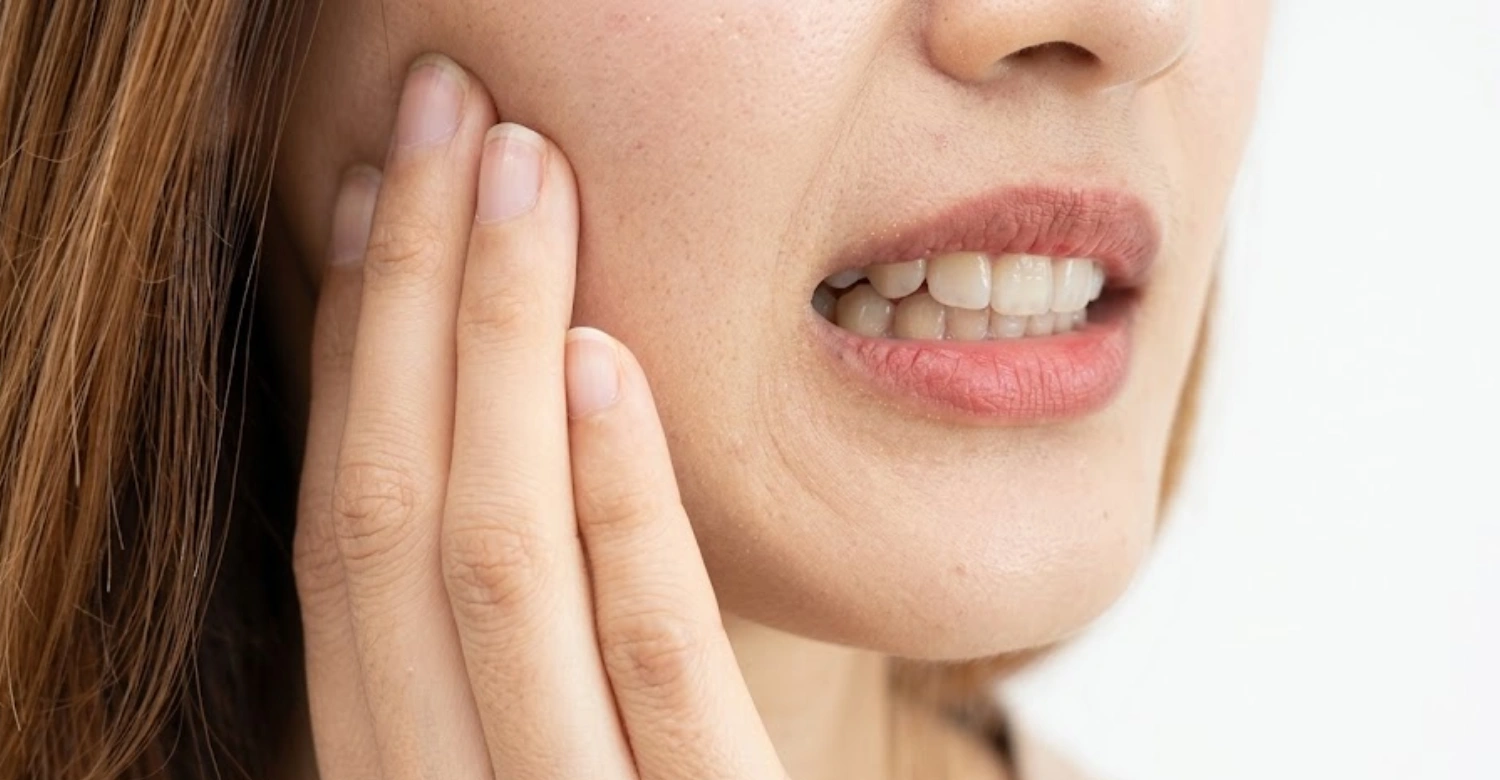
Repeated cheek biting can happen when the back teeth contact the inner cheek during normal jaw movement. Several dental factors can contribute to this problem, including tooth alignment, wisdom teeth, swelling, and changes in the bite. Grinding or clenching can also increase unwanted contact. While occasional cheek biting is usually harmless, saying "My Back Teeth Keep Biting My Cheek" indicates repeated contact that can lead to soreness, swelling, or small ulcers, creating a frustrating cycle of irritation. During an assessment at Vitrin Clinic, a digital dental examination and imaging can help identify structural causes, such as wisdom teeth or bite relationships, to establish an effective treatment plan.
Why Do My Back Teeth Keep Biting My Cheek?
Repeated cheek contact usually develops from a change in the relationship between the teeth and cheek. The cheek normally moves around the teeth during speaking, swallowing, and chewing. A small change in tooth position can alter that movement. Crowding may push a molar toward the cheek. A wisdom tooth may erupt at an unusual angle. Swelling can also reduce the available space between the teeth and surrounding tissues. Another possibility involves jaw clenching or grinding. These habits can increase muscle activity and alter how frequently the teeth contact each other. Research shows that bruxism is better understood as a behavior rather than automatically as a disorder. A dental examination can determine whether the problem comes from alignment, tooth position, soft-tissue irritation, or another factor.
Changes in Tooth Alignment and Bite
Tooth alignment can influence where the cheek rests during normal jaw movement. When a back tooth tilts outward, it may occupy more space toward the cheek. Crowding can produce similar effects because neighboring teeth may no longer follow an ideal dental arch. Even small positional changes can influence chewing mechanics. Changes may develop after orthodontic treatment, tooth loss, restorations, or natural dental movement. A new crown or filling can also affect how the teeth meet. The important point is that cheek biting does not always indicate a serious dental problem. However, repeated episodes deserve assessment when they continue. A dentist can examine the occlusion and observe how the upper and lower teeth contact. This assessment helps identify whether tooth position contributes to repeated trauma.
Wisdom Teeth and Limited Space
Wisdom teeth can contribute to cheek irritation when their position creates abnormal contact. This possibility becomes more relevant when a third molar is partially erupted or angled toward the cheek. Limited space can affect how the tooth emerges. Some wisdom teeth remain impacted or partially covered by gum tissue. Others erupt at unusual angles because adequate space is unavailable. Research shows that impacted third molars are common, although prevalence varies considerably between populations. One recent review reported estimates ranging from 9.5% to 68%. Not every impacted wisdom tooth requires removal. Treatment depends on symptoms, position, surrounding structures, and future risk. A dental examination and appropriate imaging can clarify whether the third molar contributes to cheek trauma.
Cheek Swelling and Irritation
Swelling inside the cheek can make repeated biting more likely. When tissue becomes enlarged, it may move closer to the chewing surfaces. The initial swelling may come from accidental trauma. Unfortunately, another bite can then increase inflammation and prolong the irritation. Other causes can include local infection, soft-tissue injury, or inflammation around a partially erupted tooth. Wisdom teeth can sometimes cause inflammation around their surrounding gum tissue. Pericoronitis is particularly associated with partially erupted or impacted third molars. Studies have linked specific impaction patterns with increased pericoronitis risk. Persistent swelling should not simply be ignored. A dentist can determine whether the tissue problem results from mechanical trauma or another dental condition.
Teeth Grinding and Jaw Clenching
Grinding and clenching can increase repeated tooth contact during waking hours or sleep. This may change the way the cheek interacts with the back teeth. Some people clench without realizing it. Others notice jaw fatigue, morning facial soreness, headaches, or worn tooth surfaces. A 2023 systematic review estimated pooled awake bruxism prevalence at approximately 15.44% among adults. The researchers also highlighted considerable variation between diagnostic methods. Bruxism does not automatically mean someone has a dental disorder. Current consensus describes it as masticatory muscle activity that can have different clinical consequences. If cheek biting occurs alongside grinding symptoms, a dentist can evaluate both the bite and jaw function.
Clinical Note
Repeated cheek trauma should be evaluated according to its pattern rather than one symptom alone. A dentist may examine exactly where the cheek is being injured. The location can suggest which tooth or dental area is contributing to contact. The examination may include checking the molars, wisdom teeth, bite relationship, and surrounding soft tissues. Existing restorations should also be assessed. A recurring injury does not necessarily mean that a tooth must be removed. Treatment should address the underlying cause whenever possible. At Vitrin Clinic, digital examination methods can support a more detailed assessment of tooth position and bite relationships. Imaging can provide additional information when clinical examination alone is insufficient. Early evaluation can be especially useful when discomfort, swelling, or repeated sores develop.
Learn more about pulpectomy
Can Wisdom Teeth Cause Cheek Biting?
Wisdom teeth can contribute to cheek biting when their eruption or position changes the available space behind the molars. A third molar may grow toward the cheek instead of following the normal dental arch. This can create direct contact during chewing. Partially erupted wisdom teeth may also create areas where food and bacteria accumulate. Inflammation around these teeth can increase soft-tissue swelling. Studies have identified pericoronitis as a common reason for evaluating or removing problematic third molars. One large UK study reported pericoronitis as the indication for 39.5% of third-molar extractions in its sample. However, cheek biting alone does not establish that a wisdom tooth requires extraction. A dentist should evaluate the tooth's position, symptoms, surrounding tissues, and relationship with neighboring structures.
Wisdom Teeth Growing Toward the Cheek
A wisdom tooth may erupt at an unusual angle when the available space is limited. Its crown can then extend toward surrounding soft tissue. When the tooth sits closer to the cheek, normal chewing can bring the tissue into contact with its surface. The tooth may feel sharp or unusually prominent when the tongue or finger touches it. Some patients notice irritation only while eating. Angled third molars can also contribute to other problems. These include food trapping, gum inflammation, and difficulty maintaining hygiene. The exact position cannot always be determined from symptoms alone. Dental imaging can show the tooth's orientation and relationship with neighboring structures. If the tooth repeatedly traumatizes the cheek, professional assessment can determine whether observation, treatment, or removal is appropriate.
Impacted or Partially Erupted Wisdom Teeth
An impacted wisdom tooth has not fully reached its expected position within the dental arch. It may remain covered by gum or bone. A partially erupted tooth has emerged only partly through the gum. This situation can create a difficult area for cleaning. Inflammation around partially erupted third molars is commonly called pericoronitis. Clinical research has connected this condition with several patterns of third-molar impaction. The surrounding swelling may push the cheek closer to the chewing surfaces. This can make accidental biting more frequent. Not every impacted tooth produces symptoms. Some remain stable and require monitoring rather than immediate intervention. A dentist can determine whether the tooth is contributing to the problem through examination and appropriate imaging.
Limited Space Behind the Molars
The area behind the second molar may provide limited room for a wisdom tooth. This becomes important when the third molar attempts to erupt. Insufficient space can encourage abnormal angulation or incomplete eruption. The resulting position may change how nearby soft tissue moves during chewing. Impaction studies frequently evaluate available eruption space alongside third-molar position. Recent research also links impaction patterns with complications involving neighboring molars. Limited space does not automatically mean that extraction is necessary. The clinical decision depends on symptoms and the tooth's long-term outlook. A dentist can use examination findings and radiographs to determine whether the available space is adequate. This assessment can also identify potential problems involving the second molar.
How Wisdom Teeth Can Affect Cheek Contact
A wisdom tooth can influence cheek contact through its angle, eruption level, or position within the dental arch. A tooth positioned toward the cheek may create a physical prominence. The cheek can then become trapped between that prominence and the opposing tooth. Inflammation around a partially erupted tooth may increase tissue thickness. This can further reduce the space available during chewing. Repeated trauma may produce localized tenderness or an irritated area inside the cheek. The symptoms alone cannot confirm which mechanism is responsible. A dental examination can identify the relevant tooth and assess its relationship with surrounding tissues. If a third molar appears responsible, treatment can range from monitoring to targeted management or extraction.
What We Notice Clinically
Clinicians often pay attention to the exact location and frequency of cheek injuries. An injury directly opposite a particular molar can provide useful information about repeated mechanical contact. The examination also considers whether the tooth appears rotated, tilted, crowded, fractured, or unusually prominent. Wisdom teeth receive particular attention when symptoms occur toward the very back of the mouth. Their eruption status can influence both soft-tissue contact and local inflammation. A dentist may also ask whether biting occurs during meals, while resting, or during sleep. This history helps distinguish mechanical chewing problems from possible clenching or grinding. At Vitrin Clinic, these findings can be combined with digital examination and imaging when clinically appropriate.
Discover more about congenital adrenal hyperplasia and oral health
Why Are My Wisdom Teeth Biting My Cheeks?
Wisdom teeth can irritate the cheek when their position places the tooth closer to surrounding soft tissue. The problem may develop gradually as the tooth erupts. It can also appear suddenly when swelling changes the available space. An angled third molar may contact the cheek during chewing. A partially erupted tooth can create inflammation that makes tissue more vulnerable to trauma. Research indicates that third-molar angulation and impaction depth can influence complications such as pericoronitis. However, symptoms vary considerably between patients. Some people experience pain, while others mainly notice repeated cheek injuries. A dental assessment can determine whether the wisdom tooth is actually responsible. Treatment should be based on clinical findings rather than the presence of a wisdom tooth alone.
Wisdom Teeth Growing in at an Angle
An angled wisdom tooth may occupy an unusual position behind the second molar. Its crown can point forward, backward, outward, or inward. When the crown points toward the cheek, soft-tissue contact may become more likely. Mesioangular and other abnormal impaction patterns are frequently evaluated in third-molar research. Their clinical importance depends on individual anatomy and symptoms. An angled tooth does not automatically require extraction. The dentist must consider symptoms, hygiene, neighboring teeth, and long-term risks. Radiographic imaging can help identify the tooth's precise orientation. This information allows the clinician to determine whether the cheek injury is likely related to the wisdom tooth.
Wisdom Teeth Biting the Inner Cheek
The inner cheek can become trapped between opposing teeth when a wisdom tooth changes the chewing pathway. The problem may occur only on one side. It can also become more noticeable when eating harder foods. Repeated contact may produce redness, tenderness, or a localized sore. Continuing trauma can prevent the area from settling. The first step is identifying the tooth responsible for the contact. A dental examination can reveal whether the wisdom tooth is positioned unusually. Other factors should also be considered. These include swelling, bite changes, restorations, and clenching. If the cheek continues getting injured, professional assessment is preferable to repeatedly treating the irritation alone.
Changes in the Way the Teeth Meet
The way upper and lower teeth contact is called occlusion. Changes in occlusion can influence chewing movements and soft-tissue contact. A new dental restoration may sometimes alter tooth contact. Tooth movement, missing teeth, or orthodontic changes can also affect the bite. These changes may make the cheek more likely to move between the teeth. A dentist can check the bite by observing tooth contacts during different jaw movements. This examination can help identify abnormal contact patterns. Not every bite difference requires correction. Treatment depends on symptoms, function, and the underlying cause. A careful assessment is particularly important when cheek biting begins after dental treatment.
Misaligned Back Teeth
Misaligned molars may extend toward the cheek or occupy an unusual position within the dental arch. Crowding can make the back teeth rotate or overlap. This may reduce the space available for normal cheek movement. The degree of misalignment matters less than its functional effect. A mildly rotated tooth may cause no symptoms. A more prominent tooth may repeatedly contact the cheek during chewing. Orthodontic assessment can determine whether tooth movement could improve the bite. Other dental treatments may be considered when orthodontics is unnecessary. The appropriate approach depends on the specific alignment problem and the patient's overall dental condition.
Find out why your mouth is producing so much saliva suddenly
Can Misaligned Teeth Cause Cheek Biting?
Misaligned teeth can contribute to repeated cheek biting when their position changes the normal relationship between the teeth and surrounding soft tissues. A rotated or outward-positioned molar may occupy more space toward the cheek. Crowding can also change the pathway of the cheek during chewing. This can make accidental contact more frequent, especially when eating quickly or chewing harder foods. My Back Teeth Keep Biting My Cheek may therefore be related to an underlying bite or alignment issue. However, misalignment is only one possible explanation. Wisdom teeth, swelling, clenching, restorations, and previous dental procedures can produce similar symptoms. A dental examination can determine whether tooth position contributes to the repeated trauma. At Vitrin Clinic, clinicians can assess tooth alignment and bite relationships using digital examination methods. Treatment should focus on correcting the underlying cause rather than repeatedly treating the irritated cheek.
How Misaligned Teeth Affect the Cheek
Misaligned teeth can change the amount of space available between the teeth and inner cheek. When a molar tilts outward, its chewing surface may move closer to the soft tissue. During normal jaw movement, the cheek can then become caught between opposing teeth. This may create repeated tenderness, redness, or small traumatic sores. This issue can sometimes indicate that a tooth is positioned outside the ideal dental arch. However, symptoms should always be evaluated alongside the actual bite relationship. A dentist can examine how the upper and lower teeth meet during opening, closing, and chewing movements. Digital scans can also help visualize tooth positions and dental arch relationships. If alignment is responsible, treatment may involve orthodontic correction or another appropriate dental intervention. The correct approach depends on the severity and functional impact of the misalignment.
Crowded Back Teeth and Cheek Biting
Crowding occurs when teeth have insufficient space to align normally within the dental arch. Back-tooth crowding can cause molars to rotate, overlap, or move toward the cheek. These changes can reduce the space available for normal soft-tissue movement during chewing. This problem may become more noticeable when several teeth are crowded together. Crowding can also make cleaning between teeth more difficult. Food accumulation and local gum irritation may increase swelling around crowded areas. A dentist or orthodontist can assess whether crowding affects the patient's bite and cheek position. Treatment does not always require orthodontics because symptoms and severity vary between patients. In some cases, monitoring may be sufficient. When crowding creates persistent functional problems, orthodontic treatment may help establish a more favorable tooth position.
Bite Problems and Repeated Cheek Trauma
A bite problem can affect how the upper and lower teeth contact during chewing. Changes in tooth contact can influence the movement of the cheek between the back teeth. Repeated trauma may occur when a particular tooth contacts the same area of soft tissue. This symptom may therefore be associated with an altered occlusal relationship. Bite problems can have several causes, including tooth movement, missing teeth, restorations, orthodontic changes, or jaw development. A dentist can examine the occlusion and identify unusual contact points. The assessment may include observing jaw movement rather than simply checking the teeth while closed. Treatment depends on the cause and may involve restoration adjustment, orthodontic treatment, or management of another dental condition. Avoiding unnecessary bite adjustments is important because treatment should address confirmed functional problems.
When an Orthodontic Evaluation May Help
An orthodontic evaluation may be useful when repeated cheek biting occurs alongside crowded or rotated teeth. Orthodontists assess tooth position, dental arches, bite relationships, and jaw development. My Back Teeth Keep Biting My Cheek may be connected to alignment when a particular molar repeatedly contacts the same cheek area. An orthodontic assessment can determine whether tooth movement could improve the available space. The evaluation may include photographs, digital scans, and radiographic imaging when indicated. Treatment options depend on age, dental condition, alignment, and the severity of the bite problem. Not every patient with cheek biting needs orthodontic treatment. Some cases result from wisdom teeth, swelling, or temporary irritation instead. A dentist can therefore determine whether an orthodontic referral is appropriate. At Vitrin Clinic, treatment planning can incorporate digital records when alignment requires detailed evaluation.
Clinical Note
Repeated cheek trauma should be evaluated according to its location, frequency, and relationship with specific teeth. This condition can describe several different dental situations rather than one specific diagnosis. Clinicians typically examine the affected cheek and identify the teeth located opposite the injury. They may also evaluate wisdom teeth, tooth alignment, existing restorations, and signs of grinding. The appearance of the tissue can provide useful information about repeated mechanical trauma. However, persistent oral lesions should receive professional assessment rather than being assumed to result from cheek biting. Clinical examination helps distinguish simple trauma from infection or another oral condition. If the cause remains unclear, imaging may provide additional information. Vitrin Clinic can combine clinical examination with digital diagnostic technology when appropriate.
Learn more about pneumococcal disease and oral health
Why Do My Back Teeth Keep Biting My Cheek When I Eat?
Cheek biting during meals can occur when the cheek moves between the upper and lower back teeth. The problem may become more frequent when chewing patterns change or when swelling reduces the available space. My Back Teeth Keep Biting My Cheek can therefore become especially noticeable while eating. Fast chewing can also reduce awareness of cheek position. Hard or chewy foods may require stronger and more repetitive jaw movements. A painful cheek injury can make the tissue swell, increasing the chance of another bite. This creates a cycle where one injury contributes to another. Wisdom teeth, tooth alignment, restorations, and jaw clenching can also influence chewing mechanics. If the problem continues, a dentist can examine the bite and identify possible contributing factors. Simple protective measures may reduce irritation while the underlying cause is being evaluated.
Cheek Biting During Chewing
Chewing requires coordinated movement between the teeth, jaw muscles, tongue, and cheeks. The cheek normally stays outside the main pathway of the chewing surfaces. This may occur when this coordination becomes disrupted. A tooth positioned toward the cheek can reduce the available clearance during chewing. Swelling can create a similar problem by making the cheek thicker. Changes in chewing on one side can also increase repeated contact in a specific area. Patients may notice the problem more often when eating quickly or concentrating on another activity. Slowing down can sometimes reduce accidental injuries temporarily. However, repeated episodes suggest that an underlying factor may need evaluation. A dentist can examine tooth position and bite function to identify the likely source.
Changes in Chewing Patterns
Chewing patterns can change after dental treatment, tooth extraction, pain, swelling, or injury. People may unconsciously shift chewing toward the opposite side when one area feels uncomfortable. My Back Teeth Keep Biting My Cheek can become more frequent when these altered movements place the cheek closer to the teeth. New restorations can also temporarily feel different until the patient adapts. Jaw discomfort may influence chewing speed and muscle coordination. A dentist can assess whether the bite has changed following treatment. Most temporary changes improve as swelling decreases and normal movement returns. Persistent problems should receive professional evaluation. Identifying the trigger can prevent repeated trauma and help restore comfortable chewing.
Swelling and Reduced Chewing Space
Swelling can reduce the distance between the cheek and the chewing surfaces. Even minor tissue enlargement can make an already narrow space more vulnerable to repeated contact. This can become worse after the first injury because inflammation changes the tissue's shape. Wisdom tooth inflammation can also produce swelling toward the back of the mouth. The affected area may feel tender when chewing or touching it. Continued biting can prolong inflammation and delay recovery. Patients should avoid deliberately testing the area with their teeth because this can cause further trauma. Soft foods may be easier to tolerate while the tissue settles. Persistent swelling, severe pain, fever, or difficulty opening the mouth requires dental assessment.
Why Cheek Biting May Happen Repeatedly
Repeated cheek biting often results from a cycle involving trauma and swelling. The first bite injures the tissue and produces localized irritation. The swollen area then occupies more space between the teeth. This can continue because the enlarged tissue becomes easier to catch during chewing. A sharp tooth edge or unusual molar position can maintain this cycle. Grinding or clenching may increase contact frequency as well. Treating only the sore tissue may provide temporary relief without removing the underlying cause. A dentist should therefore evaluate the teeth, bite, wisdom teeth, and surrounding tissues. Identifying the mechanical trigger can help prevent repeated injury. This approach is more effective than simply waiting for each sore to heal.
Tips for Patients
Patients can reduce further trauma by chewing slowly and choosing softer foods temporarily. Avoiding very hard, crunchy, or sticky foods may reduce excessive movement while the cheek heals. The area should not be repeatedly tested by biting down to locate the painful spot. Gentle oral hygiene remains important because irritated tissue can be more uncomfortable when plaque accumulates nearby. Patients should also monitor whether biting occurs on one side or both sides. Recording when the problem occurs can help the dentist identify patterns. If swelling develops, continuing to traumatize the area can delay healing. Persistent bleeding, significant swelling, severe pain, or a sore that does not improve should receive professional assessment. Vitrin Clinic can evaluate recurring symptoms and determine whether dental treatment is appropriate.
Discover more about fixed dentures cost in Turkey
Why Am I Biting My Cheek After Wisdom Teeth Removal?
Cheek biting can temporarily occur after wisdom tooth removal because surgery can change swelling, sensation, and normal jaw movement. Swelling may make the cheek sit closer to the remaining teeth. Local anesthesia or temporary altered sensation can also reduce awareness of cheek position. My Back Teeth Keep Biting My Cheek may therefore occur during the early recovery period. The problem usually depends on the specific tooth removed and the surrounding tissue response. Patients should follow the postoperative instructions provided by their dental team. Eating carefully can reduce accidental trauma while normal sensation and movement return. Persistent biting after the expected recovery period deserves evaluation. The dentist can determine whether swelling, bite changes, tissue healing, or another issue is responsible. Recovery experiences vary depending on extraction complexity and individual healing.
Swelling After Wisdom Tooth Extraction
Swelling is a common response following dental surgery and can temporarily change the relationship between the cheek and remaining teeth. The tissue may become thicker around the extraction area. This can become more noticeable when this swelling reduces the available chewing space. Swelling usually develops during the early postoperative period and gradually improves. The amount and duration vary depending on the surgical complexity and individual healing response. Following the dentist's instructions can help support normal recovery. Patients should avoid repeatedly touching or biting the surgical area. If swelling becomes progressively worse, is accompanied by fever, or causes difficulty swallowing, professional assessment is important. These symptoms may indicate a complication requiring treatment.
Temporary Changes in the Bite
The bite can feel different temporarily after wisdom tooth removal. Swelling and tenderness may cause patients to position their jaw differently during chewing. My Back Teeth Keep Biting My Cheek can occur when these temporary changes alter normal tooth contact. Patients may also chew primarily on the opposite side to protect the surgical area. This can change how the cheeks move during meals. As swelling decreases, normal jaw movement usually becomes easier. However, persistent changes should be discussed with the treating dentist. A dental examination can determine whether the symptoms are part of normal recovery. It can also identify an unrelated bite problem that became noticeable after surgery. Avoiding unnecessary manipulation of the extraction site remains important during healing.
Numbness and Reduced Cheek Awareness
Temporary numbness can affect awareness of the cheek after wisdom tooth surgery. Local anesthetic can produce short-term loss of sensation immediately after treatment. Some surgical procedures can also cause temporary altered sensation involving nearby nerves. This can happen when reduced sensation makes accidental contact less noticeable. Patients should be especially careful while eating until normal feeling returns. Biting numb tissue can cause significant injury without immediate pain. Very hot foods and drinks should also be avoided while sensation is reduced. Persistent or unusual numbness should be reported to the treating dental professional. The dentist can determine whether the sensory change matches the expected recovery pattern. Prompt communication is particularly important when numbness persists longer than advised.
Cheek Biting During Recovery
Cheek biting during recovery can result from swelling, altered chewing, or reduced sensation. The problem does not necessarily mean that the extraction was unsuccessful. It may simply reflect temporary changes following surgery. Patients can reduce trauma by eating slowly and choosing foods that require less chewing. They should follow all postoperative instructions provided by their dentist. Avoiding unnecessary pressure around the surgical area can support healing. If repeated biting causes a large sore or significant bleeding, the dental team should be contacted. Persistent symptoms after the initial recovery period require reassessment. The dentist may examine the extraction site and remaining molars to identify the cause. Individual recovery timelines vary, so professional advice should guide concerns about healing.
Clinical Note
Post-extraction cheek biting should be considered alongside the patient's overall recovery. My Back Teeth Keep Biting My Cheek may result from swelling rather than a permanent change in the bite. Clinicians can examine the surgical area, surrounding tissues, and remaining molars. They can also assess whether sensation has returned appropriately. Persistent swelling, increasing pain, fever, drainage, or significant functional difficulty requires professional evaluation. These symptoms can indicate complications rather than simple mechanical irritation. Patients should avoid self-adjusting teeth or using unapproved materials against the surgical site. Proper postoperative instructions remain the safest approach. At Vitrin Clinic, follow-up assessment can help determine whether symptoms represent normal healing or require additional treatment.
Explore how eating before bed affects oral health
How to Stop Biting My Cheek After Wisdom Teeth Removal
Stopping repeated cheek biting after wisdom tooth removal usually involves protecting the healing tissue while swelling and sensation return to normal. My Back Teeth Keep Biting My Cheek can happen temporarily because the cheek may remain swollen after surgery. Eating slowly and choosing softer foods can reduce accidental contact during chewing. Patients should avoid repeatedly checking the area with their teeth because this can create additional trauma. Following the dentist's postoperative instructions is especially important during the early healing period. If numbness remains, extra caution is necessary because injured tissue may not immediately feel painful. Persistent cheek biting should be discussed with the dental team if it continues after normal recovery. The dentist can determine whether swelling, altered bite, or another dental factor is responsible. Treatment should focus on the underlying cause rather than simply protecting the cheek indefinitely.
Protecting the Cheek While It Heals
Protecting the cheek can help reduce repeated trauma while the extraction area recovers. This may become worse when swollen tissue repeatedly contacts the molars. Patients should chew slowly and avoid placing food directly against the affected area. Softer foods can require less chewing and may reduce accidental cheek movement. It is also important to avoid biting down deliberately to test whether the area remains sensitive. Gentle oral hygiene should continue according to the dental team's instructions. Patients should avoid placing unapproved objects or materials against the surgical area. If the cheek becomes increasingly swollen or painful, professional advice should be obtained. Proper protection is usually temporary and should continue only as recommended by the treating dentist. The goal is to allow normal tissue healing without repeated mechanical injury.
Eating Carefully During Recovery
Careful eating can reduce accidental cheek trauma during recovery from wisdom tooth removal. My Back Teeth Keep Biting My Cheek may be more noticeable when patients chew quickly or use the affected side. Soft foods can reduce the amount of chewing required during the early healing period. Small bites can also make jaw movements easier to control. Patients should avoid foods that are extremely hard, sharp, or difficult to chew when the area remains sensitive. Very hot foods should be avoided while numbness is present because reduced sensation can increase injury risk. Drinking enough fluids also supports general recovery, although patients should follow specific instructions about drinking after surgery. As swelling decreases, patients can gradually return to their normal diet. If cheek biting continues despite improved swelling and normal sensation, the dentist should reassess the situation.
Following Post-Extraction Instructions
Following postoperative instructions is one of the most important steps after wisdom tooth removal. This can sometimes occur during normal recovery, particularly while swelling and altered sensation are present. Instructions may include guidance about food, oral hygiene, physical activity, and care around the extraction site. Patients should follow the specific recommendations provided by their dental professional rather than relying only on general advice. Avoiding unnecessary pressure around the surgical area can help prevent additional irritation. Patients should also avoid repeatedly touching the extraction site with their tongue or fingers. If prescribed medication is provided, it should be taken exactly as directed. Any unusual bleeding, increasing pain, fever, or worsening swelling should be reported promptly. Good postoperative care supports healing and can reduce factors that contribute to repeated cheek trauma.
When Persistent Cheek Biting Needs Dental Care
Persistent cheek biting deserves dental evaluation when it continues after swelling and normal postoperative changes have improved. My Back Teeth Keep Biting My Cheek may indicate that another factor is maintaining the problem. A remaining molar could be positioned toward the cheek or have an unusually sharp surface. Changes in the bite can also influence how the cheek moves during chewing. Grinding or clenching may contribute to repeated contact, especially during sleep. A dentist can examine the teeth, soft tissues, and bite to identify the likely cause. Imaging may be recommended when the position of remaining wisdom teeth or other structures requires evaluation. Persistent sores should not be repeatedly traumatized without determining why they are occurring. At Vitrin Clinic, digital examination and appropriate imaging can support individualized diagnostic planning.
Learn more about leptomeningeal disease and oral health
How to Stop My Wisdom Teeth From Biting My Cheek
Stopping wisdom tooth-related cheek biting begins with identifying exactly why the tooth contacts the cheek. This may result from an angled wisdom tooth, limited eruption space, inflammation, or an unusual bite relationship. A dentist can examine the tooth and surrounding tissue to determine the likely cause. Dental imaging may be useful when the tooth is partially erupted or impacted. Treatment depends on the tooth's position and the patient's symptoms. Some wisdom teeth can be monitored when they remain healthy and symptom-free. Others may require treatment when they repeatedly cause trauma, infection, or other complications. Removal may be considered when the tooth cannot function properly or creates significant recurring problems. Professional evaluation is preferable to attempting to manage repeated trauma indefinitely at home.
Identifying the Cause of Cheek Biting
Identifying the cause is the first step toward stopping recurring cheek trauma. This may have several possible explanations, including tooth position, swelling, bite changes, or grinding. The location of the injury can help identify which tooth is contacting the cheek. Patients should note whether the biting occurs during meals, while resting, or during sleep. They should also mention any recent dental treatment or wisdom tooth symptoms. A dentist can combine this history with a clinical examination. The examination may reveal a prominent tooth edge, abnormal eruption, or localized inflammation. Imaging can provide additional information when the tooth position cannot be fully assessed clinically. Identifying the actual cause helps avoid unnecessary treatment and allows a more targeted approach.
Dental Examination and Bite Assessment
A dental examination can determine whether tooth position contributes to repeated cheek contact. My Back Teeth Keep Biting My Cheek may be associated with a bite relationship that becomes apparent during jaw movement. The dentist can examine the upper and lower molars while the patient opens and closes the mouth. They may also observe lateral jaw movements that occur during chewing. Existing fillings, crowns, fractured teeth, and sharp edges should be evaluated. Wisdom teeth should receive particular attention when symptoms occur at the very back of the mouth. The cheek itself should also be examined for signs of repeated trauma. This combination provides more information than simply looking at the painful area. A complete assessment helps establish whether treatment should focus on the tooth, bite, soft tissue, or another factor.
Treating an Irritating Wisdom Tooth
Treatment for an irritating wisdom tooth depends on its position, eruption status, symptoms, and surrounding structures. This may improve when the source of mechanical irritation is properly addressed. A dentist may recommend monitoring when the tooth is healthy and unlikely to cause continuing problems. Local treatment may be appropriate when inflammation affects the surrounding gum tissue. In other situations, removal may be considered because the tooth repeatedly causes symptoms. The decision should be based on an individual clinical assessment rather than cheek biting alone. Radiographic imaging can help determine the tooth's relationship with nearby structures. Patients should not attempt to file, cut, or otherwise modify a wisdom tooth themselves. Professional treatment provides a safer way to address persistent mechanical irritation.
When Wisdom Tooth Removal May Be Considered
Wisdom tooth removal may be considered when a third molar repeatedly causes significant clinical problems. This can be one symptom when an improperly positioned tooth repeatedly contacts nearby soft tissue. Other indications may include recurrent pericoronitis, significant decay, damage to neighboring teeth, or other documented pathology. Removal is not automatically necessary for every impacted or partially erupted wisdom tooth. The benefits and potential risks should be considered individually. Imaging helps the clinician understand the tooth's orientation and relationship with nearby anatomical structures. A dentist or oral surgeon can explain whether observation or removal is more appropriate. The final decision should consider current symptoms, future risk, and the patient's overall oral health.
What We Notice Clinically
Clinicians usually look for a consistent relationship between the injured cheek and a particular tooth. This becomes more clinically meaningful when the same area is repeatedly traumatized. The examination may reveal a molar positioned unusually close to the cheek. It may also show inflammation around a partially erupted wisdom tooth. Signs of grinding can provide another explanation when tooth contact occurs frequently. Clinicians also consider recent dental procedures that may have changed the bite. The patient's description of when biting occurs can provide valuable diagnostic information. Imaging is considered when the clinical examination cannot adequately show tooth position. At Vitrin Clinic, digital diagnostic tools can support a structured evaluation when clinically indicated.
Discover the benefits of polyphenols and oral health
Note : All images used are for editorial and illustrative purposes only and may not originate from the original news provider or associated company.
Can Teeth Grinding Cause Cheek Biting?
Teeth grinding and jaw clenching can contribute to repeated cheek trauma by increasing tooth contact and muscle activity. My Back Teeth Keep Biting My Cheek may occur more frequently when clenching changes the normal movement of the jaw. Some people grind primarily during sleep, while others clench during waking hours. Bruxism can occur without obvious symptoms, so patients may not realize they are doing it. Possible clues include worn tooth surfaces, jaw fatigue, morning soreness, or tenderness around the chewing muscles. Research estimates that awake bruxism affects a notable proportion of adults, although prevalence varies depending on diagnostic methods. A dentist can assess tooth wear, muscle tenderness, and bite relationships. Identifying grinding as a contributing factor can help guide appropriate management. Treatment should be individualized rather than assuming that every case requires a dental appliance.
Teeth Grinding and Inner Cheek Trauma
Grinding can increase the frequency and force of tooth contact during jaw activity. This may become more noticeable when repeated clenching brings the cheek closer to the molars. The problem can be particularly noticeable when the cheek is already irritated or swollen. Grinding may also contribute to tooth wear and jaw muscle fatigue. However, cheek biting does not prove that bruxism is present. A dentist should look for several clinical signs before identifying grinding as a likely contributor. Tooth wear patterns, muscle tenderness, and patient history can provide useful information. Sleep-related symptoms may require additional evaluation when nighttime grinding is suspected. Treating the contributing behavior can help reduce unnecessary mechanical stress on the teeth and soft tissues.
Nighttime Cheek Biting
Nighttime cheek biting can occur when jaw muscles remain active during sleep. My Back Teeth Keep Biting My Cheek may be noticed in the morning when patients find soreness or bite marks inside the cheek. Some people are unaware of nighttime grinding or clenching until another person notices the sounds. Others may wake with jaw fatigue, facial discomfort, or headaches. Sleep-related bruxism has different characteristics from normal occasional tooth contact. A dentist can assess signs of excessive tooth wear and ask about relevant symptoms. A sleep evaluation may sometimes be appropriate when other sleep-related concerns are present. Management depends on the underlying pattern and severity. Patients should avoid assuming that every morning cheek injury is caused by nighttime grinding.
Jaw Clenching and Changes in Tooth Contact
Jaw clenching increases muscle activity and can alter how frequently the teeth contact. This may become more frequent when clenching changes the normal movement of the lower jaw. Stress, concentration, and certain habits can be associated with increased awake clenching. However, the relationship between stress and bruxism is complex and should not be oversimplified. Patients may benefit from becoming more aware of unnecessary daytime tooth contact. Resting the jaw with the teeth slightly apart can reduce continuous contact during waking hours. A dental professional can assess whether clenching contributes to the symptoms. Persistent pain or significant tooth wear may require additional management. The treatment plan should address the individual cause and clinical findings.
Signs That Teeth Grinding May Be Involved
Several findings may suggest that grinding or clenching contributes to repeated cheek trauma. This may occur alongside flattened tooth surfaces, chipped enamel, jaw fatigue, or morning muscle tenderness. Patients may also report waking with a tight or tired jaw. Tooth sensitivity can sometimes occur when excessive mechanical forces affect the teeth. However, these findings are not specific to bruxism and require clinical interpretation. Dentists may examine wear patterns across several teeth rather than focusing on one surface. They can also assess the chewing muscles and temporomandibular joints. A detailed history can help identify whether symptoms occur during sleep or waking hours. Professional assessment is preferable to self-diagnosing grinding based solely on cheek injuries.
Clinical Note
Bruxism should be considered when cheek trauma occurs alongside other signs of excessive jaw activity. This alone does not establish a diagnosis of grinding. Clinicians consider the patient's history, tooth wear, muscle symptoms, and bite characteristics. Current dental literature emphasizes that bruxism can represent a behavior with different potential clinical consequences. Therefore, treatment should be based on the patient's specific symptoms and risks. A night guard or other intervention should not automatically be recommended without appropriate assessment. At Vitrin Clinic, clinicians can evaluate tooth contact and related dental findings during a comprehensive examination. When additional investigation is appropriate, the treatment plan can be adapted to the patient's individual needs.
Learn more about tooth erosion
What Can I Do If My Teeth Keep Biting the Inside of My Cheek?
Repeated cheek biting can often be reduced by identifying and avoiding the factors that increase tissue contact. My Back Teeth Keep Biting My Cheek may improve temporarily when chewing is slower and softer foods are selected. Patients should avoid repeatedly irritating the same area because additional trauma can prolong soreness. Good oral hygiene should continue unless the dental team provides different instructions. If the injury follows wisdom tooth removal, postoperative instructions should take priority. Persistent symptoms should not be managed indefinitely with home measures alone. A dentist can evaluate whether tooth alignment, wisdom teeth, swelling, or grinding contributes to the problem. Early evaluation may prevent a repeated injury cycle from continuing. Vitrin Clinic can provide dental assessment and individualized treatment planning when recurring symptoms require professional care.
Short-Term Measures at Home
Short-term measures can help protect irritated cheek tissue while the underlying cause is being assessed. My Back Teeth Keep Biting My Cheek may become less frequent when patients eat slowly and choose foods requiring less chewing. Avoiding sharp or very hard foods can reduce additional mechanical irritation. Patients should maintain gentle oral hygiene around the affected area. They should avoid biting the area intentionally to check whether it still hurts. Repeated manipulation can increase inflammation and delay healing. If the problem follows dental surgery, the treating dentist's instructions should take priority over general advice. Home measures are intended for temporary support rather than replacing professional diagnosis. Persistent or worsening symptoms require dental assessment.
Protecting an Irritated Cheek
Protecting irritated tissue can help interrupt the cycle of repeated mechanical injury. This may continue when swelling makes the cheek easier to catch between the molars. Eating softer foods can temporarily reduce the amount of chewing required. Patients should also avoid chewing aggressively on the affected side. Gentle oral hygiene remains important for maintaining general oral health. Any postoperative restrictions should be followed when the injury occurs after dental surgery. Patients should not place sharp objects, unapproved materials, or chemicals against the sore. A dentist can recommend appropriate treatment when the tissue does not improve. Persistent irritation should always be assessed when its cause remains uncertain.
Avoiding Further Trauma
Avoiding further trauma is important because repeated biting can prevent irritated tissue from recovering. This can create a self-perpetuating cycle when each new bite causes additional swelling. Patients should chew carefully and avoid deliberately testing the affected area. They can also monitor whether biting occurs on one particular side. Identifying the pattern can help the dentist locate the likely source. If a wisdom tooth is involved, professional evaluation can determine whether it requires monitoring or treatment. If grinding is suspected, the dentist can assess signs of excessive jaw activity. Persistent trauma should not simply be accepted as normal. The underlying mechanical cause should be identified when symptoms continue.
When Home Care Is Not Enough
Home care is not enough when cheek biting continues despite reasonable protective measures. My Back Teeth Keep Biting My Cheek may indicate a persistent dental factor that requires professional assessment. Repeated sores, swelling, bleeding, significant pain, or difficulty chewing should not be ignored. A dentist can inspect the affected tissue and determine whether a specific tooth is causing mechanical trauma. Wisdom teeth may require imaging when their position is unclear. Bite assessment can also identify alignment or occlusal problems. Persistent symptoms following extraction should be reviewed by the treating dental professional. Early evaluation can help prevent repeated injury and identify conditions requiring treatment. Patients should seek urgent dental advice when severe swelling, fever, difficulty swallowing, or breathing problems develop.
Tips for Patients
Patients should observe when cheek biting occurs and whether it affects one specific location. This can provide an important clue when the injury repeatedly appears beside the same molar. Note whether symptoms occur during eating, resting, or sleeping. Record recent dental procedures because they may have changed chewing patterns temporarily. Avoid repeatedly traumatizing the area while waiting for an appointment. Maintain normal oral hygiene unless postoperative instructions say otherwise. Choose softer foods when chewing causes discomfort. Seek professional assessment when symptoms continue or worsen. A dentist can determine whether the cause involves wisdom teeth, alignment, swelling, or grinding. Keeping a simple symptom pattern can make the clinical evaluation more efficient.
Discover more about tooth agenesis
What We Notice Clinically
Repeated cheek biting can provide useful information about the relationship between the teeth, bite, and surrounding soft tissues. My Back Teeth Keep Biting My Cheek may have different causes depending on where the injury occurs and when it happens. Clinicians usually examine the exact location of the trauma and compare it with nearby molars. They also assess wisdom tooth position, tooth alignment, swelling, and signs of grinding. The condition of the cheek can help show whether repeated mechanical trauma is occurring. Recent dental treatment is also relevant because restorations or extractions can temporarily alter chewing patterns. A complete assessment helps distinguish a simple mechanical problem from another oral condition. At Vitrin Clinic, digital diagnostic technology can support clinical evaluation when additional information is required. Treatment should be based on the identified cause rather than the symptom alone.
Location and Pattern of Cheek Injury
The location of a cheek injury can help identify which tooth may be responsible for repeated contact. This may produce a localized area of irritation directly opposite a specific molar. Clinicians examine whether the injury occurs on one side or both sides. They may also ask whether the injury appears during meals, at rest, or after waking. A consistent pattern can provide useful information about the mechanics involved. Injuries associated with one particular tooth may suggest a local alignment or eruption problem. Bilateral injuries may require consideration of broader bite or clenching patterns. The appearance of the tissue is also important because repeated trauma can produce persistent irritation. A detailed history combined with examination provides a more accurate assessment than symptoms alone.
Wisdom Tooth Position
Wisdom tooth position is particularly important when cheek trauma occurs near the very back of the mouth. This may be related to a third molar that has erupted at an unusual angle. A wisdom tooth may also remain partially covered by gum tissue or impacted within the jaw. The position can influence whether the tooth contacts the cheek during normal jaw movement. Radiographs can help show the tooth's angle, depth, and relationship with neighboring structures. Clinical examination can identify visible eruption and surrounding inflammation. Not every abnormal wisdom tooth position requires removal. Treatment depends on symptoms, disease risk, neighboring tooth health, and the overall clinical situation. A dentist can explain whether monitoring or active treatment is more appropriate.
Tooth Alignment and Bite
Tooth alignment can influence how the cheek moves between the upper and lower molars. My Back Teeth Keep Biting My Cheek may occur when a molar is rotated, tilted, crowded, or positioned unusually within the dental arch. The dentist can assess the bite while the patient closes and moves the jaw. This can reveal contact patterns that are not visible when simply looking at individual teeth. Missing teeth, restorations, and previous orthodontic treatment can also affect the bite. Not every difference in alignment requires correction. Treatment becomes more relevant when the position causes repeated trauma, functional problems, or other dental concerns. Digital scans can provide useful records of tooth position and dental arch relationships. An individualized assessment helps determine whether orthodontic or restorative treatment could be beneficial.
Signs of Grinding or Clenching
Grinding and clenching can increase tooth contact and may contribute to repeated cheek trauma. This can occur alongside flattened tooth surfaces, chipped enamel, or jaw muscle fatigue. Patients may notice symptoms after waking when nighttime jaw activity is involved. Awake clenching may occur during concentration or other periods without the patient realizing it. Clinicians can examine tooth wear and assess the chewing muscles for tenderness. However, these findings do not independently confirm bruxism. A detailed patient history is necessary to understand when symptoms occur. Current research recognizes bruxism as a behavior that can have different clinical consequences. Treatment should therefore depend on individual symptoms and dental findings rather than cheek biting alone.
Repeated Trauma to the Same Area
Repeated injury to one area suggests that a consistent mechanical factor may be involved. This can become a cycle when each bite causes swelling and the swelling increases the chance of another bite. The dentist can examine the injured area and compare it with nearby teeth. A sharp edge, prominent molar, wisdom tooth, or altered bite may maintain the trauma. Patients should avoid repeatedly checking the area by biting down deliberately. Continued mechanical irritation can delay tissue recovery. Persistent sores should receive professional assessment when they fail to improve after the suspected source is removed. The clinical goal is to identify and manage the factor causing repeated contact. Simply treating the soreness without addressing the cause may not prevent recurrence.
Dr. Rifat Alsaman's Clinical Opinion
Dr. Rifat Alsaman, Head of the Medical Team at Vitrin Clinic and cosmetic dentist, emphasizes that recurring cheek trauma should be assessed according to its cause rather than treated as an isolated symptom. My Back Teeth Keep Biting My Cheek can result from several factors, including wisdom tooth position, tooth alignment, swelling, or clenching. The location and timing of the injury can provide valuable diagnostic clues. A clinical examination can determine whether a specific tooth repeatedly contacts the cheek. Imaging may be useful when wisdom teeth or deeper structures require further evaluation. Treatment should remain conservative when no significant dental problem is identified. When a clear cause exists, addressing that cause can reduce repeated trauma and improve comfort. Individual assessment remains important because similar symptoms can develop from very different dental conditions.
Learn more about perioral dermatitis
When Should I See a Dentist About Repeated Cheek Biting?
A dentist should evaluate recurring cheek biting when the problem continues despite reasonable efforts to avoid further trauma. My Back Teeth Keep Biting My Cheek may indicate an underlying issue involving wisdom teeth, tooth alignment, swelling, or jaw activity. Occasional accidental biting is common and usually does not require treatment. Repeated injuries deserve more attention when they produce persistent soreness or interfere with eating. A dentist can examine the affected tissue and identify the tooth or condition responsible. Professional evaluation is especially important when symptoms develop after dental treatment or wisdom tooth removal. Persistent swelling, severe pain, fever, or difficulty opening the mouth should also be assessed promptly. Early diagnosis can help prevent repeated trauma and identify conditions requiring specific dental care. Vitrin Clinic can provide comprehensive dental evaluation when recurring symptoms require further investigation.
Cheek Biting That Keeps Coming Back
Recurring cheek biting suggests that a repeated mechanical factor may be present. This can continue when an underlying tooth position or bite relationship remains unchanged. The first injury may cause swelling that makes subsequent biting easier. Wisdom teeth can also contribute when they erupt toward the cheek or remain partially erupted. Grinding and clenching may create another source of repeated contact. A dentist can evaluate the pattern and determine whether the same tooth is involved each time. Patients should mention how often the injury occurs and whether it affects one particular location. This information can help guide the clinical examination. Persistent recurrence should not simply be accepted as normal when an identifiable dental cause may be present.
Persistent Sores or Irritation
Persistent sores inside the cheek should receive professional assessment when they do not improve as expected. This can cause traumatic irritation, but persistent oral lesions should not automatically be attributed to biting. The dentist can examine the tissue and determine whether repeated mechanical contact remains present. Other causes of oral irritation may need to be considered when the lesion continues. Patients should avoid repeatedly traumatizing the area while waiting for assessment. The clinical appearance, duration, location, and associated symptoms can help guide the evaluation. Persistent lesions may require additional investigation depending on their characteristics. Prompt assessment provides a safer approach than repeatedly assuming that the injury is harmless. Professional evaluation is particularly important when the area changes, enlarges, or becomes increasingly painful.
Pain, Swelling, or Difficulty Chewing
Pain and swelling can indicate that cheek biting is causing more than minor irritation. My Back Teeth Keep Biting My Cheek may become increasingly uncomfortable when repeated trauma creates inflammation. Swelling can then reduce the available space between the cheek and teeth. Difficulty chewing may develop because patients avoid using the affected side. Wisdom tooth inflammation can produce additional discomfort toward the back of the mouth. Severe or worsening swelling should receive prompt dental evaluation. Fever, difficulty swallowing, or difficulty breathing requires urgent medical attention. A dentist can determine whether the symptoms result from mechanical trauma or another dental condition. Early treatment may prevent the problem from becoming more complicated.
Cheek Biting With Wisdom Tooth Symptoms
Cheek biting accompanied by wisdom tooth symptoms deserves dental assessment. This may occur alongside gum swelling, tenderness, bad taste, or difficulty opening the mouth. These symptoms can occur when a wisdom tooth is partially erupted or inflamed. Pericoronitis is one condition associated with inflammation around partially erupted third molars. Clinical studies have identified third-molar position as an important factor in pericoronitis risk. Imaging can help determine whether the wisdom tooth is impacted or positioned unusually. The dentist can then assess whether monitoring, local treatment, or removal is appropriate. Wisdom tooth removal should not be recommended solely because a patient experiences occasional cheek biting. The overall clinical picture should guide the treatment decision.
Persistent Symptoms After Tooth Extraction
Persistent cheek biting after tooth extraction should be assessed when normal swelling and altered sensation have improved. My Back Teeth Keep Biting My Cheek can sometimes occur temporarily during postoperative recovery. Continued symptoms may indicate that another molar, bite relationship, or chewing pattern is contributing. Patients should contact the treating dental professional if symptoms remain troublesome. The dentist can inspect the extraction site and evaluate the remaining teeth. Persistent numbness should also be reported because sensory changes can affect awareness of cheek position. Increasing pain, swelling, fever, or discharge requires prompt professional assessment. Recovery varies depending on the complexity of the extraction and individual healing. A follow-up examination can clarify whether the symptoms represent normal recovery or another dental issue.
Explore more about carbamide peroxide dental solution
How Is Repeated Cheek Biting Diagnosed?
Diagnosing repeated cheek biting requires more than simply examining the irritated tissue. This can result from tooth position, wisdom teeth, bite changes, swelling, or grinding. The dentist begins by asking when the biting occurs and where the injury develops. The teeth and surrounding soft tissues are then examined for mechanical contact. Bite assessment can show whether specific teeth contact the cheek during jaw movement. Wisdom teeth may require radiographic evaluation when their eruption or position is unclear. Digital imaging can provide additional information about tooth roots and surrounding structures. The diagnosis is based on the combined findings rather than one symptom alone. At Vitrin Clinic, digital diagnostic methods can support personalized evaluation and treatment planning when clinically indicated.
Dental Examination
A dental examination begins with a detailed history of the cheek biting episodes. This may be associated with different causes depending on when and where the contact occurs. The dentist examines the cheek for redness, swelling, ulceration, or other signs of trauma. The teeth are checked for sharp edges, unusual positioning, decay, restorations, and fractures. Wisdom teeth receive additional attention when symptoms occur at the back of the mouth. The dentist may also observe jaw movement during opening, closing, and simulated chewing. These observations help identify abnormal contact patterns. A thorough examination can often determine whether the problem appears mechanical. Additional imaging may be recommended when the clinical findings require further clarification.
Checking the Bite
Bite assessment examines how the upper and lower teeth contact during normal jaw movements. My Back Teeth Keep Biting My Cheek may occur when an unusual contact pattern changes the cheek's movement during chewing. The dentist may assess the bite while the patient closes and moves the jaw from side to side. Particular attention is given to the back teeth because they commonly participate in chewing. Existing crowns, fillings, missing teeth, and orthodontic changes can influence the bite. A difference in tooth contact does not automatically mean treatment is necessary. The clinical significance depends on symptoms and functional consequences. Careful assessment helps avoid unnecessary adjustment of otherwise healthy teeth. Treatment should address confirmed problems rather than theoretical bite differences.
Evaluating the Wisdom Teeth
Wisdom teeth are evaluated for eruption status, angulation, surrounding inflammation, and relationship with neighboring teeth. This can occur when a third molar extends toward the cheek. The dentist may check whether the tooth is fully erupted, partially erupted, or impacted. Gum tissue surrounding a partially erupted tooth may also be examined for inflammation. Radiographs can show information that cannot be obtained through visual examination alone. The position of the tooth can influence the recommended management. Some wisdom teeth remain healthy and can be monitored. Others may create recurring problems that require treatment. The decision should be based on clinical findings and individual risk rather than the presence of a wisdom tooth alone.
Dental X-Rays and Imaging
Dental imaging can provide important information when tooth position cannot be fully evaluated clinically. This may be linked to a wisdom tooth that is hidden beneath gum or bone. Standard dental radiographs can show the general position of teeth and surrounding structures. CBCT can provide three-dimensional information when more detailed evaluation is clinically justified. Imaging should be selected according to the diagnostic question rather than performed unnecessarily. At Vitrin Clinic, digital imaging technology can support assessment when clinicians determine that additional information is needed. The results can help guide treatment planning and explain the relationship between teeth and surrounding anatomical structures. Imaging complements clinical examination rather than replacing it.
Clinical Note
Diagnosis should combine the patient's symptoms, clinical examination, bite assessment, and imaging when appropriate. This does not identify a single specific dental diagnosis by itself. A recurring injury may involve one tooth or several contributing factors. Clinicians should also consider whether recent dental treatment changed chewing patterns. Wisdom tooth symptoms require particular attention when trauma occurs at the back of the mouth. Persistent oral lesions should receive appropriate evaluation rather than being automatically classified as traumatic. A structured diagnostic approach helps prevent unnecessary treatment. At Vitrin Clinic, digital examination and imaging can be incorporated into an individualized diagnostic plan when clinically indicated.
Find out more about foaming at the mouth
What Treatments Can Help With Back Teeth Biting the Cheek?
Treatment depends on the reason the cheek repeatedly contacts the back teeth. My Back Teeth Keep Biting My Cheek may improve when the underlying mechanical cause is identified and managed. Minor irritation may settle after the repeated trauma stops. Wisdom tooth problems may require monitoring, local management, or extraction depending on the clinical findings. Alignment problems may require orthodontic assessment when tooth position affects function. Grinding or clenching may require behavioral strategies or other individualized management. Sharp dental surfaces or problematic restorations can sometimes be addressed through appropriate dental treatment. The correct treatment should never be based on cheek biting alone. A dental professional should determine which intervention is appropriate for the individual patient. Vitrin Clinic can provide assessment and personalized treatment planning when recurring cheek trauma requires dental care.
Treating Cheek Irritation
Treatment for cheek irritation begins with reducing the mechanical trauma responsible for the injury. My Back Teeth Keep Biting My Cheek can continue when swelling keeps bringing the tissue into contact with the teeth. Patients may temporarily benefit from softer foods and slower chewing. Gentle oral hygiene can help maintain cleanliness around the affected area. The dentist may recommend additional supportive treatment depending on the appearance and cause of the lesion. Persistent lesions should be reassessed rather than repeatedly treated without diagnosis. If a sharp tooth edge causes trauma, appropriate dental correction may resolve the mechanical problem. When swelling results from another dental condition, treating that condition may reduce repeated contact. The treatment plan should focus on allowing the tissue to recover while preventing additional injury.
Managing Wisdom Tooth Problems
Wisdom tooth management depends on the tooth's position, symptoms, and surrounding dental health. This may improve when a problematic third molar is appropriately managed. Some teeth can be monitored when they remain healthy and symptom-free. Inflammatory problems around partially erupted teeth may require professional treatment. Recurrent symptoms or significant pathology may lead to consideration of extraction. Imaging helps the dentist evaluate the tooth before selecting an appropriate approach. The risks and benefits of removal should be discussed individually. Removing a wisdom tooth is not automatically required for every patient experiencing cheek biting. A careful clinical assessment determines whether treatment is justified.
Addressing Bite and Alignment Problems
Bite and alignment treatment may be considered when tooth position clearly contributes to recurring cheek trauma. This can result from a molar that is rotated or positioned unusually toward the cheek. Orthodontic treatment may improve alignment when crowding or tooth position creates a functional problem. Restorative treatment may be appropriate when a damaged tooth or restoration changes the contact pattern. Treatment should not be performed solely to create an idealized bite without clinical justification. The dentist should first identify the specific contact responsible for the trauma. Digital scans can assist with documenting tooth position and planning treatment. The appropriate solution depends on the patient's dental condition and functional needs.
Managing Teeth Grinding and Clenching
Management of grinding or clenching begins with determining whether these behaviors contribute to the symptoms. My Back Teeth Keep Biting My Cheek may occur alongside signs of excessive jaw activity. Patients may be advised to become more aware of daytime clenching and unnecessary tooth contact. Dental professionals can assess tooth wear, muscle symptoms, and other clinical findings. An oral appliance may be considered in selected cases after professional evaluation. The choice of appliance and treatment goals should be individualized. Sleep-related symptoms may require further assessment when appropriate. Management should focus on reducing harmful consequences rather than assuming that all jaw activity must be eliminated. Regular dental follow-up can help monitor tooth wear and other potential effects.
Dr. Rifat Alsaman's Clinical Opinion
Dr. Rifat Alsaman, Head of the Medical Team at Vitrin Clinic and cosmetic dentist, considers the underlying cause essential when managing recurrent cheek trauma. This can originate from wisdom teeth, alignment changes, swelling, or excessive jaw activity. A targeted examination helps determine which factor is most relevant for each patient. Treatment should be proportional to the clinical problem and should avoid unnecessary procedures. When imaging is indicated, it can provide additional information about tooth position and surrounding structures. Patients should also receive clear guidance about protecting irritated tissues during recovery. A personalized plan can help address the source while supporting comfortable oral function. Follow-up remains important when symptoms continue after initial treatment.
How Vitrin Clinic Can Help With Recurrent Cheek Biting
Vitrin Clinic can provide a structured dental evaluation for patients experiencing recurring cheek trauma. My Back Teeth Keep Biting My Cheek may require assessment of the wisdom teeth, tooth alignment, bite, and surrounding soft tissues. The clinic's digital dental technologies can support detailed examination and treatment planning. Depending on the clinical situation, imaging may be recommended to evaluate tooth position or deeper structures. A personalized assessment helps determine whether monitoring or active treatment is appropriate. Patients can receive guidance based on their individual dental findings rather than a generalized approach. Vitrin Clinic also supports international patients through coordinated dental care and treatment planning. The goal is to identify the cause of recurring symptoms and develop an appropriate treatment pathway. Any recommended procedure should follow a professional clinical assessment.
Digital Dental Examination
Digital dental examination can provide detailed information about tooth position and overall oral structures. This may require evaluation of tooth position that is difficult to assess through visual examination alone. Vitrin Clinic uses digital dental technologies as part of its diagnostic workflow when clinically appropriate. Digital X-rays can provide information about teeth and surrounding structures. CBCT can offer three-dimensional imaging when additional detail is necessary. Digital intraoral scanning can create detailed records of the dental arches. These technologies support clinical decision-making rather than replacing professional examination. The dentist determines which tools are appropriate for each patient's situation. This approach helps avoid unnecessary testing while providing useful diagnostic information.
Evaluating Wisdom Teeth and Tooth Position
Evaluating wisdom teeth requires attention to eruption status, angulation, surrounding tissue, and available space. This can occur when a third molar extends toward the cheek. The dentist may check whether the tooth is fully erupted, partially erupted, or impacted. Gum tissue surrounding a partially erupted tooth may also be examined for inflammation. Radiographs can show information that cannot be obtained through visual examination alone. The position of the tooth can influence the recommended management. Some wisdom teeth remain healthy and can be monitored. Others may create recurring problems that require treatment. The decision should be based on clinical findings and individual risk rather than the presence of a wisdom tooth alone.
CBCT and Digital Imaging When Needed
CBCT provides three-dimensional imaging that can show dental structures from multiple directions. This may require advanced imaging when wisdom tooth position or surrounding anatomy cannot be adequately evaluated with routine examination. CBCT should be used when the additional information is clinically useful. It can help clinicians understand tooth orientation and relationships with nearby structures. Digital imaging can also support more detailed treatment planning when surgical intervention is considered. At Vitrin Clinic, imaging selection can be based on the diagnostic requirements of each patient. Not every case requires CBCT because routine examination and conventional radiographs may provide sufficient information. The dentist determines which imaging method offers appropriate diagnostic value.
Personalized Treatment Planning
Personalized treatment planning considers the cause, severity, symptoms, and overall dental condition. This can have very different causes between patients. One patient may have a problematic wisdom tooth, while another may have tooth crowding or clenching. The treatment plan should therefore be based on individual clinical findings. Vitrin Clinic can combine examination results, digital records, and appropriate imaging to develop a structured plan. Patients can discuss available options with the dental team before treatment begins. The goal is to address the underlying problem while avoiding unnecessary procedures. Follow-up recommendations can also be included when monitoring is appropriate. Individualized planning is especially valuable for international patients who need coordinated dental care.
Why Choose Vitrin Clinic for Your Dental Evaluation?
Vitrin Clinic provides dental evaluation supported by modern technology, individualized planning, and coordinated patient care. My Back Teeth Keep Biting My Cheek can require more than a simple examination when wisdom teeth or bite problems are involved. Digital diagnostic tools can help clinicians evaluate tooth position and oral structures. Treatment recommendations are developed according to the patient's specific dental findings. International patients can also receive coordinated support throughout their dental journey. The clinic can organize appropriate diagnostic and treatment steps according to the patient's needs. Aftercare and follow-up can help monitor recovery when treatment is provided. A comprehensive approach can make it easier to identify the cause of recurring cheek trauma. The appropriate treatment remains dependent on professional clinical assessment.
Modern Digital Dental Technology
Modern dental technology can improve the amount of information available during diagnosis and treatment planning. This may require evaluation of tooth position that is difficult to assess through visual examination alone. Vitrin Clinic uses digital dental technologies as part of its diagnostic workflow when clinically appropriate. Digital X-rays can provide information about teeth and surrounding structures. CBCT can offer three-dimensional imaging when additional detail is necessary. Digital intraoral scanning can create detailed records of the dental arches. These technologies support clinical decision-making rather than replacing professional examination. The dentist determines which tools are appropriate for each patient's situation. This approach helps avoid unnecessary testing while providing useful diagnostic information.
Personalized Treatment Plans
Personalized treatment planning ensures that recommendations reflect the patient's specific dental condition. This may result from different causes that require completely different treatments. A wisdom tooth problem may require a different approach from an orthodontic or grinding-related problem. Vitrin Clinic can review examination findings and relevant digital records before developing a treatment pathway. Patients can receive an explanation of the findings and available options. Treatment planning can also account for the patient's timing and follow-up requirements. International patients may benefit from coordinated scheduling when several dental procedures are required. The final plan should always be based on clinical assessment rather than a predetermined treatment package.
Experienced Dental Team
An experienced dental team can evaluate recurring cheek trauma from several clinical perspectives. This may involve oral surgery, restorative dentistry, orthodontics, or general dental assessment. Coordinated evaluation can help determine which factor is most relevant. Vitrin Clinic's dental team can use clinical examination and digital diagnostic tools to support treatment planning. Complex cases may require assessment of multiple contributing factors rather than focusing on one tooth. Clear communication also helps patients understand why a specific treatment is recommended. The appropriate treatment depends on the individual clinical findings. Patients should receive a clear explanation before proceeding with any dental intervention.
International Patient Support
International dental patients may require additional coordination before, during, and after treatment. This can sometimes require diagnostic imaging before the appropriate treatment is determined. Vitrin Clinic can coordinate dental evaluation and treatment planning for patients traveling internationally. This can help organize appointments around diagnostic and treatment requirements. Patients can receive information about the planned dental process before treatment begins. International support can also help coordinate transportation and accommodation arrangements when applicable. Clear planning is particularly useful when treatment involves multiple appointments. Follow-up recommendations should be explained before patients return home. Any ongoing symptoms should be communicated to the dental team after treatment.
Aftercare and Follow-Up
Aftercare is important when cheek biting has been treated through dental or surgical intervention. My Back Teeth Keep Biting My Cheek may temporarily continue while swelling or normal tissue healing occurs. Follow-up allows the dental team to determine whether symptoms are improving as expected. Patients can receive guidance about eating, oral hygiene, and protecting the affected area. Persistent symptoms can be reassessed before they become a long-term problem. Vitrin Clinic can provide aftercare guidance according to the treatment performed. International patients should also receive appropriate instructions for continuing care after returning home. Follow-up is particularly important when symptoms remain after the expected recovery period. The exact schedule depends on the treatment and individual healing response.
Tips for Patients With Recurrent Cheek Biting
Patients experiencing recurring cheek trauma should pay attention to when and where the biting occurs. This may be connected to a specific tooth, wisdom tooth, bite change, or jaw habit. Noticing whether the problem happens during meals, while resting, or during sleep can help identify the cause. Patients should avoid repeatedly biting or touching the irritated area because additional trauma can prolong inflammation. Softer foods may make chewing more comfortable while the tissue recovers. Good oral hygiene should continue unless specific postoperative instructions apply. Patients should also mention recent dental treatment because extractions, restorations, or orthodontic changes can temporarily affect chewing. Persistent symptoms should receive professional evaluation rather than repeated home management. Early assessment can help identify the underlying cause and prevent recurring injury.
Pay Attention to When the Biting Happens
The timing of cheek biting can provide useful information during a dental examination. My Back Teeth Keep Biting My Cheek may occur only while eating, which can suggest a mechanical chewing issue. Biting during sleep may raise questions about nighttime jaw activity or clenching. Some patients notice the problem while concentrating or during stressful activities, which may indicate daytime clenching. Recording when the biting happens can help the dentist identify a pattern. Patients should also note whether the injury occurs on one side or both sides. The location can help identify the tooth involved. This information does not establish a diagnosis by itself. However, it can make the clinical evaluation more focused and informative.
Avoid Repeated Trauma to the Same Area
Repeated trauma can prevent an irritated cheek from recovering normally. This can create a cycle where each injury causes swelling and the swelling increases the likelihood of another bite. Patients should avoid deliberately testing the area with their teeth. Chewing slowly may reduce accidental contact while the tissue heals. Softer foods can also reduce excessive chewing movements temporarily. Sharp, hard, or crunchy foods may be uncomfortable when the cheek is already irritated. Patients should maintain appropriate oral hygiene around the affected area. If the injury continues despite these measures, the underlying cause should be professionally assessed. Treating the source of repeated trauma is more useful than repeatedly managing the same sore.
Take Extra Care After Wisdom Tooth Removal
Extra care is important after wisdom tooth removal because swelling and altered sensation can temporarily affect cheek awareness. My Back Teeth Keep Biting My Cheek may occur during this period because the cheek can sit closer to the remaining teeth. Patients should follow the specific postoperative instructions provided by their dental professional. Soft foods may be easier to manage during the early recovery period. Patients should also avoid chewing aggressively near the surgical area. Reduced sensation can make accidental biting less noticeable, so extra caution is important. Persistent numbness, worsening swelling, severe pain, or other unusual symptoms should be reported. Recovery varies depending on the complexity of the extraction and individual healing. Professional follow-up can confirm whether recovery is progressing normally.
Maintain Good Oral Hygiene
Maintaining good oral hygiene remains important when the cheek is repeatedly irritated. This can make brushing or cleaning near the affected area uncomfortable. Patients should continue gentle oral hygiene according to their dentist's instructions. Plaque accumulation can contribute to gum irritation and may make an already uncomfortable area harder to manage. After dental surgery, patients should follow the specific cleaning instructions provided by their dental team. They should avoid aggressively brushing directly over a surgical site unless instructed otherwise. Good oral hygiene does not correct the mechanical cause of cheek biting. However, it supports overall oral health while the underlying problem is being assessed. Professional advice should be followed when symptoms occur after a dental procedure.
Know When to Seek Dental Care
Patients should seek dental care when cheek biting becomes frequent, painful, or difficult to control. My Back Teeth Keep Biting My Cheek may indicate a dental problem that requires examination rather than continued home management. Persistent sores should be evaluated when they fail to improve after the suspected trauma stops. Significant swelling, worsening pain, fever, or difficulty opening the mouth can require prompt assessment. Difficulty swallowing or breathing requires urgent medical attention. Patients should also seek evaluation when symptoms develop around an impacted or partially erupted wisdom tooth. A dentist can identify whether the problem involves tooth position, bite, inflammation, or clenching. Early evaluation may prevent repeated injury and unnecessary discomfort. At Vitrin Clinic, digital examination and imaging can support individualized assessment when clinically appropriate.
Conclusion: My Back Teeth Keep Biting My Cheek
Repeated cheek biting can result from several dental and functional factors. My Back Teeth Keep Biting My Cheek may be associated with wisdom teeth, tooth alignment, swelling, bite changes, or grinding and clenching. Occasional accidental biting is usually not concerning when the tissue heals normally. Repeated injuries require more attention because ongoing trauma can create persistent irritation and swelling. Wisdom teeth deserve particular consideration when symptoms occur toward the back of the mouth. Dental examination can help identify whether a specific tooth is responsible for repeated contact. Imaging may provide additional information when wisdom tooth position or surrounding structures require evaluation. Treatment depends on the underlying cause and may involve monitoring, dental treatment, orthodontic assessment, or wisdom tooth management. Vitrin Clinic can provide digital dental evaluation and personalized treatment planning for patients with recurring symptoms. Professional assessment is the best way to determine the appropriate treatment.
Reference
FAQs
Dr. Rifat Alsaman has more than 5 years of clinical experience in dentistry and currently serves as the Head of the Medical Team at Vitrin Clinic. He is dedicated to providing exceptional patient care, overseeing treatment planning, and ensuring the highest clinical standards across the team. His expertise, attention to detail, and commitment to continuous professional development have helped countless patients achieve healthier, more confident smiles.


