General Dentistry
September 15, 2026
What Is Osteogenesis Imperfecta Dental Treatment?
 Dr. Rifat Alsaman
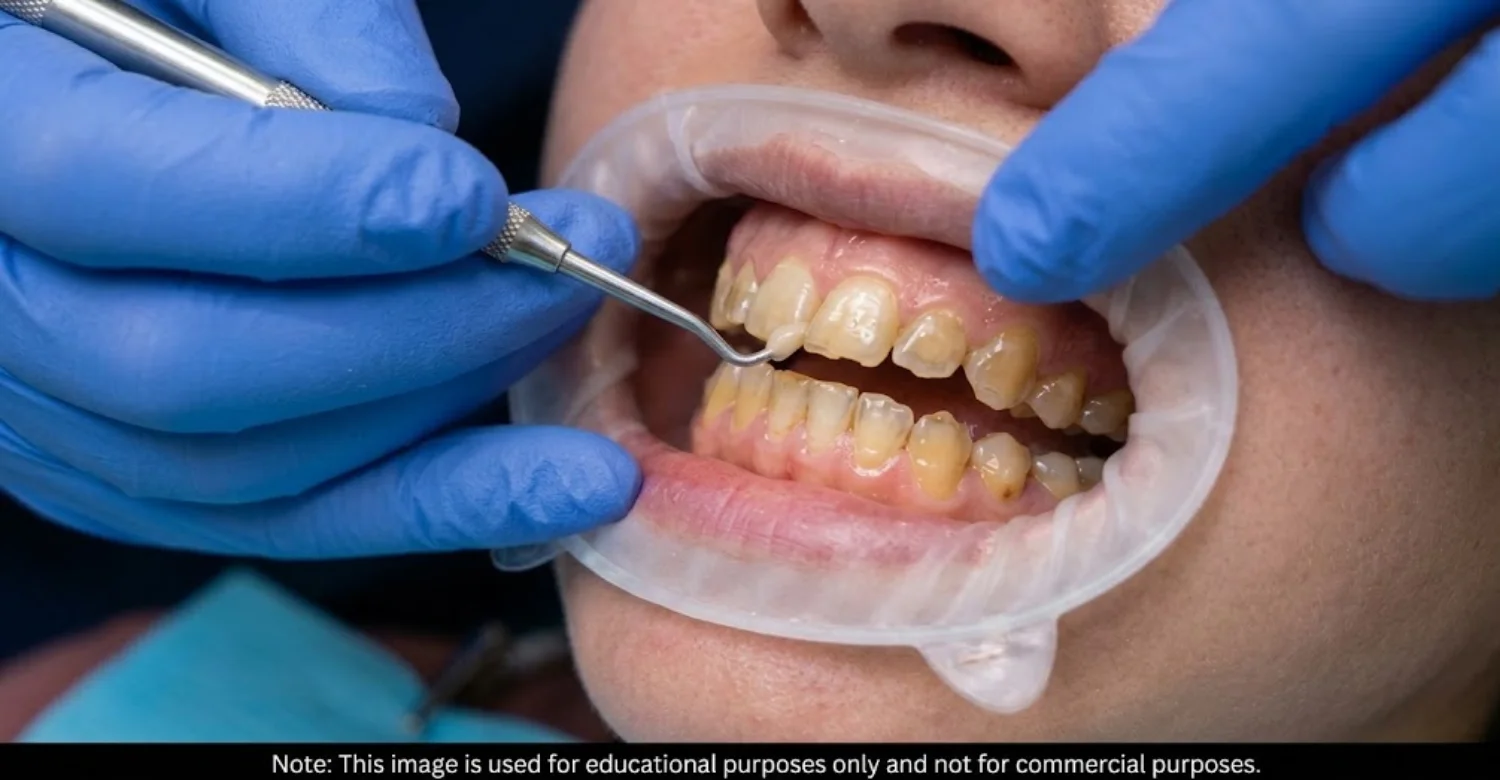
Osteogenesis imperfecta dental treatment addresses the unique challenges patients with this genetic bone condition face in their teeth. The condition results from mutations in type I collagen genes such as COL1A1 and COL1A2. Because bone and dentin both rely on a collagen matrix for mineralization, this defect affects both tissues. Many patients also develop dentinogenesis imperfecta, a condition marked by discolored, translucent teeth ranging from blue-gray to yellow-brown. The dentin in these teeth is abnormally weak, so enamel often shears away from it. Effective dental care therefore requires individualized planning rather than routine treatment, addressing both the dental and the broader skeletal picture together.
What Is Osteogenesis Imperfecta and How Does It Affect Teeth?
Osteogenesis imperfecta affects teeth because the same collagen defect that weakens bone also weakens dentin. Dentists must account for this structural fragility rather than treating teeth as typical. The severity of dental involvement often mirrors the severity of the underlying bone condition.
Osteogenesis Imperfecta and Teeth
Teeth affected by osteogenesis imperfecta show structural changes because defective collagen weakens the dentin layer beneath the enamel. The impact varies widely. Some patients show only mild discoloration, while others experience significant wear. Dental effects depend on the severity and type of the condition present.
What Dental Problems Can Osteogenesis Imperfecta Cause?
Common dental problems include discolored, translucent teeth with a blue-gray to yellow-brown tint, a hallmark of dentinogenesis imperfecta. Fragile dentin allows enamel to shear off even when it looks structurally normal at first, leading to rapid wear. This fragile structure also increases susceptibility to fractures, sensitivity, and further complications over time.
Brittle Teeth and Osteogenesis Imperfecta
Brittle teeth result from weakened dentin that cannot properly support the enamel above it. Without this support, teeth become more vulnerable to chipping, fracture, and uneven wear, especially in molars used for chewing. This fragility is a key consideration in every treatment plan.
Osteogenesis Imperfecta and Tooth Decay
Tooth decay risk can increase once enamel wears away and exposes vulnerable dentin underneath. Progressive narrowing or obliteration of pulp chambers is also common. This can complicate cavity detection and later restorative or endodontic work if decay reaches deeper layers of an already fragile tooth.
Clinical Note
Dental care should prioritize preserving healthy tooth structure whenever possible. Regular examinations help identify decay, fracture, or pulp changes before they require more invasive treatment. Early monitoring is an essential part of long-term dental management.
Learn about plaque and gum disease treatment
What Does Osteogenesis Imperfecta Dental Treatment Involve?
Osteogenesis imperfecta dental treatment typically combines preventive monitoring with restorative care tailored to fragile tooth structure. Because pulp chambers may narrow or become obliterated over time, treatment planning also considers future restorative or endodontic needs. Early and consistent dental involvement is especially valuable.
Steps in Osteogenesis Imperfecta Dental Treatment
This treatment includes regular examinations, professional cleaning, fluoride protection when appropriate, restorative work, and ongoing monitoring. Full-coverage restorations, such as stainless steel crowns on primary teeth, are often favored over conservative fillings. They better protect fragile dentin from rapid attrition and pulp exposure.
How Is Osteogenesis Imperfecta Dental Treatment Planned?
Planning considers tooth fragility, jawbone condition, bite, age, previous procedures, and overall dental needs. Fragile bone in more severe cases carries a small risk of fracture during jaw manipulation or forceful procedures. Gentle, carefully sequenced techniques are essential throughout the process.
Tips for the Patients
Maintain consistent oral hygiene.
Attend regular dental checkups.
Avoid using teeth to open packages or bite hard objects.
Tell the dental team about osteogenesis imperfecta before treatment.
Seek dental care early when tooth sensitivity, pain, fracture, or decay appears.
Note : All images used are for editorial and illustrative purposes only and may not originate from the original news provider or associated company.
Discover the importance of preventive dental care
Can an Osteogenesis Imperfecta Dentist Treat Fragile Teeth?
Yes, an experienced dentist can treat fragile teeth by adapting standard techniques for weakened dentin and possible skeletal fragility. Careful, individualized care allows most dental concerns to be managed successfully. This requires the dentist to understand the condition's specific structural and medical considerations.
What Should You Look for in an Osteogenesis Imperfecta Dentist?
Look for a dentist experienced with complex, fragile dental cases and a thorough approach to diagnosis. Careful assessment of tooth structure, bone quality, and any bisphosphonate medication history matters. These factors directly influence how care should be planned and sequenced.
How Can a Dentist Protect Fragile Teeth?
Dentists protect fragile teeth through preventive care, conservative restorations, and full-coverage protection where enamel shearing is a concern. Monitoring wear and fractures over time supports long-term maintenance. Appropriate protection for vulnerable teeth reduces the likelihood of more invasive procedures later.
Understand the process of swallowing
What Is Osteogenesis Imperfecta Orthodontic Treatment?
Orthodontic treatment for this population addresses malocclusion patterns that are more common, including Class III malocclusion, anterior open bite, and posterior crossbite. These patterns are often linked to craniofacial bone fragility. Orthodontic assessment is an important part of comprehensive care for suitable candidates.
Can People With Osteogenesis Imperfecta Have Orthodontic Treatment?
Orthodontic treatment may be possible for selected patients. Before beginning, a thorough assessment of teeth, roots, supporting bone, and bite is essential. Underlying bone fragility and craniofacial growth patterns can influence how safely and effectively tooth movement can be achieved.
Osteogenesis Imperfecta Orthodontic Treatment Considerations
This treatment requires individualized planning rather than standard protocols. Dentists must monitor tooth movement and surrounding oral tissues closely. Fragile roots and bone quality can respond differently than in patients without the condition, so gradual, carefully supervised adjustments matter.
Clinical Note
Orthodontic treatment should not follow a one-size-fits-all approach for these patients. A thorough dental assessment, including bone and root evaluation, should happen before any tooth movement begins. This reduces potential complications during treatment.
Explore restless legs syndrome and oral health
Are Dental Implants Safe With Osteogenesis Imperfecta?
Dental implants can be considered for some patients, though safety depends heavily on bone quality and healing capacity. Many patients are treated with bisphosphonates such as pamidronate or zoledronic acid. This raises concerns about medication-related osteonecrosis of the jaw, which requires careful coordination within the treatment plan.
Osteogenesis Imperfecta Dental Treatment for Implants
Implants may be an option once detailed evaluation confirms adequate bone quality and healing potential. Because bisphosphonate therapy can affect jaw healing, coordination between the dental and medical team is essential. This should happen before implant placement is considered.
What Should Be Evaluated Before Dental Implants?
Bone condition.
Available bone volume.
Gum health.
Condition of neighboring teeth.
Oral hygiene.
Overall treatment requirements, including any bisphosphonate medication history.
Tips for the Patients
Ask for a complete dental and bone assessment.
Maintain excellent oral hygiene.
Follow the recommended follow-up schedule.
Report unusual pain, mobility, or swelling promptly.
Find out how stress and oral habits may affect your mouth
Can Osteogenesis Imperfecta Affect Tooth Extraction?
Yes, fragile bone and possible bisphosphonate use raise the risk of complications such as delayed healing or jaw injury during extraction. Careful planning is a core part of dental care whenever extraction becomes a necessary option.
Osteogenesis Imperfecta Dental Treatment Before Extraction
Extraction requires careful assessment of the tooth, surrounding tissues, and underlying bone before proceeding. Fragile bone carries a small but recognized risk of fracture during forceful extraction techniques. Gentle handling and thorough pre-procedure evaluation remain essential for safe treatment.
What Happens After Tooth Extraction?
Healing should be monitored closely, particularly if bisphosphonate therapy has been used, given its association with medication-related osteonecrosis of the jaw. Good oral hygiene and following the dentist's aftercare instructions support recovery. Follow-up should be scheduled according to the individual's overall plan.
Clinical Note
Extraction should be considered only when clinically necessary. Preserving a healthy natural tooth may be preferable when appropriate, particularly given the pulp chamber changes and healing considerations unique to this condition.
Discover the connection between sugar and bacteria
How Osteogenesis Imperfecta Dental Treatment Supports Oral Health
Maintaining oral health relies on consistent daily habits combined with regular professional monitoring. Fragile dentin and pulp chamber changes can progress quietly. Proactive, prevention-focused care often reduces the need for more extensive procedures later.
Daily Osteogenesis Imperfecta Dental Care
Brush twice daily with fluoride toothpaste.
Clean between teeth regularly.
Limit frequent sugary foods and drinks.
Maintain regular professional dental care.
Preventing Dental Problems
Early treatment of cavities.
Monitoring tooth wear and fractures.
Managing sensitivity.
Protecting vulnerable teeth when recommended, such as with full-coverage crowns.
Clinical Note
Prevention and early intervention can reduce the need for more extensive dental procedures. Consistent monitoring allows dentists to intervene before minor wear or sensitivity develops into a significant structural problem.
How Can Vitrin Clinic Help With Osteogenesis Imperfecta Dental Treatment?
Vitrin Clinic supports patients seeking individualized care through comprehensive assessment and carefully sequenced treatment. By evaluating tooth structure, bone condition, and each patient's medical history together, the clinic builds plans suited to the specific challenges this condition presents.
Personalized Dental Care at Vitrin Clinic
Vitrin Clinic offers personalized dental care for patients seeking individualized planning. A comprehensive dental assessment precedes any treatment. It covers preventive, restorative, cosmetic, orthodontic, and implant-related planning according to each patient's needs, rather than a generic approach.
Osteogenesis Imperfecta Dental Treatment at Vitrin Clinic
Vitrin Clinic approaches complex dental cases through individualized planning, with careful examination and treatment sequencing at every stage. Dr. Rifat Alsaman, Head of the Medical team at Vitrin Clinic and a cosmetics dentist, emphasizes personalized planning and preserving natural tooth structure where clinically appropriate.
What We Notice Clinically
Dr. Rifat Alsaman notes that patients with osteogenesis imperfecta can have very different dental needs from one another. Because of this, treatment at Vitrin Clinic is customized rather than based only on the diagnosis itself. Individual tooth structure, medical history, and treatment goals all shape the recommended approach.
Tips for the Patients
Bring previous dental records when available.
Tell the dental team about previous extractions, restorations, orthodontic treatment, or implants.
Discuss all treatment options before starting major dental procedures.
Keep regular follow-up appointments.
About Vitrin Clinic
Vitrin Clinic offers Dental Crowns as a primary restorative option, including full-coverage crowns favored over conservative fillings to protect fragile, worn teeth. Services also include preventive checkups and fluoride care, orthodontic assessment and planning, dental implant evaluation, and careful tooth extraction when needed. Every service is tailored to the patient's individual plan.
Resource:
FAQs
Dr. Rifat Alsaman has more than 5 years of clinical experience in dentistry and currently serves as the Head of the Medical Team at Vitrin Clinic. He is dedicated to providing exceptional patient care, overseeing treatment planning, and ensuring the highest clinical standards across the team. His expertise, attention to detail, and commitment to continuous professional development have helped countless patients achieve healthier, more confident smiles.


