Dental Care Guide
August 18, 2026
Best Foods for Healthy Teeth: What to Eat for a Stronger Smile?
 Dr. Rifat Alsaman
Your daily diet can influence enamel strength, gum health, saliva production, and your long-term risk of tooth decay. The Best Foods for Healthy Teeth usually provide calcium, phosphorus, protein, vitamin D, vitamin C, and other essential nutrients. These foods can also replace snacks containing large amounts of added or free sugars. Cheese, plain yogurt, leafy vegetables, nuts, seeds, fish, eggs, and water can all support a balanced oral-health routine. However, food cannot replace fluoride toothpaste, brushing, interdental cleaning, or professional dental care. The World Health Organization estimates that oral diseases affect nearly 3.7 billion people worldwide. Dental caries affect approximately 2.5 billion people globally. Vitrin Clinic combines preventive dentistry with personalized recommendations that consider nutrition, hygiene, enamel condition, gum health, and individual dental risks.
What Are the Best Foods for Healthy Teeth?
The Best Foods for Healthy Teeth include nutrient-dense choices that support enamel, gums, saliva, and overall oral tissues. Dairy products provide calcium and phosphorus that contribute to mineralized dental structures. Leafy vegetables supply vitamins, minerals, and fiber while keeping added sugar relatively low. Crunchy vegetables encourage chewing and may increase saliva production. Fatty fish provides protein and vitamin D, which supports calcium metabolism. Nuts and seeds offer protein, minerals, and healthy fats without requiring added sugar. Water remains one of the simplest choices because it provides hydration without sugar or acidity. The American Dental Association explains that diet and nutrition influence oral tissues, caries, periodontal conditions, and enamel erosion. A balanced dietary pattern therefore matters more than relying on one supposedly powerful food.
How Food Affects Your Teeth and Gums
Food affects teeth through several mechanisms involving bacteria, acids, saliva, and nutrients. Plaque bacteria can metabolize free sugars and produce acids that contribute to mineral loss. Repeated exposure can shift the balance toward demineralization. Saliva then helps neutralize acids and provides minerals around tooth surfaces. The texture of food can also influence chewing and salivary flow. Soft, sticky, sugary foods may remain around teeth longer than many whole foods. Acidic beverages can directly contribute to enamel erosion without requiring bacterial metabolism. The ADA reports that frequent consumption of acidic foods and beverages is associated with erosive tooth wear. Therefore, food choice, beverage choice, portion, timing, and frequency can all influence oral conditions.
Why Nutrition Matters for Long-Term Oral Health
Nutrition provides the materials required for maintaining teeth, gums, supporting bone, and other oral tissues. Calcium and phosphorus contribute to mineralized structures throughout the body. Vitamin D supports calcium and phosphorus metabolism and normal mineralization. Vitamin C supports collagen formation and connective-tissue maintenance. Protein provides amino acids required for tissue maintenance and repair. A nutrient-dense diet can also reduce dependence on highly processed foods containing substantial free sugars. WHO recommends a balanced diet containing fruit and vegetables while favoring water as the main drink. Nutrition therefore supports oral health through several complementary pathways. However, good nutrition cannot remove plaque or repair an established cavity. Preventive dentistry remains necessary even when dietary habits are excellent.
The Connection Between Diet, Plaque, and Tooth Decay
Plaque contains microorganisms that can use fermentable carbohydrates as metabolic fuel. When free sugars are consumed, bacteria can produce acids that lower the local plaque pH. Repeated acid exposure can cause minerals to leave enamel and dentin. WHO identifies free sugar consumption as the primary dietary factor associated with dental caries. The organization defines free sugars as sugars added to foods and drinks, plus sugars naturally present in honey, syrups, and fruit juices. Frequency also matters because repeated eating creates repeated acid challenges. Reducing unnecessary snacking can therefore complement fluoride use and plaque removal. Patients with frequent cavities should discuss dietary habits during dental assessments. Vitrin Clinic can evaluate dietary risks alongside clinical findings.
How Nutrients Support Enamel and Gum Health
Enamel is primarily mineralized tissue that protects the underlying tooth structures from environmental challenges. Calcium and phosphorus contribute to its mineral composition. Fluoride can strengthen enamel and support remineralization after early mineral loss. Vitamin D supports calcium regulation and mineral metabolism. Protein contributes to tissue maintenance throughout the body. Vitamin C supports collagen formation, which matters for connective tissues surrounding teeth. Nutritional adequacy therefore supports the biological foundation of oral health. However, nutrients cannot rebuild enamel after substantial structural loss. Early demineralization may respond to appropriate preventive measures, including fluoride exposure. Patients with visible enamel changes should receive professional assessment before relying on dietary changes. Vitrin Clinic can identify whether dietary advice, fluoride strategies, restorative care, or additional evaluation is appropriate.
Quick Answer: What Should You Eat for Healthy Teeth and Gums?
Choose dairy products, leafy greens, crunchy vegetables, nuts, seeds, eggs, fish, whole fruits, and plenty of water. These foods provide nutrients while generally containing less free sugar than many processed snacks. Cheese and plain yogurt provide calcium and phosphorus with relatively low sugar when unsweetened. Vegetables provide fiber, vitamins, and minerals while encouraging chewing. Fatty fish provides protein and vitamin D. Nuts provide minerals, protein, and healthy fats. Whole fruits provide fiber that juices largely lack. Water can help clear food residues and reduce exposure to sugary beverages. WHO recommends limiting free sugars to less than 10% of daily energy intake. A further reduction below 5% can provide additional health benefits.
Best Foods for Strong Teeth and Gums
The Best Foods for Healthy Teeth should be viewed as part of a complete eating pattern rather than isolated “superfoods.” Dairy products provide calcium and phosphorus for mineralized tissues. Leafy greens add vitamins, minerals, and fiber to meals. Crunchy vegetables can encourage chewing and saliva production. Fish provides protein and, depending on the species, useful vitamin D. Nuts and seeds provide minerals, protein, and healthy fats. Water helps maintain hydration without adding sugar or acid. The strongest dietary approach also limits frequent free-sugar exposure. WHO reports that dental caries affect approximately 2.5 billion people globally. This burden highlights why prevention requires consistent everyday habits. Vitrin Clinic encourages practical dietary choices alongside professional preventive care and individualized oral-health monitoring.
Dairy Products for Calcium and Phosphorus
Dairy products are practical sources of calcium, phosphorus, protein, and other nutrients. Milk provides calcium and phosphorus without the concentrated sugar found in many sweetened drinks. Plain yogurt provides protein and calcium while allowing patients to avoid unnecessary added sugar. Cheese provides calcium and phosphorus and requires chewing, which can stimulate saliva. Flavored dairy products require label checking because some contain substantial added sugars. Unsweetened options are generally more suitable for frequent consumption. People avoiding dairy can consider appropriately fortified alternatives. Calcium intake should remain part of an overall nutrient-rich diet rather than an isolated dental strategy. Most people should obtain nutrients primarily through varied foods unless supplementation is medically indicated. Vitrin Clinic can discuss dietary restrictions when they affect oral-health prevention or treatment planning.
Milk, Cheese, and Yogurt
Milk, cheese, and plain yogurt can provide several nutrients relevant to dental and general health. Milk contains calcium, phosphorus, protein, and other nutrients. Cheese can provide calcium while containing little free sugar. Plain yogurt provides calcium and protein without the added sugar found in many flavored varieties. Some products marketed as healthy can contain significant sweeteners. Reading nutrition labels can help patients identify lower-sugar options. Dairy can therefore become a useful replacement for sugary snacks. However, dairy does not make teeth resistant to decay. Plaque control, fluoride exposure, and professional prevention remain essential. Patients with lactose intolerance or dairy allergies can choose suitable fortified alternatives. Dietary choices should remain realistic and compatible with individual nutritional requirements. Vitrin Clinic can incorporate dietary considerations into personalized preventive planning.
How Dairy Supports Tooth Enamel
Dairy foods provide calcium and phosphorus that contribute to mineralized dental tissues. Cheese may also stimulate saliva because it requires active chewing. Saliva helps neutralize acids and supplies minerals around tooth surfaces. These mechanisms may support the natural remineralization environment around teeth. However, dairy cannot regenerate enamel after permanent structural damage. Enamel regeneration is different from remineralization of early mineral loss. Fluoride remains an important evidence-based strategy for strengthening enamel. CDC explains that fluoride helps repair and prevent acid-related tooth damage. Patients should therefore avoid claims suggesting that eating cheese or drinking milk can rebuild damaged teeth. The most effective strategy combines nutrient adequacy with fluoride exposure and plaque control. Vitrin Clinic can assess enamel changes and recommend appropriate preventive or restorative treatment.
Leafy Green Vegetables
Leafy green vegetables provide vitamins, minerals, fiber, and protective plant compounds. Spinach, kale, collard greens, and similar vegetables can diversify nutrient intake. Their fiber content can increase chewing compared with many processed foods. They also contain little free sugar when consumed naturally. Adding greens to meals can reduce reliance on refined carbohydrate-heavy side dishes. Nutritional benefits depend on overall dietary variety rather than one specific vegetable. Some greens contain compounds that affect mineral absorption, but this does not make them unsuitable. Cooking methods can change texture and nutrient availability. Patients should consume a broad range of vegetables rather than focusing exclusively on one type. A vegetable-rich diet supports overall nutrition while reducing dependence on sugary snacks. Vitrin Clinic encourages balanced dietary patterns rather than restrictive food rules.
Spinach, Kale, and Other Greens
Spinach and kale contain multiple vitamins, minerals, and plant compounds. Kale provides vitamin C, vitamin K, folate, and other nutrients. Spinach provides folate, vitamin C, vitamin A precursors, and minerals. Broccoli, cabbage, and other vegetables add additional nutritional diversity. Their fibrous structure can encourage chewing and saliva production. Greens are especially useful when they replace processed foods containing added sugar. However, they should not be described as foods that directly clean teeth. Plaque remains attached to tooth surfaces and requires mechanical removal. Patients with dental sensitivity can choose cooked vegetables when raw textures feel uncomfortable. The goal is sustainable nutrition rather than deliberately eating hard foods. Vitrin Clinic can provide dietary guidance based on individual dental conditions.
Vitamins and Minerals for Healthy Gums
Healthy gum tissues require adequate nutrients alongside effective plaque control. Vitamin C supports collagen formation and normal connective-tissue function. Protein provides amino acids required for tissue maintenance. Vitamin A supports normal epithelial and immune functions. Vitamin D contributes to calcium regulation and broader mineral metabolism. Minerals such as zinc and iron also participate in normal physiological processes. Nutritional deficiency is only one possible contributor to oral symptoms. Plaque accumulation remains a major driver of gingival inflammation. WHO identifies poor oral hygiene as a major periodontal disease risk factor. Persistent gum bleeding should therefore receive professional assessment rather than being treated solely through dietary changes. Vitrin Clinic can evaluate periodontal health and identify the appropriate preventive or therapeutic approach.
Crunchy Fruits and Vegetables
Crunchy fruits and vegetables can encourage chewing and stimulate salivary flow. Apples, carrots, celery, and similar foods provide water, fiber, and micronutrients. They generally contain less free sugar than many processed snacks. Their texture can also make them satisfying between meals. However, crunchy foods do not mechanically remove mature dental plaque. They should never replace brushing or interdental cleaning. Whole fruits are generally preferable to juices because they retain fiber and create less concentrated sugar exposure. Acidic fruits should be consumed thoughtfully when enamel erosion is present. Water can be consumed afterward to help clear acids and food residues. Patients with fragile restorations or painful teeth may need softer alternatives. Vitrin Clinic recommends choosing food textures according to individual dental conditions.
Apples, Carrots, and Celery
Apples, carrots, and celery are common examples of crunchy foods that require active chewing. Apples contain water and fiber alongside naturally occurring sugars. Carrots provide carotenoids, fiber, and other nutrients. Celery contains substantial water and requires considerable chewing. These foods can replace candy, cookies, or other highly processed snacks. However, their texture should not be confused with tooth cleaning. Dental plaque remains attached to surfaces despite chewing. Whole foods are therefore supportive additions rather than substitutes for oral hygiene. Patients with braces, crowns, implants, or sensitive teeth may need individualized texture recommendations. Vitrin Clinic can advise patients about suitable foods during different stages of dental treatment.
How Crunchy Foods Support Oral Health
Chewing increases mechanical activity within the mouth and can stimulate saliva production. Saliva helps dilute acids and clear food residues. Crunchy vegetables also contribute fiber and micronutrients without substantial added sugar. These combined effects can support a favorable oral environment. Nevertheless, their benefits should not be exaggerated. No vegetable can remove all plaque from tooth surfaces. People with gum disease still require professional periodontal assessment and effective home hygiene. Patients with dental restorations should avoid foods that cause discomfort or damage. Water remains a useful accompaniment to meals and snacks. Vitrin Clinic recommends combining nutritious foods with proven oral-hygiene measures.
Fatty Fish and Vitamin D-Rich Foods
Fatty fish provides protein, vitamin D, and omega-3 fatty acids. Salmon, sardines, and mackerel are commonly recognized sources. Vitamin D supports calcium and phosphorus metabolism, which contributes to normal mineralization. Fish can therefore contribute to the nutritional foundation supporting teeth and bones. Eggs and fortified foods provide additional vitamin D sources. However, dietary intake is only one factor affecting vitamin D status. Sun exposure, age, body characteristics, medical conditions, and supplementation can also influence levels. People with suspected deficiency should seek appropriate medical evaluation. Excessive supplementation can create health risks and should not be used casually. Vitrin Clinic can consider relevant medical history when developing dental prevention strategies. Nutrition should complement rather than replace clinical dental care.
Salmon, Sardines, and Mackerel
Salmon, sardines, and mackerel are nutrient-dense fish choices. They provide high-quality protein and varying amounts of vitamin D. Fatty fish also provides EPA and DHA, which contribute to broader nutritional health. Sardines can provide calcium when their edible bones are consumed. Preparation methods can influence the overall nutritional profile of a meal. Baking, steaming, and grilling can provide simple options without sugary sauces. Fish should be included according to personal preferences, dietary requirements, and food-safety guidance. Patients who do not eat fish can obtain nutrients through alternative foods or fortified products. A varied diet is more useful than relying on one fish repeatedly. Vitrin Clinic can help patients connect nutritional habits with individualized preventive dentistry.
Why Vitamin D Matters for Calcium Absorption
Vitamin D supports intestinal calcium absorption and helps regulate calcium and phosphorus metabolism. These minerals contribute to normal mineralized tissues, including teeth and bones. Vitamin D can be obtained from fatty fish, egg yolks, and fortified foods. Individual status varies according to multiple biological and environmental factors. Deficiency should be confirmed through appropriate medical assessment when clinically suspected. Taking large amounts of vitamin D without guidance does not guarantee stronger teeth. Nutrition should provide adequate amounts without encouraging unnecessary supplementation. Patients with restricted diets may require individualized nutritional advice. Vitrin Clinic can consider medical history and dietary patterns when discussing preventive oral care.
Nuts and Seeds
Nuts and seeds provide protein, minerals, healthy fats, and fiber. Almonds, walnuts, pumpkin seeds, chia seeds, and sesame seeds can diversify a nutrient-rich diet. Their mineral content varies considerably by type. Many provide calcium, phosphorus, magnesium, zinc, or other useful nutrients. Their texture can stimulate chewing and saliva when consumed safely. Hard nuts may not suit patients with fragile restorations or dental pain. Candied nuts can contain substantial added sugar and should not be confused with plain varieties. Nut butters should also be checked for added sugars. A modest portion can provide a satisfying snack between meals. Vitrin Clinic encourages patients to choose minimally processed options that fit their dental condition and overall nutritional needs.
Almonds and Other Tooth-Friendly Choices
Almonds provide protein, calcium, healthy fats, fiber, and several minerals. Walnuts provide healthy fats and alpha-linolenic acid. Pumpkin seeds provide magnesium, phosphorus, zinc, and protein. Sesame seeds provide calcium and other nutrients. These foods can replace candy, sweet biscuits, and other highly processed snacks. However, their dental value depends on how they are prepared and consumed. Honey-coated or sugar-coated nuts create additional free-sugar exposure. Hard textures can also present problems for damaged teeth or dental restorations. Patients should choose textures they can chew comfortably. Nutrition should support oral health without creating unnecessary dental risks. Vitrin Clinic can provide personalized advice when restorations or sensitivity affect food choices.
Foods That Strengthen Tooth Enamel
The Best Foods for Healthy Teeth can support enamel by providing minerals and maintaining a favorable dietary environment. Calcium and phosphorus contribute to enamel's mineral structure. Vitamin D supports mineral metabolism and calcium regulation. Saliva continuously supplies minerals around tooth surfaces. Fluoride provides an additional protective effect against acid-related mineral loss. Reducing sugary and acidic exposures helps preserve the balance between demineralization and remineralization. However, food cannot regenerate enamel after permanent structural loss. Early mineral changes can sometimes be arrested or reversed through appropriate preventive strategies. CDC explains that fluoride helps repair and prevent acid-related tooth damage. Patients with enamel sensitivity or visible changes should receive professional assessment. Vitrin Clinic can determine whether dietary changes, fluoride measures, monitoring, or restorative care are appropriate.
Calcium-Rich Foods for Strong Teeth
Calcium is a major mineral within teeth and bones. Dairy products provide calcium in a commonly well-absorbed form. Fortified plant beverages can also provide meaningful calcium when appropriately formulated. Tofu made with calcium salts, certain fish, seeds, and vegetables provide additional sources. Individual calcium requirements vary according to age and health status. Adequate calcium supports normal mineralized tissue development and maintenance. However, increasing calcium intake beyond nutritional needs does not automatically prevent cavities. Vitamin D, phosphorus, fluoride, and plaque control also matter. Patients with restrictive diets should consider whether their food pattern provides adequate calcium. Vitrin Clinic can discuss dietary patterns during preventive appointments when nutrition appears relevant to oral-health risks.
Phosphorus-Rich Foods for Enamel Support
Phosphorus participates in the mineral structure of teeth and bones. Fish, dairy products, eggs, poultry, legumes, nuts, and seeds provide phosphorus. Most people eating varied diets obtain sufficient phosphorus without supplementation. Therefore, deliberately increasing phosphorus is usually unnecessary for routine dental prevention. Calcium and phosphorus work together within mineralized tissues. Vitamin D also influences mineral metabolism. Patients should focus on dietary variety rather than excessive intake of individual minerals. Highly processed foods may contain phosphorus additives, making overall food quality relevant. Nutritional deficiencies should be assessed professionally rather than assumed from dental symptoms. Vitrin Clinic can consider nutrition alongside clinical findings when evaluating enamel concerns.
Vitamin D and Tooth Mineralization
Vitamin D contributes to normal calcium and phosphorus regulation. These minerals support tooth and bone mineralization. Fatty fish, egg yolks, and fortified foods can contribute dietary vitamin D. Individual vitamin D status depends on many factors beyond food intake. Deficiency may require medical testing and targeted treatment. Excess supplementation can cause harm and should not be used without appropriate guidance. Adequate vitamin D supports normal physiology but cannot repair cavities. Patients should focus on sufficient intake rather than high-dose supplementation. Vitrin Clinic can incorporate relevant medical history into individualized preventive dental planning.
Foods That Naturally Protect Tooth Enamel
Certain foods support the oral environment through mineral content, texture, or low free-sugar levels. Cheese, plain yogurt, vegetables, nuts, seeds, eggs, and fish can fit this pattern. Water also helps reduce exposure to sugary beverages and food residues. Their protective effects are indirect rather than equivalent to a physical enamel coating. Fluoride remains one of the strongest evidence-based tools for cavity prevention. CDC explains that fluoride helps strengthen enamel and support remineralization. Patients should therefore avoid claims that one food can make enamel permanently resistant to decay. The goal is to create a favorable environment for natural repair processes. Vitrin Clinic can assess enamel condition and recommend evidence-based preventive measures.
How Saliva Helps Remineralize Teeth
Saliva continuously bathes tooth surfaces and provides several natural protective functions. It helps dilute acids, clear food residues, and buffer changes in oral pH. Saliva also contains calcium and phosphate that contribute to remineralization. Fluoride present in saliva can further support enamel repair. Reduced salivary flow increases the risk of tooth decay. Dry mouth can result from medications, medical conditions, dehydration, or other factors. Drinking water supports hydration but may not fully resolve persistent dry mouth. Sugar-free chewing gum can stimulate saliva when appropriate. Patients with ongoing dryness should receive professional evaluation. Vitrin Clinic can identify potential oral complications and recommend individualized saliva-support strategies.
Foods That Support a Healthy Oral Environment
A healthy oral environment benefits from nutrient-dense foods and limited free sugars. Vegetables, dairy foods, fish, eggs, nuts, seeds, and legumes can provide diverse nutrients. Water should generally replace sugary beverages for everyday hydration. High-fiber foods can encourage chewing and saliva production. Meals containing protein and healthy fats can also improve overall satiety. However, no food sterilizes the mouth or eliminates plaque. The aim is to reduce unfavorable dietary conditions while supporting oral tissues. WHO recommends a balanced diet low in free sugars and favors water as the main drink. Vitrin Clinic encourages sustainable dietary changes that patients can maintain long term.
Clinical Note: Can Food Actually Rebuild Tooth Enamel?
Food cannot regenerate enamel after substantial structural loss. However, early mineral loss may sometimes be reversed through remineralization. Saliva supplies minerals while fluoride improves resistance to future acid attacks. Calcium and phosphorus provide components associated with mineralized tooth structures. Reducing free-sugar and acid exposure creates more favorable conditions. An established cavity cannot be repaired simply by changing the diet. Restorative treatment may be necessary depending on lesion depth and activity. Enamel erosion also requires identifying the source of repeated acid exposure. Patients should distinguish remineralization from true enamel regeneration. White spots, sensitivity, or visible enamel changes deserve professional evaluation. Vitrin Clinic can determine whether preventive care or restorative treatment is appropriate.
Dr. Rifat Alsaman’s Clinical Perspective
Dr. Rifat Alsaman emphasizes that dietary habits should support prevention rather than replace dental treatment. Patients frequently ask whether one food can rebuild damaged enamel. The answer depends on whether the change involves early mineral loss or permanent structural destruction. Early demineralization may respond to improved fluoride exposure and reduced acid challenges. Established cavities require appropriate dental management. Gum inflammation also cannot be resolved through nutrition alone. Plaque control remains central to periodontal prevention. At Vitrin Clinic, dietary recommendations should reflect examination findings and individual risk. Patients benefit more from sustainable habits than restrictive short-term diets. Nutrition, hygiene, fluoride, professional cleaning, and monitoring should work together.
Best Foods for Healthy Gums
The Best Foods for Healthy Teeth can also support gum tissues through adequate vitamins, minerals, protein, and healthy fats. Vitamin C supports collagen formation and connective-tissue maintenance. Protein provides amino acids needed for tissue repair and maintenance. Omega-3-rich foods contribute to overall nutritional quality. Fruits and vegetables provide vitamins, fiber, and plant compounds. Nuts, seeds, fish, dairy, and legumes add protein and minerals. However, gum disease cannot be reduced to nutritional deficiency alone. Plaque accumulation remains a major factor in gingival inflammation. WHO identifies poor oral hygiene and tobacco use among major periodontal risk factors. Persistent bleeding, swelling, or gum recession requires professional evaluation. Vitrin Clinic can assess periodontal health and develop individualized preventive recommendations.
Vitamin C-Rich Foods
Vitamin C supports collagen synthesis and normal connective-tissue function. Strawberries, bell peppers, citrus fruits, kiwi, tomatoes, and broccoli provide useful sources. Whole fruits generally retain more fiber than juices. Fruit juice can contain concentrated free sugars and should therefore be consumed carefully. Citrus foods are nutritious but acidic, making frequency relevant for patients with enamel erosion. Drinking water after acidic foods can help clear residual acids. Patients should avoid interpreting vitamin C as a direct treatment for periodontal disease. Severe deficiency can affect oral tissues, but ordinary gum inflammation usually has broader causes. Plaque control remains essential. Vitrin Clinic can assess gum health when bleeding persists despite improved hygiene and nutrition.
Citrus Fruits, Strawberries, and Bell Peppers
Citrus fruits provide vitamin C and various plant compounds. Strawberries provide vitamin C, fiber, and antioxidants. Bell peppers can provide substantial vitamin C with less acidity than many citrus fruits. These foods can contribute to a nutrient-rich eating pattern. However, acidic foods may contribute to enamel erosion when exposure becomes frequent. The ADA reports an association between frequent acidic food and beverage intake and erosive tooth wear. Patients should avoid slowly consuming citrus products throughout the day. Water can be consumed afterward to help clear acids. Whole fruit is generally preferable to fruit juice. Vitrin Clinic can evaluate sensitivity when acidic foods appear to trigger discomfort.
Omega-3 Foods and Gum Health
Omega-3 fatty acids occur in fatty fish, walnuts, chia seeds, and flaxseeds. Fatty fish provide EPA and DHA directly. Plant sources primarily provide alpha-linolenic acid. These nutrients contribute to general nutritional health and normal physiological functions. Research continues to investigate relationships between omega-3 intake and periodontal inflammation. However, omega-3 foods should not be presented as a replacement for periodontal treatment. Plaque removal remains fundamental for gum health. Patients with diagnosed periodontal disease may require professional therapy and maintenance. Vitrin Clinic can evaluate gum inflammation and recommend evidence-based periodontal care. Patients taking medications affecting bleeding should discuss supplements with their healthcare professionals.
Protein-Rich Foods for Healthy Oral Tissues
Protein provides amino acids required throughout the body. Eggs, fish, dairy, poultry, legumes, nuts, and seeds provide useful protein sources. Adequate protein supports normal tissue maintenance and repair. Protein-rich meals can also increase satiety and reduce dependence on sugary snacks. Processed protein foods may contain added sugars or other ingredients that require attention. Reading nutrition labels can help patients identify better options. Protein alone cannot prevent plaque accumulation or periodontal disease. Patients recovering from dental procedures may have individualized nutritional requirements. Vitrin Clinic can provide oral-care guidance while patients follow broader medical nutrition recommendations.
Foods With Antioxidants
Antioxidants occur naturally in berries, vegetables, tea, nuts, legumes, and other plant foods. These compounds participate in the body's normal defense against oxidative stress. Colorful fruits and vegetables can increase dietary variety and micronutrient intake. Green tea provides polyphenols without adding sugar when consumed plain. However, antioxidant-rich foods should not be promoted as cures for gum disease. Evidence for individual foods varies, and clinical treatment remains necessary. Whole-food dietary patterns generally offer greater nutritional value than specialized supplements. Vitrin Clinic encourages evidence-based nutrition rather than exaggerated claims about individual ingredients.
Green Tea and Polyphenol-Rich Foods
Green tea contains polyphenols and can provide a low-sugar beverage option. Berries, vegetables, nuts, and legumes also contain various polyphenolic compounds. These foods contribute to overall dietary diversity and nutritional quality. Green tea is most suitable for oral health when consumed without added sugar. Very acidic or sweetened tea products create different considerations. Tea can stain teeth, which may matter for patients focused on cosmetic appearance. It should therefore be viewed as one beverage option rather than a dental treatment. Vitrin Clinic can address both preventive and cosmetic concerns during dental consultations.
How a Balanced Diet Supports Gum Health
A balanced diet provides nutrients supporting connective tissues, immune function, and general health. Vegetables and fruits provide vitamins, minerals, fiber, and plant compounds. Protein foods provide amino acids for tissue maintenance. Healthy fats provide essential fatty acids. Dairy or fortified alternatives can contribute calcium and vitamin D. Reducing free sugars lowers one important dietary risk. However, periodontal disease has multiple contributing factors. WHO estimates that severe periodontal disease affects more than one billion people worldwide. This statistic demonstrates why prevention must extend beyond individual food choices. Brushing, interdental cleaning, professional examinations, and appropriate periodontal care remain essential.
Foods That May Help Prevent Tooth Decay
The Best Foods for Healthy Teeth can support cavity prevention by replacing high-sugar foods and supplying useful nutrients. Low-sugar snacks reduce available fuel for acid-producing plaque bacteria. High-fiber foods encourage chewing and saliva production. Cheese can provide calcium and phosphorus while serving as a low-sugar snack. Water can help rinse food residues and reduce reliance on sugary drinks. WHO identifies free sugars as the primary dietary factor associated with dental caries. The organization recommends keeping free sugars below 10% of daily energy intake. A further reduction below 5% can provide additional health benefits. These dietary measures work best alongside fluoride toothpaste, plaque removal, and regular dental care.
Low-Sugar Foods for Better Oral Health
Low-sugar foods reduce the amount of fermentable sugar available to plaque bacteria. Cheese, eggs, vegetables, plain yogurt, nuts, seeds, fish, and other proteins are useful examples. Whole fruit contains natural sugar but also provides fiber and water. Fruit juice contains concentrated free sugars and should not be treated identically to whole fruit. WHO includes sugars naturally present in fruit juice within the definition of free sugars. Sweetened cereals, desserts, candy, and sugary drinks can create additional exposure. Patients should focus on both total intake and frequency. Vitrin Clinic can help identify dietary patterns associated with recurrent cavities.
High-Fiber Foods and Saliva Production
High-fiber foods generally require more chewing than refined foods. Increased chewing can stimulate salivary secretion and oral movement. Vegetables, whole fruits, legumes, nuts, and seeds provide useful fiber. Fiber also supports broader nutritional quality and digestive health. However, some packaged high-fiber foods contain added sugars. Granola bars and sweetened cereals are common examples. Patients should examine labels rather than assuming every high-fiber product is tooth-friendly. Whole foods are often easier to evaluate. Chewing should never replace brushing or interdental cleaning. Vitrin Clinic recommends choosing textures according to individual dental comfort and treatment needs.
Cheese and Other Foods That May Reduce Acid Exposure
Cheese can provide calcium and phosphorus while stimulating chewing. Increased chewing can increase saliva, which helps buffer acids. Low-sugar foods can also replace snacks that provide substantial fermentable carbohydrates. Water can help clear food residues between meals. These effects do not mean cheese forms a permanent protective coating. Its benefits occur through nutrition, texture, and the broader oral environment. Patients should avoid pairing cheese with large amounts of sugary crackers or sweet sauces. Simple cheese and vegetable combinations can create practical low-sugar snacks. Vitrin Clinic can provide individualized recommendations for patients with high cavity risk.
Why Water Is One of the Best Drinks for Your Teeth
Water provides hydration without free sugar when consumed plain. It can dilute acids and help clear food residues from the mouth. Water also supports normal saliva production through hydration. Fluoridated water provides an additional cavity-prevention advantage. WHO recommends favoring water as the main drink within a balanced diet. CDC also recognizes fluoride exposure through drinking water as an important preventive measure. Patients should understand the fluoride concentration in their local water supply. Bottled and filtered water can have different fluoride levels. People with specific fluoride needs should discuss appropriate exposure with a dental professional. Vitrin Clinic can consider fluoride exposure when evaluating cavity risk.
Fluoridated Water and Cavity Prevention
Fluoride helps strengthen enamel and supports remineralization after acid exposure. Drinking appropriately fluoridated water can provide repeated low-level fluoride exposure. CDC identifies community water fluoridation as an effective cavity-prevention strategy. Patients should understand that fluoride levels vary between water sources. Young children require particular attention to total fluoride exposure. Bottled water may contain different fluoride concentrations from community supplies. Dental professionals can help determine whether additional fluoride is appropriate. Fluoride works most effectively as part of comprehensive prevention. Vitrin Clinic can evaluate fluoride exposure alongside dietary sugar, plaque control, and individual cavity risk.
Smart Snacks for a Healthier Smile
Smart snacks usually combine protein, fiber, and limited free sugar. Cheese with vegetables provides a simple savory option. Plain yogurt with berries provides protein and naturally occurring fruit sugars. Nuts provide protein, minerals, and healthy fats. Fresh vegetables can offer crunch and chewing stimulation. Whole fruit can replace candy or fruit-flavored snacks. Water should accompany snacks instead of sugary beverages. Sticky sweets deserve particular attention because they can remain around teeth longer. Snack frequency also influences the number of acid challenges. WHO recommends reducing free sugar consumption throughout life. Vitrin Clinic encourages patients to prepare healthier snacks before hunger encourages impulsive choices.
Foods That Improve Dental Health by Supporting Saliva
Saliva provides several essential defenses against dental disease. It lubricates oral tissues and helps clear food residues. Saliva also buffers acids and supplies minerals around tooth surfaces. Foods requiring chewing can stimulate salivary flow. Crunchy vegetables and whole fruits are practical examples. Sugar-free gum can provide stronger stimulation when chewing is appropriate. Water supports hydration and normal saliva production. Persistent dry mouth requires professional evaluation because medication or medical conditions may be involved. Reduced salivary flow can increase cavity risk substantially. Dietary changes can support symptoms but may not address the underlying cause. Vitrin Clinic can assess dry-mouth symptoms and recommend appropriate preventive measures.
Why Saliva Is Important for Healthy Teeth
Saliva helps maintain a stable oral environment throughout the day. It dilutes acids produced by plaque bacteria. It also carries calcium and phosphate that support remineralization. Saliva helps clear food particles before bacteria can metabolize them. Reduced flow can therefore increase cavity susceptibility. Hydration supports normal saliva production but may not correct medication-related dryness. Sugar-free chewing gum can stimulate flow when appropriate. Fluoride toothpaste adds another layer of protection. CDC explains that fluoride helps repair and strengthen enamel after acid exposure. Vitrin Clinic can evaluate patients experiencing persistent dryness, sensitivity, or rapidly developing cavities.
Foods That Stimulate Saliva Flow
Foods requiring active chewing can stimulate saliva production. Apples, carrots, celery, nuts, and some fibrous vegetables provide examples. Sour foods may also stimulate saliva, but their acidity can damage enamel when exposure is frequent. Therefore, sour candies are not suitable saliva-support strategies. Water supports hydration without introducing sugar or acid. Sugar-free gum can provide stronger stimulation after meals. Patients with jaw disorders may need to avoid excessive chewing. People with persistent dry mouth should receive professional evaluation. Vitrin Clinic can recommend appropriate strategies according to oral and medical circumstances.
Crunchy Fruits and Vegetables
Crunchy vegetables and whole fruits encourage chewing and salivary flow. Apples and carrots combine water, fiber, and useful micronutrients. Celery provides water and requires substantial chewing. These foods can replace sticky sweets or processed snacks. Their benefits remain supportive rather than therapeutic. They cannot remove mature plaque or reverse cavities. Patients with enamel erosion should consider acidity when choosing fruits. Water afterward can help clear residual acids. Patients with dental restorations should choose textures they can tolerate safely.
Sugar-Free Gum and Xylitol
Sugar-free gum can increase saliva flow after meals. Increased saliva helps neutralize acids and clear food residues. Some sugar-free gums contain xylitol, a non-sugar sweetener commonly used in dental products. Research has examined xylitol's potential contribution to caries prevention. However, gum cannot replace fluoride toothpaste or mechanical plaque removal. Excessive xylitol consumption can cause gastrointestinal symptoms in some people. Chewing gum may also be unsuitable for certain jaw conditions. Patients should choose products appropriate for their individual circumstances. Vitrin Clinic can discuss saliva-support options for patients experiencing dry mouth or elevated cavity risk.
How Saliva Helps Neutralize Oral Acids
Plaque bacteria produce acids when metabolizing fermentable carbohydrates. Saliva contains buffering systems that help raise oral pH after acid exposure. This reduces the duration of highly acidic conditions. Saliva also supplies minerals that support remineralization. When salivary flow decreases, acid clearance becomes slower. Frequent sugar consumption can therefore place greater demands on natural buffering mechanisms. The ADA describes caries as a dynamic process involving mineral loss and mineral recovery. Water and sugar-free gum can support salivary function. Fluoride provides additional protection against mineral loss. Together, these strategies create a stronger preventive environment.
Foods and Drinks That Can Harm Your Teeth
The Best Foods for Healthy Teeth become easier to understand when contrasted with foods that increase dental risk. Sugary foods provide fermentable carbohydrates that plaque bacteria can convert into acids. Sticky foods may remain around teeth longer than foods that clear quickly. Acidic beverages can contribute directly to enamel erosion. Frequent snacking can create repeated acid challenges throughout the day. WHO identifies free sugars as the most common dietary risk factor for dental caries. The ADA also reports an association between frequent acidic food and beverage consumption and erosive tooth wear. Patients do not necessarily need to eliminate every treat. Reducing frequency and improving beverage choices can make dietary habits more tooth-friendly.
Sugary Foods and Tooth Decay
Sugary foods provide fermentable substrates for bacteria within dental plaque. Bacterial metabolism produces acids that can remove minerals from enamel. Candy, sweetened drinks, desserts, and many processed snacks contain free sugars. WHO recommends keeping free sugars below 10% of total daily energy intake. A further reduction below 5% can provide additional health benefits. Sugar frequency also matters because repeated exposure creates repeated acid episodes. Eating sweets with meals may be preferable to constant snacking. However, individual cavity risk varies based on fluoride, saliva, hygiene, and other factors. Vitrin Clinic can help patients identify the dietary habits most relevant to their personal risk.
Sticky Snacks and Prolonged Sugar Exposure
Sticky foods can remain attached to teeth longer than quickly cleared foods. Caramel, gummy candy, fruit leather, and some dried fruits are common examples. Dried fruit can contain concentrated sugar despite its nutritional reputation. Repeated consumption can increase the duration of sugar exposure. Water can help clear residues after eating. Choosing cheese, vegetables, plain yogurt, or nuts can provide alternative snacks. Sticky foods should not become routine between-meal choices. Patients with orthodontic appliances may require additional dietary precautions. Vitrin Clinic can provide personalized snack recommendations during orthodontic or restorative treatment.
Acidic Foods and Drinks
Acidic foods and beverages can contribute to enamel erosion through direct chemical action. Citrus fruits, soft drinks, energy drinks, sports drinks, and fruit juices can be acidic. The ADA associates frequent acidic consumption with increased erosive tooth wear. Sipping acidic beverages over long periods can prolong enamel exposure. Drinking water afterward can help clear acids. Brushing immediately after strong acid exposure may increase abrasion on temporarily softened enamel. Patients with sensitivity should receive professional assessment because erosion can have several causes. Vitrin Clinic can evaluate enamel wear and identify possible dietary contributors.
Citrus, Soft Drinks, and Sports Drinks
Citrus fruits provide useful nutrients but contain natural acids. Soft drinks can combine substantial sugar with acidity. Sports drinks may contain both sugar and acid despite their performance-oriented marketing. Energy drinks can create similar concerns depending on their formulation. Drinking these products slowly extends exposure. Water should be preferred for routine hydration. If acidic beverages are consumed, patients should avoid holding them around the teeth. Water afterward can help clear residual acids. Vitrin Clinic can assess patients who develop sensitivity or visible enamel changes.
Frequent Snacking and Dental Health
Frequent snacking can increase the number of times teeth encounter fermentable carbohydrates. Each exposure can create an acidic episode within dental plaque. The ADA notes that sugar frequency can influence caries risk. Continuous grazing can therefore be less favorable than structured meals. Low-sugar snacks can reduce this risk. Water between meals can replace sweetened beverages. Patients who require frequent meals for medical reasons should not change nutrition without professional advice. Dental prevention can instead focus on food selection and fluoride exposure. Vitrin Clinic can adapt oral-health strategies to individual eating schedules.
How to Reduce Enamel Damage From Acidic Foods
Reduce the frequency of acidic drinks rather than sipping them continuously. Choose water as the primary beverage throughout the day. Consume acidic foods with meals rather than repeatedly between meals. Rinse with water after acidic foods or drinks. Avoid holding acidic beverages around the teeth. Brushing immediately after strong acid exposure may increase abrasion. Patients with persistent sensitivity should receive professional assessment. Enamel erosion can result from dietary acids, gastric acids, abrasion, or other factors. Vitrin Clinic can distinguish different patterns of tooth wear and recommend appropriate preventive strategies.
Best Foods for Healthy Teeth by Nutrient
Different nutrients contribute to different aspects of oral health. Calcium and phosphorus support mineralized dental tissues. Vitamin D helps regulate calcium and phosphorus metabolism. Vitamin C supports collagen formation and connective tissues. Vitamin A contributes to normal epithelial and immune functions. Protein supports tissue maintenance and repair. Fluoride strengthens enamel against acid damage. No nutrient works independently. A balanced dietary pattern provides several nutrients simultaneously while reducing reliance on processed foods. Patients should avoid unnecessary high-dose supplementation unless medically indicated. Vitrin Clinic can consider nutrition when oral findings suggest dietary risk or restriction.
Calcium
Calcium contributes substantially to the mineral structure of teeth and bones. Dairy products, fortified alternatives, tofu, certain fish, nuts, seeds, and vegetables can provide calcium. Requirements vary according to age and individual health factors. Adequate calcium supports normal mineralized tissue development and maintenance. Calcium cannot directly remove plaque or prevent every cavity. Vitamin D helps regulate calcium absorption and metabolism. Fluoride provides additional protection against acid damage. Patients with restricted diets should assess whether their food choices provide adequate calcium. Vitrin Clinic can discuss suitable sources during preventive consultations.
Phosphorus
Phosphorus contributes to mineralized tissues throughout the body. Fish, dairy products, eggs, meat, legumes, nuts, and seeds provide phosphorus. Most balanced diets provide enough phosphorus without supplementation. Therefore, deliberately increasing phosphorus is rarely necessary for oral prevention. Calcium and phosphorus interact within tooth minerals. Vitamin D also influences their metabolism. Patients should prioritize dietary variety rather than focusing excessively on one mineral. Nutritional deficiencies should be medically evaluated rather than assumed from dental symptoms.
Vitamin D
Vitamin D supports calcium and phosphorus metabolism. Fatty fish, eggs, and fortified foods provide useful dietary sources. Individual vitamin D status varies according to diet, environment, age, and health conditions. Deficiency should be assessed medically when suspected. High-dose supplementation should not be undertaken without appropriate guidance. Adequate vitamin D supports normal mineral physiology but cannot cure dental cavities. Vitrin Clinic can consider relevant medical history during preventive dental planning.
Vitamin C
Vitamin C contributes to collagen synthesis and connective-tissue maintenance. Bell peppers, strawberries, citrus fruits, kiwi, broccoli, and tomatoes provide useful sources. Whole foods generally provide more fiber than fruit juices. Acidic fruits should be consumed thoughtfully by patients with enamel erosion. Water can help clear residual acids afterward. Vitamin C deficiency can affect oral tissues, but ordinary gingival inflammation usually has multiple causes. Plaque control remains fundamental. Vitrin Clinic can evaluate persistent gum bleeding and recommend appropriate care.
Vitamin A
Vitamin A contributes to normal epithelial and immune functions. Carrots, sweet potatoes, leafy greens, eggs, and certain animal foods provide vitamin A or precursors. Adequate intake supports normal tissue function throughout the body. Excessive supplementation can create health risks. Food sources should therefore be prioritized unless supplementation is medically indicated. Vitamin A does not directly remove plaque or prevent cavities. A balanced dietary pattern remains more important than isolated supplementation.
Protein
Protein provides amino acids needed for tissue maintenance and repair. Eggs, dairy, fish, poultry, legumes, nuts, and seeds provide useful protein. Protein-rich meals can also improve satiety and reduce dependence on sugary snacks. Individual requirements vary based on age, activity, health, and medical conditions. Protein cannot remove plaque or replace fluoride. It functions as one component of broader nutritional support. Patients with specialized nutritional needs should follow appropriate medical guidance.
Fluoride
Fluoride is a mineral that helps protect teeth against acid-related mineral loss. It supports remineralization and increases enamel resistance to future acid attacks. CDC identifies fluoride as an important tool for cavity prevention. Fluoride toothpaste provides direct exposure to tooth surfaces. Fluoridated water can provide additional low-level exposure where available. Appropriate fluoride exposure varies by age and individual circumstances. Fluoride should therefore be discussed with dental professionals when risk is elevated. Vitrin Clinic can assess existing fluoride exposure and recommend appropriate preventive strategies.
Why a Balanced Nutrient Intake Matters for Oral Health
Oral tissues require multiple nutrients rather than one isolated vitamin or mineral. Calcium, phosphorus, vitamin D, protein, vitamin C, and other nutrients have complementary roles. Dietary variety makes nutritional adequacy easier to achieve. It also helps replace highly processed foods with nutrient-dense alternatives. Reducing free sugar adds another important preventive benefit. WHO recommends a balanced diet while limiting free sugars throughout life. Nutritional balance is therefore more valuable than chasing individual “superfoods.” Patients with restrictive diets may need personalized nutritional guidance. Vitrin Clinic can integrate dietary considerations into preventive dental planning.
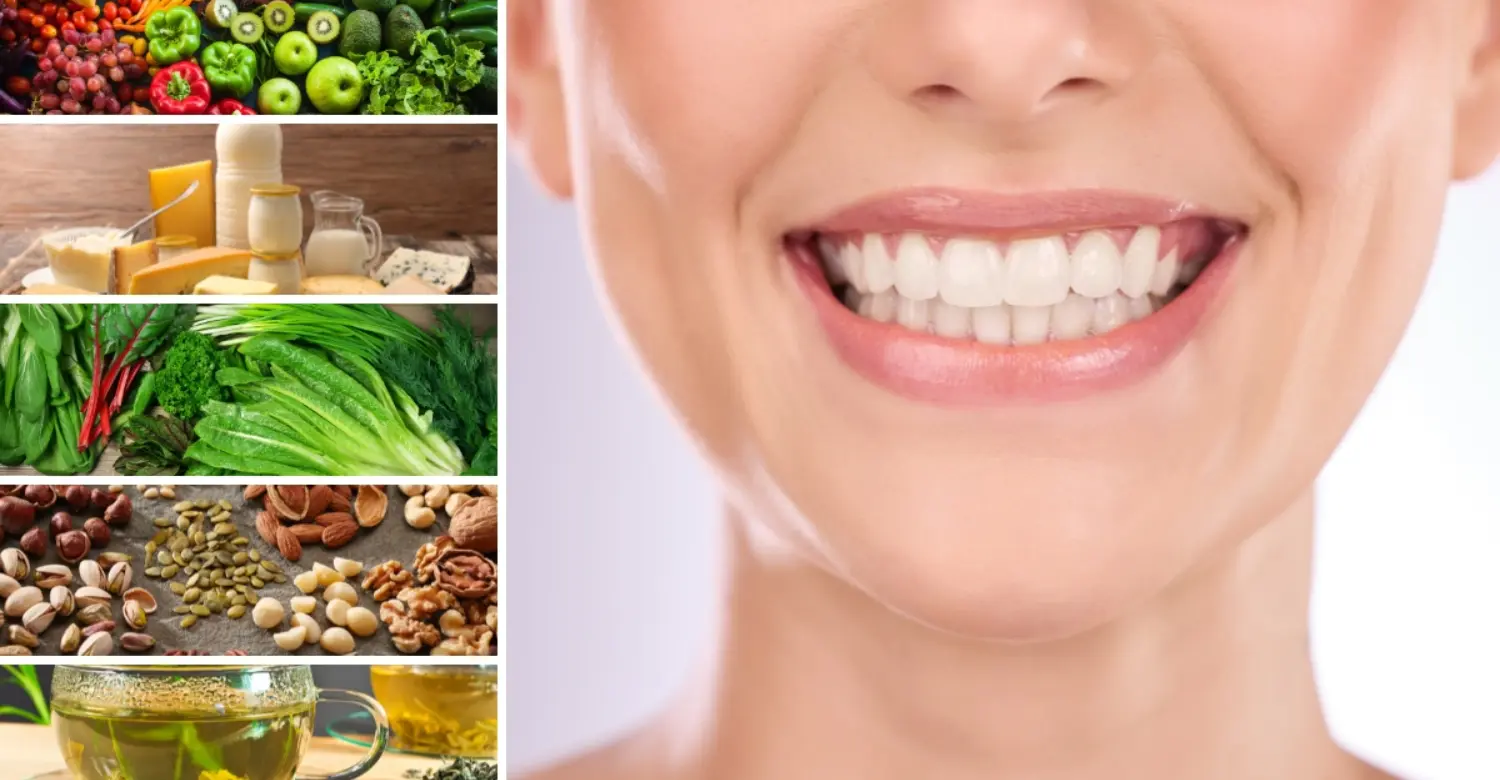
What We Notice Clinically
The Best Foods for Healthy Teeth are most useful when dietary habits are considered alongside clinical findings. Dentists may notice patterns associated with frequent sugar exposure, acidic beverages, dry mouth, or poor nutritional variety. Recurrent cavities can sometimes prompt questions about snack frequency and beverage choices. Enamel erosion may lead to discussion about acidic drinks or dietary habits. Dry mouth can make ordinary foods more challenging because saliva provides less natural protection. However, clinical findings rarely identify one food as the sole cause. Oral disease is multifactorial and influenced by hygiene, fluoride, tobacco, medications, medical conditions, and other factors. WHO identifies oral diseases as major global health problems. Preventive assessment therefore needs a broad perspective.
How Diet Patterns Appear in Everyday Dental Care
Dietary habits can appear through repeated clinical patterns rather than one obvious symptom. Patients with frequent sweet drinks may develop recurring cavities. Those consuming acidic drinks regularly may develop generalized enamel wear. Sticky snacks can increase plaque retention around vulnerable surfaces. Dry-mouth patients may develop cavities more quickly despite reasonable hygiene. These observations require careful clinical interpretation. A dentist should not diagnose nutritional deficiency based solely on oral appearance. Medical testing may be necessary when deficiency is suspected. Vitrin Clinic can use dietary history as supporting information during preventive examinations.
Common Nutritional Habits Linked With Oral Health Problems
Common dietary risk patterns include frequent sugary beverages, continuous snacking, and prolonged sipping. Sweetened coffee and tea can add hidden free sugars. Sports drinks may combine sugar and acidity. Fruit juice can contain concentrated free sugars despite its nutritional reputation. Sticky snacks can remain attached around teeth. Skipping meals may also encourage later consumption of highly processed foods. WHO identifies free sugar consumption as a major dietary risk factor for caries. Patients can often improve their oral environment by changing beverages and snack frequency first. Vitrin Clinic can help prioritize the most relevant changes.
Why Food Quality Matters More Than a Single “Superfood”
No single food can guarantee strong teeth or healthy gums. Oral health depends on nutrition, plaque control, fluoride exposure, saliva, genetics, lifestyle, and professional care. A varied diet provides multiple nutrients simultaneously. It can also displace highly processed foods containing substantial free sugars. Labeling one ingredient as a “superfood” oversimplifies dental prevention. Cheese, vegetables, fish, nuts, seeds, and dairy each provide different benefits. Their value becomes greater when they replace higher-risk foods. Patients should focus on dietary patterns rather than isolated claims. This approach is more sustainable and scientifically realistic.
Clinical Note: Diet Is Only One Part of Preventive Dentistry
Nutrition influences oral health but cannot replace professional prevention. Plaque must be mechanically disrupted through brushing and interdental cleaning. Fluoride provides additional protection against dental caries. Professional examinations identify problems that may not cause symptoms. Professional cleaning can remove deposits that home care cannot adequately remove. Periodontal disease may require treatment beyond dietary changes. Enamel erosion may require investigation of dietary and non-dietary acids. WHO emphasizes fluoride exposure and plaque removal as important components of caries prevention. Vitrin Clinic combines dietary awareness with clinical prevention.
Dr. Rifat Alsaman’s Opinion
Dr. Rifat Alsaman emphasizes that nutrition should support prevention rather than replace evidence-based dental treatment. Patients often search for foods that promise rapid enamel repair or gum regeneration. Such claims can oversimplify complex biological processes. Early mineral loss may be managed through appropriate remineralization strategies. Established cavities require clinical treatment. Gum disease requires effective plaque control and appropriate periodontal management. Dietary quality can support tissue health and reduce unnecessary sugar exposure. At Vitrin Clinic, recommendations should reflect examination findings and individual risk. Sustainable changes are usually more valuable than restrictive diets that patients cannot maintain.
Tips for Patients: How to Build a Tooth-Friendly Diet
The Best Foods for Healthy Teeth can become part of a practical daily routine without requiring extreme dietary restrictions. Choose snacks containing protein, fiber, minerals, and limited free sugar. Pair carbohydrate foods with protein or healthy fats when appropriate. Drink water throughout the day instead of continuously consuming sweetened beverages. Reduce frequent sugary snacking and avoid prolonged sipping of acidic drinks. Include nutrient-dense foods regularly rather than depending on supplements. Maintain brushing and interdental cleaning every day. WHO recommends keeping free sugars below 10% of daily energy intake. Vitrin Clinic can personalize these recommendations according to cavity risk, gum health, enamel condition, and individual lifestyle.
Choose Teeth-Friendly Snacks
Choose snacks containing little or no added sugar. Cheese, plain yogurt, vegetables, nuts, seeds, and whole fruit can work well. Protein and fiber can improve satiety between meals. Water should accompany snacks whenever possible. Sticky sweets should remain occasional rather than routine. Sweetened beverages should not become default snack drinks. Children require additional attention to texture and choking safety. Patients with dental restorations may need to avoid very hard foods. Vitrin Clinic can help patients select snacks that fit their specific dental circumstances.
Pair Carbohydrates With Protein or Healthy Fats
Combining carbohydrate foods with protein or healthy fats can create more balanced meals. Yogurt with berries combines protein with fruit. Apple slices with unsweetened nut butter provide fiber, fat, and protein. Vegetables with cheese offer another low-sugar combination. These pairings do not make sugary foods harmless. Free sugar exposure remains important for cavity prevention. The goal is to create satisfying meals that reduce reliance on highly processed snacks. Patients should consider overall dietary quality rather than individual food combinations.
Drink More Water Throughout the Day
Water provides hydration without free sugar or significant acidity. It can help clear food residues and dilute acids. Proper hydration also supports normal saliva production. Fluoridated water can provide an additional cavity-prevention benefit. WHO specifically recommends favoring water as the main drink. Patients should understand fluoride levels in their local water supply. Bottled and filtered water may contain different fluoride concentrations. People with medical fluid restrictions should follow their healthcare provider's recommendations.
Reduce Frequent Sugary Snacking
Reducing frequency can decrease repeated acid challenges within dental plaque. Choose structured meals when medically appropriate. Keep sugary foods occasional rather than continuous. Replace sweetened drinks with water whenever possible. If sweets are consumed, eating them with meals may reduce repeated exposure. WHO recommends limiting free sugars below 10% of daily energy intake. Patients with high cavity risk may require more specific dietary guidance. Vitrin Clinic can identify individual risk factors and recommend appropriate preventive measures.
Avoid Constant Sipping of Acidic Drinks
Constant sipping extends the time teeth remain exposed to acid. Soft drinks, sports drinks, energy drinks, and fruit juices can contain substantial acidity. Water provides a safer routine hydration option. When acidic beverages are consumed, patients should avoid holding them around their teeth. Drinking water afterward can help clear residual acids. Immediate brushing may not be advisable after strong acid exposure. Patients with sensitivity or erosion should receive professional assessment. Vitrin Clinic can identify dietary patterns contributing to enamel wear.
Eat Nutrient-Dense Foods Regularly
Regular nutrient-dense meals provide vitamins, minerals, protein, healthy fats, and fiber. Include vegetables, fruits, dairy or suitable alternatives, fish, eggs, legumes, nuts, and seeds. Choose minimally processed foods whenever practical. Limit products dominated by added sugars and refined ingredients. Dietary variety makes nutrient adequacy easier. Patients with dietary restrictions may need suitable fortified alternatives. Supplements should not replace balanced food unless medically indicated. Consistency matters more than perfection.
Maintain Your Daily Oral Hygiene Routine
Food cannot remove plaque from every tooth surface. Brush twice daily using fluoride toothpaste appropriate for your age and risk. Clean between teeth using floss or another suitable interdental method. Avoid treating crunchy foods as a substitute for brushing. Regular dental examinations help identify early changes. CDC recognizes fluoride toothpaste as an effective preventive measure. Vitrin Clinic can recommend individualized home-care techniques based on clinical findings.
A Simple Daily Food Strategy for Healthier Teeth
Start the morning with a nutrient-dense meal containing protein and limited free sugar. Include dairy or a suitable calcium-fortified alternative. Add vegetables or whole fruit for fiber and micronutrients. Drink water instead of a sweetened beverage. Choose cheese, nuts, vegetables, or plain yogurt for snacks. Keep sugary foods occasional rather than continuous. Include fish, eggs, legumes, or another quality protein source during main meals. Drink water after acidic foods or beverages. Brush with fluoride toothpaste twice daily. Clean between teeth consistently. Vitrin Clinic can personalize this strategy according to individual dental findings.
Can the Right Diet Replace Brushing and Flossing?
The Best Foods for Healthy Teeth can support prevention, but no diet can replace plaque removal. Dental plaque is a structured microbial biofilm that remains attached to tooth surfaces. Chewing vegetables may remove some loose food particles but cannot eliminate mature plaque. Water rinsing also cannot reliably remove attached biofilm. Brushing physically disrupts plaque across accessible surfaces. Interdental cleaning reaches areas that toothbrush bristles cannot adequately clean. Fluoride toothpaste adds a proven chemical defense against tooth decay. WHO identifies inadequate plaque removal and insufficient fluoride exposure as important contributors to dental caries. Nutrition therefore works alongside hygiene rather than replacing it. Vitrin Clinic combines dietary guidance with evidence-based preventive dentistry.
Why Nutrition Cannot Remove Dental Plaque
Dental plaque contains bacteria embedded within a structured biofilm. Food texture cannot reliably disrupt this biofilm across all tooth surfaces. Crunchy vegetables may move around the mouth but cannot reach every interdental area. Water can rinse food particles without removing firmly attached plaque. Brushing provides mechanical disruption that diet cannot replicate. Interdental cleaning addresses surfaces between teeth. Patients with heavy plaque accumulation may also require professional cleaning. Nutrition can reduce dietary risk but cannot replace these measures. Vitrin Clinic can assess plaque levels and improve home-care techniques when necessary.
The Role of Fluoride Toothpaste
Fluoride toothpaste provides concentrated fluoride directly to tooth surfaces. Fluoride supports remineralization and strengthens enamel against future acid attacks. CDC identifies fluoride toothpaste as an effective tool for preventing cavities. Brushing also physically removes plaque and food debris. Children require age-appropriate fluoride guidance because swallowing toothpaste should be minimized. Higher-risk adults may need additional fluoride strategies. Nutrition and fluoride toothpaste therefore work together. Neither should be treated as a complete replacement for the other.
Combining Healthy Eating With Daily Oral Hygiene
Healthy eating reduces dietary risks while hygiene removes plaque. Fluoride strengthens enamel against acid challenges. Water supports hydration and oral clearance. Professional examinations identify problems before they become advanced. These strategies address different mechanisms and therefore complement one another. Patients should establish routines that remain practical during work, travel, and social occasions. Vitrin Clinic can develop individualized preventive plans that combine nutrition, hygiene, fluoride, and professional monitoring.
When Professional Dental Care Is Still Necessary
Professional care remains necessary when symptoms or risk factors appear. Persistent bleeding, pain, swelling, sensitivity, or tooth damage requires assessment. Cavities cannot be reliably diagnosed through dietary habits alone. Gum disease may progress with limited discomfort during early stages. Enamel erosion can have several causes requiring clinical investigation. Regular examinations allow problems to be detected before extensive treatment becomes necessary. WHO describes oral diseases as largely preventable but still a major global health burden. Preventive visits remain important even when nutrition and hygiene are excellent.
Best Foods for Healthy Teeth for Children
The Best Foods for Healthy Teeth for children should support both developing teeth and overall growth. Calcium, phosphorus, vitamin D, and protein contribute to normal development. Vegetables and whole fruits can replace highly processed snacks. Water should be encouraged instead of sugary beverages. Added and free sugar deserve particular attention because children can experience repeated exposure throughout the day. WHO recommends avoiding sugar-sweetened beverages for children under two years. Parents should also consider choking hazards when selecting crunchy foods. Fluoride exposure should be appropriate for age and local circumstances. Vitrin Clinic can provide age-specific preventive guidance.
Calcium and Vitamin D for Developing Teeth
Calcium and vitamin D support normal mineralization and growth. Dairy products, fortified alternatives, eggs, and fatty fish can contribute these nutrients. Children require age-appropriate intake rather than excessive supplementation. Vitamin D status can depend on factors beyond diet. Parents should discuss supplementation with pediatric healthcare professionals when appropriate. Nutritional adequacy supports developing teeth but cannot prevent plaque accumulation. Fluoride toothpaste and regular dental care remain essential. Vitrin Clinic can monitor dental development and provide individualized preventive recommendations.
Healthy Snacks for Children
Children benefit from snacks containing protein, fiber, and limited added sugar. Cheese, plain yogurt, vegetables, whole fruit, and appropriately prepared nuts can provide suitable choices. Snack texture must match developmental stage and choking-safety recommendations. Sugary drinks should not become routine snacks. Frequent grazing on sweets can increase cavity risk. WHO identifies free sugars as an important risk factor for dental caries. Parents can make healthier choices easier by preparing snacks before children become hungry. Family-wide habits can strongly influence children's food preferences.
Limiting Added Sugar in Children’s Diets
Reducing free sugar can lower an important dietary risk factor for dental caries. Candy, desserts, sweetened cereals, flavored drinks, and packaged snacks can contribute substantial sugar. Hidden sugars may also occur in sauces and flavored dairy products. Reading labels helps parents identify products containing high amounts of added sugar. WHO recommends keeping free sugars below 10% of total energy intake. WHO also recommends avoiding sugar-sweetened beverages for children younger than two years. Family-wide changes can make sugar reduction easier.
Encouraging Water Instead of Sugary Drinks
Water provides hydration without free sugar. Fluoridated water can provide additional cavity protection when appropriate. CDC recognizes water fluoridation as an effective public-health measure for reducing dental caries. Parents can offer water regularly between meals. Sweet drinks should not become default rewards or comfort beverages. Reusable bottles can make water easier to access at school and activities. Children already consuming sugary drinks may require gradual habit changes. Vitrin Clinic can provide individualized guidance based on age, fluoride exposure, and cavity risk.
Best Foods for Healthy Teeth as You Age
The Best Foods for Healthy Teeth remain important throughout adulthood and older age, although priorities can change. Enamel experiences repeated acid exposure throughout life. Gum recession can expose root surfaces that are more vulnerable to decay. Older adults may experience dry mouth because of medications or medical conditions. Nutrient-dense foods remain important for maintaining oral and general health. Calcium, vitamin D, protein, and vitamin C can support normal tissues. Hydration becomes increasingly important when saliva production decreases. Softer nutrient-dense foods may be necessary when chewing becomes difficult. Regular dental monitoring becomes more important as multiple risks accumulate. Vitrin Clinic can adapt preventive care to age-related changes.
Protecting Enamel Over Time
Long-term enamel protection requires reducing repeated sugar and acid exposure. Fluoride toothpaste helps strengthen enamel against bacterial acids. Water can replace sugary beverages and support hydration. Acidic drinks should not be consumed continuously. Patients with reflux or frequent vomiting may require medical assessment. Aggressive brushing can also contribute to tooth wear when enamel is softened. A soft toothbrush and appropriate technique can reduce unnecessary abrasion. Dental professionals can distinguish erosion, abrasion, attrition, and decay. Vitrin Clinic can monitor enamel changes and recommend personalized preventive measures.
Nutrition and Gum Health in Older Adults
Older adults may experience changes in appetite, chewing ability, medication use, and saliva production. These changes can alter dietary quality and cavity risk. Protein-rich and nutrient-dense foods remain important. Soft vegetables, yogurt, eggs, fish, and soups can provide nutrients when chewing becomes difficult. Added sugar should remain limited. Dry mouth may require additional hydration and saliva-support strategies. Denture wearers also require regular oral-tissue assessments. Gum disease can progress even without significant pain. Vitrin Clinic can monitor periodontal health and adapt preventive care.
Foods That Support Bone and Oral Health
Calcium, vitamin D, protein, phosphorus, and magnesium contribute to normal bone physiology. Dairy products, fish, eggs, legumes, nuts, seeds, and fortified foods can provide these nutrients. Supporting jawbone health matters because teeth depend on surrounding bone. However, diet cannot reverse established periodontal bone loss. Periodontal disease requires appropriate diagnosis and professional treatment. Nutritional adequacy can support general health during dental treatment. Older adults may need individualized nutritional planning because appetite and absorption can change. Vitrin Clinic can monitor oral conditions while patients follow broader medical recommendations.
Managing Dry Mouth Through Diet and Hydration
Dry mouth can increase cavity risk and oral discomfort. Drinking water regularly supports hydration and can improve comfort. Sugar-free gum may stimulate saliva when chewing is appropriate. Moist foods can be easier to eat than dry foods. Patients should avoid using sugary drinks to relieve dryness. Some medications can substantially reduce salivary flow. Persistent dry mouth should therefore be discussed with healthcare and dental professionals. Vitrin Clinic can evaluate oral complications associated with reduced saliva and recommend preventive strategies.
Why Choose Vitrin Clinic for Preventive Dental Care?
The Best Foods for Healthy Teeth are most effective when integrated into a personalized preventive dental plan. Vitrin Clinic can evaluate teeth, gums, enamel, restorations, plaque levels, and other relevant findings. Dietary recommendations can then be connected to individual oral-health risks. Patients with recurrent cavities may need focused sugar and fluoride guidance. Patients with enamel erosion may need assessment of acidic food and beverage exposure. Patients with gum inflammation may require periodontal treatment and hygiene improvement. Dry-mouth patients may need saliva-support strategies. This personalized approach avoids generic nutrition claims. Professional prevention also allows early detection of developing dental problems. Vitrin Clinic combines modern diagnostic approaches with individualized preventive planning.
Personalized Oral Health Assessment
A personalized assessment begins with understanding dental history and current concerns. The examination can identify cavities, enamel wear, gum inflammation, recession, and restoration problems. Diagnostic imaging may be appropriate depending on symptoms and individual risk. Medical history can reveal additional factors affecting oral health. Dietary habits may also be discussed when they appear relevant. This information helps prioritize preventive recommendations. Vitrin Clinic can create individualized strategies rather than relying on generic advice. The goal is prevention that fits the patient's lifestyle and dental needs.
Professional Preventive Dental Guidance
Professional guidance helps patients translate nutrition principles into practical habits. Recommendations may address snacks, beverages, sugar frequency, fluoride exposure, brushing, and interdental cleaning. Patients can learn which habits matter most for their individual risk. This approach is especially useful for people with recurrent cavities or enamel sensitivity. Preventive guidance should remain evidence-based and realistic. Vitrin Clinic can monitor whether recommended changes improve oral conditions over time. Follow-up allows prevention to evolve as circumstances change.
Modern Diagnostic and Preventive Dentistry
Modern dentistry combines clinical examination with appropriate diagnostic technology. Preventive dentistry aims to identify disease before extensive damage develops. Digital records can help monitor changes between appointments. Professional cleaning can remove deposits that remain despite home care. Fluoride strategies can be adjusted according to cavity risk. Nutritional recommendations can complement these measures. Vitrin Clinic focuses on combining diagnosis, prevention, and individualized planning. Patients should receive recommendations based on clinical evidence rather than generalized trends.
Your Oral Health Plan at Vitrin Clinic
A personalized oral-health plan should address current disease, future risk, and daily habits. The process can begin with a comprehensive examination and medical history. Preventive recommendations can then be tailored to diet and hygiene. Professional cleaning may be recommended according to plaque and gum status. Follow-up appointments can monitor cavities, enamel wear, and periodontal health. Nutrition can be reviewed when dietary habits contribute to risk. Vitrin Clinic can integrate these elements into long-term smile maintenance. The goal is sustainable prevention rather than temporary improvement. Patients benefit when dietary, hygiene, and professional strategies work together.
Comprehensive Dental Examination
A comprehensive examination evaluates teeth, gums, restorations, and surrounding oral structures. The dentist can identify visible decay, enamel changes, gum inflammation, and other conditions. Diagnostic imaging may be recommended according to symptoms and risk. Medical and dental history can reveal additional considerations. Dietary habits may also be reviewed when relevant. These findings support an individualized prevention plan. Vitrin Clinic can use clinical information to prioritize treatment and prevention. Early assessment can reduce the likelihood of more complex future treatment.
Personalized Preventive Recommendations
Preventive recommendations should reflect actual clinical risk. Patients with recurrent cavities may need stronger sugar-control strategies. Patients with enamel erosion may need acid-exposure reduction. Patients with dry mouth may need hydration and saliva-support measures. Gum disease requires effective plaque control and periodontal management. Children require age-specific fluoride and dietary guidance. Vitrin Clinic can tailor recommendations to these different needs. Follow-up appointments can modify recommendations as oral conditions change.
Professional Cleaning and Gum Health Monitoring
Professional cleaning can remove deposits that remain despite consistent home care. Gum monitoring evaluates inflammation and periodontal changes over time. Patients with periodontal risk may require more frequent professional maintenance. Nutrition can support general tissue health but cannot remove hardened calculus. Effective home hygiene remains essential between visits. Vitrin Clinic can monitor gum health and reinforce appropriate cleaning techniques. Early intervention may prevent minor inflammation from progressing.
Long-Term Smile Maintenance
Long-term maintenance combines nutrition, hygiene, fluoride, professional care, and healthy lifestyle habits. Patients should continue preventive routines even when teeth feel healthy. Dental disease can progress without obvious symptoms. Periodic examinations allow early changes to be detected. Dietary habits should remain flexible enough for long-term adherence. Limiting frequent sugar and acidic beverages remains useful throughout life. Vitrin Clinic can create maintenance schedules according to individual risk. Prevention becomes stronger when it is consistent rather than occasional.
Book Your Consultation at Vitrin Clinic
A preventive consultation can identify oral-health risks before they become more complex. Vitrin Clinic can evaluate teeth, gums, enamel, restorations, and hygiene habits. Patients can discuss dietary patterns that may influence cavity or erosion risk. The dental team can then develop personalized recommendations. These recommendations may include professional cleaning, fluoride guidance, dietary changes, or monitoring. Every recommendation should reflect the patient's clinical needs. Healthy eating is valuable, but it works best alongside evidence-based dental care. Vitrin Clinic supports patients seeking structured long-term smile maintenance.
Final Takeaway
The Best Foods for Healthy Teeth are not defined by one miracle ingredient. They are part of a balanced dietary pattern that supports enamel, gums, saliva, and overall health. Calcium, phosphorus, vitamin D, vitamin C, protein, and other nutrients each contribute different biological functions. Vegetables, dairy, fish, nuts, seeds, eggs, whole fruits, and water can provide valuable nutritional support. At the same time, frequent free-sugar exposure and acidic beverages can increase oral-health challenges. WHO reports that dental caries affect approximately 2.5 billion people worldwide. The organization recommends limiting free sugars below 10% of daily energy intake. Nutrition works best alongside fluoride toothpaste, plaque removal, professional examinations, and individualized dental care. Vitrin Clinic can help patients turn these principles into a practical long-term oral-health strategy.
Reference
FAQs
Dr. Rifat Alsaman has more than 5 years of clinical experience in dentistry and currently serves as the Head of the Medical Team at Vitrin Clinic. He is dedicated to providing exceptional patient care, overseeing treatment planning, and ensuring the highest clinical standards across the team. His expertise, attention to detail, and commitment to continuous professional development have helped countless patients achieve healthier, more confident smiles.


