Dental Care Guide
August 18, 2026
Correct Brushing Technique: How to Brush Your Teeth Properly?
 Dr. Rifat Alsaman
A healthy smile starts with consistent daily plaque control and effective fluoride use. The Correct Brushing Technique combines gentle pressure, proper positioning, and complete tooth coverage. The American Dental Association recommends brushing twice daily for two minutes. Soft-bristled toothbrushes are recommended for routine cleaning. Fluoride toothpaste strengthens enamel and helps prevent tooth decay. Brushing should reach outer, inner, and chewing surfaces. Your gumline also needs careful attention because plaque commonly collects around this margin. Brushing should never depend on excessive pressure. At Vitrin Clinic, dental professionals can assess individual brushing habits. They can also recommend personalized hygiene strategies for different dental conditions. This guide explains how to improve daily brushing safely and effectively.
What Is the Correct Brushing Technique?
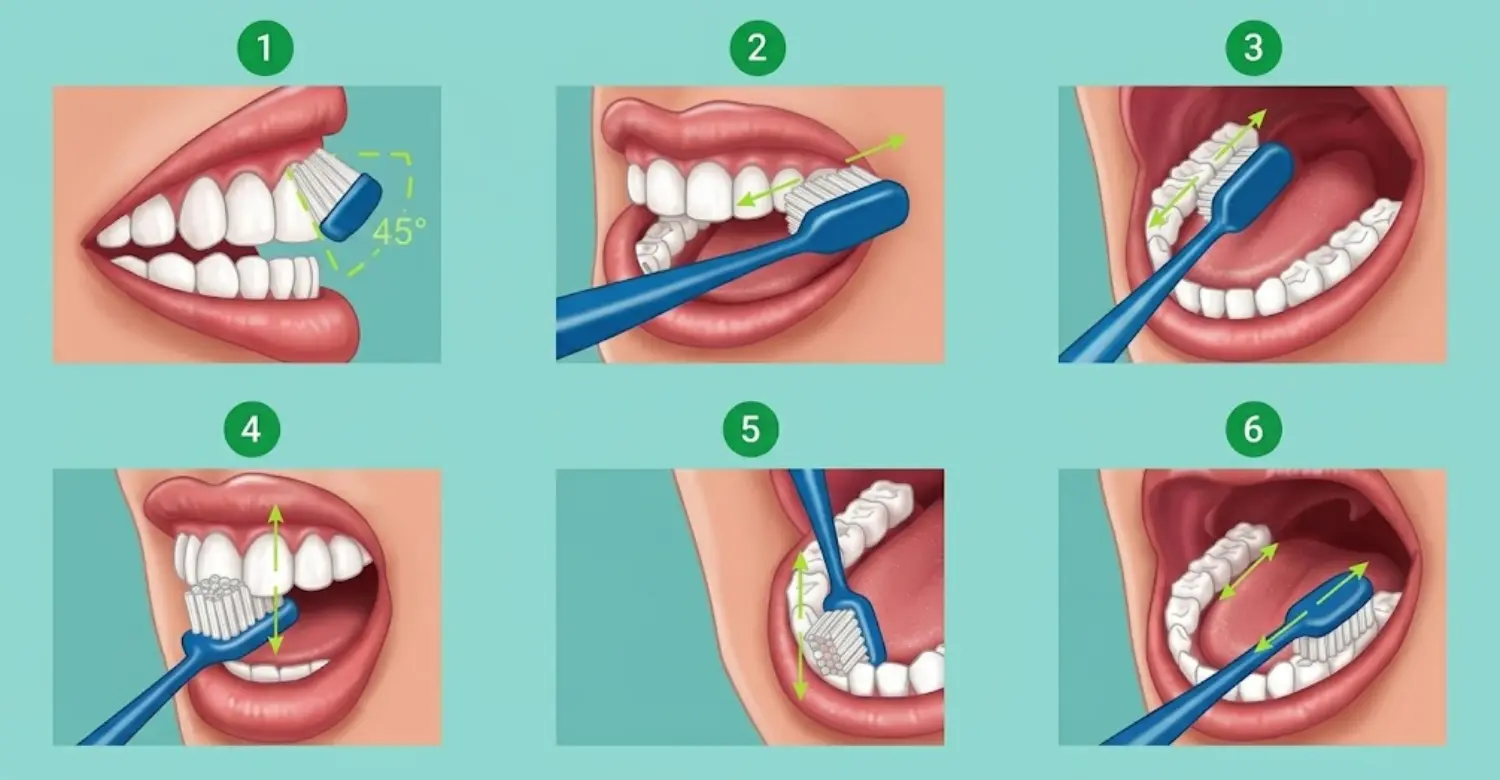
The Correct Brushing Technique uses a soft-bristled toothbrush, fluoride toothpaste, gentle movements, and complete surface coverage. Place the toothbrush near the gumline at approximately a 45-degree angle. Move it gently using short, controlled strokes. Clean the outer, inner, and chewing surfaces of every tooth. Use vertical positioning when cleaning the inner surfaces of front teeth. Avoid aggressive back-and-forth scrubbing. NIDCR recommends gentle circular movements instead of hard brushing. Brushing twice daily for approximately two minutes supports effective plaque control. Fluoride toothpaste also provides important protection against tooth decay. The technique should feel controlled rather than forceful. Consistency is equally important because plaque develops continuously throughout the day.
Why Proper Tooth Brushing Technique Matters
The Correct Brushing Technique helps physically disrupt plaque before it contributes to dental problems. Dental plaque contains bacteria that can contribute to tooth decay and gum inflammation. Regular brushing helps remove this bacterial biofilm from tooth surfaces. NIDCR recommends brushing twice daily with fluoride toothpaste. It also recommends regular cleaning between teeth. Fluoride provides additional protection by strengthening enamel. It can also help reverse early stages of tooth decay. However, brushing quality matters alongside frequency. Rushing can leave plaque around the gumline and posterior teeth. A consistent routine should therefore combine adequate duration with complete coverage. Patients with persistent gum problems may also benefit from professional periodontal treatment.
Correct Brushing Technique vs. Brushing Too Hard
The Correct Brushing Technique focuses on plaque removal without unnecessary pressure against teeth or gums. Brushing harder does not automatically produce better results. Excessive force can increase mechanical irritation of gingival tissues. The ADA recommends soft bristles and gentle pressure. Rapidly frayed bristles can indicate excessive brushing pressure. Gum tenderness may also suggest that your technique needs adjustment. Instead of increasing force, improve positioning and coverage. Move systematically across each area of the mouth. Patients with gum recession should be especially careful around exposed root surfaces. Exposed roots can become vulnerable to decay. A dental professional can help determine whether brushing pressure contributes to an individual concern.
Clinical Note: What Makes a Brushing Technique Effective?
Clinically, the Correct Brushing Technique depends on more than brushing duration. An effective routine should reach the gumline and every accessible tooth surface. Plaque-disclosing products can reveal areas that remain inadequately cleaned. NIDCR recommends these products as useful tools for identifying remaining plaque. This approach provides visual feedback for patients who repeatedly miss certain areas. Clinicians may also evaluate toothbrush selection, hand positioning, brushing pressure, and movement patterns. Patients with braces, implants, crowns, or periodontal concerns often require modified instructions. At Vitrin Clinic, personalized assessment can help identify areas where daily cleaning needs improvement. Rare infections: Melioidosis And Oral Health
How to Brush Your Teeth Correctly Step by Step
The Correct Brushing Technique starts with appropriate equipment and a consistent sequence. Choose a soft-bristled toothbrush with a comfortable head size. Apply an appropriate amount of fluoride toothpaste. Place the bristles toward the gumline. Use small, gentle movements rather than aggressive scrubbing. Clean outer surfaces first, then inner surfaces and chewing surfaces. Divide your mouth into sections to reduce missed areas. The ADA recommends brushing for two minutes twice daily. Do not rush through difficult areas. Inner front surfaces and posterior teeth often require additional attention. After brushing, spit out excess toothpaste. Avoid immediately rinsing extensively unless your dental professional recommends doing so.
Choose the Right Toothbrush
A soft-bristled toothbrush is generally recommended for daily plaque removal. The brush head should allow comfortable access to posterior teeth. The ADA recommends replacing toothbrushes every three to four months. Replacement may be necessary sooner when bristles become frayed. Children should use appropriately sized toothbrushes with soft bristles. Younger children may require adult supervision. Manual and powered toothbrushes can both provide effective cleaning. The most suitable choice depends on dexterity, comfort, dental conditions, and personal preference. Patients with orthodontic appliances may benefit from specialized brush heads. Patients with limited hand mobility may find powered toothbrushes easier to control. The best toothbrush is ultimately one that allows consistent and thorough daily cleaning.
Use the Right Amount of Fluoride Toothpaste
Fluoride toothpaste is an essential part of daily cavity prevention. Fluoride strengthens enamel and helps protect teeth against acid-related mineral loss. Adults should use fluoride toothpaste according to product instructions and professional recommendations. Children require age-appropriate toothpaste amounts. The ADA recommends a rice-sized amount for children younger than three years. Children aged three through six generally use a pea-sized amount. Adults should supervise younger children to reduce swallowing. Using excessive toothpaste does not necessarily improve cleaning. The important factor is consistent brushing with an appropriate fluoride concentration. Patients with elevated cavity risk may receive additional fluoride recommendations from their dentist.
Position Your Toothbrush Correctly
Positioning affects how effectively the bristles reach the gumline. The ADA recommends placing the toothbrush against the gumline at approximately a 45-degree angle. This position helps clean plaque around the area where teeth and gums meet. Use short movements across several teeth before moving to another section. For inner front surfaces, tilt the brush vertically. Make several gentle up-and-down movements. Avoid pressing the bristles deeply into the gums. Patients with recession may require individualized positioning to protect exposed root surfaces. A dentist or hygienist can demonstrate the appropriate angle during a preventive appointment.
Use Gentle, Controlled Movements
The Correct Brushing Technique requires controlled movement rather than aggressive scrubbing. NIDCR recommends gentle circular motions. It specifically advises against hard back-and-forth brushing. Small movements help maintain contact between bristles and tooth surfaces. Move systematically rather than repeatedly brushing only visible front teeth. Your toothbrush should remain comfortable throughout the session. Excessive pressure can flatten bristles and reduce their ability to move effectively. Patients should concentrate on consistency and coverage. If your gums remain sore after brushing, discuss the problem with a dental professional. Changing technique may help when pressure or positioning contributes to discomfort.
Brush Every Tooth Surface
Every tooth contains multiple surfaces that require cleaning. The outer surfaces face the cheeks and lips. Inner surfaces face the tongue or palate. Chewing surfaces contain grooves where plaque and debris can remain. The Correct Brushing Technique should therefore include all three surface categories. Do not focus only on visible front teeth. Posterior teeth require careful attention because their location can make them harder to reach. A consistent sequence can make complete coverage easier. Patients can divide the mouth into four sections and clean each section systematically.
Outer Tooth Surfaces
Outer surfaces are generally easy to see during brushing. However, plaque can remain close to the gumline. Position the bristles toward the gingival margin. Use gentle movements across several teeth. Move slowly enough to avoid skipping areas. Posterior outer surfaces deserve particular attention because their position can make access difficult. Avoid repeatedly brushing only the front teeth. Complete coverage should include every accessible outer surface.
Inner Tooth Surfaces
Inner surfaces are commonly overlooked because they are less visible. The Correct Brushing Technique requires deliberate attention to these areas. Use gentle movements along the inner gumline. For the inner surfaces of front teeth, rotate the brush vertically. Make several controlled movements without applying excessive pressure. The lower front teeth deserve special attention because plaque can accumulate behind them. Patients who consistently miss these areas can benefit from plaque-disclosing products.
Chewing Surfaces
Chewing surfaces contain grooves and pits that can retain plaque. Place the bristles directly over these surfaces. Use short, controlled movements. Avoid pressing forcefully into grooves. Molars often require more attention because they are located farther back. Children may need supervision when cleaning these areas. Patients with deep grooves or frequent cavities should discuss preventive options with their dentist.
Front Teeth and Hard-to-Reach Areas
Front teeth are visible, but their inner surfaces can remain difficult to clean. Use vertical brush positioning where appropriate. Make several gentle movements around the inner surfaces. Hard-to-reach areas should receive additional attention rather than additional pressure. Patients with crowded teeth may require specialized interdental tools. A dental professional can demonstrate techniques for difficult areas.
Brush Along the Gumline
The Correct Brushing Technique should always include careful gumline cleaning. Plaque can accumulate where teeth and gums meet. This area is important for maintaining gingival health. Angle the bristles toward the gumline. Use gentle, controlled movements. Do not force bristles deeply into gingival tissues. Bleeding should not automatically lead patients to stop cleaning the area. Persistent bleeding can indicate gingival inflammation and deserves professional evaluation. Patients with periodontal disease may require additional home-care instructions. NIDCR recommends angling bristles toward the gumline while brushing gently. For patients with advanced gum concerns, professional laser dentistry may also be considered when clinically appropriate.
Clean Your Tongue
The tongue contains numerous surface structures that can retain bacteria and debris. Gently brush the tongue after cleaning your teeth. Avoid excessive pressure because tongue tissues can become irritated. Some patients prefer using a dedicated tongue cleaner. Tongue cleaning can complement regular toothbrushing and interdental cleaning. Persistent bad breath should be professionally assessed when routine hygiene does not resolve it. Halitosis can have several possible causes beyond inadequate brushing. Jaw pain causes: Jaw Hurts On One Side When Chewing
How Long Should You Brush Your Teeth?
The Correct Brushing Technique should be performed for approximately two minutes. The ADA recommends brushing twice daily for two minutes with fluoride toothpaste. Two minutes provides adequate time for systematic coverage. However, duration alone does not guarantee effective plaque removal. Patients can divide their mouth into four sections. Approximately thirty seconds can be allocated to each section. This strategy helps create a predictable routine. Patients with braces or complex restorations may need additional cleaning steps beyond ordinary brushing.
Is Two Minutes Enough?
Two minutes is the standard recommendation for routine toothbrushing. ADA guidance supports two-minute brushing twice daily. Research summarized by the ADA indicates that two-minute brushing provides greater plaque reduction than shorter brushing. However, patients should not treat two minutes as a substitute for proper technique. Complete surface coverage remains essential. A timer can help patients develop consistent habits. Many powered toothbrushes also provide automatic timing features.
How Often Should You Brush Your Teeth?
Most people should brush twice daily using fluoride toothpaste. The ADA and NIDCR both support twice-daily brushing with fluoride toothpaste. Nighttime brushing is particularly important because it removes plaque before prolonged sleep. Morning brushing provides another opportunity to control plaque. More frequent brushing is not automatically better. Excessive brushing pressure can create unnecessary mechanical irritation. Patients with specific dental conditions should follow personalized recommendations from their dental professional.
Tips for Patients: Make Brushing for Two Minutes Easier
Use a timer until two-minute brushing becomes automatic. Divide the mouth into four sections. Spend approximately thirty seconds on each section. Follow the same sequence every time. This approach reduces the chance of repeatedly missing certain areas. Powered toothbrushes with timers can provide additional guidance. Parents can supervise children and create a predictable morning and evening routine. Brushing while listening to music can also make the routine feel less repetitive. The most important goal is consistent, complete cleaning. Sensation guide: Roof Of Mouth Rough
What Is the Best Way to Brush Teeth for Plaque Removal?
The Correct Brushing Technique for plaque removal combines fluoride toothpaste, soft bristles, gentle pressure, and complete coverage. Plaque is a bacterial biofilm that develops continuously. Physical disruption is therefore necessary every day. Begin near the gumline and use small controlled movements. Clean outer, inner, and chewing surfaces systematically. Do not concentrate only on visible front teeth. Interdental cleaning should complement brushing because toothbrush bristles cannot fully access every space between teeth. NIDCR recommends cleaning between teeth regularly using floss or another appropriate interdental device.
Brushing Technique for Plaque Removal
Start at the gumline and move across the teeth systematically. Use gentle circular or short controlled movements. Avoid aggressive back-and-forth scrubbing. Spend enough time on posterior teeth and inner surfaces. Fluoride toothpaste should be used during regular brushing. If plaque remains difficult to identify, disclosing products can make it visible. NIDCR recommends disclosing tablets as a method for identifying remaining plaque. This can help patients improve specific problem areas.
Where Plaque Commonly Builds Up
Plaque commonly remains around the gumline and between teeth. It can also accumulate behind lower front teeth and around dental restorations. These areas often require deliberate cleaning. Patients with braces may experience additional plaque retention around brackets and wires. Patients with crowns or implants may also need specialized cleaning strategies. Proper cleaning becomes especially important after restorative treatments such as dental crowns or implant-supported restorations.
Along the Gumline
The gumline requires gentle and deliberate brushing. Angle the bristles toward the gingival margin. Use controlled movements rather than aggressive pressure.
Between the Teeth
Brushing alone cannot reliably clean every interdental surface. Floss or interdental brushes can provide additional access. NIDCR recommends regular interdental cleaning as part of oral hygiene.
Behind the Lower Front Teeth
The inner lower front teeth can collect plaque easily. Use vertical positioning when appropriate. Make several gentle movements along the inner surfaces.
Around Dental Restorations
Crowns, bridges, and implants can create plaque-retentive contours. Clean restoration margins carefully. Use interdental tools when recommended by your dentist. Patients replacing missing teeth may also consider dental bridge treatment depending on their clinical situation.
Why Brushing Alone May Not Remove All Plaque
Toothbrush bristles cannot fully reach every interdental surface. This is why cleaning between teeth is an important part of daily oral hygiene. NIDCR recommends interdental cleaning at least once daily. Options include floss, interdental brushes, and professionally recommended water flossers. The appropriate method depends on tooth spacing and individual dental conditions. Patients with bridges, braces, implants, or periodontal pockets may require specialized tools. Brushing should therefore be viewed as one part of a broader oral hygiene routine. Behavioral link: Adhd And Gum Disease
How to Brush Teeth Without Damaging Gums
The Correct Brushing Technique protects gums by combining gentle pressure with appropriate positioning. Soft bristles are generally preferred for routine brushing. Avoid pressing the brush forcefully against the gumline. Instead, use short controlled movements. Patients with gum recession should be especially careful around exposed root surfaces. NIDCR notes that exposed roots can become susceptible to tooth decay. Persistent sensitivity, bleeding, or recession should receive professional evaluation.
Can Brushing Too Hard Damage Your Gums?
Excessive brushing pressure can contribute to mechanical irritation. The solution is not to avoid the gumline. Instead, reduce pressure and improve positioning. The ADA recommends soft bristles and gentle pressure. Patients should also avoid aggressive horizontal scrubbing. If symptoms persist, professional assessment can identify the underlying cause.
Signs You May Be Brushing Too Aggressively
Rapidly frayed bristles can indicate excessive pressure. Other possible warning signs include gum tenderness and discomfort while brushing. Visible recession should also be evaluated. However, recession has multiple possible causes. Brushing pressure should therefore not be assumed to be the only explanation. A dentist can evaluate the gums, tooth surfaces, and overall brushing pattern.
Clinical Note: Protecting the Gumline During Brushing
Gumline cleaning requires precision rather than force. The bristles should reach the margin without being aggressively pushed into the tissues. Patients with gingivitis may notice bleeding during brushing. Persistent bleeding can indicate inflammation and should be professionally assessed. Patients receiving periodontal treatment may need customized brushing instructions. Halitosis causes: Veneers And Bad Breath
Proper Brushing Technique for Gum Health
The Correct Brushing Technique supports gum health by reducing plaque around the gingival margin. Plaque accumulation can contribute to gingival inflammation. Daily brushing should therefore include careful gumline cleaning. NIDCR recommends brushing twice daily and cleaning between teeth regularly. Professional dental care remains important when periodontal disease is present.
How Brushing Supports Healthy Gums
Plaque control is central to maintaining healthy gingival tissues. Consistent brushing removes bacterial biofilm from accessible surfaces. However, brushing cannot treat advanced periodontal disease by itself. Professional periodontal treatment may be required when disease has progressed. Home care remains important after professional treatment.
Brushing Technique for Sensitive or Inflamed Gums
Use a soft-bristled toothbrush and gentle pressure. Avoid aggressive movements across sensitive areas. Continue cleaning inflamed tissues carefully unless your dentist gives different instructions. A fluoride toothpaste can help protect enamel. Patients with persistent sensitivity should receive professional evaluation.
What We Notice Clinically
Clinicians often see patients who brush regularly but repeatedly miss the same areas. Common problem locations include inner surfaces and posterior teeth. Some patients also apply excessive pressure while rushing through difficult areas. Plaque-disclosing products can reveal these patterns. At Vitrin Clinic, individualized hygiene guidance can help patients correct specific daily habits.
Dr. Rifat Alsaman’s Opinion on Brushing for Gum Health
Dr. Rifat Alsaman emphasizes consistency, controlled pressure, and complete gumline coverage. The objective should be effective plaque removal without unnecessary tissue irritation. Patients should focus on improving control rather than increasing force. Individual dental conditions may require customized hygiene strategies. Professional assessment can help identify whether daily brushing is sufficiently effective. Mouth symptoms: Is Chickenpox In Mouth Dangerous
Tooth Brushing Mistakes to Avoid
Several common habits can reduce brushing effectiveness. The biggest problems include excessive pressure, insufficient duration, incomplete coverage, and irregular toothbrush replacement.
Brushing Too Hard
Hard brushing does not guarantee better plaque removal. Use gentle pressure and controlled movements instead.
Using a Hard-Bristled Toothbrush
The ADA recommends soft-bristled toothbrushes for routine cleaning. Hard bristles are unnecessary for ordinary plaque removal.
Brushing for Too Little Time
Short brushing sessions can leave surfaces inadequately cleaned. Aim for approximately two minutes twice daily.
Missing the Gumline
Plaque can accumulate where teeth and gums meet. Angle the bristles toward this area.
Ignoring Inner Tooth Surfaces
Inner surfaces are less visible and frequently overlooked. Clean them deliberately during every brushing session.
Using a Worn Toothbrush
Replace toothbrushes approximately every three to four months. Replace them sooner when bristles become frayed or matted.
Rinsing Immediately After Brushing
Spitting out excess toothpaste can preserve fluoride exposure. Extensive immediate rinsing can remove residual fluoride. Follow individualized instructions from your dental professional.
Relying Only on Brushing
Brushing does not replace interdental cleaning. Use floss or an appropriate interdental device regularly. Drink effects: Electrolyte Drinks And Dental Health
Manual vs. Electric Toothbrush: Which Is Better?
Both manual and powered toothbrushes can support effective daily cleaning. The Correct Brushing Technique remains important regardless of toothbrush type. A powered toothbrush may help some patients maintain consistent movements and pressure. Cochrane reviewed 56 studies involving 5,068 participants. Powered brushes produced greater plaque reduction than manual brushes. The review found approximately 11% less plaque after one to three months. After three months, plaque reduction reached approximately 21%. The clinical importance of these differences remains uncertain.
Correct Technique With a Manual Toothbrush
Hold the toothbrush gently. Position the bristles toward the gumline. Use short, controlled movements across each surface. Avoid excessive pressure. Clean outer, inner, and chewing surfaces systematically.
Correct Technique With an Electric Toothbrush
Allow the powered brush to perform its designed movement. Guide the brush slowly from tooth to tooth. Avoid adding excessive manual pressure. Use built-in timers when available. Follow the manufacturer's instructions for brush-head replacement.
Which Toothbrush Is Better for Plaque Removal?
Powered toothbrushes have demonstrated statistically greater plaque reduction in systematic-review evidence. Cochrane found 11% plaque reduction after one to three months. The reduction reached 21% after three months. However, both toothbrush types can be effective. Personal preference, dexterity, cost, and individual dental needs should influence the decision.
Clinical Note: Choosing the Right Toothbrush
Toothbrush selection should be individualized. Patients with limited dexterity may benefit from powered brushes. Patients with braces may need specialized brush heads. Patients with sensitive gums should prioritize soft bristles and gentle pressure. A dental professional can recommend an appropriate brush based on clinical findings. Body connection: Oral Health And Systemic Disease
How Often Should You Replace Your Toothbrush?
The ADA recommends replacing toothbrushes every three to four months. The same recommendation applies when bristles become visibly worn sooner. Regular replacement helps maintain effective bristle contact.
Signs Your Toothbrush Needs Replacing
Look for bent, flattened, frayed, or separated bristles. These changes indicate that the brush has become worn. Children may need replacement sooner when they chew toothbrushes.
How Worn Bristles Affect Brushing
Worn bristles can become less effective at contacting tooth surfaces. A damaged brush may therefore reduce cleaning efficiency. Replacing it regularly supports consistent plaque removal. Modern treatments: Drill Free Tooth Decay Treatment
Correct Brushing Technique for Different Dental Situations
The Correct Brushing Technique may need modification for different dental conditions. Braces, implants, crowns, recession, and sensitivity can change cleaning requirements.
Brushing With Braces
Brackets and wires create additional plaque-retentive surfaces. Clean above, below, and around each bracket. Interdental brushes can help reach spaces around orthodontic appliances. Patients who prefer removable orthodontic treatment can also learn more about Invisalign treatment.
Brushing Around Dental Crowns
Clean around crown margins carefully. Plaque can accumulate near restoration edges. Interdental cleaning may also be required. Patients considering restorative treatment can review the dental crown repair and treatment options available in Turkey.
Brushing Around Dental Implants
Implant-supported restorations require consistent plaque control. The appropriate cleaning tools depend on implant and restoration design. Follow your implant dentist's specific instructions. Patients considering tooth replacement can learn more about dental implants in Turkey and appropriate aftercare.
Brushing With Sensitive Teeth
Use a soft-bristled toothbrush. Apply gentle pressure. A desensitizing toothpaste may help some patients. Persistent sensitivity requires dental assessment.
Brushing With Receding Gums
Avoid aggressive brushing around exposed roots. Use gentle pressure and appropriate positioning. NIDCR notes that exposed roots can be vulnerable to decay.
Brushing for Children and Teenagers
Children should begin brushing when the first tooth erupts. The ADA recommends soft-bristled, age-appropriate toothbrushes. Young children require supervision until they can reliably spit out excess toothpaste.
What Should You Do After Brushing Your Teeth?
The Correct Brushing Technique should be followed by appropriate post-brushing habits. Spit out excess toothpaste after brushing. Avoid immediately washing away all remaining fluoride unless instructed otherwise. Clean between your teeth separately.
Should You Rinse After Brushing?
Spitting instead of extensively rinsing can help retain fluoride. However, individual instructions may differ. Follow recommendations provided by your dentist.
When Should You Use Mouthwash?
Mouthwash can complement brushing when appropriately selected. It should not replace brushing or interdental cleaning. Some patients may benefit from fluoride mouthwash based on their cavity risk.
Why Cleaning Between Your Teeth Matters
Toothbrush bristles cannot fully reach many interdental surfaces. NIDCR recommends cleaning between teeth regularly. Floss and interdental brushes can access these spaces. The appropriate tool depends on tooth spacing and dental conditions. Hygiene timing: How Long After Eating Should You Brush Your Teeth
How Vitrin Clinic Can Help Improve Your Oral Hygiene
Vitrin Clinic can provide individualized oral hygiene assessment and guidance. The Correct Brushing Technique may differ slightly depending on your dental condition. Professional evaluation can identify areas where plaque repeatedly accumulates.
Personalized Oral Hygiene Guidance
Patients can receive practical instructions for brushing and interdental cleaning. Recommendations can be adapted for braces, implants, crowns, recession, or sensitivity. This individualized approach can make home care easier to follow.
Professional Dental Assessment and Preventive Care
Routine dental assessments can identify problems that home brushing cannot diagnose. Professional cleaning may be required when hardened calculus is present. NIDCR recommends routine dental visits alongside daily oral hygiene. For patients who need more extensive treatment, same-visit dentistry may be an option for selected procedures.
Why Choose Vitrin Clinic for Your Dental Care?
Vitrin Clinic focuses on personalized dental care and preventive oral health. Professional assessment can help patients understand their individual oral hygiene needs.
Patient-Centered Dental Care
Every patient's oral condition is different. Brushing advice should reflect dental restorations, gum health, sensitivity, and individual habits. Vitrin Clinic can tailor recommendations according to clinical findings. Patients interested in comprehensive aesthetic treatment can also explore the Hollywood Smile treatment.
Supporting Long-Term Gum and Dental Health
Daily oral hygiene supports the long-term results of professional dental care. Consistent brushing should be combined with interdental cleaning and regular dental reviews. Patients should follow individualized maintenance recommendations after dental treatment. Stress management: Stress Oral Habits
Tips for Patients for Better Daily Brushing
The Correct Brushing Technique becomes easier when patients develop consistent habits. Small changes can improve daily plaque control without making routines complicated.
Create a Consistent Brushing Routine
Brush at consistent morning and evening times. A predictable routine helps transform brushing into an automatic habit.
Focus on Technique Instead of Pressure
Concentrate on controlled movement rather than force. The goal is effective plaque disruption without unnecessary tissue irritation.
Give Equal Attention to Every Area
Divide your mouth into manageable sections. This reduces the likelihood of repeatedly missing certain areas.
Pay Extra Attention to the Gumline
The gumline deserves deliberate attention. Use gentle movements and appropriate brush positioning.
Replace Your Toothbrush Regularly
Replace toothbrushes every three to four months. Replace them sooner when bristles become visibly worn.
About the Correct Brushing Technique
The Correct Brushing Technique combines gentle pressure, proper positioning, fluoride toothpaste, and complete coverage. Brush twice daily for approximately two minutes. Use soft bristles and replace your toothbrush every three to four months. Clean outer, inner, and chewing surfaces. Pay particular attention to the gumline and posterior teeth. Clean between teeth regularly because brushing cannot reach every interdental surface. Powered toothbrushes may provide additional plaque reduction compared with manual brushes. However, manual toothbrushes remain effective when used consistently and appropriately. Patients with specialized dental needs should receive personalized professional guidance. Orthodontic impact: Tongue Thrust
Reference
FAQs
Dr. Rifat Alsaman has more than 5 years of clinical experience in dentistry and currently serves as the Head of the Medical Team at Vitrin Clinic. He is dedicated to providing exceptional patient care, overseeing treatment planning, and ensuring the highest clinical standards across the team. His expertise, attention to detail, and commitment to continuous professional development have helped countless patients achieve healthier, more confident smiles.


