General Dentistry
October 12, 2026
Biomimetic Enamel Repair: Can Damaged Tooth Enamel Be Restored?
 Dr. Rifat Alsaman
Biomimetic Enamel Repair describes approaches that restore or imitate some protective properties of natural tooth enamel. Enamel shields your teeth from acids, temperature changes, and daily chewing forces. If your teeth look translucent, feel sensitive, or show early white spots, you may wonder whether the damage can be reversed. The answer depends on the stage. Early mineral loss can often be reversed through tooth enamel remineralization. However, enamel that has physically worn away does not grow back on its own.
This guide explains how remineralization, biomimetic materials, and restorative dentistry differ, so you can understand what Biomimetic Enamel Repair can realistically achieve.
What Is Biomimetic Enamel Repair, and How Does It Work?
Biomimetic Enamel Repair is part of biomimetic dentistry, an approach inspired by the natural structure and function of teeth. Biomimetic tooth enamel repair aims to support mineral recovery, protect remaining enamel, or reproduce selected enamel properties. Some methods help the tooth regain lost minerals. Others coat, seal, or reinforce the surface. Restorative materials replace missing structure. Not every product sold as artificial tooth enamel regenerates natural enamel. Most products mimic how enamel behaves rather than recreating the natural process that formed it.
How Natural Tooth Enamel Protects Your Teeth
Enamel is the hardest tissue in the human body. It is about 96% mineral by weight, mostly hydroxyapatite crystals. These tightly packed crystals form a hard shell over the dentin, which is softer and contains tiny tubules leading toward the nerve. When acids lower the pH in your mouth, minerals dissolve from the enamel surface. If acid attacks happen often, minerals are lost faster than saliva can replace them. The enamel then becomes weaker and more vulnerable to further damage.
Can Tooth Enamel Regenerate Naturally?
Mature enamel cannot regenerate like skin or bone. The cells that form enamel, called ameloblasts, are lost once the tooth erupts. As a result, the body cannot rebuild enamel's original structure. Early demineralization is different. Minerals are lost beneath the surface, but the enamel layer remains intact. Saliva and fluoride can help redeposit minerals at this stage. This is why Biomimetic Enamel Repair works best early. Physical enamel loss, such as chips or deep wear, generally needs professional management.
Biomimetic Repair Versus Conventional Tooth Enamel Restoration
Biomimetic Enamel Repair and conventional tooth enamel restoration often work together rather than compete. Remineralizing approaches, such as fluoride or calcium-phosphate products, support mineral recovery in weakened enamel. Protective coatings and sealants shield vulnerable surfaces. Bonding uses tooth-colored resin to rebuild small areas of missing structure. Crowns and veneers cover larger defects. The right choice depends on how much enamel remains and what caused the damage. Treating the surface without addressing the cause usually leads to recurrence.
What Does Enamel Damage Feel and Look Like?
Enamel damage can be subtle at first. Many early changes cause no pain, so they are easy to miss. As damage progresses, you may notice sensitivity, color changes, or a different feel when you bite. Teeth may look duller, more yellow, or slightly see-through at the edges. These signs do not confirm enamel damage on their own, because other problems can cause similar symptoms. Still, recognizing them early helps you seek assessment before more tooth structure is lost.
Tooth Sensitivity When Eating or Drinking
When enamel thins, the dentin underneath becomes more exposed. Dentin contains microscopic tubules that transmit stimuli toward the nerve. As a result, cold drinks, hot foods, or sweet items may trigger a brief, sharp twinge. The discomfort usually fades once the trigger is removed. However, sensitivity is not always caused by enamel loss. Gum recession can expose root surfaces, which have no enamel covering. Cavities and cracked teeth can also cause similar pain, so assessment is important.
White Spots, Yellow Teeth, and Translucent Edges
Mineral loss changes how light passes through enamel. Early demineralization often appears as chalky white spots, especially near the gumline or around former brace brackets. As enamel thins, the yellower dentin beneath becomes more visible, so teeth may look darker. The edges of front teeth may look translucent or bluish when enamel wears away. However, discoloration has many possible causes, including staining, aging, developmental defects, and certain medications. A proper examination helps identify the true cause.
Rough Surfaces, Chips, and Worn-Down Teeth
Erosion, grinding, and abrasion can gradually change the shape and texture of your teeth. Erosion may leave smooth, shallow hollows or cupped areas on biting surfaces. Grinding tends to flatten teeth and may chip the edges. Hard brushing can create notches near the gumline. These changes represent structural damage, which differs from mineral loss. Weakened enamel can sometimes be strengthened. Missing enamel, however, cannot be remineralized back into place and usually needs protection or restoration.
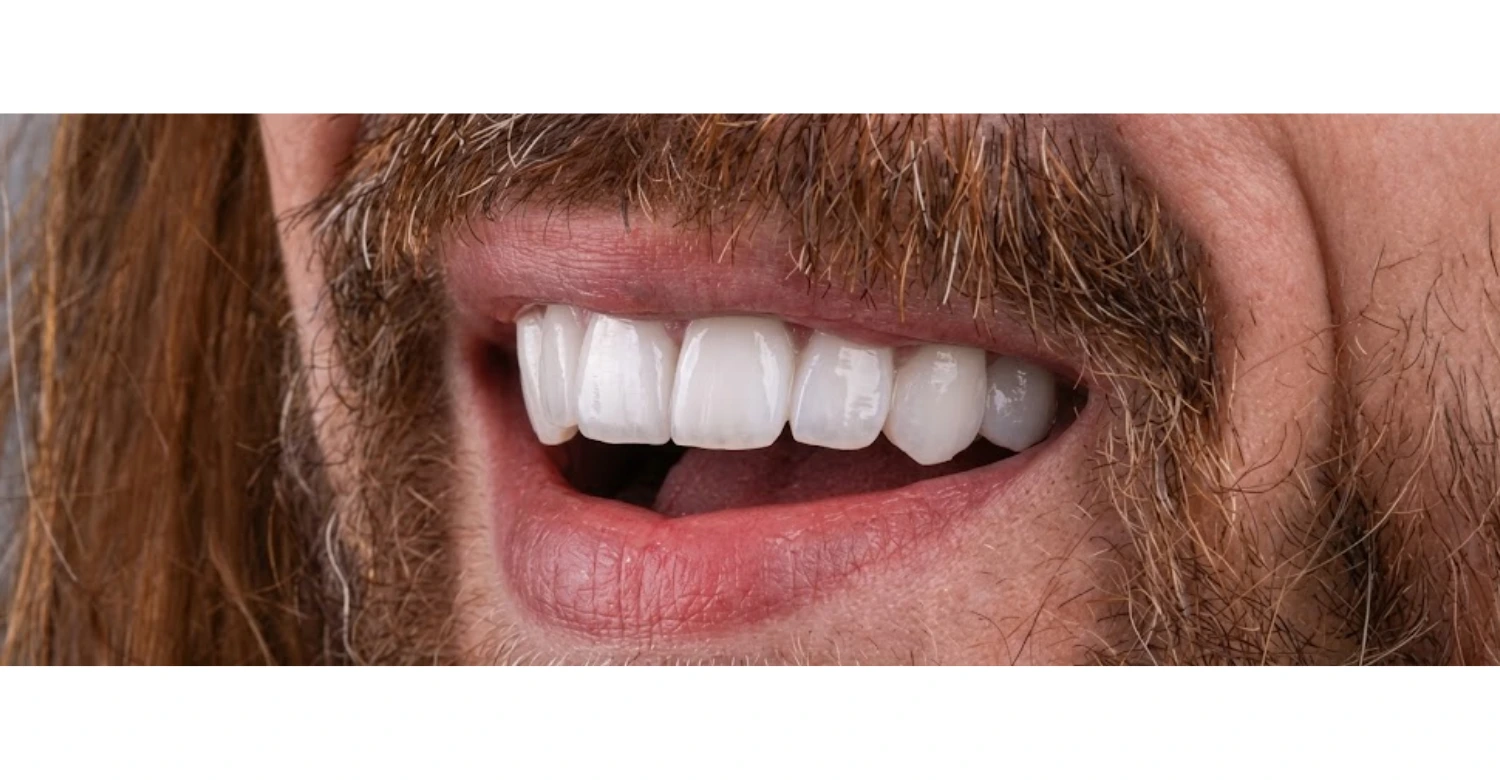
Note: All images used are for editorial and illustrative purposes only and may not originate from the original news provider or associated company.
What Causes Tooth Enamel to Weaken or Wear Away?
Enamel can be damaged in three main ways. Demineralization happens when acids produced by plaque bacteria dissolve minerals from the tooth surface. Chemical erosion occurs when acids from food, drink, or the stomach act directly on enamel without bacteria. Mechanical wear results from grinding, clenching, or abrasive habits. These processes often occur together. Identifying the cause is the first step in any Biomimetic Enamel Repair plan. The causes below move from everyday exposures to conditions needing specialized assessment.
Frequent Exposure to Acidic Foods and Drinks
Citrus fruits, soft drinks, sports drinks, fruit juices, and acidic snacks can all soften the enamel surface. Enamel starts to dissolve when the pH in the mouth falls below roughly 5.5. How often you consume acidic items matters more than the total amount. Sipping a soft drink slowly over an hour keeps teeth bathed in acid for longer. Holding or swishing drinks in the mouth increases contact time. Each exposure gives saliva less chance to recover.
Dental Plaque, Sugar, and Early Tooth Decay
Plaque is a sticky film of bacteria that builds up on teeth. When you eat sugars and other fermentable carbohydrates, these bacteria produce acids. The acids pull calcium and phosphate out of the enamel. Saliva can repair this damage between meals. However, frequent snacking or sugary drinks cause repeated acid attacks that outpace natural repair. Over time, this mineral loss forms early carious lesions, often visible as white spots, which can progress into cavities.
Teeth Grinding and Excessive Mechanical Wear
Bruxism means repeatedly clenching or grinding your teeth. It can happen during sleep or while awake, often without you noticing. The forces involved can be much greater than those of normal chewing. Over time, bruxism may flatten biting surfaces, wear through enamel, and expose the dentin. It can also cause small cracks and chipped edges. Jaw ache, morning headaches, or a partner hearing grinding at night are common clues. A dentist can assess wear patterns.
Acid Reflux, Vomiting, and Dry Mouth
Stomach acid is far stronger than most dietary acids. People with gastroesophageal reflux or recurrent vomiting may develop erosion, often on the inner surfaces of the upper front teeth. Saliva normally buffers acids and supplies minerals that help repair enamel. When saliva flow is reduced, this natural protection weakens. Dry mouth can result from medications, dehydration, or certain health conditions. If you have persistent reflux, recurrent vomiting, or ongoing dry mouth, seek advice from a doctor or dentist.
Developmental Enamel Defects and Other Contributing Factors
Some enamel problems begin before teeth erupt. Conditions such as enamel hypoplasia, molar-incisor hypomineralization, fluorosis, and amelogenesis imperfecta affect how enamel forms. These teeth may be weaker, discolored, or more prone to sensitivity. Other risk factors include medications that reduce saliva, frequent swimming in poorly balanced chlorinated pools, and individual differences in saliva and diet. Because these causes differ so much, the appropriate approach always depends on the underlying cause, not the appearance alone.
Tips for Patients
Keep a short record of when sensitivity occurs, including the foods, drinks, and temperatures involved.
Note changes in tooth color, shape, or surface texture rather than relying on whitening products.
After acidic drinks, rinse with water and delay brushing where practical.
Check the ingredients and evidence behind products marketed for enamel regeneration.
Ask your dentist whether your enamel shows early mineral loss or actual structural loss.
What Other Dental Problems Can Occur Alongside Enamel Damage?
Enamel damage rarely stays an isolated issue. As the protective layer weakens, the tooth becomes more vulnerable to decay, sensitivity, and structural failure. Exposed dentin wears and decays faster than enamel, so problems can progress more quickly once it is uncovered. Some people notice daily discomfort, while others see visible changes first. Understanding these related problems helps you recognize when a simple concern needs professional attention. The following sections outline the most common issues accompanying enamel loss.
Sensitivity and Discomfort During Everyday Activities
When enamel thins, routine activities may become uncomfortable. Brushing can sting, especially near the gumline. Drinking cold water, breathing in cold air, or eating ice cream may cause a sharp, brief pain. Sweet or sour foods can trigger similar reactions. These sensations happen because stimuli reach the nerve more easily through exposed dentin. However, symptoms alone cannot establish a diagnosis. Cavities, cracks, gum recession, and recent dental work can cause similar sensations, so examination is essential.
White Spots and Early Caries
White spots may be the earliest visible sign of mineral loss. These chalky areas often appear where plaque collects, such as near the gumline. At this stage, the surface is usually still intact, so the lesion may be reversible. However, not all white spots come from decay. Developmental defects and fluorosis can look similar but behave differently. Early assessment helps the dentist distinguish active decay from stable or developmental changes and choose appropriate management before a cavity forms.
Cracks, Cavities, and Changes in Tooth Shape
Ongoing erosion or wear can weaken teeth structurally. Thin enamel edges may chip or crack under normal chewing forces. Teeth may become shorter, flatter, or more rounded. Exposed dentin is softer, so wear and decay can progress faster. Over time, cavities may develop where acid and bacteria penetrate the weakened surface. Once a cavity forms, or significant structure is lost, remineralization alone is no longer enough. Restorative care then becomes necessary to protect the tooth and restore function.
How to Support Tooth Enamel Remineralization at Home
If you are wondering how to repair tooth enamel at home, the realistic goal is strengthening, not rebuilding. Daily habits can support tooth enamel remineralization, harden weakened areas, and slow further mineral loss. However, home care cannot replace enamel that has physically disappeared. The most effective measures are simple, low-risk, and evidence-based: fluoride toothpaste, sensible eating habits, gentle brushing, and good saliva flow. These habits also form the foundation of any Biomimetic Enamel Repair plan.
Use Fluoride Toothpaste Consistently
Fluoride is the most widely proven agent for supporting remineralization. It helps attract calcium and phosphate back into weakened enamel. It also forms fluorapatite, which resists acid better than natural hydroxyapatite. Brush twice daily with fluoride toothpaste. Afterward, spit rather than rinse, so fluoride stays on your teeth longer. Children need age-appropriate amounts, usually a smear for young children and a pea-sized amount from age three. If sensitivity or decay risk is high, ask your dentist about stronger options.
Choose Tooth-Friendly Eating and Drinking Habits
How often you eat matters as much as what you eat. Each sugary or acidic snack restarts an acid attack, so keeping treats to mealtimes is better than grazing all day. Enjoy acidic drinks with food rather than sipping them slowly. A straw can reduce contact with front teeth. Drinking water between meals helps clear acids and food debris. Cheese, milk, and plain yogurt provide calcium and phosphate, and sugar-free gum can stimulate saliva.
Brush Gently With a Soft-Bristled Toothbrush
Brushing removes plaque, but too much force can wear softened enamel and exposed dentin. Use a soft-bristled toothbrush and gentle circular motions for about two minutes. Avoid highly abrasive whitening pastes if your enamel is weakened. Acids temporarily soften the enamel surface. Where practical, wait around an hour after acidic foods or drinks before brushing. In the meantime, rinse with water to help clear the acid. This habit reduces abrasion while keeping plaque under control.
Maintain Adequate Saliva and Hydration
Saliva is your teeth's natural repair system. It buffers acids, washes away food particles, and supplies calcium and phosphate that help rebuild weakened enamel. It also forms a thin protective film on the tooth surface. Drinking water regularly supports healthy saliva flow. Sugar-free gum can help stimulate more saliva after meals. If your mouth feels dry most of the time, discuss it with a dentist or doctor. Persistent dry mouth may be linked to medications or health conditions.
.jpg)
Which Tools and Products May Help With Enamel Repair?
Enamel repair products fall into two broad groups. The first supports mineral recovery in weakened enamel, including fluoride, hydroxyapatite, and calcium-phosphate products. Many products linked to Biomimetic Enamel Repair belong to this group. The second covers or restores missing structure, such as sealants and bonding materials. Labels like "enamel rebuilding" or "regrows enamel" can be misleading. No home product can recreate lost enamel. Check a product's ingredients and clinical evidence, and ask your dentist whether it suits you.
Hydroxyapatite for Enamel Repair
Hydroxyapatite is the calcium-phosphate mineral that makes up most of your enamel. Synthetic and nano-sized versions are used in some toothpastes and mouthwashes. Research on hydroxyapatite for enamel repair suggests it may help deposit minerals on the enamel surface and reduce sensitivity. Some clinical studies report results comparable to fluoride for preventing early decay, though the evidence is still developing. Results depend on the formulation and particle size. It should not be assumed to regrow lost enamel.
Fluoride Varnishes and Professional Remineralizing Products
Dentists can apply stronger fluoride than you would use at home. Fluoride varnish is painted onto teeth and sets quickly, releasing fluoride over several hours. Prescription high-fluoride toothpastes may be recommended for adults at higher decay risk. Other options include casein phosphopeptide–amorphous calcium phosphate pastes, which supply calcium and phosphate to the tooth surface. These products support tooth enamel remineralization in early lesions. Recommendations depend on age, decay risk, existing restorations, and the clinical situation.
Products Marketed as Artificial Tooth Enamel
The term artificial tooth enamel is used loosely. It may describe mineral-based coatings, nano-hydroxyapatite toothpastes, self-assembling peptide products, or experimental materials still in the laboratory. Some are commercially available, while others exist only in research studies. None currently recreates the full thickness and organized structure of natural enamel. Commercial products may help with surface protection or early lesions. Before buying, check whether a product has human clinical evidence, rather than laboratory results or marketing claims alone.
When Should You See a Dentist About Enamel Damage?
Self-care helps with early mineral loss, but it cannot treat every problem. See a dentist if sensitivity lasts more than a few weeks, worsens, or affects eating. Visible chips, changing tooth shape, or new discoloration also need assessment. Early diagnosis matters because weakened enamel can often be strengthened, while lost structure cannot. Delaying care may allow decay or cracks to progress. A timely examination identifies the cause and keeps Biomimetic Enamel Repair as conservative as possible.
Warning Signs You Should Not Ignore
Some symptoms need prompt attention. Book a dental assessment if you notice:
Sensitivity that persists or worsens
Visible chips, cracks, or rough edges
Rapid changes in tooth color, shape, or length
Pain when biting or chewing
Dark spots, holes, or suspected cavities
Seek urgent care for severe pain, facial swelling, fever, or a bad taste suggesting infection. These signs may mean the problem has moved beyond the enamel and needs immediate treatment.
How Dentists Identify the Type and Extent of Enamel Damage
Diagnosis starts with your medical and dental history, including reflux, medications, and dry mouth. The dentist will ask about diet, drinks, brushing habits, and grinding. A visual examination shows the location and pattern of damage. Erosion, caries, abrasion, grinding-related wear, and developmental defects each leave different patterns. Wear may be graded and tracked over time. X-rays are taken when clinically indicated, rather than automatically. This diagnosis guides every Biomimetic Enamel Repair decision.
Clinical Note
Enamel damage has multiple causes, so treatment should always follow a proper diagnosis. Remineralization can help selected early lesions. Established structural loss, however, generally requires protection or restoration. Biomimetic Enamel Repair technologies vary widely in maturity, availability, and supporting evidence. Some are routine, while others remain experimental. Evaluate claims about enamel regeneration against peer-reviewed research and meaningful clinical outcomes, not marketing language. This article provides educational information only. It does not replace an individualized dental examination.
Which Biomimetic Enamel Repair Treatments Are Available?
Biomimetic Enamel Repair covers a range of options, from preventive mineral support to restorative procedures. The right enamel repair treatment depends on whether enamel is weakened, discolored, or physically missing. Weakened enamel may respond to remineralization. White spots may benefit from resin infiltration. Missing structure usually needs bonding or other restorations. No single treatment works for every type of damage. The options below are listed from the least invasive to the most extensive.
Professional Fluoride and Remineralization Therapy
For suitable early lesions, dentists may apply fluoride varnish, gels, or calcium-phosphate products during routine visits. This is a form of non-invasive enamel repair, because no drilling or anesthesia is needed. It is often the first step in Biomimetic Enamel Repair. These treatments help weakened enamel regain minerals and resist acid. They may be repeated based on your decay risk. However, they cannot replace substantial missing enamel. They work best alongside home care and cause control.
Resin Infiltration for Selected Early Lesions
Resin infiltration treats certain early lesions without drilling. The dentist prepares the lesion surface with a mild acid gel, dries it, and applies a very low-viscosity resin. The resin flows into the porous enamel and is hardened with light. This seals the lesion and can help stop its progression. It may also improve the appearance of white spots. However, resin infiltration is not the same as regenerating natural enamel. It fills pores with resin, not mineral.
Dental Bonding and Protective Restorations
Composite bonding uses tooth-colored resin to rebuild areas where enamel is missing. It is often used for small chips, worn edges, and localized defects. Modern bonding attaches directly to enamel and dentin, so little or no healthy tooth needs removing. This makes it a conservative form of tooth enamel restoration. Bonding can also cover sensitive exposed dentin. The dentist aims to preserve as much natural structure as possible. Bonded restorations may need occasional polishing, repair, or replacement.
Biomimetic Materials and Emerging Enamel Regeneration Treatments
Advances in tooth enamel regeneration are an active area of research. Scientists are studying self-assembling peptides, amelogenin-inspired materials, and mineral-organizing gels that guide crystal growth on the tooth surface. Some peptide products are already available in certain markets for early lesions, though clinical results are mixed. Most other approaches remain in laboratory or early clinical stages. A reliable enamel regeneration treatment that regrows mature, lost enamel does not yet exist. True regeneration remains a developing research goal.
Crowns and Other Restorations for Extensive Damage
When large amounts of structure are lost, smaller restorations may not be strong enough. Onlays, veneers, or crowns may then be considered to protect the tooth and restore function. Conservative alternatives, such as bonding or partial-coverage restorations, should come first whenever clinically appropriate. A crown requires more tooth reduction, so it is not chosen lightly. Treatment selection depends on the tooth's condition, remaining structure, bite forces, grinding habits, and long-term prognosis.
What Are the Benefits and Limitations of Biomimetic Enamel Repair?
Biomimetic Enamel Repair offers real advantages when matched to the right problem. It focuses on preserving natural tooth structure and treating damage early. Many options are minimally invasive and comfortable. However, every approach has limits. Remineralization works only on early lesions. Sealing and bonding protect teeth but do not create new enamel. Understanding both sides helps you set realistic expectations. It also helps you choose care that suits your teeth rather than marketing promises.
Potential Benefits of Early Intervention
Starting Biomimetic Enamel Repair early usually means simpler, less invasive care. Early lesions can often be strengthened with fluoride or calcium-phosphate products, avoiding drilling. Timely care may reduce sensitivity, slow erosion, and prevent cavities from forming. It also preserves the remaining healthy enamel, which cannot be replaced once lost. Minimally invasive treatment keeps more natural tooth structure for the future. As a result, later restorations may be smaller, and the tooth's long-term prognosis is generally better.
What Can You Expect Before and After Treatment?
Before treatment, your dentist will establish whether the concern is mineral loss, discoloration, erosion, or missing structure. This decides which options are realistic. After treatment, possible results include more stable enamel, reduced sensitivity, improved white spots, or restored tooth contours. Some changes are immediate, while remineralization works gradually over weeks or months. Results vary between patients. Visible improvement does not always mean the original enamel has regenerated. It may reflect sealing, masking, or restoration.
What Biomimetic Enamel Repair Cannot Do
Biomimetic Enamel Repair cannot currently regrow a complete layer of natural, mature enamel once it has been lost. It cannot reverse deep wear, large chips, or cavities through remineralization alone. At-home products may strengthen surface enamel, but they cannot rebuild missing structure. Be cautious of claims that a toothpaste, serum, or supplement "regrows enamel." Current clinical evidence does not support these claims. Where structure is missing, protection or restoration remains the reliable option.
What We Notice Clinically
Dr. Rifat Alsaman, Head of the Medical Team and cosmetic dentist at Vitrin Clinic, stresses identifying the source of mineral loss or structural wear before selecting any enamel repair treatment. A remineralizing paste will not stop erosion caused by untreated reflux. A bonded edge may chip again if grinding continues. Treating the cause helps prevent recurrence. It also improves the long-term value of care, since restorations last longer when damaging acids and forces are controlled.
When Preserving Natural Tooth Structure Should Be the Priority
Dr. Rifat Alsaman, Head of the Medical Team and cosmetic dentist at Vitrin Clinic, prioritizes preserving healthy tooth structure whenever the clinical situation allows. Natural enamel cannot be replaced once removed. For this reason, early mineral changes often call for preventive care and monitoring rather than immediate drilling. On the other hand, visible defects, extensive wear, and aesthetic concerns may need different approaches. The aim is to match the level of treatment to the actual level of damage.
Why Cosmetic Improvement Is Not the Same as Enamel Regeneration
Dr. Rifat Alsaman, Head of the Medical Team and cosmetic dentist at Vitrin Clinic, distinguishes between improving how a tooth looks and restoring its biological structure. Whitening, resin infiltration, bonding, and veneers can greatly improve appearance. However, none of them regenerates natural enamel. Patients should understand whether a proposed treatment remineralizes, seals, masks, or replaces damaged tissue. Each option has different benefits, durability, and maintenance needs. Clear explanations help patients make informed decisions and avoid unrealistic expectations.
How Can You Prevent Further Enamel Damage?
Preventing further damage protects the enamel you still have. Because lost enamel cannot grow back, prevention is the most effective long-term strategy. It works by reducing acid exposure, limiting mechanical wear, controlling plaque, and managing medical contributors. These measures also help any Biomimetic Enamel Repair or restorative treatment last longer. Small, consistent changes in daily habits usually make a bigger difference than any single product. The following steps target the most common causes of enamel loss.
Reduce Repeated Acid Exposure
Limit how often you consume acidic drinks and snacks. Keep them to mealtimes rather than spreading them across the day. Avoid slowly sipping soft drinks, juices, or sports drinks over long periods. Drinking them with meals, or through a straw, reduces contact with your teeth. Afterward, rinse your mouth with water to help clear the acid. Choose water as your main drink between meals. These small changes reduce the total time your enamel spends under acid attack.
Protect Teeth From Grinding and Excessive Wear
If you grind or clench, ask your dentist to assess your wear pattern. A professionally fitted night guard may be recommended. It places a protective layer between upper and lower teeth, absorbing forces that would otherwise wear the enamel. A guard helps protect teeth from mechanical wear, but it does not regenerate enamel. Managing stress, avoiding chewing hard objects, and watching for daytime clenching can also help. Regular reviews ensure the guard still fits correctly.
Maintain Consistent Oral Hygiene
Brush twice daily for two minutes with fluoride toothpaste and a soft-bristled brush. Clean between your teeth once a day using floss or interdental brushes, as plaque collects where a toothbrush cannot reach. Spit after brushing rather than rinsing with water. Preventive dental visits should be tailored to your individual risk. People with active erosion, frequent decay, or dry mouth may benefit from more frequent check-ups and professional fluoride. Others may need fewer visits.
Address Medical and Lifestyle Contributors
Some causes of enamel damage start outside the mouth. Persistent reflux, recurrent vomiting, and chronic dry mouth should be assessed by an appropriate medical professional. Certain medications and health conditions can also affect enamel. Treating these contributors may reduce ongoing damage that dental care alone cannot stop. Tell your dentist about medications and health changes, as this helps explain wear patterns. Coordinated medical and dental care often gives the best long-term protection for your teeth.
What Should You Know Before Choosing an Enamel Repair Treatment?
Early mineral loss can often respond to remineralization. Enamel that has physically disappeared, however, generally cannot grow back naturally. Effective Biomimetic Enamel Repair depends on identifying the cause, protecting the remaining enamel, and choosing a treatment supported by appropriate evidence. Be cautious of products promising full regeneration. If you notice persistent sensitivity, white spots, translucent edges, or visible wear, arrange a dental assessment. It will show what can be preserved and what may need restoration.
How Vitrin Clinic Approaches Enamel Assessment and Treatment
At Vitrin Clinic, an individualized dental assessment helps clarify the cause and extent of enamel changes. The team examines tooth structure, sensitivity, bite forces, oral hygiene, and relevant medical or dietary factors. Imaging and digital assessment tools are used when clinically appropriate. Treatment planning may include preventive measures, remineralization, minimally invasive restoration, or more extensive treatment when indicated. The aim is to preserve healthy tooth structure, address contributing causes, and set realistic expectations rather than promise enamel regeneration. You can request a consultation to discuss your findings and suitable Biomimetic Enamel Repair options.
Ready to transform your smile?
Talk to our team and get a FREE treatment plan.
References:
FAQs
Dr. Rifat Alsaman has more than 5 years of clinical experience in dentistry and currently serves as the Head of the Medical Team at Vitrin Clinic. He is dedicated to providing exceptional patient care, overseeing treatment planning, and ensuring the highest clinical standards across the team. His expertise, attention to detail, and commitment to continuous professional development have helped countless patients achieve healthier, more confident smiles.


