Periodontics
September 30, 2026
Cirrhosis and Periodontics: How It Can Affect Gum Health?
 Dr. Rifat Alsaman
Gum health can seem like a small concern next to a serious liver condition. Yet the mouth often reflects what is happening in the rest of the body. When the liver is scarred, bleeding, healing, immunity, and medication choices can all change. These changes may shape how the gums respond to plaque and how dental treatment is planned. This guide explains cirrhosis and periodontics in plain language. It covers warning signs, diagnosis, treatment options, and realistic expectations for patients living with liver disease.
Cirrhosis and Periodontics: What Is the Connection?
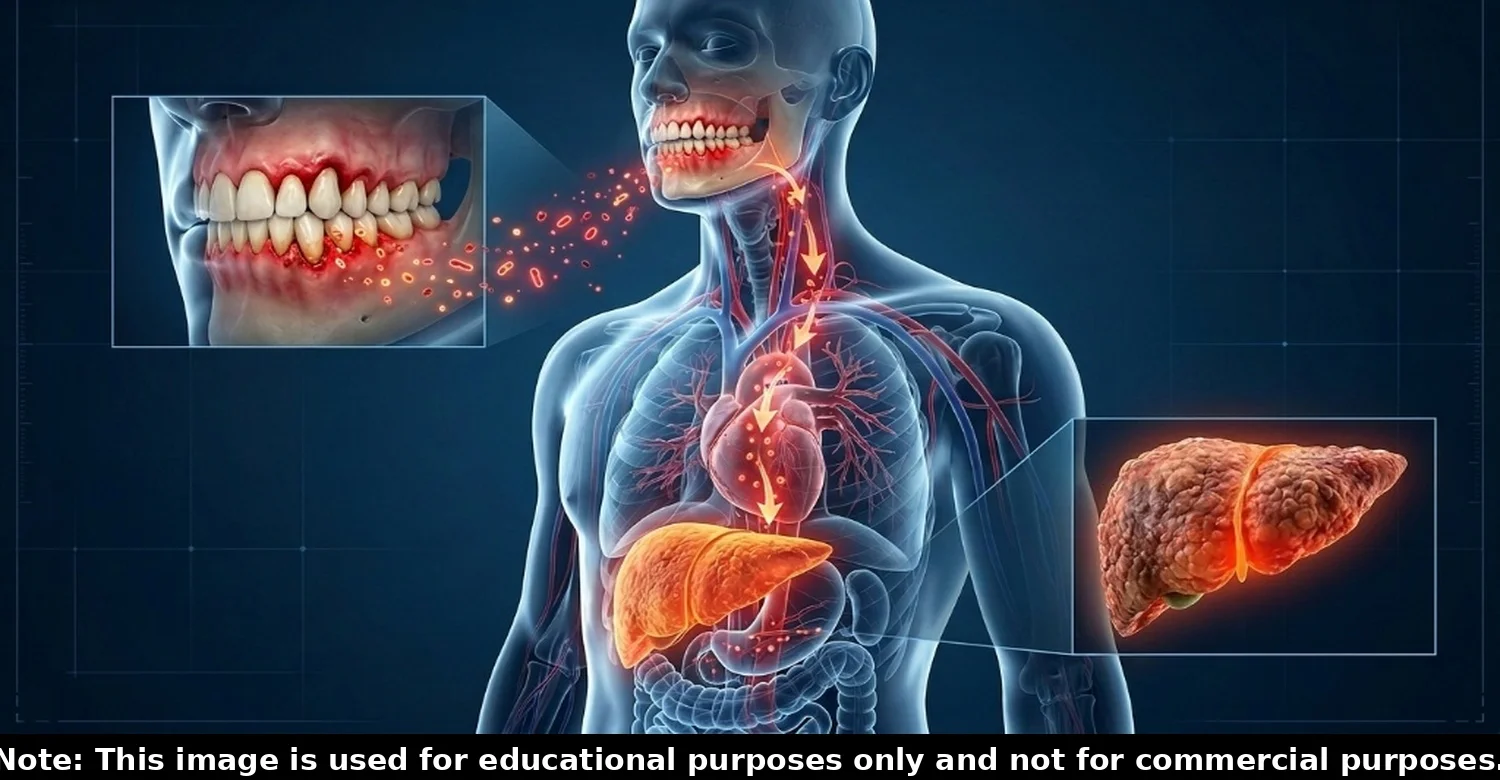
Cirrhosis and periodontics are connected through shared clinical concerns rather than one simple cause. The liver supports clotting, immune defense, and drug metabolism. The gums depend on healthy immune responses and good plaque control. When cirrhosis affects these systems, gum tissues may react differently to bacteria and treatment. Understanding liver disease and periodontal health together helps dentists plan care safely. The sections below explain each condition and describe how they may influence each other in daily practice.
What Is Cirrhosis?
Cirrhosis is late-stage scarring of the liver. It develops after long-term damage from causes such as chronic hepatitis, alcohol use, or fatty liver disease. Healthy tissue is gradually replaced by scar tissue. As a result, the liver struggles to make clotting proteins, clear toxins, and process medications. Doctors often describe cirrhosis as compensated or decompensated. Compensated disease may cause few symptoms. Decompensated disease involves complications such as fluid build-up, jaundice, confusion, or internal bleeding. This distinction matters in cirrhosis and periodontics because it shapes dental planning.
What Is Periodontics?
Periodontics is the dental field that focuses on the gums, the ligament holding teeth in place, and the surrounding jawbone. Healthy gums are pink, firm, and do not bleed easily. Gingivitis is early gum inflammation caused mainly by plaque. It is usually reversible. Periodontitis is more advanced. It damages the attachment and bone that support the teeth. In cirrhosis and periodontics, gum health matters before invasive procedures. Inflamed tissues bleed more and heal less predictably.
How Can Cirrhosis Affect Periodontal Health?
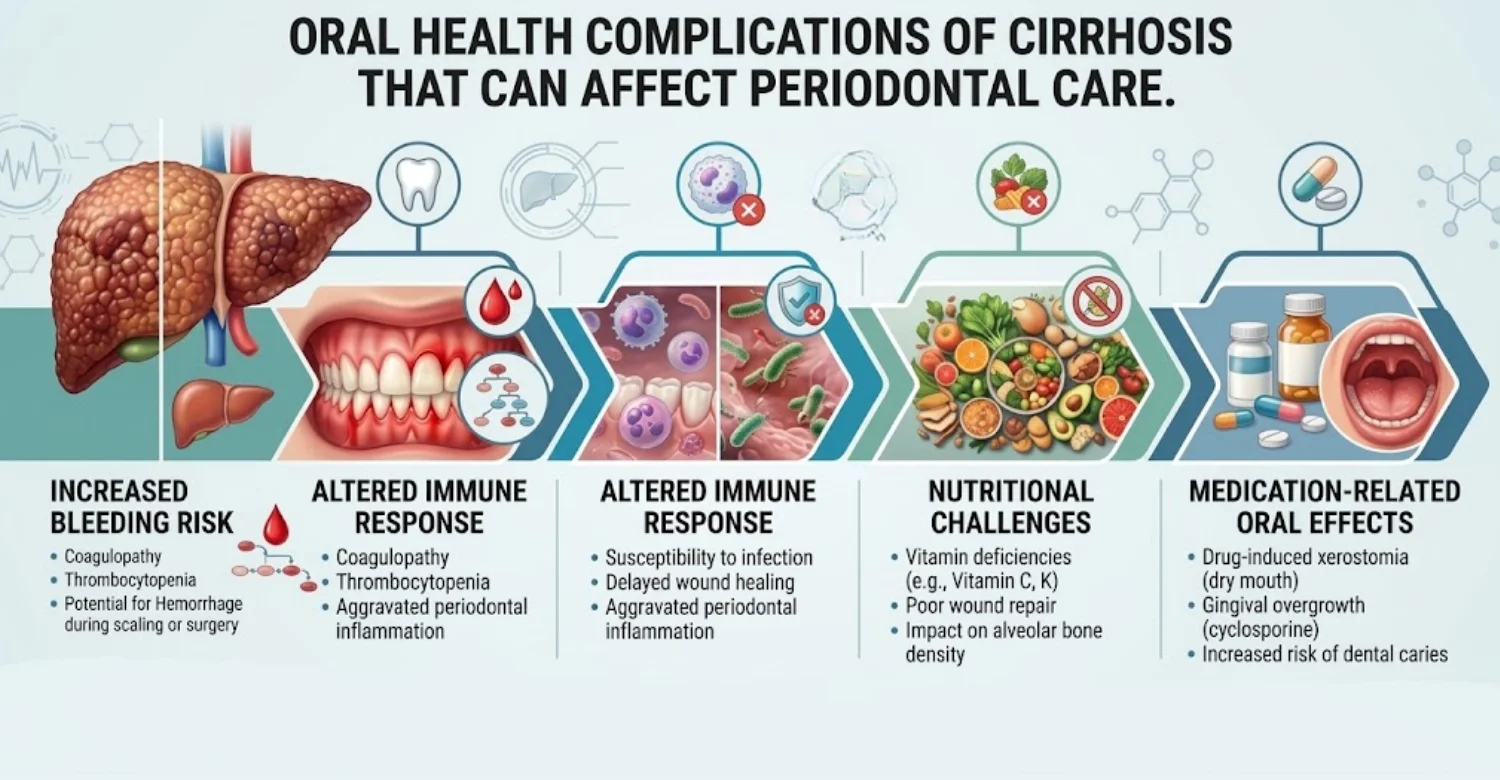
Cirrhosis may influence the gums through several pathways, though none guarantees gum disease. Immune function can be altered, so the body may respond less effectively to plaque bacteria. Inflammatory responses may also change. Low platelets or reduced clotting factors can increase bleeding. Some medications may cause dry mouth. Nutritional deficiencies can slow tissue repair. During advanced illness, fatigue can make daily brushing harder. In cirrhosis & periodontics, the severity of liver disease and overall medical status shape individual risk.
Cirrhosis and Periodontal Disease: Is There a Direct Link?
Cirrhosis and periodontal disease often appear together in research, but association is not the same as causation. Studies have linked liver disease with higher levels of periodontal inflammation. Shared factors, such as smoking, alcohol use, diet, and reduced access to dental care, may partly explain this pattern. Researchers are also exploring how oral bacteria may affect people with advanced liver disease. Still, cirrhosis does not directly cause periodontitis in every patient. A professional assessment is more reliable than self-diagnosis.
Note: All images used are for editorial and illustrative purposes only and may not originate from the original news provider or associated company.
Find out how CT Scans Detect Medication-Related Osteonecrosis of the Jaw
Cirrhosis and Gum Disease: What Oral Problems Should Patients Watch For?
Cirrhosis and gum disease can share visible warning signs. Some are caused by plaque, while others may relate to clotting or medication effects. Recognizing early changes helps patients seek care before problems become harder to manage. In cirrhosis & periodontics, the goal is not to panic over every symptom. The goal is to notice patterns, report them, and let a dentist identify the likely cause. The following oral problems deserve attention, especially when they persist.
Gum Bleeding
Bleeding gums have many possible causes. Plaque-related inflammation is the most common one. Aggressive brushing, poorly fitting restorations, and some medications can also play a role. In cirrhosis, bleeding deserves extra attention. Low platelet counts or reduced clotting factors may make bleeding last longer. Inflammation-related bleeding usually appears during brushing or flossing and settles quickly. Bleeding linked to impaired clotting may be heavier, start on its own, or be slow to stop. In cirrhosis and periodontics, either pattern should be reported.
Gum Swelling and Redness
Cirrhosis and gum inflammation can present as red, puffy, or tender gums. The gum margins may look shiny and bleed easily. In most cases, plaque buildup along the gumline is the main trigger. Bacteria in plaque provoke an immune response, which causes swelling. Tartar makes this worse because it holds more bacteria and cannot be brushed away. In some patients with liver disease, altered immune function may influence how strongly the gums react. A dental exam helps confirm the cause.
Persistent Bad Breath
Persistent bad breath usually starts in the mouth. Common oral causes include plaque, tongue coating, gum pockets, decay, and dry mouth. Advanced liver disease can sometimes produce a distinctive breath odor. However, persistent oral malodor should not automatically be blamed on the liver. Many patients simply have treatable gum or tongue problems. A dentist can check for periodontal pockets and other oral sources first. If no dental cause is found, the medical team may review other possible explanations.
Gum Recession and Tooth Sensitivity
When periodontal tissues are lost, the gums can pull back from the teeth. This exposes part of the tooth root. Roots lack enamel, so they may feel sensitive to cold, sweet foods, or touch. Exposed roots also create small ledges where plaque collects easily. Cleaning these areas can feel uncomfortable, which may lead patients to brush less. That cycle can worsen inflammation. Desensitizing toothpaste and gentle brushing may help. Recession should still be assessed for active periodontal disease.
Loose Teeth and Changes in Bite
Advanced periodontal destruction can reduce the bone and ligament holding teeth in place. Teeth may then feel loose, drift, or develop gaps. Some patients notice that their bite feels different when chewing. These changes usually mean the disease has progressed for some time. Periodontal disease in cirrhosis patients can be harder to manage once support is lost. Early periodontal assessment is therefore important. Catching problems sooner often means simpler treatment and a better chance of keeping natural teeth.
Oral Dryness and Increased Plaque Accumulation
Saliva helps rinse away food, neutralize acids, and control bacteria. When saliva flow drops, plaque builds up faster and gums may become more irritated. Some medications used in liver disease, such as diuretics, can contribute to dry mouth. Fluid restrictions and dehydration may also reduce saliva. Patients may notice sticky saliva, a burning feeling, or more frequent decay. Sipping water, if permitted, and saliva substitutes may help. In cirrhosis & periodontics, managing dryness is a key part of prevention.
Cirrhosis and Periodontitis: When Does Gum Inflammation Become More Serious?
Cirrhosis and periodontitis become a more serious combination when gum inflammation moves beyond the surface tissues. At this stage, the supporting structures of the teeth begin to break down. The damage is often painless at first, so patients may not notice it. In cirrhosis and periodontics, recognizing this shift matters. Deeper disease may require more involved treatment, which can raise bleeding and healing concerns. Understanding the difference between early and advanced gum disease helps patients act sooner.
Gingivitis vs. Periodontitis
Gingivitis is gum inflammation without irreversible attachment or bone loss. The gums may be red, swollen, and prone to bleeding. With good plaque control and professional cleaning, gingivitis can usually be reversed. Periodontitis involves deeper destruction of the supporting tissues. The attachment between gum and tooth breaks down, pockets form, and bone is lost. This damage is generally not reversible, although it can be controlled. Not every case of gingivitis progresses, but untreated inflammation raises the risk.
Signs That May Suggest Periodontitis
Several signs may suggest periodontitis. Persistent bleeding during brushing is a common early clue. Deep periodontal pockets, measured with a probe, indicate loss of attachment. Gum recession may make teeth look longer. Persistent bad breath can come from bacteria trapped in pockets. Tooth mobility and changes in tooth position suggest reduced support. Bone loss seen on appropriate dental imaging confirms structural damage. Only a dental examination can confirm the diagnosis, so these signs should prompt an appointment.
Why Early Detection Matters in Cirrhosis Patients
Early detection keeps treatment simpler. Controlling local oral inflammation sooner can mean fewer invasive procedures later. This matters for people whose bleeding and healing may be affected by liver disease. Preventing avoidable infection is also important, since advanced liver disease can weaken defenses. Early care helps reduce the risk of tooth loss, which affects chewing and nutrition. In cirrhosis and periodontics, treatment should always match the patient's liver status. Stable and advanced patients may need very different plans.
Discover treatments for Enamel Hypoplasia
Tips for Patients
Maintain gentle daily oral hygiene to support healthy gums and reduce plaque buildup.
Keep oral care consistent, even when managing multiple medical appointments or medications.
Remember that gum health can support comfort, nutrition, and future dental treatment options.
Approach cirrhosis and periodontics with practical habits that fit your overall health needs.
Schedule regular dental checkups to identify gum problems early.
Tell your dentist about your liver condition, medications, and any relevant changes in your health.
Follow safe oral care habits, particularly during periods of illness or reduced energy.
Keep communication open between your dental and medical teams when additional coordination is needed.
Do not use these tips as a replacement for professional dental or medical advice.
How Is Periodontal Disease Diagnosed in Patients With Cirrhosis?
Periodontal disease in cirrhosis patients is diagnosed with the same core methods used for other patients. The difference lies in the added medical review. Dentists gather a detailed history, examine the gums, and use imaging when indicated. When bleeding or healing concerns exist, they may coordinate with the medical team. In cirrhosis & periodontics, careful diagnosis avoids both undertreatment and unnecessary procedures. Each step below helps build a safe and realistic treatment plan.
Medical and Dental History
A thorough history is the foundation of safe care. Your dentist will ask about your liver disease diagnosis and its severity. They will review current medications, including blood thinners and supplements. Any history of bleeding, such as prolonged bleeding after extractions, is important. Previous liver complications, like variceal bleeding or confusion episodes, help show disease stage. Other relevant medical conditions, such as diabetes or kidney problems, are also noted. Previous periodontal treatment shows how your gums have responded.
Clinical Periodontal Examination
The clinical examination looks closely at the gums and teeth. The dentist checks gum color and swelling. A thin probe measures periodontal pocket depth and records bleeding on probing. Clinical attachment levels show how much support has been lost. Gum recession and tooth mobility are recorded. Plaque and calculus accumulation are also assessed. Probing is usually gentle and well tolerated. However, in cirrhosis and periodontics, a known bleeding tendency may call for extra care.
Dental Imaging When Indicated
Dental X-rays can help assess bone support around the teeth. They show bone levels, calculus below the gums, and problems that cannot be seen clinically. Imaging is not automatically required for every patient. The dentist decides based on symptoms, examination findings, and previous records. CBCT, a three-dimensional scan, is used only when clinically justified. Examples include complex bone defects or implant planning. Keeping radiation exposure as low as reasonably possible remains a guiding principle.
Medical Coordination Before Invasive Treatment
Communication with the patient's physician or hepatology team may be appropriate before invasive treatment. This is especially true for patients with advanced disease, recent complications, or a history of bleeding. The dentist may request recent laboratory results, such as platelet counts and clotting tests. These results help judge bleeding and healing risk. The medical team may also advise on medication timing or supportive measures. Routine examinations and gentle cleanings often do not require this step.
Compare materials in Flexible Partial Dentures vs Metal
Periodontal Treatment for Patients With Cirrhosis
Periodontal treatment for patients with cirrhosis follows the same principles as standard care. Plaque and calculus are removed, inflammation is controlled, and results are maintained. What changes is the planning. In cirrhosis & periodontics, dentists adjust treatment to the patient's bleeding risk, medications, and overall stability. Less invasive options are usually tried first. More complex procedures are considered only when needed and when medical status allows. The treatments below move from simplest to most involved.
Professional Dental Cleaning and Periodontal Maintenance
Routine professional cleaning is often appropriate for patients with cirrhosis. It removes plaque and tartar above the gumline and reduces inflammation. Many patients with stable liver disease can receive it without special measures. Care should still be gentle and individualized. Periodontal maintenance is a more focused cleaning for patients previously treated for gum disease. Maintenance intervals depend on periodontal risk. Some patients benefit from visits every three months, while lower-risk patients may need them less often.
Scaling and Root Planing
Scaling and root planing is the main non-surgical periodontal therapy. Its purpose is to remove plaque and calculus from below the gumline. The root surfaces are then smoothed to help the gums heal and tighten. Local anesthesia is usually used for comfort. In cirrhosis and periodontics, this treatment should be planned around the patient's medical condition. The dentist may treat smaller areas per visit to limit bleeding. Local bleeding-control measures may also be used when needed.
Periodontal Pocket Management
Periodontal pockets form when the gum detaches from the tooth. Deeper pockets trap bacteria and are harder to clean at home. Dentists measure them carefully and treat them first with non-surgical therapy. After several weeks, a reassessment checks whether pockets have reduced and bleeding has improved. Many pockets respond well to initial treatment. Persistent deep pockets may need further care. The next step depends on hygiene, periodontal response, and medical condition. Decisions remain individualized.
Localized Periodontal Procedures
Some areas do not respond fully to initial therapy. In these cases, additional localized periodontal treatment may be considered. Examples include targeted re-treatment of a single deep pocket or locally delivered antimicrobial agents. These approaches treat a small area rather than the whole mouth. Even so, invasive procedures require individualized risk assessment. The dentist weighs expected benefits against bleeding and healing risks. For cirrhosis and periodontal disease, the least invasive effective option is usually preferred.
Surgical Periodontal Treatment
Periodontal surgery is not automatically required. Many patients achieve stable results with non-surgical care and good home hygiene. Surgery may be considered when deep pockets or bone defects persist after initial therapy. Procedures can include flap surgery to access roots or regenerative techniques in selected cases. In cirrhosis & periodontics, medical coordination is essential when bleeding or healing risks are significant. Sometimes surgery may be postponed or avoided if medical risks outweigh the benefits.
Antibiotics and Antiseptic Treatments
Antibiotics are not routinely required for every periodontal problem. Most gum disease responds to cleaning and improved hygiene. Antimicrobial treatment should be based on the clinical situation and medical considerations. In patients with cirrhosis, the choice and dose of antibiotics may need adjustment because the liver processes many drugs. Antiseptic mouthwashes, such as chlorhexidine, may be prescribed for short periods. Avoid self-medication, including leftover antibiotics. Always follow the advice of your dentist and physician.
Learn how to fix Craze Lines
Clinical Note
Clinical Note: Cirrhosis should not be treated as a single standardized dental risk category. The periodontal approach depends on factors such as disease severity, bleeding tendency, medications, immune status, nutritional status, and the type of dental procedure being considered.
A patient with stable, compensated liver disease may follow a near-routine dental plan. Someone with advanced or decompensated cirrhosis may need more medical review and a staged approach. Routine preventive care is appropriate for many patients. Invasive procedures may require additional checks. Dentists should never base treatment decisions solely on a cirrhosis diagnosis. In cirrhosis and periodontics, the full clinical picture guides every step.
Benefits and Realistic Expectations of Periodontal Treatment With Cirrhosis
Periodontal treatment can bring real benefits for patients with cirrhosis. Still, expectations should be realistic. Treatment can calm inflammation and protect remaining tooth support, but it cannot undo all past damage. In cirrhosis & periodontics, honest communication matters. Patients should understand what treatment can achieve, what recovery may feel like, and what it cannot promise. This helps them commit to maintenance and make informed decisions with their dental and medical teams.
What Can Treatment Improve?
Effective periodontal treatment can reduce gum inflammation and make plaque control easier at home. Bleeding caused by local inflammation often decreases, although bleeding related to clotting problems may continue. Many patients notice improved gum comfort and fresher breath. When disease is managed early, treatment can support better long-term tooth support. Healthier gums may also make eating more comfortable, which supports nutrition. In cirrhosis and periodontics, these gains depend on consistent home care and regular maintenance.
What Should Patients Expect Before and After Treatment?
Before treatment, the dentist assesses your periodontal condition and reviews your medical history. Bleeding or healing concerns are identified, and an individualized treatment plan is developed. After treatment, some temporary tenderness or sensitivity may occur for a few days. Gum inflammation usually decreases with effective treatment and home care. Maintenance remains essential to keep results stable. Existing bone loss, however, cannot simply be reversed through routine cleaning. Treatment aims to stop progression and protect what remains.
What Periodontal Treatment Cannot Guarantee
Periodontal treatment cannot reverse cirrhosis. It treats the gums, not the liver. It also cannot guarantee that periodontal disease will never return. Plaque forms every day, so ongoing hygiene and maintenance are always needed. Severely damaged tissues cannot be fully restored in every case, and some teeth may still be lost. Oral treatment should complement medical management of liver disease, never replace it. Understanding these limits helps patients set realistic goals and stay engaged.
Understand the symptoms of Malocclusion of the Teeth
What We Notice Clinically
Dr. Rifat Alsaman, Head of the Medical Team at Vitrin Clinic and a cosmetic dentist, emphasizes that periodontal care for medically complex patients should begin with overall health, not only the gums. Patients with cirrhosis may need a more careful medical history review before procedures. Inflammation, bleeding risk, medications, and disease severity are assessed before choosing treatment. This approach favors individualized planning over one standard protocol. Healthy gums also create a better foundation for future restorative or cosmetic treatment.
Why Medical-Dental Communication Matters
Communication between the dentist and medical team can prevent avoidable complications. It is useful when a patient has advanced disease, recent bleeding, or new medications. Current medical information helps the dentist judge whether an invasive procedure is safe now or should wait. The medical team may also advise on timing, supportive care, or drug choices. Dental decisions should always consider the patient's overall clinical picture. For liver cirrhosis and oral health, teamwork usually produces safer care.
Cirrhosis and Dental Health: When Should You See a Dentist?
Cirrhosis and dental health are best managed with regular contact rather than emergency visits. Many oral problems develop quietly and are easier to treat early. Some symptoms simply need a routine appointment, while others require prompt care. In certain cases, medical advice is needed as well. In cirrhosis and periodontics, knowing which situation applies helps patients act at the right time. The guidance below separates routine, prompt, and medical concerns.
Book a Routine Dental Assessment If
Book a routine dental assessment if you have diagnosed cirrhosis and have not had a recent dental examination. A baseline check helps identify problems early. You should also book if your gums frequently bleed during brushing. Persistent gum swelling or redness is another reason to visit. Ongoing bad breath deserves attention too, since gum pockets are a common source. Finally, watch for tooth mobility or gum recession. These signs suggest your gums need professional evaluation.
Seek Prompt Dental Assessment For
Seek prompt dental assessment for persistent or significant oral bleeding. This is particularly important if you have a known bleeding tendency. Facial or gum swelling may signal infection and should not wait. Severe dental pain also needs quick evaluation. Watch for other signs of dental infection, such as pus, fever, or a bad taste. Rapid changes in tooth mobility suggest active disease or infection. In these situations, contact your dentist quickly.
When Medical Advice May Also Be Needed
Some symptoms need medical evaluation, not dental treatment alone. Heavy or uncontrolled bleeding may reflect clotting problems linked to liver disease. Bleeding from several places, easy bruising, or blood in vomit or stools needs urgent medical attention. Systemic symptoms, such as fever, confusion, yellowing skin, or worsening abdominal swelling, should also prompt a call to your treating team. When symptoms may relate to your liver condition, contact your medical team promptly.
Cirrhosis and Periodontal Disease: How Can Patients Reduce Their Risk?
Cirrhosis and periodontal disease risk can be reduced through steady, practical habits. You cannot always control your liver condition, but you can influence plaque control and early detection. In cirrhosis and periodontics, prevention is often safer than extensive treatment. Simple steps reduce the chance of needing invasive procedures later. The strategies below focus on hygiene, early treatment, communication, and timely care. Together, they help protect comfort and long-term oral function.
Build a Consistent Oral Hygiene Routine
A consistent routine is the most powerful tool for gum health. Daily plaque control starts with brushing twice a day using a soft brush and fluoride toothpaste. Interdental cleaning removes plaque where brushes cannot reach. Choose floss, interdental brushes, or water flossers based on your dentist's advice. Regular professional examinations catch problems early and remove hardened tartar. Liver disease and gum disease are easier to manage when hygiene habits stay stable over time.
Treat Gum Inflammation Early
Untreated gingivitis can progress to periodontitis in susceptible patients. People with advanced liver disease may be more susceptible because of altered immune function and hygiene challenges. Early inflammation is usually reversible with better home care and a professional cleaning. Waiting allows bacteria to move deeper, damaging attachment and bone. In cirrhosis and periodontics, deeper disease means more involved treatment. If your gums bleed, swell, or feel tender for more than a week or two, arrange a check.
Keep Both Medical and Dental Teams Informed
Your medical and dental teams work best when both have current information. Update your dentist whenever your medications change, especially blood thinners, antibiotics, or diuretics. Tell them about new diagnoses, hospital stays, or changes in liver disease status. Likewise, let your physician know about planned dental procedures. Carry an updated medication list to each appointment. Clear communication reduces the risk of drug interactions and unexpected bleeding. It also helps both teams plan care well.
Avoid Delaying Dental Problems
Small periodontal problems can become complicated when left untreated. A shallow pocket may deepen, a mild infection may spread, and a slightly loose tooth may become impossible to save. For patients with cirrhosis, advanced problems may require more invasive treatment, which carries higher bleeding and healing risks. Addressing issues early often means shorter, simpler, and safer care. If something feels different in your mouth, book an assessment rather than waiting.
Read about Lipodystrophy and Dental Health
Periodontal Care at Vitrin Clinic
At Vitrin Clinic, periodontal care begins with an individualized assessment. The clinic provides Periodontics treatment, including periodontal conditions that may affect the health and stability of the teeth. Gum health is evaluated as part of broader restorative, implant, or cosmetic treatment planning when clinically appropriate. Gum condition is also checked before major restorative or cosmetic procedures when indicated.
Digital diagnostic tools, such as intraoral scanning and 3D imaging with CBCT, are used when clinically indicated. Multidisciplinary planning helps coordinate periodontal, restorative, implant, and cosmetic needs in a logical order.
For patients looking to improve their smile, Vitrin Clinic brings periodontal, restorative, implant, and cosmetic dental care together in one treatment setting. This makes the clinic a suitable destination for patients considering a comprehensive smile transformation, with treatment planned according to their individual dental and oral health needs.
.jpg)
.jpg)
.jpg)
Ready to transform your smile?
Talk to our team and get a FREE treatment plan.
References:
FAQs
Dr. Rifat Alsaman has more than 5 years of clinical experience in dentistry and currently serves as the Head of the Medical Team at Vitrin Clinic. He is dedicated to providing exceptional patient care, overseeing treatment planning, and ensuring the highest clinical standards across the team. His expertise, attention to detail, and commitment to continuous professional development have helped countless patients achieve healthier, more confident smiles.


