
Many patients ask: does gum disease increase risk of heart disease? Research shows a clear association between periodontal disease and heart disease. However, an association is not proof of direct cause. Chronic inflammation, oral bacteria entering the bloodstream, and shared risk factors may all help explain the connection. These shared factors include smoking and diabetes.
What Is the Link Between Gum Disease and Heart Disease?
Studies by US university health researchers report higher rates of heart attack and stroke in people with gum disease. Other cardiovascular events are also more common. This is why so many people ask, “Can gum disease increase risk of heart disease?” Understanding the gum disease heart disease link starts with inflammation and bacteria.
Understanding the Gum Disease Heart Disease Link
The gum disease heart disease link centers on chronic inflammation. Periodontal disease keeps the gums inflamed for months or years. This increases the body's overall inflammatory burden. Long-term inflammation is known to play a role in atherosclerosis. That is why researchers keep asking: could gum disease increase risk of heart disease?
Can Gum Disease Cause Heart Disease?
Can gum disease cause heart disease directly? Current evidence says no direct cause has been proven. Many people with heart disease have healthy gums. Many people with gum disease never develop heart problems. Studies show the two conditions often occur together. This is an association, not a confirmed cause-and-effect relationship.
Does Gum Disease Increase Risk of Heart Disease?
Does gum disease increase risk of heart disease? Studies suggest people with gum disease may face roughly two to three times the risk of a serious cardiovascular event. A scientific statement from the American Heart Association confirmed a strong association. However, it noted that a direct cause-and-effect relationship has not been established.
How Can Gum Disease Affect Heart Health?
Researchers describe three main pathways that may explain gum disease and heart health concerns. These are chronic inflammation, oral bacteria spreading through the bloodstream, and shared risk factors. Each pathway may help gum disease increase risk of heart disease in some patients. Still, causation remains unproven.
Chronic Inflammation and Cardiovascular Health
Persistent periodontal inflammation may contribute to low-grade inflammation throughout the body. This systemic inflammation can affect the lining of blood vessels. It may also support the build-up of fatty plaques in arteries. That is one reason experts believe inflammation may make gum disease increase risk of heart disease over time.
Oral Bacteria and the Bloodstream
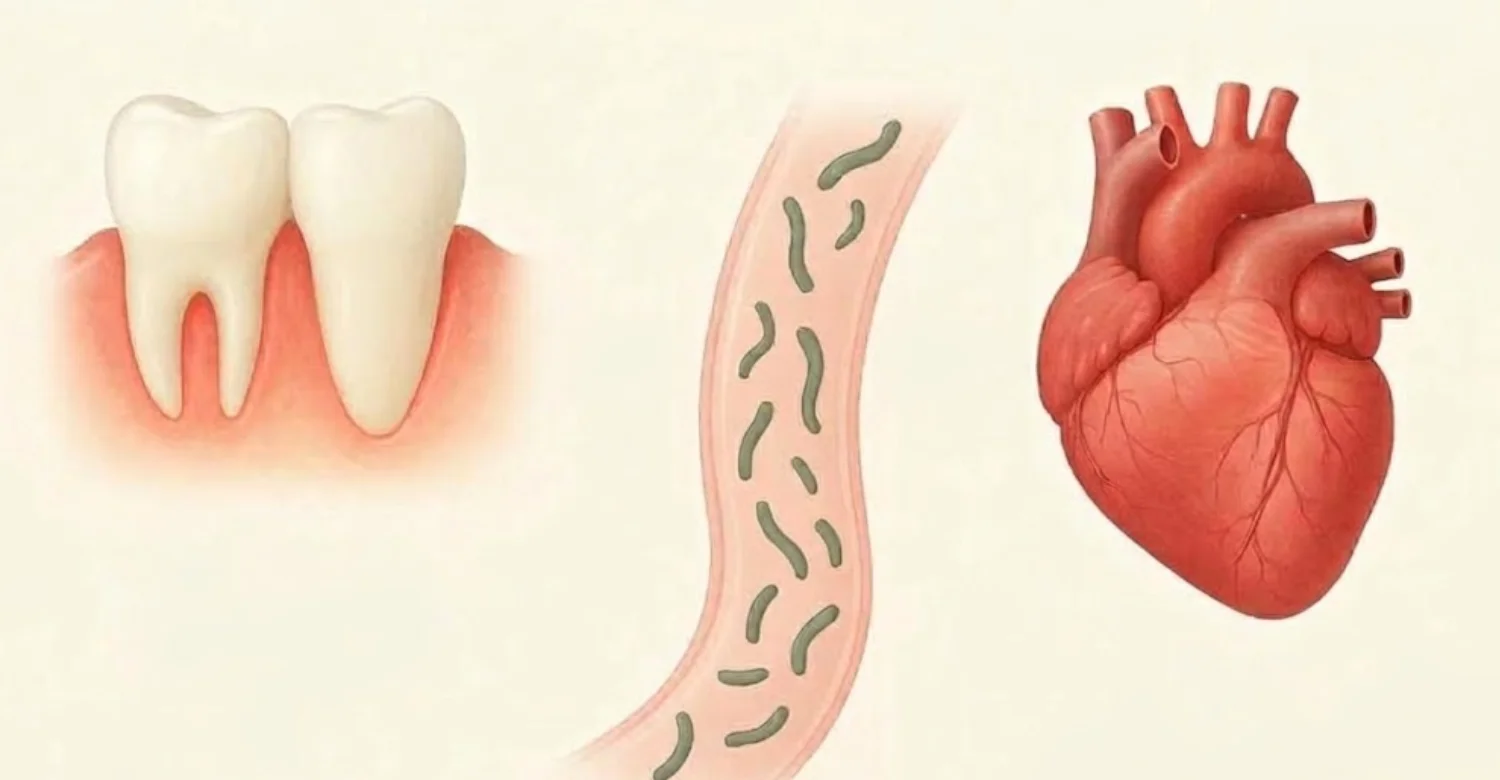
Inflamed, bleeding gums allow bacteria to enter the bloodstream during chewing or brushing. Once there, these bacteria may travel to distant blood vessels and trigger inflammation. This gum infection and heart disease pathway is still being studied. It is one theory for how bacteria may help gum disease increase risk of heart disease.
Shared Risk Factors
Smoking, diabetes, obesity, older age, poor diet, and inactivity raise the risk of both gum disease and heart disease. When researchers account for smoking, part of the association weakens. These shared factors make one question hard to answer: does gum disease increase risk of heart disease independently?
Note - All images used are for editorial and illustrative purposes only. They may not originate from the original news provider or associated company.
Causes of the Condition
Gum disease develops when bacteria in dental plaque inflame the gums. Early gingivitis can usually be reversed with good oral hygiene. Untreated inflammation, however, can progress to periodontitis. Knowing the causes is the first step toward prevention. This matters for anyone asking, “Can gum disease increase risk of heart disease?”
Main Causes of Gum Disease
The main causes include plaque buildup, poor oral hygiene, and tartar accumulation. Only a dental professional can remove tartar. Smoking and tobacco use weaken gum tissue and slow healing. Diabetes makes infection harder to control. Genetic susceptibility means some people develop severe gum disease, which may help gum disease increase risk of heart disease.
Factors That May Increase Periodontal Disease Risk
Hormonal changes, such as during pregnancy or menopause, can make gums more sensitive. Certain medications reduce saliva or cause gum overgrowth. Immune-related conditions weaken the body's defenses. Skipping regular dental checkups allows early problems to progress. Each factor raises periodontal disease heart disease risk by making gum infection more likely.
Problems Caused by the Condition
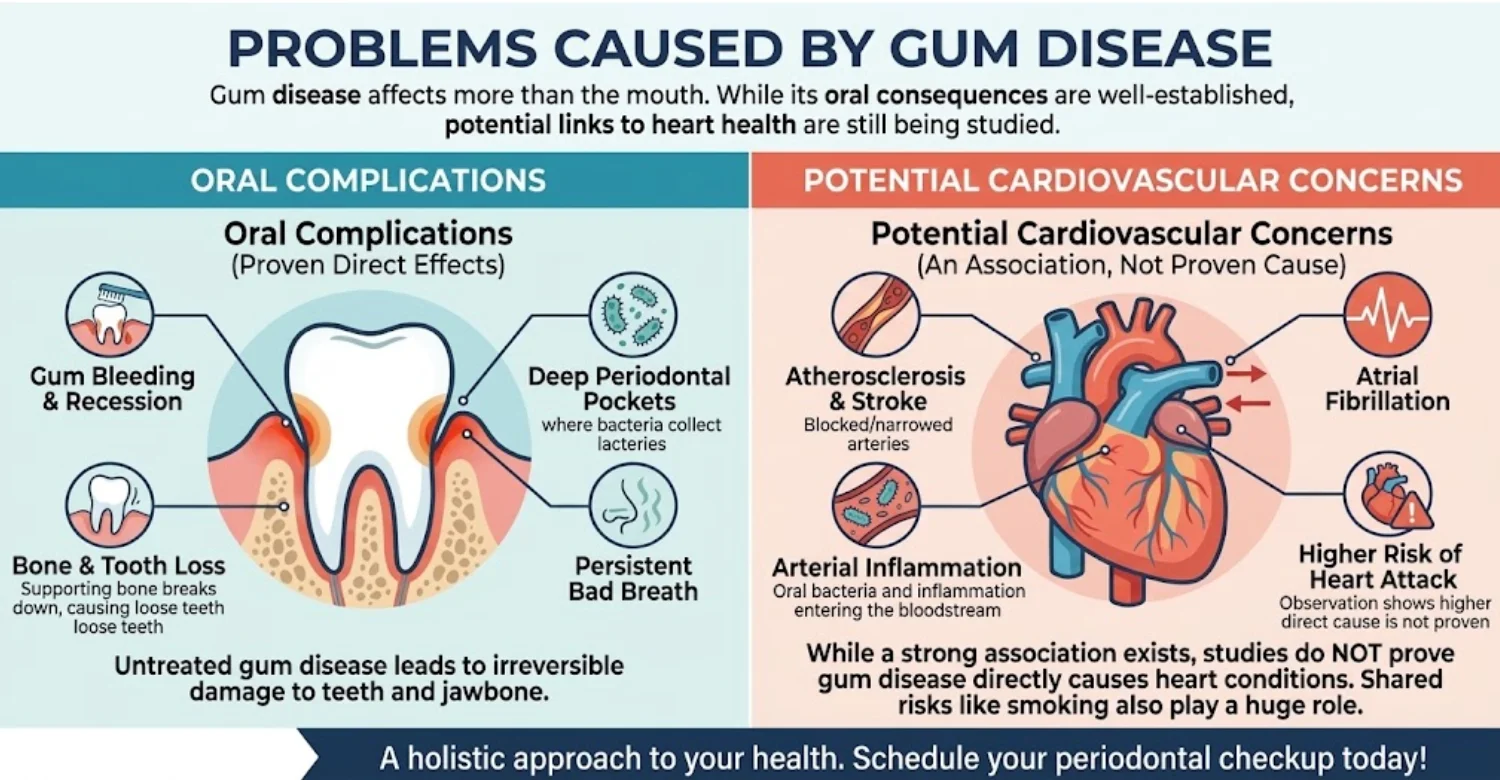
Gum disease affects more than the mouth. Its well-established consequences are oral, including bleeding, bone loss, and tooth loss. Its possible cardiovascular consequences are still being studied. Both explain why dentists take gum inflammation seriously. They also explain why patients ask, “Does gum disease increase risk of heart disease?”
Oral Complications
Untreated gum disease can cause gum bleeding, gum recession, and deep periodontal pockets where bacteria collect. Over time, the bone supporting the teeth breaks down. This leads to loose teeth and eventually tooth loss. Persistent bad breath is also common. These are the proven, direct effects of periodontal disease on oral health.
Potential Cardiovascular Concerns
Research on periodontal disease heart disease risk links gum infection to atherosclerosis, stroke, and atrial fibrillation. Oral bacteria have also been studied in connection with arterial inflammation. These findings suggest inflammation may make gum disease increase risk of heart disease. However, they show an association only. They do not prove that gum disease directly causes cardiovascular conditions.
Gum Disease and Heart Attack
Studies have observed higher rates of heart attack, also called myocardial infarction, in people with periodontal disease. However, the gum disease and heart attack connection is an association. Gum disease has not been proven to directly cause a heart attack. Shared factors like smoking may also help gum disease increase risk of heart disease.
Patient's Perspective
From a patient's point of view, gum disease often starts quietly, with little or no pain. Many people only start asking, “Can gum disease increase risk of heart disease?” after noticing bleeding or getting a diagnosis. Recognizing symptoms early makes treatment simpler. It also protects both oral and general health.
Common Symptoms Patients May Notice
Common symptoms include bleeding gums when brushing or flossing, swollen or red gums, and persistent bad breath. Some people notice gum recession that makes teeth look longer. Others have sensitive teeth, loose teeth, or pain when chewing. Any of these signs deserves a dental examination. Do not wait for symptoms to worsen.
Common Patient Concerns
Patients often ask, "Can gum disease affect my heart?" or "Does gum disease increase my risk of a heart attack?" Those with both conditions ask whether they should worry. The evidence shows an association. So treating gum disease and managing heart risk factors together is sensible. However, there is no need to assume one directly causes the other.
How Gum Disease Can Affect Daily Life
Gum disease can make eating uncomfortable. It can also make daily oral hygiene harder when gums bleed or feel sore. Many patients worry about losing teeth. Some feel anxious and ask, “Could gum disease increase risk of heart disease?” Clear information and a treatment plan usually help ease these concerns.
Ready to transform your smile?
Talk to our team and get a personal FREE treatment plan.
Doctor's Perspective
From a clinical perspective, the priority is to diagnose and treat periodontal disease for its proven oral-health effects. Dentists also recognize cardiovascular risk factors. Research suggests inflammation may let gum disease increase risk of heart disease. So dentists encourage patients to stay in contact with their physicians. This matters most when heart conditions or diabetes are present.
How Periodontal Disease Is Evaluated
Evaluation begins with a review of medical and dental history, followed by a careful gum examination. The dentist measures periodontal pocket depths, assesses gum recession, and checks tooth mobility. Dental X-rays are taken when clinically indicated. They show bone levels around the teeth and confirm how advanced the disease is.
Evaluating Cardiovascular Risk Factors
Dentists ask about smoking, diabetes, high blood pressure, high cholesterol, existing cardiovascular disease, and family history. These details affect treatment planning and medication safety. They also highlight the shared factors behind the gum disease cardiovascular disease association. Finally, they show where a patient's physician should be involved in care.
Treatment Approach
Treatment usually starts with professional periodontal cleaning. This removes plaque and tartar above and below the gumline. Patients also improve daily oral hygiene and attend regular periodontal maintenance visits. Lifestyle changes, such as stopping smoking, support healing. Since inflammation may let gum disease increase risk of heart disease, the team may coordinate with a medical professional.
When Is It Serious and Requires a Checkup?
Some signs mean gum disease has progressed and needs prompt dental care. Others may signal a medical emergency. Knowing the difference is important. Whatever the answer to “does gum disease increase risk of heart disease?” for you, heart symptoms are urgent. They need medical assessment, not a dental appointment.
Dental Warning Signs
Book a dental checkup if you notice persistent gum bleeding, severe gum swelling, or pus around the gums. Loose teeth, significant gum recession, persistent bad breath, and pain when chewing are also warning signs. These signs suggest active infection or advanced periodontitis. Early treatment by a dental professional makes it easier to control.
Cardiovascular Warning Signs
Chest pain or pressure, severe shortness of breath, sudden weakness, and fainting are medical warning signs. Other symptoms of a possible heart attack or stroke also count. They are not dental symptoms. Research suggests inflammation can make gum disease increase risk of heart disease. Still, these symptoms require emergency medical evaluation immediately.
When to Seek Emergency Medical Care
Call emergency services right away if you have chest pain, severe breathlessness, or sudden weakness on one side. Difficulty speaking or fainting also needs an emergency call. Do not wait or assume these symptoms are caused by gum disease. Cardiovascular emergencies need immediate medical attention. Dental care can be arranged once you are medically stable.
When the Patient Should Rest
Uncomplicated gum disease does not usually require bed rest. After periodontal procedures, short rest may be advised. Strenuous activity may also be limited for a day or so. Patients with cardiovascular disease should follow individual medical advice. Evidence suggests inflammation may make gum disease increase risk of heart disease, so coordinated care is important.
Rest Tips
Recovery after periodontal treatment is usually quick when instructions are followed. Simple habits help the gums heal, reduce discomfort, and lower the chance of infection returning. Good recovery also supports oral health and heart disease prevention. Healthier gums reduce the inflammation linked to cardiovascular concerns.
After Periodontal Treatment
Follow your post-treatment instructions carefully and avoid strenuous activity when advised. Keep brushing and cleaning gently around treated areas. Stay well hydrated. Choose soft, comfortable foods if chewing feels sore for a few days. Mild tenderness is normal, but report severe pain or swelling.
Supporting Recovery
Avoid smoking, as it slows healing and is a major risk factor for both gum and heart disease. Take any prescribed medications exactly as directed. Attend all follow-up appointments so healing can be checked. Contact your dental professional if bleeding, swelling, or pain gets worse instead of better.
.jpg)
.jpg)
.jpg)
About Vitrin Clinic
At Vitrin Clinic, our dental team evaluates gum health thoroughly. We treat periodontal disease with professional cleaning and long-term maintenance. We take medical histories seriously, including heart conditions and medications. Research suggests inflammation may let gum disease increase risk of heart disease. So we encourage patients to keep both their dentist and physician informed.
What We Notice Clinically
Dr. Rifat Alsaman is Head of the Medical Team at Vitrin Clinic and a Cosmetic Dentist. He stresses that persistent gum inflammation should always be evaluated and treated for its proven oral-health effects. Patients often ask him, “Does gum disease increase risk of heart disease?” He explains that the link is an association, not proven direct causation.
Tips for the Patients
Brush twice daily and clean between your teeth every day. Schedule regular dental examinations and never ignore bleeding gums. Avoid smoking and tobacco, and manage diabetes and other chronic conditions. Maintain a balanced diet and healthy lifestyle. Tell your dental team about heart conditions and medications, as inflammation may make gum disease increase risk of heart disease.
Resource:
https://pmc.ncbi.nlm.nih.gov/articles/PMC11904829/
FAQs

Dr. Rifat Alsaman has more than 5 years of clinical experience in dentistry and currently serves as the Head of the Medical Team at Vitrin Clinic. He is dedicated to providing exceptional patient care, overseeing treatment planning, and ensuring the highest clinical standards across the team. His expertise, attention to detail, and commitment to continuous professional development have helped countless patients achieve healthier, more confident smiles.


