General Dentistry
October 7, 2026
Water Fluoridation and Oral Health: What Does It Do for Your Teeth?
 Dr. Rifat Alsaman
Water fluoridation and oral health are closely linked, and patients ask about them often. Water fluoridation means adjusting the fluoride in a public water supply to a level that helps protect teeth. Fluoride strengthens tooth enamel and lowers the risk of dental caries. Many people still wonder about safety, effectiveness, fluoride levels, and whether they need more. This guide answers those questions clearly. Remember that fluoride is only one part of prevention. Brushing, interdental cleaning, diet, and regular dental examinations matter just as much.
Water Fluoridation and Oral Health: How Does Fluoride Protect Your Teeth?
Water fluoridation & oral health connect through one simple mechanism. Fluoride helps enamel resist the acids that cause decay. Every day, your teeth lose and regain minerals. Fluoride tips that balance toward repair. It works best in small, repeated amounts rather than one large dose. This is why drinking water can be a useful source. The sections below explain what fluoridation is and how fluoride interacts with enamel. They also show why needs differ at each stage of life.
What Is Water Fluoridation?
Community water fluoridation is the controlled adjustment of fluoride in a public water supply. The aim is a level that supports teeth without causing harm. Fluoride is a natural mineral, so some water already contains it. In other areas, water providers add a measured amount. The effect is not a one-time treatment. It comes from small exposures repeated over months and years. That is the foundation of water fluoridation and oral health. Not every country or city fluoridates its water, so local information matters.
How Fluoride Interacts With Tooth Enamel
Enamel is constantly changing. After you eat sugar, plaque bacteria produce acids that pull minerals out of enamel. This is demineralization. Saliva then returns calcium and phosphate to the surface. This is remineralization. When fluoride is present, the rebuilt enamel forms a stronger, more acid-resistant mineral. It dissolves less easily during the next acid attack. This process explains the link between fluoride and tooth decay prevention. It also explains why steady, low-level fluoride matters more than occasional high doses.
Fluoride and Dental Health at Different Ages
Fluoride and dental health needs change through life. Children benefit while their teeth develop and erupt, yet they are also most vulnerable to excess. Too much swallowed fluoride in early childhood can cause dental fluorosis. Adolescents face higher risk from snacks, sugary drinks, and braces. Adults need protection around fillings and crowns. Older adults often have dry mouth and exposed roots, which decay easily. So the right amount depends on age and circumstances. Water fluoridation & oral health advice should never be identical for everyone.
Understand the safety risks of DIY homemade teeth whitening strips and enamel damage
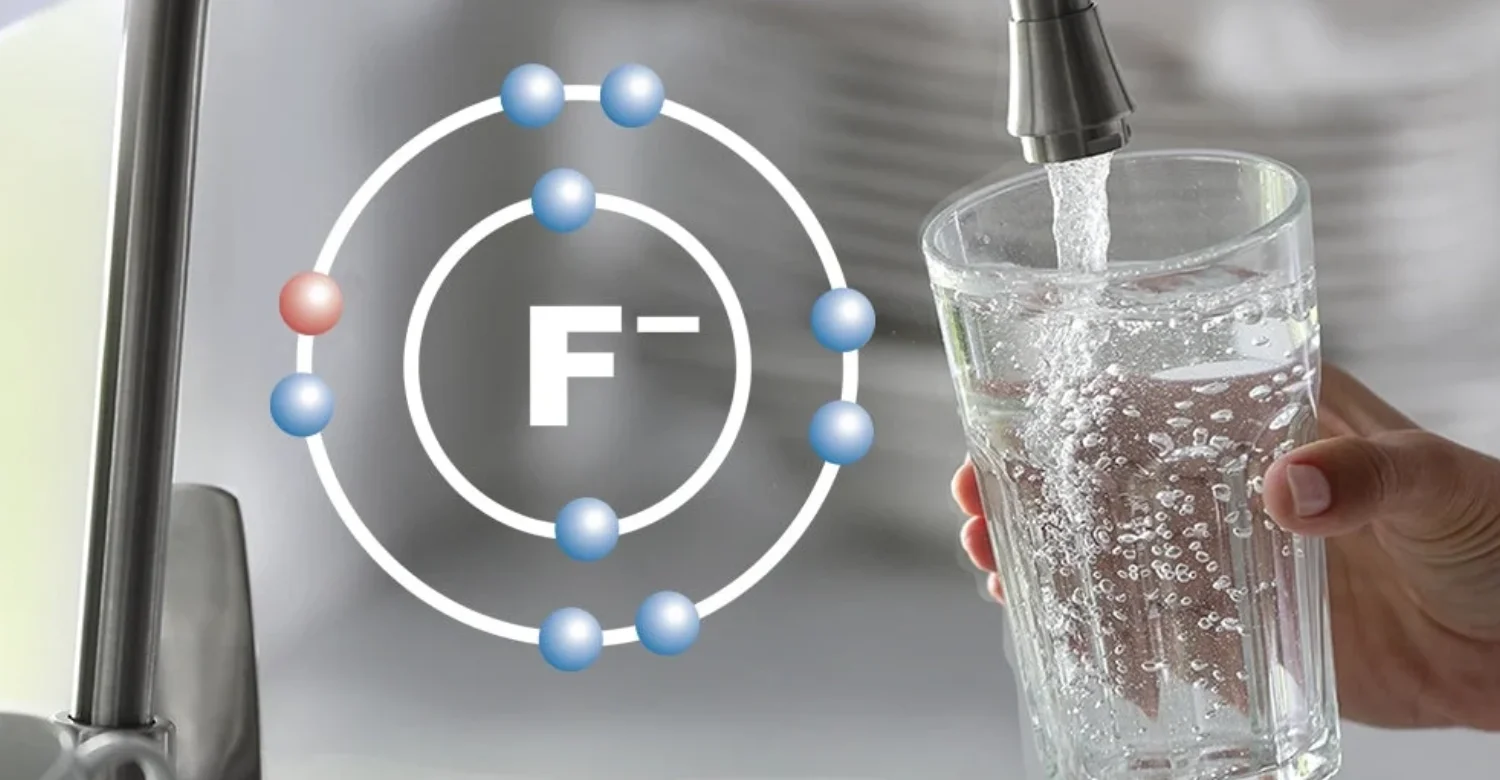
What Are the Water Fluoridation Benefits for Teeth?
The main water fluoridation benefits are a lower risk of cavities and stronger enamel. Fluoridated water also supports the repair of early mineral loss. It delivers small amounts of fluoride throughout the day, without any extra effort. And it reaches whole communities, including people who rarely see a dentist. These benefits are real but not unlimited. Research on water fluoridation and oral health shows reduced decay, not zero decay. Each benefit is explained below, along with its limits.
Helps Reduce the Risk of Tooth Decay
Fluoride makes enamel harder for acids to dissolve. As a result, cavities form more slowly and less often. This is the core idea behind water fluoridation for preventing cavities. The effect is helpful, but it is a reduction in risk, not a guarantee. A person who drinks fluoridated water can still develop decay. Frequent sugar, poor brushing, and dry mouth can overwhelm the protection. Think of fluoride as a seatbelt. It lowers harm, but careful habits still matter every day.
Supports Enamel Remineralization
Early enamel damage often appears as a chalky white spot. At this stage, the surface is still intact. Fluoride, saliva, and good cleaning can help minerals return and harden the area. This natural repair is a key part of water fluoridation & oral health. An established cavity is different. Once the surface breaks and a hole forms, it cannot heal on its own. It then needs restorative treatment, such as a filling. Early detection is what keeps repair possible.
Provides Regular Low-Level Fluoride Exposure
Every sip of fluoridated water bathes the teeth briefly in fluoride. Some fluoride is also absorbed and returns to the mouth through saliva. Saliva is the mouth's natural defence. It neutralizes acids and carries minerals to enamel. Small amounts of fluoride in saliva and plaque make that repair more effective. Because people drink water many times a day, the exposure is frequent and gentle. This steady pattern explains much of the relationship between water fluoridation and oral health.
Fluoridated Water Benefits for Teeth Across the Population
Tooth decay is one of the most common health conditions worldwide. Community water fluoridation was introduced as a public-health response. It needs no appointment, product, or change in behaviour. Everyone who drinks the water receives some protection. That includes children, older adults, and families with limited access to dental care. These fluoridated water benefits for teeth are why it is called a population-level preventive measure. Still, it supports individual care. It does not replace it.
Fluoride in Drinking Water: How Much Is Appropriate?
The right amount of fluoride in drinking water is a balance. Too little offers limited protection. Too much raises the risk of fluorosis in children. Programmes that adjust fluoride commonly aim for around 0.7 milligrams per litre. The World Health Organization sets a guideline limit of 1.5 milligrams per litre. Policies differ between countries and are reviewed over time. For water fluoridation & oral health, the concentration matters as much as the fluoride itself.
Understanding Fluoride Levels in Drinking Water
Fluoride levels in drinking water are not the same everywhere. They depend on the source, the local geology, and local policy. Some cities adjust fluoride. Many do not. Bottled water, filtered water, and private wells add further variation. For this reason, never assume your water is fluoridated. Check with your local water authority or public-health service instead. Most publish water-quality reports. Knowing your level helps your dentist give accurate advice about water fluoridation & oral health for your household.
Natural Fluoride vs. Adjusted Fluoride
Fluoride enters groundwater naturally as water passes through rocks and soil. In some regions, natural levels are very low. In others, they are well above recommended limits. Adjusted fluoride is different. Water providers raise or lower the level to reach a set target, then test it regularly. The fluoride itself behaves the same way in the body. What changes is control. Where natural levels are high, monitoring is essential. Some communities must even reduce fluoride to protect children's developing teeth.
What Happens When Fluoride Exposure Is Too High?
Too much fluoride during childhood can cause dental fluorosis. This is a developmental change in enamel that forms before teeth erupt. Mild fluorosis shows as faint white flecks or lines. It is cosmetic and often barely visible. Severe forms are uncommon where levels are controlled. They can cause brown staining and pitted enamel. Appropriate exposure and excessive ingestion are very different things. Sensible guidance on water fluoridation and oral health always focuses on the correct dose, not on the maximum.
Compare accuracy and comfort in digital vs conventional impressions for implant crowns
Tips for Patients
Know Your Local Water Source
Brush With Fluoride Toothpaste
Do Not Add Fluoride Without Professional Advice
Limit Frequent Sugar and Acid Exposure
Keep Regular Dental Appointments
Fluoridated Water and Teeth: Is It Safe?
Questions about fluoridated water and teeth are reasonable, and they deserve clear answers. At controlled levels, health authorities widely regard fluoridated water as safe for teeth. The main known dental risk is fluorosis, which relates to dose and age. Safety therefore depends on concentration and on total fluoride from all sources. Research and policy continue to be reviewed. The sections below address common concerns about water fluoridation and oral health without overstating or dismissing them.
Is Fluoridated Water Safe for Teeth?
Is fluoridated water safe for teeth? At recommended concentrations, the evidence supports that it is. It strengthens enamel and lowers decay risk. Still, safety is not a single yes or no. It depends on the fluoride level in your water and on your other fluoride sources. A young child who also swallows toothpaste has a different exposure from an adult. Health conditions and local water quality matter too. Individual circumstances should guide the final advice.
Can Fluoride Cause Dental Fluorosis?
Yes, it can. Fluorosis develops when a child swallows too much fluoride while permanent teeth are forming, mainly before age eight. The enamel develops with small changes in its mineral structure. Most cases are mild and appear as faint white marks. Fluorosis is not tooth decay. It is not an infection, and it does not spread. Once teeth have erupted, new fluorosis cannot develop. If the appearance is a concern, cosmetic treatments can improve it.
Can Adults Have Too Much Fluoride?
Adults cannot develop dental fluorosis, because their enamel is fully formed. Excess is still possible, though it is uncommon. Fluoride comes from drinking water, toothpaste, mouth rinses, professional treatments, and supplements. Together, these add up. Very high intake over many years can affect bones, mostly in regions with naturally high fluoride. So adults should not start supplements automatically. A dentist can judge whether more fluoride is useful. This measured approach keeps water fluoridation and oral health in proper balance.
Understand potential causes for a metallic taste in mouth
Clinical Note
In practice, fluoride is only one line in a patient's record. It sits beside diet, plaque control, saliva, and dental history. Two people can drink the same water and have very different teeth. For that reason, clinical judgment matters more than general rules. The notes below explain how dentists think about water fluoridation and oral health in real appointments. They cover individual assessment, the limits of fluoride, and the signs that a full examination is needed.
Fluoride Exposure Should Be Assessed Individually
Worrying about cavities does not automatically mean you need more fluoride. A dentist first looks at what you already receive. This includes the fluoride levels in drinking water where you live. It also includes your toothpaste strength, brushing habits, and any rinses or treatments. Age matters, as does your history of decay. Someone with no cavities in ten years rarely needs extra products. Someone with several new cavities might. The recommendation should always fit the person.
Fluoride Does Not Replace Good Oral Hygiene
Fluoride strengthens enamel, but it does not remove plaque. Plaque is a sticky layer of bacteria that must be cleaned away mechanically. Brush twice a day with fluoride toothpaste for two minutes. Clean between the teeth daily with floss or interdental brushes. Attend regular dental examinations. Fluoride then works on a clean surface, where it is most effective. Water fluoridation and oral health improve together only when daily cleaning is in place. One supports the other.
When a Dental Assessment Is More Important Than More Fluoride
Some situations call for a diagnosis, not another fluoride product. Book an assessment if you notice any of the following:
Persistent cavities despite regular fluoride exposure.
Recurrent enamel demineralization or new white spots.
Dry mouth, often linked to medication.
High-frequency sugar consumption.
Gum disease or significant plaque accumulation.
Unusual enamel changes that need a diagnosis.
In these cases, the cause must be identified first. Extra fluoride alone may hide the real problem and delay the right treatment.
Can Fluoridated Water Prevent Cavities Completely?
No. Fluoridated water reduces the risk of dental caries, but it cannot guarantee cavity-free teeth. Decay depends on several factors acting together. These include plaque bacteria, sugar frequency, saliva flow, and cleaning habits. A high-risk patient may still develop cavities despite drinking fluoridated water daily. That is why fluoride and tooth decay prevention must sit inside comprehensive preventive dentistry. Water fluoridation and oral health are strongest when combined with good hygiene, a sensible diet, and regular professional care.
Explore fast-acting options with liquid pain relief for toothache
.jpg)
When Might a Dentist Recommend Additional Fluoride?
A dentist may suggest extra fluoride when your risk of decay is higher than average. Examples include recent cavities, dry mouth, braces, or exposed root surfaces. The choice depends on your age and your current fluoride sources. Options range from standard toothpaste to professional and prescription products. Each has a different strength and purpose. As with all advice on water fluoridation & oral health, the goal is the right amount for you, not the most.
Fluoride Toothpaste
Fluoride toothpaste is the cornerstone of daily cavity prevention. It delivers fluoride directly to the tooth surface, right where it is needed. Brushing also removes plaque at the same time. Most adults do well with a standard-strength paste used twice daily. Brushing before bed is especially valuable, because saliva flow drops during sleep. The ideal routine is not identical for everyone. Children, high-risk adults, and people with sensitive teeth may need different advice from their dentist.
Professional Fluoride Varnish
Fluoride varnish is a concentrated coating that a dental professional paints onto the teeth. It sets quickly and releases fluoride over several hours. Dentists often use it for children, and for adults with elevated caries risk. It can also help with exposed roots, early white spots, and sensitivity. Patients with dry mouth or orthodontic appliances may benefit too. Varnish is topical, so very little is swallowed. How often it is applied depends on your risk level.
Prescription-Strength Fluoride
Some patients need more than a standard toothpaste can offer. Prescription-strength toothpastes and gels contain a higher fluoride concentration. They may suit people with frequent cavities, severe dry mouth, or extensive restorations. Patients receiving head and neck radiotherapy are another example. These products are not for general use, and they are not suitable for young children. A dentist should assess you first. Follow the instructions exactly, including how much to use and for how long.
Fluoride Supplements
Fluoride supplements come as tablets, drops, or lozenges. They are intended for selected children at high risk who live in low-fluoride areas. They should never be taken routinely. Before recommending them, a dentist or doctor must know the fluoride content of the child's drinking water. Toothpaste and other sources count as well. Without that check, the total intake may become too high. This is a clear example of why water fluoridation and oral health must be considered together.
Discover potential causes if you wonder why is my tooth sharp all of a sudden?
What Dental Problems Can Still Occur Despite Fluoridated Water?
Fluoridated water protects against one main problem, which is decay. Even there, the protection is partial. Many other conditions are unrelated to fluoride or only slightly affected by it. Gum disease, acid erosion, tooth wear, and sensitivity are common examples. Understanding these limits prevents false reassurance. Water fluoridation & oral health are connected, but fluoride is not complete mouth protection. The sections below explain what can still go wrong and why.
Tooth Decay
Cavities can still form in people who drink fluoridated water. Fluoride slows the process, but strong enough risk factors can outpace it. Frequent sugar is the most common reason. Plaque left between teeth is another. Dry mouth removes the protective effect of saliva. Deep grooves and the edges of old fillings are also vulnerable. If you keep getting cavities, the cause needs investigation. Drinking more fluoridated water will not solve it on its own.
Gum Disease
Gum disease is caused by plaque bacteria along and beneath the gumline. It begins as gingivitis, with red or bleeding gums. It can progress to periodontitis, which damages the bone supporting the teeth. Fluoride mainly supports the hard tooth surface. It does not directly prevent periodontal disease. Thorough brushing, interdental cleaning, and professional care do that. Smoking and diabetes also raise the risk. So water fluoridation and oral health benefits do not extend to protecting the gums.
Tooth Erosion
Erosion is different from decay. Decay comes from acids made by bacteria. Erosion comes from acids that touch the teeth directly. Sources include soft drinks, citrus, sports drinks, wine, and stomach acid from reflux or vomiting. These acids are strong and dissolve the enamel surface layer by layer. Fluoride offers only limited help here. It cannot fully prevent this type of damage. Reducing acid contact and treating the underlying cause are far more effective.
Enamel Wear and Sensitivity
Sensitivity has many possible causes. Enamel can wear from grinding, clenching, or brushing too hard. Gums can recede and expose the root surface. Cracks, decay, and leaking fillings can also cause sharp pain. Fluoride may ease some sensitivity, but it will not fix the source. See a dentist if sensitivity lasts more than a few weeks. Seek advice sooner if one tooth hurts, or if pain lingers after hot or cold.
Learn about the symptoms and risks of a tooth abscess headache
Water Fluoridation vs. Other Fluoride Sources: What Is the Difference?
Fluoride Source | Main Purpose | How It Is Used |
Fluoridated drinking water | Population-level prevention | Regular consumption |
Fluoride toothpaste | Daily topical protection | Brushing |
Fluoride varnish | Professional topical protection | Applied by dental professionals |
Prescription fluoride | Higher-risk patients | Used according to dental advice |
Fluoride mouthwash | Additional topical exposure | Selected patients |
These sources are not automatically interchangeable. Each differs in strength, frequency, and how it reaches the teeth. Water gives low, frequent exposure to everyone. Toothpaste gives a stronger daily topical dose. Varnish and prescription products are targeted at higher-risk patients. Mouthwash suits selected people only. A dentist therefore considers your total exposure before recommending anything extra. Understanding water fluoridation and oral health means seeing how these sources combine, rather than judging any one alone.
What Is the Cost of Fluoride-Based Dental Prevention?
The cost of fluoride-based prevention is usually modest compared with restorative treatment. Fluoridated tap water carries no dental fee. Toothpaste is an everyday purchase. Professional treatments and prescription products cost more, though fewer patients need them. Prices also differ between countries and clinics. The sections below explain what to expect, without quoting figures that may not apply to you. In water fluoridation & oral health, prevention is generally the more affordable path.
Is Fluoride Prevention Expensive?
Generally, no. Drinking fluoridated public water does not involve a separate dental treatment fee. Fluoride toothpaste is inexpensive and widely available. Costs arise mainly with professional care. These include fluoride varnish, prescription products, and the preventive visits themselves. The amount varies with your location, your dental needs, and your treatment plan. Insurance or public coverage also differs between countries. Ask for a clear breakdown before treatment begins, so you know exactly what is included.
Why Preventive Care Can Be More Cost-Effective
Dental problems usually become more complex with time. A white spot may need only fluoride and better cleaning. A small cavity needs a filling. A deep cavity may need root canal treatment and a crown. Each stage tends to involve more time and higher cost. Preventing decay, or finding it early, can reduce the need for extensive procedures. No one can promise specific savings. Still, water fluoridation and oral health habits generally support simpler care.
Explore the connection between gum disease and heart disease risk
How Long Does Fluoride Protection Take to Work?
Fluoride begins acting on the enamel surface as soon as it is present. However, meaningful protection builds gradually. It depends on repeated exposure, day after day. One glass of water or one brushing session changes very little. Months of consistent habits change a great deal. The same applies to professional treatments, which support daily care rather than replace it. Water fluoridation & oral health should be viewed as a long-term partnership, not a quick fix.
Is Fluoride Protection Immediate?
Not in the way many patients expect. Fluoride starts interacting with enamel straight away, but there is no instant shield. Protection comes from fluoride being available again and again during daily acid attacks. Each exposure supports a little more repair. Over time, the enamel surface becomes more resistant. Oral hygiene is part of this result. If plaque and sugar remain high, fluoride has less chance to work. Consistency matters more than any single application.
How Long Should Patients Continue Fluoride-Based Prevention?
For life. Cavity prevention is an ongoing process, because the risk never fully disappears. Teeth face acid attacks every day at every age. If fluoride exposure stops, the added protection gradually fades. Keep using fluoride toothpaste daily. Keep drinking tap water if it is fluoridated and safe. Your needs may change with age, medication, or new dental work. Review them with your dentist. Water fluoridation and oral health benefits last only while exposure continues.
How Long Does Professional Fluoride Treatment Take?
Professional fluoride applications are generally short. Varnish is usually painted on within a few minutes. It is often done at the end of a routine examination or cleaning. Gels or foams in trays may take slightly longer. The exact appointment time depends on the product used and on any other care planned. Afterwards, you may be asked to avoid hot drinks, hard foods, or brushing for several hours. Your dentist will give specific instructions.
What We Notice Clinically
In daily practice, patients often arrive with strong opinions about fluoride. Some believe it solves everything. Others avoid it entirely. The clinical picture is usually more balanced. We see patients from many countries, each with different water, diets, and habits. Their teeth reflect all of those factors together. That experience shapes how our team discusses water fluoridation and oral health. The observations below explain what we look for, and when extra protection is worth considering.
Why Fluoride Alone Does Not Explain a Patient’s Cavity Risk
Cavities are multifactorial. Plaque accumulation, frequent sugar intake, and reduced saliva all play a part. So do poor oral hygiene, enamel susceptibility, and previous caries experience. Two patients with identical fluoride exposure can have very different results. Dr. Rifat Alsaman emphasizes looking at a patient's overall habits, not one preventive factor. Asking only about fluoride misses most of the story. A proper risk assessment asks what you eat, how you clean, and what has happened before.
When We May Recommend Additional Fluoride Protection
A dentist may consider extra protection when the risk is clearly raised. Examples include several recent cavities, active white-spot lesions, dry mouth, or orthodontic treatment. Options include prescription-strength fluoride toothpaste, topical fluoride, and varnish. Other preventive approaches, such as fissure sealants and dietary advice, may be added. The decision always follows an individual risk assessment. It is then reviewed over time. This keeps water fluoridation and oral health guidance proportionate, so patients receive what they need.
Discover the advantages, risks, and lifespan in dental veneers benefits
How Vitrin Clinic Approaches Preventive Oral Health
Vitrin Clinic bases preventive advice on an individual clinical examination, not on general assumptions about fluoride. We assess the teeth, gums, existing restorations, oral hygiene, and caries risk. Diagnostic technology, such as digital imaging, is used when clinically indicated. The clinic can then coordinate preventive, restorative, periodontal, and cosmetic care according to each patient's needs. Dr. Rifat Alsaman, Head of the Medical Team at Vitrin Clinic and a cosmetic dentist, emphasizes individualized treatment planning. Community water fluoridation itself is managed by public water authorities, not by dental clinics.
Ready to transform your smile?
Talk to our team and get a FREE treatment plan.
References:
FAQs
Dr. Rifat Alsaman has more than 5 years of clinical experience in dentistry and currently serves as the Head of the Medical Team at Vitrin Clinic. He is dedicated to providing exceptional patient care, overseeing treatment planning, and ensuring the highest clinical standards across the team. His expertise, attention to detail, and commitment to continuous professional development have helped countless patients achieve healthier, more confident smiles.


.webp&w=3840&q=75)

