
How to Protect Your Teeth If You Smoke is a question many smokers ask once they notice staining, bad breath, or bleeding gums. Smoking and oral health are closely connected, and the effects reach far beyond cosmetic appearance. Tobacco use changes the mouth's environment, affecting teeth, gums, breath, and the success of dental treatment. Quitting smoking remains the single best step for protecting the mouth, but consistent dental care can still reduce many preventable problems. This guide offers professional, evidence-based dental guidance on how to keep your teeth healthy if you smoke. It covers daily habits, warning signs, and available treatments at Vitrin Clinic.
How to Protect Your Teeth If You Smoke
How to keep your teeth healthy if you smoke starts with understanding what tobacco does inside the mouth. Smoking introduces heat, chemicals, and reduced blood flow to oral tissues, slowing healing and weakening natural defenses against bacteria. This makes a smoker's dental health more fragile than that of non-smokers, even when brushing habits are similar. Protecting the teeth involves daily hygiene, professional monitoring, and awareness of early warning signs. Vitrin Clinic recommends smokers treat oral care as a priority rather than an afterthought, since small problems can progress faster in a compromised oral environment.
Why Smoking Requires Special Dental Care
Smokers need closer dental attention because tobacco affects gum tissue, enamel, and the body's healing response simultaneously. Nicotine restricts blood flow, which reduces oxygen and nutrients reaching the gums, making infections harder to detect and slower to heal. Wounds from routine dental work can also take longer to recover. Because symptoms are frequently masked or delayed, regular dental examinations are essential. This is a central part of how to protect your teeth if you smoke, since early detection often prevents more invasive treatment later. Vitrin Clinic encourages more frequent monitoring for smoking patients.
Smoking and Oral Health: What Happens in Your Mouth?
Smoking and oral health interact in ways that are not always visible right away. Tobacco smoke dries the mouth, reduces saliva flow, and encourages plaque and tartar to build up faster than normal. Staining develops on enamel, while bacteria accumulate more easily in a drier environment. Some smoking-related oral problems, including early gum disease, can progress with few obvious symptoms until they become more advanced. This is why understanding how to keep your teeth healthy if you smoke matters, since visible damage often appears only after underlying changes have already begun.
Effects of Smoking on Teeth
Anyone researching how to keep your teeth healthy if you smoke should first understand what tobacco actually changes inside the mouth. The effects of smoking on teeth include staining, increased plaque, weakened restorations, and higher decay risk. Tobacco residue coats enamel and dental work, while chemicals in smoke interfere with saliva's natural cleansing role. Over time, this combination makes teeth appear duller and more prone to surface buildup. Effects of smoking on teeth are not limited to appearance; they also touch on function, comfort, and long-term treatment outcomes. Vitrin Clinic assesses these effects individually, since severity depends on smoking frequency, hygiene habits, and existing dental history.
How Smoking Affects Your Teeth
Part of learning how to protect your teeth if you smoke is recognizing how smoking affects your teeth in the first place. It involves several overlapping processes. Nicotine and tar cause visible staining, while heat and chemical exposure encourage plaque and tartar to accumulate more quickly. Bad breath often follows, driven by dry mouth and bacterial buildup. Existing fillings, crowns, and veneers can also be affected, as staining collects around their edges and restoration margins over time. Understanding how smoking affects your teeth helps explain why a smoker's dental health needs a proactive routine. This includes frequent cleanings and closer attention to restoration conditions at every dental visit.
Smoking and Yellow Teeth
Smoking and yellow teeth are one of the most visible concerns patients raise when asking how to keep your teeth healthy if you smoke. This happens because nicotine and tar penetrate enamel and settle into its surface texture. Surface stains sit on top of the tooth and can often be reduced through professional cleaning. Deeper discoloration reaches into the tooth structure itself and needs different treatment. Professional cleaning removes much of the external buildup causing smoking and yellow teeth concerns, restoring a cleaner appearance. Whitening can address remaining discoloration, but results vary by individual, and realistic expectations should be discussed before treatment begins at Vitrin Clinic.
Smoking and Bad Breath
Persistent odor is another reason patients look into how to keep your teeth healthy if you smoke. Smoking and bad breath are connected through dry mouth, chemical residue, and increased bacterial activity in the oral cavity. Reduced saliva flow allows odor-causing bacteria to multiply, while smoke itself leaves a lingering scent. Brushing alone rarely resolves smoking and bad breath fully, since bacteria also collect on the tongue and between teeth. A complete routine should include tongue cleaning, interdental cleaning, and adequate hydration throughout the day. Professional dental care adds another layer of support, removing buildup that home care alone cannot fully reach or eliminate.
Smoking and Gum Disease
Gum health is one of the biggest factors in how to protect your teeth if you smoke. Smoking and gum disease share a well-documented relationship, with tobacco use significantly raising the risk of periodontal problems. Chemicals in smoke irritate gum tissue while also suppressing the immune response needed to fight bacterial infection. This combination allows plaque-related inflammation to progress more easily. Get the full clinical picture in does smoking cause periodontal disease. Smoking and gum disease can develop quietly, since reduced blood flow sometimes masks typical warning signs like bleeding. Vitrin Clinic emphasizes early screening for smokers, since periodontal problems caught early are considerably easier to manage than advanced cases.
How Smoking Increases the Risk of Gum Disease
Understanding how smoking increases the risk of gum disease is essential to how to protect your teeth if you smoke. It works by feeding bacterial growth while weakening the body's ability to respond to infection. Plaque accumulates more readily in a dry, chemically altered mouth, and gum tissue becomes more vulnerable to irritation. Reduced blood flow can also mask bleeding, a typical early warning sign, allowing inflammation to progress unnoticed. Because of this, gum disease can become more difficult to manage in smokers. It often requires more frequent monitoring and a more tailored approach to treatment planning.
Warning Signs of Gum Disease in Smokers
Recognizing these signs early is a practical part of how to keep your teeth healthy if you smoke. Warning signs of gum disease in smokers include bleeding or swollen gums, gum recession, and persistent bad breath that does not improve with brushing. Loose teeth, pus around the gum line, and new tooth sensitivity are more advanced indicators requiring prompt evaluation. Changes in the position of teeth or in how the bite feels can also signal underlying periodontal changes. Not sure if these symptoms point to a problem? Check how to tell if you have periodontal disease. Because smoking and gum disease sometimes progress with fewer obvious symptoms, patients should not wait for pain before scheduling a dental examination.
Why Smoking Can Complicate Gum Disease Treatment
This is another reason how to keep your teeth healthy if you smoke depends on early treatment. Smoking can complicate gum disease treatment because reduced blood flow slows healing after periodontal procedures. Tissue response to treatment is often less predictable in smokers, and results may take longer to stabilize. Continued tobacco use during treatment can also limit how much improvement is achievable. Learn what's really driving this condition in what causes periodontitis. This is why smoking cessation, or at least meaningful reduction, is strongly encouraged alongside professional care. Regular periodontal monitoring afterward helps track healing progress and catch any recurrence early, supporting more consistent long-term outcomes for smoker's dental health.
Clinical Note
A clinical note on how to protect your teeth if you smoke: smokers considering cosmetic dentistry should have their oral health assessed first. This should happen before any elective treatment begins. Gum disease, decay, or unstable restorations should be addressed first, since cosmetic work built on unhealthy foundations rarely holds up well over time. Vitrin Clinic's assessment process considers smoking history when planning treatment, setting realistic expectations from the outset. Long-term maintenance also depends on continued care and, ideally, reduced tobacco exposure. Cosmetic dentistry works best when supported by genuinely healthy teeth and gums beneath it.
Smoking and Tooth Decay
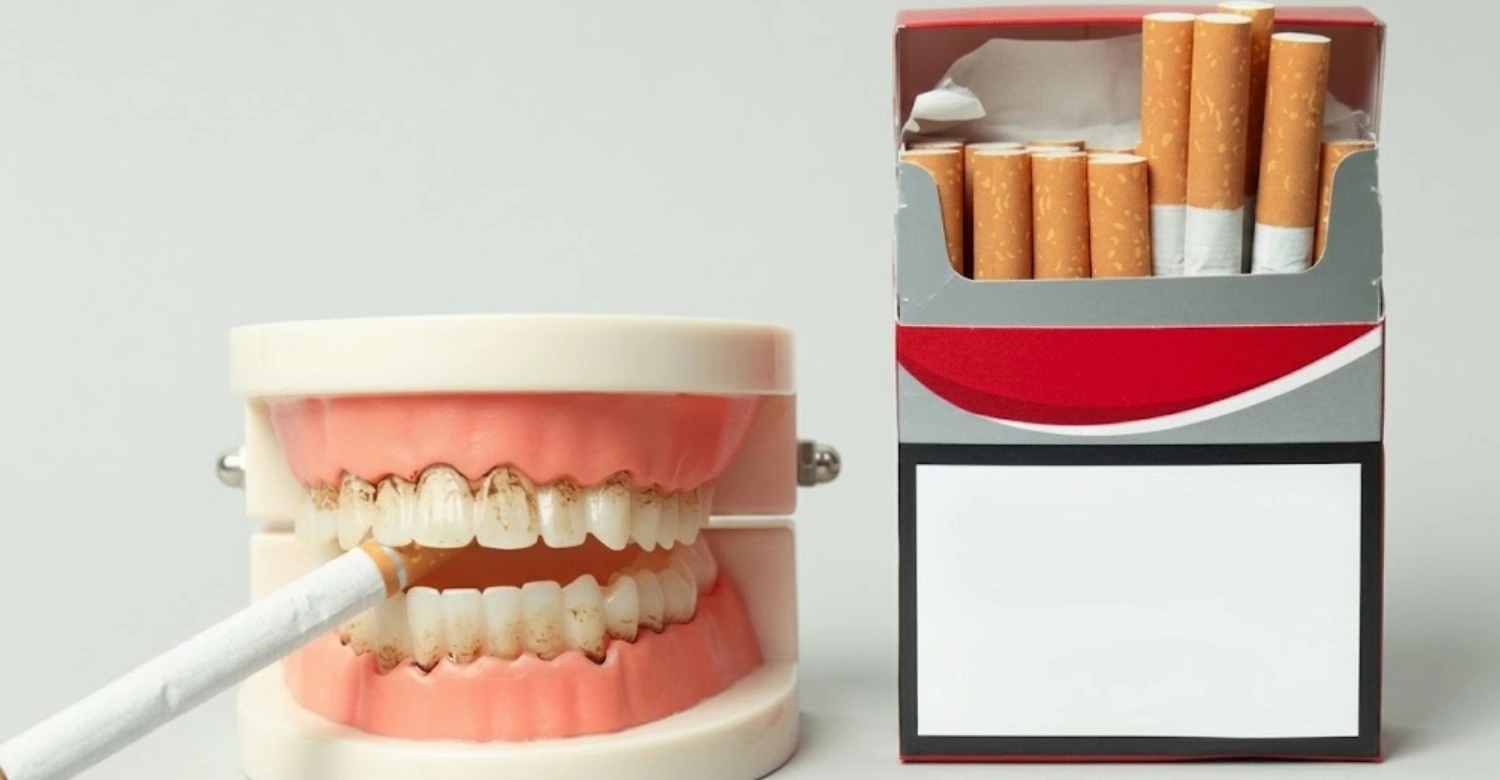
Cavity risk is another concern behind how to keep your teeth healthy if you smoke. Smoking and tooth decay are linked through several combined factors, including dry mouth, altered oral bacteria, and changes to hygiene habits. Reduced saliva flow means less natural rinsing of food particles and acids, allowing decay-causing bacteria to thrive. Smoking and tooth decay risk also increases when staining discourages patients from noticing early discoloration that could indicate a cavity forming beneath the surface. Vitrin Clinic recommends closer visual and X-ray monitoring for smoking patients to catch decay before it progresses into more extensive treatment needs.
Does Smoking Cause Tooth Decay?
This question comes up often in discussions of how to protect your teeth if you smoke. Smoking does not directly cause tooth decay, but it creates conditions that make decay more likely to develop. Dry mouth, altered bacterial balance, and plaque accumulation all contribute to a less protective oral environment. Tooth decay itself results from a combination of factors, including diet, hygiene, and genetics, so smoking is one contributing element rather than the sole cause. Still, addressing smoking and tooth decay together, through better hydration and hygiene, gives smokers a stronger foundation for preventing new cavities from forming.
How Dry Mouth Can Increase the Risk of Cavities
Saliva plays a protective role by washing away food particles, neutralizing acids, and delivering minerals that help repair early enamel damage. When saliva flow is reduced, as often happens with smoking, plaque can accumulate more easily and acid exposure lasts longer on the tooth surface. This raises the risk of cavities forming, particularly along the gumline. Staying well hydrated and using fluoride toothpaste both help offset this reduced protection, supporting stronger enamel resistance despite ongoing tobacco exposure. See how dryness ties into a bigger risk too in how gingivitis starts.
Dental Treatments Available for Smokers
Professional treatment is a key part of how to keep your teeth healthy if you smoke. Dental care for smokers covers a wide range of treatments, from routine cleanings to more involved restorative and cosmetic work. Because smoking affects healing, staining, and periodontal stability, treatment plans are often adjusted to reflect individual smoking habits and oral condition. Vitrin Clinic evaluates each patient's needs before recommending a course of care, rather than applying a single standard approach. The sections below outline common treatments smokers may consider, along with what each option can realistically achieve for a smoker's dental health.
Professional Dental Cleaning
Professional cleaning is often the first practical answer to how to protect your teeth if you smoke. It removes plaque and calculus that daily brushing cannot fully eliminate, particularly along the gumline where buildup is common in smokers. This process, known as scaling, also supports healthier gum tissue by removing bacterial deposits that contribute to inflammation. Cleaning can reduce some external tobacco staining, though deeper discoloration may require additional treatment. Results vary depending on how long staining has been present. Regular professional cleaning remains one of the most effective ways to support dental care for smokers between checkups.
Professional Teeth Whitening
Whitening is often discussed alongside how to keep your teeth healthy if you smoke. It may be appropriate for smokers once surface staining has been addressed through cleaning. Whitening primarily targets stains sitting on or near the enamel surface, rather than intrinsic discoloration deeper within the tooth. It is important to understand that whitening does not prevent future tobacco staining from developing again after treatment. Curious what results you can realistically expect? Read teeth discoloration treatment. Results and their duration vary between patients, and continued smoking typically shortens how long the effect lasts. Ongoing maintenance and touch-up treatments are often part of a realistic whitening plan.
Periodontal Treatment
Non-Surgical Periodontal Treatment
Non-surgical periodontal treatment is a common early step in how to protect your teeth if you smoke. It typically begins with professional scaling, which removes plaque and calculus above and below the gumline. When clinically indicated, root surface debridement helps smooth root surfaces, making it harder for bacteria to reattach. Improved home-care instructions are usually provided alongside these procedures, covering brushing technique and interdental cleaning. Ongoing periodontal monitoring tracks how gum tissue responds over following visits. Get the full breakdown of this procedure in dental scaling. This approach is often the first step in addressing smoking and gum disease before considering any more advanced periodontal intervention.
Advanced Periodontal Treatment
More advanced periodontal procedures may become necessary when gum disease has progressed beyond what non-surgical treatment can resolve. The specific approach depends heavily on the severity of tissue and bone involvement, which is assessed individually for each patient. Because healing can be slower in smokers, treatment planning often accounts for this reduced response. Smoking cessation, even partial, can meaningfully support periodontal treatment outcomes and improve long-term stability. See how far untreated gum disease can progress in how long you can keep your teeth with periodontal disease. Vitrin Clinic discusses realistic timelines and expected results before any advanced procedure begins.
Restorative Treatment for Tooth Decay
Restorative treatment for tooth decay typically involves fillings, though the specific approach depends on how deep and extensive the decay has become. Smaller cavities are often treated conservatively, while more advanced decay may require additional restorative steps to protect the remaining tooth structure. Patients should not wait for severe pain before seeking treatment, since early intervention is usually simpler and more predictable. Addressing smoking and tooth decay promptly helps prevent complications that can arise when cavities are left untreated for extended periods. Compare your filling and restoration options in rotten teeth treatment options.
Cosmetic Dental Treatments
Cosmetic dental treatments, including veneers and crowns, require careful consideration before proceeding, particularly for smokers. Healthy teeth and gums should be confirmed first, since cosmetic work placed over untreated disease rarely produces lasting results. Learn exactly how this process unfolds in the causes of tooth decay. Smoking can influence how quickly staining returns around restoration margins, affecting long-term appearance. It can also impact maintenance needs over time, since some materials are more resistant to staining than others. Explore your options in detail with porcelain veneers. Vitrin Clinic discusses these factors openly so patients can set realistic expectations before committing to cosmetic treatment. See how to protect a cosmetic investment long-term in veneer maintenance tips.
Before and After: What Can Smokers Expect From Dental Treatment?
Seeing real results helps illustrate how to keep your teeth healthy if you smoke. Before and after dental treatment, smokers often notice meaningful changes in how their teeth and gums look and feel. Before treatment, plaque, staining, and inflammation are common findings during examination. After treatment, patients typically see cleaner surfaces, reduced buildup, and improved gum condition, depending on the specific procedure performed. Results are not permanent without continued care, since smoking and oral health remain connected long after any single appointment. The sections below outline what to expect at each stage of treatment.
Before Professional Dental Cleaning
Before professional dental cleaning, most smoking patients present with noticeable plaque and calculus accumulation, particularly near the gumline and between teeth. Surface tobacco staining is commonly visible on the front and back of the teeth. Gum tissue may appear mildly inflamed, sometimes with slight bleeding during examination. Bad breath is another frequent finding, often linked to bacterial buildup and reduced saliva flow. These findings help guide the cleaning approach and highlight areas needing closer attention during the appointment itself.
After Professional Dental Cleaning
After professional dental cleaning, tooth surfaces typically appear noticeably cleaner, with plaque and calculus deposits removed. Some improvement in surface staining is common, though deeper discoloration may remain visible. Oral hygiene overall tends to improve immediately following the appointment, since buildup that trapped bacteria has been cleared away. When combined with consistent home care, patients often notice an improvement in breath as well. These results represent a meaningful step in ongoing dental care for smokers, though maintenance remains important.
Before and After Teeth Whitening
Before and after teeth whitening, many smokers see a noticeable reduction in certain types of tobacco-related surface staining. Results vary between patients depending on how long staining has been present and the natural shade of the underlying tooth. Deeper, intrinsic discoloration may not respond as strongly to whitening treatment. It is also important to understand that continued smoking after treatment can cause new staining to develop again. This is why maintenance and realistic expectations matter throughout the process.
Before and After Gum Treatment
Before and after gum treatment, patients often notice reduced inflammation, less bleeding, and firmer gum tissue as healing progresses. Periodontal stabilization typically develops gradually over several follow-up visits rather than immediately. Maintenance care, including regular cleanings and consistent home hygiene, plays a significant role in sustaining these improvements. Smoking cessation, when achievable, further supports long-term periodontal stability. Without ongoing care, previous gum disease symptoms can gradually return, which is why continued monitoring remains an important part of treatment.
How to Protect Teeth From Smoking
How to protect teeth from smoking comes down to consistent daily habits combined with regular professional care. Brushing, interdental cleaning, hydration, and tongue cleaning all reduce plaque and bacterial buildup that tobacco use tends to worsen. Regular dental examinations catch problems early, before they progress into more complex treatment needs. While quitting remains the most effective step for smoking and oral health, these daily habits meaningfully reduce risk in the meantime. Vitrin Clinic supports patients at every stage of this process.
Daily Dental Care for Smokers
Daily habits form the foundation of how to protect your teeth if you smoke. Daily dental care for smokers should include brushing twice daily with fluoride toothpaste and cleaning between the teeth every day. Cleaning the tongue helps reduce bacteria linked to bad breath, while avoiding aggressive brushing protects enamel and gum tissue from unnecessary wear. Drinking sufficient water throughout the day supports saliva flow, and limiting frequent sugary foods and drinks reduces decay risk. Attending regular dental examinations and following recommended professional cleaning intervals rounds out a solid daily routine for a smoker's dental health. Not flossing correctly yet? Learn how in how to use dental floss.
What If You Cannot Quit Smoking Immediately?
Quitting smoking provides the greatest benefit for oral health, but immediate cessation is not realistic for every patient. Seeking professional smoking-cessation support can make the process more manageable over time. Reducing tobacco exposure gradually, even before quitting entirely, is a meaningful step toward better smoking and oral health outcomes. In the meantime, maintaining excellent oral hygiene remains essential. Consistent daily care can meaningfully reduce risk while a patient works toward reducing or quitting tobacco use.
Tips for Patients
Brush twice daily with fluoride toothpaste.
Clean between your teeth every day.
Do not brush aggressively to remove tobacco stains. Still choosing between fluoride and fluoride-free? Compare your options in fluoridated vs. fluoride-free toothpaste.
Schedule professional dental cleanings as recommended.
Have your gums checked regularly.
Do not ignore gum recession or loose teeth.
Stay adequately hydrated.
Clean your tongue regularly.
Tell your dentist how frequently you smoke.
Seek professional support if you want to quit.
When Should Smokers See a Dentist?
Timing matters as much as technique when it comes to how to protect your teeth if you smoke. Smokers should see a dentist promptly whenever new symptoms appear, rather than waiting for a scheduled checkup. Because smoking and oral health problems can progress quietly, early evaluation often prevents more extensive treatment later. Persistent discomfort, changes in gum appearance, or new sensitivity are all reasons to schedule an earlier visit. Vitrin Clinic encourages smokers to treat unusual changes seriously rather than assuming they will resolve on their own. Prompt attention typically leads to simpler treatment.
Dental Warning Signs You Should Not Ignore
Dental warning signs smokers should not ignore include persistent gum bleeding, swollen or painful gums, and noticeable gum recession. Loose teeth and persistent bad breath that does not improve with hygiene are also significant indicators. Toothache, new tooth sensitivity, and suspected tooth decay warrant prompt evaluation rather than a wait-and-see approach. Unusual changes in oral tissues and persistent mouth sores should also be checked promptly. These symptoms sometimes indicate underlying issues that need closer attention.
How Often Should Smokers Have Dental Check-Ups?
There is no single check-up schedule suitable for every smoker, since individual risk factors vary considerably. Periodontal condition, decay risk, and smoking frequency all influence how often follow-up visits are recommended. Existing oral hygiene habits and any previous dental treatment also factor into this decision. See what a proactive dental routine actually involves in preventive dentistry at Vitrin Clinic. Some smokers benefit from more frequent monitoring than the standard interval, particularly if gum disease or staining has previously been identified. Vitrin Clinic tailors recall intervals individually based on each patient's specific oral health profile.
What We Notice Clinically
In my clinical experience, patients who smoke tend to present a recognizable pattern, says Dr. Rifat Alsaman, Head of the Medical Team at Vitrin Clinic and a cosmetic dentist. He notes that tobacco staining, plaque buildup, gum recession, and persistent bad breath often appear together rather than as isolated concerns, which is central to how to keep your teeth healthy if you smoke. This consistency shapes how he approaches examination from the start, treating smoking and oral health as connected factors rather than separate issues. The sections below outline what this looks like in practice.
Vitrin Clinic: Personalized Dental Care
Vitrin Clinic approaches how to protect your teeth if you smoke through individualized assessment rather than a one-size-fits-all routine. Every patient's smoking history, oral hygiene habits, and existing dental work are considered before any treatment is recommended. This personalized approach applies across cleaning, periodontal care, restorative work, and cosmetic dentistry alike. The goal is a treatment plan that reflects each patient's actual oral condition and realistic expectations. The sections below outline how this process works from initial assessment through ongoing care.
Comprehensive Dental Assessment
A comprehensive dental assessment at Vitrin Clinic evaluates teeth, gums, existing restorations, and any cosmetic concerns before treatment planning begins. Individualized treatment planning follows, reflecting each patient's specific oral condition rather than a generic approach. A patient's smoking history is considered throughout this process, since it can influence healing, staining, and periodontal stability. This thorough evaluation helps ensure recommendations genuinely fit each patient's needs. It supports stronger long-term outcomes across both restorative and cosmetic dental care for smokers.
Cosmetic Dentistry and Modern Dental Technology
Digital dentistry can support diagnosis and treatment planning when clinically appropriate, offering more precise imaging and planning tools for complex cases. Evaluating gum health before any cosmetic procedure remains essential, since healthy foundations support better long-term results. Curious how your future smile gets mapped out digitally? Explore Digital Smile Design. Treatment recommendations are customized according to each patient's oral condition, including factors related to smoking and oral health. This individualized approach helps ensure that modern technology is used thoughtfully, supporting outcomes that are both realistic and sustainable over time.
Vitrin Clinic Medical Team
The Vitrin Clinic medical team focuses on professional assessment, clear patient education, and realistic expectations throughout every stage of treatment. Personalized treatment planning considers each patient's oral health history, including smoking habits, to build a care plan suited to their specific needs. This approach supports better outcomes across cleaning, periodontal treatment, and cosmetic dentistry alike. Patients are guided through their options with clear explanations, helping them understand how to protect their teeth if they smoke while pursuing their treatment goals.
Call to Action
Understanding how to protect your teeth if you smoke starts with a personalized evaluation. Vitrin Clinic offers a FREE treatment plan for patients ready to address staining, gum health, or restorative needs. This assessment considers smoking history, current oral condition, and individual goals before recommending any course of care. Whether the priority is cleaning, periodontal treatment, or cosmetic improvement, a tailored plan helps. Realistic expectations start from the very first consultation with the Vitrin Clinic team.
References:
FAQs

Dr. Rifat Alsaman has more than 5 years of clinical experience in dentistry and currently serves as the Head of the Medical Team at Vitrin Clinic. He is dedicated to providing exceptional patient care, overseeing treatment planning, and ensuring the highest clinical standards across the team. His expertise, attention to detail, and commitment to continuous professional development have helped countless patients achieve healthier, more confident smiles.


