General Dentistry
September 21, 2026
Tooth Agenesis: What It Is, Causes, Types, and Treatment?
 Dr. Rifat Alsaman
Tooth agenesis is a developmental condition in which one or more permanent teeth never form. It can affect appearance, chewing, speech, and alignment. Early dental assessment matters when a tooth does not erupt as expected. This guide covers diagnosis, treatment options, timing, and how congenital absence differs from other causes of missing teeth, so you can understand your choices with confidence.
Tooth Agenesis: Definition, Meaning, and How It Develops
The condition begins early, when a tooth germ fails to form normally, so no crown or root ever appears. Dentists separate it from teeth that are hidden or lost later. This section covers the definition, dental meaning, related terms, and types.
What Is Tooth Agenesis?
It is a congenital condition where the tooth germ fails to develop, so the tooth never forms. That differs from an impacted tooth, or one lost to disease or trauma. In other words, the tooth was never there.
Tooth Agenesis Meaning in Dental Terms
Agenesis means failure to form. Dentists identify it through clinical examination and dental X-rays, which show whether a tooth germ exists beneath the gum. Without imaging, a missing tooth is easily misread, so accurate diagnosis protects patients from unnecessary treatment.
Tooth Agenesis vs Hypodontia
Agenesis is the broad term for congenital tooth absence. Hypodontia usually describes fewer missing teeth, while oligodontia and anodontia cover more. Some sources use these terms interchangeably. Your dentist will explain how many teeth are missing and which ones.
Types of Tooth Agenesis
There are three main forms, based on how many teeth are absent: hypodontia, oligodontia, and anodontia. Hypodontia is by far the most common. The other two are rare and often need broader evaluation.
Hypodontia
Hypodontia is the absence of fewer than six teeth, excluding wisdom teeth. Second premolars and upper lateral incisors are most often missing. Even one absent tooth can shift its neighbors and affect the bite. Treatment is usually manageable, and it depends on age, spacing, and the position of the missing tooth.
Oligodontia
Oligodontia means six or more permanent teeth are missing, excluding wisdom teeth. The bite, jaw growth, and facial support can all be affected. Orthodontists, surgeons, and restorative dentists often work together, and broader assessment may be advised.
Anodontia
Anodontia is the complete absence of teeth. It is very rare and often linked with genetic conditions, so medical evaluation is important. Treatment restores chewing, speech, and appearance, often with removable or implant-supported prostheses.
Note: All images used are for editorial and illustrative purposes only and may not originate from the original news provider or associated company.
Learn about melioidosis and oral health
Tooth Agenesis Causes and Risk Factors
Causes are usually a mix of genetic and developmental factors. Heredity plays the leading role, and some cases appear alongside syndromes. Reassuringly, neither patients nor parents are to blame. The sections below separate proven causes from possible contributors.
Genetic Factors
Heredity is the most established influence. Missing teeth often run in families, and genes such as PAX9, MSX1, and AXIN2 have been linked with the condition. Family history raises the likelihood but does not guarantee it.
Syndromes and Developmental Conditions
Multiple missing teeth sometimes occur with ectodermal dysplasia or cleft lip and palate. Extensive absence may warrant evaluation by a pediatrician or geneticist. Identifying a syndrome early helps families receive coordinated care.
Environmental and Developmental Influences
Some childhood illnesses, treatments, and early developmental disturbances have been studied as contributors. Many of these links remain uncertain and should not be treated as proven causes. Discuss any concerns openly with your dental team.
Why Some People Develop Tooth Agenesis Without Another Health Condition
Many people have isolated absences with no underlying condition. This non-syndromic form is the most common. Nothing a parent did during pregnancy, or a child did while growing up, can usually be blamed.
Tips for Patients
Practice small, consistent habits to help protect your smile.
Make informed decisions about treatment when a tooth is congenitally missing.
These tips can apply to children, teenagers, and adults.
Ask your dentist to adapt each recommendation to your age, growth stage, and individual dental needs.
Do Not Assume a Missing Tooth Is Congenitally Absent
A tooth that has not appeared may be impacted, delayed, or hidden. A panoramic X-ray shows whether a tooth germ exists. An impacted tooth can be guided into position, while a truly absent tooth needs another approach.
Maintain the Health of Retained Baby Teeth
A baby tooth may stay for years when its successor is missing. It holds space, supports chewing, and preserves bone. Brush carefully, clean between teeth, and attend checkups, because baby teeth have shorter roots.
Protect Neighboring Teeth
Teeth beside a gap carry extra stress and can drift or tilt. Brush twice daily with fluoride toothpaste, clean between teeth every day, and attend regular exams. Healthy neighbors give specialists more options later.
Ask About Growth Before Considering Implants
Implants do not move as the jaw grows. Placed too early, they can end up out of position. Ask whether growth is complete. A temporary solution often works well until the jaw has matured.
Get a Comprehensive Treatment Plan
Missing teeth often involve several specialties, and the order matters. Ask whether orthodontics, restorative care, periodontal treatment, or implants should come first. A written plan clarifies timing, results, and maintenance.
Discover why chewing pens can be bad for your teeth
Signs and Symptoms of Tooth Agenesis
This condition rarely causes pain, so the signs are usually visible. Common clues include a late permanent tooth, retained baby teeth, gaps, and bite changes. Early recognition makes treatment simpler. Some people only learn about it as adults, so know these patterns.
A Permanent Tooth Does Not Erupt
A delayed eruption is often the first sign. If a tooth is months late, or its opposite has already erupted, see a dentist. The cause may be agenesis, impaction, or crowding, and an X-ray tells them apart.
Persistent Baby Teeth
When the permanent successor is absent, nothing pushes the baby tooth out. It may stay stable for years, though its root can resorb over time. Ask your dentist to check what lies beneath it.
Gaps Between Teeth
Spaces are a visible sign of missing teeth, and neighboring teeth may drift into them. Food can collect there, raising the risk of gum irritation. An assessment shows whether the gap is cosmetic only.
Changes in Bite and Tooth Position
A missing tooth changes how teeth meet. Neighbors may drift, tilt, or rotate, and opposing teeth can move too. These shifts affect comfort and the smile, so early checkups let your dentist guide teeth back safely.
Tooth Agenesis in Adults
Adult cases are often found by chance on an X-ray. Adults have finished growing, so more options exist, including implants. Drifted teeth and reduced bone may need extra planning. It is never too late for assessment.
Explore the relationship between tick-borne diseases and oral health
How Is Tooth Agenesis Diagnosed?
Diagnosis starts with a careful look and moves to imaging. Accurate diagnosis is essential, because a hidden tooth and a missing tooth need very different care. The process is simple and usually comfortable. You will know what to expect at every step.
Clinical Dental Examination
Your dentist checks for missing or unerupted teeth, retained baby teeth, spacing, bite, gums, and bone. They also review your dental and family history. The exam is painless and guides the choice of imaging.
Dental X-Rays and Imaging
A panoramic X-ray shows all teeth and both jaws in one image, including developing tooth germs. Periapical or bitewing images add close detail. Your dentist chooses the lowest dose and the most useful image.
CBCT and 3D Assessment
CBCT gives three-dimensional information on bone volume, neighboring roots, and impacted teeth. It supports implant planning. Because it involves more radiation, dentists order it only when the extra detail will change decisions.
Differentiating Agenesis From an Impacted Tooth
An impacted tooth exists but cannot erupt, while agenesis means it never formed. In the mouth, the two look identical. Imaging prevents misdiagnosis, since an impacted tooth can often be guided into place.
Learn about H5N1 bird flu and oral health
Tooth Agenesis Treatment Options
Treatment depends on age, the number of missing teeth, bone, gums, and bite. There is no single best option, and many patients need a combination. These sections explain each approach and its limits.
Monitoring and Maintaining a Retained Baby Tooth
A healthy, well-positioned baby tooth does not always need removal. Your dentist evaluates its root, position, and prognosis. Some last into adulthood. Monitoring preserves bone and space, and postpones complex treatment until growth is complete.
Orthodontic Space Closure
Braces or aligners can move neighboring teeth together, so no replacement is needed. This works best when crowding is present or the space is small. Reshaping may follow so the moved teeth look natural.
Orthodontic Space Opening
Space opening preserves room for a future bridge or implant. It protects smile symmetry and adjacent roots. A retainer or temporary tooth often holds the space until the patient is ready for a permanent replacement.
Dental Bridge
A bridge replaces a missing tooth without implant surgery, restoring chewing and appearance quickly. However, neighboring teeth usually need preparation, and the area beneath needs careful cleaning. A resin-bonded bridge is a more conservative option.
Dental Implant
An implant is a titanium post in the jaw, topped by a crown. It suits patients with adequate bone and finished growth. It leaves neighboring teeth untouched, but needs careful hygiene and regular checkups.
Bone Grafting Before Implant Placement
Bone in the area may be reduced when a tooth never formed. If bone is insufficient, grafting builds a stable foundation for the implant. Imaging shows how much is available, and your surgeon explains the healing time.
Veneers or Cosmetic Reshaping After Orthodontic Treatment
When a canine replaces a lateral incisor, its shape and color can be adjusted to match. Veneers or reshaping refine the smile once teeth are stable. They do not replace the missing tooth itself.
Dive deeper into the oral-gut microbiome axis
Choosing the Right Tooth Agenesis Treatment
Choosing the right plan means matching treatment to the person. Age, growth, bone, gums, bite, and aesthetic goals all play a part. A plan that suits one patient may be wrong for another.
Treatment Planning Based on Age
Children need monitoring and preventive care. Adolescents often benefit from orthodontics timed with growth. Adults have finished growing, so implants and bridges become practical. Correct timing avoids repeated procedures.
Number and Location of Missing Teeth
One missing lateral incisor calls for a different strategy than several missing teeth. A front tooth affects the smile most, while a back tooth affects chewing more. Multiple absences need coordinated planning.
Bone and Gum Condition
Healthy gums and enough bone are the foundation of any lasting restoration. Gum disease should be treated first, and grafting may be discussed where bone is limited. Never skip this step.
Bite and Overall Tooth Alignment
A new tooth must fit the bite without excessive pressure. Ignoring occlusion can cause wear, discomfort, or failure. Orthodontic treatment may be needed first to create a balanced bite.
Aesthetic Expectations
Tooth shape, color, gum symmetry, and smile proportions shape the final look. Your dentist will discuss what is realistically achievable. Digital previews or temporary restorations help you visualize the result. Honest expectations prevent disappointment later. Minor asymmetry is normal.
Find out more about Alexander disease and oral health
Benefits and Expected Results of Tooth Agenesis Treatment
Treatment brings functional, aesthetic, and protective benefits. Results vary with the treatment chosen and the patient's condition. Most patients care about comfort, appearance, and long-term stability. Careful planning can address all three.
Restoring Dental Function
Treatment can improve chewing and restore balanced contact. Bite forces spread more evenly, reducing strain on remaining teeth. Speech may improve when front teeth are involved. Function depends on the whole bite.
Improving Smile Symmetry
Closing or replacing visible spaces makes the smile look more balanced. Symmetry does not mean perfection. It means natural harmony. Digital previews show likely changes before you begin.
Protecting Neighboring Teeth
Good space management reduces unwanted movement. An untreated gap lets neighbors tilt and opposing teeth over-erupt. Retainers and checkups keep results stable and support the final restoration.
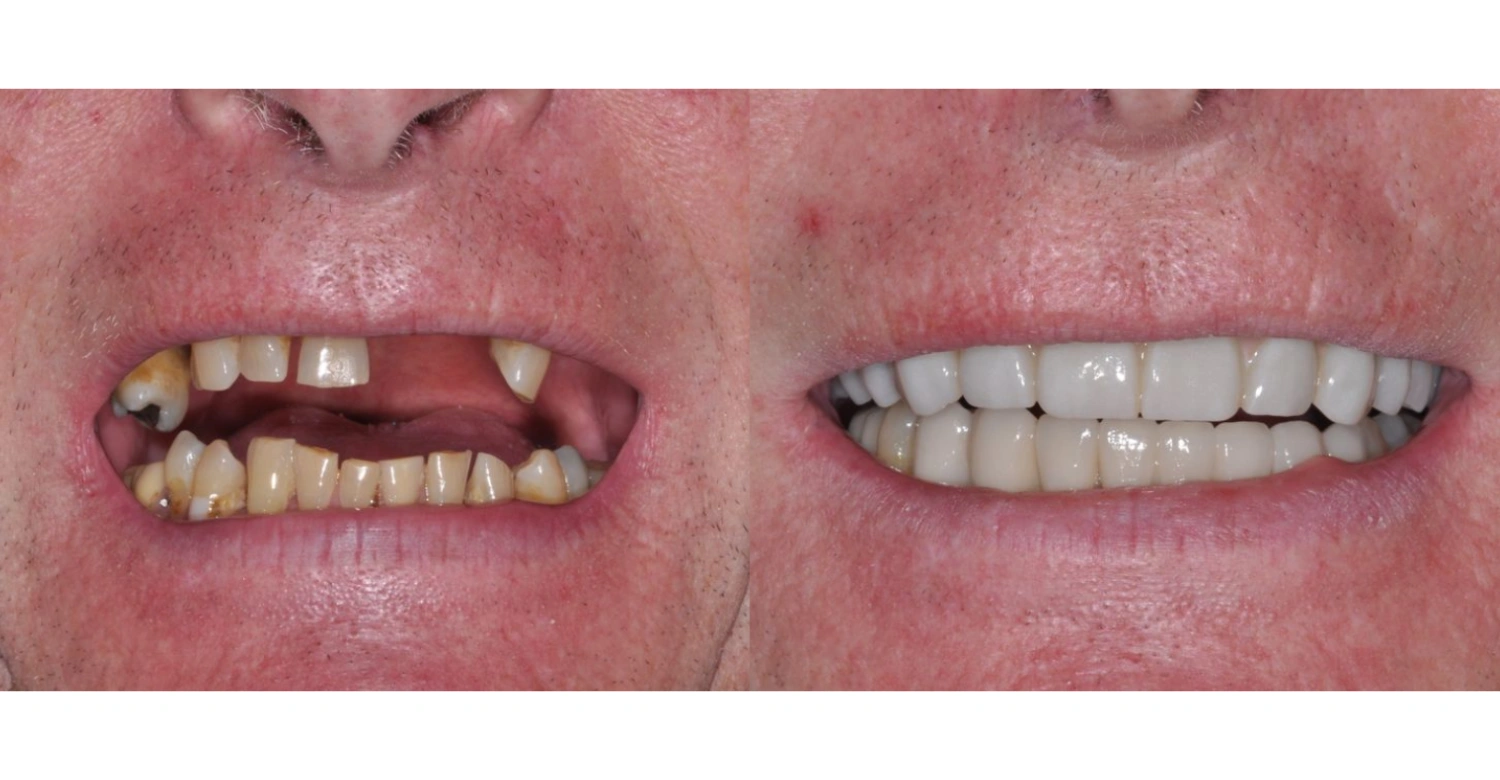
What Before-and-After Results Can Realistically Show
Photos show changes in spacing, replaced teeth, or tooth proportions, depending on the treatment. No photo promises your result, because every mouth differs. Ask your dentist what is realistic for your teeth, bone, and bite.
Clinical Note
This note shares the perspective of Dr. Rifat Alsaman, Head of the Medical Team at Vitrin Clinic and a cosmetic dentist. He stresses that treatment should follow dental development, and that the whole bite must be assessed.
Why Timing Matters in Congenital Tooth Absence
Dr. Rifat Alsaman, Head of the Medical Team at Vitrin Clinic and a cosmetic dentist, explains that treatment should follow dental development rather than filling the gap quickly. Acting too early can compromise growth, bone, and neighboring teeth.
Treatment Should Be Planned Around the Whole Bite
Replacing a tooth without assessing occlusion creates an incomplete plan. A new tooth must work with the opposing teeth, the jaw joint, and the gums. Multidisciplinary planning helps each stage support the next.
Preventing Complications After Tooth Agenesis Treatment
Treatment does not end when the restoration is placed. Hygiene, retention, and follow-up prevent complications. Consistency matters more than intensity, so keep every scheduled appointment. Steady care protects the smile you invested in.
Oral Hygiene Around Bridges or Implants
Brush twice daily with a soft brush and fluoride toothpaste. Clean beneath bridges with floss threaders, interdental brushes, or a water flosser. Professional maintenance removes buildup you cannot reach at home.
Retention After Orthodontic Treatment
Teeth tend to drift back after space closure or opening. Retainers hold them steady while bone and gums adapt. Follow your orthodontist's instructions closely, because skipping retention can undo months of work.
Regular Monitoring
Your dentist checks the restoration, neighboring teeth, gums, and bites at scheduled visits. Small problems, such as a loose crown or gum recession, are easier to fix early. Growing patients may need more frequent reviews.
When to Contact Your Dentist
Contact your dentist about persistent pain, swelling, mobility, bleeding, bite changes, or a loose crown. Do not wait for symptoms to settle. For severe swelling or trouble breathing or swallowing, seek urgent medical care.
Explore antibiotic stewardship in dentistry
What We Notice Clinically
Dr. Rifat Alsaman, Head of the Medical Team at Vitrin Clinic and a cosmetic dentist, considers age, bone development, occlusion, neighboring teeth, and gums before choosing a solution. Sometimes the healthiest plan starts with orthodontics, monitoring, or periodontal care.
Why the Missing Tooth Is Only One Part of the Diagnosis
Neighbors can migrate, and bone in the area may be reduced. Aesthetics and function must be evaluated together, because a good-looking result that does not work well will not last.
When Multiple Missing Teeth Need Broader Evaluation
Extensive absence can point to a wider developmental situation. Dr. Rifat Alsaman, Head of the Medical Team at Vitrin Clinic and a cosmetic dentist, advises coordinated dental, orthodontic, surgical, and medical input so care is not fragmented.
Tooth Agenesis Treatment at Vitrin Clinic
Care begins with understanding the whole patient, not just the gap. The team evaluates dental condition, growth, bite, gums, and goals before recommending a path. Every step is explained.
Individualized Dental Assessment
Vitrin Clinic evaluates overall dental condition rather than treating the gap as an isolated cosmetic problem. Assessment includes examination and imaging, with CBCT and intraoral scanning when clinically indicated. Nothing is ordered without a reason. Each tool answers a specific clinical question.
Coordinating Orthodontic, Surgical, and Restorative Care
Orthodontic care positions teeth, surgical care prepares bone or places implants, and restorative care rebuilds the final tooth. Sequencing these steps before definitive restoration protects healthy structures and gives patients one clear plan.
Dr. Rifat Alsaman and the Vitrin Medical Team
Dr. Rifat Alsaman is the Head of the Medical Team at Vitrin Clinic and a cosmetic dentist. He coordinates treatment planning for complex restorative and cosmetic cases, emphasizing thorough assessment, realistic expectations, and preservation of healthy structures.
From Assessment to a Personalized Treatment Plan
Your journey follows clear steps: consultation → examination → imaging when indicated → diagnosis → treatment options → sequencing → treatment → follow-up. At each stage, you receive an explanation and time to ask questions. The final plan reflects your age, bite, bone, and goals. Vitrin Clinic builds each plan around clinical findings, so you know why every step is recommended. Nothing is rushed, and nothing is left unexplained. Follow-up visits keep results stable over time. Ready to understand your options?
Book Your FREE Treatment Plan.
References:
FAQs
Dr. Rifat Alsaman has more than 5 years of clinical experience in dentistry and currently serves as the Head of the Medical Team at Vitrin Clinic. He is dedicated to providing exceptional patient care, overseeing treatment planning, and ensuring the highest clinical standards across the team. His expertise, attention to detail, and commitment to continuous professional development have helped countless patients achieve healthier, more confident smiles.


.webp&w=3840&q=75)


