
Veneers recovery is different for every patient, and there is no single number that fits everyone. Some people feel completely normal within a day, while others need a little longer to adjust to their new smile. Understanding the recovery process helps set realistic expectations before treatment even begins. It also helps to separate two things: recovering from the actual procedure, and adapting to the feel of the new veneers. Many patients return to normal daily activities almost immediately. Mild gum tenderness, bite awareness, and sensitivity usually settle over the following days as the mouth adjusts to the change.
Understanding the Veneers Recovery Process
Veneers recovery depends on several personal factors rather than one fixed timeline. The amount of enamel preparation plays a role, since more preparation can mean more initial sensitivity. The number of veneers placed also matters, as does any existing tooth sensitivity before treatment. Gum health, bite and occlusion, and the type and thickness of veneer chosen all influence how the healing process feels day to day. Temporary veneers often feel different from permanent ones, which can affect early comfort. Because so many variables are involved, this recovery period should always be viewed as an individual process rather than a fixed countdown. Not sure which veneer material is right for you? Compare your options in porcelain veneers.
How Long Does It Take to Recover From Veneers?
How long does it take to recover from veneers is one of the most common questions patients ask. For most people, routine discomfort in the days after treatment is temporary and fades within a short period. Sensitivity, gum tenderness, and bite awareness generally ease as the mouth adapts. Rather than relying on a fixed timeline, it is more accurate to say that this adjustment period should be evaluated based on how symptoms behave. If discomfort lingers or gets worse instead of improving, that is a sign to check in with a dental professional rather than waiting it out.
What Happens During the First 24 Hours?
The first day after treatment is often the most noticeable part of recovery after veneers. Patients may experience initial sensitivity to temperature or pressure, along with mild gum tenderness around the new restorations. It is common to feel unusually aware of the new tooth shape, and some people notice slight changes in speech or bite perception at first. During this early stage, it helps to avoid putting unnecessary pressure on the newly treated teeth. Chewing gently and avoiding hard foods can make this first stretch more comfortable while the mouth begins adjusting.
What Happens During the First Week?
Within the first week, healing usually becomes noticeably easier. Sensitivity should generally feel less noticeable than it did on day one, and gum tenderness tends to calm down as well. Most patients start becoming accustomed to the shape and texture of their veneers during this stage. This is a normal part of adaptation. However, it is worth distinguishing typical adjustment from symptoms that need professional review. If pain, swelling, or bite discomfort continues past the first week, a dental check-up is the right next step.
What to Expect After Veneers
Knowing what to expect after veneers can make the adjustment period feel far less uncertain. Most patients notice a combination of mild sensitivity, gum awareness, and a slightly unfamiliar bite in the early days. These sensations are a normal part of veneers recovery and typically fade with time. What to expect after veneers also includes practical guidance on eating, cleaning, and protecting the new restorations. Understanding these patterns in advance helps patients feel more confident. It also eases unnecessary worry about ordinary sensations that are simply part of adjusting to a new smile.
Veneers Sensitivity After Treatment
Veneers sensitivity after treatment is common and usually temporary. Teeth can feel sensitive to cold, hot, or pressure while the mouth adapts to the new restorations. There is an important difference between mild, short-lived sensitivity and pain that feels concerning or does not improve. Patients who already had sensitive teeth before treatment may notice a more pronounced reaction during early veneers recovery. In most cases, veneers sensitivity after treatment gradually decreases on its own. If sensitivity feels severe or continues without improvement, it is worth having it professionally assessed rather than managing it alone. Already feeling discomfort when you eat or drink? Read why your teeth hurt when you eat.
Pain After Veneers
Pain after veneers is not typically expected following a routine placement. When discomfort does occur during veneers recovery, it can usually be traced back to a specific cause. Tooth sensitivity, gum irritation, a bite that feels uneven, or excessive contact while biting are common contributors. Occasionally, an underlying dental issue may be involved. Mild discomfort that fades within days is generally considered normal. However, patients experiencing pain after veneers that is persistent, sharp, or worsening should contact their dental provider. The cause can then be properly identified and addressed.
Gum Tenderness and Irritation
Gum tenderness is a common part of the early days after treatment, especially around the margins of the new veneers. This usually reflects temporary inflammation as the gum tissue adjusts to the restoration. Gentle, consistent oral hygiene during this period supports healing without irritating the area further. Soft brushing and careful interdental cleaning are usually recommended. While mild tenderness is expected, persistent bleeding or ongoing swelling should never be ignored. These signs suggest that this stage is not progressing as expected and deserve a professional evaluation rather than being left untreated. Persistent bleeding or swelling shouldn't be ignored — see what it means in our full guide to gum bleeding.
Tips for Patients
Follow the dentist's specific aftercare instructions.
Avoid excessive biting pressure during the initial adjustment period.
Maintain excellent brushing and interdental cleaning.
Avoid chewing hard objects.
Do not use teeth as tools. Discover how a custom night guard protects new restorations in night guard for bruxism.
Monitor sensitivity rather than ignoring persistent symptoms.
Attend recommended follow-up appointments.
Keep regular dental check-ups.
Maintain healthy gums.
Manage teeth grinding or clenching.
Replace damaging habits with safer alternatives.
Maintain a balanced diet and good oral hygiene.
Eating After Getting Veneers
Eating after getting veneers is possible fairly soon for most patients, though a gradual approach is usually best. Softer foods tend to feel more comfortable in the early days if any sensitivity is present. Because the mouth is still adjusting, avoiding excessive biting force helps protect the new restorations during this early stage. Eating after getting veneers becomes easier day by day as tenderness fades. Patients are generally encouraged to ease back into their normal diet gradually rather than testing hard or sticky foods too soon after treatment. See how recovery timing compares across other same-day treatments in recovery after same-day dental treatment.
What Foods Are Best Immediately After Veneers?
Immediately after treatment, soft and easy-to-chew foods are usually the most comfortable choice. Foods served at moderate, comfortable temperatures can also help reduce sensitivity during early veneers recovery. It is often best to avoid very hard or sticky foods while the mouth is still adapting. This is especially true if the dentist has recommended a cautious approach. Choosing gentler meals in these first days is not about strict rules but about comfort. As sensitivity fades and this adjustment period progresses, most patients can gradually reintroduce a wider variety of foods without difficulty.
What Foods Should You Avoid?
Certain foods are worth avoiding while healing is still underway. Very hard foods and biting directly into hard objects can place unnecessary stress on new restorations. Sticky foods are another concern, since they can pull at the veneer surface or margins. Using teeth to open packages or bite non-food objects should always be avoided, both during recovery and afterward. These habits carry a real risk of chipping or dislodging veneers. Being mindful of these choices protects both comfort and the long-term stability of the results.
When Can You Eat Normally Again?
Many patients are able to resume a fairly normal diet relatively quickly once early sensitivity has settled. As veneers recovery progresses, chewing becomes more comfortable and confidence around eating naturally increases. That said, returning to a normal diet does not mean abandoning sensible habits. Long-term protection still matters, so patients are encouraged to avoid extremely hard or sticky foods indefinitely, not just during the early recovery window. Treating eating habits as part of ongoing care helps veneers stay intact and functioning well for years to come.
Veneers Aftercare: How to Protect Your New Smile
Veneers aftercare plays a major role in how well results hold up over time. Veneers are durable, but they still rely on consistent oral hygiene and sensible daily habits to perform well long term. It's worth remembering that veneers do not make the underlying teeth immune to decay or gum disease. Ongoing veneers aftercare protects both the restoration and the natural tooth structure beneath it. Treating veneers aftercare as a long-term commitment, rather than a short recovery task, is what helps patients enjoy their results for years. Get the full daily care routine in veneer maintenance tips.
How to Care for Veneers After Treatment
Knowing how to care for veneers after treatment starts with the basics done consistently. Brushing twice daily with proper technique and cleaning between teeth every day are essential habits. Regular dental examinations help catch any small issues early, and following individualized professional recommendations ensures the approach fits each patient's needs. Teeth should never be used as tools, and grinding or clenching should be addressed if present. These simple, consistent habits are the foundation of how to care for veneers after treatment and support lasting comfort and function. Not flossing correctly around your new restorations yet? Learn how in how to use dental floss.
Veneers Care After Treatment: Daily Habits That Matter
Veneers care after treatment comes down to small daily habits repeated consistently. Good plaque control matters throughout the mouth, with particular attention paid to the gumline where irritation is more likely. Using dental floss or another suitable interdental cleaning method helps maintain healthy tissue around each veneer. Keeping routine professional hygiene appointments allows any early issues to be caught quickly. Discussing suitable oral-care products with a dental provider can also make daily veneers care after treatment more effective and better suited to each patient's mouth.
Protecting Veneers From Chipping or Fracturing
Excessive biting force is one of the main risks to veneer longevity. Habits such as nail biting, pen chewing, or chewing ice can gradually damage veneers, even when each individual instance seems minor. Being mindful of these behaviors is an important part of protecting results after veneers recovery is complete. For patients who grind or clench their teeth, a night guard may be clinically recommended to reduce pressure during sleep. Addressing these habits early helps prevent chipping or fracturing and supports the long-term durability of veneers. Already dealing with grinding or clenching? Explore night guards for bruxism.
Common Concerns During Veneers Recovery
A number of questions come up repeatedly during this stage, and most have straightforward answers. Patients often want to know whether what they are feeling is normal or something that needs attention. Understanding common patterns during veneers recovery can ease unnecessary worry while still encouraging patients to flag anything unusual. This section addresses some of the most frequent concerns raised in this period. Topics range from sensitivity and bite changes to knowing when it makes sense to reach out to a dental provider.
Is Sensitivity Normal After Veneers?
Some sensitivity is expected during the early days, particularly to cold, hot, or pressure. This is usually temporary and tends to fade as the mouth adjusts to the new restorations. Persistent sensitivity that does not improve over time is different from this expected pattern and deserves attention. The condition of the tooth before treatment also plays a role, since teeth that were already sensitive may take a little longer to settle. Understanding this distinction helps patients know when sensitivity fits within this normal pattern and when it doesn't.
Is It Normal for My Bite to Feel Different?
It is common to notice changes in tooth shape or contact right after treatment, and this is a normal part of veneers recovery. Patients sometimes feel that one tooth is meeting slightly earlier than the others when biting down. This should be checked rather than left alone, since an uneven bite can affect comfort. In some cases, an occlusal adjustment may be recommended to fine-tune how the teeth come together. Flagging bite changes early makes the healing process smoother and helps avoid unnecessary strain on the new restorations. Curious how dentists actually assess your bite before treatment even begins? See Digital Smile Design.
Why Do My Veneers Feel Strange?
Feeling strange, or overly aware of the new teeth, is a very normal part of the adaptation stage. Differences in tooth contour, length, texture, and how the lips make contact with the teeth can all feel unfamiliar at first. This awareness usually decreases steadily as the mouth and mind adjust to the new shape. Most patients stop noticing these sensations within a short period. Reassurance and time are often all that is needed for this stage of veneers recovery to resolve naturally.
When Should I Contact My Dentist?
Certain signs should prompt a call to the dentist rather than waiting things out. These include persistent or worsening pain, severe sensitivity, or pain specifically when biting down. A veneer that feels loose, or one that appears chipped or fractured, also needs prompt attention. Significant gum swelling or bleeding, along with a noticeable bite problem, are additional reasons to seek review. Reaching out early during this stage when any of these symptoms appear helps address issues before they become more complicated.
Clinical Note
Veneers recovery should always be monitored according to each patient's individual clinical condition rather than a generic timeline found online. Recovery information can offer a general picture, but it cannot replace an in-person examination. A proper assessment considers the teeth, gums, bite, veneer margins, and the patient's reported symptoms together. This individualized approach is central to how the recovery stage is evaluated in practice. Patients are encouraged to reach out to their dental provider if discomfort does not improve as expected. Waiting for symptoms to resolve on their own is not recommended.
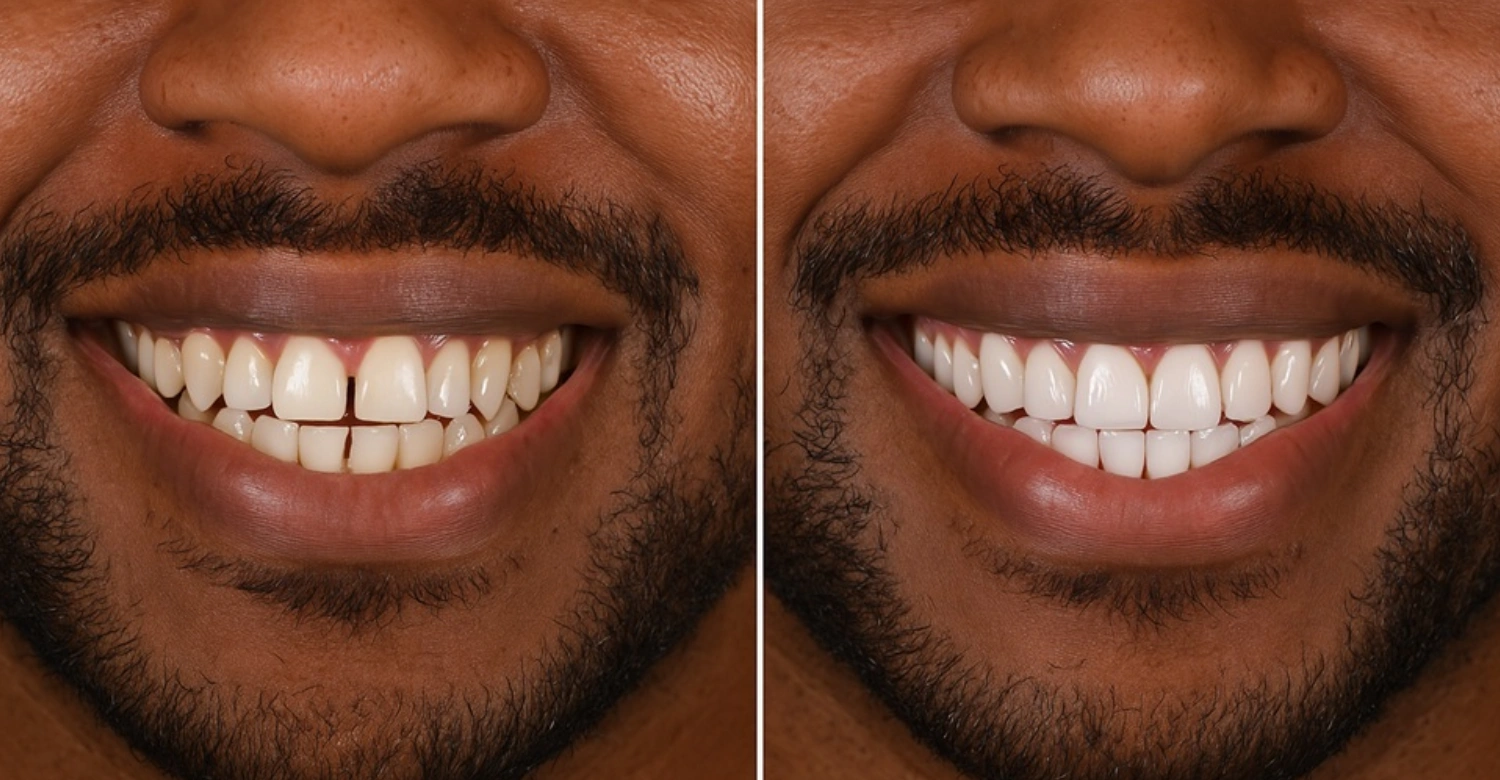
Veneers Recovery Before and After: What Patients Can Expect
This before-and-after period involves a clear shift from initial adjustment to normal daily function. Immediately after placement, the aesthetic result is often visible right away, even though physical adaptation can take a little longer. It's worth remembering that veneers are not simply a cosmetic covering; the underlying teeth and gums still require attention and care. Setting realistic expectations about comfort, function, and appearance from the start makes this entire process feel more predictable and far less stressful for patients.
Before Veneers
Before treatment begins, a thorough dental examination takes place to assess enamel and overall tooth structure. Gum health is evaluated, along with how the bite currently functions. Aesthetic goals are discussed in detail so the final result matches what the patient is hoping to achieve. This information feeds directly into treatment planning, including decisions about veneer type and thickness. A well-planned starting point supports smoother veneers recovery later, since many potential issues can be identified and addressed before any preparation work begins. Learn why healthy gums come first in the stages of periodontal disease.
Immediately After Veneers
Right after treatment, the new smile appearance is usually immediately visible, even while physical adjustment continues. Mild sensitivity and gum tenderness are common in these early hours, along with some initial awareness of the bite. Clear dietary and oral-care guidance at this stage supports a more comfortable start to healing. This phase is temporary for most patients, and everyday sensations tend to settle steadily as the days pass. Following aftercare instructions closely during this window makes a noticeable difference in comfort. Curious what a faster same-day option actually looks like? Explore same-day veneers and smile makeover.
After Recovery
Once this stage is largely complete, most patients report improved comfort and far less awareness of the new restorations. Adaptation to the new tooth contours becomes second nature, and normal eating and speaking return for the great majority of patients. At this stage, attention shifts toward long-term maintenance rather than day-to-day adjustment. Consistent hygiene, regular check-ups, and sensible habits become the priority going forward. This ongoing care is what allows the results of this recovery period to remain stable and comfortable for years. Ready to see the ultimate version of this transformation? Don't miss what a Hollywood Smile involves.
When Veneer Recovery May Require a Follow-Up Appointment
Certain situations during this stage call for a follow-up appointment rather than waiting to see if things improve. These include persistent sensitivity, pain when biting, or an uneven bite that doesn't seem to settle. Veneer movement, chipping, gum irritation, and unexpected changes in appearance are also reasons to schedule a review. Early professional assessment is always preferable to attempting to correct these issues independently at home. Recognizing these signs promptly helps keep healing on track and prevents small concerns from developing into larger problems later.
Why Professional Follow-Up Matters After Veneers
Professional follow-up plays an important role in supporting a smooth veneers recovery over time. Checking the veneer margins and how the gum tissue is responding helps confirm that healing is progressing as expected. Bite and occlusion are also assessed to make sure the teeth are functioning comfortably together. This kind of follow-up can identify potential complications early, often before they become noticeable to the patient. Consistent professional monitoring throughout this adjustment period contributes directly to long-term function and the lasting appearance of the results.
What We Notice Clinically
This section reflects the practical, hands-on experience of Dr. Rifat Alsaman, Head of the Medical Team at Vitrin Clinic and a cosmetic dentist, rather than generic advice found online. Every patient presents a slightly different combination of tooth structure, gum health, and expectations, and that shapes how healing is guided in practice. Dr. Rifat Alsaman's goal is always to support comfortable recovery while keeping an eye out for anything that falls outside a typical pattern. These observations are shared to help patients understand what a considered, individualized approach actually looks like in a clinical setting.
Clinical Perspective
In clinical practice, veneers recovery is assessed individually rather than measured against one fixed timeline. Factors such as the amount of enamel preparation, existing sensitivity, gum health, occlusion, and a patient's previous dental history all shape how recovery unfolds. Mild, expected sensitivity can typically be monitored without concern. Unusual or persistent symptoms, on the other hand, call for a closer clinical look. This individualized view of the recovery process reflects how varied each patient's starting point and healing pattern can genuinely be.
Why Recovery Can Differ From Patient to Patient
This process differs from person to person for good reason. A more conservative approach to enamel preparation can influence postoperative sensitivity, often resulting in a gentler recovery. Checking the bite and veneer margins carefully also plays a meaningful role in how comfortable the adjustment period feels. Successful veneer treatment depends on both aesthetics and biological considerations working together. Recognizing that veneers recovery is never truly one-size-fits-all helps set expectations that match each patient's actual healing pattern and clinical situation.
What Patients Should Not Ignore
Persistent pain, ongoing bite discomfort, or sensitivity that doesn't improve should never be dismissed during veneers recovery. These signs are worth raising promptly rather than waiting to see if they resolve on their own. Early assessment can help identify issues before they become more complicated to manage. Scheduled follow-up appointments exist specifically to catch these situations while they are still straightforward to address. Taking these signs seriously is one of the simplest ways patients can protect both comfort and results throughout this process.
Vitrin Clinic: Professional Guidance for Your Veneer Journey
Vitrin Clinic supports patients through every stage of their veneer journey. This spans initial planning through to long-term aftercare. Professional assessment before and after cosmetic dental treatment is central to a comfortable veneers recovery. Individualized treatment planning helps match each approach to the patient's specific needs. Modern tools such as digital smile planning and digital treatment workflows support more predictable outcomes. Both international and local patients can receive clear guidance on treatment planning and follow-up. Discussing recovery expectations before treatment begins is strongly encouraged. See exactly how your future smile gets mapped out digitally in Digital Smile Design.
Considering veneers or have questions about your recovery? Contact Vitrin Clinic to discuss your teeth, treatment goals, and personalized aftercare plan with the dental team.
References:
FAQs

Dr. Rifat Alsaman has more than 5 years of clinical experience in dentistry and currently serves as the Head of the Medical Team at Vitrin Clinic. He is dedicated to providing exceptional patient care, overseeing treatment planning, and ensuring the highest clinical standards across the team. His expertise, attention to detail, and commitment to continuous professional development have helped countless patients achieve healthier, more confident smiles.


